
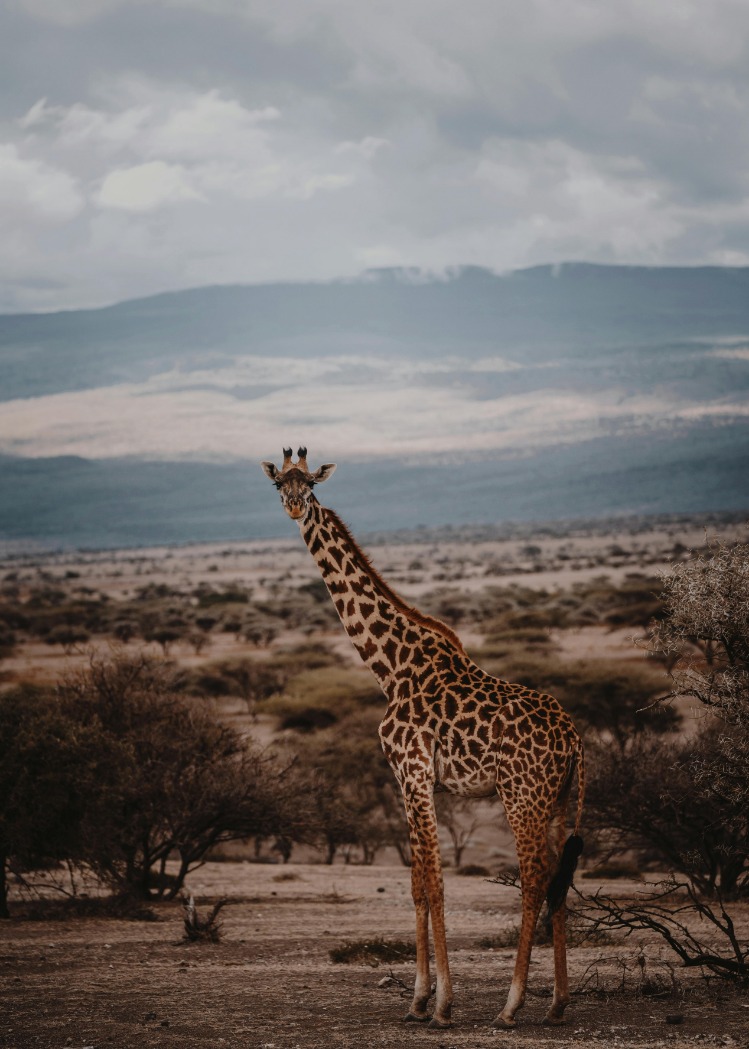
Overview of Safari to Tanzania
Embarking on a safari to Tanzania offers an unparalleled adventure into the heart of Africa’s wilderness. Renowned for its diverse landscapes and abundant wildlife, Tanzania provides an extraordinary opportunity to witness the majestic Big Five and explore iconic national parks such as Serengeti and Ngorongoro Crater. Whether you are a seasoned traveler or a first-time explorer, a safari in Tanzania promises unforgettable moments amidst breathtaking scenery and vibrant ecosystems.
Geographical Location and Climate
A safari to Tanzania offers an extraordinary experience to witness the diverse wildlife and stunning landscapes of East Africa. Known for its vast plains, lush forests, and abundant wildlife, Tanzania is a prime destination for safari enthusiasts. The country’s rich biodiversity and iconic national parks make it an unforgettable adventure for nature lovers.
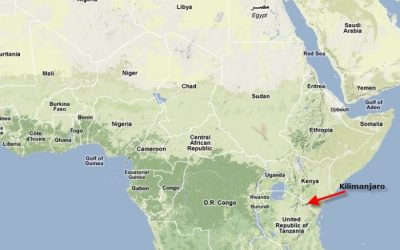
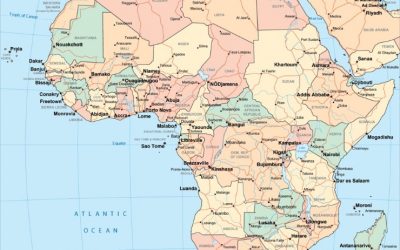
Geographically, Tanzania is situated in southeastern Africa, bordered by Kenya and Uganda to the north, Rwanda, Burundi, and the Democratic Republic of Congo to the west, and Mozambique, Malawi, and Zambia to the south. It has a coastline along the Indian Ocean to the east. The country features diverse terrains including the Serengeti Plains, the Ngorongoro Crater, Mount Kilimanjaro, and Lake Victoria, forming some of the most renowned safari destinations in Africa.
The climate in Tanzania varies from tropical along the coast to temperate inland. Generally, the country experiences two main seasons: the dry season from June to October, ideal for safaris due to clear wildlife visibility, and the wet season from November to May, which brings lush scenery and migratory bird activity. The high-altitude areas around Mount Kilimanjaro are cooler, while the coastal regions remain warm and humid throughout the year.
Best Time to Visit
Safari to Tanzania offers an unforgettable experience to witness diverse wildlife and stunning landscapes in one of Africa’s most renowned national parks. Visitors can explore the vast savannas, lush forests, and iconic landscapes like the Serengeti and Ngorongoro Crater, home to a myriad of animal species including lions, elephants, giraffes, and rhinoceroses.
The best time to visit Tanzania for a safari is generally during the dry season, from June to October. During these months, animals are easier to spot as they gather around water sources and the vegetation is less dense. The wildebeest migration, a highlight of Tanzanian safaris, also takes place mainly between July and September, making this period ideal for wildlife viewing and photographic opportunities.
Top Safari Destinations in Tanzania
Experience the awe-inspiring beauty of Tanzania through its top safari destinations, where breathtaking landscapes and diverse wildlife create an unforgettable adventure. From expansive plains to lush savannahs, these incredible locations offer the perfect setting for nature enthusiasts and adventure seekers alike. Discover the unique charms of Tanzania’s premier wildlife reserves and National Parks, each showcasing the rich biodiversity that has made the country famous worldwide.
Serengeti National Park
Serengeti National Park is undoubtedly one of the top safari destinations in Tanzania, renowned for its breathtaking landscapes and incredible wildlife experiences. Visitors to this iconic park can witness the awe-inspiring annual migration of over two million wildebeest, zebras, and gazelles, making it a prime location for witnessing natural predator-prey interactions. Aside from the migration, Serengeti offers a diverse range of ecosystems, from vast grasslands to riverine forests, supporting a rich variety of species including lions, elephants, cheetahs, and hippos.
- Serengeti National Park
- Ngorongoro Conservation Area
- Tarangire National Park
- Ruaha National Park
- Selous Game Reserve
Ngorongoro Conservation Area
Embarking on a safari to Tanzania offers an unparalleled adventure through some of Africa’s most breathtaking landscapes. Among the top destinations is the Ngorongoro Conservation Area, renowned for its stunning crater and rich biodiversity. This UNESCO World Heritage Site is home to a vast array of wildlife, including lions, elephants, rhinos, and the rare black-maned lion, all thriving amidst rolling grasslands and dense forests.
The Ngorongoro Crater, often called the “Eighth Wonder of the World,” provides a unique opportunity to witness wildlife in a natural, unspoiled setting. Visitors can explore the crater floor on game drives, experiencing close encounters with diverse animal species in their natural habitat. The area also offers cultural encounters with the Maasai people, adding a rich cultural dimension to the safari experience.
Beyond the crater, the Ngorongoro Conservation Area includes highland forests, open plains, and mountain ranges, making it a versatile destination for wildlife enthusiasts and nature lovers alike. Combining breathtaking scenery with abundant wildlife makes the Ngorongoro Conservation Area a must-visit destination for any safari in Tanzania.
Tarangire National Park
Tarangire National Park is one of the top safari destinations in Tanzania, renowned for its stunning landscapes and diverse wildlife. Located in northern Tanzania, this park is famous for the large herds of elephants that roam its savannahs and riverbanks. Visitors can enjoy game drives through the lush scenery, where they might encounter lions, leopards, cheetahs, and a wide variety of antelopes and birds. The park’s iconic baobab trees add unique character to the scenery, while the seasonal Tarangire River draws animals from surrounding areas, creating excellent wildlife viewing opportunities. Tarangire offers an authentic safari experience enriched by its tranquil environment and abundant wildlife, making it a must-visit destination for safari enthusiasts exploring Tanzania.
Lake Manyara National Park
Lake Manyara National Park is a stunning safari destination in Tanzania, renowned for its diverse landscapes and rich wildlife. Visitors can enjoy breathtaking views of the expansive lake, lush jungles, and acacia trees that line the park. The park is particularly famous for its tree-climbing lions, which can often be seen lounging high in the branches. Birdwatchers will also appreciate the park’s abundance of bird species, making it a paradise for ornithologists. With its unique ecosystem and vibrant wildlife, Lake Manyara offers a memorable safari experience for travelers seeking adventure and natural beauty in Tanzania.
Selous Game Reserve
Selous Game Reserve in Tanzania is one of the top safari destinations, offering an authentic wildlife experience nestled within Africa’s largest protected wildlife area. Known for its vast landscapes, diverse animal populations, and fewer crowds, it provides travelers with exceptional opportunities for game viewing, boat safaris, and walking safaris. Visitors can encounter elephants, lions, cheetahs, wild dogs, and numerous bird species in their natural habitat. The reserve’s rivers and wetlands also attract a variety of aquatic life, making it a rich and dynamic environment. A safari to Selous promises adventure, breathtaking scenery, and a chance to connect deeply with Africa’s wild heritage, making it a must-visit destination in Tanzania for wildlife enthusiasts and nature lovers alike.
Wildlife and Flora
Embarking on a safari to Tanzania offers a breathtaking glimpse into the diverse world of wildlife and flora. From the vast savannas teeming with majestic elephants and prowling lions to the vibrant plant life that enriches this natural landscape, Tanzania’s environment is a stunning sanctuary for countless species. Exploring these habitats provides a unique opportunity to connect with nature’s beauty and witness the intricate balance of life that sustains this extraordinary wilderness.
Big Five Species
A safari to Tanzania offers an incredible opportunity to witness some of the most iconic wildlife and flora in Africa. The country is renowned for its diverse ecosystems, including savannas, forests, and wetlands, which support a wide variety of species. Visitors can experience the majesty of the Big Five and discover unique plant life that sustains these animals and the overall ecosystem.
- Big Five Species:
- Lion – The king of the savannah, known for its strength and social behavior.
- Elephant – The largest land mammal, often seen roaming across vast plains.
- Buffalo – A formidable herbivore with a thick hide, frequently found in herds.
- Leopard – A elusive big cat, skilled at hunting and climbing trees.
- Rhinoceros – Both black and white rhinos inhabit Tanzania’s reserves, symbolizing conservation efforts.
In addition to these magnificent animals, Tanzania’s flora includes acacia trees, baobabs, and diverse grasslands that create the perfect habitat for wildlife. Visiting national parks such as Serengeti and Ngorongoro Crater offers unparalleled opportunities to observe these species in their natural environment, making a safari to Tanzania an unforgettable adventure for nature enthusiasts.
Migration Patterns
A safari to Tanzania offers a unique opportunity to observe the diverse wildlife and vibrant flora that inhabit this incredible region. The country is renowned for its expansive national parks, where animals roam freely across vast savannas and lush landscapes. Visitors can witness the majestic migration of wildebeest and zebras, which move annually in search of greener pastures, creating one of the most spectacular wildlife phenomena in the world. The flora varies from dense bush and acacia trees to expansive plains dotted with colorful wildflowers, providing essential habitat and food sources for countless species. Understanding these migration patterns and the rich plant life enhances the safari experience, revealing the intricate balance of Tanzania’s ecosystems and the importance of conservation efforts to preserve its natural heritage.
Unique Flora and Vegetation
Embarking on a safari to Tanzania offers a spectacular opportunity to explore its rich and diverse wildlife and flora. The country’s vast landscapes host an incredible variety of plant life and vegetation that support its renowned ecosystems and wildlife populations. From expansive savannas and lush woodlands to thorny scrublands, Tanzania’s flora provides essential habitats for an array of species.
Unique flora in Tanzania includes the iconic Baobab trees, often called “Tree of Life,” which dominate the landscape with their massive trunks and longevity. The endemic African violet species flourish in specific regions, adding bursts of color amidst the greenery. The Miombo woodlands, a dominant vegetation type, are characterized by tall, deciduous trees, while the acacia and commiphora bushes adapt to arid conditions, creating a unique and resilient plant community.
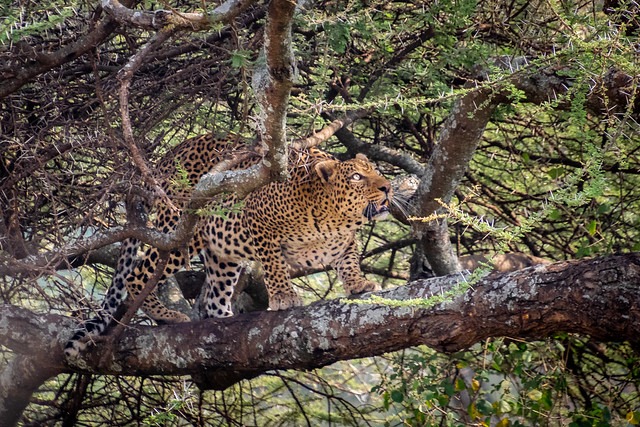
Vegetation in Tanzania varies significantly across its national parks and reserves, such as the Serengeti, Ngorongoro Crater, and Tarangire. The Serengeti plains are covered with tall grasses that sustain herbivores and predators alike, while the highland forests of the Usambara Mountains boast a remarkable array of endemic plant species. These diverse plant communities not only define the landscape but also support an extensive array of wildlife, making Tanzania a truly unique destination for nature enthusiasts.
Safari Activities
Embarking on a safari to Tanzania promises an unforgettable adventure through some of Africa’s most pristine wilderness. From the vast Serengeti plains to the breathtaking Ngorongoro Crater, travelers can experience exciting game drives, witness majestic wildlife, and immerse themselves in the natural beauty of the savannah. These activities offer a unique opportunity to connect with nature and explore the diverse habitats that make Tanzania a premier safari destination.
Game Drives
Embarking on a safari in Tanzania offers an unforgettable adventure through some of Africa’s most renowned wilderness areas. The country is famous for its diverse landscapes and incredible wildlife encounters, making it a perfect destination for game drives and safari activities.
Game drives in Tanzania are conducted in national parks such as Serengeti, Ngorongoro Crater, and Tarangire, where visitors can observe a wide variety of animals in their natural habitats. Early morning or late afternoon drives provide the best opportunities to see predators, herbivores, and numerous bird species, all amidst breathtaking scenery.
Safari activities also include guided walking safaris, hot air balloon safaris, and cultural visits to local communities. These activities allow travelers to experience the rich biodiversity and vibrant cultures of Tanzania, creating a truly immersive safari adventure.
Walking Safaris
Experience the thrill of an authentic African adventure with walking safaris in Tanzania, one of the most acclaimed destinations for safari enthusiasts. These close-to-nature journeys provide an intimate view of the wilderness, allowing you to explore the stunning landscapes on foot while observing a variety of wildlife in their natural habitat.
Walking safaris in Tanzania are led by expert guides who are well-versed in animal behavior, flora, and conservation efforts. This educational and immersive experience offers a unique perspective, giving you the chance to hear the sounds of the bush, identify different plant species, and spot elusive animals that might go unnoticed from a vehicle.
Whether trekking through the Serengeti, exploring the Ngorongoro Conservation Area, or wandering the lush plains of Tarangire National Park, walking safaris enable you to connect deeply with the environment. These adventures are suitable for travelers seeking a more personal and adventurous way to experience Tanzania’s incredible biodiversity and breathtaking landscapes.
Hot Air Balloon Rides
Experience the thrill of a safari to Tanzania with unforgettable hot air balloon rides that offer a unique perspective of the breathtaking landscapes below. Floating gently above the Serengeti or Ngorongoro Crater, travelers can admire the vast plains teeming with wildlife, including lions, elephants, and zebras, from a peaceful and panoramic vantage point. These early morning adventures not only provide incredible photo opportunities but also create memories of serenity and awe as you witness the natural beauty of Tanzania from high above. Combining the excitement of a safari with the tranquility of a hot air balloon flight, this activity ensures a truly extraordinary African safari experience.
Cultural Tours and Village Visits
Experience the thrill of a safari to Tanzania with engaging safari activities, cultural tours, and village visits that offer a comprehensive glimpse into the country’s natural beauty and rich traditions. Embark on thrilling game drives to observe majestic wildlife, including the Big Five, in their pristine habitats of Serengeti and Ngorongoro Crater. Cultural tours allow you to immerse yourself in the vibrant traditions of local tribes like the Maasai and Hadza, learning about their customs, dances, and lifestyle. Village visits provide an authentic connection with community members, giving insight into their daily routines, crafts, and hospitality. These activities together create a memorable adventure, blending wildlife exploration with cultural enlightenment in the heart of Tanzania.
Accommodation Options
When planning a safari to Tanzania, choosing the right accommodation is essential for a memorable adventure. From luxurious lodges overlooking vast plains to tented camps immersing you in the wilderness, Tanzania offers a diverse range of options to suit every traveler’s preference. Each accommodation type provides a unique experience, enhancing your opportunity to connect with the stunning landscapes and abundant wildlife of this incredible destination.
Luxury Lodges and Camps
When planning a safari to Tanzania, travelers have a variety of accommodation options to choose from, each offering a unique experience. Luxury lodges and camps provide an elevated level of comfort and exclusivity, allowing guests to immerse themselves in the wilderness without sacrificing modern amenities. These accommodations are often strategically located within or near national parks such as Serengeti and Ngorongoro, offering breathtaking views and immediate access to wildlife safaris. Luxury lodges typically feature spacious suites, gourmet dining, swimming pools, spa services, and personalized guides, creating a perfect blend of adventure and indulgence. Camps range from luxurious tented camps with elegant furnishings to more rustic setups, all designed to deliver an authentic safari experience while maintaining high standards of comfort. Whether seeking the opulence of a high-end lodge or the intimate connection with nature offered by a luxury camp, visitors to Tanzania can enjoy tailored accommodations that enhance their safari adventure.
Mid-range Options
When planning a safari to Tanzania, mid-range accommodation options offer a comfortable and convenient experience without the high price tag of luxury lodges. These options often provide excellent amenities, convenient locations near national parks, and a cozy atmosphere to enjoy the wilderness.
- Mid-range lodges and tented camps located near popular safari destinations like Serengeti and Ngorongoro Crater
- Comfortable rooms with private bathrooms, often including amenities such as swimming pools, on-site dining, and guided tours
- Eco-friendly options that combine sustainable practices with modern comforts
- Options that cater to families, couples, and solo travelers seeking a balance of affordability and comfort
- All-inclusive packages that include game drives, meals, and park fees for a seamless safari experience
Budget Campsites
When planning a safari to Tanzania, budget campsites offer an affordable and authentic way to experience the country’s stunning landscapes and abundant wildlife. These campsites are often located within or near national parks and reserves, providing convenient access to prime wildlife viewing areas. They typically feature basic amenities such as shared facilities, communal dining areas, and simple sleeping arrangements, making them perfect for travelers seeking an adventurous and cost-effective stay. Booking in advance and checking reviews can help ensure a comfortable and safe experience at these budget-friendly options.
Travel Tips and Recommendations
Embarking on a safari to Tanzania promises an unforgettable adventure through some of Africa’s most stunning landscapes and diverse wildlife. To ensure a smooth and enjoyable journey, it’s essential to be well-prepared with helpful travel tips and recommendations. From choosing the right time to visit to packing wisely, these insights will help you make the most of your Tanzanian safari experience.
Visa and Entry Requirements
When planning a safari to Tanzania, it’s important to prepare thoroughly to ensure a smooth and enjoyable experience. Arrange your travel dates well in advance, especially during peak seasons when accommodations and tours may book up quickly. Consider the best time to visit, typically during the dry seasons from June to October and December to February, to see wildlife at their most active. Make sure to pack appropriate clothing, including neutral-colored clothing for safaris, sun protection, and binoculars for wildlife viewing.
Regarding visas and entry requirements, most travelers to Tanzania require a visa unless they come from visa-exempt countries. You can often obtain a visa on arrival at major airports or border crossings, but it is recommended to apply for an e-visa online beforehand to streamline your entry process. Ensure your passport is valid for at least six months beyond your planned stay and has at least two blank pages. Additional documentation, such as proof of onward travel and vaccination certificates (especially yellow fever, if arriving from certain countries), may be necessary.
Health and Safety Precautions
Embarking on a safari in Tanzania is an exciting adventure that offers unforgettable wildlife experiences. To ensure a smooth trip, plan your visit during the dry season from June to October when animals are easier to spot and the weather is favorable. Bring appropriate clothing, including neutral-colored safari gear, hats, sunglasses, and sunscreen to protect yourself from the sun. Stay hydrated and always carry sufficient water, especially during long game drives. It’s important to follow safety instructions provided by your guides, avoid sudden movements around wildlife, and maintain a respectful distance from animals. Ensure vaccinations such as yellow fever are up to date and carry necessary medications. Lastly, stay alert to your surroundings and communicate any health concerns promptly to enjoy a safe and memorable Tanzanian safari experience.
What to Pack
Embarking on a safari to Tanzania requires careful packing to ensure a comfortable and enjoyable experience. Essential items include lightweight, neutral-colored clothing to blend in with the environment, paired with long-sleeve shirts and pants for sun and insect protection. Don’t forget a wide-brimmed hat, polarized sunglasses, and sunscreen to shield yourself from the sun. A good pair of binoculars and a camera with extra batteries or memory cards will help capture the stunning wildlife. Pack a reusable water bottle, insect repellent, and basic first aid supplies for safety. Lightweight, waterproof footwear is ideal for walking safaris, and a small backpack will carry your daily essentials. Remember to bring your travel documents, binoculars, and any necessary medications. With proper packing, your Tanzanian safari will be unforgettable and smooth sailing.
Guided Tours and Local Regulations
When planning a safari to Tanzania, it is essential to prepare thoroughly to ensure a smooth and enjoyable experience. Make sure to pack appropriate clothing, including neutral-colored outfits suitable for wildlife viewing, and bring essentials like sunscreen, insect repellent, and binoculars. Staying hydrated and respecting the environment will enhance your adventure.
Guided tours are highly recommended for a Tanzania safari, as experienced guides can offer valuable insights into the wildlife, culture, and ecosystems. They also help ensure safety in the wilderness. Many tour operators offer tailored packages that include visits to renowned parks like Serengeti, Ngorongoro Crater, and Tarangire, giving you a comprehensive experience of Tanzania’s diverse landscapes.
Respect for local regulations is crucial during your trip. Always follow park rules, such as staying inside designated areas and maintaining a safe distance from animals. Photography should be done responsibly, avoiding flash to protect wildlife. Additionally, dress modestly and be considerate of local communities and their customs. Familiarizing yourself with Tanzanian laws related to conservation and tourism will help promote responsible travel and preserve the country’s natural beauty for future visitors.

0 Comments