
Geography and Location of Pemba Island
Pemba Island is a picturesque island located off the northeastern coast of Tanzania in the Indian Ocean. It is part of the Zanzibar Archipelago and is renowned for its lush landscapes, vibrant coral reefs, and rich cultural history. Situated approximately 60 kilometers north of the mainland, Pemba is characterized by its mountainous terrain and beautiful beaches, making it a unique and captivating destination inside Tanzania’s diverse geography.
Geographical Features
Pemba Island, part of the Zanzibar Archipelago in Tanzania, is situated in the Indian Ocean off the northeastern coast of mainland Tanzania. It is known for its lush landscapes and strategic location, making it a significant part of the region’s geography.
- Located approximately 50 kilometers northeast of Zanzibar Island
- Geographically positioned between the Tanzanian mainland and the Comoros Islands
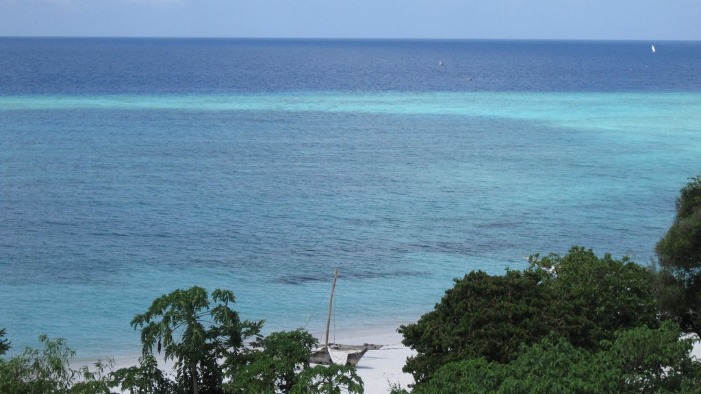
- Surrounded by coral reefs and clear turquoise waters
- Includes a mountainous interior with several notable peaks
- Has a rugged coastline with extensive beaches and coves
The island’s central highlands are characterized by fertile volcanic soil, providing ideal conditions for agriculture. Its geographical features include stunning coral atolls, mangrove swamps, and dense forests, making Pemba a notable location for ecological diversity and natural beauty.
Accessibility and Transport
Pemba Island, part of the Zanzibar Archipelago in Tanzania, is situated in the Indian Ocean off the northeastern coast of the mainland. It lies approximately 50 kilometers north of Unguja, the main island of Zanzibar, and is known for its lush landscapes and vibrant marine life. The island features a rugged coastline with numerous beaches, coves, and coral reefs that enhance its natural beauty and appeal as a tourist destination.
Accessibility to Pemba Island is primarily through air and sea. The island is served by Pemba Airport, which offers domestic flights from Zanzibar’s main airport and occasionally international flights. It is also accessible via ferries and boats from Zanzibar and other nearby islands, making sea travel a common option for visitors and locals alike. Transportation within the island is mainly reliant on taxis, motorbikes, and boat services, facilitating movement between towns, beaches, and scenic spots. Its strategic location and transportation options contribute to the island’s growing popularity for eco-tourism, diving, and cultural exploration.
Historical Background
Pemba Island, part of the Zanzibar Archipelago in Tanzania, boasts a rich and diverse historical background that reflects centuries of cultural interactions and trade. Known for its strategic location along ancient maritime routes, Pemba has been a hub for spice cultivation, especially cloves, and has seen influences from Arab, Persian, African, and European civilizations. Its history is marked by its role in trade, the spread of Islam, and colonial encounters, all contributing to the unique cultural and historical landscape of the island today.
Ancient Heritage
Pemba Island, part of Tanzania’s Zanzibar Archipelago, boasts a rich historical background rooted in ancient trade and cultural exchanges. Historically, it has been a significant center for the spice trade, particularly for cloves, which has earned it the nickname “The Green Island.” The island’s strategic location facilitated interactions with Arab, Persian, Indian, and African traders, influencing its diverse cultural heritage. Archaeological findings suggest that Pemba has been inhabited for centuries, with evidence of early Swahili settlements that played a vital role in regional commerce. The island’s ancient heritage is also reflected in its traditional architecture, distinct customs, and historical sites that offer insights into its vibrant past as a hub of trade and cultural synthesis in East Africa.
Colonial Era and Influences
Pemba Island, part of the Zanzibar Archipelago in Tanzania, has a rich historical background shaped by centuries of trade, colonization, and cultural exchange. Historically, it was a prominent center for spice cultivation, especially cloves, which played a significant role in its economic development. The island’s strategic location along trade routes facilitated interactions with Arab, Persian, Portuguese, and later European traders, contributing to its diverse cultural influences.
During the colonial era, Pemba Island was under the control of various powers, including the Portuguese and Omani Arabs, before becoming part of British East Africa in the late 19th and early 20th centuries. British administration introduced new governance structures and economic practices, which affected local society and development. The legacy of colonization is evident in the island’s administrative systems, architecture, and social organization.
The influences of these historical periods are evident in Pemba’s language, culture, and customs. Swahili emerged as the lingua franca, enriched by diverse linguistic influences from Arab, Persian, and European languages. The island’s cultural practices reflect a fusion of African, Arab, and European heritages, making it a unique tapestry of historical influences that continue to shape Pemba Island today.
Post-Independence Development
Pemba Island, part of the Zanzibar Archipelago in Tanzania, has a rich historical background shaped by centuries of trade, colonization, and cultural exchanges. Historically, it was a significant center for the Arab trade networks, especially in spices, and was influenced by Arab, Persian, and later Portuguese traders. The island’s strategic location made it a vital point in the Indian Ocean trade routes, contributing to its diverse cultural landscape. Post-independence, Tanzania gained independence from British rule in 1961, and Pemba Island transitioned into part of the unified nation. Since then, there has been a focus on development through improving infrastructure, agriculture, and tourism. Efforts to preserve the island’s unique heritage and natural environment have also been prioritized, fostering sustainable growth and increased recognition of Pemba’s cultural and ecological significance in Tanzania’s national development plans.
Culture and Traditions
Pemba Island in Tanzania is rich in unique culture and vibrant traditions that reflect its rich history and diverse influences. The islanders take pride in their heritage, which is expressed through music, dance, art, and local customs. These cultural practices play a vital role in fostering community spirit and preserving the island’s identity for future generations.
Local Customs and Celebrations
Pemba Island in Tanzania is rich in culture and traditions that reflect its unique history and diverse influences. The island is known for its vibrant local customs, which have been preserved through generations, creating a deep sense of community and identity among its inhabitants. Traditional music, dance, and storytelling play a vital role in daily life, often showcased during communal gatherings and festivities.
Local customs on Pemba Island include intricate Swahili rituals and ceremonies that emphasize hospitality, respect for elders, and spiritual beliefs. The islanders celebrate a variety of cultural festivals that highlight their Islamic faith, which is evident in their prayer practices and religious observances. Artisanal crafts, such as intricate weaving and wood carving, also hold cultural significance and are passed down as cherished traditions.
Pemba Island hosts lively celebrations throughout the year, celebrating everything from Islamic holidays like Eid al-Fitr and Eid al-Adha to local cultural events. These occasions are marked by colorful processions, traditional music, and communal feasts that bring residents and visitors together. The vibrant displays of dance, singing, and traditional attire during these celebrations showcase the island’s rich cultural heritage and the spirit of unity among its people.
Languages Spoken
Pemba Island, part of Tanzania’s Zanzibar Archipelago, boasts a rich tapestry of culture and traditions that reflect a blend of Bantu, Arab, and European influences. The island’s unique customs are deeply rooted in its history and community life, offering a fascinating glimpse into its vibrant heritage.
- Traditional music and dance play a vital role in Pemba’s cultural celebrations, with popular styles including Taarab and Ngoma drums that echo the island’s diverse history.
- Fishing remains a core livelihood, with many local festivals celebrating the bounty of the sea, accompanied by storytelling and communal gatherings.
- Architectural traditions feature ancient coral stone houses and mosques that highlight Islamic influences, reflecting the island’s historical trade connections.
Languages spoken on Pemba Island primarily include Swahili, which serves as the national language and a lingua franca for daily communication. English is also widely used, especially in tourism and formal settings. Additionally, local dialects such as Pemba Swahili, which has distinct linguistic features, enrich the linguistic landscape of the island.
Religious Practices
Pemba Island in Tanzania is renowned for its rich culture and vibrant traditions that reflect a blend of Arab, Swahili, and Bantu influences. The islanders take pride in preserving their unique customs, dance, music, and artisanal crafts, which play a significant role in daily life and community celebrations. Religious practices also deeply shape the social fabric of Pemba, with Islam being the predominant faith, influencing dress, rituals, and festivals.
- Traditional dances such as the “ngoma,” which are performed during celebrations and community gatherings.
- Musical instruments like the “zeze” and “marimba” are integral to storytelling and rituals.
- Tea and spice farming, especially cloves, are vital cultural and economic practices passed down through generations.
- Religious festivals, including Eid al-Fitr and Eid al-Adha, are celebrated with prayers, feasts, and communal activities.
- Islamic teachings influence daily routines, including prayer times and dietary laws.
- Religious leaders and elders hold respected positions, guiding community morals and traditions.
- Customary rites of passage, such as initiation ceremonies and wedding rituals, are deeply rooted in religious and cultural beliefs.
1. Mosques are central to community life, serving as places for worship and social gathering.
Natural Attractions and Biodiversity
Pemba Island in Tanzania is renowned for its stunning natural attractions and rich biodiversity. Surrounded by pristine waters, the island boasts lush green landscapes, vibrant coral reefs, and diverse ecosystems that attract nature lovers and adventurers alike. Exploring Pemba offers a unique opportunity to experience untouched nature and witness a wide variety of plant and animal species thriving in their natural habitats.
Marine Life and Coral Reefs
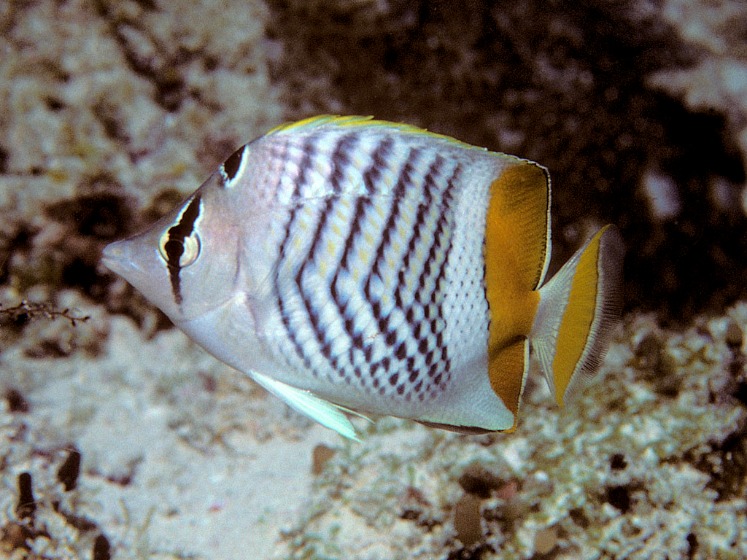
Pemba Island in Tanzania is renowned for its rich natural attractions and vibrant biodiversity, making it a haven for nature enthusiasts. The island’s pristine landscapes include lush forests, mangroves, and pristine beaches that contribute to its ecological significance. Its marine environment teems with diverse marine life, including colorful fish, sea turtles, and whale sharks, offering exceptional opportunities for snorkeling and diving.
- Coral Reefs: Pemba is famous for its extensive and healthy coral reefs, which host a variety of marine species and are vital for maintaining ecological balance.
- Marine Biodiversity: The waters surrounding Pemba are home to numerous species such as manta rays, dolphins, and vibrant reef fish, supporting a rich marine ecosystem.
- Conservation Efforts: The island is a designated marine protected area, emphasizing the importance of conserving its fragile habitats and promoting sustainable tourism.
Wildlife and Forests
Pemba Island in Tanzania is renowned for its rich natural attractions, which include lush forests, vibrant coral reefs, and diverse wildlife. The island’s forests are home to a variety of endemic species, making it a vital area for biodiversity conservation. Pemba’s eco-systems support a wide range of flora and fauna, from colorful bird species to unique marine life, underscoring the importance of preserving its natural heritage. Visitors can explore its pristine beaches, dive into the vibrant coral gardens, and experience the tranquility of unspoiled wilderness. The island’s commitment to protecting its natural environment ensures that future generations will continue to enjoy its stunning biodiversity and scenic beauty.
Protected Areas and Reserves
Pemba Island in Tanzania is renowned for its rich natural attractions and exceptional biodiversity. Surrounded by pristine coral reefs and crystal-clear waters, it offers stunning marine life, including vibrant coral gardens, tropical fish, and rare sea creatures, making it a haven for snorkelers and divers.
The island’s lush forests and varied ecosystems support a wide array of plant and animal species, some of which are endemic to the region. These biodiversity hotspots contribute to the island’s ecological significance and are crucial for maintaining environmental balance.
Pemba Island is home to several protected areas and reserves that aim to conserve its unique natural heritage. Notable among these are Ngezi Forest Reserve, a vital habitat for endangered species, and Misali Island Conservation Area, which safeguards its marine and terrestrial ecosystems. These protected spaces play a vital role in preserving the island’s ecological integrity for future generations.
Tourist Attractions and Activities
Pemba Island, located off the coast of Tanzania, is a stunning destination famous for its lush landscapes, vibrant culture, and pristine beaches. Visitors can explore a variety of attractions and activities that showcase the island’s natural beauty and rich heritage. From snorkeling and diving in crystal-clear waters to wandering through historic villages, Pemba offers an unforgettable experience for travelers seeking adventure and relaxation alike.
Beaches and Water Sports
Pemba Island in Tanzania is renowned for its stunning tourist attractions and activities that attract visitors from around the world. The island offers a perfect blend of natural beauty, rich cultural heritage, and vibrant marine life, making it an ideal destination for travelers seeking adventure and relaxation.
Among the top attractions are its lush green forests, historical sites, and vibrant local markets that provide a glimpse into Pemba’s unique culture. Visitors can explore the island’s spice farms to learn about the region’s famous spice cultivation, or visit traditional villages to experience authentic Tanzanian hospitality.
The beaches of Pemba Island are pristine and less crowded, offering a peaceful environment for sunbathing, picnicking, and enjoying the tropical scenery. The clear waters and coral reefs make it an excellent spot for water-based activities such as snorkeling and diving, where visitors can discover colorful marine life and vibrant coral gardens.
Water sports enthusiasts can indulge in activities like kayaking, paddleboarding, and deep-sea fishing. The island’s calm and warm sea provides perfect conditions for these activities, ensuring an adventurous yet relaxing experience for all visitors. Pemba Island’s natural beauty and diverse activities make it a captivating destination for all types of travelers.
Historical Sites
Pemba Island in Tanzania is a captivating destination known for its stunning tourist attractions and rich historical sites. Visitors can explore pristine beaches and vibrant coral reefs, perfect for snorkeling and diving adventures. The island offers lush tropical landscapes, spice plantations, and traditional Swahili villages that showcase local culture and history. Notable historical sites include the stunning Fort of Pemba and ancient mosques that reflect the island’s Islamic heritage. With its combination of natural beauty and historical significance, Pemba Island provides an unforgettable experience for travelers seeking both leisure and cultural exploration.
Local Markets and Handicrafts
Pemba Island in Tanzania is a captivating destination offering a rich blend of attractions and activities that appeal to travelers seeking adventure, culture, and natural beauty. Visitors can explore stunning beaches, vibrant local markets, and unique handcrafted souvenirs that reflect the island’s heritage.
Tourist Attractions and Activities
- Snorkeling and Diving: Pemba is renowned for its pristine coral reefs and clear waters, perfect for underwater exploration.
- Climbing Mount Ngezi: A moderate trek that offers panoramic views of the island’s lush landscape and coastline.
- Jozani Forest Reserve: Home to the rare Red Colobus monkeys and diverse flora, ideal for nature walks and wildlife viewing.
- Visiting historic sites: Explore old forts and colonial-era buildings that showcase Pemba’s rich history.
- Fishing Excursions: Enjoy deep-sea fishing trips targeting tuna, marlin, and other exotic species.
Local Markets and Handicrafts
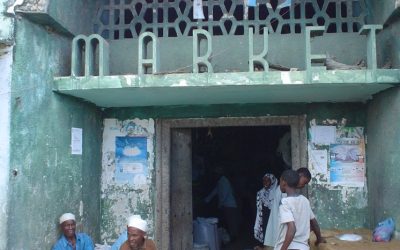
Pemba’s vibrant markets are a hub of local life and culture. They offer a wide variety of fresh produce, spices, and traditional goods, providing travelers an authentic experience.
- Pemba Central Market: The main market where vendors sell fresh seafood, fruits, vegetables, and local spices.
- Mkoani Market: A bustling marketplace known for its colorful stalls and handcrafted items.
- Handicrafts: Visitors can purchase intricately woven baskets, mats, jewelry made from shells and gemstones, and textiles that showcase local artistry.
Economy and Local Industries
Pemba Island, located off the coast of Tanzania, boasts a vibrant economy driven largely by its rich agricultural and fishing industries. The island’s lush landscapes support the cultivation of spices, especially cloves, which are a major contributor to its local economy. Additionally, small-scale industries such as craft making and tourism further strengthen Pemba’s economic stability, making it a key contributor to the region’s overall development.
Agriculture and Fisheries
Pemba Island in Tanzania boasts a diverse economy primarily driven by local industries, agriculture, and fisheries. Its rich natural resources and favorable climate support a variety of economic activities that sustain the local communities and contribute to the island’s development.
- Local industries on Pemba include spice farming, particularly cloves, which are a major export commodity for the island.
- Tourism also plays a vital role, with eco-tourism, diving, and snorkeling attracting visitors to its pristine beaches and coral reefs.
- Small-scale manufacturing and handicrafts are prevalent, often centered around local traditions and materials.
- Agriculture is a cornerstone of Pemba’s economy, with the primary crops being cloves, cassava, bananas, and coconuts.
- The fertile volcanic soil and suitable climate facilitate the cultivation of various fruits and vegetables for both local consumption and export.
- Subsistence farming remains widespread, with many households engaged in growing crops to meet their daily needs.
- Fisheries are crucial to Pemba’s economy, with fishing providing employment and food security for local communities.
- The island’s waters are rich in fish species such as tuna, sardines, and mackerel, supporting a vibrant fishing industry.
- Aquaculture and small-scale fish processing also contribute to the local economy, helping to diversify income sources.
Tourism Sector
Pemba Island in Tanzania boasts a diverse economy primarily driven by local industries and a vibrant tourism sector. The island’s economy benefits from traditional farming, fishing, and clove cultivation, which are vital sources of income for residents. These industries have sustained the local population for generations and continue to play a crucial role in the island’s economic stability.
In recent years, tourism has emerged as a significant pillar of Pemba’s economy, attracting visitors with its unspoiled beaches, lush green landscapes, and rich marine life. Eco-tourism and cultural tourism are particularly popular, with travelers drawn to explore the island’s historical sites, coral reefs, and vibrant local traditions. Efforts to promote sustainable tourism are helping Pemba develop economically while preserving its unique natural and cultural heritage.
Handicrafts and Trade
Pemba Island, part of Tanzania’s Zanzibar Archipelago, boasts a vibrant economy rooted in local industries and traditional trade practices. The island’s economy primarily relies on agriculture, with clove cultivation being a significant contributor, earning Pemba the nickname “Green Island.” In addition to cloves, residents engage in farming spices, coconuts, and various fruits, which support local markets and export efforts.
Handicrafts play an essential role in Pemba’s cultural identity and economy. Local artisans craft intricate woodworks, jewelry, textiles, and coral carvings that showcase traditional skills passed down through generations. These products attract tourists and serve as important income sources for many households, promoting sustainable cultural tourism.
Trade on Pemba Island revolves around the export of spices, especially cloves, along with sea products and agricultural goods. The island’s strategic location facilitates maritime trade routes, fostering commerce with foreign markets and neighboring regions. Local markets and trading centers further bolster the economy, emphasizing the island’s role as a hub for traditional industries and vibrant trade activities.
Environmental Challenges and Conservation Efforts
Pemba Island in Tanzania is a stunning tropical destination facing several environmental challenges that threaten its unique ecosystems. From deforestation and overfishing to climate change impacts, these issues pose significant risks to the island’s rich biodiversity. Fortunately, numerous conservation efforts are underway to protect Pemba’s natural beauty and ensure a sustainable future for both its inhabitants and the environment.
Coastal Erosion
Pemba Island in Tanzania faces significant environmental challenges, one of the most pressing being coastal erosion. This phenomenon threatens local communities, wildlife habitats, and the island’s rich marine ecosystems. Rising sea levels due to climate change and human activities such as construction and deforestation exacerbate the problem, leading to the loss of beaches and erosion of shoreline areas.
In response to these challenges, various conservation efforts have been implemented on Pemba Island. Local communities, environmental organizations, and the government are working together to promote sustainable practices, such as planting mangroves along the coast to act as natural barriers against erosion. Additionally, awareness campaigns aim to educate residents and visitors about the importance of protecting natural coastal features.
Efforts to establish protected marine areas have been instrumental in conserving biodiversity and supporting sustainable fisheries, which in turn help mitigate some causes of erosion. Research initiatives also focus on understanding the impact of climate change on Pemba’s coastline, guiding future conservation strategies. These combined efforts are vital to preserving Pemba Island’s unique environment for future generations.
Marine Conservation Initiatives
Pemba Island in Tanzania faces several environmental challenges that threaten its rich marine and terrestrial ecosystems. Overfishing, coral reef degradation, and pollution from human activities are significant concerns that impact the island’s biodiversity and local livelihood. To address these issues, various conservation efforts and marine initiatives have been implemented to protect and preserve Pemba’s unique environment.
- Establishment of marine protected areas (MPAs) to conserve coral reefs and marine life
- Community-led conservation programs promoting sustainable fishing practices
- Marine research and monitoring projects to assess reef health and guide conservation policies
- Coral reef restoration initiatives to repair damaged reefs using innovative techniques
- Environmental education campaigns aimed at raising awareness among local communities and visitors
- Partnerships with NGOs and international organizations to fund and support conservation projects
These efforts are crucial in maintaining the ecological balance of Pemba Island and ensuring the sustainable use of its marine resources for future generations.
Sustainable Tourism Practices
Pemba Island in Tanzania faces several environmental challenges that threaten its unique ecosystems and biodiversity. Overexploitation of marine resources, illegal fishing, deforestation, and coastal erosion are some of the pressing issues that impact the island’s natural environment. In response, various conservation efforts have been implemented to preserve Pemba’s rich biodiversity and promote sustainable development.
Efforts such as establishing marine protected areas, promoting community-based conservation programs, and implementing reforestation projects are vital steps toward safeguarding Pemba’s environment. These initiatives aim to balance ecological preservation with local livelihoods, ensuring that natural resources are utilized responsibly.
Sustainable tourism practices are crucial for Pemba Island to maintain its ecological integrity while offering visitors an authentic experience. Such practices include eco-friendly accommodations, promoting responsible diving and snorkeling activities, and encouraging tourists to support local communities.
- Encouraging eco-tourism that emphasizes environmental education and conservation awareness.
- Implementing strict regulations on fishing and marine resource use to prevent overfishing.
- Supporting local communities through sustainable livelihood programs that reduce dependence on natural resource exploitation.
- Promoting the use of renewable energy sources for tourism facilities to minimize carbon footprint.
- Engaging tourists in conservation activities such as beach clean-ups and wildlife monitoring.


0 Comments