
Overview of Kilimanjaro
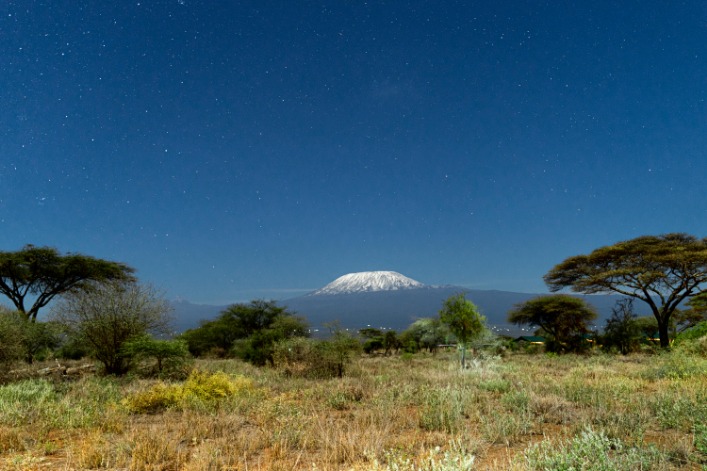
Kilimanjaro, the tallest mountain in Africa, stands as an iconic natural wonder and a popular destination for adventurers worldwide. Located in Tanzania, this majestic peak reaches an impressive height of 5,895 meters (19,341 feet) and is renowned for its stunning landscapes, distinct ecological zones, and challenging ascent routes. A Tanzania Kilimanjaro tour offers explorers a unique opportunity to experience breathtaking scenery, diverse wildlife, and the thrill of conquering one of the world’s highest free-standing mountains.
Geography and Significance
Kilimanjaro, Africa’s highest mountain, is a majestic dormant volcano located in northeastern Tanzania near the border with Kenya. It stands at 5,895 meters (19,341 feet) above sea level, making it the tallest free-standing mountain in the world. The mountain is part of the Kilimanjaro National Park, a UNESCO World Heritage Site, and is renowned for its diverse ecosystems, from lush rainforests at the base to arctic summit conditions.
Geographically, Kilimanjaro is composed of three volcanic cones: Kibo, Mawenzi, and Shira. Kibo is the highest peak and the climax of most climbs, while Mawenzi and Shira are dormant and extinct cones, respectively. The mountain’s unique location along the East African Rift Valley contributes to its dramatic slopes and varied climatic zones. The region experiences distinct ecological zones, making it a popular destination for trekkers and nature enthusiasts alike.
The significance of Kilimanjaro extends beyond its impressive height. It is a symbol of Tanzania’s natural beauty and a global icon for adventure tourism. For many climbers, reaching the summit of Kilimanjaro is a life-changing achievement, often seen as a feat of physical endurance and mental resilience. Additionally, the mountain holds cultural and spiritual importance for local tribes and communities, further enriching its value as a treasured natural landmark.
Mount Kilimanjaro’s Height and Composition
Mount Kilimanjaro, located in Tanzania, is the highest peak in Africa and one of the most iconic natural landmarks on the continent. It attracts numerous adventurers and trekkers aiming to challenge themselves while experiencing its breathtaking scenery. As part of a Tanzania Kilimanjaro tour, travelers get the opportunity to witness this majestic mountain up close and explore its diverse ecosystem.
- Height: Mount Kilimanjaro stands approximately 5,895 meters (19,341 feet) above sea level, making it the tallest free-standing mountain in the world.
- Composition: The mountain is a dormant volcanic massif composed of three main volcanic cones — Kibo, Mawenzi, and Shira. Kibo is the highest summit, while Mawenzi and Shira are extinct volcanic structures surrounding Kibo.
- Climatic Zones: The mountain features several climatic zones, from tropical rainforests at the base to arctic conditions near its summit, offering a unique experience at each altitude.
Ecological Zones and Biodiversity
Kilimanjaro, the highest mountain in Africa, stands at 5,895 meters above sea level and is a prominent feature of Tanzania. It attracts thousands of visitors each year who seek to experience its towering presence and breathtaking views as part of Tanzania Kilimanjaro tours. The mountain is renowned not only for its impressive height but also for its unique ecological zones and diverse biodiversity.
The ecological zones of Kilimanjaro vary dramatically with altitude, creating distinct environments as climbers ascend. The base of the mountain features lush montane forests rich in various tree species, birds, and other wildlife. Above this, the zone transitions into moorlands characterized by heath and giant groundsel plants, which support an array of hardy animals and birdlife. Higher elevations display alpine desert conditions with minimal vegetation, specialized to withstand extreme temperatures and dry conditions. The summit, known as the scree and ice fields, is covered with glaciers and snow, hosting specialized cold-adapted organisms.
Kilimanjaro’s biodiversity is remarkable given its range of ecological zones. The lower forests are home to elephants, leopards, buffalo, and numerous primates, including blue monkeys and bush babies. Birdlife is abundant throughout, with species such as turacos, hornbills, and sunbirds. As the altitude increases, the flora and fauna become increasingly specialized and sparse, with unique plant species like giant groundsels and lobelias. The summit area hosts minimal life forms due to harsh conditions, but some hardy mosses and lichens can survive there. This ecological diversity makes Kilimanjaro not only a challenging trek but also a vital sanctuary for various species, emphasizing its significance for conservation and ecological study during Tanzania Kilimanjaro tours.
Popular Kilimanjaro Climbing Routes
Climbing Mount Kilimanjaro is an incredible adventure that attracts thrill-seekers and nature enthusiasts from around the world. With several popular routes to choose from, each offering unique landscapes and challenges, trekkers can tailor their journey according to their experience level and preferences. Exploring the diverse pathways to the summit of Africa’s highest peak is an unforgettable experience that forms the highlight of any Tanzanian Kilimanjaro tour.
Machame Route
The Machame Route, also known as the “Whiskey Route,” is one of the most popular and scenic paths for climbing Mount Kilimanjaro in Tanzania. This route offers a challenging yet rewarding experience, taking climbers through diverse landscapes such as lush rainforests, dramatic volcanic screes, and alpine deserts. Typically requiring around six to seven days to complete, the Machame Route provides a great balance of acclimatization opportunities and stunning vistas, making it ideal for adventurers seeking a memorable Kilimanjaro tour. Its popularity is also due to higher success rates compared to some other routes, thanks to its gradual ascent and multiple camping sites. Overall, the Machame Route is an excellent choice for those looking to conquer Tanzania’s highest peak while enjoying a varied and picturesque trekking experience.
Lemosho Route
The Lemosho Route is one of the most popular and scenic paths for climbing Mount Kilimanjaro in Tanzania. Known for its lush rainforests, stunning landscapes, and high success rate, this route offers a breathtaking experience for adventurers. It begins on the western side of the mountain and approaches via the Londorosi Gate, gradually ascending through diverse ecosystems. The route provides a more gradual incline compared to other trails, allowing climbers to acclimate better and increase their chances of reaching Uhuru Peak. Additionally, the Lemosho Route offers spectacular views, wildlife encounters, and the opportunity to explore pristine wilderness areas, making it a favored choice among trekkers doing their Tanzania Kilimanjaro tour.
Rongai Route
The Rongai Route is one of the popular climbing routes for those undertaking a Kilimanjaro tour in Tanzania. It is known for its scenic beauty and less crowded pathway, making it an appealing choice for many adventurers. Starting from the northern side of Kilimanjaro, near the Kenyan border, the route offers a gradual and comfortable ascent through wilderness areas and forested slopes.
The Rongai Route typically takes about 6 to 7 days, providing sufficient time for acclimatization and increased chances of summit success. Along the way, climbers enjoy stunning views, wildlife sightings, and peaceful surroundings. The route culminates at Uhuru Peak, the highest point on Mount Kilimanjaro, offering a spectacular view of the surrounding landscape. Overall, the Rongai Route combines adventure, scenic beauty, and a less congested experience for those seeking a comprehensive Kilimanjaro climbing adventure as part of their Tanzania tour.
Shira Route
The Shira Route is one of the most popular climbing routes for those undertaking a Kilimanjaro tour in Tanzania. Known for its scenic beauty and less crowded trails, it begins at the Shira Gate and offers breathtaking views of the mountain’s plateau and surrounding landscapes. This route is favored by climbers seeking a challenging yet rewarding ascent, providing a unique opportunity to traverse different ecological zones and enjoy panoramic vistas. The Shira Route also presents a higher success rate due to its gradual acclimatization process, making it an excellent choice for both novice and experienced trekkers eager to conquer Africa’s highest peak.
Umbwe Route
The Umbwe Route is one of the most challenging and adventurous climbing routes to the summit of Mount Kilimanjaro in Tanzania. Known for its steep ascent and limited exposure, it is favored by experienced climbers seeking an off-the-beaten-path experience. Starting from the Umbwe Gate, the route takes you through lush rainforest, dense jungle, and rocky paths, offering stunning scenery and a more direct approach to the summit. Due to its difficulty, climbers on the Umbwe Route typically spend fewer days on the mountain, but must be well-prepared physically and mentally. This route provides a unique opportunity to experience Kilimanjaro’s diverse ecosystems and a more solitary climb compared to other popular routes, making it an exciting choice for seasoned adventurers in a Tanzania Kilimanjaro tour.
Preparing for the Trek
Preparing for the Kilimanjaro trek is an exciting and essential step toward achieving one of Africa’s most iconic adventures. Proper preparation ensures you are physically ready, equipped with the right gear, and familiar with the route, making your journey safer and more enjoyable. Whether you’re a seasoned hiker or a first-time trekker, taking the time to plan and prepare will help you conquer Africa’s highest peak with confidence and enthusiasm.
Physical Fitness Requirements
Preparing for a Kilimanjaro tour requires thorough physical fitness to ensure a successful and enjoyable experience. Climbing Kilimanjaro involves trekking through diverse terrains and altitudes, demanding strength, stamina, and endurance from participants. It is essential to incorporate cardiovascular exercises such as hiking, running, or cycling into your training routine to build overall stamina. Additionally, strength training focusing on legs, core, and upper body can help manage the physical challenges of the climb. Acclimatization to high altitudes is also crucial; therefore, gradual elevation hikes are recommended during training. Ensuring you are in good health, consulting with a healthcare professional before your trek, and following a balanced diet will further prepare your body for this remarkable adventure in Tanzania.
Gear and Equipment
Preparing for a Kilimanjaro trek requires careful planning and the right gear to ensure safety and comfort during the expedition. Essential equipment includes sturdy hiking boots, layered clothing suitable for varying temperatures, a warm sleeping bag, and a lightweight backpack to carry your essentials. It is important to pack moisture-wicking base layers, insulating layers, and waterproof outerwear to adapt to changing weather conditions. Additionally, items such as a headlamp, sunglasses, sunscreen, and trekking poles can significantly enhance your trekking experience. Proper gear not only helps in managing the physical challenges of climbing Kilimanjaro but also contributes to a more enjoyable and successful ascent.
Acclimatization Strategies
Preparing for the Kilimanjaro trek requires careful planning and acclimatization strategies to ensure a successful and safe ascent. Proper preparation includes physical training to build strength and endurance, focusing on cardiovascular fitness and stamina. It’s essential to gradually increase the intensity of training to simulate the conditions on the mountain. Acclimatization strategies involve spending extra days at intermediate altitude camps to allow the body to adjust to decreasing oxygen levels. Hydration is critical; drinking plenty of fluids helps prevent altitude sickness. Additionally, ascending slowly and adhering to a recommended itinerary minimizes the risk of altitude-related issues. Proper nutrition, rest, and listening to your body are key components of effective acclimatization, enabling trekkers to reach Uhuru Peak with greater confidence and safety.
Guides and Porters
Preparing for a Kilimanjaro tour involves understanding the importance of experienced guides and reliable porters to ensure a safe and successful trek. Their guidance and support are essential for navigating challenging terrains and acclimating to high altitudes.
- Choose reputable tour operators that employ knowledgeable guides with extensive mountain experience.
- Ensure guides are trained in first aid and altitude sickness management.
- Verify that porters are properly equipped and fairly compensated, as they carry essential gear and supplies.
- Prepare physically and mentally for the demanding ascent, understanding that guides and porters will assist throughout the journey.
- Communicate your needs and health conditions clearly to your guides before and during the trek.
Tour Packages and Planning
Embarking on a Kilimanjaro tour requires careful planning and a well-designed package to ensure a successful and memorable experience. Tour packages offer travelers the convenience of organized itineraries, expert guidance, and essential logistics support, making the adventure accessible and enjoyable. Whether you’re a seasoned trekker or a first-time explorer, thoughtful planning is key to conquering Africa’s highest peak and discovering the breathtaking landscapes of Tanzania.
Duration of Tours
Planning a Tanzania Kilimanjaro tour involves selecting the right package to suit your adventure level and interests. Various tour packages offer different experiences, from basic trekking to luxury climbing adventures, ensuring options for every traveler. Proper planning includes choosing the appropriate route, understanding the necessary permits, and preparing physically for the climb.
The duration of Kilimanjaro tours typically ranges from six to nine days, depending on the route selected and the pace of the trek. Longer itineraries allow for acclimatization, increasing the chances of success and making the experience more enjoyable. It’s essential to consider your fitness level and prior trekking experience when selecting the tour duration to ensure a safe and rewarding journey.
Group vs. Private Tours
When planning a Kilimanjaro tour in Tanzania, selecting the right tour package is essential to ensure a memorable and successful adventure. Tour packages typically vary in scope, duration, and inclusions, allowing travelers to choose options that best fit their preferences and budgets. Whether opting for a comprehensive all-inclusive package or a more tailored plan, careful planning can make climbing Kilimanjaro more manageable and enjoyable.
Group tours offer the advantage of social interaction and often lower costs, making them ideal for solo travelers or those seeking a budget-friendly experience. These tours are led by experienced guides who coordinate with fellow climbers, providing a supportive environment and shared camaraderie. Conversely, private tours afford more flexibility and personalized attention, allowing for customized itineraries, adaptable schedules, and a focus on individual needs. This option is well-suited for travelers seeking a more exclusive experience or those with specific requirements, such as special dietary needs or unique pace preferences.
Ultimately, choosing between group and private tours depends on the traveler’s preferences, budget, and desired level of personalization. Both options can lead to a successful ascent of Mount Kilimanjaro, provided that the tour is well-organized and led by experienced guides committed to safety and environmental preservation.
Cost Breakdown and Inclusions
Planning a Tanzania Kilimanjaro tour involves carefully selecting a comprehensive tour package that suits your adventure goals and budget. These packages typically include guided treks, accommodations, permits, and support staff, ensuring a smooth and memorable ascent. It’s essential to review the itinerary to understand the daily activities and rest periods designed to acclimatize climbers effectively. Cost breakdowns usually encompass permits, park fees, guides, porters, food, camping gear, and transfer services, with optional add-ons such as pre-climb training or extra excursions. Inclusions often cover essential services like transportation to and from the park, nutrition, safety equipment, and medical assistance, providing peace of mind throughout your journey. Tailoring your package based on the duration and difficulty level allows you to optimize your experience while managing expenses efficiently.
Best Time to Climb
Planning a Kilimanjaro tour in Tanzania requires careful consideration of tour packages and optimal timing to ensure a successful and enjoyable climb. Various tour operators offer different packages that include guides, porters, permits, and accommodations, allowing climbers to choose options that suit their budget and experience level. It’s important to select a reputable company that prioritizes safety and environmental sustainability.
The best time to climb Mount Kilimanjaro is during the dry seasons, which typically span from late June to October and from December to mid-March. These periods offer clearer weather conditions, less rain, and more stable temperatures, increasing chances of a successful ascent and better views. Planning your trip during these months also helps avoid heavy rainfall and challenging weather, making your climb safer and more comfortable.
Cultural and Local Experiences
Embarking on a Kilimanjaro tour offers more than just reaching Africa’s iconic summit; it provides a rich tapestry of cultural and local experiences that deepen your connection to Tanzania. From encounters with vibrant tribes to exploring historic villages, travelers can immerse themselves in the authentic traditions and daily life of the region. These cultural interactions enhance the adventure, making it a truly memorable journey beyond the physical challenge of climbing Kilimanjaro.
Maasai Culture and Traditions
Experiencing the Maasai culture and traditions adds a unique dimension to a Kilimanjaro tour in Tanzania. The Maasai people, known for their vibrant clothing, intricate beadwork, and warrior traditions, offer travelers an authentic glimpse into East African heritage. Visitors have the opportunity to engage with Maasai elders, participate in traditional dancing, and learn about their customs and rituals that have been preserved for generations.
During your trek, you might encounter Maasai villages near the base of Kilimanjaro, where local hosts share stories and demonstrate traditional crafts. This cultural exchange enriches the overall experience, providing a deeper appreciation of the region’s indigenous communities. Roaming through Maasai markets offers colorful displays of handmade jewelry, textiles, and souvenirs, allowing travelers to support local artisans and take home meaningful mementos.
Incorporating Maasai cultural experiences into your Kilimanjaro adventure creates a holistic journey that celebrates both the natural wonder of Africa’s highest peak and its rich indigenous traditions. These interactions foster respect, understanding, and a meaningful connection with the local communities, making the tour truly unforgettable.
Community Engagement Initiatives
Experience the rich cultural and local heritage of Tanzania through the Kilimanjaro tour by immersing yourself in authentic community engagement initiatives. Travelers have the opportunity to connect with local Maasai tribes, participate in traditional dances, and learn about their customs and way of life. These interactions not only enhance understanding and appreciation of Tanzanian culture but also support sustainable tourism practices that benefit local communities. Additionally, various programs offer hands-on experiences such as participating in local crafts, visiting markets, and contributing to community-led conservation efforts around Mount Kilimanjaro. These meaningful experiences create lasting memories while fostering respectful and mutually beneficial relationships between visitors and residents of the region.
Local Cuisine and Markets
Exploring Tanzania’s Kilimanjaro region offers a rich blend of cultural, local experiences, and vibrant markets that enhance your adventure beyond just climbing the mountain. Engaging with local communities provides insights into their traditional lifestyles and customs, creating a meaningful connection to the land. Additionally, savoring authentic Tanzanian cuisine and exploring bustling markets adds depth to your journey, making it truly unforgettable.
- Visit local villages to experience Maasai traditions, music, and dance, fostering a deeper understanding of the area’s diverse cultures.
- Participate in cultural tours that include storytelling, craft making, and learning about local customs and history.
- Sample traditional Tanzanian dishes such as Ugali, Nyama Choma, and Ugandan Rolex at local eateries and markets.
- Explore vibrant markets like the Moshi Market, where artisans sell handcrafted jewelry, textiles, and souvenirs.
- Enjoy fresh tropical fruits and spices, which are staples in local cooking and available at market stalls.
Wildlife and Nature Observations
Exploring the breathtaking landscapes of Tanzania on a Kilimanjaro tour offers a unique opportunity to immerse yourself in the diverse wildlife and pristine nature of this iconic region. From majestic mountain vistas to vibrant ecosystems, observed wildlife and natural surroundings create memorable experiences for nature enthusiasts. Embarking on this adventure allows you to witness the rich biodiversity and scenic beauty that make Tanzania a paradise for outdoor explorers.
Biodiversity Along the Routes
The Tanzania Kilimanjaro tour offers travelers a unique opportunity to immerse themselves in the breathtaking beauty of the region’s wildlife and natural landscapes. As adventurers traverse the trails, they have the chance to observe a diverse array of flora and fauna that thrive in this rich ecosystem. From the vibrant birds fluttering through the forest canopy to elusive mammals roaming the highlands, the biodiversity along the routes is remarkable. The journey provides a deeper understanding of the delicate balance within this natural habitat and highlights the importance of conserving these vital ecosystems for future generations.
Wildlife Safaris and Excursions
Experience the awe-inspiring beauty of Tanzania on a Kilimanjaro tour, where wildlife and nature observations are at the heart of the adventure. The region offers unparalleled opportunities to witness diverse flora and fauna, making each excursion a unique and memorable journey.
Wildlife and Nature Observations
During your Kilimanjaro tour, you’ll have the chance to observe a rich variety of wildlife thriving in their natural habitats. From the lush montane forests to the alpine zones, visitors can spot exotic animals such as elephants, buffalo, colobus monkeys, and numerous bird species. The diverse ecosystems showcase the region’s incredible biodiversity and provide insight into the delicate balance of nature.
Wildlife Safaris and Excursions
Beyond climbing the mountain, you can embark on safaris and excursions designed to enhance your understanding of Tanzania’s wildlife. Guided safaris take you through nearby national parks and protected areas where you can see animals in their natural environment while learning about conservation efforts. These expeditions offer stunning vistas and close encounters with wildlife that are truly unforgettable.
- Visit Arusha National Park to see giraffes, zebras, and flamingos.
- Explore Lake Manyara National Park’s diverse birdlife and tree-climbing lions.
- Discover the Serengeti ecosystem, famous for its annual migration of wildebeests.
- Safari excursions provide photographic opportunities and insights into local ecosystems.
Conservation Efforts
During a Kilimanjaro tour in Tanzania, travelers often have the incredible opportunity to observe diverse wildlife and pristine natural landscapes. The region around Mount Kilimanjaro is home to a variety of species, including elephants, buffaloes, leopards, and numerous bird species, providing a unique chance for wildlife enthusiasts to connect with nature. Conservation efforts in Tanzania play a crucial role in protecting these animals and their habitats, ensuring that future generations can enjoy the region’s rich biodiversity.
Organizations and local communities work together to implement sustainable tourism practices and habitat preservation projects, which help to mitigate the impact of human activity on the environment. Visitors are encouraged to participate in responsible tourism initiatives, such as supporting national parks and wildlife reserves, to contribute positively to conservation efforts. By doing so, travelers not only experience the breathtaking beauty of Kilimanjaro and its surroundings but also help safeguard the natural heritage of Tanzania for years to come.
Health and Safety Tips
Embarking on a Kilimanjaro tour in Tanzania offers an unforgettable adventure, but it also requires careful attention to health and safety. Ensuring your well-being throughout the trek is essential for a safe and enjoyable experience. By following essential health and safety tips, climbers can minimize risks and make the most of their journey to Africa’s highest peak.
Altitude Sickness Prevention
When preparing for a Tanzania Kilimanjaro tour, prioritizing health and safety is essential to ensure a successful and enjoyable trek. Altitude sickness is a common concern at high elevations, so taking proactive measures can significantly reduce risks. Stay well-hydrated by drinking plenty of water throughout the climb, and avoid alcohol and smoking which can increase the likelihood of altitude-related issues.
Gradually acclimatize by pacing yourself and spending extra days at higher elevations to allow your body to adjust. Recognize early symptoms of altitude sickness, such as headaches, nausea, dizziness, and fatigue, and communicate these to your guides immediately. Ascend slowly and consider medication options like acetazolamide if recommended by a healthcare professional. Additionally, dress in layers to protect against changing weather conditions and ensure proper nutrition to maintain energy levels. Remember, listening to your body and following your guide’s instructions are key to staying safe on your Kilimanjaro adventure.
Health Precautions and Vaccinations
Embarking on a Kilimanjaro tour in Tanzania requires careful attention to health and safety to ensure a safe and enjoyable experience. Prioritize staying well-hydrated, maintaining a balanced diet, and acclimatizing gradually to high altitudes to prevent altitude sickness. It is essential to be aware of the risks associated with extreme weather conditions and to dress appropriately in layered clothing.
Health precautions include consulting with a healthcare professional before your trip, especially if you have pre-existing conditions. Carry necessary medications, including altitude sickness remedies and personal prescriptions. Ensuring good hygiene and using hand sanitizers can help prevent infections during the trek. Additionally, be cautious of potential insect-borne diseases by using insect repellent and wearing suitable clothing, particularly at lower altitudes.
Vaccinations recommended for travelers to Tanzania include Yellow Fever, Hepatitis A and B, Typhoid, and Tetanus. It is advisable to check with a travel health specialist well in advance of your journey to ensure all recommended vaccines are up-to-date. Carry a basic first aid kit and follow the guidance of tour guides regarding safety procedures to mitigate risks and promote a smooth adventure up Kilimanjaro.
Emergency Protocols
When embarking on a Kilimanjaro tour in Tanzania, prioritizing health and safety is essential for a successful and enjoyable experience. Proper preparation, awareness of emergency protocols, and adherence to safety guidelines can significantly reduce risks during the trek. Make sure to stay hydrated, acclimate gradually, and listen to your body to prevent altitude sickness. Always trek with a knowledgeable guide who is trained in first aid and emergency procedures.
In case of emergencies, familiarize yourself with the evacuation procedures and the location of the nearest medical facilities. Carry essential safety equipment such as a first aid kit, whistle, and communication devices. Respect the environment and follow park regulations to ensure safety for yourself and others. Remember, safety comes first to fully enjoy the breathtaking views and cultural richness of the Kilimanjaro experience.
Environmental Sustainability
Environmental sustainability is essential for preserving the natural beauty and ecological integrity of destinations like Tanzania’s Kilimanjaro. As one of the world’s most iconic landmarks, Kilimanjaro attracts numerous visitors each year, highlighting the need to balance tourism with responsible conservation. Protecting this majestic mountain ensures that future generations can experience its grandeur while maintaining the health of surrounding ecosystems.
Responsible Tourism Practices
Environmental sustainability and responsible tourism practices are essential when exploring Tanzania’s iconic Kilimanjaro. Preserving the natural beauty of this majestic mountain requires tourists and tour operators to adopt eco-friendly behaviors, such as minimizing waste, respecting wildlife habitats, and adhering to established trail guidelines. Responsible tourism ensures that local communities benefit economically while maintaining the integrity of the environment for future generations. Supporting conservation initiatives and choosing certified guides and lodges that prioritize sustainability are crucial steps to reduce the ecological footprint of Kilimanjaro expeditions. By promoting environmentally conscious practices, travelers can contribute to the long-term preservation of Tanzania’s natural heritage while enjoying a meaningful and impactful experience in the region.
Preservation of Kilimanjaro Ecosystem
Environmental sustainability is a crucial aspect of the Tanzania Kilimanjaro tour, as it ensures the preservation of the iconic mountain’s delicate ecosystem for future generations. The Kilimanjaro ecosystem comprises diverse flora, fauna, and unique geological formations that are sensitive to human activities. Promoting sustainable tourism practices, such as limiting the number of climbers, enforcing waste management protocols, and supporting local conservation efforts, helps minimize environmental impact. Additionally, educating trekkers about responsible behavior and the importance of protecting this UNESCO World Heritage site fosters a culture of preservation. By prioritizing environmental sustainability, the Kilimanjaro tour not only offers a memorable adventure but also contributes to conserving one of Africa’s most majestic natural wonders for years to come.
Supporting Local Communities
Participating in a Kilimanjaro tour offers a unique opportunity to promote environmental sustainability and support local communities in Tanzania. By choosing responsible tour operators, travelers can ensure their journey minimizes ecological impact and benefits the local people. Sustainable practices help preserve the mountain’s natural beauty and contribute to the well-being of surrounding communities.
- Supporting local businesses such as lodges, guides, and artisans boosts the Tanzanian economy and provides employment opportunities.
- Promoting eco-friendly trekking practices, including waste management and minimal environmental disturbance, helps conserve Kilimanjaro’s delicate ecosystems.
- Engaging with community projects and culturally respectful tourism fosters a deeper understanding and appreciation of local traditions and customs.
- Encouraging the use of renewable energy sources and sustainable transportation options reduces the carbon footprint of the tour.
- Educating travelers about the importance of conservation efforts ensures that future generations can enjoy Kilimanjaro’s majestic landscapes.



0 Comments