
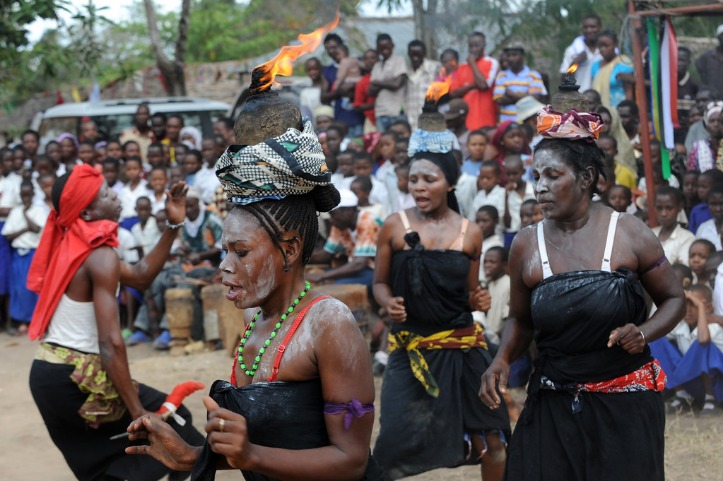
Overview of Religion in Tanzania
Tanzania is a country characterized by remarkable religious diversity, with a rich tapestry of spiritual beliefs and practices. The nation is predominantly Christian and Muslim, with smaller communities of traditional and other faiths contributing to its vibrant religious landscape. Religion plays a significant role in shaping Tanzanian culture, social interactions, and national identity, reflecting the country’s history and multicultural society.
Major Religious Groups
Tanzania is a country characterized by a diverse religious landscape, reflecting its rich cultural heritage and history. Religion plays a significant role in the daily lives of many Tanzanians and influences social and cultural practices across the nation.
The major religious groups in Tanzania include Christianity, Islam, and traditional African religions. Christianity is the largest religious group, with a significant portion of the population affiliated with Roman Catholic, Protestant, and Evangelical churches. Islam is also widely practiced, particularly among communities in the coastal regions and the islands, with Sunni being the predominant denomination. Traditional African religions are practiced by some communities, often blended with other faiths, focusing on ancestral worship, rituals, and spiritual practices that are rooted in local customs.
Tanzania is known for its religious tolerance and peaceful coexistence among different faith communities. The government guarantees freedom of religion, allowing diverse religious expressions to thrive throughout the country.
Historical Background of Religious Development
Tanzania is a country characterized by a rich religious diversity that has evolved over centuries. The historical development of religion in Tanzania reflects a complex interplay of indigenous beliefs, Arab influence, and the spread of Christianity and Islam during different periods. Traditional African religions historically played a central role in community life, emphasizing ancestor worship, nature spirits, and spiritual rituals.
With the arrival of Arab traders along the coast, Islam was introduced to Tanzania as early as the 8th century, gradually spreading inland through trade and cultural exchange. By the 19th century, Islam was well-established in the coastal regions and along trade routes, influencing social and cultural practices. Christianity was introduced primarily by European missionaries during the late 19th and early 20th centuries, especially with the colonization by Germans and later the British. Christian denominations, including Protestant and Catholic churches, expanded swiftly, establishing churches, schools, and social services.
The coexistence of these major religions—Islam, Christianity, and indigenous beliefs—has shaped the social fabric of Tanzania. Today, religion continues to be a vital aspect of life, promoting social cohesion, moral values, and cultural identity amid the nation’s diversity. The Tanzanian constitution guarantees religious freedom, allowing these faiths to flourish side by side.
Demographics and Distribution
Religion in Tanzania is diverse and plays a significant role in the cultural and social fabric of the country. The main religions practiced include Christianity, Islam, and indigenous beliefs, with Christianity being the most widely followed religion. Islam is predominantly practiced in the coastal regions and the islands, while Christianity is prevalent in the mainland and urban areas. Indigenous and traditional beliefs are also observed, often blended with other religious practices, especially in rural communities.
Demographically, approximately 60% of Tanzanians identify as Christian, with the majority belonging to Protestant denominations and Roman Catholicism. Muslims comprise about 35% of the population, mainly Sunni followers. The remaining population practices traditional African beliefs or other religions. The distribution of religious groups varies regionally, with Christianity predominant in the central, southern, and northern regions, and Islam mainly in the coastal areas such as Zanzibar and parts of the Tanga and Pwani regions. This religious diversity contributes to Tanzania’s reputation as a peaceful and tolerant nation where interfaith relations are generally harmonious.
Dominant Religions in Tanzania
Tanzania is a country with a rich tapestry of religious beliefs, reflecting its diverse cultural heritage. The dominant religions in Tanzania are Christianity and Islam, with the majority of the population adhering to one of these faiths. Traditional beliefs also play a significant role in many communities, influencing local customs and practices. The coexistence of these religions contributes to Tanzania’s unique social and cultural landscape, making it a fascinating country for studying religious diversity.
Islam
Islam is one of the dominant religions in Tanzania, along with Christianity. It is practiced by a significant portion of the population, particularly among the Swahili coast communities and ethnic groups such as the Zaramo and the Makonde. Islamic traditions and practices influence various aspects of daily life, from cultural celebrations to community rituals. The presence of Islam in Tanzania has a long history, dating back to trade links with Arab merchants along the Indian Ocean. Tanzanian Muslims generally follow Sunni Islam, with some communities practicing Sufism, which emphasizes spiritual development and mysticism. The country is known for its religious tolerance, with Muslims and Christians coexisting peacefully in most regions.
Christianity
Christianity is one of the dominant religions in Tanzania, forming a significant part of the country’s cultural and social identity. It was introduced by European missionaries during the colonial era and has grown steadily over the years, becoming widely practiced across various regions of the country.
- Christianity is practiced by approximately 61% of the population in Tanzania.
- There are several major denominations, including Roman Catholic, Anglican, and Protestant churches.
- Christian festivals and holidays are widely celebrated, influencing many aspects of Tanzanian society.
- The religion plays a role in community development, education, and healthcare through numerous church-affiliated institutions.
- While Christianity is predominant, it coexists with traditional African beliefs and Islam, reflecting Tanzania’s religious diversity.
Indigenous and Traditional Beliefs
Tanzania is a country characterized by a rich diversity of religious beliefs. The dominant religion in Tanzania is Islam, followed by Christianity, with a significant number of people practicing indigenous and traditional beliefs. Islam is predominantly practiced in regions such as Zanzibar and parts of the mainland, shaping many cultural practices and community traditions. Christianity also has a strong presence across many parts of Tanzania, especially in urban areas and peripheral regions, influencing social and educational systems. Alongside these major religions, indigenous and traditional beliefs remain vital to many communities, often intertwined with daily life, rituals, and cultural practices. These traditional beliefs typically include ancestor worship, nature spirits, and rituals that preserve cultural heritage and promote community cohesion. Overall, Tanzania’s religious landscape is characterized by a harmonious coexistence of these diverse faiths, contributing to the nation’s rich cultural tapestry.
Islam in Tanzania
Islam is a significant and influential religion in Tanzania, forming a vital part of the country’s cultural and social fabric. Introduced to the coastal regions through Arab traders centuries ago, Islam has since grown and adapted, becoming the predominant faith in many areas. Today, it is practiced by a large portion of the Tanzanian population, coexisting peacefully with other religious communities and contributing to the nation’s diverse religious landscape.
History and Spread
Islam in Tanzania has a long and rich history, dating back to the early centuries of the Islamic expansion. It is believed that Arab traders and explorers brought Islam to the East African coast around the 8th century, establishing early trade routes and cultural exchanges. Over time, Islam spread inland through coastal towns and along trade routes, gradually becoming a major spiritual and social influence among the Swahili people and other communities. The religion gained prominence during the medieval period, especially with the growth of city-states such as Kilwa and Zanzibar, which became vibrant centers of Islamic culture, trade, and scholarship.
Throughout colonial rule, Islam remained a significant part of Tanzanian society, often serving as a unifying identity among coastal and inland populations. The spread of Islam was further facilitated by Sufi orders, such as the Qadiriyya and Shadhiliyya, which established mosques, educational institutions, and spiritual centers across the country. Today, Islam is practiced by a majority of Tanzanians, particularly along the coast and in urban areas, and continues to play a vital role in the social and cultural fabric of Tanzania. The country’s religious landscape is diverse, with Christianity and traditional beliefs also widely practiced, but Islam remains a prominent and influential religion in Tanzania’s history and contemporary life.
Practices and Rituals
Islam is one of the major religions practiced in Tanzania, and it has a profound influence on the cultural and social life of many Tanzanians. The Muslim community in Tanzania is diverse, including Sunnis, Shia, and other sects, with the majority being Sunni followers. Islamic practices and rituals are observed with dedication and are integrated into daily life, festivals, and community activities.
- Daily Prayers (Salah): Muslims in Tanzania perform five daily prayers at specific times, often gathered in mosques or homes, using call to prayer (Adhan) to mark prayer times.
- Fasting during Ramadan: During the Islamic month of Ramadan, Muslims fast from dawn to sunset, abstaining from food, drink, and other physical needs, culminating in Eid al-Fitr celebrations.
- Charitable Giving (Zakat and Sadaqah): Giving to the needy is a vital part of Islamic practice, with many Tanzanians participating in Zakat (obligatory charity) and Sadaqah (voluntary charity).
- Hajj Pilgrimage: Many Tanzanian Muslims undertake the pilgrimage to Mecca at least once in their lifetime, which is considered a highly religious and spiritual journey.
- Celebration of Eid Festivals: Eid al-Fitr and Eid al-Adha are major festivals marked by prayers, feasting, community gatherings, and charitable activities.
- Islamic Education: Islamic schools and Quranic teachings play a significant role in preserving religious knowledge and practices among Tanzanian Muslims.
Islamic Sects and Denominations
Islam is one of the major religions in Tanzania, with a significant portion of the population adhering to the faith. It was introduced to the region through traders and explorers and has since become an integral part of Tanzanian culture and society. Tanzanian Muslims predominantly follow Sunni Islam, particularly the Shafi’i school of jurisprudence, which is widespread in East Africa.
Within Islam in Tanzania, there are various sects and denominations. The majority of Tanzanian Muslims are Sunni, but there are also smaller groups such as Sufis, who are known for their spiritual practices and are highly influential in the Muslim community. Sufi orders like the Qadiriyya and the Chishti are prominent, emphasizing devotion, spiritual rituals, and community service.
While there are other Islamic groups present, such as the Ahmadiyya, their influence remains limited compared to the dominant Sunni population. Interfaith harmony is a key feature of Tanzanian society, with Muslims practicing their faith alongside followers of Christianity and indigenous religions. The country’s constitution guarantees religious freedom, which fosters a peaceful coexistence among different faith communities.
Role in Society and Culture
Islam plays a significant role in the society and culture of Tanzania, where it is practiced by a large portion of the population, particularly along the coastal regions and in Zanzibar. It influences various aspects of daily life, from social norms to cultural festivals and traditions. Islamic teachings are integrated into community activities, education, and even political life, shaping the values and moral compass of many Tanzanians. Mosques are prominent landmarks and serve as centers for worship, community gatherings, and charitable events, fostering a strong sense of unity among Muslims. The religion also coexists harmoniously with other faiths in the country, contributing to Tanzania’s diverse and vibrant cultural landscape. Overall, Islam is deeply woven into the social fabric of Tanzanian society, influencing customs, arts, and interpersonal relationships.
Christianity in Tanzania
Christianity in Tanzania is a major religious tradition, with a rich history and diverse presence across the country. It has played a significant role in shaping the culture, social practices, and community life of many Tanzanians. The religion is represented by various denominations, including Roman Catholic, Protestant, and Orthodox churches, reflecting the country’s religious diversity and coexistence.
Historical Introduction and Growth
Christianity in Tanzania has a rich and dynamic history that dates back to the late 19th century. It was initially introduced by European missionaries, particularly from Germany, the United Kingdom, and Portugal, who arrived on the East African coast during the colonial period. These missionaries established churches, schools, and health centers, which played a significant role in spreading the Christian faith throughout the region. Over time, Christianity gained considerable followers among the indigenous population, often blending local traditions with Christian beliefs. The growth of Christianity in Tanzania was further accelerated during the colonial era, with the establishment of various denominations including Roman Catholic, Anglican, Lutheran, and Methodist churches. Today, Christianity remains a major religion in Tanzania, with a substantial percentage of the population adhering to Protestant and Catholic denominations, contributing significantly to the country’s social and cultural landscape.
Denominations and Churches
Christianity is a prominent religion in Tanzania, with a significant portion of the population identifying as Christian. It was introduced through missionaries during the late 19th and early 20th centuries, and has since grown to be a vital aspect of Tanzanian society. Christianity in Tanzania encompasses a diverse range of denominations and church groups, reflecting the country’s rich cultural diversity and historical influences.
The major Christian denominations in Tanzania include Roman Catholic, Anglican, Lutheran, Pentecostal, and Evangelical churches. The Roman Catholic Church is one of the largest and oldest Christian communities in the country, with numerous dioceses and a significant number of followers. The Anglican Church also has a long history in Tanzania, functioning as part of the global Anglican Communion. Lutheran and other Protestant denominations are widespread, often involved in social services and community development activities.
In addition to these traditional denominations, there has been a rise in Pentecostal and Charismatic movements, which have gained popularity among Tanzanians, especially among youth. These churches are often characterized by lively worship services, vibrant music, and a focus on personal spiritual experiences. Many of these churches have established local branches across urban and rural areas, contributing to the dynamic growth of Christianity in Tanzania.
Tanzania’s Christian churches are actively involved in education, healthcare, and social welfare, playing a crucial role in community development. Overall, Christianity remains a vital part of Tanzania’s religious landscape, coexisting with Islam and indigenous beliefs, shaping the country’s social and cultural fabric.
Christian Practices and Worship
Christianity in Tanzania is a significant religion, with a substantial portion of the population identifying as Christians. It was introduced during the colonial period and has since grown to become an integral part of Tanzanian society. The most prominent Christian denominations include Roman Catholicism, Anglicanism, Baptist, Methodist, and Pentecostal churches.
Christian practices and worship in Tanzania are characterized by vibrant and dynamic religious activities. Church services often feature lively music, singing, dancing, and communal prayers, reflecting the joyful expression of faith. Many Christians participate in regular Sunday services, which include Scripture reading, sermons, and prayer. Religious festivals and special events, such as Christmas and Easter, are widely celebrated with enthusiasm, often involving processions, rituals, and communal gatherings. Additionally, community-based activities, such as charity work and outreach programs, are common as part of their faith practices. Overall, Christian worship in Tanzania emphasizes participation, community, and a deep sense of spirituality that plays a central role in people’s daily lives.
Influence on Education and Social Services
Christianity in Tanzania has played a significant role in shaping the country’s education and social services. As one of the major religions, it has contributed to the establishment of numerous schools, colleges, and universities, providing access to quality education for many Tanzanians. Christian organizations have also been instrumental in offering healthcare services, running hospitals, clinics, and charitable institutions that serve communities across the nation. Through these efforts, Christianity has helped improve literacy rates, healthcare standards, and overall social welfare. The influence of Christian values and principles continues to be evident in Tanzania’s development, promoting social cohesion and community resilience.
Traditional and Indigenous Beliefs
Traditional and Indigenous beliefs play a significant role in the cultural and spiritual landscape of Tanzania. These faiths often encompass a wide range of practices, rituals, and customs passed down through generations, reflecting the diverse heritage of various ethnic groups. While Christianity and Islam are the dominant religions, indigenous spiritual practices continue to influence many communities, emphasizing a deep connection to nature, ancestors, and local traditions.
Nature Worship and Ancestor Veneration
In Tanzania, traditional and indigenous beliefs play a significant role in the cultural and spiritual life of many communities. These beliefs often involve practices that honor nature, ancestors, and spirits, reflecting a deep connection to the environment and family lineage. Nature worship is common, with communities revering land, rivers, trees, and animals believed to be sacred or inhabited by spirits that influence daily life. Ancestor veneration is also a vital aspect of Tanzanian spirituality, where ancestors are honored through rituals and offerings, believed to provide guidance, protection, and blessings to their descendants. These practices coexist alongside Christianity and Islam, which are the dominant religions in the country, contributing to a rich and diverse spiritual landscape that preserves indigenous heritage and values.
Role in Contemporary Society
Traditional and indigenous beliefs play a significant role in shaping the cultural and spiritual landscape of Tanzania. These beliefs, often deeply rooted in the history and customs of various ethnic groups, emphasize harmony with nature, ancestor reverence, and community rituals. Despite the presence of major world religions such as Christianity and Islam, many Tanzanians continue to observe traditional practices that maintain their cultural identity.
In contemporary Tanzanian society, these indigenous beliefs coexist alongside modern religions, contributing to a diverse and dynamic spiritual environment. Many communities integrate traditional rituals into their daily lives, festivals, and ceremonies, reaffirming their cultural heritage. Additionally, traditional beliefs influence social norms, conflict resolution, and community leadership, demonstrating their ongoing relevance in societal organization.
Overall, traditional and indigenous beliefs remain a vital aspect of Tanzania’s cultural fabric, fostering a sense of continuity and identity amid ongoing social change. Their role continues to evolve as they adapt to modern influences, ensuring that these practices remain an integral part of contemporary Tanzanian society.
Integration with Major Religions
In Tanzania, traditional and indigenous beliefs play a significant role in the spiritual landscape, coexisting alongside major world religions such as Christianity and Islam. Many communities maintain their ancestral practices, rituals, and customs that connect them to their history and environment. These indigenous beliefs often involve reverence for nature spirits, ancestors, and sacred sites, which are deeply embedded in daily life and cultural identity. The integration of traditional beliefs with major religions has created a diverse religious environment where hybrid practices and local customs influence religious expression. This blend fosters social cohesion and reinforces cultural heritage, allowing communities to maintain their unique identities while participating in broader religious frameworks.
Religious Tolerance and Interfaith Relations
Religious tolerance and interfaith relations are essential components of a harmonious society, fostering mutual understanding and respect among diverse communities. In Tanzania, a country known for its religious diversity, promoting harmony among different faith groups is vital for social stability and peaceful coexistence. Recognizing and embracing these differences helps build a unified national identity rooted in respect and cooperation.
Historical Context of Religious Coexistence
In Tanzania, religious tolerance and interfaith relations have historically played a significant role in shaping the nation’s cultural landscape. The country is known for its peaceful coexistence of diverse religious communities, including Christianity, Islam, and traditional African beliefs. This harmonious blend is rooted in a long-standing tradition of respect and mutual understanding among different faith groups. Throughout history, Tanzania has experienced periods of cooperation and dialogue that have fostered an environment of acceptance and unity. The country’s constitution promotes religious freedom, allowing various faiths to thrive and contribute to social cohesion. This rich history of religious coexistence continues to be a cornerstone of Tanzania’s national identity, encouraging ongoing efforts to strengthen interfaith relations and promote peaceful coexistence among its diverse populations.
Challenges and Conflicts
Religious tolerance and interfaith relations are vital components of social harmony in Tanzania, a country known for its diverse religious landscape. The coexistence of Christianity, Islam, and indigenous beliefs has fostered a relatively peaceful society, but not without challenges. Tensions occasionally arise due to misunderstandings, cultural differences, or political influences, which can lead to conflicts or discrimination. These issues highlight the importance of promoting dialogue and mutual respect among different faith communities to ensure stability. Efforts by government and religious leaders to encourage interfaith cooperation have been instrumental in addressing conflicts and building a shared sense of identity. Nonetheless, ongoing vigilance and commitment to inclusivity are necessary to sustain peace and promote religious tolerance in Tanzania.”
Government Role and Policies
Religious tolerance and interfaith relations are fundamental to fostering peaceful coexistence in Tanzania, a country known for its diverse religious landscape. The government of Tanzania has historically promoted policies that uphold religious freedom, ensuring that individuals can practice their faiths without fear of discrimination or persecution. These policies include establishing legal frameworks that protect religious rights and encouraging dialogue between different faith communities to build mutual understanding and respect. Efforts by the government to promote interfaith harmony have contributed to a relatively stable social environment, where various religious groups, including Christianity and Islam, coexist peacefully. Despite challenges, the emphasis remains on fostering unity and preventing religious conflicts, making religious tolerance a cornerstone of Tanzania’s national policy and social fabric.
Religious Festivals and Public Celebrations
Religious festivals and public celebrations play a vital role in Tanzania, reflecting the rich cultural and spiritual diversity of the country. These events bring communities together to observe important religious rites, foster unity, and preserve centuries-old traditions. From colorful Christian holidays to vibrant Islamic festivals, Tanzania’s celebrations highlight the deep-rooted faith and cultural heritage of its people.
Islamic Festivals
Religious festivals and public celebrations are an important aspect of the cultural landscape in Tanzania, reflecting the diverse religious beliefs present in the country. Islamic festivals, in particular, hold significant importance among the Muslim community in Tanzania, which constitutes a sizable portion of the population. These celebrations foster community bonding, spiritual reflection, and cultural identity. Key Islamic festivals observed in Tanzania include Eid al-Fitr, marking the end of Ramadan, and Eid al-Adha, commemorating the willingness of Ibrahim (Abraham) to sacrifice his son. During these festivals, Muslims gather for prayers, feasts, and charitable activities, often participating in communal events that strengthen social ties. Public celebrations may also include processions, displays of traditional Islamic art and music, and community gatherings that highlight the religious and cultural heritage of Tanzanian Muslims. Overall, Islamic festivals are a vital part of Tanzania’s religious diversity, promoting peace, unity, and cultural pride among its citizens.
Christian Holidays
Religious festivals and public celebrations hold significant importance in Tanzania’s diverse society, reflecting the country’s rich tapestry of Christian and other religious traditions. Christian holidays such as Christmas and Easter are widely celebrated across Tanzania, marked by colorful church services, processions, and community gatherings. These festivals serve not only as religious observances but also as occasions for family reunions, cultural performances, and public festivities that foster unity and shared cultural identity. Moreover, Christian holidays often involve charitable activities and community outreach, emphasizing themes of compassion and gratitude. Overall, these celebrations are integral to Tanzania’s social fabric, showcasing the country’s religious diversity and cultural heritage.
Traditional and Other Religious Celebrations
In Tanzania, religious festivals and public celebrations play a significant role in fostering community spirit and cultural identity. The country is home to a diverse range of religious groups, including Christians, Muslims, and traditional faith practitioners, each of which observes various festivals and ceremonies throughout the year. These celebrations often involve vibrant processions, music, dance, and traditional rituals that highlight the rich cultural heritage of Tanzania.
Christian festivals such as Christmas and Easter are widely celebrated with church services, feasts, and community gatherings. Muslims mark Ramadan with fasting and celebrate Eid al-Fitr and Eid al-Adha with prayers and communal events. Traditional religious celebrations, rooted in indigenous practices, often feature rites of passage, harvest festivals, and ceremonies honoring ancestors, which are integral to local communities. These festivals not only serve religious purposes but also strengthen social bonds and preserve the nation’s diverse cultural traditions.
Religion and Education in Tanzania
Religion plays a significant role in shaping the educational landscape of Tanzania, influencing policies, school curricula, and community engagement. The country is known for its religious diversity, including Christianity, Islam, and indigenous beliefs, which are often integrated into the educational system. This intertwining of faith and learning reflects the broader cultural values of Tanzanian society and impacts students’ moral and social development.
Religious Education in Schools
Religion plays a significant role in the educational system of Tanzania, where religious education is integrated into school curricula to promote moral values and understanding among students. In Tanzanian schools, religious education aims to foster respect for different faiths and encourage moral development, reflecting the country’s diverse religious landscape.
Religious education in Tanzanian schools typically includes lessons on Christianity, Islam, and other faiths practiced within the country. These classes are designed to provide students with knowledge about religious beliefs, practices, history, and ethical teachings, helping to promote harmony and tolerance among students of different backgrounds.
While religious education is an important part of the curriculum, Tanzania also emphasizes the importance of secular education to ensure students acquire broad knowledge and skills necessary for their personal and professional growth. Schools often balance religious instruction with scientific and social studies, fostering an environment of mutual respect and understanding.
Overall, religious education in Tanzania aims to uphold the country’s values of unity, peace, and social cohesion, acknowledging the importance of religion in shaping societal morals and individual identities while promoting inclusivity and respect for diversity.
Influence on Curriculum and Moral Values
Religion plays a significant role in shaping the education system and curriculum in Tanzania. The country is predominantly Christian and Muslim, with these faiths influencing various aspects of school programs and policies. Religious values are integrated into the curriculum to promote moral development and social cohesion among students. In Tanzanian schools, spiritual teachings often complement academic subjects, emphasizing respect, tolerance, and ethical behavior. The influence of religion on education also fosters a sense of identity and cultural heritage, reinforcing moral values that are vital for community harmony. Overall, religion in Tanzania helps shape the moral fabric of the nation’s educational approach, promoting both spiritual growth and academic excellence.
Religious Institutions and Academic Institutions
Religion plays a significant role in shaping the educational landscape in Tanzania, where various religious institutions collaborate with academic institutions to influence moral and social values. Religious organizations often establish and support schools, colleges, and universities, integrating spiritual teachings with formal education to foster holistic development among students.
Religious institutions in Tanzania, including Christian churches, Muslim organizations, and traditional faith groups, actively participate in community development and educational initiatives. They provide not only religious instruction but also contribute to literacy campaigns, health programs, and vocational training, thereby enhancing the overall educational system.
Academic institutions in Tanzania are largely secular but often maintain partnerships with religious institutions, reflecting the nation’s diverse religious landscape. Many schools and universities incorporate religious studies into their curricula, promoting interfaith dialogue and understanding. This collaboration helps ensure that education remains inclusive while respecting the country’s rich religious traditions.
Conclusion
In exploring the diverse religious landscape of Tanzania, understanding the conclusion is essential to summarizing the key insights gained. The conclusion provides a reflection on the main points discussed about the various faiths practiced in the country, highlighting their cultural significance and influence on Tanzanian society. It offers a final perspective on the role of religion in shaping national identity and social cohesion within Tanzania.
Current Trends in Religious Practice
In conclusion, the current trends in religious practice in Tanzania reflect a diverse and dynamic spiritual landscape. Islam and Christianity remain the dominant faiths, with increasingly active congregations and evolving expressions of worship. There is a noticeable rise in interfaith dialogue and cooperation, fostering harmony in a multicultural society. Additionally, traditional beliefs continue to influence local customs and practices, often blending with mainstream religions. Modern technologies and social media are also playing a role in shaping contemporary religious engagement, making religious teachings more accessible. Overall, these trends highlight a growing vibrancy and adaptability in Tanzania’s religious life, contributing to the country’s cultural richness.
Future Outlook for Religion in Tanzania
The future of religion in Tanzania appears to be one of continued growth and diverse expression, reflecting the country’s rich cultural heritage and deep-rooted spiritual traditions. As the population increases, religious communities are likely to expand, fostering greater interfaith dialogue and cooperation. Tanzania’s government maintains a policy of religious tolerance and freedom, which supports harmonious coexistence among different faiths. Additionally, the influence of Christianity and Islam is expected to remain prominent, shaping social values and community life. With ongoing social changes and increased access to education and technology, younger generations may bring new perspectives to their faith practices, contributing to an evolving religious landscape. Overall, religion will continue to play a vital role in shaping Tanzania’s national identity and social cohesion in the years ahead.

0 Comments