
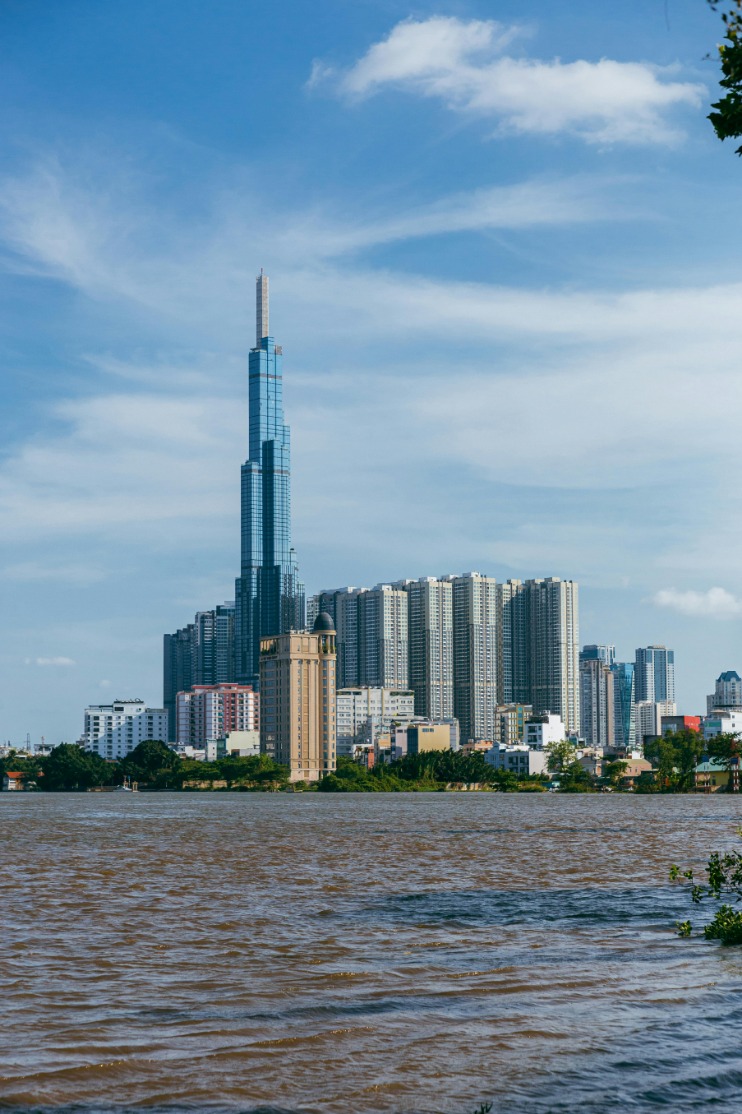
Geographical Location of Accra
Accra is the vibrant capital city of Ghana, located along the Atlantic Ocean on the southern coast of West Africa. It serves as the economic and administrative hub of the country, positioned in the Greater Accra Region. Its strategic geographical location offers a warm coastal climate and easy access to major transportation routes, making it a central point for political, commercial, and cultural activities in Ghana.
Coordinates and Topography
Accra, the capital city of Ghana, is located along the Atlantic coast in West Africa. It is situated in the southern part of Ghana, serving as a major economic and political hub of the country.
The geographical coordinates of Accra are approximately 5.5600° N latitude and 0.2000° W longitude. This positioning places it close to the Gulf of Guinea, providing it with a strategic coastal location.
The topography of Accra is relatively flat with some gentle undulations. The area features coastal plains that gradually rise inland to low hills. The city is characterized by sandy soils and a tropical climate, with the terrain facilitating both urban development and access to the coastline, making it a key gateway for trade and commerce in Ghana.
Nearby Landmarks and Features
Accra, the capital city of Ghana, is situated along the Gulf of Guinea on the southern coast of West Africa. It serves as the political, economic, and cultural hub of the country. The city is located near the southeastern part of Ghana, bordering the Atlantic Ocean, which provides it with a vibrant port and access to maritime trade.
Nearby landmarks and features include the Osu Castle, a historic fortress and former colonial administrative center, and the Labadi Beach, a popular spot for leisure and recreation. The city is also close to the Kotoka International Airport, which connects Accra to various international destinations. Other notable features include the W.E.B. Du Bois Center, the National Cathedral, and Independence Square, which commemorate Ghana’s history and independence movement.
Historical Overview of Accra
Accra, the vibrant capital of Ghana, boasts a rich historical heritage that dates back centuries. Originally a small fishing village, it evolved over time into a prominent urban center influenced by various colonial powers and indigenous cultures. Today, Accra stands as a dynamic metropolis, blending tradition and modernity while reflecting its deep historical roots in every facet of its development.
Founding and Early History
Accra, the capital city of Ghana, has a rich and storied history that dates back centuries. Originally a small fishing village, it grew in importance due to its strategic location along the Gulf of Guinea. The area was inhabited by the Ga people, who established a settlement known as Nii-Jor, which later became Accra.
During the 15th and 16th centuries, Accra became a significant coastal trading hub, engaging with European traders, primarily the Portuguese, Dutch, and British. These interactions introduced new influences and helped shape the development of the town. Its status was further solidified in the 17th century when the British established a fortification, Fort James, in 1649, cementing its role as a colonial center.
In the 19th century, Accra continued to grow under British colonial rule, evolving into a administrative and commercial hub. The city experienced significant urban development, influenced by colonization and modernization efforts. Its early history reflects a blend of indigenous traditions and colonial influences, laying the foundation for the vibrant capital it is today.
Colonial Era and Independence
Accra, the capital city of Ghana, has a rich historical background that dates back centuries. Originally a small fishing village, it grew significantly during the colonial era due to its strategic location and increasing trade activities. During the late 19th and early 20th centuries, Accra became an important administrative and commercial hub under British colonial rule. The British established it as the administrative capital of the Gold Coast, which was a British colony at the time, and developed infrastructure such as roads, ports, and government buildings. This period also saw the rise of political organizations and early movements advocating for independence. Accra played a central role in Ghana’s struggle for freedom from colonial rule.
Ghana gained independence from Britain on March 6, 1957, making it the first sub-Saharan African country to do so. Accra transformed into the political and economic center of the newly independent nation. The city saw significant development during the post-independence era, with the construction of government offices, universities, and cultural institutions. Today, Accra continues to be a vibrant city that reflects Ghana’s colonial history while also embracing modern growth and development, remaining a symbol of Ghanaian identity and independence.
Modern Development History
Accra, the capital of Ghana, has a rich history that reflects its transformation from a small fishing village to a vibrant urban center. Originally inhabited by the Ga people, the area was known for its strategic location along the Gulf of Guinea, which facilitated trade and cultural exchanges. During the colonial period, Accra became an important administrative and commercial hub under British rule, leading to infrastructural development and increased European influence.
After Ghana gained independence in 1957, Accra experienced significant modernization and expansion. The city saw the development of new government buildings, educational institutions, and transportation networks. The post-independence era also marked a surge in urban planning efforts to accommodate the growing population and economic activities, including the growth of markets, residential areas, and industrial zones.
In recent decades, Accra has undergone rapid modern development driven by Ghana’s economic growth, the rise of the service sector, and increased foreign investment. Skylines have transformed with modern skyscrapers, international businesses, and improved infrastructure such as roads, airports, and harbors. The city continues to evolve as a major political, commercial, and cultural center in West Africa, blending its historical roots with contemporary urban development.
Climate and Environment
Ghana’s capital, Accra, is a vibrant city that faces important environmental challenges related to climate change and urban development. As the country continues to grow, balancing economic progress with the protection of natural resources becomes crucial. Efforts to address climate issues aim to create a sustainable and healthy environment for residents and future generations.
Temperature and Rainfall Patterns
The climate of Accra, the capital of Ghana, is characterized by a tropical savanna climate with distinct wet and dry seasons. Temperature patterns are generally warm throughout the year, with average highs ranging from 28°C to 32°C and lows rarely dropping below 22°C. Rainfall is concentrated mainly during the two rainy seasons, from April to June and September to November, which significantly influence the local environment. The seasonal rainfall supports lush vegetation and agriculture, although irregular weather patterns can sometimes lead to flooding or drought. Overall, the climate and rainfall patterns in Accra play a vital role in shaping the city’s environment and socio-economic activities.
Environmental Challenges
Accra, the capital of Ghana, faces numerous environmental challenges that threaten its sustainable development. Rapid urbanization has led to increased pollution, including air and water contamination, which impacts residents’ health and quality of life. Deforestation in surrounding areas contributes to climate change and reduces biodiversity, while improper waste management creates significant sanitation issues. Climate change has also resulted in unpredictable weather patterns, affecting agriculture—the backbone of Ghana’s economy. Addressing these environmental challenges requires concerted efforts to promote sustainable practices, improve waste management, and implement policies that mitigate climate impact, ensuring a healthier urban environment for future generations.
Urban Green Spaces
Accra, the capital of Ghana, is increasingly recognizing the importance of urban green spaces in enhancing the city’s environmental quality and residents’ well-being. These green spaces, including parks, gardens, and tree-lined streets, play a vital role in mitigating urban heat, improving air quality, and providing recreational areas for communities. As Ghana continues to urbanize rapidly, the integration of sustainable green infrastructure is essential to address climate challenges and promote a healthier environment. Efforts to preserve and expand green spaces in Accra contribute not only to environmental sustainability but also to social cohesion and urban resilience against climate change impacts.
Administrative and Political Significance
The capital of Ghana holds a vital role not only in the country’s administrative framework but also in its political landscape. As the center of government activities, it influences national policy-making and governance. Additionally, the city serves as a hub for political discourse, cultural exchange, and economic development, reflecting Ghana’s history and its aspirations for the future.
Government Institutions
Accra, the capital of Ghana, holds considerable administrative and political significance as the nation’s political hub. It houses key government institutions such as the Presidential Palace, Parliament House, and various ministries responsible for governance and policy-making. These institutions play a vital role in shaping national legislation, executing government programs, and maintaining political stability in Ghana. Additionally, Accra serves as the center for diplomatic activities, hosting foreign embassies and international organizations, which further underscores its importance in regional and global politics. Its strategic location and developed infrastructure facilitate effective governance and political administration, making Accra a pivotal city in Ghana’s political landscape.
Political Districts and Divisions
The administrative and political significance of Ghana’s capital, Accra, is profound as it serves as the central hub for governance, administration, and political activities in the country. As the seat of the government, it hosts key institutions including the Parliament House, presidential offices, and various government ministries, making it pivotal in the nation’s political landscape.
Accra is divided into several political districts and divisions which facilitate efficient governance, resource distribution, and local administration. These districts include Ga Central, Ga West, Ga East, and others, each managed by local government authorities responsible for development, public services, and community affairs. Such divisions help in decentralizing political power, promoting local participation, and ensuring effective management across the metropolitan area.
Role in National Governance
Ghana’s capital, Accra, holds substantial administrative and political significance as the center of governance and decision-making in the country. It hosts key government institutions, including the Presidential Palace, Parliament House, and various ministries that oversee national policies and development programs. Accra serves as the political hub where leaders address national issues, engage in diplomatic relations, and implement government initiatives. Its role in national governance is vital in shaping the country’s legislative framework, economic strategies, and social policies, making it a crucial city for maintaining political stability and effective administration in Ghana.
Economy and Infrastructure
Ghana’s capital, Accra, serves as the economic and infrastructural hub of the country. It plays a vital role in driving growth through its vibrant markets, industries, and modern facilities. The city’s economy is diverse, encompassing commerce, manufacturing, and services, supported by ongoing infrastructural development that aims to enhance connectivity and quality of life for residents and businesses alike.
Key Economic Activities
Ghana’s capital, Accra, plays a vital role in the country’s economy and infrastructure development. The city is a hub for commerce, finance, and trade, contributing significantly to national economic growth. Modern infrastructure such as roads, ports, and telecommunications supports business activities and boosts connectivity. Key economic activities in Accra include services, manufacturing, and retail trade, which provide employment and stimulate economic diversification. Additionally, agriculture still plays a role in surrounding areas, supporting the local economy. The city’s economic resilience is reinforced by ongoing investments in infrastructure projects aimed at enhancing transportation, power supply, and urban development.
Transportation Networks
Ghana’s capital, Accra, plays a vital role in the country’s economy and infrastructure development. As the economic hub, Accra hosts numerous financial institutions, markets, and commercial centers that drive national growth. The city’s infrastructure has seen significant enhancements, including the expansion of roads, utilities, and public services, to support its rapidly growing population and business activities. Transportation networks in Accra are crucial for connecting different parts of the city and facilitating trade and mobility. These networks include an extensive network of major roads, ongoing projects to improve public transportation, and efforts to modernize the city’s transit systems. Despite these developments, challenges such as traffic congestion and insufficient infrastructure in some areas persist, prompting continuous investments to improve connectivity and economic resilience.
Utilities and Public Services
Accra, the capital city of Ghana, boasts a growing economy supported by diverse sectors such as finance, manufacturing, and services. The city acts as a hub for commerce and international trade, contributing significantly to the nation’s overall economic development. Infrastructure in Accra is continuously improving, with investments in roads, transportation, and urban development aimed at accommodating its expanding population. Utilities and public services in the city include reliable electricity supply, a well-maintained water system, and expanding healthcare and educational facilities to meet residents’ needs. Efforts are also underway to enhance sanitation and waste management to ensure a cleaner, healthier urban environment for its inhabitants.
Cultural and Social Features
Ghana’s capital, Accra, is a vibrant city that beautifully showcases the country’s rich cultural and social features. The city is a hub of diverse traditions, lively music, colorful festivals, and warm hospitality that reflect Ghanaian identity. Exploring Accra offers a glimpse into the nation’s history, customs, and social dynamics, making it a fascinating destination for those interested in understanding Ghana’s unique cultural fabric.
Major Cultural Sites
Accra, the capital of Ghana, is a vibrant city rich in cultural and social features that reflect the diverse heritage of the region. The city is known for its welcoming atmosphere, colorful traditions, and lively social scenes that highlight the nation’s history and identity.
Major Cultural Sites in Accra
- Independence Square: A historic site symbolizing Ghana’s independence and national pride.
- Kwame Nkrumah Mausoleum: The final resting place of Ghana’s first president, offering insight into the country’s liberation history.
- W.E.B. Du Bois Center: A memorial dedicated to the life and work of the civil rights activist and Pan-Africanist.
- Labadi Beach: A popular social hub known for its lively music, dance, and local cuisine.
- National Museum of Ghana: Showcasing Ghanaian art, artifacts, and cultural history.
- Artists Alliance Gallery: A prominent center for traditional crafts, sculptures, and artwork representing Ghanaian culture.
Festivals and Events
Accra, the capital city of Ghana, is rich in cultural and social features that reflect the diverse heritage of the country. The city is known for its vibrant arts scene, traditional music, and colorful dance performances that play a vital role in community gatherings and celebrations. Local cuisine, featuring dishes like jollof rice and waakye, is an essential aspect of social life and is often enjoyed during festivals and social events.
Ghanaian festivals and events are lively and colorful, showcasing the nation’s deep-rooted traditions and history. One of the most prominent festivals is Homowo, celebrated by the Ga people to mark the fasting period and harvest, featuring street processions, drumming, and elaborate costumes. Another significant event is Panafest, which promotes Pan-African unity through cultural performances, seminars, and exhibitions. Accra also hosts events like chieftaincy festivals and independence celebrations, bringing communities together to honor their heritage and achievements. These festivals not only serve as entertainment but also as opportunities to preserve and promote Ghanaian customs and social values.
Demographics and Population Diversity
Accra, the capital of Ghana, is a vibrant city known for its rich cultural heritage and diverse social landscape. The city serves as a melting pot of ethnicities, languages, and traditions, reflecting the broader diversity of Ghana as a whole.
- Ghana is home to multiple ethnic groups, with the Akan being the largest, followed by Mole-Dagbon, Ewe, and Ga-Dangme communities present in Accra.
- Languages spoken in Accra include English, which is the official language, as well as local languages such as Twi, Ga, Ewe, and others, highlighting linguistic diversity.
- The city hosts a mix of traditional and modern customs, with festivals, music, dance, and art playing vital roles in social life.
- Accra’s population is characterized by rapid growth, driven by rural-urban migration and economic opportunities, leading to a young and dynamic demographic.
- The population is also quite heterogeneous in terms of religion, with Christianity, Islam, and traditional African faiths widely practiced throughout the city.
Tourist Attractions and Landmarks
Accra, the vibrant capital of Ghana, is full of captivating tourist attractions and iconic landmarks that showcase its rich history and diverse culture. From historic sites to lively markets, visitors can explore a variety of destinations that highlight the city’s unique heritage. Whether you’re interested in ancient castles, scenic beaches, or bustling streets, Accra offers an exciting array of experiences for every traveler.
Historical Monuments
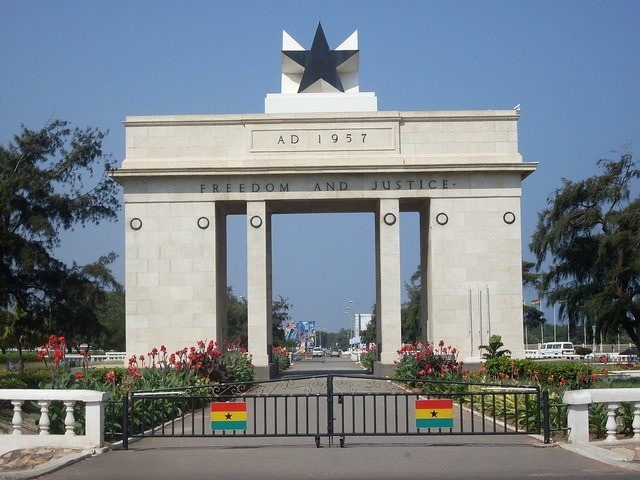
Accra, the vibrant capital of Ghana, is rich in tourist attractions and historical landmarks that showcase the country’s cultural heritage and history. Visitors can explore the iconic Independence Arch, a symbol of Ghana’s independence movement, located in Black Star Square. The W.E.B. Du Bois Center offers insights into the life of the renowned scholar and activist and is a must-visit site for history enthusiasts. Cape Coast Castle, a UNESCO World Heritage Site, provides a sobering look into the trans-Atlantic slave trade and Ghana’s colonial past. Additionally, the Labadi Beach is popular for relaxation, while the National Museum of Ghana offers a comprehensive overview of Ghanaian art, history, and culture. These sites collectively highlight Accra’s significance as a hub of history, culture, and modernity, making it a fascinating destination for travelers.
Markets and Shopping Areas
Accra, the capital city of Ghana, is renowned for its rich history, vibrant culture, and bustling markets, making it a must-visit destination for travelers seeking a diverse experience. The city offers a mix of historical landmarks, bustling shopping districts, and lively markets that showcase the local culture and craftsmanship.
- Tourist Attractions and Landmarks:
- Independence Square: A symbolic site celebrating Ghanaian independence, featuring impressive monuments and spacious grounds.
- Kwame Nkrumah Mausoleum: A mausoleum dedicated to Ghana’s first President, showcasing statues, gardens, and historical exhibits.
- W.E.B. Du Bois Center: A historical center honoring the influential scholar and activist, set in beautiful gardens.
- Labadi Beach: A popular beach destination known for its vibrant atmosphere, music, and weekend festivities.
- Markets and Shopping Areas:
- Makola Market: The heart of Accra’s commerce, offering a wide variety of textiles, jewelry, crafts, and fresh produce.
- Osu Oxford Street: A trendy shopping district filled with boutiques, cafes, and street vendors selling clothing and souvenirs.
- Kaneshie Market: One of the largest traditional markets focusing on textiles, household items, and foodstuffs.
- Accra Mall: A modern shopping center with international brands, entertainment options, and dining facilities.
Beaches and Recreation Spots
Accra, the vibrant capital of Ghana, offers a diverse range of tourist attractions and landmarks that showcase its rich history and culture. Visitors can explore the National Museum of Ghana, which houses artifacts that tell the story of the nation’s heritage, or visit the ancient W.E.B. Du Bois Center dedicated to the influential activist and scholar. The Independence Square, a symbol of Ghana’s independence, is a must-see for history enthusiasts. For those interested in religious sites, the Holy Trinity Cathedral represents a significant architectural and spiritual landmark.
In addition to its historic landmarks, Accra boasts beautiful beaches and recreation spots perfect for relaxation and leisure. Labadi Beach is a popular destination known for its lively ambiance, music, and cultural displays, making it ideal for both day trips and evening outings. Coco Beach offers a more tranquil environment, perfect for picnics and leisurely strolls along the Atlantic coast. The city also features several parks and outdoor spaces such as Legon Botanical Gardens and the Achimota Forest Reserve, providing nature lovers with scenic beauty and opportunities for outdoor activities.
Education and Institutions
Ghana’s capital, Accra, is a vibrant center of education and institutions that play a crucial role in shaping the nation’s development. The city boasts a variety of educational establishments, from primary schools to prestigious universities, fostering innovation and learning. Additionally, Accra hosts numerous government and civic institutions that contribute to the governance and socio-economic progress of Ghana. Together, these institutions form the backbone of the city’s growth and serve as a testament to Ghana’s commitment to education and institutional advancement.
Universities and Higher Education
Ghana’s capital, Accra, is home to a variety of educational institutions and universities that play a vital role in the country’s development. These institutions offer diverse programs ranging from undergraduate to postgraduate levels, fostering a knowledgeable and skilled workforce. Notable universities such as the University of Ghana, Ghana Technology University College, and Kwame Nkrumah University of Science and Technology attract students from across West Africa and beyond.
Higher education in Accra emphasizes research, innovation, and community engagement, contributing significantly to Ghana’s social and economic growth. The educational institutions also serve as centers for cultural exchange and intellectual development, helping to nurture leadership and entrepreneurship among young Ghanaians.
With continuous investments in infrastructure and curriculum modernizations, the higher education sector in Accra aims to meet the evolving needs of the nation. These institutions are crucial in shaping the future of Ghana by equipping students with the knowledge and skills necessary for national and global success.
Research Centers and Libraries
Accra, the capital city of Ghana, is a thriving hub of education and research institutions that play a vital role in the country’s development. It hosts numerous universities, research centers, and libraries that foster learning, innovation, and knowledge dissemination. These institutions serve as the backbone of Ghana’s academic and scientific progress.
- University of Ghana – The largest and oldest university in Ghana, offering a wide range of undergraduate and postgraduate programs.
- Kwame Nkrumah University of Science and Technology (KNUST) – Renowned for its focus on science and technology education, research, and innovation.
- Ghana Institute of Management and Public Administration (GIMPA) – Specializes in management training, public administration, and policy research.
- Cornell University – Ghana Center for Advanced Studies – A research affiliate promoting sustainable development and policy studies.
- Accra Digital Centre – Supports research and business incubation in technology and digital innovation.
- National Library of Ghana – The main library providing access to extensive collections of books, journals, and historical archives.
- Accra Central Library – A public library offering educational resources and community programs.
- Technical University Libraries – Supporting students and staff with specialized resources in engineering and technology fields.
- Ghana Atomic Energy Commission Library – Facilitates research in nuclear science and related disciplines.
These institutions contribute significantly to Ghana’s academic excellence, research development, and cultural preservation, making Accra a center of education and knowledge in West Africa.
Primary and Secondary Schools
Ghana’s capital, Accra, is home to a well-established education system that emphasizes both primary and secondary schooling. The country’s educational infrastructure includes numerous government and private schools aimed at providing quality education to its citizens. Primary schools in Accra serve children from ages 6 to 12, focusing on foundational skills in literacy, numeracy, and social studies. Secondary schools, which include junior and senior high schools, cater to students from ages 13 to 18 and prepare them for tertiary education or vocational training. The curriculum is designed to promote critical thinking, discipline, and national development. Ghana’s government continues to invest in educational institutions, ensuring access to education across urban and rural areas, thus contributing to the nation’s socio-economic growth and development.
Challenges Faced by Accra
Accra, the vibrant capital of Ghana, faces a variety of urban challenges that impact its development and quality of life. Rapid population growth, inadequate infrastructure, and environmental concerns are among the key issues confronting the city. As Accra continues to expand, it strives to balance modernization with sustainable growth, facing the demands of a growing urban center while preserving its cultural heritage.
Urban Congestion and Housing
Accra, the capital of Ghana, faces significant challenges related to urban congestion and housing. Rapid population growth has led to increased pressure on infrastructure and public services, making traffic congestion a daily ordeal for residents. Narrow roads and inadequate transportation planning exacerbate the problem, resulting in long commutes and economic losses. Additionally, the housing sector struggles to keep pace with the soaring demand, leading to overcrowded neighborhoods and the proliferation of informal settlements. Many residents live in substandard conditions due to the scarcity of affordable and quality housing options. These issues pose serious hurdles to sustainable urban development, requiring comprehensive planning and investment to improve living conditions in Accra.
Pollution and Waste Management
Accra, the capital city of Ghana, faces significant challenges related to pollution and waste management. Rapid urbanization and population growth have led to an increase in waste generation, which the city’s infrastructure struggles to handle effectively. As a result, many areas suffer from unmanaged waste, leading to unsightly streets, health hazards, and environmental degradation.
Pollution in Accra is driven by multiple factors including vehicular emissions, industrial activities, and improper waste disposal practices. The lack of adequate sewage systems and waste disposal facilities exacerbates water pollution, affecting both land and waterways. Improper disposal of plastics and other non-biodegradable waste contributes to clogging drainage systems and creating breeding grounds for disease-carrying pests.
The city faces challenges in enforcing environmental regulations and fostering public awareness about sustainable waste management practices. Limited resources and financial constraints also hinder the development of effective waste collection and recycling systems. These issues underscore the need for comprehensive strategies and community involvement to address pollution and improve the quality of life for residents of Accra.
Developmental and Infrastructure Gaps
Accra, the capital city of Ghana, faces several challenges related to urban development and infrastructure. Rapid population growth has put immense pressure on the city’s resources, leading to various developmental gaps that need urgent attention. Infrastructure services such as transportation, sanitation, electricity, and healthcare often struggle to meet the increasing demand, resulting in congestion, poor living conditions, and environmental degradation.
- Inadequate Transportation Network: Accra’s road network is unable to efficiently handle the volume of vehicles, leading to traffic congestion and long commuting times.
- Insufficient Waste Management: The city faces challenges in waste collection and disposal, affecting public health and environmental quality.
- Limited Access to Quality Healthcare and Education: Many parts of Accra lack sufficient healthcare facilities and educational institutions, especially in peri-urban areas.
- Unchecked Urban Sprawl: Rapid and unplanned expansion has resulted in informal settlements lacking basic services and infrastructure.
- Water and Electricity Supply Constraints: Frequent outages and supply issues hinder economic activities and affect residents’ daily lives.
- Need for Sustainable Urban Planning: To manage future growth effectively and create a more livable city.
- Investment in Infrastructure: Prioritizing transportation, sanitation, and utility networks to bridge developmental gaps.
- Enhancing Public Services: Improving healthcare, education, and social amenities to support a growing population.
- Promoting Inclusive Development: Ensuring that all residents, especially those in underserved areas, benefit from urban development efforts.
- Environmental Conservation: Implementing strategies to reduce pollution and promote sustainable urban living.



0 Comments