
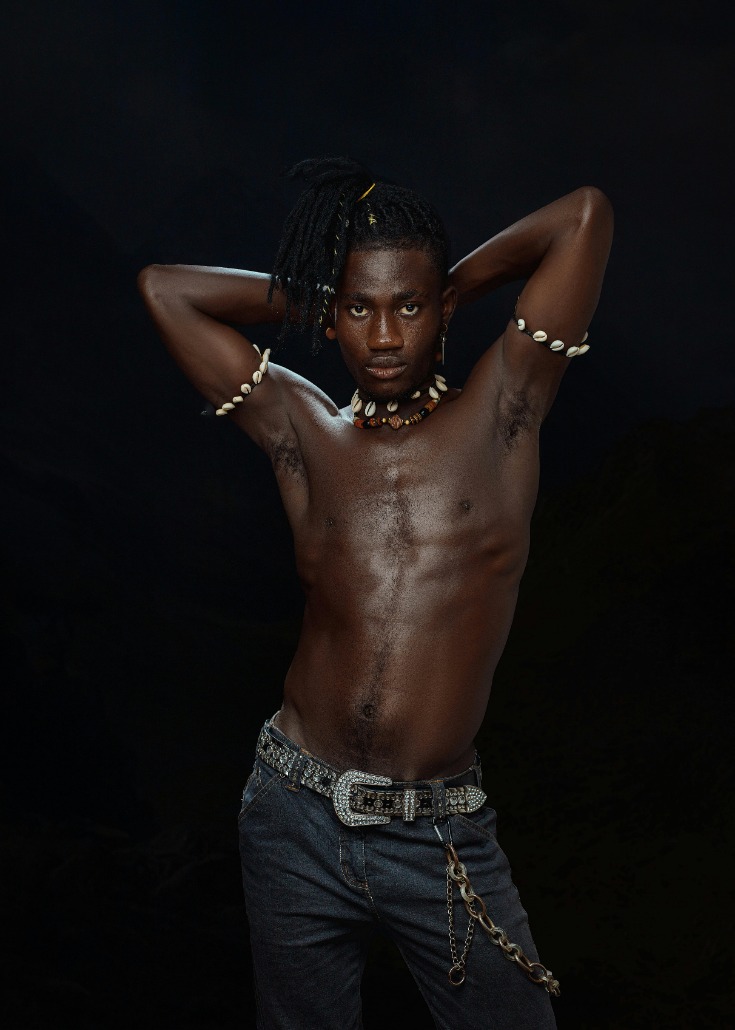
Overview of Ghanaian Imagery
Ghanaian imagery is rich and vibrant, reflecting the country’s diverse culture, history, and traditions. Through colorful art, symbolic patterns, and meaningful representations, Ghanaian images capture the essence of its people and their way of life. These visuals serve as powerful expressions of identity, storytelling, and cultural heritage, making Ghanaian imagery a vital aspect of the nation’s artistic landscape.
Visual Significance in Culture
Ghanaian imagery is rich and diverse, reflecting the country’s vibrant culture, history, and traditions. Visual symbols such as kente cloth patterns, Adinkra symbols, and masks play a crucial role in representing identity, spirituality, and societal values. These images often appear in art, textiles, and ceremonial artifacts, conveying messages and stories passed down through generations.
The visual significance of Ghanaian images extends beyond aesthetics, serving as a language that communicates moral lessons, historical events, and social status. For example, Adinkra symbols embody proverbs and philosophical concepts, making them integral to Ghanaian cultural expression. Additionally, the use of imagery in dance, sculpture, and festivals helps preserve and celebrate cultural heritage, fostering community cohesion and identity.
Representation of Identity and Heritage
Ghanaian imagery fundamentally reflects the rich cultural heritage, history, and diverse identities that characterize the nation. Through visual representations, traditional symbols, and artistic expressions, Ghanaian society showcases its unique sense of identity and collective memory.
- Traditional Kente cloth patterns symbolize social status and cultural heritage.
- Ancient sculptures and masks depict ancestral spirits and traditional ceremonies.
- Posters and artwork often portray Ghanaian leaders and historical figures, emphasizing national pride.
- Landscape images highlight Ghana’s diverse geography, from coastal areas to inland savannahs, forging a sense of geographical identity.
- Celebrations such as festivals feature vibrant costumes and rituals that reinforce community bonds and cultural continuity.
Common Themes in Ghanaian Images
Ghanaian images are rich with cultural significance and reflect the diverse traditions, history, and daily life of the people. These images often highlight themes such as traditional attire, vibrant festivals, and symbolic art forms that showcase Ghana’s unique identity. Exploring common themes in Ghanaian images provides a deeper understanding of the nation’s cultural heritage and social values.
Royalty and Leadership
Ghanaian images often reflect deep-rooted themes of royalty and leadership that are central to the country’s cultural identity. These images frequently depict traditional rulers, such as kings and queens, emphasizing their authority and revered status within communities. Symbols of sovereignty, such as crowns, staffs, and elaborate regalia, highlight the importance of leadership and the continuity of cultural heritage. Moreover, scenes portraying chiefs presiding over ceremonies or community gatherings underscore the role of leaders as custodians of tradition and moral guides. Overall, Ghanaian images celebrate the dignity, authority, and cultural significance of royal figures and leaders, emphasizing their vital contributions to societal stability and cultural preservation.
Traditional Ceremonies and Festivals
Ghanaian images, traditional ceremonies, and festivals reflect the rich cultural heritage and diverse traditions of the Ghanaian people. These elements often showcase the country’s history, social values, and artistic expressions, capturing the essence of Ghanaian identity.
- Celebration of Heritage and Identity: Many Ghanaian images depict traditional clothing, dances, and rituals that emphasize cultural pride and historical continuity.
- Community and Social Bonds: Festivals and ceremonies highlight strong community ties, unity, and collective participation in cultural practices.
- Spirituality and Religion: Religious symbols, ancestral veneration, and spiritual rituals are prominent themes, illustrating the deep spiritual roots in Ghanaian culture.
- Artistic Expression: Traditional masks, drumming, and dance animate Ghanaian images, illustrating the skill and creativity embedded in their artistic traditions.
- Celebration of Milestones and Seasons: Festivals commemorate important events, agricultural cycles, and seasonal changes, emphasizing the connection between nature and culture.
Daily Life and Community Activities
Ghanaian images often depict vibrant scenes of daily life and community activities that highlight the rich cultural heritage of the country. These images frequently showcase traditional ceremonies, colorful markets, and lively street gatherings, reflecting the joyful and communal spirit of Ghanaian society. Portraits of people engaged in farming, craft-making, and dance emphasize the importance of heritage and sustenance in everyday life. Additionally, scenes of families and community members working together emphasize unity and social bonds that form the foundation of Ghanaian communities. Overall, these images serve as a visual celebration of Ghana’s diverse culture, traditions, and communal values.
Iconic Ghanaian Landmarks in Images
Ghana is a country rich in history, culture, and natural beauty, and its iconic landmarks offer a captivating glimpse into its diverse heritage. From historic castles to vibrant markets and breathtaking landscapes, these landmarks are visual stories that showcase Ghana’s unique identity. Exploring images of these sites provides an inspiring way to appreciate the country’s legacy and scenic charm.
Cape Coast Castle
Ghana is home to numerous iconic landmarks that showcase its rich history and cultural heritage. One of the most significant landmarks is the Cape Coast Castle, a historic site that played a crucial role during the trans-Atlantic slave trade. This castle stands as a powerful symbol of Ghana’s past and attracts many visitors interested in its history.
- Historic Significance: Cape Coast Castle served as a major hub for the trans-Atlantic slave trade, where thousands of Africans were imprisoned before being shipped abroad.
- Architectural Beauty: The castle features colonial-era architecture with dungeons, battlements, and strategic viewpoints overlooking the ocean.
- Cultural Heritage: Today, it serves as a museum and a reminder of Ghana’s resilience and dedication to remembering its history.
- Tourist Attraction: Visitors from around the world visit the castle to learn about Ghana’s past and to see the preserved structures that tell stories of the past.
Kakum National Park Canopy Walk
Ghana is home to many iconic landmarks that showcase its rich cultural heritage and natural beauty. One of the most impressive sights is the Kakum National Park Canopy Walk, which offers visitors a thrilling view from above the lush rainforest. Suspended high among the trees, the canopy walkway provides a unique perspective of Ghana’s diverse ecosystem and breathtaking landscape. This famous attraction is a must-visit for nature enthusiasts and travelers seeking to experience the natural splendor of Ghana through striking images. The canopy walk not only highlights Ghana’s commitment to conservation but also creates unforgettable moments captured in photos that truly represent the country’s vibrant scenery.
Labadi Beach
Labadi Beach is one of the most iconic landmarks in Ghana, renowned for its vibrant atmosphere and scenic beauty. Located along the Gulf of Guinea in Accra, it attracts both locals and tourists seeking relaxation and entertainment. The beach is famous for its lively music, colorful vendors, and beautiful sunset views, making it a must-visit destination. Its expansive sandy shores and clear waters embody the natural charm of Ghana’s coastline. Labadi Beach truly captures the essence of Ghanaian culture and leisure, symbolizing the country’s warm hospitality and scenic allure.
Traditional Ghanaian Attire in Visuals
Traditional Ghanaian attire is a vibrant expression of the country’s rich cultural heritage, often showcased through colorful fabrics and intricate designs. Visuals of Ghanaian clothing highlight the uniqueness of cultural garments such as kente cloth, smocks, and bead accessories, offering a colorful glimpse into Ghanaian traditions. These images not only celebrate the artistry and craftsmanship involved but also embody the pride and identity of the Ghanaian people. Exploring Ghana images reveals a tapestry of cultural diversity that continues to influence fashion and social customs across the nation.
Kente Cloth Patterns
Traditional Ghanaian attire is rich in vibrant colors and intricate designs, reflecting the country’s diverse culture and history. Kente cloth, one of the most iconic textiles, showcases complex patterns woven with meticulous craftsmanship, often symbolizing specific meanings and social status. The visuals of these attires reveal a stunning array of geometric shapes, symbols, and bright hues that capture the essence of Ghanaian heritage. From ceremonial outfits to everyday wear, the artistry of Kente cloth patterns embodies the cultural pride and identity of the Ghanaian people, making Ghana images truly mesmerizing and culturally significant.
Adinkra Symbols
Traditional Ghanaian attire is rich in vibrant colors, intricate patterns, and cultural significance, often showcased through stunning visuals. These garments, such as the Kente cloth and Batakari, highlight Ghana’s diverse heritage and craftsmanship. In images, they vividly display the beauty of Ghanaian culture and history.
Adinkra symbols are an integral part of Ghanaian culture, expressing ideas, values, and beliefs through visual language. These symbols are often incorporated into clothing, textiles, and art, serving as meaningful decorations. In visuals, Adinkra symbols stand out for their geometric patterns and symbolic meanings, representing concepts like wisdom, unity, and spirituality.
Beaded Jewelry
Traditional Ghanaian attire is renowned for its vibrant colors, intricate patterns, and cultural significance, often showcased beautifully in various Ghana images. These attires, such as Kente cloth and Batakari, highlight the rich heritage and craftsmanship of Ghanaian communities. Beaded jewelry complements these outfits perfectly, adding elegance and symbolic meaning to the ensemble. Beads are often used to create necklaces, bracelets, and crowns that represent social status, spiritual beliefs, and cultural identity. In Ghana images, these colorful textiles and detailed jewelry pieces vividly illustrate the beauty and diversity of Ghanaian traditions, making them a striking visual representation of the nation’s heritage.
Art and Craft in Ghanaian Images
Ghanaian art and craft are vibrant expressions of the nation’s rich cultural heritage, vividly captured through a diverse array of images. These visual depictions showcase traditional masks, sculptures, textiles, and jewelry, highlighting the creativity and craftsmanship that have been passed down through generations. Ghanaian images serve as a window into the country’s history, beliefs, and societal values, reflecting the artistic soul that defines its people and their unique cultural identity.
Sculptures and Carvings
Ghanaian images, sculptures, and carvings are a vibrant reflection of the country’s rich cultural heritage and artistic prowess. These artworks serve not only as aesthetic masterpieces but also as symbols of tradition, history, and social identity.
- Traditional masks and sculptures represent various ethnic groups and their spiritual beliefs, often used in rituals and ceremonies.
- Wooden carvings depict scenes of daily life, folklore, and ancestral stories, preserving Ghanaian oral history.
- Stone sculptures like the famous Akua’ba figures symbolize fertility and femininity, showcasing the community’s spiritual values.
- Adinkra symbols, often incorporated into artworks, convey messages of wisdom, unity, and cultural philosophies.
- Contemporary Ghanaian artists blend traditional motifs with modern techniques to create unique visual expressions that speak to both heritage and innovation.
- The craftsmanship involved in creating these images and sculptures is passed down through generations, maintaining high standards of artistry.
- Crafting often involves techniques such as carving, pottery, weaving, and painting, each characteristic of different regions within Ghana.
- Ghanaian art is widely celebrated globally, with pieces often featured in international exhibitions, reflecting its cultural significance.
- These artworks continue to be a symbol of national pride and serve as a vital component of Ghanaian identity.
- By preserving traditional methods while embracing contemporary styles, Ghanaian art remains dynamic and relevant in the global art scene.
Textile Weaving
Ghanaian images vividly depict the rich heritage and diverse culture of the nation, with art and craft playing a central role in expressing identity and tradition. Textile weaving, in particular, stands out as a prominent art form, showcasing intricate patterns and vibrant colors that carry symbolic meanings. Kente, a famous Ghanaian textile, is renowned worldwide for its complex designs and cultural significance, often worn during special ceremonies and important events. The craftsmanship involved in creating these woven fabrics reflects a deep connection to ancestral practices and community values. Through these images of textiles and traditional art, Ghana beautifully preserves its history and celebrates the creativity that defines its unique identity.
Pottery and Ceramics
Ghanaian images vividly reflect the rich cultural heritage and artistic expression of the country, with traditional art and craft playing a central role. Pottery and ceramics in Ghana are deeply rooted in history, showcasing intricate designs and symbolic patterns that hold cultural significance. These art forms are often used in daily life, ceremonial rituals, and as decorative pieces, highlighting the craftsmanship and creativity of Ghanaian artisans. The vibrant colors, unique shapes, and detailed motifs found in Ghanaian pottery and ceramics not only serve functional purposes but also convey stories, beliefs, and traditions passed down through generations. Overall, these artistic expressions in Ghanaian images embody a harmonious blend of beauty, history, and cultural identity that continues to thrive today.
Contemporary Ghanaian Imagery
Contemporary Ghanaian imagery reflects the dynamic blend of tradition and modernity that characterizes Ghana today. Through vibrant visuals, artists and photographers capture the essence of Ghanaian culture, daily life, and evolving social landscapes. These images serve as a powerful medium for expressing identity, preserving heritage, and inspiring new narratives within the vibrant tapestry of Ghanaian society.
Urban Landscapes and Modern Architecture
Contemporary Ghanaian imagery captures the vibrant and dynamic essence of the nation’s evolving identity through urban landscapes and modern architecture. Urban scenes in Ghana often showcase bustling markets, colorful street art, and lively neighborhoods that reflect the diverse cultural heritage and socioeconomic progress. Modern architecture in Ghana, particularly in cities like Accra and Kumasi, features innovative designs that blend traditional motifs with contemporary styles, creating a unique visual language. These images highlight the country’s rapid urbanization, technological advancements, and the growing influence of global trends, all while maintaining a distinct Ghanaian character. Together, these elements offer a compelling visual narrative of Ghana’s journey towards development and cultural expression within the modern era.
Street Art and Murals
Contemporary Ghanaian imagery, street art, and murals vividly reflect the nation’s dynamic culture, history, and social issues. These visual expressions serve as a powerful medium for storytelling and identity, blending traditional motifs with modern techniques to create impactful public art pieces. Through vibrant colors and bold designs, Ghanaian artists depict themes ranging from political activism to everyday life, capturing the spirit of the community and inspiring dialogue.
- Street art in Ghana often features strong political messages, addressing topics such as governance, economic challenges, and social justice.
- Murals in urban areas serve as a canvas for celebrating Ghanaian heritage, showcasing traditional patterns, historical figures, and contemporary icons.
- Contemporary artists integrate digital and mixed media elements, pushing the boundaries of conventional mural art to engage younger audiences.
- Public artworks contribute to the beautification of cities like Accra and Kumasi, transforming blank walls into vibrant narratives of Ghanaian life.
- These visual arts not only serve aesthetic purposes but also act as tools for community engagement and social cohesion, fostering pride and cultural awareness.
Fashion and Pop Culture
Contemporary Ghanaian imagery, fashion, and pop culture are rich expressions of the country’s vibrant identity and cultural diversity. They reflect a blend of traditional heritage and modern influences, creating a unique visual language that resonates both locally and globally. Ghanaian artists and designers incorporate traditional patterns, colors, and symbols into modern fashion, making their work a celebration of cultural pride and innovation.
- Fashion in Ghana often features colorful fabrics like kente and beads, showcasing the country’s rich textile heritage.
- Pop culture icons, including musicians and social media influencers, play a significant role in shaping contemporary Ghanaian imagery.
- Ghanaian imagery frequently incorporates symbols of national pride, such as the Ghanaian flag or traditional masks.
- The use of digital media and social platforms propels Ghanaian pop culture to international audiences, highlighting its global influence.
- Street art and murals in cities like Accra depict themes of identity, resistance, and cultural celebration, contributing to modern visual narratives.
Ghanaian Festivals and Events in Images
Ghanaian festivals and events are vibrant celebrations that showcase the rich cultural heritage and traditions of the Ghanaian people. Through a captivating collection of images, one can explore the colorful ceremonies, lively dances, and ceremonial rituals that highlight Ghana’s unique cultural diversity. These images offer a visual journey into the heart of Ghanaian festivities, capturing the essence and spirit of these memorable occasions.
Homowo Festival
Ghanaian festivals and events are vibrant displays of culture and tradition, beautifully captured in images. Among these, the Homowo Festival stands out as a significant celebration celebrated by the Ga people of Ghana. This festival, showcased through colorful images, depicts lively drumming, dancing, and traditional rituals that symbolize the defeating of famine and the celebration of a bountiful harvest. Participants wear intricate costumes and partake in communal feasts, creating a visual spectacle that highlights Ghana’s rich cultural heritage. Museums and travel blogs often feature stunning photographs of Homowo, inviting viewers to experience the lively spirit and cultural depth of Ghanaian festivals through compelling images.
Durbar Celebrations
Ghanaian festivals and events are vibrant celebrations that showcase the rich cultural heritage of the country. Images of these festivals often depict colorful attire, lively dances, and traditional ceremonies that bring communities together. Durbar celebrations, in particular, are grand gatherings featuring regal processions, chiefs in traditional regalia, drummers, and dancers that highlight Ghana’s history and traditions. These visual displays capture the essence of Ghanaian culture, emphasizing unity, history, and the festive spirit that defines many of the country’s annual events. Such images provide a glimpse into the vibrant life and cultural pride of Ghana, making them an essential part of Ghanaian images collection.
Fishermen’s Festival
Ghanaian festivals and events are vibrant celebrations that showcase the rich cultural heritage of the country. Among these, the Fishermen’s Festival stands out as a colorful and lively event that highlights the importance of fishing communities and their traditions.
- The Fishermen’s Festival is celebrated in coastal towns like Ada and Elmina, where fishermen display their skills and catch in grand ceremonies.
- During the festival, there are colorful processions, traditional drumming, dancing, and boat races that attract many tourists and locals alike.
- Images from the festival often depict decorated fishermen’s canoes, lively crowds dressed in traditional attire, and vibrant market scenes.
- Photographs capture the spirit of community, unity, and cultural pride that define the festival.
Nature and Wildlife in Ghanaian Visuals
Ghanaian visuals beautifully showcase the rich diversity of the country’s natural landscapes and vibrant wildlife. From lush rainforests and expansive savannahs to colorful bird species and majestic elephants, these images capture the essence of Ghana’s unique environment. Exploring Ghanaian images allows us to appreciate the country’s breathtaking scenery and the fascinating creatures that inhabit its wilderness. Such visuals serve as a window into the ecological treasures and natural beauty that define Ghana’s identity.
Forests and Savannahs
Ghanaian visuals of nature and wildlife beautifully showcase the country’s rich biodiversity, highlighting lush forests and expansive savannahs. These images capture the vibrant colors and diverse species that thrive in Ghana’s natural environments, reflecting the country’s commitment to conservation and ecological heritage. Forests such as the Tafoi Forest and the Ankasa Conservation Area are depicted with dense canopies teeming with wildlife, including chimpanzees, forest elephants, and countless bird species. Meanwhile, the savannah landscapes reveal golden grasslands dotted with acacia trees, hosting animals like elephants, buffalo, and antelopes. These visuals not only celebrate Ghana’s natural beauty but also emphasize the importance of preserving these vital ecosystems for future generations.
Wildlife Species in Photos
Ghanaian visuals beautifully showcase the diverse and vibrant wildlife that inhabits the country’s rich ecosystems. From lush rainforests to savannahs, the images capture the essence of Ghana’s natural splendor and the variety of species that call it home. These visuals highlight the country’s commitment to conserving its unique biodiversity and serve as a window into the stunning flora and fauna found across Ghana.
Wildlife species in Ghana include majestic elephants roaming national parks, playful chimpanzees in forest reserves, and colorful bird species such as African grey parrots and hornbills. The country is also home to rare and endangered animals like the giant pangolin, hippos in the Volta River, and the elusive forest buffalo. Each photograph offers a glimpse into the delicate balance of Ghana’s ecosystems and emphasizes the importance of protecting these precious natural habitats.
Rivers and Coastal Scenes
Ghanaian visuals beautifully capture the rich essence of the nation’s nature and wildlife, showcasing lush forests, vibrant flora, and diverse animal species. Rivers such as the Volta, Densu, and Pra flow through the landscape, creating scenic vistas that highlight Ghana’s natural beauty and vital water resources. Coastal scenes along the Gulf of Guinea reveal serene beaches, colorful fishing communities, and lively marine life, reflecting the country’s close relationship with its maritime environment. These images collectively emphasize Ghana’s ecological diversity and the scenic charm of its rivers and coastlines, inviting viewers to appreciate the country’s natural heritage.
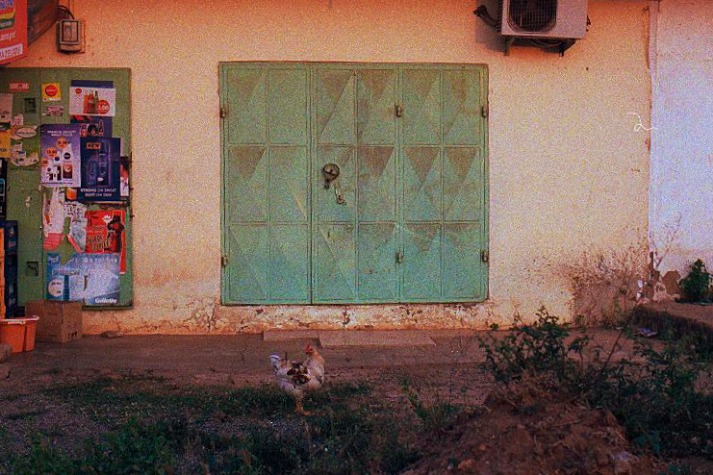
Using Ghana Images for Cultural Promotion
Ghana images serve as a powerful tool for cultural promotion, showcasing the rich heritage, vibrant traditions, and diverse landscapes of the country. By leveraging compelling visuals, Ghana can effectively share its unique identity with the world, fostering greater understanding and appreciation of its cultural treasures. These images not only highlight the beauty of Ghana but also help preserve and celebrate its cultural legacy for future generations.
Tourism Campaigns
Using Ghana images for cultural promotion and tourism campaigns is an effective way to showcase the rich heritage, vibrant culture, and stunning landscapes of the country. High-quality visuals can capture the essence of Ghanaian life, from traditional festivals to picturesque scenery, enticing potential visitors to explore its many attractions.
- Ghana images highlight the country’s diverse cultural heritage, including unique festivals, traditional clothing, and dance.
- They serve as powerful tools to promote tourism by showcasing iconic landmarks like Cape Coast Castle and Mole National Park.
- Visuals of Ghanaian markets, craftwork, and local cuisine attract tourists interested in authentic experiences.
- Using images of Ghana’s natural beauty, such as beaches, waterfalls, and savannahs, emphasizes its scenic appeal.
- Incorporating vibrant Ghanaian images into campaigns enhances the storytelling and emotional connection with prospective visitors.
Educational Materials
Ghana images play a vital role in promoting the rich cultural heritage of the country. By incorporating authentic photographs into educational materials, learners gain a deeper understanding of Ghana’s diverse traditions, festivals, and landscapes. These visuals help to bring stories to life, making cultural education more engaging and memorable for students of all ages. Additionally, Ghana images can showcase the vibrant attire, unique crafts, and historic sites, inspiring pride and appreciation for Ghanaian identity. Using visual content effectively fosters a sense of connection and encourages the preservation and celebration of Ghana’s cultural legacy among future generations.
Digital Media and Social Platforms
Using Ghana images for cultural promotion, digital media, and social platforms offers a powerful way to showcase the rich heritage and vibrant traditions of the country. Visual content capturing Ghana’s landmarks, festivals, attire, and daily life can effectively engage audiences worldwide and foster a deeper appreciation of Ghanaian culture. Incorporating authentic images into digital campaigns helps to preserve cultural identity while reaching a broader audience through social media channels. Additionally, high-quality Ghana images can serve as a valuable educational tool, inspiring interest in Ghana’s history, arts, and tourism opportunities. Leveraging visual storytelling with these images enhances cultural exchange and boosts Ghana’s visibility on the global stage.



0 Comments