
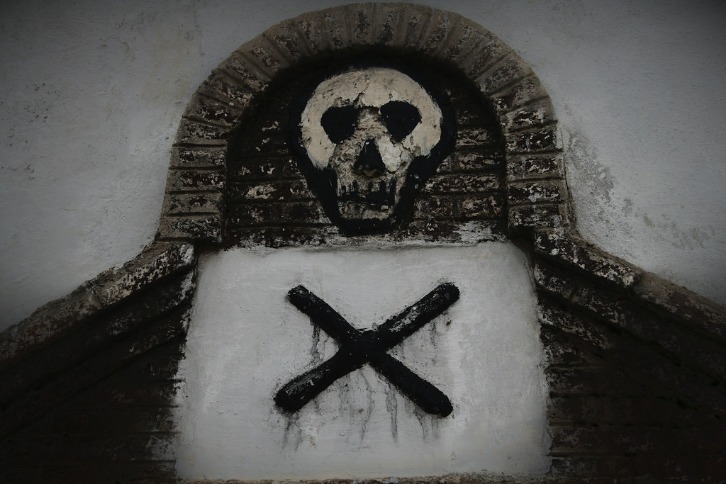
Overview of the Door of No Return
The Door of No Return in Ghana stands as a powerful symbol of the Atlantic slave trade and the painful history that shaped the nation. Located on the Cape Coast Castle, this historic passage marks the point where countless Africans were forcibly taken from their homeland, leaving an indelible mark on history and collective memory. Today, it serves as a reminder of resilience, loss, and the importance of preserving history for future generations.
Historical Significance
The Door of No Return in Ghana is a powerful symbol of the Atlantic slave trade and its profound historical significance. Located at the Cape Coast Castle, it served as the last point of departure for thousands of Africans forcibly taken from their homeland and transported across the Atlantic to the Americas and other parts of the world. This door represents both a moment of immense human suffering and a reminder of the resilience of those who endured such horrors. Over the centuries, it has become a poignant site for reflection, remembrance, and education about the atrocities of slavery. The structure stands as a testimony to Ghana’s central role in the transatlantic slave trade and continues to attract visitors, historians, and descendants seeking to connect with their heritage and honor those who passed through it.
Location and Architecture
The Door of No Return in Ghana is a historically significant site that symbolizes the grim history of the Atlantic slave trade. It served as a final departure point for many enslaved Africans leaving Ghana, particularly from the Cape Coast Castle and Elmina Castle, before being transported across the Atlantic Ocean. This symbolic doorway stands as a powerful reminder of the suffering and resilience of those who passed through it.
The Door of No Return is located at the Cape Coast Castle in the Central Region of Ghana, a key landmark in West African history. It is part of a larger complex of forts and castles that were used during the period of European colonialism and the transatlantic slave trade.
Architecturally, the Door of No Return is a simple yet poignant structure. It is a small arched doorway that opens directly onto the beach, allowing ships to dock nearby. The design is functional, constructed to facilitate the swift and often forced departure of enslaved individuals. The doorway is framed by stone walls, with some historical inscriptions and carvings preserved as part of the site’s heritage. Its somber appearance and the surrounding environment evoke deep reflection on the tragic history it represents.
Historical Context and Background
The Door of No Return in Ghana holds profound historical significance, symbolizing a period of intense cultural upheaval and forced migration. It serves as a stark reminder of the transatlantic slave trade, during which countless Africans were compelled to leave their homeland under duress. Understanding the background of this site provides essential insight into the devastating impact of slavery on individuals and communities, as well as its lasting legacy in both Ghanaian history and the broader African diaspora.
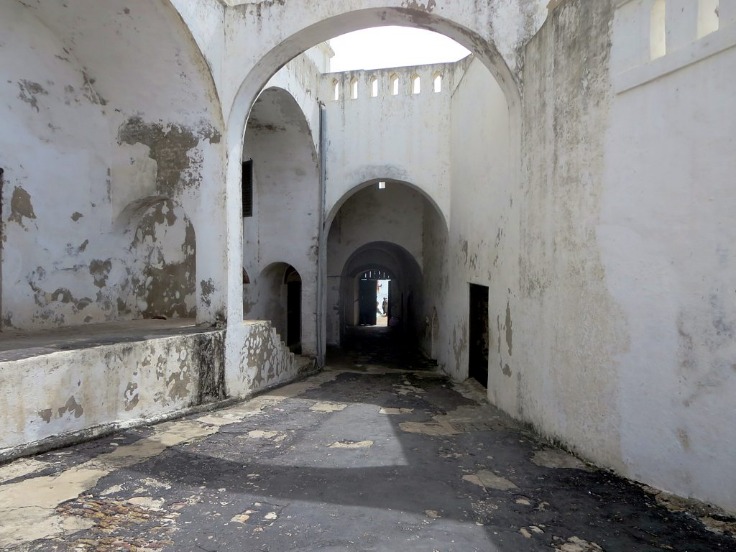
Trans-Atlantic Slave Trade in Ghana
The Trans-Atlantic Slave Trade played a significant role in shaping the history and cultural landscape of Ghana, particularly along the coast where many enslaved Africans were forcibly taken from their homeland. During the 16th to 19th centuries, Ghana’s coastal regions became major hubs for European traders involved in the brutal exchange of human lives, primarily through the ports of Cape Coast and Elmina. These areas became infamous as centers of the slave trade, with countless Africans being captured, sold, and transported across the Atlantic to the Americas.
The “Door of No Return” in Ghana symbolizes the final physical point where enslaved individuals departed their homeland, often never to see it again. These doorways, located at historic castles and forts such as Cape Coast Castle and Elmina Castle, serve as powerful reminders of the atrocities committed during this dark chapter of history. They stand as sites of memory and reflection, highlighting Ghana’s central role in the trans-Atlantic slave trade, which resulted in profound socio-economic and demographic changes in Africa. The legacy of this period continues to influence cultural identities and calls for remembrance and reconciliation today.
Role of Elmina Castle and Cape Coast Castle
Elmina Castle and Cape Coast Castle are two of the most significant historical sites in Ghana, playing a central role in the history of the transatlantic slave trade. Built by European powers in the 15th and 17th centuries respectively, these castles served as major hubs for the export of enslaved Africans to the Americas and Europe. They symbolize the painful history of slavery and are testimonies to the brutal conditions endured by millions of Africans during this dark period. The “Door of No Return” refers to the infamous exit point at these castles through which countless enslaved individuals were forcibly taken away, marking a poignant symbol of liberation and remembrance.
Symbolism and Cultural Importance
The “Door of No Return” in Ghana holds profound symbolic and cultural significance, representing a haunting reminder of Africa’s history of slavery and the enduring spirit of resilience. This historical gateway at Cape Coast Castle and Elmina Castle stands as a powerful symbol of the lost connections and the pain of forced separation faced by millions of Africans. Its cultural importance extends beyond its physical structure, embodying themes of memory, resistance, and the ongoing struggle for acknowledgment and justice. As a site of historical reflection, the Door of No Return continues to inspire dialogue about Africa’s past and its influence on present identities.
Emotional and Cultural Significance for Ghanaians
The Door of No Return in Ghana holds profound symbolism and cultural importance for Ghanaians, serving as a powerful reminder of a painful chapter in history. It represents the Atlantic slave trade and the countless lives that were forcibly taken from Africa, emphasizing themes of resilience, remembrance, and resistance. For many Ghanaians, especially in the communities surrounding Cape Coast and Elmina, the site is a place of reflection and national identity, connecting present generations with their ancestral history.
- It symbolizes the resilience and endurance of Ghanaian and African identity despite centuries of oppression.
- The site elicits deep emotional responses, evoking feelings of sorrow, pride, and hope among visitors and locals alike.
- It serves as a cultural anchor, fostering awareness, education, and the preservation of history for future generations.
Overall, the Door of No Return is more than a historical monument; it stands as a symbol of freedom, remembrance, and the enduring spirit of the Ghanaian people and their ancestors.
Representation of Freedom and Oppression
The Door of No Return in Ghana serves as a powerful symbol of both freedom and oppression, embodying the complex history of the transatlantic slave trade. It represents the tragic departure point for countless Africans forcibly taken from their homeland, highlighting the brutality and dehumanization inflicted upon enslaved peoples. At the same time, the site has come to symbolize resilience, hope, and the enduring spirit of those who endured unimaginable suffering. Culturally, the Door of No Return stands as a reminder of the historical injustices faced by African communities, while also serving as a monument that calls for remembrance, reflection, and a commitment to justice. Its symbolism transcends Ghana, resonating globally as a poignant emblem of the struggle for freedom and human dignity amidst oppression.
Tourism and Preservation
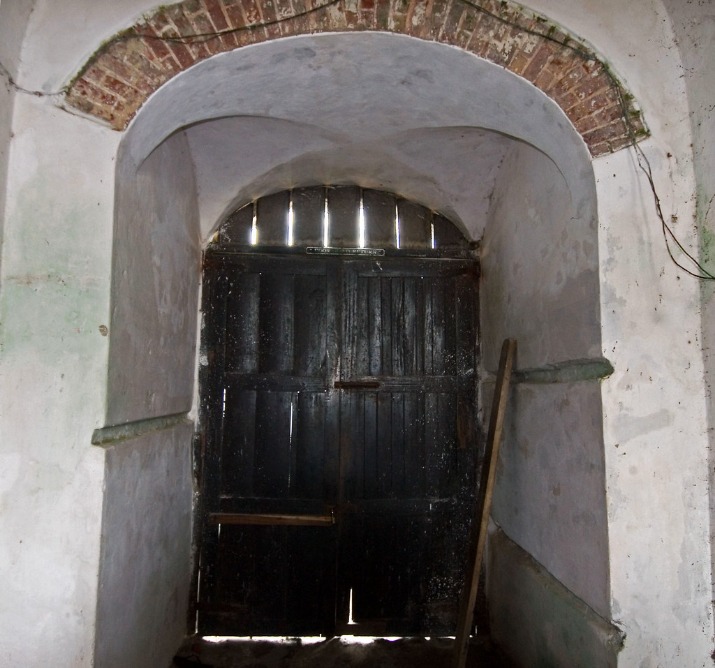
Tourism plays a vital role in showcasing the rich cultural heritage and history of destinations like Ghana. The Door of No Return, a powerful symbol of Africa’s history, attracts many visitors eager to learn about the past and pay tribute to those who passed through it. Preservation efforts are essential to maintain the site’s significance for future generations, ensuring that its story continues to inspire and educate visitors from around the world.
Current Status as a Tourist Attraction
The Door of No Return in Ghana is a significant historical site that attracts numerous tourists interested in learning about the trans-Atlantic slave trade and its impact on history. This site serves as both a memorial and a reminder of the past, drawing visitors from around the world to reflect on human resilience and cultural heritage.
- Currently, the Door of No Return is a well-preserved historic landmark located in Cape Coast Castle, a UNESCO World Heritage Site.
- It functions as a major tourist attraction, offering guided tours that educate visitors about the history of the slave trade and the significance of the site.
- The site includes museums, interpretive centers, and cultural displays that enhance the visitor experience.
- Efforts are ongoing to balance tourism with preservation, ensuring that the site remains intact for future generations while providing educational opportunities.
- Many tourists participate in ceremonies and commemorative events held at the site, acknowledging its historical importance.
Efforts to Preserve the Site
The Door of No Return in Ghana is a powerful historical site that signifies the heartbreaking legacy of the transatlantic slave trade. To preserve this important cultural monument, various efforts have been undertaken by local authorities, international organizations, and community stakeholders. These initiatives include safeguarding the structural integrity of the site, conducting archaeological research, and restoring surrounding areas to enhance its historical significance. Educational programs and visitor awareness campaigns are also implemented to promote understanding and respect for the cultural heritage. By continuously investing in preservation measures, efforts are made to ensure that the Door of No Return remains an enduring symbol of history and resilience for future generations.
Visitor Experience
The Visitor Experience at the Door of No Return in Ghana offers a profound and moving journey into history. As a significant historical site, it attracts visitors from around the world who seek to understand the tragic legacy of the transatlantic slave trade. The experience combines powerful storytelling, cultural authenticity, and hauntingly poignant landscapes, leaving a lasting impact on all who visit.
Guided Tours and Educational Programs
The Door of No Return in Ghana offers visitors a profound historical experience, allowing them to connect with the tragic history of the Atlantic slave trade. Guided tours provide insightful narratives that enhance understanding of this significant site, often led by knowledgeable guides who share stories of resilience and remembrance. Educational programs associated with the site aim to promote awareness and conservation, engaging visitors of all ages through interactive sessions and exhibitions. These programs help preserve the history and ensure that the legacy of those who passed through the Door of No Return is remembered and honored for generations to come.
Personal Reflections and Memorialization
The Door of No Return in Ghana stands as a powerful symbol of both visitor experience and collective memory, evoking deep personal reflections on history and human resilience. As visitors approach this historic site, they are often overcome with a profound sense of empathy and contemplation about the countless lives affected by the transatlantic slave trade. The atmosphere encourages personal reflection on freedom, human rights, and the enduring legacy of those who passed through its threshold.
Personal reflections sparked by the site often lead visitors to consider their own heritage and the importance of remembering past atrocities to foster a more just future. The emotional impact of standing at this gateway prompts recognition of the suffering endured, but also hope for reconciliation and healing. Many leave with a renewed commitment to advocacy, education, and the preservation of history for future generations.
Memorialization at the Door of No Return manifests through various forms, including museums, plaques, and guided narratives that honor the victims and ancestors. These efforts serve as vital reminders of past injustices and aim to preserve the memory of those forcibly taken away. The site functions not only as a place of historical significance but also as a living memorial that educates visitors about the importance of human dignity and resilience across generations.
Global Impact and Awareness
The Door of No Return in Ghana stands as a powerful symbol of history, remembrance, and the profound impact of the transatlantic slave trade. It draws global awareness to the enduring legacy of those who were forcibly taken from Africa, fostering understanding and reflection on human rights and cultural heritage. By recognizing this historical site, we promote greater global impact through education and the preservation of African history and resilience.
Symbol of the African Diaspora
The Door of No Return in Ghana stands as a powerful symbol of the African Diaspora, representing the tragic history of millions of Africans forcibly taken from their homeland during the transatlantic slave trade. This historic site heightens global awareness of the profound impact of slavery on African communities and the enduring legacy of resilience among displaced peoples. By commemorating this dark chapter, it fosters a deeper understanding and appreciation of African heritage worldwide. The Door of No Return also serves as a call to recognize the ongoing struggles for justice, reconciliation, and cultural preservation within the African diaspora.
Contributions to Historical Education and Memory
The Door of No Return in Ghana serves as a powerful symbol of the Atlantic slave trade, embodying the historical trauma and enduring legacy of those who were forcibly taken from Africa. Its global impact lies in raising awareness about this dark chapter in human history, fostering understanding and empathy across cultures. By commemorating the countless lives affected, the site contributes significantly to historical education, ensuring that future generations remember the importance of freedom, human rights, and the resilience of African heritage. Elevating awareness of this site underscores the importance of confronting the past to build a more informed and compassionate global community.



0 Comments