
Popular Ghanaian Dishes
Ghanaian cuisine is renowned for its rich flavors and diverse dishes that reflect the country’s vibrant culture and history. From hearty stews to flavorful rice meals, Ghanaian food offers a unique culinary experience that has delighted locals and visitors alike. Exploring these popular dishes provides a glimpse into the culinary traditions that are deeply rooted in Ghanaian society.
Jollof Rice
Jollof Rice is one of the most popular Ghanaian dishes, celebrated for its rich flavors and vibrant colors. It is a delicious one-pot meal made with long-grain rice, tomatoes, onions, and a blend of spices that create a savory and slightly spicy taste. Often cooked with vegetables, and sometimes with meat or fish, Jollof Rice is a staple at celebrations, family gatherings, and everyday meals in Ghana. Its popularity extends beyond Ghana’s borders, making it a beloved dish across West Africa. Perfectly cooked Jollof Rice is sought after for its smoky aroma and flavorful profile, making it a must-try for anyone exploring Ghanaian cuisine.
Banku and Tilapia
Ghanaian cuisine offers a rich variety of traditional dishes that are celebrated across West Africa. Among these, Banku and Tilapia are particularly popular and enjoyed by locals and visitors alike. Banku is a fermented mixture of corn and cassava dough that is cooked into a smooth, sticky, and stretchy consistency. It is commonly served with various soups, stews, or grilled fish, making it a versatile and beloved staple in Ghanaian households.
Tilapia, a freshwater fish abundant in Ghana’s lakes and rivers, is a favorite for its tender meat and delicious flavor. It is often grilled or fried and paired with Banku or chilled salads, offering a delightful combination of flavors and textures. Together, Banku and Tilapia represent the essence of Ghanaian hospitality and culinary tradition, showcasing the country’s rich farming, fishing, and cooking heritage.
Waakye
Waakye is one of the most popular traditional dishes in Ghana, renowned for its rich flavors and cultural significance. It is a rice and beans dish that is often enjoyed for breakfast or lunch and showcases the vibrant culinary heritage of the country.
- Originated from the Ashanti and Northern regions of Ghana
- Typically cooked with millet leaves or dried millet stalks, which give it a distinctive color and aroma
- Often served with a variety of accompaniments such as boiled eggs, fried plantains, avocados, or fish
- Commonly garnished with toppings like shito (spicy pepper sauce), chopped onions, and gari (grated dried cassava)
- Popular street food, available in many food stalls across Ghana
- Frequently enjoyed during special occasions and celebrations, reflecting its cultural importance
Kenkey with Fish
Kenkey with Fish is a beloved traditional dish in Ghana that showcases the rich culinary heritage of the country. It is often enjoyed as a main meal, especially during special occasions and family gatherings.
- Kenkey is made from fermented corn dough wrapped in corn husks or banana leaves and then boiled until soft.
- It is typically served with grilled or fried fish, often accompanied by a spicy pepper sauce or shito.
- Additional sides such as fried plantains, beans, or stew can also be included to enhance the flavor.
- Kenkey with Fish is not only delicious but also provides a good source of carbohydrates and protein, making it a nutritious option for many Ghanaians.
Traditional Ghanaian Ingredients
Traditional Ghanaian ingredients are the heart of the rich and diverse culinary heritage of Ghana. These ingredients, often locally sourced and naturally flavorful, play a vital role in creating the unique tastes and textures that define Ghanaian food. From spicy peppers to aromatic herbs, the use of these traditional elements reflects the cultural identity and culinary artistry of the Ghanaian people.
Corn and Cassava
Traditional Ghanaian ingredients such as corn and cassava play a vital role in the country’s rich culinary heritage. Corn, known locally as “ekerem,” is used to make various dishes like “Koko,” a porridge commonly enjoyed for breakfast, and “Kenkey,” which is fermented corn dough wrapped in leaves. Cassava, or “ankwan,” is a versatile root used to prepare staples like “fufu,” a dough-like accompaniment to soups and stews, and “gari,” processed grated cassava often used as a snack or in dishes. These ingredients are celebrated for their nutritional value and cultural significance, forming the basis of many traditional Ghanaian meals that bring communities together and showcase the country’s diverse culinary traditions.
Spices and Herbs
Traditional Ghanaian cuisine is renowned for its rich and vibrant flavors, which are achieved through a unique combination of ingredients, spices, and herbs. Staples such as yams, cassava, plantains, and rice are often used as the base for many dishes, complemented by a variety of fresh vegetables and proteins like fish, chicken, and goat.
Spices play a crucial role in Ghanaian cooking, with ingredients like ginger, garlic, and onions forming the aromatic foundation of many recipes. One of the most distinctive spices is ginger, which adds both heat and depth of flavor. Additionally, spices such as cloves, alligator pepper, and black pepper are frequently used to enhance dishes.
Herbs are also integral to Ghanaian cuisine, with fresh herbs such as basil, scent leaf (bitter leaf), and basil commonly incorporated to add aroma and flavor. One of the signature herbs is the Hausa ginger, a variety of ginger that is more pungent and aromatic, used to season stews and soups.
Other key ingredients include spices like paprika, cayenne pepper, and paprika, which contribute to the bold taste profile characteristic of Ghanaian dishes. Overall, the combination of these traditional ingredients, spices, and herbs creates the complex and delightful flavors that are a hallmark of Ghanaian food.
Palm Oil and Groundnut Oil
Traditional Ghanaian cuisine relies heavily on natural ingredients, with palm oil and groundnut oil playing a central role in many dishes. Palm oil, derived from the fruit of oil palms, is valued for its rich red color, distinct flavor, and nutritional benefits, giving Ghanaian stews, soups, and sauces their vibrant hue and hearty taste. Groundnut oil, extracted from peanuts, offers a nutty aroma and light texture, making it a popular choice for frying, grilling, and preparing various traditional dishes. Both oils not only enhance the flavor but also contribute to the cultural identity and culinary heritage of Ghana, reflecting the country’s resourcefulness and rich agricultural tradition.
Local Vegetables
Traditional Ghanaian ingredients are rich and diverse, reflecting the country’s vibrant culinary heritage. Local vegetables play a vital role in Ghanaian cuisine, adding flavor, texture, and nutritional value to various dishes. Common vegetables include garden eggs, kontomire (cocoyam leaves), garden huckleberry, okra, and peppers, which are often used in stews, soups, and sauces. These ingredients are cherished for their freshness and unique taste, showcasing the natural bounty of Ghana’s fertile lands. Incorporating these vegetables into meals highlights Ghana’s commitment to utilizing locally sourced and sustainable ingredients, essential to authentic Ghanaian cooking traditions.
Cooking Techniques
Cooking techniques play a vital role in the preparation of authentic Ghanaian cuisine, bringing out the rich flavors and cultural heritage of the region. From traditional methods like pounding, boiling, and roasting to more modern approaches, mastering these techniques is essential for creating delicious and authentic Ghanaian dishes. Understanding these methods helps both home cooks and chefs preserve the culinary traditions that define Ghanaian food.
Fermentation Processes
Cooking techniques and fermentation processes play a vital role in Ghanaian cuisine, contributing to its rich flavors and unique textures. Traditional Ghanaian dishes often involve slow cooking methods such as stewing and boiling to develop depth in taste. Fermentation is a cornerstone in preparing staples like kenkey and volta bread, where maize or millet undergo natural fermentation to enhance flavor and digestibility. Fermented foods not only add a tangy taste but also promote probiotic benefits, supporting gut health. Additionally, techniques like pounding grains and beans are used to create smooth pastes essential for many dishes. Understanding these methods provides insight into the cultural significance and culinary complexity of Ghanaian food.
Boiling and Stewing
In Ghanaian cuisine, boiling and stewing are essential cooking techniques that bring out rich flavors in traditional dishes. Boiling involves cooking ingredients in water or broth at high temperatures, which helps retain the nutrients and natural taste of vegetables, legumes, and grains common in Ghanaian meals. Stewing, on the other hand, is a slow-cooking process where meat, fish, or vegetables are simmered in a seasoned liquid for an extended period, allowing the flavors to meld and creating hearty, flavorful dishes such as Ghanaian light soup and palm nut stew. Both techniques are fundamental in preparing the diverse and delicious foods enjoyed across Ghana.
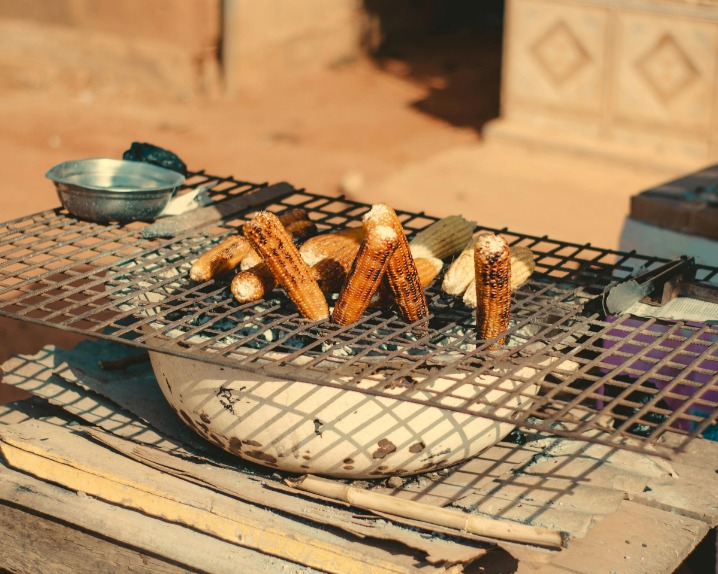
Grilling and Smoking
Ghanaian cuisine offers a rich variety of flavors, with grilling and smoking being popular techniques to prepare many traditional dishes. These methods enhance the taste and texture of meats and fish, contributing to the unique culinary experience of Ghana.
- Grilling: In Ghana, grilling is commonly used for preparing dishes like kebabs, fresh fish, and meats such as goat and beef. The food is usually marinated with spices, then cooked over open flames or charcoal, giving it a smoky flavor and a crispy exterior.
- Smoking: Smoking is a traditional technique used for preserving and flavoring fish and meats like mackerel and tilapia. The process involves slow-cooking the food over smoldering hardwoods or charcoal, infusing it with a distinct aroma that enhances the overall taste.
Both grilling and smoking are integral to Ghanaian food culture, often featured in communal gatherings and local markets. These methods not only preserve the ingredients but also highlight the natural flavors, making them favorite choices among Ghanaian cooks and food lovers.
Fermented Dough Preparation
Fermented dough preparation is a vital technique in making traditional Ghanaian foods such as banku and kenkey. This process involves soaking maize or cassava in water and allowing it to ferment naturally over a period of several days. During fermentation, natural microorganisms break down complex carbohydrates, enhancing flavor and digestibility. The dough is then ground into a smooth paste, often wrapped in banana leaves or stored in containers for further fermentation. Proper fermentation imparts a distinctive sour taste and improves the texture, making it suitable for cooking. Mastering this technique is essential for achieving authentic Ghanaian flavors and ensuring the desired consistency and taste in the final dishes.
Cultural Significance of Ghanaian Foods
Ghanaian foods hold a deep cultural significance that reflects the rich history and diverse traditions of the Ghanaian people. These dishes are not only a source of nourishment but also serve as a means of bringing communities together during celebrations, ceremonies, and everyday life. Through their unique flavors and preparation methods, Ghanaian foods tell stories of heritage, identity, and social connection that are cherished across generations.
Foods for Celebrations and Festivals
Ghanaian foods hold a deep cultural significance as they embody the traditions, history, and identity of the Ghanaian people. Dishes like jollof rice, banku, and waakye are not only enjoyed for their flavors but also serve as symbols of unity and cultural pride during communal gatherings and ceremonies. These foods often carry stories of ancestors and are integral to rites of passage, ceremonies, and social interactions.
During celebrations and festivals, Ghanaian foods take center stage, transforming and enhancing the festive atmosphere. Special dishes such as fufu with light soup, kenkey with fish and pepper, and everyday delicacies are prepared in abundance to honor the occasion. These foods are shared among family and community members to strengthen bonds, express gratitude, and celebrate cultural heritage. The preparation and sharing of these foods during festivals like Homowo, Dumsor, and Aboakyere serve as vibrant expressions of Ghanaian culture and community cohesion.
Daily Diet and Traditional Meals
Ghanaian foods hold a deep cultural significance, serving as a reflection of the country’s rich history, diverse ethnic groups, and communal values. Traditional meals such as banku, fufu, and jollof rice are central to social gatherings, celebrations, and daily life, fostering a sense of unity and identity among Ghanaians. These dishes are often prepared using locally sourced ingredients, emphasizing the connection between food and the land. Daily diets typically consist of hearty, nutritious foods that sustain families and communities, with staples like maize, cassava, plantains, and beans playing a prominent role. Consuming these foods not only nourishes the body but also preserves ancestral culinary practices, ensuring that Ghana’s rich culinary heritage continues to thrive across generations.
Food Sharing and Community Bonding
Ghanaian foods are deeply rooted in the cultural traditions and history of the Ghanaian people, serving as a vital expression of identity and heritage. These foods often symbolize unity, hospitality, and the celebration of communal life, fostering strong bonds within communities. Sharing meals such as jollof rice, banku, and fufu during gatherings and festivals reinforces social ties and encourages intergenerational connection. Food sharing is not merely about sustenance but also a ritual that promotes cooperation, respect, and solidarity among family members and neighbors. In Ghanaian culture, preparing and enjoying traditional dishes together strengthens community bonds and preserves cultural values across generations. The act of communal dining showcases the importance of togetherness, reverence for tradition, and the collective pride in Ghana’s diverse culinary heritage.
Regional Variations in Ghanaian Cuisine
Ghanaian cuisine is rich and diverse, reflecting the vibrant cultures and traditions of its various regions. Each part of Ghana offers unique flavors, ingredients, and cooking styles that contribute to the country’s overall culinary identity. Understanding regional variations in Ghanaian food reveals how geography, history, and local customs influence the delicious dishes enjoyed across the country.
Southern Ghana
Southern Ghana is renowned for its vibrant and diverse culinary traditions, which showcase a rich blend of flavors and ingredients unique to the region. The cuisine in this area is characterized by its emphasis on seafood, tropical fruits, and flavorful spices, reflecting its proximity to the coast and fertile lands. Dishes such as tilapia, anchovies, and other freshwater and saltwater fish are commonly prepared in various flavorful stews and soups. Popular staples include banku, tuo zaafi, and kenkey, often served with spicy pepper sauces and fermented condiments. The regional variations also extend to the use of locally available herbs and vegetables, which contribute to the distinctive taste of Southern Ghanaian cuisine. These culinary practices highlight the local culture and traditions, making Southern Ghana a flavorful hub within Ghanaian food heritage.
Ashanti Region
The Ashanti Region of Ghana is renowned for its rich and diverse culinary traditions that highlight the unique flavors and ingredients of the area. In this region, food varies significantly from other parts of Ghana, reflecting local customs, crops, and historical influences. Staple dishes often include fufu made from cassava or plantains, served with hearty soups and stews such as light soup or groundnut soup. The use of spices like ginger, garlic, and local herbs enhances the flavor profile of Ashanti cuisine. Additionally, the region is famous for its traditional delicacies like goat meat, palm nut soup, and roasted yams. Culinary practices in Ashanti are often centered around communal gatherings and special occasions, showcasing the rich cultural heritage of the people. Overall, the regional variations in Ghanaian cuisine highlight the diverse flavors and cooking techniques unique to the Ashanti Region.
Volta Region
The Volta Region of Ghana is renowned for its unique regional variations in cuisine, reflecting the diverse cultural heritage of its people. Traditional dishes in this area often feature ingredients like yams, plantains, millet, and fish, which are abundant in the region’s lush environment. One popular delicacy is “Akple,” a fermented maize dough often served with fish or palm nut soup, showcasing the local preference for fermented foods. The use of groundnut sauce, which is rich and flavorful, is also characteristic of Volta Region cuisine. In addition, dishes like “Kokonte” (a dough made from dried cassava) and “Tuo Zaafi” (a maize porridge served with soup) highlight the region’s culinary traditions. The cuisine here also incorporates a variety of fresh vegetables and spices, giving the dishes their unique flavors. Overall, the culinary practices of the Volta Region emphasize a blend of locally available ingredients and traditional preparation methods, making it a distinctive part of Ghanaian food culture.
Northern Ghana
Regional variations in Ghanaian cuisine, particularly in Northern Ghana, reflect the unique cultural and agricultural practices of the area. Northern Ghana is known for its hearty and locally sourced dishes that differ significantly from those in the southern regions. The cuisine heavily features grains such as millet, sorghum, and rice, which are staple ingredients for many traditional meals.
Popular dishes in Northern Ghana include ‘Tuo Zaafi,’ a thick porridge made from millet or maize served with soups and stews. ‘Chinchinga,’ a type of kebab made from grilled meat, is also common and showcases the meat-heavy diet of the region. Additionally, leafy vegetables like kontomire are often integrated into stews to add flavor and nutrition.
The flavors of Northern Ghanaian cuisine are influenced by the use of indigenous spices, local herbs, and fermented ingredients, giving the dishes a distinctive taste. Food is often prepared using traditional cooking methods such as open-fire grilling and clay pot cooking, emphasizing the region’s rich culinary heritage.
This regional cuisine offers a vibrant and diverse culinary experience that highlights the cultural identity and agricultural practices of Northern Ghana, making it a unique and integral part of Ghanaian food diversity.
Modern Influences and Fusion Cuisine
Modern influences and fusion cuisine have significantly transformed the landscape of Ghanaian food, blending traditional flavors with innovative techniques and ingredients from around the world. This culinary evolution not only celebrates Ghana’s rich cultural heritage but also embraces global gastronomic trends, creating exciting new dishes that appeal to diverse palates. As chefs experiment with fusion, Ghanaian cuisine continues to thrive, showcasing its adaptability and vibrant character in a modern context.
Integration of International Flavors
Modern influences and fusion cuisine have profoundly impacted Ghanaian food, enriching traditional dishes with international flavors and innovative techniques. Chefs and culinary enthusiasts now blend local ingredients with elements from Asian, European, and American cuisines, creating exciting new culinary experiences while preserving Ghana’s rich culinary heritage. This integration of international flavors encourages creativity and diversity, making Ghanaian cuisine more accessible and appealing to global audiences. As a result, traditional dishes are often reinvented with a contemporary twist, reflecting the dynamic cultural exchange and globalization that continue to shape Ghana’s vibrant food scene.
Urban Food Trends
Modern influences and fusion cuisine have significantly transformed the culinary landscape in Ghana, blending traditional flavors with international trends to create innovative dishes. Urban food trends in Ghana reflect this fusion, as street vendors and upscale restaurants alike experiment with global ingredients and techniques to cater to diverse palates. These trends showcase a dynamic culinary scene that respects Ghanaian heritage while embracing contemporary influences, resulting in vibrant, unique flavors that appeal to both locals and tourists. The integration of fusion cuisine highlights Ghana’s position as a culinary crossroads, where tradition meets modernity, offering exciting new experiences for food enthusiasts.
Street Food Innovation
Modern influences and fusion cuisine have significantly transformed Ghanaian food, blending traditional flavors with global culinary trends to create innovative dishes. Street food innovation plays a crucial role in this evolution, as vendors experiment with new ingredients and cooking techniques to attract diverse audiences. Incorporating elements from Asian, Middle Eastern, and Western cuisines, Ghanaian street food now features exciting dishes like jollof rice with exotic spices, kebabs infused with local herbs, and fusion snacks that reflect a melting pot of cultures. This dynamic culinary scene not only preserves Ghana’s rich food heritage but also pushes the boundaries of traditional gastronomy, making it more accessible and appealing to both locals and tourists alike.




0 Comments