
Geography and Climate of Accra
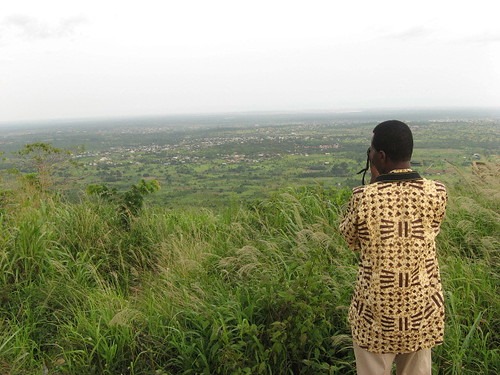
Accra, the vibrant capital of Ghana, is a city characterized by its diverse geography and warm climate. Situated along the Gulf of Guinea, Accra features a mix of beaches, coastal plains, and gently rolling hills. The city experiences a tropical climate with high temperatures and seasonal rains, creating an environment that supports lush vegetation and bustling urban life. Its geographical location and climate play a significant role in shaping the culture and lifestyle of its inhabitants.
Location and Topography
Accra, the capital city of Ghana, is situated along the Atlantic Ocean in the southeastern part of the country. Its geographical position places it at the crossroads of economic and political activity, making it a vital hub in West Africa. The city’s topography is characterized by relatively flat coastal plains with some gentle rolling hills further inland, providing a scenic landscape that blends urban development with natural features.
- Location: Accra lies on the southern coast of Ghana, bordered by the Gulf of Guinea to the south.
- Topography: The city features a predominantly flat terrain with some low-lying hills that enhance its scenic beauty.
- Climate: Accra has a tropical savannah climate with a distinct dry season from November to March and a rainy season from April to October, characterized by warm temperatures year-round.
Climate and Weather Patterns
Accra, the capital city of Ghana, is situated along the Atlantic Ocean coast in West Africa. Its geography is characterized by a relatively flat terrain with some surrounding hills, and it features a mix of urban development and coastal environments. The city lies close to the Gulf of Guinea, which influences its climate and weather patterns significantly.
The climate of Accra is classified as a tropical savanna climate, marked by warm temperatures throughout the year and distinct wet and dry seasons. The city experiences high humidity levels, particularly during the rainy season, which typically occurs from April to June and September to November. The dry season, on the other hand, usually happens from December to March, with Harmattan winds bringing dry, dusty air from the Sahara Sahara, resulting in lower humidity and cooler temperatures.
Weather patterns in Accra are largely influenced by the Intertropical Convergence Zone (ITCZ), seasonal monsoon winds, and the Harmattan winds. These factors contribute to predictable fluctuations in temperature, humidity, and rainfall. The city generally enjoys warm weather year-round, with average temperatures ranging between 24°C to 31°C, although brief cooler periods occur during Harmattan. Rainfall is typically heaviest during the rainy seasons, supporting lush vegetation and agriculture in the region.
- Accra’s coastal location moderates temperature fluctuations, making the climate relatively mild.
- The Harmattan season brings dry, dusty winds from the Sahara, affecting air quality and visibility.
- Rainfall is seasonal, with most precipitation occurring during the two rainy seasons, supporting vibrant plant life.
- High humidity levels during the wet seasons can lead to discomfort but are essential for maintaining the region’s ecological balance.
Urban Development and Landmarks
Accra, the capital city of Ghana, is located along the Gulf of Guinea on the Atlantic Ocean coast. It features a tropical climate characterized by warm temperatures and high humidity year-round, with a distinct rainy season from April to June and September to November. The city’s geographical setting influences its weather patterns and economic activities, especially its vibrant port. Urban development in Accra has rapidly expanded over recent decades, leading to a mix of modern skyscrapers, busy markets, and informal settlements. This growth has brought challenges such as traffic congestion and infrastructure strain. Key landmarks in Accra include the Independence Square, known as Black Star Square, the historic Cape Coast Castle, and the Kwame Nkrumah Mausoleum, which celebrate Ghana’s history and independence. Additionally, Accra boasts several beaches, parks, and cultural sites that attract both residents and tourists alike.
History and Cultural Heritage
Accra, the vibrant capital city of Ghana, is a place rich in history and cultural heritage. It serves as a living tapestry of diverse traditions, historical landmarks, and centuries-old customs. The city’s heritage reflects its journey through colonial influences, independence, and modern development, making it a fascinating destination for those interested in understanding Ghana’s unique cultural identity.
Historical Background of Accra
Accra, the capital city of Ghana, possesses a rich history and vibrant cultural heritage that reflect its significance in West African history. Originally a small trading post established by the Ga people, Accra expanded over centuries into a bustling metropolis influenced by various kingdoms, European colonization, and modern development. The city’s strategic location along the Atlantic coast made it a center for commerce, especially in gold, ivory, and slaves during the pre-colonial and colonial periods. In the 19th century, Accra became an important administrative and trading hub under British rule, which left a lasting impact on its architecture and infrastructure. Today, Accra’s cultural scene is a tapestry of traditional festivals, arts, and music that celebrate its diverse heritage, blending old Ghanaian customs with contemporary influences. The city stands as a testament to Ghana’s history of resilience and cultural pride, inviting visitors to explore its historical landmarks, museums, and vibrant traditions.
Indigenous Cultures and Influences
Accra, the vibrant capital city of Ghana, is a rich tapestry of history, cultural heritage, and indigenous influences. As a major center of trade and politics, it has been shaped by various historical events and interactions with different cultures over centuries. The city’s history dates back to pre-colonial times when it was inhabited by the Ga people, whose traditions and customs still influence the local culture today. Accra serves as a living museum, showcasing historical landmarks such as the Fort James and the James Town area, which reflect the country’s colonial past. Indigenous cultures remain deeply rooted in Accra through lively festivals, traditional music, dance, and craftworks that celebrate the diverse heritage of Ghana. These cultural elements are preserved and celebrated, ensuring that the indigenous identity continues to thrive amidst modern development. Overall, Accra’s history and cultural heritage offer a profound insight into Ghana’s enduring identity and the resilience of its indigenous communities.
Colonial Era and Post-Independence Developments
Accra, the capital city of Ghana, boasts a rich history rooted in the colonial era and has experienced significant post-independence developments that shape its cultural heritage today. During the colonial period, Accra served as an important administrative and commercial center under British rule, which influenced its architecture, institutions, and urban layout. The presence of colonial buildings, forts, and historic sites reflects this era’s impact on the city’s landscape. Following Ghana’s independence in 1957, Accra emerged as a hub of national progress, fostering political stability, economic growth, and cultural revitalization. The city has preserved many of its historical landmarks while modernizing to accommodate a growing population. Today, Accra is a vibrant metropolis where history and modernity coexist, showcasing Ghana’s resilience and rich cultural heritage. Its museums, cultural festivals, and heritage sites continue to celebrate its diverse history, making Accra a vital center for Ghanaian identity and history.
Economy and Industry
Ghana’s economy and industry play a vital role in shaping the development and growth of its capital, Accra. As a bustling metropolis, Accra serves as the economic hub of the country, featuring diverse sectors such as manufacturing, commerce, and services. The city’s dynamic industry landscape reflects Ghana’s broader economic potential and ongoing efforts to modernize and expand its industrial base. Understanding Accra’s economic activities provides insight into the nation’s progress and future opportunities.
Main Economic Sectors
Accra, the capital city of Ghana, is a vibrant economic hub with diverse industries contributing to its growth. The city’s economy is driven by various sectors that play a crucial role in the national development and development of the West African region.
- Agriculture and Agro-processing: Ghana’s rich natural resources support agriculture, including cocoa, yams, and fruits, which are processed and exported from Accra.
- Manufacturing: The industrial sector in Accra includes manufacturing of textiles, pharmaceuticals, and building materials, supporting both local consumption and export markets.
- Services: The service industry, encompassing banking, telecommunications, trade, and tourism, is a major contributor to Accra’s economy.
- Construction and Real Estate: Rapid urbanization has spurred growth in construction, real estate development, and infrastructure projects across Accra.
- Transport and Logistics: As a key port city, Accra benefits from active shipping, transportation, and logistics services that facilitate trade within Ghana and internationally.
Trade and Commerce Hubs
Accra, the capital city of Ghana, is a prominent center for economy and industry in West Africa. It serves as a vital hub for trade and commerce, attracting businesses from across the region and beyond. The city’s strategic location along the Gulf of Guinea enhances its role as a gateway for imports and exports, fostering a dynamic marketplace that supports various sectors including manufacturing, banking, and services. Accra’s vibrant commercial districts, such as Osu and Tarkwa Bay, are bustling with markets, shopping centers, and corporate offices, reflecting its importance as an economic powerhouse. Furthermore, the city’s well-developed port facilities and infrastructure contribute significantly to Ghana’s overall economic growth, making Accra a key driver of national development and regional trade.
Emerging Sectors and Investments
Accra, the vibrant capital of Ghana, is experiencing rapid growth in its economy and industrial sectors, driven by efforts to diversify from traditional agriculture and extractive industries. Emerging sectors such as technology, fintech, and renewable energy are gaining momentum, attracting both domestic and international investments. The government’s focus on creating a conducive environment for startups and innovation hubs has led to a surge in entrepreneurial activities. Moreover, infrastructural development projects and improvements in transportation and utilities are enhancing the investment climate. Accra’s strategic location and expanding market make it a prime destination for investors seeking opportunities in West Africa’s dynamic economic landscape.
Tourist Attractions and Landmarks
Accra, the vibrant capital of Ghana, is a city rich in history, culture, and exciting attractions. From historic landmarks to bustling markets, visitors can experience a unique blend of tradition and modernity. Exploring the tourist attractions in Accra offers a fascinating glimpse into Ghanaian heritage and the city’s dynamic lifestyle.
Museums and Heritage Sites
Accra, the vibrant capital of Ghana, boasts a rich array of tourist attractions, landmarks, museums, and heritage sites that reflect its diverse history and culture. Visitors can explore the impressive Independence Square, a symbol of Ghana’s independence movement, and the Kwame Nkrumah Mausoleum, dedicated to Ghana’s first president.
The W.E.B. Du Bois Center offers insight into the life of the renowned scholar and activist, while the National Museum of Ghana showcases artifacts that highlight the country’s historical and cultural heritage. For those interested in coastal attractions, Labadi Beach provides a lively environment with music, dancing, and local cuisine.
Historical sites such as Osu Castle and the Cape Coast Slave Castle nearby provide a sobering reminder of the transatlantic slave trade and are important destinations for understanding Ghana’s history. Accra’s markets, like the Arts Centre, are perfect for experiencing local crafts, textiles, and souvenirs, making the city a compelling destination for cultural exploration.
Beaches and Natural Attractions
Accra, the vibrant capital of Ghana, offers a mix of historical sites, stunning beaches, and natural attractions that captivate visitors. The city is home to iconic landmarks such as the Independence Square, also known as Black Star Square, which commemorates Ghana’s independence and serves as a symbol of national pride. For history enthusiasts, the W.E.B. Du Bois Center provides insight into Ghana’s role in Pan-Africanism. Visitors can explore the vibrant Makola Market to experience local culture and crafts. Accra’s beaches, including Labadi Beach and Coco Beach, are popular spots for relaxation, music, and social gatherings, offering picturesque views of the Atlantic Ocean. Nature lovers can visit the Shai Hills Resource Reserve, a haven for wildlife and hiking, or take a short trip to the Gbewa Forest Reserve for lush greenery and birdwatching. With its blend of cultural landmarks, beautiful coastlines, and scenic natural parks, Accra offers a diverse array of attractions for all travelers.
Religious and Cultural Festivals
Accra, the vibrant capital of Ghana, boasts a rich array of tourist attractions and landmarks that reflect its historical and cultural heritage. Visitors can explore the Cape Coast Castle, a significant historical site that played a crucial role during the transatlantic slave trade. The Labadi Beach offers a lively coastal experience with its golden sands and local music scene. The W.E.B. Du Bois Center provides insight into Ghana’s struggle for independence and its influential figures. For cultural insights, the National Museum of Ghana showcases artifacts, art, and exhibits that depict Ghanaian history and traditions.

Religious and cultural festivals in Accra are lively and colorful, attracting both locals and tourists. The Homowo Festival, celebrated by the Ga people, commemorates a historic famine and harvest festival with drumming, dancing, and traditional rituals. The Chale Wote Street Art Festival transforms the city into a vibrant showcase of street art, performances, and cultural displays. Easter celebrations are also prominent, featuring church processions, parades, and community gatherings. These festivals offer a unique glimpse into the rich cultural fabric of Accra and Ghana as a whole.
Transportation and Infrastructure
Transportation and infrastructure play a vital role in the development of Accra, the vibrant capital city of Ghana. As a bustling urban hub, Accra’s transportation systems connect people, businesses, and communities, fostering economic growth and social interaction. The city continues to invest in expanding its infrastructure to improve mobility, reduce congestion, and enhance the quality of life for its residents.
Public Transportation Systems
Accra, the capital city of Ghana, has been making significant advancements in transportation and infrastructure to better serve its growing population. The city boasts a variety of public transportation systems, including minibusses, shared taxis, and motorcycle taxis, which are vital for daily commutes. In recent years, efforts to improve road infrastructure and develop dedicated bus lanes have enhanced transit efficiency and reduced congestion. Additionally, plans for modernized rail services and expanded bus rapid transit (BRT) systems are underway to provide more reliable and sustainable urban mobility. These developments aim to connect residents more effectively and support economic growth in Accra.
Major Roads and Bridge Networks
Ghana’s capital city, Accra, boasts a well-developed transportation and infrastructure network that facilitates the movement of people and goods across the region. Major roads such as the Accra-Tema Motorway and the George Bush Highway connect key parts of the city with surrounding areas, easing daily commutes and commercial activities. The city also features an expanding network of urban roads and street systems that help reduce traffic congestion and improve accessibility. Key bridge networks, including the Tetteh Quarshie Interchange Bridge and various flyovers, enhance traffic flow over the city’s waterways and busy intersections. These infrastructural elements play a crucial role in supporting Accra’s economic growth and urban development, making transportation more efficient and reliable for residents and visitors alike.
Air and Maritime Connectivity
Ghana’s capital city, Accra, serves as a vital hub for transportation and infrastructure development in West Africa. The city boasts a comprehensive road network that facilitates efficient movement within urban areas and connects to other regions of the country. Recent investments have improved road quality and expanded transit options, enhancing accessibility for residents and visitors alike.
Air connectivity is a significant aspect of Accra’s infrastructure, with Kotoka International Airport functioning as a major gateway for both domestic and international flights. The airport has undergone several upgrades to support increased passenger traffic and to accommodate modern aircraft, ensuring that Accra remains accessible on the global stage.
Maritime connectivity also plays a crucial role, given Ghana’s strategic location along the Gulf of Guinea. The Tema and Takoradi ports facilitate the import and export of goods, contributing to the country’s economic growth. These ports are equipped with state-of-the-art facilities to handle large cargo ships efficiently, positioning Accra as an important port city in the region.
Education and Institutions
Ghana, particularly its capital city Accra, is a vibrant center for education and institutional development in West Africa. The city boasts a diverse range of educational institutions, from renowned universities to technical colleges, fostering learning and innovation. These educational establishments play a crucial role in shaping the nation’s future, promoting skills, knowledge, and cultural growth among its people.
Higher Education Institutions
Accra, the vibrant capital city of Ghana, is home to a growing number of higher education institutions that play a crucial role in the country’s development. These institutions offer diverse programs in fields such as arts, sciences, business, and technology, contributing significantly to the nation’s human resource capacity. Universities like the University of Ghana, Ghana Technology University College, and Ashesi University are renowned for their academic excellence and research contributions. Education in Accra is seen as a pathway to social mobility and economic progress, with institutions continuously striving to improve access and quality of higher education for students from various backgrounds.
Primary and Secondary Schools
Education and institutions in Accra, Ghana, play a vital role in shaping the future of the city’s youth through a well-structured system of primary and secondary schools. These institutions serve as the foundation for academic and personal development, providing students with essential skills and knowledge needed for their overall growth.
Primary schools in Accra are designed to offer early childhood education, focusing on literacy, numeracy, and basic social skills. They are accessible to children from diverse backgrounds and aim to promote inclusive education. Secondary schools, including both basic and senior high schools, build on this foundation by offering more specialized curricula in arts, sciences, and technical education. These schools prepare students for higher education or entry into the workforce, supporting Ghana’s broader educational goals.
Institutions such as the Ghana Education Service oversee the administration and regulation of these schools, ensuring standards are maintained across the city. Many public schools are complemented by private institutions that provide additional options for parents seeking quality education for their children. The education system in Accra continues to evolve, with ongoing efforts to improve infrastructure, teacher training, and educational resources, thereby fostering an environment conducive to learning and development.
Research and Innovation Centers
Accra, the capital city of Ghana, is a vibrant hub for education, research, and innovation. The city hosts a variety of institutions that contribute significantly to the country’s development and global knowledge exchange. These institutions foster academic excellence, technological advancement, and socio-economic progress.
- University of Ghana, Legon: The premier university offering diverse programs in arts, sciences, and professional studies, also home to several research centers focused on agriculture, health, and development.
- Accra Technical University: A key institution for technical and vocational education, providing hands-on training and research in engineering, commerce, and technology.
- Cornell University’s Ghana Research Center: Focuses on agricultural innovation and sustainable development solutions tailored for Ghana’s needs.
- Noguchi Memorial Institute for Medical Research: A leading health research center dedicated to biomedical research, disease control, and public health initiatives.
- Science and Technology Park Ghana: An innovation hub designed to promote entrepreneurship, technological research, and start-up incubation for emerging businesses in Accra.
Arts, Entertainment, and Cuisine
Accra, the vibrant capital of Ghana, is a city celebrated for its rich tapestry of arts, entertainment, and cuisine. It is a bustling hub where traditional Ghanaian culture blends seamlessly with modern influences, offering a diverse array of artistic expressions, lively entertainment scenes, and mouthwatering culinary delights. Visitors and residents alike can experience the city’s dynamic cultural landscape through its music, dance, visual arts, and flavorful dishes that showcase the essence of Ghanaian heritage.
Music, Dance, and Performing Arts
Accra, the vibrant capital of Ghana, is renowned for its rich arts, entertainment, cuisine, music, dance, and performing arts scene that beautifully reflects the country’s cultural diversity and history.
- Arts and Cuisine: Accra boasts a thriving arts community with numerous galleries showcasing traditional and contemporary Ghanaian art, including paintings, sculptures, and crafts. The city’s culinary scene is equally diverse, featuring local dishes such as jollof rice, waakye, banku, and delicious street food that offers an authentic taste of Ghanaian flavors.
- Music and Dance: Ghanaian music genres like Highlife, Hiplife, and Gospel resonate throughout Accra, often accompanied by lively dance performances. Live music venues and festivals celebrate these genres, drawing both locals and tourists eager to experience Ghana’s musical heritage.
- Performing Arts: The city is home to numerous theaters and cultural centers where traditional dance troupes perform during festivals and events. Drumming, storytelling, and masquerade performances are integral to Accra’s performing arts scene, preserving ancient traditions while also embracing modern influences.
Local Cuisine and Food Markets
Accra, the vibrant capital of Ghana, is renowned for its rich arts, entertainment, and culinary scene. Visitors can explore dynamic local art galleries showcasing traditional and contemporary Ghanaian art that reflects the country’s diverse culture. The city also boasts lively music and dance performances, with genres like highlife and hiplife captivating audiences. When it comes to food, Accra offers a tantalizing array of local cuisines, including dishes like jollof rice, waakye, and banku served with spicy pepper sauce. Food markets such as the Makola Market are bustling hubs where locals and tourists alike can sample fresh ingredients and authentic street food. Such markets provide an immersive experience into Ghanaian culinary traditions, making Accra a true feast for the senses.
Galleries and Cultural Events
Accra, the vibrant capital of Ghana, is a dynamic hub for arts, entertainment, and cuisine, offering a rich tapestry of cultural experiences. The city boasts numerous galleries showcasing traditional and contemporary Ghanaian art, such as the Nubuke Foundation and the Artists Alliance Gallery, where visitors can explore works that reflect the country’s history and creativity.
Accra’s entertainment scene pulses with lively music festivals, theaters, and nightlife. The annual Chale Wote Street Art Festival transforms the city into an open-air gallery filled with murals, performances, and street art, attracting both locals and tourists. The vibrant music scene features highlife, hiplife, and reggae, with live performances regularly held at various venues across the city.
In terms of cuisine, Accra offers a flavorful array of dishes rooted in Ghanaian traditions. Popular foods include jollof rice, banku served with tilapia, and waakye, all of which can be enjoyed at local markets and upscale restaurants alike. Food festivals celebrate Ghanaian culinary heritage, inviting visitors to indulge in authentic dishes and experience the rich cultural heritage of Accra.
Overall, Accra is a city where arts, entertainment, and cuisine intertwine to create a lively and culturally enriching environment for residents and visitors alike.




0 Comments