
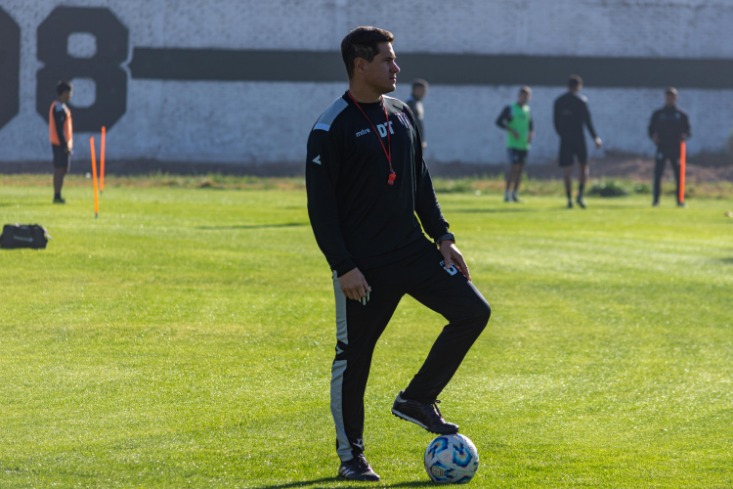
History of Algerian Football
The history of Algerian football reflects a rich and passionate sporting tradition that dates back to the early 20th century. As one of the most popular sports in the country, football has played a significant role in shaping national identity and unity. From humble beginnings to achieving international recognition, Algerian football has experienced periods of both struggle and triumph, culminating in notable successes on the global stage.
Early Beginnings and Development
The history of Algerian football dates back to the early 20th century when the sport was introduced by French colonists during the colonial period. Initially played by French settlers and Algerian natives, the game gradually grew in popularity among the local population. The establishment of the first football clubs in the 1920s and 1930s marked the beginning of organized football in Algeria. These early clubs laid the foundation for competitive leagues and fostered a burgeoning football culture across the country.
Algerian football saw significant development following independence in 1962, as the nation sought to establish its own sporting identity. The Algerian Football Federation was founded in 1962, and the national team participated in its first international competitions shortly thereafter. The 1980s marked a golden era for Algerian football, highlighted by the national team’s impressive performances in Africa and abroad, including their notable run to the 1982 FIFA World Cup in Spain. Over the years, local clubs like MC Alger, JS Kabylie, and CR Belouizdad have become prominent institutions contributing to the growth and competitiveness of Algerian football.
Formation of the National Team
The history of Algerian football dates back to the early 20th century when the sport was introduced by French colonizers. Local clubs and leagues began to develop in the 1920s and 1930s, fostering a growing passion for the game among Algerians. The formation of the national team was a significant milestone in representing the country’s footballing aspirations. Algeria officially established its national football team in 1962, following independence from France. The team was formed under the Algerian Football Federation, which was created to organize and oversee national football activities. In its early years, the team faced challenges but gradually gained recognition on the African and world stage. Over the decades, the Algerian national team has grown in stature, participating in major tournaments like the Africa Cup of Nations and the FIFA World Cup, and becoming a symbol of national pride and unity.
Notable Historical Achievements
Algerian football has a rich and storied history, reflecting a deep passion for the sport across the nation. Since gaining independence in 1962, Algeria has steadily developed its football infrastructure and talent, becoming a prominent force in African and international competitions. The national team, known as the “Desert Foxes,” has achieved significant milestones over the decades, showcasing the country’s dedication to football excellence.
One of the most notable achievements in Algerian football history was their impressive performance in the 1982 FIFA World Cup held in Spain. Algeria’s victory over West Germany in the group stage was a historic upset and marked their debut on the world stage, earning widespread acclaim and establishing their reputation as strong competitors. The team continued to make strides in subsequent tournaments, securing their place as a formidable African team.
Another significant milestone was winning the Africa Cup of Nations in 1990, which was hosted by Algeria. The victory was a national celebration, highlighting the country’s emerging football talent and competitive spirit. Throughout the years, Algerian players such as Rabah Madjer, Lakhdar Belloumi, and Riyad Mahrez have made their mark in both African and international leagues, further elevating Algeria’s football prestige.
Additionally, Algeria’s qualification for the 2014 FIFA World Cup in Brazil marked their return to the tournament after a 24-year absence. Their journey to the 2014 World Cup was characterized by resilience and determination, and the team demonstrated their progress by reaching the knockout stages, a feat that invigorated national pride and inspired future generations of players.
Major Football Clubs in Algeria
Algeria’s football scene is renowned for its passionate fans and competitive clubs that have made a significant impact both domestically and internationally. The major football clubs in Algeria, such as JS Kabylie, USM Alger, and ES Sétif, boast rich histories, impressive achievements, and dedicated supporter bases. These clubs play a crucial role in shaping the country’s football culture and fostering local talent while also competing in various national and continental tournaments.
JS Kabylie
Algeria football boasts a rich history with numerous prominent clubs, among which JS Kabylie stands out as one of the most successful and popular teams in the country. Based in Tizi Ouzou, JS Kabylie has a strong fan base and a legacy of excellence in both national and continental competitions.
MC Alger
Major football clubs in Algeria play a significant role in the country’s rich football history and culture. Among the most prominent clubs is MC Alger, also known as Mouloudia Club d’Alger. Founded in 1921, MC Alger is one of the oldest and most successful football teams in Algeria, with a passionate fan base. The club has won numerous national championships and Algerian Cups, establishing itself as a dominant force in Algerian football. Known for their attacking style of play and talented squads, MC Alger has also participated regularly in continental competitions, representing Algerian football on the African stage. Their home ground, Stade 5 Juillet 1962, is a historic venue and a symbol of their rich legacy. Overall, MC Alger remains a vital part of Algerian football, contributing significantly to the sport’s growth and popularity in the country.
ES Sétif
ES Sétif is one of the most prominent and successful football clubs in Algeria, with a rich history and a strong fan base. Founded in 1958, the club is based in the city of Sétif and has achieved considerable success domestically and internationally. ES Sétif is renowned for its impressive performances in the Algerian Ligue Professionnelle 1, where it has won multiple league titles. The club has also made significant impacts in continental competitions, notably winning the CAF Champions League, which has solidified its reputation across Africa. The team is recognized for its passionate supporters, talented players, and contributions to Algerian football’s development. As a symbol of sporting excellence in Algeria, ES Sétif continues to be a dominant force in the country’s football scene, inspiring generations of fans and athletes alike.
CR Belouizdad
CR Belouizdad is one of the most prominent football clubs in Algeria, renowned for its rich history and significant achievements in the national and continental competitions. Founded in 1962, the club is based in Belouizdad, Algiers, and has established a strong reputation among Algerian football clubs.
The team has won multiple Algerian Ligue Professionnelle 1 titles, making it one of the most successful clubs in the country. CR Belouizdad is also known for its passionate fan base and vibrant football culture, which contribute to its lively matches and spirited atmosphere.
Throughout its history, CR Belouizdad has participated in various prestigious tournaments, showcasing talented players and maintaining a competitive edge in Algerian football. The club’s dedication to excellence and its heritage make it a central figure in Algerian sports.
Algerian National Team Performance
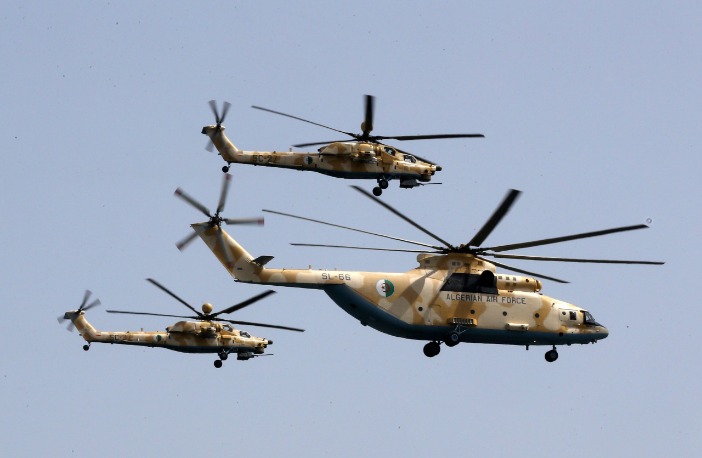
The Algerian national football team, also known as the Desert Foxes, has a rich history of impressive performances and significant achievements on the continental and international stages. Renowned for their passionate playing style and talented squad, Algeria has consistently demonstrated their strength in African competitions and made notable appearances in the FIFA World Cup. The team’s dynamic approach and national pride continue to inspire football fans across the continent and beyond.
World Cup Appearances
The Algerian National Team has a rich football history marked by passionate performances and notable achievements. They are renowned for their resilient playing style and strong team spirit, which have made them a formidable side in African and international competitions.
In terms of World Cup appearances, Algeria has participated five times, debuting in 1982. Their standout performance came in 1982 when they famously defeated West Germany in the group stage, a victory that is still celebrated among football fans. After their initial appearances, they qualified again in 1986, 2010, 2014, and 2018, with their best performances being reaching the Round of 16 in 1982 and 2014. The team continues to aim for higher achievements on the global stage, showcasing their talent and determination at each tournament.
African Cup of Nations Success
The Algerian national football team has a rich history in African football, marked by notable success and consistent performances in the African Cup of Nations (AFCON). Known for their passionate play and skilled players, Algeria has emerged as one of the top contenders in the continent. Their triumphs in the AFCON have bolstered national pride and showcased the strength of Algerian football on the continental stage. The team’s accomplishments include multiple tournament wins, most recently in 2019, which they secured after a formidable campaign. Algeria’s disciplined gameplay and talented squad continue to make them a formidable force in African football, striving to add more titles and reinforce their reputation as a major powerhouse in the sport.
Notable Players and Icons
The Algerian national football team, known as “Les Fennecs,” has a rich history highlighted by significant achievements and iconic players. They have demonstrated resilience and skill, especially in recent years, becoming a prominent force in African and international football. Their performance in tournaments such as the Africa Cup of Nations and the FIFA World Cup has earned them respect and admiration from football fans worldwide.
Notable players and icons of Algerian football include Rabah Madjer, famous for scoring the winning goal in the 1987 Africa Cup of Nations final, and Lakhdar Belloumi, celebrated for his exceptional midfield skills and leadership. More recent stars such as Riyad Mahrez, who played a pivotal role in Algeria’s 2019 Africa Cup of Nations victory, and Sofiane Feghouli have further elevated the team’s reputation on the international stage. These players have not only contributed to the team’s success but have also become symbols of national pride and football excellence in Algeria.
Domestic League Structure
The domestic league structure of Algerian football is a vibrant and competitive system that showcases the nation’s passion for the sport. It consists of multiple tiers, with the Ligue Professionnelle 1 serving as the top division, followed by Ligue 2 and lower regional leagues. This hierarchical setup fosters talent development, club rivalries, and a strong football culture across the country, contributing significantly to Algeria’s national football success.
Ligue 1 Overview
The domestic league structure of Algerian football is primarily centered around the Ligue Professionnelle 1, known as Ligue 1. This top-tier league features the best football clubs across the country competing annually for national supremacy. Ligue 1 operates within a multi-tiered system that includes lower divisions such as Ligue 2 and amateur leagues, allowing for promotion and relegation based on team performances. The league has a rich history, with clubs like JS Kabylie, ES Sétif, and CR Belouizdad enjoying longstanding dominance and fierce rivalries. The competition attracts significant attention from fans nationwide, showcasing some of the most talented players in the region. Over the years, Ligue 1 has grown in professionalism, infrastructure, and appeal, serving as a crucial stepping stone for players aspiring to reach international levels. The league also plays a vital role in developing the national team through its talented pool of domestic players.
Promotion and Relegation System
The domestic league structure in Algerian football is designed to create a competitive environment across different levels, promoting talent development and maintaining a balanced competition. The system is organized into multiple tiers, with the top tier being the Algerian Ligue Professionnelle 1, followed by lower divisions such as Ligue 2 and amateur leagues. This hierarchical structure ensures that clubs have opportunities to progress or face relegation based on their performance each season.
The promotion and relegation system in Algeria operates between these divisions, fostering a dynamic and merit-based league environment. At the end of each season, the best-performing teams in the lower divisions are promoted to higher tiers, replacing the lowest-ranked clubs in the upper divisions, which are relegated to lower levels. This system encourages clubs to maintain high standards and competitive spirit throughout the season.
- The teams finishing at the top of Ligue 2 are promoted to Ligue 1 for the next season.
- The teams finishing at the bottom of Ligue 1 are relegated to Ligue 2.
- Same promotion and relegation rules apply between Ligue 2 and amateur leagues.
- The exact number of teams promoted or relegated can vary depending on the league regulations each season.
Key Clubs and Rivalries
Algeria’s football domestic league structure is organized into several tiers, with the top tier being the Algerian Ligue Professionnelle 1, featuring the most prominent clubs in the country. Below it are the Ligue 2 and amateur divisions, which serve as nurturing grounds for emerging talent. This hierarchical setup ensures competitive play across different levels and promotes the development of domestic football.
Key clubs in Algerian football include teams like USM Alger, JS Kabylie, CR Belouizdad, and Entente Setif. These clubs have historically been successful, boasting numerous national titles and a strong fan base. Their performances often influence the national standings and contribute significantly to the league’s popularity.
Rivalries are intense and deeply rooted in Algerian football culture, with the Dar El Beïda derby between USM Alger and CR Belouizdad being one of the most notable. Matches between JS Kabylie and USM Alger also evoke passionate crowds and are marked by historic competition. These rivalries foster a vibrant football atmosphere, drawing large crowds and heightened media attention, making Algerian domestic football lively and engaging.
Development and Youth Programs
Development and youth programs play a crucial role in shaping the future of Algerian football by nurturing young talent and fostering a strong sporting culture. These initiatives aim to provide aspiring players with the necessary training, resources, and opportunities to excel, ultimately contributing to the national team’s success and the growth of the sport across the country. Investing in youth development is essential for maintaining Algeria’s competitive edge on the international stage and inspiring the next generation of football stars.
Youth Academy Initiatives
Algeria football has seen significant progress through various development and youth programs aimed at nurturing local talent and strengthening the national team. Youth academy initiatives play a crucial role in identifying and training young players from an early age, providing them with professional coaching, proper facilities, and competitive opportunities. These programs focus not only on technical skills but also on fostering discipline, teamwork, and leadership qualities among aspiring footballers. By investing in youth development, Algeria aims to build a sustainable football culture and achieve greater success in international competitions. The commitment to nurturing home-grown talent has led to a new generation of skilled players who contribute to both club and national team achievements. Overall, these initiatives are vital for the growth and future competitiveness of Algerian football on the global stage.
Talent Identification and Training
Development and Youth Programs are essential for nurturing future talent in Algerian football, ensuring a strong foundation for the sport’s growth in the country. These programs focus on identifying young, promising players and providing them with quality training, mentorship, and competitive opportunities to hone their skills from an early age. Talent identification involves scouting from local schools, clubs, and regional tournaments to spot players with potential. Once identified, specialized training camps and academies are established to develop technical abilities, tactical understanding, and physical fitness. These initiatives aim to create a seamless pathway for young athletes to progress into professional football, reinforcing Algeria’s national teams with skilled and well-prepared players. Overall, investing in youth development and talent training is vital for sustaining the success and competitiveness of Algerian football on both regional and international stages.
Impact on National Team Success
Development and youth programs have played a crucial role in shaping the success of the Algerian national football team. By investing in grassroots initiatives and nurturing young talent from an early age, Algeria has been able to build a strong foundation for its footballing future. These programs help identify promising players, improve technical skills, and foster a competitive mindset necessary for international success.
The focus on youth development has led to the emergence of several talented players who have significantly contributed to the national team’s achievements. This strategic approach ensures a continuous pipeline of skilled athletes, enhancing the overall quality of the team and its competitiveness on the continental and world stages. Over the years, the Algerian football federation’s commitment to nurturing young talent has resulted in better performances, including their impressive run in the 2019 Africa Cup of Nations and their success in qualifying for major tournaments.
Furthermore, these youth programs promote national pride and unity, inspiring young generations to aspire towards excellence in football. By cultivating a culture of development and excellence from a young age, Algeria has positioned itself as a formidable force in African and international football, demonstrating the lasting impact of robust youth progression systems on the success of the national team.
Challenges Facing Algerian Football
Algerian football has experienced significant growth over the years, yet it still faces numerous challenges that hinder its full potential. Issues such as inadequate infrastructure, financial instability, and insufficient youth development programs pose barriers to success. Additionally, administrative struggles and political interference have affected the league’s organization and international performance. Overcoming these obstacles is essential for Algeria to enhance its standing in continental and world football competitions.
Financial and Infrastructure Issues
Algerian football faces significant challenges primarily due to financial constraints and infrastructure deficiencies. Limited funding restricts the development of youth academies, training facilities, and the maintenance of existing stadiums, hindering the overall growth of the sport in the country. Many clubs struggle to attract and retain talented players because of inadequate financial support, which impacts team competitiveness both domestically and internationally. Additionally, outdated infrastructure, such as poorly maintained pitches and insufficient training centers, hampers player development and reduces the appeal of football as a career for aspiring athletes. These issues collectively limit the potential of Algerian football to reach higher levels of success and threaten the sustainability of the sport’s growth in the nation.
Player Migration and Brain Drain
Algerian football faces numerous challenges that hinder its development and global competitiveness. One major obstacle is the inadequate infrastructure and investment in local clubs, which limits the growth of young talent and reduces the overall quality of domestic competitions. Additionally, political and economic instability can disrupt football operations and hinder long-term strategic planning within the sport.
Player migration and brain drain represent significant issues for Algerian football. Many talented players seek opportunities abroad due to better financial incentives, professional environments, and exposure to higher-level competitions. While this migration can boost individual careers, it often results in a depleted talent pool for local clubs and national teams, hampering national progress. The departure of experienced players also impacts the development of young prospects, creating a cycle where Algerian football struggles to retain its best talents and build sustainable success.
To address these challenges, Algeria needs to enhance its football infrastructure, foster youth development programs, and create attractive conditions that motivate players to stay. Strengthening domestic leagues and providing more support for local clubs can help retain talent and improve the overall standard of football in the country.
Governance and Organization Challenges
Algerian football faces several governance and organization challenges that hinder its development and competitiveness. One major issue is the lack of transparent and efficient management within the national football federation, which often leads to misallocation of resources and corruption. This undermines trust among stakeholders and hampers strategic planning for the sport’s growth. Additionally, organizational inconsistencies and inadequate infrastructure limit the capacity to nurture young talent and provide proper training facilities. The governance structure sometimes suffers from political interference, reducing the effectiveness of decision-making processes. Furthermore, insufficient funding and sponsorship opportunities restrict the ability to attract high-quality coaches and establish advanced training programs. Addressing these organizational and governance issues is crucial for elevating Algeria’s football to higher levels on both regional and international stages.
Future Prospects and Opportunities
As Algeria’s football landscape continues to evolve, the future prospects and opportunities present an exciting horizon for players, coaches, and fans alike. With increased investments, youth development programs, and growing international recognition, the country’s football scene is poised for significant growth. Emerging talents and strategic initiatives aim to elevate Algeria’s presence on the global stage, opening avenues for success both domestically and in international competitions.
Upcoming Talents and Promising Players
Algeria football continues to showcase incredible potential with numerous prospects on the horizon. The nation’s football scene is evolving rapidly, providing exciting opportunities for emerging talents to make their mark on both domestic and international levels. With a strong focus on youth development and investment in local clubs, Algeria is poised to enhance its competitive edge in future tournaments.
Upcoming talents and promising players in Algerian football are gaining recognition for their skill, agility, and tactical intelligence. Young stars like Adam Ounas and Youcef Atal are already making waves in European leagues, reflecting the high caliber of Algerian football training. Additionally, new talents are emerging from the youth systems, illustrating a bright future for the national team.
The prospects for Algerian football are further bolstered by increased national support and strategic development programs aimed at nurturing local talent. As the country continues to produce talented players and develop its football infrastructure, Algeria is on track to regain its position as a formidable force in African and world football, promising a vibrant future for fans and enthusiasts alike.
International Collaborations and Friendlies
Future prospects and opportunities for Algerian football are promising, as the nation continues to develop its talent pool and infrastructure. Investment in youth academies and training programs aims to nurture the next generation of players, enhancing the national team’s competitiveness on the global stage. Additionally, Algeria is exploring partnerships with renowned clubs and organizations to exchange knowledge and improve coaching standards. International collaborations and friendly matches play a vital role in this growth, providing players with valuable experience against diverse styles and higher-level opponents. These interactions not only raise the team’s skill level but also strengthen Algeria’s presence within the international football community. With strategic planning and continued support, Algerian football is poised for continued success and increased recognition worldwide.
Development Programs and Investment Strategies
The future prospects and opportunities for Algerian football are promising, driven by increased investment in development programs and strategic planning. With a strong youth talent pool and improving domestic leagues, the country has the potential to enhance its national team performance and increase its presence in international competitions. Continued focus on youth academies, coaching staff development, and infrastructure upgrades will be crucial for nurturing future generations of players.
Development programs in Algeria are evolving to support grassroots initiatives, talent identification, and training facilities. These efforts aim to build a sustainable pathway for young athletes to reach professional levels and contribute to the national team’s success. Additionally, partnerships with international clubs and organizations can foster knowledge exchange, modern coaching techniques, and exposure for talented players.
Investment strategies must prioritize infrastructure development, including stadiums, training centers, and sports science facilities. Strategic funding from both government and private sectors can accelerate the modernization of Algerian football. Emphasizing long-term investments over short-term gains will help establish a robust foundation, allowing Algerian clubs and the national team to compete at higher levels and achieve sustained success on the global stage.



0 Comments