
Historical Background of Algerian People
The people of Algeria have a rich and diverse historical background shaped by centuries of cultural influences and historical events. From ancient Berber civilizations and Phoenician traders to Arab conquests and Ottoman rule, Algeria’s population has been a tapestry of unique traditions and identities. The encounter with French colonization in the 19th and 20th centuries further integrated European influences, leading to a resilient society committed to independence and cultural revival. Understanding this historical background provides insight into the complex and vibrant identity of Algerian people today.
Ancient Civilizations in Algeria
The history of the Algerian people is deeply rooted in a rich tapestry of ancient civilizations that have inhabited the region over millennia. Algeria’s strategic location along the Mediterranean coast made it a crossroads of various cultures and empires, contributing to its diverse heritage.
Ancient Algeria was home to some of the earliest advanced societies in North Africa, including the Berbers, who have lived in the region for thousands of years. The Berbers developed their unique culture, language, and social structures, maintaining a strong presence despite numerous invasions and conquests.
Furthermore, the area was part of the Numidian Kingdom, which flourished in the 3rd century BC. The Numidians were known for their skilled cavalry and played a significant role in the resistance against larger empires like Carthage and Rome. Later, during the Roman period, Algeria became a vital part of the Roman Empire, contributing to the development of cities, infrastructure, and trade networks.
Following the fall of the Roman Empire, Algeria saw the arrival of various groups such as the Vandals, Byzantines, and eventually Arab Muslims in the 7th century AD, who introduced Islam and Arabic culture to the region. These influences, along with indigenous Berber traditions, have shaped the complex cultural mosaic of the Algerian people today.
Impact of Colonial Era
The history of the Algerian people is deeply rooted in a rich and diverse cultural heritage shaped by centuries of various invasions, settlements, and interactions with different civilizations. From the ancient Berbers to Arab and Islamic influences, the native population developed a unique identity characterized by language, traditions, and social structures. The Islamic period significantly reinforced cultural cohesion, and the struggle for independence cultivated a strong collective sense of nationalism among Algerians.
The colonial era, beginning with French colonization in 1830, had a profound impact on the Algerian people. French rule introduced Western political, educational, and economic systems that often marginalized and exploited local communities. Algerians faced cultural suppression, forced conversions, and economic disparities, which led to widespread resentment and resistance. The fight for independence, culminating in the Algerian War of 1954-1962, became a defining moment, fostering a sense of unity and resilience among the population. Post-independence, the effects of colonialism continued to shape Algeria’s political evolution, social policies, and identity, leaving a lasting legacy that still influences the nation’s development today.
Post-Independence Sociocultural Evolution
The Algerian people possess a rich and diverse historical background shaped by centuries of indigenous development and external influences. Historically, the region was inhabited by Berbers, whose presence predates Arab conquest and significantly contributed to the cultural fabric of Algeria. The Arab conquest in the 7th century introduced Islam and Arab language, profoundly impacting local traditions and societal structures. Ottoman rule from the 16th to 19th centuries further influenced Algeria’s political landscape, while French colonization beginning in 1830 brought about profound social, economic, and cultural changes, leading to a strong sense of national identity and resistance. The struggle for independence culminated in 1962, marking Algeria’s emergence as a sovereign state.
Post-independence, Algerian society underwent rapid sociocultural evolution characterized by efforts to forge a unified national identity while balancing diverse regional and ethnic influences. The government promoted Arabization policies to reinforce Arab identity, which impacted education, language, and cultural expression. Despite modernization efforts, traditional customs and practices persisted, especially in rural areas, blending with Islamic principles to shape daily life. Urbanization and economic development, driven largely by oil and gas revenues, brought significant social changes, including shifts in gender roles, educational attainment, and participation in global culture. Over time, Algerian society has continued to evolve, reflecting a complex interplay of tradition and modernity, local customs and external influences, shaping the modern identity of the Algerian people.
Ethnic Composition of Algerian Society
The ethnic composition of Algerian society is a rich tapestry shaped by centuries of history and cultural interactions. It primarily includes Arab-Berbers, along with smaller communities such as the Berbers, Tuareg, and other ethnic groups. This diversity contributes to the country’s unique cultural identity, language, and traditions, reflecting a harmonious blend of indigenous and Arab influences. Understanding the ethnic makeup of Algeria offers valuable insight into its social fabric and national unity.
Arab-Berbers and Their Heritage
The ethnic composition of Algerian society is a rich tapestry reflecting its complex history and diverse cultural influences. Primarily, it consists of Arab-Berbers, a group that embodies the blending of Arab and indigenous Berber peoples who have inhabited the region for centuries. This融合 has shaped Algeria’s cultural identity, language, and traditions.
Arab-Berbers form the majority of the population and are the carriers of a unique heritage that combines Arab Islamic principles with Berber customs and languages. They have significantly contributed to the development of Algeria’s arts, music, cuisine, and social norms, creating a vibrant cultural mosaic.
Heritage in Algeria is deeply rooted in its Arab-Berber origins, evident in the country’s architecture, historical sites, and linguistic landscape. Arabic, both Classical and Algerian dialects, is widely spoken, and the Berber languages, such as Tamazight, have been officially recognized, emphasizing the preservation of indigenous cultural identities.
Overall, the Arab-Berber community in Algeria continues to play a vital role in shaping the nation’s identity, fostering a sense of unity through their shared history and diverse traditions that highlight the country’s rich multicultural fabric.
Other Ethnic Groups and Minorities
Algerian society is characterized by a diverse ethnic composition that reflects its rich cultural heritage and historical interactions. The main ethnic group is the Arab-Berber population, which forms the majority of the country’s inhabitants. In addition to the dominant groups, there are several other ethnic groups and minorities that contribute to the nation’s multicultural landscape.
- Berbers (Amazigh): The indigenous people of Algeria, mainly residing in regions such as Kabylia, Chaoui, and M’zab. They maintain distinct languages and cultural traditions.
- Arabs: The Arab-speaking population that became prominent after the Arab conquests, influencing the country’s language, religion, and culture.
- Tuareg: Nomadic Berber people mainly in the Sahara desert, known for their unique language and customs.
- Sub-Saharan Africans: Including descendants of former slaves and recent immigrants, primarily settled in southern regions and cities like Algiers.
- Foreign expatriates and minorities: Small communities of Europeans, Turks, and others, often involved in commerce and diplomatic activities.
These diverse groups preserve their unique identities through language, customs, and festivals, enriching the social fabric of Algeria and making it a vibrant and multicultural society.
Language and Communication
Language and communication play a vital role in shaping the identity and culture of the people of Algeria. As a diverse nation with a rich history, Algerians utilize multiple languages to express themselves and connect with others. These linguistic practices reflect the country’s blend of Arab, Berber, French, and other influences, showcasing the importance of language in fostering community and preserving cultural heritage.
Official Languages and Dialects
Algeria is a country with a rich linguistic landscape, reflecting its diverse cultural heritage. The official languages of Algeria are Arabic and Berber (Tamazight), which are used in government, education, and media. Arabic, specifically Modern Standard Arabic, is widely spoken and serves as the language of administration and formal communication. Berber languages, recognized officially since 2016, are spoken by various indigenous groups across the country, particularly in Kabylie, Aurès, and M’zab regions. French also plays a significant role in Algeria due to historical colonial influence; it is commonly used in business, higher education, and scientific sectors, although it has no official status. Algerian people often communicate in a variety of dialects, including Algerian Arabic (Darja), which is a colloquial form of Arabic with influences from French, Berber, and other languages. These dialects vary regionally and serve as the primary spoken language in everyday interactions for many Algerians, reflecting the nation’s multicultural identities and linguistic diversity.
Role of Berber Languages
The people of Algeria are characterized by a rich cultural and linguistic heritage, with Berber languages playing a significant role in their identity. These languages, part of the Afro-Asiatic family, have historically been spoken by the Berber communities across North Africa, including in Algeria’s Kabylie, Aurès, and Mzab regions. The presence of Berber languages contributes to the multilingual landscape of Algeria, where Arabic and French are also widely used. In terms of communication, these languages facilitate cultural expression and preserve traditional knowledge, fostering a sense of community among Berber speakers. The recognition and promotion of Berber languages have strengthened cultural pride and enhanced the diversity of Algeria’s national identity, impacting broader conversations about language policy and cultural preservation in the country.
Language in Daily Life and Education
Language and communication play a vital role in shaping the social and cultural identity of the people of Algeria. The country is known for its linguistic diversity, with Arabic and Berber being the official languages, while French also holds significant importance due to historical influences. In daily life, Algerians typically switch between these languages depending on context, emphasizing the importance of effective communication for social cohesion and personal expression. Language use in everyday interactions reflects the rich cultural heritage and socio-political history of the nation.
Education in Algeria heavily emphasizes the Arabic language, promoting it as a key component of national identity and unity. Schools often teach in Modern Standard Arabic, while also encouraging the mastery of Berber and French to enhance students’ cultural awareness and global competitiveness. The incorporation of multiple languages in education prepares young Algerians to navigate both local traditions and international environments, fostering a multilingual society that values communication skills in various contexts. This multilingual approach helps strengthen social bonds and allows for more inclusive and accessible education for all Algerians.
Religion and Cultural Practices
Religion and cultural practices play a vital role in shaping the identity of the people of Algeria. As a country with a rich history influenced by Arab, Berber, and French cultures, Algerians integrate their religious beliefs and traditions into daily life. These practices reflect their deep-rooted values, social customs, and historical heritage, creating a vibrant tapestry that defines their collective identity.
Islamic Influence on Daily Life
Religion and cultural practices play a significant role in the daily lives of the people of Algeria, with Islam being the dominant faith shaping social norms and activities. Islamic influence permeates many aspects of daily routines, from prayer schedules to dietary habits, influencing both personal and community behaviors. In Algeria, the observance of the five daily prayers is a common practice, often integrated into work and social life, reflecting a deep spiritual commitment. Islamic festivals such as Ramadan, Eid al-Fitr, and Eid al-Adha are widely celebrated with communal prayers, fasting, and festive gatherings, reinforcing social bonds. Additionally, Islamic principles influence cultural customs, including dress codes, family life, and social interactions, emphasizing modesty and respect. Traditional Algerian music, art, and cuisine also incorporate Islamic motifs and themes, creating a rich cultural tapestry that highlights the importance of religion in everyday life for Algerians.
Traditional Celebrations and Festivals
Algerian people have a rich tapestry of religious beliefs and cultural practices that reflect their diverse history and heritage. Islam is the predominant religion, shaping many aspects of daily life, social norms, and community gatherings. Religious festivals such as Eid al-Fitr and Eid al-Adha are widely celebrated, marked by prayers, feasts, and charity, bringing families and communities together in joy and reflection. These religious events often involve traditional music, dance, and the sharing of special dishes that hold cultural significance.
In addition to religious celebrations, Algeria boasts a variety of traditional festivals that showcase its vibrant culture. The Sahara Desert hosts the annual festival of Timimoun, featuring desert music, dance, and traditional crafts. The Mouloud festival, commemorating the birth of the Prophet Muhammad, is observed with processions, prayers, and community meals, blending religious reverence with cultural expression. Other regional festivities include local markets, folk performances, and rites that have been passed down through generations, preserving Algeria’s diverse cultural identity.
Other Religious Communities
Algeria is a country characterized by its rich religious diversity and vibrant cultural practices, shaped by centuries of history and interactions among various communities. The predominant religion in Algeria is Islam, predominantly Sunni, which influences many aspects of daily life, social norms, and cultural traditions. Religious festivities such as Ramadan and Eid are widely celebrated, reflecting deep-rooted Islamic traditions across the nation.
Beyond Islam, Algeria is home to small communities of Christians, including Roman Catholics and Protestants, primarily among expatriates, converts, and descendants of European settlers. These communities maintain their religious practices and often gather in churches across major cities. There are also small Jewish communities in Algeria, with historical roots dating back centuries, although their numbers have decreased significantly over the years.
Culturally, Algeria displays a rich tapestry of practices that intersect with religious beliefs, such as traditional music, dance, and festivals. The Amazigh (Berber) population, indigenous to North Africa, contributes unique cultural expressions and sometimes retains pre-Islamic customs alongside Islamic traditions. Overall, religious and cultural practices in Algeria exemplify a blend of history, faith, and local customs, making the country a diverse and culturally vibrant society.
Social Structure and Community Life
Social structure and community life play a vital role in shaping the identity and daily experiences of the people of Algeria. The country’s societal framework is deeply rooted in a blend of cultural traditions, historical influences, and modern developments. Algerian communities are often characterized by strong familial bonds, communal solidarity, and a rich sense of shared heritage that unites individuals across different regions and social backgrounds.
Family and Kinship Patterns
In Algerian society, social structure and community life are deeply rooted in traditional family and kinship patterns that significantly influence daily interactions and societal organization. Many Algerians adhere to a collectivist orientation, emphasizing strong family bonds and community ties that serve as the foundation of social identity. Extended families often live close to one another, fostering a sense of solidarity and mutual support.
Kinship patterns in Algeria are typically patriarchal, with males often holding authority within family units. Marriage customs and family roles are influenced by cultural and religious practices, primarily Islam, which guides many aspects of family life. Descent is usually traced through the male lineage, and family names and titles are important markers of social status.
Community life in Algeria tends to revolve around local neighborhoods, religious centers, and communal events that reinforce social cohesion. Social gatherings, festivals, and rites of passage are vital occasions for community bonding and the reaffirmation of collective identities. Despite urbanization and modernization, traditional family and kinship networks continue to play a crucial role in shaping social interactions and community resilience across Algerian society.
Urban vs Rural Social Dynamics
Algerian society exhibits a diverse social structure influenced by its rich history, cultural traditions, and varying geographic landscapes. In urban areas, particularly in cities like Algiers and Oran, social dynamics tend to be characterized by a modern, fast-paced lifestyle with greater access to education, employment opportunities, and diverse social interactions. These cities often feature a mix of traditional values and contemporary influences, leading to a more individualistic approach to community life. Conversely, rural communities in Algeria maintain strong ties to traditional practices, extended family roles, and community cohesion. In these regions, social relationships are more rooted in collective identity, with organized social events and kinship playing a significant role in everyday life. The contrast between urban and rural social dynamics highlights the ongoing balance between modernization and preserving cultural heritage within Algerian society, reflecting the nation’s complex social fabric.
Role of Women in Society
The social structure and community life of the Algerian people are deeply rooted in their rich cultural traditions and history. Algerian society is traditionally organized around family ties, community bonds, and social hierarchies that emphasize respect for elders and collective well-being. In many regions, tribal affiliations and local customs continue to influence social interactions and community activities, fostering a strong sense of belonging and solidarity among residents.
The role of women in Algerian society has evolved over time, balancing traditional expectations with modern influences. Historically, women played central roles within the family, managing household duties and caring for children. However, they also contributed to community life through participation in cultural and social events. Today, women in Algeria are increasingly involved in education, the workforce, and political spheres, reflecting ongoing shifts toward gender equality. Despite these changes, many women continue to uphold traditional values, while advocating for greater rights and opportunities in contemporary Algerian society.
Music, Art, and Cultural Expressions
Music, art, and cultural expressions are vital aspects of Algeria’s rich heritage, reflecting the diverse history and traditions of its people. Through vibrant melodies, intricate craftsmanship, and lively festivals, Algerians showcase their unique identity and foster a sense of community. These cultural elements serve as a bridge connecting generations and celebrating the nation’s artistic diversity.
Traditional Music and Dance
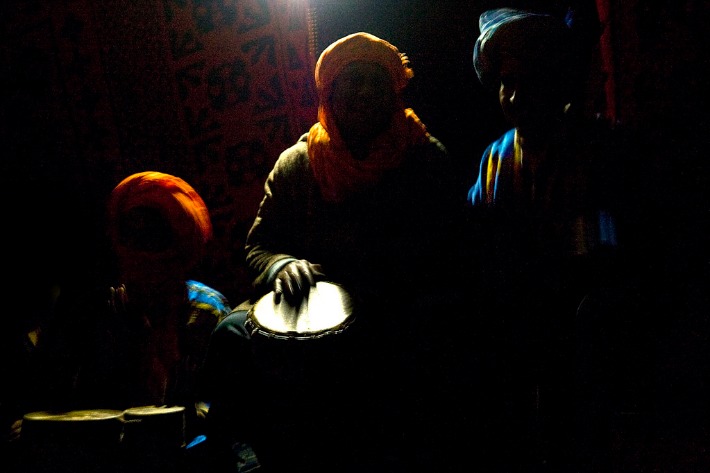
Algeria boasts a rich and diverse cultural heritage that is vividly expressed through its traditional music and dance forms. Music plays a central role in the daily life and celebrations of the Algerian people, blending Arab, Berber, and French influences to create unique sounds such as Rai, Chaabi, and Gnawa. These genres often feature melodies that reflect the country’s historical experiences and social customs. Dance is equally important, with traditional performances like the Ahidous and the Fantasia showcasing the community spirit and martial traditions of various Algerian regions. Art and cultural expressions in Algeria are deeply rooted in its history, embodying the resilience and artistic creativity of its people across generations. These cultural elements not only serve as a means of storytelling and identity preservation but also foster a sense of pride and unity among Algerians.
Visual Arts and Crafts
The people of Algeria have a rich tradition of music, art, and cultural expressions that reflect their diverse history and cultural heritage. These creative forms serve as a vital link to their history and identity, showcasing influences from various civilizations that have inhabited the region over centuries.
- Music: Algerian music is renowned for genres like Raî, which originated in the city of Oran and combines traditional Berber melodies with Arabic and French influences. Chaabi music also plays an important role in Algerian cultural life, often performed at celebrations and social gatherings. Traditional instruments such as the bendir, oud, and gasba are commonly used to produce distinctive sounds that symbolize Algerian identity.
- Art and Crafts: Algerian visual arts include intricate textile work, pottery, and jewelry that reflect the diverse cultural influences across regions. Traditional crafts like carpet weaving, henna designs, and leatherwork are highly valued and often passed down through generations. These arts not only serve functional purposes but also carry symbolic meanings rooted in Algerian history.
- Cultural Expressions: Algeria’s cultural scene is vibrant with festivals, dance, and storytelling that preserve historical narratives and social values. Celebrations such as the Yennayer (Amazigh New Year) and various folk dances display the deep-rooted connection of the Algerian people to their ancestral traditions. Additionally, contemporary art scenes thrive in cities like Algiers, blending traditional motifs with modern themes to express national identity.
Literature and Oral Tradition
Algerian people have a rich tradition of music, art, cultural expressions, literature, and oral traditions that reflect their diverse history and influences. These elements serve as vital aspects of their identity and social cohesion, showcasing resilience and creativity across generations.
- Music: Algerian music is renowned for its vibrant rhythms and diverse styles, including the famous Rai, chaabi, and Gnawa genres. These musical forms often incorporate traditional instruments like the mandole and darbuka and are integral to celebrations and social gatherings.
- Art and Cultural Expressions: Algerian art ranges from intricate pottery and textiles to contemporary paintings and sculptures. Traditional crafts such as carpet weaving and metalwork are highly valued and often depict regional symbols and motifs, emphasizing local identity.
- Literature and Oral Tradition: Oral storytelling, poetry, and proverbs play a significant role in preserving history and cultural values among Algerian communities. Influential writers like Albert Camus and Assia Djebar have contributed to Algerian literature, blending themes of colonialism, independence, and social change.
Diet and Culinary Traditions
Algerian cuisine is a vibrant reflection of the country’s rich cultural heritage, shaped by Arab, Berber, French, and Mediterranean influences. The traditional diet emphasizes fresh, local ingredients and a diverse array of flavors that highlight Algeria’s historic crossroads. Food plays a central role in social gatherings and daily life, showcasing unique culinary practices that have been passed down through generations.
Popular Algerian Dishes
Algerian cuisine is a vibrant reflection of the country’s rich cultural heritage, blending Arab, Berber, Mediterranean, and Ottoman influences. Diets in Algeria traditionally emphasize fresh, seasonal ingredients such as vegetables, grains, and legumes, complemented by flavorful spices and herbs. Bread, particularly khobz, is a staple food and often accompanies every meal, symbolizing hospitality and community. Meals are commonly shared among family and friends, emphasizing social bonds and generosity.
Popular Algerian dishes showcase the diverse culinary traditions of the nation. Couscous is considered the national dish, made from tiny steamed balls of crushed durum wheat semolina served with a rich stew of meat and vegetables. Tagines—a slow-cooked stew seasoned with aromatic spices—are also widespread, reflecting North African flavor profiles. Pastilla, a savory pie filled with spiced meats and almonds, demonstrates the influence of Ottoman cuisine. Additionally, dishes like chorba (a hearty vegetable and meat soup) and merguez sausages are enjoyed across the country, highlighting the variety and depth of Algerian culinary traditions.
Food Customs and Celebrations
The people of Algeria have a rich and diverse culinary heritage that reflects their unique history and cultural influences. Traditional Algerian cuisine is characterized by the use of local ingredients such as olives, dates, and spices like cumin and paprika. Meals are often centered around hearty and flavorful dishes that symbolize hospitality and community bonding.
Algerian food customs emphasize sharing and family gatherings, especially during religious and national celebrations. During Ramadan, for example, families come together to break their fast with special dishes like harira (a traditional soup) and chebakia (a sweet pastry). Celebrations such as Eid al-Fitr and Independence Day are marked with festive foods, music, and communal festivities that highlight Algerian identity and cultural pride.
The culinary traditions of Algeria are also distinguished by their regional variations. Coastal areas favor seafood and dishes prepared with fresh fish, while the inland Sahara region features more desert-adapted ingredients like dates and lamb. Despite these regional differences, the core values of hospitality and the importance of communal eating remain central to Algerian food customs and celebrations.
Influences from Mediterranean and Arab Cuisines
The cuisine of the Algerian people is a rich tapestry woven from centuries of influence, primarily stemming from Mediterranean and Arab culinary traditions. These influences have shaped the local diet, introducing a variety of flavorful ingredients and cooking techniques that are distinctively Algerian. The Mediterranean impact is evident in the extensive use of olive oil, fresh vegetables, herbs like parsley and cilantro, and the preparation of dishes such as grilled fish and salads. Arab culinary traditions contribute aromatic spices, rice-based dishes, and the popular use of semolina to create staple foods like couscous and brik. Together, these influences foster a diverse and vibrant food culture celebrated through traditional Algerian dishes that emphasize community, hospitality, and rich flavors. The blending of these culinary heritages reflects Algeria’s historical position as a crossroads of Mediterranean and Arab civilizations, making its food both a reflection of its history and a symbol of national identity.
Modern Identity and Societal Trends
Modern identity and societal trends are reshaping the way people in Algeria perceive themselves and their communities. As social, political, and technological changes continue to influence daily life, Algerians navigate a dynamic landscape of tradition and modernity. Understanding these evolving identities offers valuable insights into the cultural fabric and societal progress of Algeria’s diverse population.
Youth Culture and Education
Modern identity and societal trends among the people of Algeria are significantly shaped by a dynamic blend of cultural heritage, contemporary influences, and youth engagement. Algerian youth are at the forefront of embracing global trends through social media and technology, which influences their perceptions of identity, fashion, and social values. Education plays a crucial role in this evolution, as increased access to information encourages young Algerians to explore their history while also engaging with modern ideas and progressive movements. The balance between traditional Algerian customs and the desire for modernity creates a unique societal landscape that continues to evolve rapidly.
Influence of Globalization
Modern identity among the people of Algeria is increasingly shaped by societal trends driven by globalization. As global interconnectedness expands through technology, media, and trade, Algerians are exposed to diverse cultures, ideas, and values, which influence their perceptions of identity and community. This exposure fosters a blend of traditional Algerian customs with modern global influences, creating a multifaceted sense of self that reflects both local heritage and global integration.
Globalization also impacts language use in Algeria, encouraging the widespread adoption of foreign languages such as French and English alongside Arabic and Berber. This linguistic shift facilitates international communication, economic opportunity, and cultural exchange, but also raises questions about the preservation of indigenous languages and cultural uniqueness. As Algerian society navigates these changes, a dynamic interplay between tradition and modernity continues to define their societal trends and identity evolution.
In addition, globalization influences societal values, promoting ideas of individualism, consumerism, and digital connectivity. Algerian youth, in particular, are heavily influenced by global media, fashion, and technology, shaping new social norms and aspirations. This complex interaction between local and global forces contributes to a rapidly transforming society, where Algerians seek to balance their rich cultural heritage with the opportunities and challenges presented by an interconnected world.
Future Perspectives of Algerian Society
Modern identity and societal trends in Algeria are evolving rapidly, shaped by a complex interplay of cultural heritage, economic development, and global influences. Algerian society is increasingly embracing a modern outlook while maintaining its rich traditions, reflecting a dynamic balance between tradition and innovation. Youth generations are particularly influential in driving cultural change, utilizing social media platforms to express their aspirations and challenge conventional norms. The ongoing demographic shifts and educational advancements are fostering a more connected and informed population, poised for future change.
Looking ahead, the future of Algerian society appears to be one of greater openness and mobility. Economic diversification efforts, especially in sectors like technology and renewable energy, could foster new opportunities and modernize the workforce. As Algeria continues to integrate into the global economy, societal trends may lean towards greater individual freedoms, social equality, and political participation. Additionally, environmental concerns and sustainable development will likely play a significant role in shaping societal perspectives, encouraging a closer relationship between Algerians and their natural surroundings. Overall, Algerian society is on a path of transformation characterized by resilience, innovation, and a collective aspiration for progress.


0 Comments