
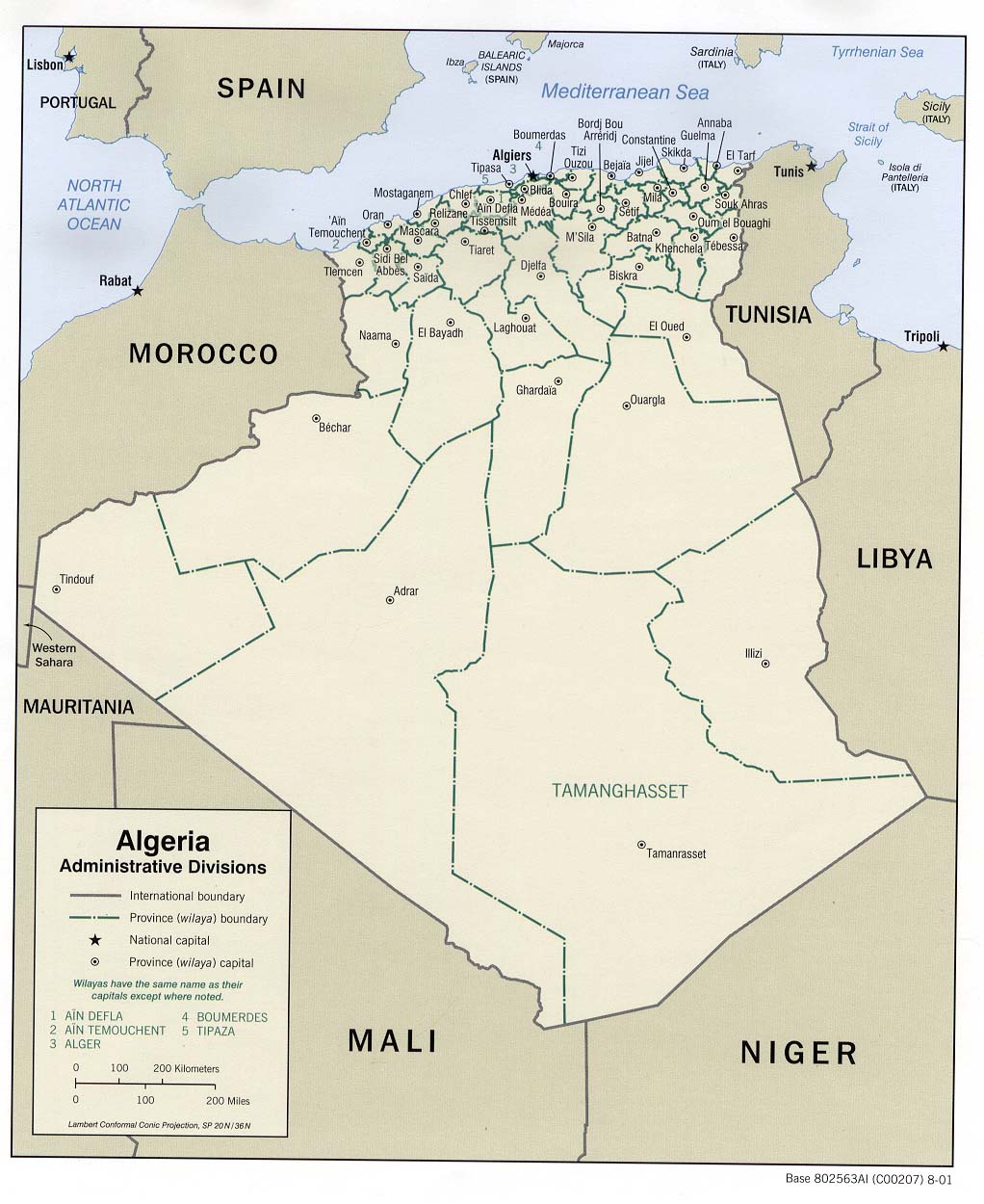
Major Mountain Ranges in Algeria
Algeria is home to some of the most impressive and diverse mountain ranges in North Africa, showcasing a rich geological history and striking natural beauty. These mountain ranges not only define the landscape but also play a vital role in the country’s climate, biodiversity, and culture. From rugged peaks to lush valleys, Algeria’s mountains are an essential part of its geographic identity and offer numerous opportunities for outdoor activities and exploration.
The Atlas Mountains
Algeria is home to some of the most impressive mountain ranges in Africa, with the Atlas Mountains being the most prominent. The Atlas Mountains stretch across northern Algeria, forming a natural barrier between the coast and the Sahara Desert. These mountains are characterized by rugged peaks, deep valleys, and lush landscapes that support diverse flora and fauna. The Kabylie region, located within the Atlas range, is famous for its picturesque villages and rich cultural heritage. The highest peak in the Atlas Mountains in Algeria is Lalla Khedra, which reaches an altitude of approximately 2,308 meters. These mountains play a vital role in Algeria’s climate, agriculture, and tourism, offering opportunities for activities such as hiking, mountaineering, and exploring ancient Berber towns.
The Tell Atlas
The Tell Atlas is one of the major mountain ranges in Algeria, forming a prominent part of the northern landscape. It extends along the northern coast of Algeria, running parallel to the Mediterranean Sea. This mountain range plays a significant role in the country’s geography, climate, and biodiversity.
- Location: The Tell Atlas stretches from the eastern borders near Tunisia to the western edge near Morocco.
- Elevation: The range includes several peaks, with Mount Lalla Khedidja being the highest at approximately 2,374 meters (7,782 feet).
- Geological Features: Composed mainly of limestone and other sedimentary rocks, the range features rugged terrain, deep valleys, and lush forests.
- Climate: The Tell Atlas has a Mediterranean climate, characterized by hot, dry summers and mild, wet winters.
- Significance: The range is vital for agriculture, supporting crops such as olives, citrus fruits, and cereals. It also hosts diverse flora and fauna.
The Saharan Atlas
The Saharan Atlas is a prominent mountain range in Algeria that stretches across the northern part of the Sahara Desert. It is part of the larger Atlas Mountain system that extends through North Africa, connecting the Tell Atlas in the north to the Saharan Atlas in the south. The Saharan Atlas plays a crucial role in the region’s climate and ecology, serving as a natural barrier and home to diverse flora and fauna.
This mountain range features notable peaks such as Djebel Babor and Djebel Mazouka, which are among the highest points in the area. The terrain is characterized by rugged mountains, deep valleys, and plateaus that support a variety of ecosystems. The Saharan Atlas also influences weather patterns, often capturing moisture from passing weather systems and supporting oases and vegetation in an otherwise arid environment.
Historically, the Saharan Atlas has been significant for its strategic importance and as a route for trade and migration. Today, it is a popular destination for adventure tourism, offering opportunities for hiking, rock climbing, and exploring the natural beauty of Algeria’s mountainous landscapes.
Notable Peaks and Summits
Algeria, a country renowned for its diverse landscape, is home to some of North Africa’s most notable peaks and summits. These mountains offer breathtaking vistas, rich geological history, and play a significant role in the region’s climate and biodiversity. Exploring Algeria’s mountains reveals a fascinating array of natural beauty and adventure opportunities for enthusiasts and explorers alike.
Mount Tahat
Mount Tahat is the highest peak in Algeria and the entire Sahara region, standing at an elevation of 3,573 meters (11,717 feet) above sea level. Located in the Hoggar Mountains within the Ahaggar Range in southern Algeria, it is a prominent and notable summit that attracts trekkers and mountaineers from around the world. The mountain holds cultural significance for the local Tuareg people and offers breathtaking views of the surrounding desert landscape. As a key geographical feature, Mount Tahat is an important symbol of Algeria’s diverse mountainous terrain, which includes other notable peaks and ranges across the country.
Hoggar Mountains Peaks
The Hoggar Mountains, also known as the Ahaggar Range, are a prominent volcanic massif located in southern Algeria. Renowned for their striking peaks and rugged terrain, these mountains are a significant geographical feature of the Sahara and hold cultural and historical importance for the region.
- Mount Tahat
- Mount Tidlicen
- Mount Adrar Ahaggis
- Mount Ighfoundas
- Mount Iherir
Among these peaks, Mount Tahat is the highest point in Algeria, reaching an elevation of 2,908 meters (9,550 feet). It is a notable destination for climbers and trekkers seeking to experience the dramatic landscape and panoramic views of the surrounding desert and mountains. The peaks of the Hoggar Mountains stand as a testament to the volcanic activity and geological history that have shaped this unique and breathtaking region of Algeria.
Mechetta Ouenoukh Peak
Mechetta Ouenoukh Peak is one of the notable summits within the mountainous regions of Algeria, renowned for its striking elevation and scenic beauty. Situated in the Tell Atlas range, this peak attracts climbers and nature enthusiasts seeking challenging ascents and breathtaking views of the surrounding landscape. Its rugged terrain and steep slopes typify the diverse topography of Algeria’s mountains, which are characterized by dramatic cliffs, lush valleys, and a rich array of flora and fauna. As part of the broader Algerian mountain ranges, Mechetta Ouenoukh Peak exemplifies the natural splendor and geological significance of the country’s highlands, offering a unique experience for explorers interested in alpine environments. Its prominence makes it a distinguished feature among Algeria’s many notable peaks and summits, contributing to the country’s reputation as a haven for mountaineering and outdoor adventure.
Geological Features and Formation
Algeria’s mountains showcase a diverse array of geological features that reflect the complex processes shaping the region over millions of years. From rugged peaks to expansive mountain ranges, these formations provide insight into the Earth’s dynamic history. Understanding the geological features and their formation helps to appreciate the natural beauty and geological significance of Algeria’s mountainous landscapes.
Tectonic Processes
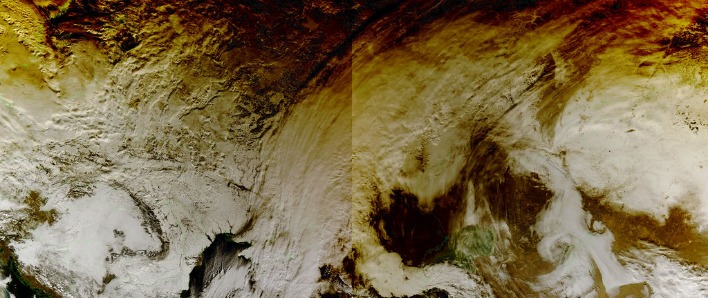
Algeria’s mountains are characterized by a diverse range of geological features formed through complex tectonic processes over millions of years. The Atlas Mountains, which extend across northern Algeria, are primarily composed of sedimentary rocks such as limestone and sandstone, shaped by uplift and folding during the convergence of the African and Eurasian tectonic plates. These processes have resulted in rugged landscapes with deep valleys, prominent ridges, and high peaks. The tell Atlas region features extensive fault systems and folding structures, indicative of intense tectonic activity that has molded the terrain. Additionally, the Saharan portions of Algeria contain plateau formations with elongated ridges and isolated mountain ranges formed through erosion and tectonic uplift. The formation of Algeria’s mountains is deeply tied to the tectonic collision, faulting, and volcanic activity associated with the African plate’s interactions with neighboring plates, creating a dynamic geological landscape that continues to evolve today.
Volcanic Activity
Algeria’s mountains are characterized by a diverse array of geological features formed through complex volcanic and tectonic processes over millions of years. The region’s mountain ranges, including the Tell Atlas and the Saharan Atlas, showcase a variety of sedimentary, metamorphic, and igneous rocks that reveal its dynamic geological history. These formations have been shaped by folding, faulting, and erosion, creating rugged landscapes with sharp peaks and deep valleys.
Volcanic activity in Algeria has played a significant role in the formation of some mountain areas, particularly in the northeastern part of the country near the Tell Atlas. Volcanic eruptions have contributed to the creation of volcanic cones, basaltic plateaus, and lava fields, adding to the region’s geological complexity. While recent volcanic activity is limited, historical eruptions have influenced the local topography and contributed to the fertility of certain volcanic soils.
Erosion and Sedimentation
Algeria’s mountains are characterized by diverse geological features that have been shaped over millions of years through various geological processes. The terrain primarily consists of a series of mountain ranges including the Tell Atlas, the Kabylie Mountains, and the Saharan Atlas, each formed through tectonic activities and volcanic actions. These formations resulted from the collision of African and Eurasian tectonic plates, causing uplift and creating the rugged landscape. Over time, these mountains have undergone significant erosion, wearing away their peaks and exposing different rock layers, which reveal insights into the Earth’s history.
Erosion processes such as wind, water, and temperature fluctuations continually modify the mountain landscape in Algeria. Rainwater and surface runoff carve valleys and gullies, while wind erosion especially impacts the arid regions, removing loose sediments and shaping features like mesas and buttes. Meanwhile, sedimentation plays a vital role in depositing materials transported from higher elevations to lower areas, forming alluvial plains and sediment layers in valleys. These sedimentary processes contribute to the soil fertility in some regions and influence the overall topography of Algerian mountains, creating a dynamic environment that reflects ongoing geological change.
Climate and Ecology of Algerian Mountains
The Algerian mountains are a diverse and vital part of the country’s ecological landscape, characterized by their rich biodiversity and varied climates. Encompassing ranges such as the Tell Atlas, the Saharan Atlas, and the Ahaggar Mountains, these regions host unique ecosystems that range from lush forests to arid deserts. The climate within these mountain areas influences the flora and fauna, shaping distinct ecological zones and supporting numerous endemic species. Understanding the climate and ecology of the Algerian mountains is essential for their conservation and sustainable management.
Climate Zones
The Algerian mountains exhibit a diverse range of climates and ecological zones that are shaped by their complex topography and geographic position. These mountainous regions, including the Tell Atlas, the Saharan Atlas, and the Kabylie range, feature distinct climate zones from Mediterranean to semi-arid and sub-humid environments.
The Tell Atlas, running along the northern coast, experiences a Mediterranean climate characterized by mild, wet winters and hot, dry summers. This zone supports lush vegetation, including forests of cork oak and holm oak, which thrive in the relatively moist conditions. In contrast, the Saharan Atlas to the south tends to have a semi-arid to arid climate with more extreme temperature variations, reduced rainfall, and sparse vegetation adapted to dry conditions.
The Kabylie mountains, situated between the Tell Atlas and the Sahara, possess a transitional climate, with more significant rainfall than the southern ranges, supporting dense forests and diverse flora. Elevation impacts climate within these zones; higher altitudes tend to have cooler temperatures and increased precipitation, fostering unique montane ecosystems and alpine flora even at relatively modest elevations.
Overall, the climate variations across the Algerian mountains significantly influence the ecological diversity, with lush forests, shrubland, and desert-adapted flora and fauna depending on the specific zone. These ecological zones are crucial for maintaining biodiversity and supporting local agriculture, wildlife, and traditional livelihoods.
Vegetation and Wildlife
The mountains of Algeria, part of the vast Atlas range, exhibit a diverse climate and rich ecological systems that support a wide variety of vegetation and wildlife. These mountainous regions experience different climatic conditions depending on their elevation and geographical location. The northern slopes typically have a Mediterranean climate with mild, wet winters and hot, dry summers, promoting lush vegetation, while higher altitudes and southern slopes may have more arid conditions, influencing the types of plant and animal life found there.
Vegetation in Algerian mountains ranges from dense evergreen forests and Mediterranean shrubs in the lower and mid-altitudes to alpine and subalpine flora at higher elevations. Olive groves, cork oak, chestnut, and carob trees are common in the more temperate zones, providing vital resources for local communities. In higher altitudes, limited by colder temperatures and snow cover, hardy alpine plants such as mosses, lichens, and small shrubs adapt to survive. The diverse plant life contributes to the stability of the ecosystems and supports various animal species.
The wildlife of Algerian mountains is equally diverse, including species adapted to both forested and arid environments. The Barbary macaque, mountain goats, and various species of deer inhabit the forested and mountainous areas. Predators like the Algerian wolf and the golden eagle are also notable inhabitants of these ecosystems. Additionally, many bird species and small mammals thrive in the varied habitats, while reptiles and insects play crucial roles in maintaining ecological balance. Conservation efforts are vital to preserving this rich biodiversity amid increasing environmental pressures and human activities.
Conservation Areas
The Algerian mountains are characterized by diverse climates and rich ecological systems that contribute significantly to the country’s biodiversity. These ranges, including the Tell Atlas, the Saharan Atlas, and the Kabylian Mountains, feature a variety of habitats such as Mediterranean forests, shrublands, and high-altitude alpine zones. The climate varies from humid and temperate in the northern parts to arid and semi-arid conditions in the southern regions, supporting a wide array of plant and animal species adapted to these environments.
Mountain ecosystems in Algeria are vital for maintaining ecological balance and are home to many endemic and threatened species. They play a crucial role in water regulation, soil stability, and climate moderation. Conservation efforts are focused on protecting these unique habitats through designated protected areas and national parks, such as the Tassili n’Ajjer and Ahaggar National Parks. These areas serve as important refuges for wildlife and are essential for environmental preservation, sustainable tourism, and community engagement.
Tourist Destinations and Activities
Algeria’s mountains offer a breathtaking array of tourist destinations and activities that attract adventurers and nature enthusiasts alike. From rugged peaks to lush valleys, visitors can explore a diverse landscape filled with scenic hikes, mountain climbing, and cultural landmarks. Discover the rich natural beauty and outdoor adventures that make Algeria’s mountainous regions a must-visit destination for those seeking both excitement and tranquility.
Hiking and Trekking Routes
Algeria boasts a diverse range of mountains that attract adventure enthusiasts and nature lovers alike. The rugged terrain offers numerous tourist destinations where visitors can immerse themselves in breathtaking landscapes and cultural experiences. The Atlas Mountains, in particular, are a highlight, featuring towering peaks, lush valleys, and traditional Berber villages. These mountains provide a perfect backdrop for a variety of outdoor activities, making them a popular choice for travelers seeking both adventure and scenic beauty.
For those interested in hiking and trekking, Algeria presents an array of routes suitable for all levels. The majestic Tassili n’Ajjer in the southeastern Sahara offers unique trekking opportunities through ancient rock formations and prehistoric cave paintings. The Tell Atlas ranges provide challenging hikes with panoramic views of the Mediterranean coast and fertile plains. Additionally, the M’goun Massif and Kabylie mountains are known for their lush trails, charming villages, and opportunities to explore local culture. Whether embarking on a short trek or a multi-day adventure, visitors can enjoy the stunning scenery, diverse flora and fauna, and the chance to connect deeply with Algeria’s natural beauty and heritage.
Climbing Opportunities
Algeria’s mountains offer an extraordinary array of tourist destinations and activities that attract adventurers from around the world. The diverse landscapes, from the rugged Atlas Mountains to the stunning Saharan peaks, provide a perfect setting for exploration and outdoor pursuits. Visitors can enjoy scenic hikes through lush valleys, explore ancient Berber villages, or capture breathtaking views from high-altitude vantage points.
Climbing opportunities in Algeria are abundant, featuring challenging peaks for experienced climbers as well as accessible routes for beginners. The Djebel Aïdour and the Aman Rahal massif are popular climbing spots, showcasing impressive limestone formations and rugged terrains. Mountain climbers can take on technical ascents or traverse scenic trails that offer panoramic views of the surrounding landscapes. These routes often include diverse rock shapes and terrain types, making Algeria a compelling destination for climbing enthusiasts seeking both adventure and natural beauty.
Natural Parks and Reserves
Algeria’s mountainous regions offer a diverse array of tourist destinations and activities that attract adventurers and nature lovers alike. The Atlas Mountains stretch across northern Algeria, providing stunning landscapes for hiking, trekking, and rock climbing enthusiasts. The Tassili n’Ajjer National Park, a UNESCO World Heritage site, features extraordinary rock formations, prehistoric cave paintings, and unique flora and fauna, making it a must-visit for explorers interested in natural and cultural heritage. The Djurdjura Range in the Kabylie region not only offers breathtaking vistas but also provides opportunities for mountain biking and skiing during winter months. These natural parks and reserves are ideal for observing native wildlife and experiencing Algeria’s rich natural diversity in a pristine environment. Visitors can immerse themselves in the tranquil beauty of these mountainous areas while engaging in outdoor activities that showcase the country’s rugged and scenic terrains.
Cultural and Geological Significance
The mountains of Algeria hold a remarkable combination of cultural and geological significance, reflecting the diverse history and natural beauty of the region. These majestic peaks are not only vital for their unique rock formations and geological features but also serve as important cultural symbols for local communities. Exploring the mountains of Algeria offers insight into the country’s rich heritage and the profound influence of nature on its traditions and identity.
Historical Significance
The mountains of Algeria hold a remarkable cultural and geological significance, serving as a testament to the country’s diverse natural landscape and rich history. These mountain ranges, including the Atlas Mountains and the Saharan highlands, feature unique geological formations that date back millions of years, revealing the Earth’s evolutionary history. Culturally, they are home to various indigenous Berber communities, whose traditions, languages, and lifestyles are deeply intertwined with the mountainous terrain, making these regions important centers of cultural heritage. Historically, Algeria’s mountains have been strategic locations for defense and refuge during periods of conflict, shaping the nation’s historical narrative and identity. They also played a vital role in facilitating trade routes and cultural exchanges across North Africa, contributing to the development of regional civilizations.
Archaeological sites
The mountains of Algeria are rich in both cultural and geological significance, offering a fascinating glimpse into the region’s natural history and human heritage. These mountain ranges, including the Tell Atlas and the Saharan Atlas, are characterized by diverse rock formations, ancient sedimentary layers, and volcanic origins that tell stories of Earth’s geological evolution. Culturally, the mountains have been home to indigenous communities for centuries, serving as sites for traditional practices, spiritual rituals, and language preservation. Archaeological sites scattered throughout these ranges include ancient cave paintings, fortresses, and ruins of early settlements that reveal the historical ways of life of the Berber, Phoenician, Roman, and Islamic civilizations. These sites provide invaluable insights into the region’s complex history and its role in the development of North African cultures. Overall, Algeria’s mountains are crucial for understanding both the Earth’s geological processes and the profound cultural history of its peoples.
Local Legends and Folklore
The mountains of Algeria hold profound cultural, geological, and mythical importance, shaping the identity and history of the region. They are considered sacred sites and are deeply embedded in local legends and folklore that have been passed down through generations.
- Cultural Significance: Algerian mountains, such as the Atlas Range and the Kebir Mountains, are central to local communities, often serving as symbols of resilience and cultural pride. They host traditional festivals, ancient rites, and are home to numerous indigenous tribes who honor the mountains as sacred ancestors.
- Geological Importance: These mountains are rich in geological diversity, formed through tectonic activity millions of years ago. They feature unique rock formations, cave systems, and mineral deposits that attract geologists and explorers alike. The Atlas Mountains, for example, are a crucial part of the African tectonic plate, illustrating the complex geological history of the region.
- Local Legends and Folklore: Folklore is woven into the fabric of Algerian mountain communities. Tales of spirits guarding hidden treasures, mythic creatures roaming the peaks, and spirits protecting sacred sites are common. One famous legend speaks of Mount Tahat, the highest peak, as the abode of ancient gods who influence the weather and fertility of the land.




0 Comments