
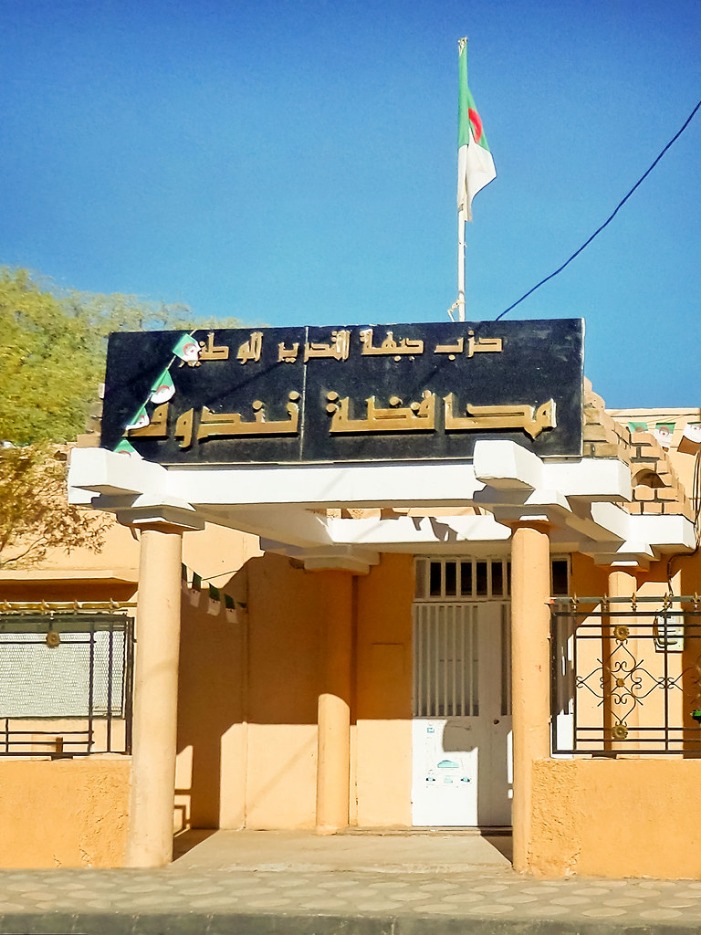
Historical Background of the Algerian FLN
The Algerian National Liberation Front (FLN) was established in 1954 as the primary organization leading the struggle for independence from French colonial rule. Born out of a desire for self-determination and national identity, the FLN played a pivotal role in the Algerian War of Independence, which lasted until 1962. Its formation marked a significant turning point in Algeria’s history, uniting various nationalist groups under one banner to challenge French control and seek sovereignty for the Algerian people.
Origins and Formation of the FLN
The National Liberation Front (FLN) of Algeria was founded in 1954 as the principal organization leading the country’s struggle for independence from French colonial rule. Its origins can be traced back to the increased tensions and revolutionary activities that emerged among Algerian nationalists during the early 20th century, driven by demands for sovereignty, cultural identity, and economic justice. The formation of the FLN was a response to the failure of peaceful political efforts and the suppression of nationalist movements by the French colonial administration.
The FLN was officially established on November 1, 1954, by a group of Algerian intellectuals, military leaders, and political activists who aimed to coordinate efforts for independence. Key figures such as Ahmed Ben Bella and Hocine Aït Ahmed played pivotal roles in shaping its ideology and strategies. The organization sought to unify different factions of the independence movement under a single revolutionary front, advocating for armed resistance as a means to end French colonial rule.
The formation of the FLN marked a decisive shift from political agitation to militant confrontation. It rapidly spread throughout Algeria, recruiting fighters and supporters, and launched a series of coordinated attacks against French military and administrative targets, igniting the Algerian War of Independence. The FLN’s emergence was crucial in galvanizing national unity and mobilizing the Algerian population in one of Africa’s most significant anti-colonial struggles of the 20th century.
Role in the Algerian War of Independence
The National Liberation Front (FLN) was founded in 1954 as a political and military organization aimed at advocating for Algerian independence from French colonial rule. Emerging amidst widespread dissatisfaction and resistance to French colonization, the FLN sought to unify diverse Algerian nationalist groups under a single movement to effectively challenge colonial authority. The organization drew inspiration from previous anti-colonial movements and was characterized by a combination of political activism and armed struggle.
During the Algerian War of Independence (1954-1962), the FLN played a central role in orchestrating a comprehensive insurgency against French forces. They organized guerrilla warfare, coordinated attacks on military and civilian targets, and utilized propaganda to garner internal and international support. The FLN established a clandestine network that connected different regions of Algeria, allowing them to sustain prolonged fighting despite heavy reprisals. Their efforts were instrumental in exposing the brutal realities of French colonial rule and mobilizing the Algerian population towards independence.
Initial Ideology and Objectives
The National Liberation Front (FLN) of Algeria was founded in 1954 as the primary resistance movement against French colonial rule. Its formation marked a unified effort by various independence groups to coordinate their efforts and mobilize the Algerian population for liberation. The FLN aimed to end French colonization, establish sovereignty, and promote national unity among diverse social and ethnic groups within Algeria.
The initial ideology of the FLN was rooted in Arab nationalism, anti-colonialism, and a commitment to self-determination. It sought to rally Algerians around the goal of independence through revolutionary means and to reject assimilation policies imposed by France. The movement also emphasized the importance of social justice, unity among different regions and communities, and the rejection of French cultural and political dominance.
Its primary objectives included achieving independence from France, establishing a sovereign Algerian state, and promoting social and economic reforms to improve the living conditions of Algerians. The FLN also aimed to dismantle colonial institutions, assert Algerian identity, and create a unified national movement capable of sustaining a prolonged struggle for liberation. These goals fueled a brutal and protracted conflict that ultimately resulted in Algerian independence in 1962.
Key Events and Milestones
The Algerian National Liberation Front (FLN) played a pivotal role in the country’s fight for independence from French colonial rule. Throughout its history, the FLN has marked numerous key events and milestones that shaped Algeria’s path to sovereignty. From its formation to significant battles and political developments, these moments highlight the resilience and determined struggle of the Algerian people towards freedom and self-determination.
Outbreak of the Algerian War (1954)
The outbreak of the Algerian War in 1954 marked a pivotal moment for the Algerian National Liberation Front (FLN) and the fight for independence from French colonial rule. On November 1, 1954, the FLN launched a coordinated series of attacks across Algeria, known as the Toussaint Rouge (Red All Saints), targeting military installations, police stations, and European civilians. This marked the beginning of a full-scale guerrilla war against French authorities. The conflict quickly intensified, with the FLN mobilizing widespread support among Algerians and establishing a clandestine network to organize resistance. Significant milestones included the declaration of the autonomous Government of the Algerian Republic in 1958, the escalation of military engagement, and increased international attention to the Algerian cause. The war continued for eight years, culminating in the Evian Accords of 1962, which led to Algeria’s independence. The FLN’s leadership and military strategy played a crucial role in navigating this protracted struggle, shaping the course of Algerian history and independence movement.”
Battle of Algiers and Urban Warfare
The Algerian National Liberation Front (FLN) played a pivotal role in the country’s fight for independence from France, especially during the Battle of Algiers, which marked a significant turning point in urban warfare and revolutionary tactics. The key events and milestones of this period highlight the strategic and intense struggle that shaped modern Algeria.
The FLN launched a series of coordinated attacks against French colonial authorities starting in 1954, symbolizing the beginning of the Algerian War of Independence. One of the most notable milestones was the Battle of Algiers in 1956-1957, where FLN fighters employed guerrilla tactics within the city to challenge the heavily armed French forces. This urban warfare involved bombings, assassinations, and underground operations aimed at disrupting colonial control and garnering international attention.
The Battle of Algiers was characterized by its asymmetric warfare, with FLN insurgents blending into the civilian population and utilizing the city’s infrastructure to evade French patrols. French counterinsurgency efforts, including the use of harsh interrogation, censorship, and even torture, marked a controversial chapter in the conflict. The conflict reached its peak in 1957, with the French military deploying paratroopers and establishing a widespread security clampdown.
The success of the FLN in the Battle of Algiers not only galvanized nationalist sentiments across Algeria but also drew international concern and scrutiny. The tactics employed in urban warfare proved transformative, influencing future insurgencies worldwide. Ultimately, these key events contributed to France’s decision to negotiate independence, culminating in the signing of the Evian Accords in 1962 and leading to Algeria’s independence.
International Support and Diplomatic Efforts
The Algerian National Liberation Front (FLN) played a pivotal role in the country’s struggle for independence from French colonial rule, achieving several significant milestones during this period. Key events included the launch of the War of Independence in 1954, which marked a decisive shift in the fight against colonial authority, and the subsequent escalation of guerrilla warfare. The FLN also organized a broad-based resistance movement that garnered support both locally and internationally, ultimately leading to the signing of the Évian Accords in 1962 and the recognition of Algerian independence. International support was crucial, with many countries and liberation movements expressing solidarity and providing diplomatic backing to the FLN’s cause. Diplomatic efforts included negotiations with France and efforts to garner recognition on the global stage, which helped solidify Algeria’s sovereignty and support its transition to self-governance. These milestones and diplomatic endeavors collectively underscored the FLN’s central role in securing independence and shaping Algeria’s modern nationhood.
Ceasefire and Independence Declaration (1962)
The FLN (Front de Libération Nationale) played a pivotal role in Algeria’s struggle for independence, with significant events marking its journey towards liberation. One of the most crucial milestones was the declaration of independence on July 5, 1962, after years of intense conflict against French colonial rule. Leading up to this, a series of key events, including the outbreak of the Algerian War in 1954, the formation of the FLN as a nationalist movement, and widespread guerrilla warfare, laid the groundwork for independence. The ceasefire agreements and negotiations in 1962 culminated in the declaration of independence, officially ending French colonial rule and establishing Algeria as a sovereign nation. This period is regarded as a turning point in Algerian history, symbolizing national unity and the hard-won freedom achieved through persistent struggle.
Structure and Leadership of the FLN
The National Liberation Front (FLN) of Algeria played a pivotal role in the country’s struggle for independence and established a distinctive structure and leadership that guided its revolutionary activities. The FLN’s organization was characterized by a centralized leadership core, regional cells, and clandestine networks designed to coordinate efforts across different territories. Its leadership was composed of seasoned revolutionaries committed to uniting various factions under a common goal, fostering strategic planning, and maintaining discipline. This hierarchical yet flexible structure enabled the FLN to operate effectively during the turbulent years of the Algerian War for independence, shaping the future governance of Algeria after achieving liberation.
Organizational Hierarchy
The National Liberation Front (FLN) of Algeria was a revolutionary organization that led the country’s struggle for independence from France. Its structure was carefully organized to facilitate coordinated efforts across different regions and levels of leadership, ensuring a unified front against colonial rule. The FLN’s hierarchy comprised several key tiers, starting from the central leadership to regional and local cells, which allowed for effective communication and strategic planning. The central leadership, headed by high-ranking officials, made major decisions and directed overall operations. Beneath this, there were regional committees responsible for overseeing activities within specific zones, and local units that mobilized the population, collected intelligence, and executed tactical actions. This organizational hierarchy was vital for maintaining discipline, security, and unity among members, enabling the FLN to sustain its insurgency and ultimately achieve independence. The leadership also relied on underground networks, secret meetings, and coded communication to protect members and preserve the integrity of the movement against French countermeasures.
Notable Leaders and Their Roles
The National Liberation Front (FLN) of Algeria was structured as a centralized organization with a clear hierarchy to coordinate its revolutionary activities against French colonial rule. It comprised various departments and cells operating across different regions, ensuring effective communication and mobilization of the Algerian population. The leadership was divided into political and military wings, with the political wing overseeing strategy and coordination, while the military wing executed guerrilla operations and armed resistance.
Notable leaders played crucial roles in shaping the direction of the FLN and the Algerian independence movement. Ahmed Ben Bella emerged as a prominent political leader, advocating for independence and later becoming the first President of Algeria. Hocine Aït Ahmed was influential in both political activism and military strategy, strengthening the movement’s resilience. Mohamed Boudiaf was known for his leadership in the military campaign and later became a key figure in post-independence Algeria. These leaders, among others, contributed significantly to the organization, strategy, and ultimate success of the FLN in achieving independence for Algeria.
Operational Cells and Guerilla Tactics
The National Liberation Front (FLN) of Algeria was organized with a structured hierarchy designed to coordinate the independence movement against French colonial rule. At the top, there was the Political Command, responsible for strategic decisions and political direction. Below it, the military wing operated through various operational cells, each tasked with specific sabotage and guerrilla missions. These cells functioned as small, autonomous units to enhance flexibility and reduce risks of infiltration. The FLN adopted guerrilla tactics that emphasized hit-and-run attacks, ambushes, sabotage of infrastructure, and hiding among the civilian population to sustain long-term resistance. This decentralized approach allowed the FLN to adapt quickly to changing circumstances and engage the French forces effectively while maintaining the element of surprise and minimizing casualties among its fighters.
Impact and Legacy of the FLN
The National Liberation Front (FLN) played a pivotal role in shaping modern Algeria through its efforts to achieve independence from French colonial rule. Its impact extended beyond the immediate struggle, laying the foundation for Algeria’s national identity and political landscape. The FLN’s legacy is remembered for uniting diverse factions under a common cause, fostering resilience, and inspiring future generations in the fight for sovereignty and self-determination.
Influence on Algerian National Identity
The National Liberation Front (FLN) had a profound impact on Algeria’s history and the development of its national identity. As the primary organization leading the struggle for independence from French colonial rule, the FLN unified diverse groups within Algerian society under a common goal, fostering a sense of national solidarity and pride. Its efforts not only resulted in achieving sovereignty but also ingrained a cultural and political identity rooted in resistance, resilience, and independence.
The legacy of the FLN extends beyond the war of independence, shaping Algeria’s political landscape and social fabric for decades to come. It established the framework for the nation’s governance, emphasizing Arab nationalism and Islamic identity as key elements of its post-independence identity. The FLN’s role in founding institutions and promoting a collective memory of liberation has left an enduring mark on Algerian society, influencing generations and solidifying a sense of national unity rooted in the struggle for sovereignty.
Furthermore, the influence of the FLN on Algerian national identity is evident in the celebration of independence, remembrance of martyrs, and the continued emphasis on sovereignty and resistance. Its legacy fosters a sense of pride and resilience, reinforcing the idea that independence was achieved through collective effort and sacrifice, which remains central to Algeria’s self-perception and national consciousness today.
Transition to Post-Independence Politics
The FLN (National Liberation Front) played a crucial role in Algeria’s fight for independence from French colonial rule, establishing itself as the dominant political force. Its impact extended beyond the struggle for independence, shaping the country’s political landscape and national identity. The FLN’s leadership and organizational structure laid the groundwork for post-independence governance, emphasizing nationalism, unity, and the consolidation of power. However, the legacy of the FLN also includes challenges such as authoritarianism, lack of political pluralism, and internal divisions that emerged after independence.
In the transition to post-independence politics, the FLN solidified its control over Algeria, establishing a single-party state that prioritized sovereignty and socialist policies. The early years saw efforts to rebuild the nation, reflecting the ideals of freedom and self-determination championed during the liberation struggle. Yet, this period also marked the beginning of political repression and suppression of opposition, which affected the development of democratic institutions. Overall, the FLN’s influence persisted for decades, shaping Algeria’s political trajectory and fostering a complex legacy of revolutionary achievement intertwined with authoritarian tendencies.
Controversies and Criticism
The National Liberation Front (FLN) of Algeria played a crucial role in the country’s struggle for independence from French colonial rule, transforming from a guerrilla movement into a political force that shaped modern Algeria. Its impact extended beyond the liberation war, establishing the foundations of the nation’s political structure and symbolizing Algerian nationalism. The FLN’s efforts led to the end of nearly 132 years of French colonization in 1962, fostering a sense of unity and national identity among Algerians. However, its legacy is complex, marked by both accomplishments and contentious actions.
In terms of legacy, the FLN is remembered for its pivotal role in achieving independence and establishing a unified Algerian state. It laid the groundwork for post-independence governance and socialist policies, influencing the country’s political landscape for decades. The FLN’s leadership promoted national sovereignty, cultural identity, and the struggle against colonial oppression, inspiring liberation movements across Africa and beyond. Nonetheless, the FLN’s long-standing dominance often led to authoritarian practices, consolidating power through suppression of opposition and political dissent.
Controversies and criticism surrounding the FLN involve allegations of human rights abuses, including brutal tactics against opponents during the war of independence and in the post-independence period. Some critics argue that the FLN’s methods, such as violence against civilian populations and suppression of political rivals, tarnished its moral authority. During its rule, the FLN faced accusations of corruption, favoritism, and authoritarian governance, which have fueled debates about its true legacy. These controversies continue to influence perceptions of the FLN’s role in Algerian history, prompting ongoing discussion about reconciliation, justice, and political reform in modern Algeria.
International Reactions and Support
International reactions and support play a crucial role in shaping the global response to the Algerian FLN. As a key player in Algeria’s fight for independence, the FLN garnered attention from various countries and organizations worldwide, influencing diplomatic relations and international solidarity efforts. Understanding these diverse responses offers insight into the broader geopolitical landscape during this pivotal period in Algerian history.
Support from Arab and African Countries
International reactions and support for the Algerian FLN (National Liberation Front) during the country’s struggle for independence garnered significant attention from Arab and African nations. Many Arab countries expressed solidarity with Algeria’s fight against colonial rule, viewing it as a shared cause of liberation and anti-imperialism. Support often came in the form of political backing, military assistance, and moral encouragement, emphasizing the broader Arab world’s commitment to anti-colonial movements.
African countries similarly showed solidarity with the FLN, recognizing the importance of independence for Algeria as part of the continent’s wider struggle against colonial domination. Several African nations provided covert or overt support, including logistical aid and diplomatic recognition, positioning themselves as allies in the fight for independence across the continent.
This collective backing reinforced the idea of pan-Arab and pan-African solidarity, fueling the momentum of the Algerian revolution and highlighting the importance of regional cooperation in challenging imperial powers. The support from these nations played a crucial role in boosting the morale of the Algerian independence movement while also drawing international attention to their cause.
Western Countries’ Perspectives
Western countries’ perspectives on Algeria and the FLN (National Liberation Front) are shaped by historical ties, geopolitical interests, and regional stability concerns. Many Western nations recognize Algeria’s struggle for independence and view the FLN as a significant symbol of anti-colonial resistance. Support from the West has often been nuanced, balancing diplomatic relations with France and other neighboring countries. While some Western states emphasize the importance of stability and economic partnerships, they generally advocate for peaceful political processes and respect for sovereignty. International reactions also include calls for addressing human rights issues and promoting democratic reforms, reflecting broader concerns about regional security and development.
Global Impact of the Algerian Freedom Movement
The international reactions to the Algerian National Liberation Front (FLN) and its movement for independence garnered significant global attention and support. Many countries and liberation movements expressed solidarity with Algeria’s struggle against colonial rule, viewing it as a broader fight for self-determination and anti-imperialism. Several nations in Africa, Asia, and Latin America offered political backing, moral support, and sometimes material assistance, recognizing the importance of decolonization worldwide. The FLN’s efforts also influenced global perceptions of colonialism, challenging Western dominance and inspiring other liberation campaigns.
The impact of the Algerian Freedom Movement extended beyond regional boundaries, causing a ripple effect that heightened awareness of colonial injustices and contributed to the decline of European colonial empires. International organizations, such as the United Nations, debated and gradually shifted attitudes to favor decolonization, partially motivated by the Algerian example. The solidarity movements and diplomatic pressure from around the world played a crucial role in pressuring colonial powers and accelerating Algeria’s path to independence, which was finally achieved in 1962.
End of the FLN’s Armed Struggle and Transition
The end of the FLN’s armed struggle marked a significant turning point in Algeria’s path to independence. After years of guerrilla warfare and intense conflict with French colonial forces, the FLN shifted towards political negotiation and diplomatic efforts to achieve sovereignty. This transition not only signaled the conclusion of armed hostilities but also laid the foundation for the establishment of a new nation committed to self-determination and national unity.
From Armed Resistance to Political Engagement
The end of the FLN’s armed struggle in Algeria marked a significant turning point in the country’s path to independence and its subsequent transition from armed resistance to political engagement. After years of guerrilla warfare against colonial rule, the FLN shifted its focus towards establishing a functioning sovereign state through diplomatic negotiations and political institutions. This transition was characterized by efforts to integrate armed fighters into civil society, reformulate national policies, and promote stability and development. The move from revolutionary warfare to political participation helped to legitimize the FLN’s authority and laid the foundation for Algeria’s independence government. Additionally, this phase involved addressing social and economic challenges, fostering national unity, and preparing for the nation-building process that would shape Algeria’s post-independence future.
Formation of the National Liberation Army (ALN)
The end of the FLN’s armed struggle marked a significant turning point in Algeria’s fight for independence, transitioning from a period of intense guerrilla warfare to political negotiations. The FLN (National Liberation Front) had led the struggle against French colonial rule since 1954, utilizing armed resistance to mobilize support and challenge colonial authority. As international pressure increased and the Algerian independence movement gained momentum, diplomatic efforts intensified towards the late 1960s, leading to a ceasefire in 1962 and eventual independence in July of that year.
Following independence, the FLN sought to consolidate its power and establish a stable government, which required transitioning from revolutionary tactics to political governance. During this period, the FLN aimed to unify various factions and regional groups under a centralized authority, setting the stage for the country’s political development.
Meanwhile, the formation of the National Liberation Army (ALN) was a crucial component of the FLN’s strategy. The ALN was established in 1954 as the armed wing of the FLN, tasked with carrying out guerrilla operations and expanding the insurgency across Algeria. It played a pivotal role in sustaining the armed struggle, coordinating military operations, and encouraging mass support for independence. The ALN’s emergence marked a shift towards organized military resistance, which significantly impacted France’s colonial military response. After independence, the ALN was incorporated into the national army, serving as a foundation for Algeria’s military institution and national defense strategy.
Integration into the Algerian Government Post-Independence
The end of the FLN’s armed struggle marked a significant turning point in Algeria’s path to independence, culminating in political negotiations and a transition from guerrilla warfare to nation-building. After years of relentless conflict against French colonial rule, the FLN (National Liberation Front) aimed to establish a sovereign Algerian state through diplomatic means and political integration. The transition process involved complex negotiations with French authorities, leading to the Evian Accords of 1962, which granted independence to Algeria. Following independence, the FLN transitioned from an armed liberation movement to a governing political party, placing itself at the center of Algerian political life.
Post-independence, the FLN faced the challenge of integrating its revolutionary forces into the new government and establishing stability. The FLN’s leadership sought to consolidate power, develop state institutions, and address the needs of a war-torn country. This transition involved several key steps:
- Formalization of political authority: The FLN became the ruling party, with leaders like Ahmed Ben Bella assuming prominent roles in government.
- Disarmament and reintegration: Former combatants were encouraged or required to disarm and reintegrate into civil society or government structures.
- Institution-building: The new government focused on creating bureaucratic institutions, military forces, and economic policies to rebuild the nation.
- Nationwide mobilization: The FLN promoted national unity and patriotism, emphasizing the importance of a cohesive Algerian identity after years of colonial division.
- Handling opposition and dissent: The FLN also faced challenges from political opponents and former colonial collaborators, requiring strategies to maintain control and stability.
Overall, the transition from armed struggle to political governance was pivotal in shaping modern Algeria, with the FLN solidifying its role as the dominant political force and guiding the country through its initial post-independence years.



0 Comments