

Historical Context of French Colonization in Algeria
The French colonization of Algeria began in 1830 and marked a significant chapter in both French and Algerian history. Over the course of more than a century, France established a complex and often oppressive colonial rule that transformed Algerian society, economy, and culture. This period was characterized by settler expansion, land seizure, and resistance, ultimately shaping the trajectory of Algeria’s path to independence in the mid-20th century.
Pre-Colonial Algeria: Societies and Regions
Before French colonization, Algeria was home to diverse societies and regions with a rich history and complex social structures. The region was primarily inhabited by Arab-Berber populations, including various tribes and communities that had established longstanding traditions of governance and culture. In the northern coastal areas, cities like Algiers, Oran, and Constantine developed as important trading hubs with influences from the Mediterranean and Arab worlds. The inland regions were characterized by tribal confederations and rural settlements, each maintaining distinct customs and social hierarchies. During the Ottoman period, which lasted from the 16th century until the early 19th century, Algeria was broadly integrated into Ottoman rule, with local beys and tribal leaders exercising authority in different areas. This period laid the groundwork for regional identities and social organization that persisted into the colonial era. Overall, pre-colonial Algeria was a mosaic of diverse communities, shaped by centuries of Arab, Berber, Ottoman, and Mediterranean influences, setting the stage for the profound changes brought by French colonization in the 19th century.
French Conquest: The Invasion of 1830
The French conquest of Algeria in 1830 marked a pivotal moment in the history of French colonization and significantly shaped the region’s future. France initiated its invasion under the pretext of restoring order following unrest and diplomatic disputes related to the earlier attempted purchase of the territory. The invasion was motivated by strategic, economic, and political interests, including expanding France’s influence in North Africa and securing control over the Mediterranean. The conquest faced fierce resistance from Algerian tribes and leaders, leading to a prolonged and often brutal military campaign. Over time, France established a settler colonization system, bringing European settlers and imposing administrative structures that transformed Algerian society and economy. The invasion and subsequent colonization period profoundly affected Algerian culture, social fabric, and identity, setting the stage for ongoing resistance and the eventual struggle for independence in the mid-20th century.
Colonial Administration and Expansion Strategies
The French colonization of Algeria began in 1830 with the invasion of Algiers, marking the start of a prolonged process of conquest and settlement that lasted for over a century. This period was influenced by France’s desire to expand its imperial empire, secure strategic military positions in the Mediterranean, and access North African resources. The initial military campaigns faced fierce resistance from local Berber and Arab populations, but through military dominance and political treaties, France gradually established control over the territory. The colonial administration aimed to integrate Algeria into the French empire, viewing it as an extension of France itself.
Colonial administration in Algeria was characterized by a complex hierarchy that combined military authority with civil governance. The French implemented a system of direct rule, establishing colonial governors and administrative officials tasked with managing local affairs, enforcing laws, and promoting economic development. They divided the territory into different sectors, often privileging European settlers and settlers’ interests. To expand their control, the French adopted various expansion strategies, including military campaigns against resistance groups, land expropriation from indigenous populations, and the establishment of settler colonies known as “pieds-noirs.” These tactics aimed to consolidate French dominance, facilitate economic exploitation, and promote the settlement of Europeans, which often displaced local populations and altered the demographic landscape of Algeria.
Political and Social Impact of French Rule
The French colonization of Algeria, which began in the early 19th century, had profound political and social consequences that shaped the nation’s history. French rule introduced new political structures, suppressed native governance, and fostered a sense of colonial dominance that deeply affected Algerian society. Socially, the imposition of Western cultural influences and policies of assimilation created divisions and tensions among diverse communities. These impacts laid the groundwork for the revolutionary movements that eventually led to Algeria’s fight for independence.
Establishment of Colonial Governance
The establishment of French rule in Algeria brought significant political and social changes that deeply impacted the region’s development. French colonial governance introduced new administrative structures that centralized authority and often marginalized native Algerian institutions, leading to a restructuring of political power dynamics. These changes fostered a sense of alienation among the local population, fostering resistance and contributing to the long-term conflict between colonizers and indigenous people.
Socially, French rule established a system that favored European settlers at the expense of native Algerians. This led to widespread inequalities in education, land ownership, and economic opportunities. The colonial government promoted French culture and language, often suppressing indigenous traditions and social structures. Native Algerians faced discrimination and marginalization, which inflamed social tensions and fueled nationalist movements seeking independence. The legacy of French governance still influences contemporary Algerian politics and society, reflecting a complex history of colonialism, resistance, and the pursuit of sovereignty.
Division of Society: Europeans and Indigenous Populations
The French rule in Algeria profoundly shaped the political and social landscape, leading to deep divisions within society between European settlers and indigenous populations. The colonial administration implemented policies that favored Europeans, creating a tiered social structure that marginalized native Algerians and intensified existing cultural divides.
- European settlers, known as “Pieds-Noirs,” enjoyed privileged access to land, education, and political influence, solidifying a dominant economic and social position.
- Indigenous Algerians faced land dispossession, limited access to high-quality education, and restrictions on political participation, fostering resentment and a sense of marginalization.
- The policies of segregation and discrimination contributed to social stratification, with Europeans forming an elite class while indigenous populations continued to experience systemic disadvantages.
- This divide fueled tensions and resistance, ultimately contributing to the outbreak of the Algerian War of Independence, as indigenous populations sought to reclaim their rights and challenge colonial dominance.
- The legacy of division persisted even after independence, influencing ongoing social and political dynamics within Algeria.
Legislation and Policies Affecting Algerians
The French colonization of Algeria from 1830 to 1962 had profound political and social repercussions that shaped the nation’s history. French rule centralized authority in the hands of colonial administrators, diminishing Algerian political sovereignty and suppressing indigenous governance structures. Legislation such as the Crémieux Decree of 1870 granted French citizenship to Algerian Jews, further entrenching social divisions, while Muslims remained disenfranchised and subjected to discriminatory laws. The implementation of segregated legal frameworks reinforced racial hierarchies, leading to widespread inequality and social stratification. Policies aimed at economic exploitation prioritized French settlers and European interests, often at the expense of local industries and populations, fueling resentment and resistance. The social impact was marked by the erosion of traditional customs, cultural suppression, and efforts to assimilate Algerians into French ways of life, creating tensions that would eventually escalate into revolutionary movements seeking independence. Over decades, these policies laid the groundwork for national identity struggles and the eventual Algerian War of Independence, highlighting the enduring legacy of colonial rule on Algerian political and social fabric.”
Economic Transformations Under French Colonial Rule
The economic transformations under French colonial rule in Algeria significantly reshaped the nation’s structure and development. During the colonial period, France implemented policies that aimed to extract resources, establish plantation economies, and integrate Algeria into the broader French economy. These changes brought about profound shifts in land use, labor practices, and industry, laying the groundwork for both economic growth and social upheaval that would influence Algeria’s path toward independence.
Agricultural Reforms and Land Confiscations
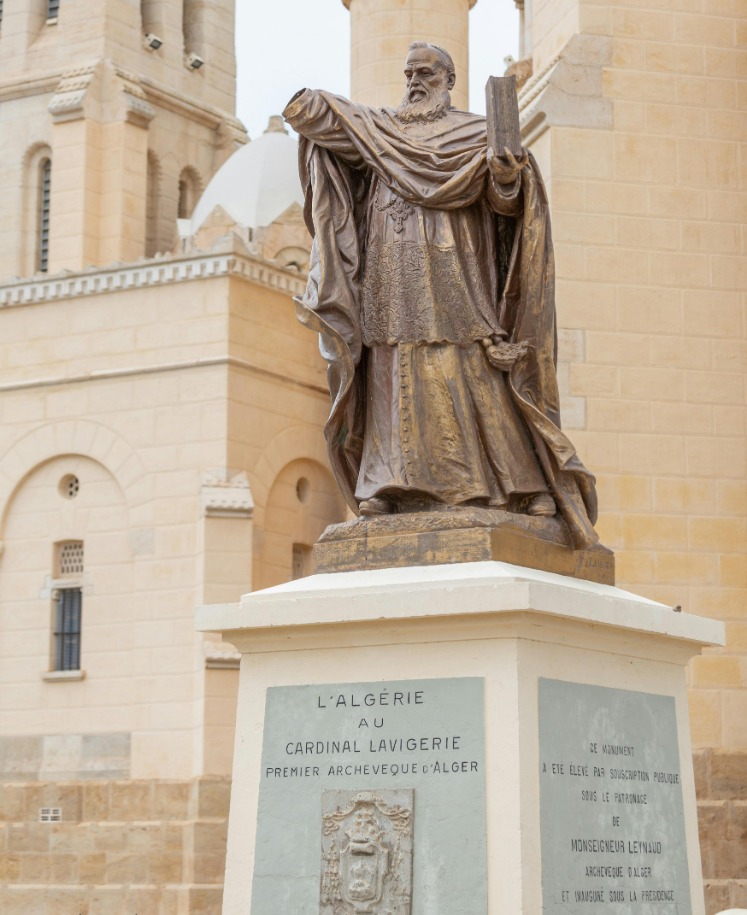
During French colonial rule in Algeria, significant economic transformations took place that reshaped the country’s agricultural landscape and land ownership patterns. The French government implemented policies aimed at integrating Algeria into the colonial economy, emphasizing the development of export-oriented agriculture. Large estates, known as ‘côtes,’ were established, cultivating crops such as wheat, wine grapes, and citrus fruits primarily for export to France. These reforms favored European settlers, known as colons or pieds-noirs, who acquired vast tracts of land through land confiscations and legal processes.
Land confiscations were a central feature of colonial economic policies, often displacing indigenous Algerian farmers and disrupting traditional land holding systems. The French authorities expropriated land under various pretexts, including development projects and security concerns, leading to the concentration of land ownership in the hands of European settlers. These measures marginalized native Algerians, many of whom were pushed into subsistence farming or urban areas.
Agricultural reforms under colonial rule aimed to modernize and commercialize the sector, but they largely served colonial economic interests rather than benefiting the local population. The policies promoted cash crop production, mechanization, and the establishment of infrastructure to facilitate export, which contributed to economic growth for France but often exacerbated rural inequalities and land dispossession for indigenous Algerians. These developments laid the groundwork for ongoing social and economic tensions that would influence Algeria’s path toward independence.
Development of Infrastructure and Industry
During French colonial rule in Algeria, significant economic transformations took place, primarily driven by the development of infrastructure and industry to serve colonial interests. The French aimed to exploit Algeria’s vast resources and establish a robust economic framework that facilitated the extraction and export of raw materials, thereby integrating the colony into the broader French economy.
The development of infrastructure was a cornerstone of this economic transformation. Key projects included the construction of an extensive railway network, ports, roads, and telegraph lines to enhance connectivity and facilitate resource transport. These infrastructures enabled the rapid movement of goods and people, bolstering economic activities and consolidating colonial control over the territory.
Industrial development centered on sectors such as agriculture, mining, and manufacturing. French settlers and companies invested heavily in cultivating crops like wheat and grapes, establishing large plantations to produce export-oriented commodities. Mining operations targeted minerals such as iron, zinc, and phosphates, expanding Algeria’s role as a resource supplier. In addition, industries related to processing raw materials, including sugar refining and cement production, grew to support both local needs and export markets.
- Expansion of transportation networks, especially railways and ports, to facilitate resource extraction and distribution.
- Increase in agricultural production with the introduction of modern farming techniques and plantation systems.
- Growth of mining industries to extract minerals essential for export and industrial uses.
- Establishment of manufacturing industries to process raw materials locally.
- Promotion of foreign investment and settlement to bolster economic activities and infrastructure development.
Economic Disparities and Resource Exploitation
During French colonial rule in Algeria, the economy underwent significant transformations that were primarily aimed at serving the interests of the colonial power. A key aspect of this transformation was the development of a plantation economy, centered around the extraction of resources such as wine, cereals, and later hydrocarbons, which facilitated increased exportation to France and European markets. Colonial authorities invested heavily in infrastructure, including railways and ports, to facilitate resource movement, but these developments predominantly benefited French economic interests rather than the local population.
Economic disparities were stark under French rule, with a clear division between the colonizers and the indigenous Algerian population. French settlers and colonial administrators amassed wealth and land, often dispossessing native Algerians from their lands and relegating them to low-paying labor roles. The economic benefits derived from resource exploitation largely bypassed the local Algerians, leading to widespread poverty and social inequality. This disparity fueled resentment and laid the groundwork for the subsequent independence movement.
The colonial economy was heavily based on resource exploitation, with a focus on acquiring raw materials needed to fuel France’s industrial growth. The exploitation often involved forced labor and unfair practices that marginalized Algerian workers. Additionally, the colonial policy discouraged the development of a diversified local economy, instead emphasizing resource extraction and export to benefit French businesses and government. This economic model contributed to long-term underdevelopment in Algeria and entrenched economic disparities that persisted even after independence.
Cultural and Educational Changes
The period of French colonization in Algeria brought significant cultural and educational transformations that shaped the nation’s identity. These changes reflected the colonial powers’ influence on local traditions, languages, and educational systems, impacting generations of Algerians. Understanding this historical context provides insight into the complex legacy of colonialism and the ongoing efforts to reclaim cultural independence.
Imposition of French Language and Culture
The period of French colonization in Algeria brought about significant cultural and educational changes that profoundly impacted the country’s identity. The French imposed their language and cultural practices, aiming to assimilate Algerians into French ways of life. As part of this strategy, French became the official language of administration, education, and public life, gradually replacing Arabic and Berber languages. Educational institutions were redesigned to promote French history, literature, and values, often at the expense of indigenous knowledge and traditions. This imposition created a cultural divide, fostering a sense of alienation among Algerians from their heritage. The colonial authorities viewed the spread of French language and culture as a means to consolidate control and diminish local identities, which later became a core obstacle in the country’s path toward independence and cultural revival.
Alterations in Religious Practices and Institutions
The period of French colonization in Algeria brought significant cultural and educational changes, alongside alterations in religious practices and institutions. French authorities aimed to assimilate Algerian society into French cultural norms, which impacted various aspects of daily life and social structures.
- Introduction of French language education was prioritized, leading to the establishment of French schools and the decline of traditional Arab and Berber educational systems.
- French cultural influences permeated art, literature, and public life, often marginalizing indigenous traditions and practices.
- Religious practices experienced shifts as Christian missionary activities increased, and some Muslim institutions faced restrictions or were subjected to secularization efforts.
- The Muslim call to prayer and Islamic education faced challenges under colonial rule, with some mosques repurposed or their influence diminished.
- Auxiliary religious institutions, such as madrasas, were impacted, as colonial authorities sought to control religious education and curb perceived resistance.
- Despite efforts to impose French cultural and religious norms, many Algerians maintained their Islamic faith and cultural identity, often in secret or through clandestine means.
Education System and Its Role in Colonial Policy
The cultural and educational changes implemented in Algeria during French colonial rule significantly influenced the country’s social landscape. The French colonial authorities aimed to impose their language, values, and cultural norms, often at the expense of indigenous traditions. Education was used as a tool to assimilate Algerians into French culture, establishing a system that prioritized French language instruction and Western curricula. This approach created a divide between the French settlers and the native Algerian population, fostering a sense of cultural superiority among Europeans while marginalizing the local identity. The colonial education policy was strategically designed to serve colonial interests by producing a class of Africans who were educated in French ideals, thus facilitating colonial administration and economic exploitation. Over time, these educational reforms contributed to the development of a small educated elite in Algeria, which would later play a pivotal role in the struggle for independence. Ultimately, the integration of the education system into the colonial policy not only aimed to control cultural identity but also reinforced the political and economic dominance of France in Algeria.

Resistance and Rebellion Against Colonial Rule
Throughout its history, Algeria experienced numerous acts of resistance and rebellion against French colonial rule. These movements reflected the deep desire for independence and the struggle to reclaim sovereignty from a colonial power that had exerted control for over a century. From early uprisings to the revolutionary Algerian War, these efforts demonstrated the resilience and determination of the Algerian people to achieve freedom and self-determination.
Early Uprisings and Organized Resistance
The resistance and rebellion against French colonial rule in Algeria have a long and complex history marked by numerous uprisings and organized movements. Algerians initially engaged in small-scale protests and acts of defiance against colonial authorities, seeking to preserve their land, culture, and sovereignty. These early uprisings often stemmed from economic exploitation, land dispossession, and cultural suppression by the French colonizers.
One of the earliest forms of organized resistance was the rise of secret societies and nationalist groups that aimed to mobilize Algerians against colonial control. The Saint Simonians and the Ez-Zerhouni movements, for example, promoted cultural preservation and political activism. Throughout the late 19th and early 20th centuries, there were also numerous revolts and rebellions, such as the Mokrani Revolt of 1871, which was a significant anti-colonial uprising involving rural tribes fighting to defend their lands and resist French domination.
The emergence of political movements like the Parti Algerian and later the Moroccan and Tunisian nationalist movements inspired Algerians to organize their own resistance efforts. The increasing suppression of these movements by French authorities only fueled resentment and further organized resistance, culminating in the highly coordinated struggles of the mid-20th century. These early recurrent uprisings laid the groundwork for the larger, more organized struggle that would lead to the Algerian War of Independence, a pivotal chapter in the fight against colonial rule.
The Algerian War of Independence (1954–1962)
The Algerian War of Independence (1954–1962) was a pivotal struggle against French colonial rule, marking a significant chapter in the history of resistance and rebellion. Algerians sought to end over 130 years of French colonization, which had deeply affected their social, political, and economic structures. The conflict emerged from widespread dissatisfaction with colonial policies, discriminatory practices, and the desire for self-determination. African Nationalist groups such as the National Liberation Front (FLN) mobilized a large-scale insurgency characterized by guerrilla warfare, sabotage, and urban protests. This intense struggle not only involved armed combat but also a massive civil resistance movement that aimed to challenge French authority and promote independence. The war was marked by brutal violence, human rights abuses, and significant political upheaval in France and Algeria. Ultimately, international pressure and internal fatigue led France to negotiate and grant independence to Algeria in 1962, affirming the power of resistance against colonial domination and inspiring similar liberation movements across Africa and beyond.
Key Figures and Movements in the Struggle for Independence
Resistance and rebellion against colonial rule in Algeria played a crucial role in the country’s struggle for independence from French control. Throughout the colonial period, many Algerians actively opposed French dominance through various forms of resistance, ranging from peaceful protests to armed insurgencies. Key figures emerged who embodied the fight for sovereignty, inspiring widespread nationalistic sentiments. Among these was Emir Abdelkader, who initially led resistance against French invasion in the 19th century. Later, during the mid-20th century, leaders such as Messali Hadj and his Movement for the Triumph of Democratic Liberties laid the groundwork for Algerian nationalism.
The most significant movement in the struggle for independence was the National Liberation Front (FLN), founded in 1954. The FLN organized a fierce guerrilla war against French forces in the Algerian War of Independence, marked by acts of sabotage, urban warfare, and diplomatic efforts to garner international support. The rebellion mobilized millions of Algerians and received some backing from other African and Arab nations. The conflict eventually led to the Evian Accords of 1962, which resulted in Algeria gaining independence. The collective resistance and leadership of key figures and movements ultimately culminated in Algeria’s liberation from colonial rule, shaping the nation’s modern identity and history.
Path to Independence and Post-Colonial Legacy
The path to independence for Algeria was a complex and tumultuous journey marked by years of struggle against French colonial rule. As the largest colony in Africa at the time, Algeria’s fight for self-determination significantly impacted its national identity and future development. The post-colonial legacy continues to influence Algeria’s social, political, and economic landscape, shaping its efforts to forge a sovereign identity after centuries of French dominance.
Decolonization Process and International Support
The path to independence for Algeria was marked by a complex and often violent decolonization process, rooted in decades of resistance against French colonial rule. The struggle intensified in the mid-20th century, culminating in the Algerian War of Independence (1954-1962), which involved guerrilla warfare, political activism, and widespread unrest. The post-colonial legacy of this period left deep social, economic, and political scars, shaping Algeria’s nation-building efforts and its quest for sovereignty. International support played a crucial role in bolstering Algeria’s independence movement, with many countries and organizations offering diplomatic backing, moral support, and, at times, material aid. The global shift towards decolonization after World War II lent legitimacy to Algeria’s aspirations, ultimately leading to France’s recognition of independence in 1962, and establishing Algeria as a sovereign nation free from colonial rule.
Transition to Sovereignty in 1962
The path to independence for Algeria was marked by a complex and often violent struggle against French colonial rule. After decades of resistance and growing nationalist movements, the demand for self-determination intensified, culminating in the outbreak of the Algerian War of Liberation in 1954. This conflict lasted for eight years, leading to widespread unrest, military confrontation, and significant political upheaval in France and Algeria alike. The struggle fostered a strong sense of national identity among Algerians and challenged the colonial dominance of France.
The post-colonial legacy of French rule left a profound impact on Algeria’s social, economic, and political structures. The colonial period had established a system where economic resources and power were concentrated, often marginalizing native populations. After independence, Algeria faced the challenge of building a unified national identity amidst ethnic, religious, and regional diversities. The transition to sovereignty was characterized by efforts to reconstruct institutions, address economic disparities, and define a new national policy, often influenced by socialist ideals and pan-Arabism.
In 1962, Algeria officially gained independence through the Evian Accords, which marked a historic turning point. The transition to sovereignty was not merely a formal change but a profound transformation of national consciousness. Algeria embarked on the journey of nation-building, striving to break free from the colonial legacy while managing internal differences and external relations. The newly independent country aimed to assert its independence both politically and economically, seeking to establish a distinct identity on the global stage and address the enduring effects of colonialism on its development and society.
Enduring Effects of French Colonialism on Modern Algeria
The path to independence and the post-colonial legacy of French rule have profoundly shaped modern Algeria, leaving an indelible mark on its social, political, and economic landscape. Algerian resistance to French colonization, culminating in the fierce struggle of the Algerian War of Independence (1954-1962), was driven by a desire to reclaim sovereignty and preserve cultural identity. This brutal conflict resulted in Algeria gaining independence, but it also left deep divisions and challenges rooted in colonial policies.
French colonialism significantly influenced Algeria’s societal structure, establishing a system that favored European settlers and marginalized native Algerians. This created sustained economic disparities and social inequalities that persisted even after independence. The legacy of colonial education, administrative systems, and land distribution continued to impact Algerian development, fostering issues such as rural impoverishment and social unrest.
Moreover, the enduring effects of French colonialism are evident in Algeria’s political landscape, where struggles over nationhood, identity, and governance often echo the colonial-era divisions. The influence of France remains in diplomatic relations, cultural ties, and language, with French still widely used in government, media, and education. These post-colonial legacies shape Algeria’s modern identity, amid ongoing efforts to forge a unified national state independent of its colonial past.




0 Comments