

Geographical Overview of Algeria
Algeria, located in North Africa, is the largest country on the continent, characterized by a diverse and expansive geographical landscape. It features a rugged Atlas Mountain range, vast Sahara Desert areas, fertile coastal plains, and numerous rivers and lakes. Its strategic location along the Mediterranean Sea has influenced its climate, culture, and economic activities. The country’s geographical diversity offers a rich backdrop for understanding its regional dynamics and the layout depicted on the Algeria map.
Location and Boundaries
Algeria is a vast country located in North Africa, known for its diverse landscapes and strategic position on the Mediterranean coast. It shares borders with several countries, making it a significant geographical location in the region.
- To the northeast, Algeria borders Tunisia and Libya, facilitating regional connectivity.
- On the east, it shares a boundary with Niger and Mali.
- In the south, it borders Mauritania and Western Sahara, extending into the Sahara Desert.
- To the west, it is bordered by Morocco and the Western Sahara territory.
- The northern coast of Algeria is lined with the Mediterranean Sea, providing access to maritime routes.
Key Geographical Features
Algeria, located in North Africa, is the largest country on the continent, bordered by the Mediterranean Sea to the north, Tunisia and Libya to the northeast, Niger and Mali to the south, Mauritania and Western Sahara to the southwest, and Morocco to the west. Its expansive territory covers diverse geographical features ranging from coastal plains to vast desert regions.
The country features the Tell Atlas mountain range along the northern coast, which includes the highest peak, Mount Tahat. The Sahara Desert dominates the southern part of Algeria, characterized by vast sand dunes, ergs, and sparse oases. The Saharan region is known for its extreme temperatures and unique desert landscapes.
Algeria’s interior is also characterized by fertile plains, such as the Mitidja Plain, which is a vital agricultural area surrounding the capital, Algiers. The country is rich in natural resources, including oil and natural gas, primarily located in the southern desert regions. The diverse topography greatly influences the climate, with Mediterranean conditions along the coast and arid desert climate in the south.
Topography and Terrain
Algeria, located in North Africa, is the largest country on the continent, characterized by a diverse and varied geography. Its expansive territory spans a wide range of topographical features, from the vast desert landscapes to lush mountainous regions, contributing to its complex and striking physical terrain.
- The northern part of Algeria features the Tell Atlas mountain range, which runs parallel to the Mediterranean coast. These mountains are relatively high and fertile, supporting agriculture and dense populations along the coast.
- Further south, the terrain transitions into the Saharan Desert, which covers more than four-fifths of the country’s territory. The Sahara in Algeria encompasses sand dunes, rocky plateaus, and occasional oases, creating a stark and arid environment.
- The Ahaggar and Tassili n’Ajjer mountain ranges lie within the Sahara, offering some of the highest elevations in the country and unique geological formations and prehistoric rock art.
- Aside from the mountains and deserts, the country features fertile plains in the northeastern and coastal regions, supporting agriculture and settlements.

Major Regions and Zones
Algeria is a vast country with diverse geographical features that are divided into various regions and zones. Understanding these major regions helps to appreciate the country’s cultural, historical, and environmental differences. Each zone offers unique landscapes, climates, and landmarks that contribute to Algeria’s rich and varied landscape.
Coastal Region
The Coastal Region of Algeria is a vital and densely populated area that stretches along the Mediterranean Sea, encompassing major cities such as Algiers, Oran, and Annaba. This region is characterized by its fertile plains, important ports, and diverse economic activities, including industry, commerce, and agriculture. It serves as the economic and cultural hub of the country, with a vibrant urban life and extensive infrastructure networks.
Beyond the Coastal Region, Algeria is divided into several Major Regions and Zones, each with distinct geographical and cultural features. The Interior Region, also known as the Highlands, includes the high plateaus and mountainous areas like the Tell Atlas and Saharan regions, which are more arid and less populated. The Sahara Zone in the south comprises vast desert landscapes, oases, and nomadic communities. These regions contribute to Algeria’s diverse geography, influencing regional development, climate, and lifestyle across the country.
Saharan Desert
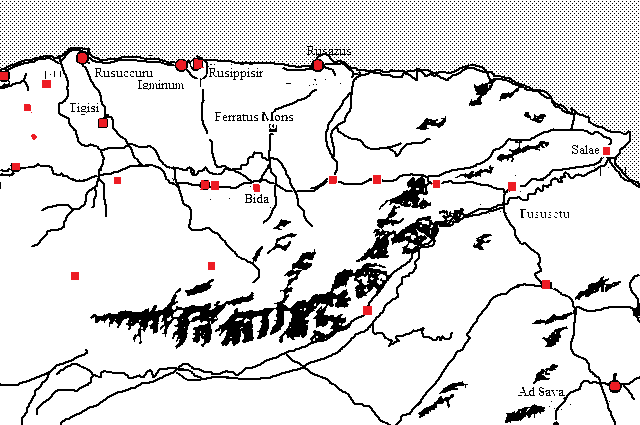
The Sahara Desert is a vast and arid region that spans a significant portion of Algeria, forming a major part of the country’s geography. It is part of the larger Sahara, the largest hot desert in the world, covering much of North Africa. Within Algeria, the Sahara extends across several regions and zones, including the Tamanrasset, Illizi, and Ouargla areas, which are characterized by extreme temperatures and minimal rainfall.
Algeria’s landscape is divided into several major regions, each with distinct geographical features. The northern part of the country includes the Tell Atlas and the Kabylie region, which are more mountainous and fertile, supporting agriculture and dense populations. Moving southward, the Saharan region dominates, featuring vast deserts, dunes, and oases that serve as vital hubs for local communities and trade routes.
The zones within the Saharan region of Algeria are often categorized based on their topography and climate. These include the Erg zones, which are massive sand dunes, the reg zones with gravel plains, and the oasis zones where water sources sustain settlements amidst the desert. The Sahara’s integration into Algeria’s map highlights the diversity of landscapes and the importance of desert zones in shaping the country’s geography and culture.
High Plateaus and Mountainous Areas
Algeria’s geographical landscape is diverse, featuring major regions and zones that shape its physical and cultural identity. These include expansive high plateaus and mountainous areas, which play significant roles in the country’s climate, biodiversity, and human settlement patterns.
- Major Regions and Zones:
- The Coastal Plain – A narrow strip along the Mediterranean coast, known for its agricultural fertility and urban centers.
- Central Highlands – Covering the Tell Atlas, this region includes fertile plains and is a hub for agriculture and industry.
- Southern Desert – The vast Sahara Desert area characterized by arid conditions, sand dunes, and sporadic settlements.
- High Plateaus – Located between the Tell Atlas and the Saharan region, these plateaus are characterized by semi-arid climate, rolling hills, and is a vital zone for pastoral activities.
- Mountainous Areas – The Tell Atlas mountains in the north, including the Babor Mountains and the Kabylie region, feature rugged terrain, rich biodiversity, and are densely populated.
Notable Cities and Urban Centers
Algeria is a vast country rich in diverse cities and urban centers, each contributing uniquely to its cultural, economic, and social landscape. From bustling metropolitan areas to historic towns, these notable cities play a vital role in shaping the nation’s identity. Understanding the key urban centers provides valuable insight into Algeria’s development and regional significance within the broader context of its map.
Algiers
Algiers, the capital city of Algeria, stands out as a prominent urban center on the country’s map. Known for its blend of modern architecture and historic sites, it serves as the political, economic, and cultural hub of Algeria. The city is situated along the Mediterranean coastline, offering a strategic location that has contributed to its development as a vital port and commercial center.
Algiers is characterized by its diverse neighborhoods, bustling markets, and iconic landmarks such as the Casbah, a UNESCO World Heritage site. The city’s rapid growth and urbanization reflect its importance within the region, attracting residents, businesses, and tourists alike. As one of the largest cities in Africa, Algiers plays a crucial role in shaping the urban landscape of Algeria on the map of North Africa.
Oran
Oran is one of Algeria’s most significant cities, known for its vibrant culture, rich history, and strategic location on the Mediterranean coast. It serves as a major economic hub and a key urban center in the country, attracting visitors and residents alike with its lively atmosphere and diverse attractions.
- Located in the northwest of Algeria, Oran is the second-largest city in the country.
- It features a mix of modern buildings and historic architecture, reflecting its long-standing cultural heritage.
- Oran is famous for its bustling port, which plays a crucial role in trade and maritime activities.
- The city has a vibrant music scene, particularly known for the popular genre Raï.
- Notable landmarks include the Santa Cruz fortress, the Mosque of La Gare, and the Place du 1er Novembre.
- Oran’s diverse population and lively streets make it a dynamic center of social and economic activity.
Constantine
Constantine is one of the most notable cities in Algeria, known for its rich history, unique geography, and vibrant culture. It is situated in northeastern Algeria and is often called the “City of Bridges” due to its numerous suspension bridges spanning deep gorges. As an important urban center, Constantine has been a hub of commerce, education, and architecture for centuries.
- Population: Over 450,000 residents
- Historical significance: Dates back to ancient times, with archaeological sites like Roman ruins
- Geography: Situated on a narrow plateau surrounded by deep valleys and cliffs
- Economic role: Center for manufacturing, trade, and education in the region
- Cultural attractions: The Great Mosque, Palace of Ahmed Bey, and numerous museums
Other Significant Cities
Algeria is characterized by a diverse array of notable cities and urban centers that play vital roles in its cultural, economic, and political landscape. The capital city, Algiers, stands out as a bustling metropolis with a rich history and vibrant modern developments, serving as the political and administrative hub of the country. Oran, another significant city, is renowned for its port, music scene, and historical architecture, making it an important center in the northwest. Constantine, often called the “City of Bridges,” is famous for its dramatic canyon setting and ancient ruins, reflecting Algeria’s deep historical roots. Annaba, located in the northeast along the Mediterranean coast, is a major industrial and port city that contributes significantly to the country’s economy. In addition to these, cities like Setif, Batna, and Tizi Ouzou are vital regional centers, each offering unique cultural and economic contributions. Overall, Algeria’s urban centers are distinguished by their historical significance, economic functions, and cultural diversity, shaping the country’s vibrant identity.
Natural Landmarks and Protected Areas
Algeria is renowned for its diverse natural landmarks and protected areas that showcase the country’s rich geographical and ecological heritage. These sites include majestic mountains, expansive deserts, lush forests, and unique wildlife habitats, all of which contribute to Algeria’s stunning landscape. Protecting these natural wonders ensures their preservation for future generations and highlights the importance of conserving the country’s environmental diversity.
Mountains and Mountain Ranges
Algeria is renowned for its diverse natural landmarks and protected areas that showcase its rich geographical features. The country features a variety of mountains and mountain ranges, including the Atlas Mountains, which stretch across northern Algeria and are known for their rugged terrain and scenic landscapes. Mount Tahat, located in the Sahara Desert, is the highest peak in Algeria and is part of the Hoggar Mountains, offering stunning views and unique geological formations. Various protected areas, such as Taza National Park and Ahaggar National Park, are established to preserve its unique ecosystems and endemic species. These natural landmarks not only highlight Algeria’s impressive topography but also play a crucial role in conservation efforts and promoting eco-tourism within the region. The map of Algeria clearly illustrates these significant natural features, emphasizing their importance in the country’s geography and environmental preservation.
National Parks and Reserves
Algeria, known for its diverse landscapes, is home to numerous natural landmarks and protected areas that showcase its rich ecological and geological heritage. These sites play a vital role in conserving the country’s unique biodiversity and natural beauty while attracting tourists and researchers alike.
- Ahaggar Mountains: A spectacular mountain range in the central Sahara, famous for its rugged terrain, volcanic formations, and ancient rock art.
- Tassili n’Ajjer: A UNESCO World Heritage site located in southeastern Algeria, this national park features dramatic sandstone formations, prehistoric cave paintings, and diverse wildlife.
- M’zab Valley: A protected area known for its unique ksar architecture and traditional oasis settlements, reflecting the cultural landscape of the region.
- Benaknoun Forest: An important protected area near Algiers, rich in Mediterranean flora and fauna, providing habitat for various bird species.
- Cap Djinet: A coastal promontory with notable marine biodiversity and scenic coastal cliffs.
Rivers and Lakes
Algeria is a country rich in natural landmarks and protected areas, featuring diverse rivers and lakes that contribute to its unique geographical landscape. These natural features are essential for biodiversity, tourism, and the country’s ecological balance.
- Natural Landmarks and Protected Areas:
- Tassili n’Ajjer: A UNESCO World Heritage site known for its stunning sandstone formations and ancient rock art.
- Hoggar Mountains: Prominent volcanic massif offering breathtaking views and unique geological formations.
- M’Zab Valley: An oasis with traditional architecture, recognized for its cultural significance and ecological value.
- Ahaggar National Park: Protects the diverse flora and fauna of the Sahara’s Hoggar Mountains.
- Rivers:
- Chelif River: The longest river in Algeria, flowing through the Tell Atlas and vital for agriculture.
- Rhumel River: Connecting the Kabylie region to the Mediterranean Sea, important for local ecosystems.
- Medjerda River: Mainly flowing through neighboring Tunisia but influencing northern Algeria’s water systems.
- Lakes:
- Chott El Djerid: A large salt lake in the Sahara, notable for its vast, reflective salt flats.
- Abu Maatar Lake: A small, seasonal lake home to diverse bird species and important for local biodiversity.
Transportation Networks on the Map
Transportation networks on the map of Algeria play a crucial role in connecting cities, regions, and facilitating economic activities across the country. These networks include a range of infrastructure such as roads, railways, airports, and ports that enable efficient movement of people and goods. Understanding the layout and development of these transportation systems provides valuable insights into Algeria’s connectivity and regional integration.
Major Roads and Highways
In the Algeria map, transportation networks are prominently featured to illustrate the connectivity across the country. Major roads and highways form the backbone of this infrastructure, facilitating efficient movement between key cities and regions. These routes are typically marked with bold lines, representing the primary arteries that connect Algiers, Oran, Constantine, and other significant urban centers. The network includes a combination of national and regional roads, ensuring accessibility to remote areas and supporting economic activities. Well-developed highways help reduce travel time and improve trade, tourism, and daily commuting within Algeria. Overall, the transportation network on the map highlights the country’s efforts to enhance mobility and regional integration through an extensive road system.”
Railway Lines
Transportation networks on maps, particularly railway lines, are essential for understanding the connectivity and infrastructure of a country like Algeria. These railway lines facilitate efficient movement of passengers and goods across various regions, supporting economic development and regional integration.
- The railway network in Algeria spans major cities such as Algiers, Oran, and Constantine, connecting them with suburban and rural areas.
- Most railway lines are electrified, providing faster and more environmentally friendly transportation options.
- The map highlights key rail corridors that link the northern coastal cities with the inland and southern regions, which are less densely populated.
- Railway lines in Algeria are often integrated with other modes of transportation, such as road networks and ports, to enhance logistical efficiency.
- The development of new railway lines aims to improve regional connectivity and support economic growth, especially in the Sahara region.
- Railway maps also depict stations, junctions, and maintenance yards, crucial for planning travel and understanding the network’s layout.
Airports and Ports
The Algeria map highlights an extensive transportation network that plays a crucial role in connecting different regions of the country. Key transportation hubs include major airports and ports, facilitating both domestic and international trade and travel. The largest airport, Houari Boumediene Airport in Algiers, serves as a primary gateway for passengers and cargo entering and leaving the country. Along the coast, key ports such as the Port of Algiers and the Port of Oran support maritime trade, handling a significant volume of goods and commodities. These transportation nodes are interconnected through road and rail networks, ensuring efficient movement across Algeria’s diverse landscape and supporting economic growth and regional development.


0 Comments