

Historical Background of the Algerian National Anthem
The Algerian national anthem, known as “Kassaman,” holds a profound significance rooted in the country’s history of struggle and independence. Composed during the Algerian War of Independence in the early 1950s, the anthem was written by the poet Moufdi Zakari and set to music by Mohamed Fawzi. It embodies the spirit of resistance and the unwavering desire for freedom, serving as a powerful symbol of national identity and patriotism for the Algerian people. The anthem’s historical background reflects the resilience and determination that ultimately led to Algeria gaining independence from French colonial rule in 1962.
Origins and Composition
The Algerian National Anthem, known as “Kassaman,” has a profound historical significance rooted in the country’s struggle for independence. Its origins date back to the Algerian War of Independence against French colonial rule, during which it became a symbol of resistance and national pride. Composed by Moufdi Zakaria, a poet and patriot, the lyrics were written in 1956 as a rallying cry for freedom and unity among Algerians. The music was composed by Mohamed Fawzi, an Egyptian musician, to enhance the emotional impact of the anthem. “Kassaman” was officially adopted as the national anthem in 1963, following Algeria’s independence, embodying the sacrifices made for sovereignty and representing the resilience and dignity of the Algerian people.
Historical Context During Its Creation
The Algerian national anthem, “Kassaman” (We Pledge), has a rich historical background rooted in the country’s struggle for independence from French colonial rule. Its creation was heavily influenced by the political and social upheavals of the time, reflecting the determination of the Algerian people to regain their sovereignty and identity.
During the early 1950s, Algeria was entrenched in a fierce fight for independence, which began with the outbreak of the Algerian War of Independence in 1954. The revolutionary movement needed an anthem that could unify and inspire its fighters and supporters. The lyrics of “Kassaman” were written by Moufdi Zakaria in 1956, while the music was composed by Mohamed Fawzi.
The song was initially created as a symbol of resistance and solidarity among Algerians amid the brutal conflict with French forces. Its powerful words emphasize themes of sacrifice, patriotism, and the unwavering commitment to reclaiming their land. The anthem was officially adopted as the national anthem of Algeria after independence was achieved in 1962, serving as a reminder of the resilience and collective struggle of the Algerian people during a pivotal period in their history.
Role in the Algerian War of Independence
The Algerian national anthem, known as “Kassaman” (meaning “We Pledge” in Arabic), has a profound historical significance rooted in the country’s struggle for independence. Originally penned during the French colonial period, the lyrics were written by the poet Moufdi Zakaria in 1956, while he was imprisoned by French authorities. The music was composed by Mohamed Fawzi, an Egyptian musician, in 1957. The anthem embodies the courage, resilience, and unwavering commitment of the Algerian people to attain freedom and sovereignty.
The song became a symbol of resistance and national unity during the Algerian War of Independence (1954-1962). It was adopted officially as the national anthem in 1963 after Algeria gained independence from France. During the war, “Kassaman” served as a rallying cry for revolutionaries and was frequently sung to bolster morale among fighters and civilians alike. Its powerful words and emotional melody reinforced the collective identity and resolve necessary to achieve independence from colonial rule.
- The lyrics of “Kassaman” emphasize sacrifice, patriotism, and the enduring struggle against oppression.
- It played a unifying role among Algerians, inspiring resistance and fostering national pride.
- The anthem was a symbol of the revolutionary spirit and served to solidify the ideological foundation of the newly independent state.
- Its widespread use during the war helped mobilize support and maintain morale among fighters and the general population.
Lyrics and Meaning
The lyrics of a national anthem embody a country’s history, values, and identity, serving as a powerful symbol of patriotism. In the context of Algeria, the national anthem’s words carry profound meaning, reflecting the nation’s struggle for independence, unity, and pride. Exploring the lyrics and their underlying significance offers a deeper understanding of Algeria’s cultural heritage and collective identity.
Author of the Lyrics
The Algeria national anthem, titled “Kassamen” (meaning “We Pledge”), is a powerful and patriotic song that embodies the spirit and resilience of the Algerian people. Its lyrics express themes of freedom, sacrifice, and national pride, reflecting the country’s struggle for independence from colonial rule. The words evoke a sense of unity and determination to defend the homeland at all costs. The anthem was written by Moufdi Zakaria, a notable Algerian poet and patriot, and the music was composed by Mohamed Touati. As a symbol of Algerian identity, the anthem serves to inspire citizens and remind them of their shared history and unwavering commitment to sovereignty and dignity. The song is performed at national events, sports competitions, and official ceremonies, reinforcing a collective sense of pride and patriotism among Algerians.
Themes and Symbolism
The lyrics and meaning of Algeria’s national anthem reflect a profound sense of patriotism, resilience, and the struggle for independence. The words evoke themes of freedom, sacrifice, and national pride, serving as a reminder of the country’s history and the sacrifices made by those who fought for its sovereignty. Symbolism within the anthem often highlights the unity of the Algerian people, their courage, and their determination to uphold their sovereignty amid adversity. Through powerful imagery and stirring language, the anthem embodies the spirit of the nation and its unwavering commitment to democracy and independence.
Translation and Interpretation
The national anthem of Algeria, “Kassaman,” is a powerful patriotic song that reflects the country’s struggle for independence and national pride. Its lyrics evoke themes of freedom, sacrifice, and patriotism, serving as a reminder of the resilience and determination of the Algerian people. Understanding the meaning behind the words helps to appreciate the anthem’s role in uniting citizens and honoring their history.
Translated into English, the anthem expresses a call to remember the sacrifices made for liberation and encourages continued strength and unity. The lyrics emphasize the importance of defending the homeland and celebrating the nation’s sovereignty. Analyzing the interpretation of the anthem reveals its significance as a symbol of Algerian identity and a source of inspiration for current and future generations.
Overall, the lyrics and their meaning encapsulate the spirit of independence, while the translation helps bridge cultural understanding. Recognizing the anthem’s themes and messages offers insight into Algeria’s national consciousness and the enduring pride of its people.
Musical Composition
The Algeria national anthem, “Kassaman,” is a powerful and symbolic piece that embodies the spirit and pride of the nation. Musical composition plays a crucial role in conveying the anthem’s patriotic message through the careful arrangement of melodies, harmonies, and rhythms. Understanding the elements of musical composition enhances appreciation of how the anthem inspires unity and national identity among Algerians.
Composer of the Anthem
The national anthem of Algeria is “Kasaman,” which holds great significance for the country’s identity and independence. The composition was created by the talented musician and composer Moufarreg Ghazali. His work captures the spirit of patriotism and unity that resonates with Algerian people. The anthem was officially adopted after Algeria gained independence from France in 1962, symbolizing the nation’s sovereignty and pride. Ghazali’s musical creation continues to inspire Algerians and serve as a powerful reminder of their history and cultural heritage.
Musical Style and Characteristics
The national anthem of Algeria, known as “Kassaman” or “We Pledge,” is a symbol of patriotism and national identity. Its musical composition reflects a blend of traditional Arabic musical elements with modern patriotic themes, evoking feelings of pride and unity among Algerians. The melody is characterized by a powerful and stirring tone, often performed with a strong rhythmic drive that emphasizes the importance of national pride.
- Musical Composition: The anthem features a memorable and anthemic melody designed to inspire patriotic fervor. It is composed in a manner that allows it to be sung both vocally and performed instrumentally, with clear, resonant lines that enhance its emotional impact.
- Musical Style: The style combines traditional Arabic musical influences with Western choral and marching traditions. It employs a moderate to fast tempo, with rhythmic patterns that evoke strength and resilience.
- Characteristics: The anthem is marked by its lyrical and expressive quality, often utilizing minor keys to reflect solemnity and pride. It includes dynamic shifts, ranging from subdued passages to powerful chorus sections, symbolizing hope and determination.
Performance and Variations
The Algeria national anthem, known as “Kassaman,” is a powerful piece that embodies the country’s struggle for independence and national identity. As a musical composition, it combines bold rhythms with stirring melodies that evoke a sense of unity and pride among Algerians. The performance of the anthem often features determined singing and spirited instrumentation that reflect the nation’s resilience and revolutionary spirit. Variations in how the anthem is performed—ranging from formal state ceremonies to spontaneous renderings by citizens—highlight its significance as a symbol of patriotism. These variations showcase different interpretative styles, yet all maintain the core emotional intensity and respect for the anthem’s historical roots. In its composition, performance, and variations, “Kassaman” remains a vital musical expression of Algeria’s independence and cultural identity.
Official Adoption and Legal Status
The official adoption and legal status of a nation’s symbols are fundamental to its cultural identity and sovereignty. In Algeria, the national anthem holds a special place as a symbol of independence and patriotism. Understanding its legal recognition and the process through which it was adopted provides insight into the country’s national unity and historical journey.
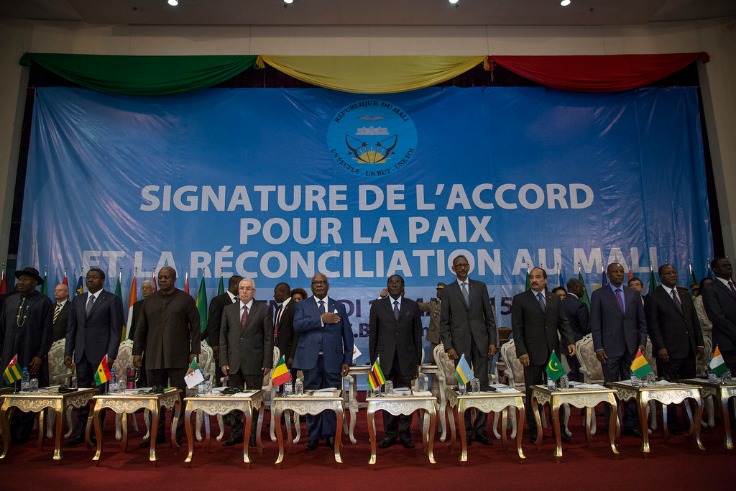
When It Became the National Anthem
The Algerian national anthem, known as “Kassaman” (meaning “We Pledge” in Arabic), holds a significant place in the country’s history and national identity. It was officially adopted as the national anthem after Algeria gained independence from France. The anthem’s lyrics were written by Moufdi Zakaria in 1956, during the fight for independence, while the music was composed by Mohamed Fawzi.
The anthem was officially adopted in 1963, following Algeria’s declaration of independence. Its lyrics reflect themes of patriotism, resistance, and the sacrifices made for freedom, making it a powerful symbol of national unity and sovereignty. Since then, “Kassaman” has served as the official expression of Algerian pride and identity.
Legal Protections and Regulations
The official adoption of the national anthem in Algeria signifies its legal recognition and importance as a symbol of national identity. The anthem, known as “Kassaman,” was adopted officially after independence, embodying the values, history, and aspirations of the Algerian people. Its status is protected under national laws, ensuring its reverence and proper use. Legal protections prevent misuse or disrespect of the anthem, mandating respect during official ceremonies and public events, thereby reinforcing national unity.
Regulations surrounding the national anthem in Algeria outline how it must be performed and displayed. These laws specify the circumstances for its singing, the manner of presentation, and sanctions for violations. The Algerian government enforces these regulations to preserve the anthem’s dignity and ensure it remains a unifying national symbol. Overall, the legal status and protections underscore the anthem’s significance in fostering national pride and respecting the country’s sovereignty.
Cultural Significance
The national anthem of Algeria holds immense cultural significance as a powerful symbol of national identity, unity, and resistance. Through its lyrics and melody, it reflects the rich history, struggles, and aspirations of the Algerian people. As a cherished emblem of patriotism, the anthem inspires pride and a sense of belonging among citizens, embodying the enduring spirit of Algeria’s cultural heritage.
Role in National Identity
The Algerian national anthem plays a vital role in embodying the country’s cultural identity and historical heritage. It serves as a unifying symbol that evokes a sense of pride and patriotism among Algerians, reflecting their struggles for independence and sovereignty. The anthem’s lyrics and melody resonate deeply with the nation’s collective memory, reinforcing shared values and cultural roots.
As a cornerstone of national identity, the anthem is performed at significant events, sports competitions, and official ceremonies, fostering a sense of belonging and national unity. Its prominence in public life underscores its importance as an emblem of Algerian sovereignty, history, and cultural diversity, continuously reinforcing the nation’s unique identity on both domestic and international stages.
Use in Ceremonies and Public Events
The Algerian national anthem holds a profound cultural significance as a symbol of independence, national pride, and unity for the Algerian people. It serves as an auditory emblem of the country’s history and the struggle for freedom, fostering a sense of identity and patriotism among citizens. The lyrics and melody evoke feelings of resilience and collective memory, making it an important cultural icon.
In ceremonies and public events, the Algerian national anthem is prominently performed to honor the nation’s sovereignty and commemorate important national milestones. It is traditionally played during official government ceremonies, sporting events, and national holidays such as Independence Day. The anthem’s stirring composition inspires unity among spectators and participants, reinforcing national pride and patriotism. Its presence at these events underscores its role as a unifying symbol that brings citizens together in celebration and remembrance of their shared heritage and freedom.
Impact on Algerian Society
The Algerian national anthem, named “Kassaman” (We Pledge), holds profound cultural significance for the Algerian people. It embodies the spirit of independence, resilience, and national pride, serving as a unifying symbol across diverse regions and communities within the country. The anthem reflects Algeria’s history of struggle against colonialism and celebrates the sacrifices made by its ancestors to attain sovereignty. Its lyrics evoke a sense of patriotism and collective identity, reinforcing cultural heritage and national values among Algerians.
Its impact on Algerian society is substantial, fostering a shared sense of belonging and patriotism. The anthem is prominently featured during national celebrations, sports events, and official ceremonies, serving as a reminder of the country’s journey toward independence. It also plays an educational role, instilling pride in young generations and preserving historical memory. Overall, “Kassaman” is more than just a song; it is a vital cultural emblem that continues to influence societal cohesion and national consciousness in Algeria.
Comparative Analysis
Comparative analysis involves examining similarities and differences between two or more subjects to gain a deeper understanding. In the context of Algeria’s national anthem, this approach can reveal insights into its historical background, lyrical themes, and cultural significance in comparison to other national anthems. Such analysis helps underscore the unique aspects of Algeria’s patriotic expression as well as shared elements with other nations’ symbols of sovereignty.
Comparison with Other National Anthems
The Algerian national anthem, “Kassaman,” stands out among various national anthems due to its historical significance and lyrical content. When comparing it to other national anthems, several distinctive features emerge that highlight its unique identity and purpose.
- Historical Context: “Kassaman” was written during the Algerian War of Independence, serving as a symbol of resistance and national unity. Unlike some anthems that focus on historic victories or legacy, its lyrics emphasize patriotism and the ongoing struggle for freedom.
- Lyrical Content: The anthem’s words are deeply rooted in themes of sacrifice, courage, and the revolutionary spirit. This contrasts with other anthems that often praise natural beauty or historical monarchies.
- Language and Style: Written in Arabic, it employs poetic and expressive language that evokes strong emotional responses. Many other national anthems are in European languages with more formal or ceremonial tones, making “Kassaman” more passionate and revolutionary in style.
- Musical Composition: The anthem features a stirring and vigorous melody that complements its message of defiance and hope, similar to other anthems designed to inspire patriotism, yet distinct in its energetic tempo.
- Comparison with “La Marseillaise” (France): Both anthems serve as symbols of revolutionary origins, but “Kassaman” is more explicitly oriented towards resistance and liberation, whereas “La Marseillaise” emphasizes national defense and unity.
- Comparison with “The Star-Spangled Banner” (United States): Unlike the U.S. anthem, which is inspired by a specific historical event—the defense of Fort McHenry—”Kassaman” reflects a continuous struggle for independence and national identity.
- Comparison with “God Save the Queen” (United Kingdom): “Kassaman” is more politically charged and revolutionary, in contrast to the monarchic and ceremonial tone of “God Save the Queen.”
Unique Attributes of the Algerian Anthem
The Algerian national anthem, known as “Kassaman,” stands out due to its historical significance and powerful lyrical content. Composed during the country’s struggle for independence from French colonial rule, it embodies themes of resistance, patriotism, and national pride. Its unique combination of lyrical intensity and cultural symbolism distinguishes it from many other national anthems.
One of the prominent attributes of “Kassaman” is its use of Arabic poetry, which reflects Algeria’s rich linguistic heritage and emphasizes a deep connection to Islamic and Arab traditions. The anthem also features a poetic rhythm that enhances its emotional appeal, inspiring unity and resilience among Algerians.
Compared to other national anthems, which may be primarily instrumental or have a more celebratory tone, “Kassaman” is characterized by its martial and rallying lyrics. It was originally written as a poem by the poet Moufdi Zakaria and set to music by a composer, further reinforcing its artistic and cultural depth. This poetic form conveys a sense of collective sacrifice and determination, making it exceptionally poignant and distinctive.
Additionally, the anthem’s historical context as a symbol of independence and national identity gives it a unique attribute among other national symbols. Its history and the emotional resonance it carries for the Algerian people set it apart, making it a powerful emblem of their liberation struggle and enduring patriotism.
Contemporary Relevance and Challenges
The national anthem of Algeria holds significant cultural and historical importance, reflecting the nation’s identity and independence. In today’s context, it continues to serve as a unifying symbol for Algerians while also facing contemporary challenges such as modern reinterpretations and preserving its legacy amidst global influences. Understanding its relevance and the obstacles it encounters offers insight into Algeria’s evolving national consciousness.
Modern Interpretations and Performances
The Algerian national anthem holds profound contemporary relevance as a symbol of national identity, resilience, and pride. It continues to serve as a unifying element for the Algerian people, especially amidst socio-political changes and challenges faced in the modern era. The anthem’s powerful lyrics and melody encapsulate the nation’s struggle for independence and its ongoing aspirations for progress and unity. However, it also faces challenges related to its interpretation and performance, which can vary across different regions and contexts, sometimes sparking debate about national symbolism and cultural representation.
Modern interpretations and performances of the Algerian national anthem demonstrate its evolving significance in the cultural landscape. Artists, performers, and even digital media have adapted the anthem to resonate with contemporary audiences, often infusing it with new emotional or political connotations. Official ceremonies maintain traditional renditions, emphasizing fidelity to its historic roots, while grassroots and artistic expressions explore innovative ways to honor its message. This dynamic engagement ensures the anthem remains a vital, living part of Algerian national consciousness.
- The anthem inspires national pride and unity amid social and political challenges.
- Contemporary performances reflect a blend of respect for tradition and innovative expressions of patriotism.
- Discussions around its interpretation sometimes highlight regional identities and differing perspectives on national history.
- Digital media and artistic reinterpretations broaden its reach and emotional impact among younger generations.
- Ongoing debates focus on how to balance historical significance with modern relevance in performances and education.
Challenges in Preserving Its Significance
The Algeria national anthem holds profound historical and cultural significance, symbolizing the nation’s struggle for independence and national identity. Its contemporary relevance continues to serve as a unifying force for Algerians, reminding citizens of their shared heritage and resilience. However, challenges in preserving its significance include linguistic shifts, societal changes, and evolving educational practices that may reduce the emphasis on national symbols. Additionally, globalization and exposure to international cultures can sometimes diminish the emotional and cultural connection to the anthem. Ensuring that younger generations recognize and appreciate the anthem’s importance requires ongoing efforts in education, cultural promotion, and national pride reinforcement. Overcoming these challenges is essential to maintaining the anthem’s prominence as a symbol of Algerian sovereignty and unity amidst a rapidly changing world.




0 Comments