

Geography and Environment of Algeria
Algeria, located in the northern part of Africa, boasts a diverse geography and rich environmental landscape. As the largest country in Africa, it features a vast Sahara Desert in the south, fertile coastal plains along the Mediterranean Sea, and rugged mountains including the Atlas range. This diverse terrain contributes to a variety of climates and ecosystems, shaping the country’s natural heritage and environmental challenges.
Location and Borders
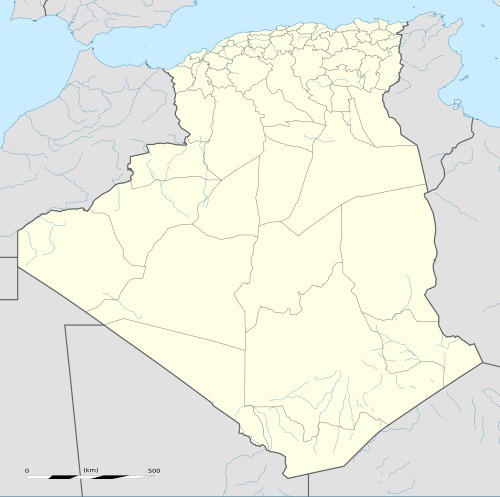
Algeria is a country located in the northern part of Africa, situated along the Mediterranean Sea. It is the largest country on the continent by land area, covering approximately 2.38 million square kilometers. Algeria shares extensive borders with several countries: to the northeast with Tunisia, to the east with Libya, to the southeast with Niger, to the southwest with Mali, Mauritania, and Western Sahara, to the west with Morocco, and to the north with the Mediterranean coast. Its diverse geography includes a vast desert region dominated by the Sahara in the south, mountain ranges such as the Atlas Mountains in the north and northeast, and fertile plains along the coast. The country’s strategic location and varied terrain influence its climate, environment, and natural resources, making Algeria a significant nation in the African continent.”
Major Landforms and Regions
Algeria, located in the northern part of Africa, is characterized by a diverse geography that includes vast desert landscapes, mountain ranges, and fertile plains. The country is bordered by the Mediterranean Sea to the north, which influences its climate and ecosystem diversity.
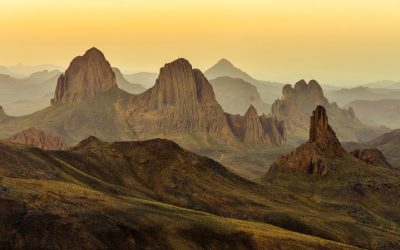
The major landforms of Algeria include the Sahara Desert in the south, which is one of the largest hot deserts in the world, covering more than four-fifths of the country’s territory. The Sahara features expansive sand dunes, rocky plateaus, and oases that support limited but vital life. To the north, the coastal plain known as the Tell Atlas runs parallel to the Mediterranean coast, providing fertile land for agriculture and dense population centers.
The Atlas Mountains stretch across the northern part of Algeria, dividing the coast from the interior desert regions. These mountains include the Tell Atlas and the Saharan Atlas, which are rich in biodiversity and contain several significant peaks, such as the Mount Lella at over 2,700 meters. Inland, the High Plateaus (Hauts Plateaux) lie between the coast and the Sahara, characterized by semi-arid conditions and rolling plains.
Algeria’s regions can be broadly divided into the Coastal Region, the Highlands, and the Desert Region. The Coastal Region is densely populated and features cities like Algiers. The Highlands, with their rugged terrain and moderate climate, are important for agriculture and settlements. The vast Desert Region dominates the south and is sparsely inhabited but is significant for its natural resources, including minerals and oil. This diverse topography greatly influences Algeria’s climate, ecosystems, and human activity across the country.
Climate and Natural Resources
Algeria, located in the northern part of Africa, is characterized by a diverse geography that includes vast deserts, mountainous regions, and fertile plains. The country is bordered by the Mediterranean Sea to the north, which influences its climate and environment significantly. The Sahara Desert dominates the southern portion of Algeria, covering a substantial part of its territory and shaping the environment with its arid and semi-arid conditions. The Kabylie and Tell Atlas mountain ranges run parallel to the coast, providing a more temperate climate and supporting agriculture in these regions.
The climate of Algeria varies from Mediterranean along the coast to desert in the interior and south. The coastal areas enjoy mild, wet winters and hot, dry summers, supporting lush vegetation and diverse ecosystems. In contrast, the Sahara region experiences extremely high temperatures during the day and very little rainfall, making it harsh and arid. These climatic conditions significantly impact the natural environment and human activities, including agriculture and settlement patterns.
Algeria is rich in natural resources, notably hydrocarbon reserves such as oil and natural gas, which are vital to its economy. The country also possesses minerals like iron ore, phosphates, and sulfur. Its vast deserts contain valuable minerals and potential for renewable energy projects, particularly solar power, due to abundant sunshine. The combination of diverse geography and natural resources has shaped Algeria’s development and environmental landscape, making it an important player in both regional and global resource markets.
History and Historical Sites
Algeria, a country rich in history and diverse cultural heritage, offers a fascinating glimpse into Africa’s past. Its historical sites showcase ancient civilizations, colonial influences, and revolutionary milestones that have shaped the nation’s identity. Exploring these sites provides a deeper understanding of Algeria’s journey through time and its importance within the African continent.
Ancient Civilizations and Heritage
Algeria, located in North Africa, boasts a rich historical heritage that spans thousands of years. It is home to some of the most significant ancient civilizations, including the Berbers, Phoenicians, Romans, and Byzantines. The country’s historical sites reflect this diverse past, with remnants of ancient cities, temples, and fortifications dotting the landscape. The ancient city of Timgad, a UNESCO World Heritage site, exemplifies Roman urban planning and architecture, showcasing well-preserved ruins that attract scholars and tourists alike. Algiers, the capital, features Ottoman-era palaces and Islamic monuments, highlighting the country’s Islamic heritage. Algeria’s archaeological treasures and cultural heritage serve as a testament to its influential historical role across various civilizations, making it a vital destination for those interested in history and ancient civilizations.
Colonial Era and Independence
Algeria, located in North Africa, boasts a rich history shaped by a variety of civilizations, including the Phoenicians, Romans, Byzantines, and Arab dynasties. Its historical sites reflect this diverse past, such as the ancient Roman ruins of Timgad and Djemila, which showcase impressive architecture from the Roman era. During the colonial period, Algeria was under French control from 1830 until it gained independence in 1962. The struggle for independence was marked by a prolonged and often brutal conflict, which left a lasting impact on the nation’s identity. Following independence, Algeria made significant efforts to preserve its cultural heritage while fostering a sense of national pride, evident in its many historical sites and monuments that commemorate its journey to sovereignty.
Notable Historical Landmarks
Algeria, located in North Africa, boasts a rich history that spans thousands of years, marked by a diverse array of historical sites and landmarks. Its ancient past includes the influence of Phoenicians, Romans, Byzantines, and Arab civilizations, all leaving behind remarkable archaeological treasures. Among the most notable historical landmarks is the ancient city of Timgad, a perfectly preserved Roman town founded in the 1st century AD, which exemplifies Roman urban planning with its grid-like streets and impressive ruins. The Roman amphitheater in Djemila, another significant site, showcases intricate stonework and Roman architecture that attract visitors from around the world. In the north, the Casbah of Algiers is a UNESCO World Heritage site, reflecting the city’s Ottoman and French colonial history through its labyrinthine streets and historic buildings. Additionally, the Tassili n’Ajjer National Park features prehistoric rock art dating back thousands of years, offering insight into early human civilization in the Sahara. These landmarks collectively tell the story of Algeria’s complex history and cultural heritage, making it a fascinating destination for those interested in history and archaeology.
Government and Politics
Algeria, a key country in Africa, plays a significant role in the region’s government and political landscape. Its political system has evolved over decades, reflecting the country’s history, independence movement, and efforts to establish stability. Understanding Algeria’s government structure and political dynamics offers insight into its influence within Africa and its position on the global stage.
Political Structure and Governance
Algeria, located in North Africa, features a government and political structure characterized by a semi-presidential republic. The country operates with a division of power among the executive, legislative, and judicial branches, aimed at maintaining a balance of authority. The President of Algeria serves as the head of state, elected by popular vote to oversee the executive functions, while the Prime Minister, appointed by the President, oversees the government’s day-to-day operations. The Parliament is bicameral, consisting of the National People’s Assembly and the Council of the Nation, responsible for passing laws and national policies. Governance in Algeria is influenced by a combination of republican institutions and a history of centralized authority, with significant political influence maintained by the ruling party and military establishments. The political landscape has been marked by efforts toward reform and democratization, though challenges related to political participation and civil liberties persist, shaping the country’s governance framework within the broader context of African and Arab world political dynamics.
Major Political Parties and Leaders
Algeria is a major country in Africa with a complex political landscape characterized by a mix of government institutions and active political parties. The government operates as a semi-presidential republic, where power is divided between a president, who is the head of state, and a prime minister, who is the head of government. The country’s political framework is overseen by the National People’s Assembly and the Council of the Nation, which are the legislative bodies responsible for making laws and overseeing governance.
The major political parties in Algeria include the National Liberation Front (FLN), which has historically been dominant and played a key role in independence; the National Rally for Democracy (RND), which is considered pro-government; and the Movement for the Society of Peace (MSP), representing Islamist perspectives. In recent years, new parties and opposition groups have gained prominence, reflecting the dynamic nature of Algerian politics.
Prominent political leaders have included Abdelaziz Bouteflika, who served as president for over two decades until his resignation in 2019 amid protests. His leadership was marked by both efforts at stabilizing the country and controversies. Since then, Abdelmadjid Tebboune has been serving as president, promoting reforms aimed at addressing economic challenges and political reforms. The political landscape continues to evolve as Algeria navigates issues related to governance, economic development, and social change within the broader context of African and global politics.
Recent Political Developments
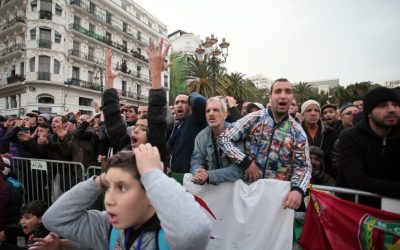
Recent political developments in Algeria have marked a significant shift towards greater governmental transparency and reforms. The country has witnessed a series of protests demanding political renewal and the end of corruption, which led to the resignation of long-standing President Abdelaziz Bouteflika in 2019. Since then, new leadership has been working to implement constitutional reforms aimed at increasing civilian oversight and decentralizing authority. These efforts are part of a broader movement to strengthen democratic institutions and promote political stability across the nation. Additionally, Algeria continues to navigate regional dynamics, balancing relationships with neighboring countries and addressing internal challenges related to economic diversification and addressing youth unemployment. Overall, recent developments indicate a transition toward a more participatory political landscape in Algeria, with ongoing efforts to enhance governance and political accountability.
Economy and Industry

Algeria, a prominent nation in Africa, boasts a diverse economy heavily reliant on its abundant natural resources. The country’s industrial sector plays a crucial role in shaping its economic landscape, with significant contributions from oil and gas exploration, manufacturing, and agricultural activities. As Algeria continues to develop, its economy remains a vital pillar for stability and growth across the region.
Major Economic Sectors
Algeria’s economy is predominantly driven by its rich natural resources, with major sectors including hydrocarbons, agriculture, and industry. The country is one of Africa’s leading producers of oil and natural gas, which constitute the backbone of its economy. These resources provide significant revenue and export earnings, making the energy sector crucial to Algeria’s economic stability.
- Hydrocarbons: Accounting for the majority of government revenues and exports, the oil and gas industry is the most vital sector in Algeria.
- Agriculture: Employing a substantial portion of the population, the agricultural sector focuses on crops such as cereals, olives, and citrus fruits, as well as livestock farming.
- Industry: Comprising manufacturing, construction, and processing industries, this sector includes petrochemicals, cement production, and food processing to diversify the economy.
- Services: Although less developed, the services sector includes transportation, telecommunications, and tourism, which hold potential for future growth.
Oil and Gas Industry
Algeria’s economy is predominantly driven by its vast oil and gas industry, which plays a crucial role in the nation’s development and export revenues. As one of Africa’s leading producers of hydrocarbons, Algeria relies heavily on oil and natural gas exports to generate government income and fund public projects. The industry has historically been the backbone of the country’s economy, providing substantial employment opportunities and attracting foreign investment. Recent efforts are underway to diversify the economy, but the oil and gas sector remains central to Algeria’s industrial landscape. Advances in technology and increased exploration activities aim to boost production and sustain the country’s position as a key energy supplier to Europe and beyond.
Agriculture and Manufacturing
Algeria’s economy is predominantly driven by its vast natural resources, with oil and natural gas playing a crucial role in its industrial sector. The country is one of Africa’s largest producers of hydrocarbons, which significantly contributes to national revenue and export earnings. This reliance on the energy sector has shaped the development of manufacturing industries that support oil exploration, refining, and petrochemical production.
Agriculture in Algeria, while historically important, faces challenges due to arid climate, water scarcity, and land degradation. Nevertheless, the sector remains vital for domestic consumption, producing grains, cereals, olives, and citrus fruits. Efforts are ongoing to modernize agricultural practices and diversify output to reduce dependence on imports.
The manufacturing industry in Algeria is diversifying slowly, with sectors such as food processing, cement production, and metallurgy gaining prominence. The government has launched initiatives to promote industrialization, attract foreign investment, and develop infrastructure to support local manufacturing. Despite these efforts, the industry still faces hurdles including high energy costs, bureaucratic obstacles, and the need for technological advancement.
Culture and Society
Algeria, located in the heart of Africa, boasts a rich and diverse cultural heritage shaped by its long history, indigenous traditions, and Arab and French influences. Society in Algeria reflects a blend of ancient customs and modern developments, creating a unique cultural landscape. Explore how Algeria’s culture and society continue to evolve, influenced by its historical roots and contemporary trends, shaping the identity of this North African nation.
Languages and Ethnic Groups
Algeria, a country located in North Africa, boasts a rich tapestry of culture and society shaped by its diverse history and geographic influences. The nation is known for its blend of Arab, Berber, and French heritage, which is reflected in its traditions, architecture, and daily life. Society in Algeria emphasizes communal values, hospitality, and respect for elders, preserving centuries-old customs alongside modern developments.
Languages spoken in Algeria are primarily Arabic and Berber, both recognized as official languages, with French also widely used in education, media, and business. The Berber languages, such as Tamazight, have experienced a revival and are integral to the country’s ethnic identity. This linguistic diversity underscores the country’s complex ethnic landscape, which includes Arab-Berber populations, as well as smaller communities of Europeans and sub-Saharan Africans.
Ethnic groups in Algeria mainly consist of Arab-Berbers, who make up the majority, and various indigenous Berber tribes, each with unique dialects and cultural practices. The Berber communities, particularly in the Kabylie and Aures regions, maintain strong cultural traditions and have historically played a vital role in preserving indigenous languages and customs. The country’s diverse ethnic composition enriches Algerian society, fostering a dynamic cultural environment that continues to evolve amid modern influences.
Religious Practices and Traditions
Algeria’s rich culture and society are deeply rooted in its history, diverse population, and geographical landscape. The country boasts a vibrant mix of Arab, Berber, and Mediterranean influences that shape its social fabric. Traditional music, dance, and cuisine play a significant role in everyday life, showcasing the nation’s cultural diversity. Social practices often emphasize family, hospitality, and community values, reflecting deeply ingrained traditions that have been preserved over generations.
Religious practices in Algeria are predominantly Islamic, with the majority of the population adhering to Sunni Islam. Religion influences many aspects of daily life, from clothing and dietary habits to social interactions and celebrations. Religious festivals such as Eid al-Fitr and Eid al-Adha are widely observed, featuring communal prayers, feasts, and charity. While Islam is central to Algerian society, the country also recognizes the presence of minority religions, and there is a general respect for religious diversity and coexistence.
Music, Art, and Cuisine
Algeria, situated in North Africa, boasts a rich tapestry of culture and society that is deeply rooted in its history and diverse influences. Its vibrant traditions are reflected in the local customs, festivals, and social practices that have been preserved through generations. Music plays a vital role in Algerian culture, with genres such as Raï, which blends traditional melodies with modern sounds, and Chaabi, characterized by lively rhythms and poetic lyrics. Art in Algeria showcases a mix of indigenous Berber, Arab, and French influences, evident in its intricate ceramics, embroidery, and contemporary works. Algerian cuisine is equally diverse, featuring hearty dishes like couscous, tajine, and flavorful marinades that utilize a variety of spices, reflecting the country’s agricultural bounty and cultural exchanges. Overall, Algeria’s cultural landscape is a dynamic fusion of history, artistic expression, and culinary traditions that continue to thrive today.
Demographics and Population
Algeria, one of Africa’s largest countries, has a diverse and dynamic population. Its demographics are shaped by historical migration, cultural influences, and natural growth patterns. Understanding the population distribution, age structure, and ethnic composition provides valuable insights into the nation’s social and economic development. As the country continues to evolve, demographics play a crucial role in shaping Algeria’s future trajectory.
Population Size and Growth
Algeria, located in North Africa, has a diverse demographic profile that significantly influences its social and economic landscape. The population of Algeria is characterized by a young median age, with a large proportion of its citizens under the age of 30, contributing to a dynamic but also challenging demographic structure. The population size has been steadily increasing over the years, reflecting natural growth trends supported by relatively high birth rates compared to death rates.
In recent decades, Algeria’s population has experienced consistent growth, although the rate has slowed somewhat due to urbanization and changes in fertility rates. As of the latest estimates, the population exceeds 44 million inhabitants, making it one of the most populous countries in Africa. This growth is driven by improvements in healthcare and living standards, which have reduced mortality rates while fertility remains comparatively high. Urban areas, particularly the capital Algiers and other major cities like Oran and Constantine, continue to see rapid expansion as people move from rural regions in search of better opportunities.
Urbanization and Demographic Trends
Algeria, located in North Africa, boasts a diverse demographic profile characterized by a growing population and urbanization trends. With a population that exceeds 44 million, the country has experienced steady growth, driven by natural increase and improvements in healthcare. The age distribution is relatively young, although there is a gradual aging trend as birth rates decline. Urbanization is significant, with over 70% of the population residing in cities, particularly in the capital Algiers and several other major urban centers. This shift toward urban living has led to the expansion of metropolitan areas and a concentration of economic activities in urban zones. Demographic trends in Algeria reflect broader regional patterns, including declining fertility rates and increasing life expectancy, which are transforming the demographic landscape and influencing social and economic development in the country.
Key Population Centers
Algeria, located in North Africa, has a diverse and predominantly Arab-Berber population. The country boasts a population of approximately 44 million people, making it the largest nation in Africa by land area. The population is characterized by a relatively young demographic, with a significant proportion under the age of 30. Urbanization is high, and many Algerians reside in key metropolitan areas. These urban centers serve as vital economic and cultural hubs and are home to the majority of the country’s population.
The major population centers in Algeria include the capital city, Algiers, which is the political and economic heart of the country. Other significant cities include Oran, known for its port and industrial activities; Constantine, recognized for its historical significance and infrastructure; and Annaba, which is important for its port and industry. These cities are characterized by dense populations, diverse communities, and vibrant economies, playing central roles in Algeria’s social and economic development.
Transport and Infrastructure
Transport and infrastructure play a vital role in Algeria’s economic development and connectivity across Africa. The country’s extensive network of roads, railways, ports, and airports facilitates the movement of goods and people, supporting both domestic growth and international trade. As Algeria continues to invest in modernizing its infrastructure, it seeks to enhance its position as a key gateway in the region and foster greater regional integration.
Roads, Railways, and Airports
Algeria, situated in North Africa, has made significant investments in its transport and infrastructure sectors to facilitate economic growth and regional connectivity. The country’s road network is extensive, encompassing major highways and secondary roads that connect urban centers with rural areas, facilitating the movement of goods and people across the nation. Railways in Algeria are primarily centered around a robust network linking Algiers with other key cities such as Oran, Constantine, and Annaba, supporting both passenger and freight transit. The railway system is continuously undergoing modernization efforts to improve efficiency and safety. Algeria also boasts several international and domestic airports, with Houari Boumediene Airport in Algiers serving as a primary hub connecting the country to Europe, Africa, and the Middle East. Ongoing infrastructure projects aim to expand airport capacities and modernize existing facilities to accommodate increasing passenger and freight traffic, reflecting Algeria’s commitment to strengthening its transportation infrastructure and promoting sustainable development across the region.
Ports and Maritime Activities
Algeria possesses a strategic location along the Mediterranean coastline, making it a significant player in regional transport and maritime activities. Its extensive port infrastructure facilitates the movement of goods both within Africa and internationally, supporting its economy and trade connections. The key ports such as Algiers, Oran, and Annaba serve as vital hubs for the import and export of commodities, including hydrocarbons, minerals, and manufactured goods.
The country is investing in modernizing its port facilities and expanding maritime services to enhance efficiency and capacity. Infrastructure projects include upgrading port terminals, improving logistics networks, and increasing connectivity between inland transportation systems like railways and roads. Algeria’s maritime transport sector also plays a crucial role in fostering economic development, enabling it to strengthen trade links with European, African, and global markets.
In addition, Algeria is committed to developing its national transport infrastructure to support economic diversification and regional integration. Efforts include expanding road and railway networks, enhancing inland logistics, and promoting sustainable transport solutions. These initiatives aim to improve mobility, reduce transportation costs, and ensure the efficient movement of goods and people across the country and beyond its borders.
Development Projects and Challenges
Algeria, situated in North Africa, has been actively working to enhance its transport and infrastructure sectors to support economic growth and regional integration. The country boasts an extensive road network, rail systems, and emerging ports aimed at bolstering trade and mobility within the region.
Development projects in Algeria include the expansion of highways, modernization of the rail infrastructure, and the construction of new airports and seaports. Notable initiatives such as the East-West Highway aim to improve connectivity across the vast territory, facilitating the movement of goods and people more efficiently.
However, Algeria faces significant challenges in developing its transport and infrastructure sectors. These include the need for substantial investment to upgrade aging infrastructure, logistical complexities in remote regions, and the requirement for technological modernization. Additionally, political and economic factors can influence the pace and scope of infrastructure projects, impacting overall developmental progress.

0 Comments