
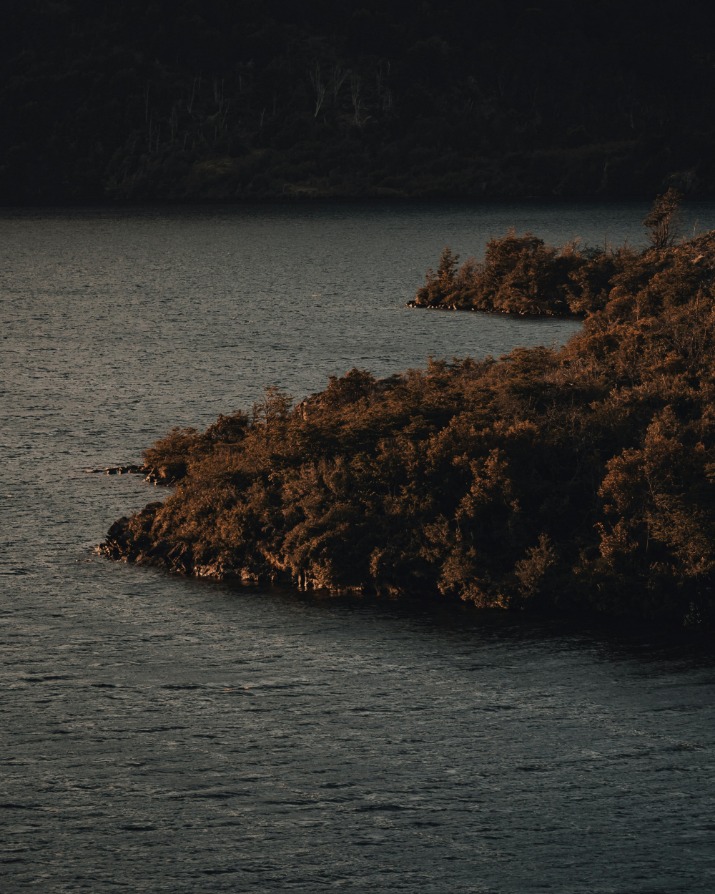
Geographical Overview of Algeria
Algeria, located in the northern region of Africa, is the largest country on the continent and boasts a diverse geographical landscape. It is bordered by the Mediterranean Sea to the north, Tunisia, Libya, Niger, Mali, Mauritania, Western Sahara, and Morocco. The country features a mixture of coastlines, vast deserts like the Sahara, fertile plains, and mountain ranges such as the Atlas Mountains. This diverse geography significantly influences Algeria’s climate, ecosystems, and cultural diversity, making it a fascinating subject for map-based exploration and study.
Location and Boundaries
Algeria is a vast country located in North Africa, positioned along the Mediterranean coastline. It is the largest country in Africa by land area, bordered to the northeast by Tunisia and Libya, to the east by Niger, to the southwest by Mali, Mauritania, and Western Sahara, to the southwest by Morocco, and to the north by the Mediterranean Sea. The country’s strategic location connects Africa with Europe and the Middle East, making its geographical boundaries significant for regional influence. Its diverse landscape includes coastal plains, high plateaus, and the expansive Sahara Desert, which covers a large part of its territory. Algeria’s geographical overview highlights its importance as a key nation in the Maghreb region with a strategic position on the map of Africa and the Mediterranean basin.
Size and Area
Algeria is the largest country in Africa, covering a vast area that spans approximately 2.38 million square kilometers. Located in the north of the continent, it shares borders with Tunisia, Libya, Niger, Mali, Mauritania, Western Sahara, and Morocco. The country features a diverse geographical landscape that includes the vast Sahara Desert in the south, the fertile plains and mountains in the north, and a Mediterranean coastline. Its extensive size makes Algeria a key country in North Africa, with a geographical profile that influences its climate, ecosystems, and economic activities. The sheer scale of Algeria’s territory is significant in understanding its regional importance and geographical features.”
Bordering Countries
Algeria is a vast country located in North Africa, characterized by diverse geographical features that include the Sahara Desert in the south and the TellAtlas mountains along the northern coast. Its expansive territory covers approximately 2.38 million square kilometers, making it the largest country in Africa and the tenth largest in the world. Algeria’s varied landscape includes mountains, plains, and deserts, supporting a wide range of flora and fauna. The country’s climate varies from Mediterranean along the coast to arid in the interior and southern regions, influencing its agricultural and cultural practices.
Algeria shares borders with several neighboring countries. To the northeast, it borders Tunisia; to the east, Libya; to the southeast, Niger; to the southwest, Mali and Mauritania; to the west, Western Sahara; and to the northwest, Morocco. These borders define Algeria’s geographical position in the Maghreb region of North Africa and play a significant role in its regional relations and trade routes. Its strategic location connects the Mediterranean Sea with the rest of Africa, making it a key player in regional geopolitics and economic activities.
Geographical Features
Algeria, located in North Africa, is the largest country on the continent, covering an area of approximately 2.38 million square kilometers. Its diverse geographical features include vast deserts, mountainous regions, and fertile plains, making it a land of striking contrasts. The country’s location offers a mix of Mediterranean coastline and extensive inland deserts, which significantly influence its climate and ecology.
- The Sahara Desert dominates the southern part of Algeria, forming a vast arid region with towering dunes and unique desert landscapes.
- The Atlas Mountains stretch across the northern part of the country, featuring rugged peaks and deep valleys that are vital to Algeria’s biodiversity.
- The Tell Atlas, along the coast, provides fertile plains and is the main agricultural region, supporting much of the population.
- The coastal area along the Mediterranean Sea is characterized by beaches, ports, and a mild climate conducive to tourism and trade.
- The high plateau region, situated between the Tell Atlas and the Sahara, features semi-arid conditions and plays a crucial role in the country’s water resources.
Major Rivers and Lakes
Algeria, located in North Africa, is the largest country on the continent, characterized by diverse geographical features including vast deserts, mountains, and fertile plains. Its extensive landmass spans from the Mediterranean coast in the north to the Sahara Desert in the south, offering a wide range of climatic and ecological zones.
Major rivers in Algeria include the Chelif River, which is the longest and runs through the northern plains, providing vital water resources for agriculture and settlements. Other significant rivers include the Seybouse, Medjerda, and Boudouaou, mainly flowing through the northern regions and contributing to local ecosystems and agriculture.
Algeria’s lakes are primarily found in the northern part of the country, with notable ones like the Koudiat Acerdoune Lake and the Bimar Lake. Additionally, the country has several artificial lakes and reservoirs created for irrigation, hydroelectric power, and water supply. Large salt lakes and dry lake beds, such as the Chott Melrhir, are also present in the desert regions, contributing to the unique geographical landscape of Algeria.
Topographical Features
Algeria, a vast country in North Africa, is characterized by diverse topographical features that shape its landscape and influence its climate, culture, and economy. From its expansive deserts to lush coastal plains and rugged mountains, understanding Algeria’s topography provides valuable insight into the country’s geographic identity. Exploring these features on a map reveals the remarkable variety of terrains that define Algeria’s natural environment.
Mountain Ranges
Algeria is characterized by diverse topographical features, with the most prominent being its expansive mountain ranges. These ranges play a significant role in shaping the country’s landscape and climate.
The Atlas Mountains run across northern Algeria, forming a natural barrier between the coastal plains and the interior deserts. These mountains include several subranges such as the Tell Atlas, which closely follows the Mediterranean coastline, and the Saharan Atlas, situated further south. The Tell Atlas is known for its rugged terrain and fertile valleys, supporting agriculture and dense settlements.
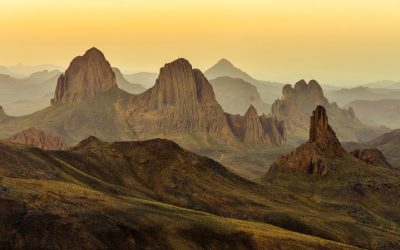
Further south, the Saharan Atlas extends into the Sahara Desert, featuring limestone plateaus and mountain peaks that reach high elevations, creating a contrast between lush northern regions and arid southern zones. The Ahaggar Mountains, also called the Hoggar, are located in the central Sahara and are notable for the volcanic peaks like Mount Tahat, the highest point in Algeria, rising to over 3,700 meters.
Another significant range is the Tassili n’Ajjer, a massif famous for its prehistoric rock art and unique sandstone formations, situated in southeastern Algeria. These mountain ranges contribute to the varied climate zones, from Mediterranean in the north to desert conditions in the south, influencing agriculture, water resources, and settlement patterns across Algeria.
Desert Regions
Algeria’s desert regions are characterized by vast, arid landscapes dominated by the Sahara Desert, which covers more than four-fifths of the country’s territory. These areas feature expansive sand dunes, such as the Grand Erg, and barren plateaus known as hamadas, creating a stark and mesmerizing topography. The terrain varies from flat plains to rugged mountains, including the Ahaggar and Tassili n’Ajjer ranges, which rise dramatically above the desert floor. These mountain formations often contain unique rock formations, deep gorges, and ancient rock art, adding to the geological diversity of Algeria’s desert landscape. The topographical features influence the climate, vegetation, and human settlement patterns within these regions, making them a vital aspect of Algeria’s physical geography on the map.
Coastal Plains
Algeria, located in North Africa, features a diverse topography that includes rugged mountains, vast plains, and extensive coastal regions. The coastal plains along the Mediterranean Sea are characterized by flat, fertile land that supports agriculture and urban development. These plains are relatively narrow but provide vital access to ports and coastal cities, forming a significant part of Algeria’s economic and cultural landscape. Running parallel to the coast, the coastal plains are bordered by the higher elevations of the Tell Atlas mountain range, creating a striking contrast between the low-lying plains and the rugged mountains behind them. This region plays a crucial role in the nation’s climate, agriculture, and settlement patterns, making it an important geographical feature in Algeria’s map.
Plateaus and Highlands
Algeria’s topographical features are characterized by vast plateaus and highlands that dominate much of the landscape. The country features a diverse terrain with the Sahara Desert in the south, which transitions into extensive highlands in the north. The Tell Atlas mountain range runs parallel to the Mediterranean coast, forming a prominent highland region with rugged terrain and fertile valleys. Central to Algeria are the Hauts Plateaux, a semi-arid plateau characterized by undulating plains and isolated hills. These highlands serve as a natural barrier and play a significant role in the climate and agriculture of the region. The distinct topographical features create a varied environment that influences the country’s climate, biodiversity, and settlement patterns.
Divisions of Algeria on the Map
Algeria, the largest country in Africa, is divided into several administrative regions known as divisions or provinces. These divisions are spread across the country’s diverse landscapes, from the coastal plains to the vast Sahara Desert. Understanding the map of Algeria and its divisions provides valuable insight into the country’s geographic and administrative organization.
Provinces (Wilayas)
Algeria is divided into several administrative regions called provinces, or “Wilayas,” which are displayed on the map of the country. Each Wilaya serves as a distinct territorial unit with its own local government and administrative structure. The map of Algeria clearly shows these divisions, highlighting the diverse regions across the northern, coastal, and desert areas. Notable Wilayas include Algiers, Oran, Constantine, Annaba, and Tamanrasset, among others. These divisions facilitate regional governance, resource management, and cultural identification within the country.
Major Cities and Urban Areas
Algeria is divided into several administrative regions that are highlighted on maps, showcasing its geographical and administrative structure. Understanding these divisions helps in identifying major cities and urban areas across the country.
- Algeria is divided into 58 provinces, known as “wilayas,” each administratively managed and identifiable on the map.
- The provinces are further subdivided into districts and municipalities, which include various major cities and towns.
- Major urban areas are mainly concentrated in the coastal regions and around the capital city, Algiers.
- Algiers: The capital and largest city, known for its economic, political, and cultural significance.
- Oran: A major port city located on the northwest coast, famous for its vibrant cultural scene.
- Constantine: An important historical city situated in eastern Algeria, known for its bridges and Roman heritage.
- Annaba: A vital industrial city in the northeast, with a prominent port and Mediterranean coastline.
- Skikda: An industrial hub and port city along the northeastern coast of Algeria.
- Setif: A key city located in the eastern region, known for its historical sites and agricultural importance.
- Batna: Situated in the northeastern mountains, serving as a regional center with historical significance.
Regional Map Variations
Algeria is divided into several administrative regions that are commonly represented on maps to illustrate the country’s geographic and political boundaries. These divisions include provinces, known as “wilayas,” which are further subdivided into districts and communes. On regional maps, each Wilaya is usually marked with distinct borders to highlight the administrative boundaries and facilitate navigation or geographic understanding of Algeria’s varied landscape.
Map variations may showcase different levels of detail or focus on specific regions such as the northern coast, the Sahara desert in the south, or the mountainous areas. These regional map variations help emphasize cultural, linguistic, and geographic differences across areas. For example, maps might highlight major cities like Algiers, Oran, and Constantine or illustrate features like mountain ranges and deserts to give a comprehensive view of Algeria’s diverse terrain.
Historical and Political Map Features
Algeria’s historical and political map features provide a detailed overview of the country’s territorial evolution, administrative divisions, and key geographic landmarks. These maps help illustrate the changes in borders over time, reflecting periods of colonial influence, independence, and modern governance. Understanding these features offers valuable insights into Algeria’s national identity, regional relationships, and historical significance within the North African region.
Colonial Boundaries and Changes
Algeria’s historical and political map features reflect a rich history shaped by various colonial boundaries and territorial changes over time. Historically, the region was influenced by the Ottoman Empire and later became a French colony in the 19th century, with colonial boundaries carving up the land into territories that often disregarded indigenous divisions. These colonial borders significantly impacted the political landscape, culminating in the country’s independence in 1962. Following independence, Algeria’s boundary adjustments have largely been stable, but some border regions have experienced further delineation and changes driven by political decisions and regional dynamics.
Language plays a crucial role in Algeria’s identity and has evolved through its history. While Arabic is the official language and widely spoken across the nation, French remained an important linguistic marker from the colonial period and continues to be used extensively in education, government, and media. The Berber languages also hold official status and are spoken in various regions, highlighting the country’s diverse cultural tapestry. Changes in language policies and the recognition of multiple languages reflect Algeria’s ongoing efforts to preserve its heritage while navigating its colonial past and modern identities.
Current Administrative Divisions
Algeria’s historical and political map features reflect its rich history and diverse cultural landscape. The country’s history is marked by ancient Berber kingdoms, Arab conquests, Ottoman rule, and French colonization, all of which have influenced its geographic boundaries and regional distinctions. Geographically, Algeria is characterized by vast Sahara desert regions in the south, the Tell Atlas and Saharan Atlas mountain ranges, and fertile coastal plains along the Mediterranean Sea. These features have historically shaped settlement patterns and regional identities.
Current administrative divisions in Algeria consist of 58 provinces, known as “wilayas,” each governed by elected assemblies. These wilayas are further divided into districts and municipalities. The capital city, Algiers, functions as both a political and economic hub, situated along the Mediterranean coast. The administrative framework is designed to manage the country’s diverse regions, from urban centers to remote desert areas, reflecting ongoing efforts to promote regional development and governance.
Historical Sites and Regions
Algeria, located in North Africa, is characterized by diverse historical and political map features that reflect its rich heritage and complex history. Its boundaries have evolved through various periods, incorporating regions from different eras of indigenous, Roman, Ottoman, and colonial influences. Key historical sites such as the ancient city of Timgad, the Roman ruins of Djemila, and the historic Kasbah of Algiers highlight the country’s diverse cultural past. The regions of Algerian Sahara, Kabylie, and Tell Atlas mountains each hold unique historical significance and contribute to the country’s geographic diversity. Political boundaries within Algeria also illustrate its modern administrative divisions, including provinces, districts, and municipalities, which have been shaped by historical events and political developments over time.
Map Resources and Use
Map resources play a vital role in understanding the geographical and social landscape of regions around the world. They serve as essential tools for navigation, education, planning, and analysis. In the context of Algeria, maps are particularly useful for exploring the diverse terrains, cities, and cultural sites, providing valuable insights into the country’s physical features and geographical distribution. Whether for academic research, travel planning, or strategic development, map resources greatly enhance the comprehension of Algeria’s spatial arrangements.
Physical Map
Map resources and their use are essential tools for understanding the geographic features and locations within Algeria. They provide detailed information about countries, cities, rivers, mountains, and other physical features, making them invaluable for educational, navigational, and planning purposes. Physical maps specifically illustrate the natural landscape of Algeria, highlighting mountains like the Atlas Range, deserts such as the Sahara, and major rivers like the Chelif River. These maps help users visualize the terrain and understand the geographical diversity of Algeria, emphasizing the contrast between its lush coastal areas and vast arid deserts.
Political Map
Algeria’s map resources and their uses provide essential information for understanding the country’s geography, political boundaries, and natural features. Political maps of Algeria are particularly important for recognizing the divisions within the country, such as provinces and capital cities, which are vital for administrative and governance purposes.
Algeria’s political map highlights key regions, including the capital city Algiers, along with other major cities like Oran, Constantine, and Annaba. These maps help in identifying territorial boundaries, regional distinctions, and important infrastructural connections across the nation.
Resources on the map of Algeria include information about physical features such as the Sahara Desert, the Atlas Mountains, and significant water bodies like the Mediterranean Sea bordering the northern coast. These geographic features influence development, climate, and resource distribution within the country.
Uses of Algeria’s map resources and political maps encompass navigation, planning of transportation routes, educational purposes, and strategic planning for economic activities like agriculture, mining, and tourism. They are essential tools for government officials, travelers, researchers, and businesses operating within or interested in Algeria.
- Understanding regional boundaries and governance structures.
- Locating natural resources and geographical features.
- Planning travel routes and transportation infrastructure.
- Facilitating educational and research activities.
- Supporting economic development and strategic planning.
Tourist and Destination Maps
Map resources play a vital role in helping travelers explore Algeria, offering detailed visual representations of its diverse regions, cities, and landmarks. These maps serve as essential tools for navigation and planning, ensuring visitors can efficiently locate attractions and understand the geographical layout of the country. Tourist and destination maps specifically highlight points of interest, historical sites, natural wonders, and popular cities, making them invaluable for travelers seeking to maximize their experience in Algeria. Using these maps, tourists can easily identify which areas to visit, plan routes, and discover hidden gems across the expansive and varied landscapes of Algeria, from the Sahara Desert to Mediterranean coastlines and ancient ruins.
Digital and Interactive Maps
Map resources and their usage have become essential tools for understanding and exploring Algeria’s diverse geography and cultural landscape. Digital and interactive maps offer dynamic ways to visualize the country’s vast Sahara Desert, Mediterranean coastline, and mountainous regions, facilitating navigation, research, and education. These maps provide users with detailed information about cities, landmarks, transportation networks, and natural features, making exploration more accessible and engaging.
Interactive maps allow users to zoom in on specific areas, access historical layers, and even view real-time data such as weather conditions or traffic updates across Algeria. They serve as valuable resources for travelers, students, policymakers, and business stakeholders interested in the country’s regional divisions, resource distribution, and infrastructure development. As technology advances, digital mapping continues to improve, offering more precise, user-friendly, and resource-rich tools to better understand Algeria’s complex geography and support sustainable development and tourism initiatives.


0 Comments