
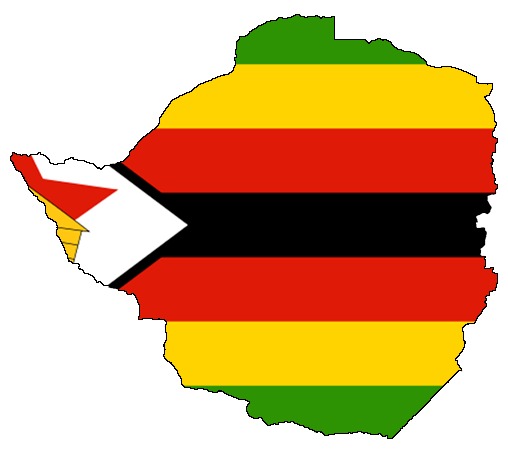
Population Size and Growth Trends
Population size and growth trends are vital components in understanding the demographics of Zimbabwe. These patterns influence the country’s economic development, resource allocation, and social services. Analyzing how the population has changed over time provides insights into future challenges and opportunities for sustainable growth.
Current Population Statistics
The population of Zimbabwe continues to evolve, reflecting both growth trends and demographic shifts that impact the country’s social and economic landscape. As of the latest statistics, Zimbabwe’s total population is approximately 15.6 million people. The population has been steadily increasing over the past decades, driven by natural growth rates, although recent periods have seen a slight slowdown in growth due to socio-economic challenges and changing fertility patterns.
Current population growth trends indicate a decreasing fertility rate, with women having fewer children compared to previous generations. The annual growth rate stands at around 1.2%, which is lower than the historical averages. Urban areas like Harare and Bulawayo are experiencing more rapid growth, fueled by rural-to-urban migration and economic opportunities in cities.
Demographic data highlight a youthful population, with a significant proportion under the age of 15, which poses both opportunities and challenges for future development. The population distribution and growth trends are crucial for planning in sectors such as healthcare, education, and infrastructure development in Zimbabwe.
Historical Population Trends
The demographics of Zimbabwe reveal significant insights into its population size and growth trends over the years. The country has experienced periods of rapid population growth, influenced by factors such as birth rates, mortality rates, and migration patterns. Historically, Zimbabwe’s population has expanded steadily since independence, driven by high fertility rates and improving healthcare. However, in recent decades, growth rates have slowed due to economic challenges, changing societal norms, and health crises such as HIV/AIDS. As of the latest estimates, Zimbabwe’s population is approximately 15 million, with a growth rate that has declined compared to past decades. These demographic trends are crucial for planning resources, development policies, and understanding the social dynamics within the country. The historical population trend shows an initial rapid increase in the mid-20th century, followed by a gradual slowdown, reflecting broader regional and global demographic shifts. This evolving demographic landscape continues to shape Zimbabwe’s socio-economic development and future prospects.
Factors Influencing Population Growth
Zimbabwe’s population size and growth trends are shaped by a combination of historical, social, and economic factors. Over recent decades, the country has experienced fluctuations in population growth due to various influences such as migration, health challenges, and fertility rates. Understanding these dynamics is essential for planning and development efforts.
Factors influencing population growth in Zimbabwe include fertility rates, mortality rates, and migration patterns. High fertility rates contribute to natural population increase, although these have been declining in recent years due to changing social norms and access to family planning. Mortality rates, especially among infants and due to HIV/AIDS, have significantly impacted population dynamics. Migration, both internal and external, also affects the population size, with some regions experiencing rural-to-urban migration and others facing emigration due to economic instability.
Overall, Zimbabwe’s population growth has been modest and somewhat volatile, reflecting the interplay of health crises, economic conditions, and government policies. Monitoring these trends is crucial for addressing demographic challenges and optimizing resource allocation to support sustainable development.
Age Distribution and Population Structure
The age distribution and population structure of Zimbabwe provide valuable insights into the demographic composition and potential future trends of the country. Understanding these patterns helps in analyzing workforce dynamics, social services needs, and economic development. Examining the distribution across various age groups reveals how the population is changing over time and highlights demographic challenges and opportunities faced by Zimbabwe.
Median Age of the Population
The age distribution and population structure of Zimbabwe provide important insights into the country’s demographic trends and social dynamics. Zimbabwe’s population is characterized by a relatively young median age, reflecting high birth rates and a youthful population. This younger age structure indicates a significant proportion of the population is under the age of 15, which has implications for education, healthcare, and economic development. Over time, shifts in age distribution may influence workforce composition and social services. The median age of the population in Zimbabwe is estimated to be around 18 to 20 years, highlighting the predominance of a young population with potential for growth and change in the coming decades.
Age Group Distribution
Zimbabwe’s age distribution and population structure reveal important insights into its demographic trends and socio-economic development. The country has a relatively young population, with a significant proportion of its citizens under the age of 15. This youthful demographic is indicative of high birth rates and ongoing population growth. As age groups progress, there is a noticeable decline in population numbers, with fewer individuals in the older age brackets, reflecting lower life expectancy and health challenges faced in the country.
The age group distribution shows that children and adolescents make up a large segment of the population, often exceeding 40%. The working-age population, roughly between 15 and 64 years, constitutes a substantial but gradually decreasing share, which presents both opportunities and challenges for economic development. The elderly population, those aged 65 and above, remains comparatively small but is expected to grow as healthcare services improve and longevity increases. Analyzing these age dynamics is crucial for planning education, healthcare, and social services in Zimbabwe to support its future growth and stability.
Youth and Elderly Population Ratios
The population structure of Zimbabwe exhibits a youthful demographic profile, with a significant portion of the population composed of young individuals under the age of 15. This high youth population contributes to a broad base in the age distribution, indicating a high birth rate and relatively high fertility rates in recent decades. The proportion of elderly residents, however, remains comparatively low, reflecting lower life expectancy and healthcare challenges faced by the country. The youth-to-elderly ratio suggests a population that is predominantly young, which has implications for education, employment, and social services. As the population ages over time, Zimbabwe may experience shifts in its demographic landscape, impacting economic growth and social planning.”
Ethnic Composition
The ethnic composition of Zimbabwe reflects a rich tapestry of cultures and histories that have shaped the nation over centuries. It is characterized by a diverse mix of ethnic groups, each contributing uniquely to the country’s social and cultural landscape. Understanding this demographic makeup provides valuable insights into Zimbabwe’s identity and societal dynamics.
Major Ethnic Groups
Zimbabwe’s ethnic composition is diverse, reflecting a rich cultural history. The major ethnic groups in the country include the Shona, Ndebele, and smaller populations of other ethnicities. The Shona people constitute the largest ethnic group, making up the majority of the population and primarily inhabiting the central and northern regions of Zimbabwe. The Ndebele community is the second largest, predominantly residing in the southwestern parts of the country and known for their distinct language and cultural practices. Apart from these primary groups, Zimbabwe is home to various minority communities, including the Tonga, Venda, and various other smaller ethnic groups, each contributing to the nation’s vibrant cultural tapestry. Overall, the ethnic landscape of Zimbabwe is characterized by a harmonious coexistence of these diverse groups, which significantly influence the nation’s social and cultural identity.
Distribution of Ethnic Communities
Zimbabwe is a diverse country with a rich tapestry of ethnic communities, each contributing to the nation’s cultural heritage. The majority ethnic group is the Shona, making up approximately 70-80% of the population, primarily residing in the central and southern regions. The Ndebele, the second largest group, comprise around 15-20% of the population and are mainly found in the southwestern parts of the country. Other significant ethnic communities include the Tonga and the Chewa, who inhabit the northern and eastern regions. There are also smaller groups such as the Venda, Kalanga, and various European and Asian descendants, reflecting historical interactions and migrations. The distribution of these communities is largely influenced by historical migration patterns, colonial borders, and economic opportunities, creating a multicultural society with distinct regional identities.
Cultural and Linguistic Diversity
Zimbabwe is a country characterized by a rich tapestry of ethnic, cultural, and linguistic diversity. The population primarily comprises several ethnic groups, with the Shona and Ndebele being the largest. The Shona people make up a significant portion of the population, predominantly residing in the eastern and central regions, while the Ndebele are mainly found in the southwestern parts of the country. In addition to these major groups, Zimbabwe is home to smaller communities such as the Tonga, Chewa, and many other indigenous groups, each contributing to the nation’s cultural mosaic.
Culturally, Zimbabwe boasts a vibrant heritage reflected in its traditional music, dance, art, and customs. Ancestor worship and religious practices are integral to many communities, preserving centuries-old traditions. The country also celebrates numerous festivals and events that highlight its diverse cultural expressions, fostering a sense of unity and identity among its people.
Linguistically, Zimbabwe recognizes multiple languages, with English serving as the official language used in government, education, and media. However, Shona and Ndebele are widely spoken as first languages and are used in everyday communication across different regions. The coexistence of these languages underscores the country’s commitment to preserving its indigenous languages while embracing global languages, creating a multilingual environment that enriches Zimbabwe’s cultural landscape.
Religious Demographics
Understanding the religious demographics of Zimbabwe provides valuable insight into the cultural and social fabric of the nation. Zimbabwe is home to a diverse array of religious beliefs and practices, with Christianity being the most widely followed religion. Indigenous faiths also play a significant role in the lives of many Zimbabweans, reflecting the country’s rich spiritual heritage. This overview highlights the main religious groups and their influence on Zimbabwean society.
Predominant Religions
Zimbabwe is a diverse country with a rich tapestry of religious beliefs and practices. The majority of the population adheres to Christianity, which has a significant presence across the nation. Within Christianity, various denominations such as Protestant, Roman Catholic, Anglican, Methodist, Lutheran, and Pentecostal churches are widely practiced. Christianity was introduced during colonial times and continues to influence cultural and social life in Zimbabwe.
In addition to Christianity, indigenous African traditional religions are also practiced by a notable portion of the population. These religions often involve rituals, ceremonies, and beliefs centered around ancestors, spirits, and formless deities. Though these traditional practices coexist with Christianity, they hold cultural significance for many Zimbabweans.
Islam represents a smaller but growing segment of the population, mainly among urban communities and immigrant groups. There are also smaller communities of Hindus and Buddhists, primarily due to expatriate populations and conversions.
Overall, Zimbabwe’s religious landscape is characterized by religious tolerance and syncretism, reflecting the country’s diverse cultural heritage and history.
Religious Minorities
Zimbabwe is a country with a rich and diverse religious landscape, reflecting the country’s complex history and cultural influences. The majority of the population adheres to Christianity, with Protestant denominations being predominant, alongside Roman Catholic communities. Traditional indigenous beliefs also play a significant role in the spiritual lives of many Zimbabweans, often coexisting with Christian practices. While religious minorities are present, they generally constitute smaller portions of the population, including followers of Islam, Hinduism, and other minority faiths. Despite the dominance of Christianity, Zimbabwe maintains a degree of religious tolerance, allowing these minority groups to practice their faiths openly. The interplay of these various religious traditions contributes to the multicultural fabric of Zimbabwean society.
Religion and Cultural Practices
Zimbabwe is a country characterized by a diverse religious landscape that significantly influences its cultural practices. The majority of the population practices Christianity, predominantly Protestant denominations such as Methodism, Anglicanism, and Roman Catholicism, which have historically been introduced through colonial influence. Indigenous beliefs, including traditional African religions, also play a vital role, particularly among rural communities, where rituals, ceremonies, and ancestor reverence are integral to daily life. Islam is practiced by a smaller percentage of the population, mainly among some minority groups. Religious practices in Zimbabwe are deeply entwined with cultural traditions, influencing ceremonies, festivals, and social norms. These religious and cultural practices promote community cohesion and uphold values passed down through generations, shaping the nation’s identity and social fabric.
Urban and Rural Population Distribution
The distribution of urban and rural populations in Zimbabwe plays a significant role in shaping the country’s demographic landscape. Understanding how people are spread across cities, towns, and countryside provides insights into economic development, resource allocation, and social dynamics. This demographic pattern influences various aspects of national growth and governance, reflecting historical, cultural, and infrastructural factors unique to Zimbabwe.
Urbanization Rate
The demographics of Zimbabwe are characterized by a diverse distribution of urban and rural populations, reflecting its historical, economic, and social development. A significant portion of the population resides in rural areas, primarily engaged in agriculture and traditional livelihoods. Over the years, there has been a gradual shift towards urban areas due to factors such as better employment opportunities, education, and healthcare services. The urbanization rate in Zimbabwe has been increasing, indicating a continuous movement of people from rural regions to cities and towns. This trend presents both opportunities for economic growth and challenges related to infrastructure, housing, and service provision in urban centers.
Major Urban Centers
Zimbabwe exhibits a diverse distribution of population between urban and rural areas, with the majority of its inhabitants residing in rural regions. Historically, rural areas have been the backbone of the country’s agricultural sector, maintaining a way of life centered around farming and traditional practices. However, urbanization has been steadily increasing as people migrate to cities in search of better job opportunities and services.
Major urban centers in Zimbabwe include Harare, Bulawayo, Mutare, Gweru, and Kwekwe. Harare, the capital city, is the largest urban area and serves as the economic, political, and cultural hub of the country. Bulawayo, the second-largest city, is known for its industrial base and historical significance. These urban centers attract a significant portion of the population due to their infrastructure, amenities, and employment prospects, contrasting with the predominantly rural population that still constitutes a majority in the country.
Rural Population Characteristics
In Zimbabwe, the distribution of the population between urban and rural areas exhibits significant differences. A large proportion of the population resides in rural areas, with agriculture remaining the primary livelihood for many communities. Rural populations tend to have lower access to healthcare, education, and modern amenities, which affects overall quality of life. These communities often maintain traditional lifestyles, with extended family systems and reliance on subsistence farming. Despite urbanization trends, the rural demographic continues to be substantial, reflecting the country’s historical economic reliance on agriculture and the slower pace of urban development.
Geographical Distribution of Population
The geographical distribution of population plays a significant role in shaping the demographic profile of Zimbabwe. Understanding how people are spread across the country provides insights into settlement patterns, resource allocation, and regional development. This distribution is influenced by various factors such as climate, terrain, economic activities, and access to infrastructure, all of which contribute to the diverse demographic landscape observed within Zimbabwe’s borders.
Population Density by Region
The demographics of Zimbabwe reveal a diverse geographical distribution of population across its regions. Population density varies significantly, with urban areas like Harare and Bulawayo experiencing high concentrations of people, while rural regions such as Midlands and Masvingo tend to have lower densities. The Mashonaland region, particularly around Harare, is densely populated due to economic opportunities and infrastructure development. In contrast, the more remote and less accessible regions, including parts of Matabeleland, have sparser populations. Overall, Zimbabwe’s population is unevenly distributed, shaped by factors such as economic activity, land availability, and historical settlement patterns.
Key Demographic Zones
The demographic distribution of Zimbabwe reveals significant variations across different regions, influenced by factors such as climate, economic opportunities, and historical settlement patterns. The population is predominantly concentrated in the high-density regions surrounding the capital, Harare, and the suburban areas of Bulawayo, which serve as major urban and economic centers.
Key demographic zones in Zimbabwe include the Highveld, which covers much of the central plateau and hosts the majority of the population due to its favorable climate and fertile land. The Midlands and Mashonaland regions are densely populated, driven by agriculture and commerce. Conversely, the Lowveld, including areas around Masvingo and parts of Matebeleland, has a lower population density, with communities adapted to drier conditions and different economic activities such as cattle grazing and wildlife conservation.
Urban zones tend to have higher population densities compared to rural areas, which are often sparsely populated and engaged mainly in subsistence farming. The demographic distribution also reflects ethnic and cultural differences, with Shona-speaking people primarily populating the central and eastern regions, while Ndebele speakers are more concentrated in the southwest. Overall, Zimbabwe’s population distribution is shaped by a combination of natural geographic features and socio-economic factors.
Migration Patterns and Trends
The demographics of Zimbabwe are shaped significantly by its geographical distribution of population and migration patterns. The population distribution is uneven, with higher concentrations in certain regions, influenced by factors such as economic opportunities, environmental conditions, and historical settlement patterns.
Most of Zimbabwe’s population is concentrated in the high-density areas around the capital city, Harare, and the city of Bulawayo. These urban centers serve as economic and administrative hubs, attracting migrants from rural areas seeking employment and better living conditions. Rural populations are primarily engaged in agriculture and tend to be more dispersed across fertile regions such as the Midlands and Mashonaland provinces.
Migration patterns in Zimbabwe are characterized by rural-to-urban migration, driven by economic challenges and limited opportunities in rural areas. Additionally, there has been internal migration towards industrial and commercial centers, as well as outward migration due to economic instability, leading to significant Zimbabwean communities abroad, especially in South Africa, the United Kingdom, and neighboring countries.
- Rural-to-Urban Migration: A predominant trend driven by economic opportunities and social amenities in cities.
- Internal Migration: Movement within different provinces for work, education, or better living conditions.
- International Migration: Emigration due to economic hardship, political instability, and seeking employment abroad.
Overall, these migration patterns influence demographic trends such as population growth in urban areas, aging populations in rural regions, and the formation of diaspora communities. Understanding these dynamics is key to addressing Zimbabwe’s development challenges and planning for future demographic needs.


0 Comments