

Geography of Zimbabwe
Zimbabwe is a landlocked country located in southern Africa, characterized by diverse geographical features that include high plateaus, mountain ranges, and expansive savannas. The country’s terrain is predominantly elevated, with the eastern regions featuring the Eastern Highlands and the famous Great Zimbabwe ruins situated on the high plateau. Zimbabwe’s geography significantly influences its climate, agriculture, and biodiversity, making it a unique and vital part of the African continent.
Location and Coordinates
Zimbabwe is a landlocked country located in southern Africa. It shares borders with Zambia to the northwest, Mozambique to the northeast, South Africa to the south, and Botswana to the west. The country is situated approximately between latitudes 15° and 22° south and longitudes 25° and 34° east. Its geographic position places it within the tropical zone, with diverse landscapes that include highveld plateaus, grasslands, forests, and the famous Zambezi River valley. This strategic location contributes to Zimbabwe’s rich biodiversity and varied climate, making it an important region in southern Africa.
Land Area and Borders
Zimbabwe is a landlocked country located in southern Africa, known for its diverse geography and extensive natural features. It spans a notable land area that makes it one of the larger countries in the region, featuring varied terrains including highlands, plateaus, and river valleys.
- Land Area: Approximately 390,757 square kilometers (150,872 square miles).
- Borders:
- North: Mozambique
- East: Mozambique
- South: Botswana and South Africa
- West: Zambia
Climate and Weather Patterns
Zimbabwe is a landlocked country located in southern Africa, characterized by diverse geographical features including highlands, plateaus, and river valleys. The country’s topography is marked by the Eastern Highlands, which extend from the Mozambique border, and the Central Plateau that runs through much of the nation, supporting its agricultural activities. The terrain also includes the Zambezi River basin, where the famous Victoria Falls is situated, one of the world’s largest and most renowned waterfalls.
The climate of Zimbabwe varies from tropical to subtropical, influenced largely by elevation and geographical features. Generally, the country experiences distinct wet and dry seasons, with the rainy season occurring from November to March. The lowveld regions are typically hot and semi-arid, while the higher altitude areas, such as the Eastern Highlands, are cooler and receive more rainfall. Temperatures can range from about 10°C in the winter months to over 30°C during the summer in the low-lying areas. Rainfall patterns are crucial for agriculture, which is a key part of Zimbabwe’s economy, supporting crops like maize, tobacco, and cotton.
Weather patterns in Zimbabwe are influenced by the movement of the Intertropical Convergence Zone (ITCZ), bringing seasonal rains. The country occasionally experiences dry spells and droughts, especially during periods of El Niño. The overall climate fosters a range of ecosystems from lush forests and savannas to semi-desert areas, making Zimbabwe a country with rich natural diversity and significant ecological importance.

Major Natural Features
Zimbabwe is a landlocked country located in southern Africa, known for its diverse geography and rich natural features. The country is characterized by a mix of highlands, plateaus, and fertile valleys that shape its landscape.
One of the major natural features of Zimbabwe is the Great Zimbabwe Ruins, which are remnants of an ancient civilization and a UNESCO World Heritage Site. The country’s topography includes the Eastern Highlands, which form a natural border with Mozambique and are home to Zimbabwe’s highest peaks, such as Mount Nyangani. These highlands are crucial for the country’s water sources and biodiversity.
The Zambezi River is another significant natural feature, running along the country’s northern border and providing water for agriculture, hydroelectric power, and tourism activities. Victoria Falls, one of the world’s largest and most famous waterfalls, is situated on this river and attracts numerous visitors each year.
The country also features the Central Plateau, which covers much of Zimbabwe and is characterized by rolling hills and fertile lands suitable for farming. The Lowveld region in the north-east is hotter and includes savannahs and woodlands, supporting diverse wildlife and game reserves.
Zimbabwe’s natural features and varied geography make it a country of remarkable landscapes, ranging from mountainous regions and fertile plains to powerful rivers and waterfalls.
Political and Administrative Divisions
Zimbabwe is a country rich in history and diversity, divided into several political and administrative regions that facilitate governance and regional development. These divisions include provinces, districts, and local authorities, each playing a crucial role in administrating the nation effectively. Understanding Zimbabwe’s political and administrative structure provides insights into its governance system and regional organization.
Capital City
Zimbabwe is a country located in Southern Africa known for its diverse landscapes, rich history, and unique political structure. It is divided into several administrative regions that help organize governance and local administration. The country’s political and administrative divisions play a key role in its development and management.
Political and Administrative Divisions of Zimbabwe
- Zimbabwe is divided into ten provinces, each headed by a Provincial Governor appointed by the President.
- These provinces are Bulawayo, Harare, Manicaland, Mashonaland Central, Mashonaland East, Mashonaland West, Masvingo, Matabeleland North, Matabeleland South, and Midlands.
- Each province is further subdivided into districts, towns, and rural communities, facilitating local governance.
Capital City of Zimbabwe
The capital city of Zimbabwe is Harare. It is the largest city in the country and serves as the political, economic, and communications hub. Harare is also the main center for commerce, culture, and industry in Zimbabwe, making it a vital part of the nation’s identity.
Provinces and Districts
Zimbabwe is divided into various administrative regions that facilitate local governance and administrative functions. The country is structured into ten provinces, each serving as a primary administrative unit responsible for regional development and coordination.
These provinces are Bulawayo, Harare, Manicaland, Mashonaland Central, Mashonaland East, Mashonaland West, Masvingo, Matabeleland North, Matabeleland South, and Midlands. Each province is managed by a provincial governor appointed by the central government, and they oversee numerous districts within their borders.
The districts are the lower administrative units within each province. Zimbabwe has over 60 districts that facilitate the decentralization of government services and administration. Districts are further divided into wards and villages, enabling localized governance and community participation.
This structure ensures effective administration, resource distribution, and development at both regional and local levels, supporting Zimbabwe’s overall governance framework.
Government Structure
Zimbabwe is divided into several administrative and political regions that facilitate local governance and administrative functions. The country is structured into ten provinces, each headed by a Provincial Governor appointed by the central government. These provinces serve as the primary administrative units, coordinating local government activities and development programs. Within each province, there are multiple districts responsible for local administration, public services, and implementation of policies.
The government of Zimbabwe operates a mixed parliamentary-presidential system, with a President serving as both head of state and government. The executive branch includes the President, assisted by the Vice Presidents and Cabinet Ministers who oversee various government ministries such as health, education, and finance. The legislative power is vested in a bicameral Parliament consisting of the National Assembly and the Senate. The National Assembly members are elected directly by the people through general elections, while Senators are either appointed or elected through provincial councils.
Zimbabwe’s political framework is rooted in its constitution, which provides the legal foundation for governance, the rule of law, and the protection of citizens’ rights. The country also has a judiciary that interprets laws and ensures justice. Overall, the government structure aims to balance centralized authority with regional administration to promote stability and development across the nation.

Flag and Emblems
Zimbabwe is divided into 10 provinces, each governed by an appointed Provincial Governor. These provinces are further subdivided into districts, which serve as administrative units to facilitate local governance and service delivery. The country’s political structure is designed to promote national unity while allowing regional representation.
The national flag of Zimbabwe features seven even segments of alternating green, gold, red, and black, with a white triangle containing a red five-pointed star and a Zimbabwe Bird emblem. The green stripes symbolize the country’s agriculture and vegetation, gold represents mineral wealth, red reflects the struggles for independence, and black signifies the predominantly Black population. The white triangle stands for peace, and the bird is a symbol of the nation’s heritage and sovereignty.
Zimbabwe’s emblem features a shield supported by two Kudus (antelopes), topped with a soapstone Zimbabwe Bird. The shield carries symbols such as a pick and hammer, representing mining and industry, and includes a setting sun, which signifies hope and a bright future. The emblem highlights national identity, history, and the country’s aspirations for progress and stability.
Population and Demographics
Zimbabwe’s population and demographics provide a fascinating insight into the country’s cultural diversity, age distribution, and social structure. Understanding these aspects is essential for grasping the societal dynamics and developmental challenges faced by the nation. This fact file offers an overview of Zimbabwe’s population trends, ethnic composition, and demographic characteristics.
Total Population
Zimbabwe has a diverse population characterized by various ethnic groups, languages, and cultural heritages. The total population of Zimbabwe is estimated to be around 15.1 million people as of recent data, reflecting steady growth over the past decades.
- Zimbabwe’s population density is approximately 38 people per square kilometer, spread across urban and rural areas.
- The majority of the population is under 25 years old, indicating a youthful demographic.
- Urban centers such as Harare and Bulawayo contain the largest share of the population, while rural areas remain densely populated in some regions.
- Population growth rate is around 1.4% annually, influenced by factors such as birth rate, migration, and economic conditions.
Ethnic Groups
Zimbabwe is a country located in southern Africa with a diverse population and rich demographic composition. As of recent estimates, the population exceeds 14 million people, experiencing steady growth over the years. The country’s demographics are characterized by a young population, with a significant proportion under the age of 15, reflecting high birth rates and improving healthcare standards.
Ethnically, Zimbabwe is predominantly composed of the Shona and Ndebele groups, which together constitute the majority of the population. The Shona people are the largest ethnic group, primarily residing in the central and northern regions, while the Ndebele are mainly found in the southwestern parts of the country. There are also smaller communities of other ethnic groups such as the Tonga, Venda, and various minority groups, contributing to Zimbabwe’s cultural diversity.
Language-wise, the most widely spoken languages include Shona and Ndebele, both of which are official languages alongside English. English is used in government, education, and media, serving as a unifying language across different ethnic groups. The country’s ethnic diversity influences its cultural landscape, traditions, and social dynamics, making Zimbabwe a mosaic of different identities and heritage.
Languages Spoken
Zimbabwe has a diverse population characterized by various ethnic groups and a growing demographic profile. The total population is estimated to be over 14 million people, with a youthful demographic, where a significant percentage are under the age of 15. Urban areas like Harare and Bulawayo are bustling centers, but a large portion of the population still resides in rural regions, engaged primarily in agriculture and local trades.
The country is home to several ethnic groups, with the Shona and Ndebele being the largest. Other ethnic communities include the Tonga, Venda, and Chewa. These groups contribute to the rich cultural tapestry of Zimbabwe.
Languages spoken in Zimbabwe reflect its diverse heritage. The official languages are English, Shona, and Ndebele. English is widely used in government, business, and education, serving as a lingua franca. Shona and Ndebele are indigenous languages spoken predominantly in their respective regions, and they play a vital role in everyday communication and cultural expression across the country.
Religious Composition
Zimbabwe, a landlocked country in Southern Africa, has a diverse population characterized by a mix of ethnic groups and a range of religious beliefs. The total population is approximately 15 million people, with a relatively high population growth rate. The population is predominantly young, with a substantial portion under the age of 25, reflecting a youthful demographic trend.
The main ethnic group in Zimbabwe is the Shona, making up about 70% of the population. Other significant groups include the Ndebele, constituting around 20%, as well as smaller communities of Tonga, Venda, and Tsonga. The country’s population density varies across regions, with higher concentrations in urban centers like Harare and Bulawayo.
Religious composition in Zimbabwe is mainly Christian, with the majority of the population adhering to various Christian denominations, including Protestantism, Catholicism, and other evangelical churches. Estimates suggest that about 80% of Zimbabweans are Christian. There are also communities practicing traditional indigenous beliefs, often syncretized with Christianity, and a small Muslim minority. Religious diversity and the influence of traditional practices play a role in shaping Zimbabwe’s cultural landscape.
Economy of Zimbabwe
The economy of Zimbabwe is characterized by its diverse natural resources, agriculture, and mining sectors, which play crucial roles in the country’s development. Over the years, Zimbabwe has faced economic challenges such as inflation, currency instability, and unemployment, while also showcasing resilience through its rich mineral deposits and agricultural potential. Understanding the key aspects of Zimbabwe’s economy provides insight into its overall economic landscape and development prospects.
Main Industries
Zimbabwe’s economy is primarily based on agriculture, mining, and manufacturing industries. Agriculture plays a vital role, with the country producing tobacco, maize, cotton, and sugarcane, which are essential for both domestic consumption and exports. Mining is a significant sector as well, with Zimbabwe being rich in minerals such as platinum, gold, diamonds, and nickel, contributing substantially to foreign exchange earnings. The manufacturing industry includes food processing, textiles, steel production, and cement manufacturing, supporting local industries and employment. Despite economic challenges, these main industries continue to be the backbone of Zimbabwe’s economy, providing opportunities for growth and development.
Agriculture and Farming
Zimbabwe’s economy has historically relied heavily on its agricultural sector, which plays a crucial role in the country’s development and livelihood. Agriculture contributes significantly to employment, export revenue, and food security within Zimbabwe. The sector primarily focuses on crops such as maize, tobacco, cotton, and sugarcane, alongside livestock farming including cattle, goats, and pigs. Despite its potential, Zimbabwe’s agriculture faces challenges such as erratic weather patterns, outdated farming techniques, land reform issues, and limited access to modern technology and finance. The government has undertaken various initiatives to revitalize agriculture, including land redistribution programs and support for smallholder farmers. Overall, agriculture remains a vital component of Zimbabwe’s economy, with ongoing efforts to improve productivity and sustainability.
Mining Sector
Zimbabwe boasts a diverse economy with agriculture, mining, manufacturing, and services sectors contributing significantly to its GDP. The mining sector is particularly vital, providing a substantial portion of the country’s foreign currency earnings and employment opportunities. Key minerals mined include platinum, gold, diamonds, nickel, and coal, making Zimbabwe one of Africa’s top producers of these resources. The country has rich mineral deposits owing to its complex geology, attracting both local and international investors. Despite economic challenges such as inflation and currency instability, the mining industry remains a crucial driver of Zimbabwe’s economic development, with efforts ongoing to modernize and expand mining operations for sustainable growth.
Tourism Industry
Zimbabwe has a diverse economy that relies heavily on agriculture, mining, and tourism. The country is known for its rich natural resources and stunning landscapes, which attract many tourists yearly. Despite economic challenges, tourism remains a vital sector, generating significant revenue and employment opportunities.
- The tourism industry in Zimbabwe is centered around iconic attractions such as Victoria Falls, one of the largest and most famous waterfalls in the world.
- Africa’s Big Five safaris, including elephants, lions, leopards, rhinos, and buffalos, are popular in national parks like Hwange and Matobo.
- Tourism contributes approximately 10% to Zimbabwe’s Gross Domestic Product (GDP), reflecting its importance to the economy.
- Major sources of tourism include international visitors from the UK, South Africa, the USA, and Europe.
- Recent efforts to promote eco-tourism and adventure tourism have increased tourist arrivals.
- Challenges such as political instability, economic transients, and infrastructure issues have impacted growth in the tourism sector.
Culture and Society
Culture and society in Zimbabwe are rich and diverse, shaped by a long history of traditions, customs, and social values. The nation’s cultural practices reflect a blend of indigenous beliefs and influences from colonial history, creating a unique tapestry of social life. Understanding Zimbabwe’s culture provides insight into the community’s worldview, arts, languages, and social structures that define its national identity.
Traditional Customs and Practices
Zimbabwe is a country rich in cultural diversity, with traditional customs and practices that are deeply rooted in its history and society. The Shona and Ndebele ethnic groups are the largest communities, each contributing unique traditions and customs. These practices are evident in daily life, celebrations, and ceremonies that preserve the country’s cultural heritage. Festivals such as the Zimbabwe International Trade Fair and traditional events like the Mhande dance reflect the vibrant cultural expressions of its people.
Traditional customs in Zimbabwe include elaborate initiation ceremonies, like the Kuridza pipe, which mark important rites of passage such as coming of age and marriage. Music and dance are integral to cultural identity, and they often serve as a means of storytelling and preserving history. The use of traditional clothing, jewelry, and crafts also plays a vital role in cultural expression, showcasing intricate designs and symbolic meanings particular to each community.
Despite modern influences, many Zimbabweans continue to uphold their customs and practices, emphasizing community cohesion and respect for ancestral traditions. These practices foster a sense of identity and belonging among the people, and they remain a vital part of Zimbabwe’s social fabric. Preservation of traditional customs is supported by cultural festivals, national celebrations, and efforts by local communities to keep their heritage alive for future generations.
Music and Dance
Zimbabwe boasts a rich and diverse cultural heritage that deeply influences its society, music, and dance traditions. These cultural elements are integral to national identity and community life, reflecting the country’s history and indigenous customs. Music and dance serve as vital expressions of social values, historical narratives, and celebrations across different regions.
- Zimbabwe’s traditional music is characterized by the use of instruments such as the mbira (thumb piano), hosho (rattles), and drums, which produce rhythmic and melodic sounds unique to the Shona and Ndebele cultures.
- Popular dances include the Mbira dance, Jerusarema (a dance of the Zezuru people), and the Mbende Jerusarema, which combines music, dance, and storytelling, often performed during festivals and ceremonies.
- The culture emphasizes community participation, with music and dance playing a central role in rites of passage, religious rituals, and social gatherings.
- Zimbabwean music has gained international recognition through genres like Sungura, Chimurenga, and contemporary Afro-jazz, which blend traditional sounds with modern influences.
- Festivals such as the Harare International Festival of the Arts showcase Zimbabwe’s vibrant cultural scene, promoting local music and dance to a global audience.
Arts and Crafts
Zimbabwe boasts a rich cultural heritage that reflects its diverse history and traditions, deeply rooted in societal values, arts, and crafts. The country’s vibrant arts scene is renowned for various traditional and contemporary expressions, which play a crucial role in community life and national identity.
- Arts and Crafts: Zimbabwe is famous for its stone sculptures, particularly Shona sculpture, which gained international acclaim for its intricate craftsmanship and artistic expression. Other popular crafts include basket weaving, pottery, and beadwork, often used in traditional ceremonies and daily life.
- Traditional Music and Dance: Music is an integral part of Zimbabwean culture, with instruments like the mbira (thumb piano) and hosho (rattle) commonly used in storytelling and celebrations. Dance forms such as Mbira dance and Nhemamusasa are performed during significant events and festivals.
- Cultural Festivals: Zimbabwe hosts numerous festivals celebrating its heritage, including the Harare International Festival of the Arts (HIFA) and traditional ceremonies like the Museve and Chibhlos festivals, which showcase music, dance, and visual arts.
- Literature and Oral Traditions: The country has a vibrant oral storytelling tradition, complemented by written literature that explores themes of identity, history, and social issues through poets and writers like Dambudzo Marechera and Tsitsi Dangarembga.
Festivals and Celebrations
Zimbabwe boasts a vibrant and diverse culture deeply rooted in its history, traditions, and social practices. Its society is characterized by a harmonious blend of indigenous customs and modern influences, which can be seen in various aspects of daily life, including language, art, and community structure.
Festivals and celebrations play a significant role in Zimbabwean culture, offering a glimpse into the country’s rich heritage. One of the most important festivals is the Zimbabwe International Trade Fair, which promotes economic development and cultural exchange. Additionally, traditional events such as the Shona and Ndebele dances showcase music, storytelling, and elaborate attire that reflect their cultural identities.
National holidays like Independence Day on April 18th commemorate Zimbabwe’s liberation from colonial rule and are marked with parades, speeches, and communal festivities. Cultural celebrations often involve rituals, ceremonies, and gatherings that foster community spirit and preserve traditional practices for future generations. Overall, festivals and celebrations in Zimbabwe serve as vital expressions of cultural pride, unity, and social cohesion.
Education and Health
Education and health are essential pillars for the development and well-being of any nation. In Zimbabwe, these sectors play a crucial role in shaping the future of the country’s population. Access to quality education and healthcare services influences economic growth, social stability, and overall quality of life for its citizens. Understanding the state of these sectors provides valuable insights into Zimbabwe’s progress and ongoing challenges.
Educational System
Zimbabwe’s education and health systems are vital components of the country’s development. The educational system is structured to provide free primary education, which has contributed to high literacy rates, though challenges remain in access and quality at secondary and tertiary levels. The health system includes both public and private facilities, aiming to provide essential services to the population. Despite progress, Zimbabwe faces issues such as shortages of medical supplies, healthcare personnel, and infrastructure, which impact overall health outcomes. Efforts are ongoing to strengthen these systems and improve access and quality for all citizens.
Major Educational Institutions
Zimbabwe’s education and health sectors play a critical role in the nation’s development, with a focus on improving literacy rates and healthcare services for its population. The country has made significant progress in increasing access to primary and secondary education, and investments are ongoing to enhance higher education institutions. Healthcare services are provided through a network of clinics and hospitals, aiming to address both communicable and non-communicable diseases, despite facing challenges such as resource limitations.
Major educational institutions in Zimbabwe include the University of Zimbabwe, which is the country’s oldest and largest university offering a wide range of undergraduate and postgraduate programs. Other notable institutions include the National University of Science and Technology, Zimbabwe Open University, and Midlands State University. These institutions contribute to national development by producing skilled graduates in various fields.
In the health sector, key institutions include Parirenyatwa Group of Hospitals in Harare, the largest referral hospital in the country, and the Zimbabwe National Blood Service, which ensures blood supply across the nation. The government continues to work towards strengthening healthcare infrastructure and increasing coverage to improve health outcomes for all citizens.
Health Care System
Zimbabwe’s education and healthcare systems play vital roles in shaping the nation’s social development and overall well-being. The country has made significant efforts to improve access to quality education, with a literacy rate of over 90%. The education system comprises primary, secondary, and tertiary institutions, although resources and infrastructure in rural areas often face challenges. Healthcare in Zimbabwe is provided through a combination of government, private, and mission-based facilities. The country has made progress in combating infectious diseases like HIV/AIDS and malaria, but it continues to face obstacles such as limited healthcare funding, shortages of medical supplies, and a shortage of healthcare professionals. Despite these challenges, Zimbabwe remains committed to enhancing its health and education services to promote sustainable development and improve living standards for its citizens.
Health Challenges
Zimbabwe faces significant challenges in both education and health sectors, impacting the overall development of the country. Despite strides in expanding access to basic education, issues such as inadequate resources, teacher shortages, and outdated curricula hinder quality learning. In the health sector, Zimbabwe struggles with high disease burdens including HIV/AIDS, tuberculosis, and malaria, compounded by limited healthcare infrastructure and funding. These health challenges contribute to high mortality rates and hinder efforts to improve overall well-being. Addressing these issues requires comprehensive policies, increased investment, and international support to strengthen systems and ensure better health and education outcomes for all citizens.
Historical Overview
Zimbabwe, a landlocked country in Southern Africa, has a rich and complex history that has shaped its modern identity. From ancient civilizations to colonial rule and the fight for independence, Zimbabwe’s historical journey is marked by significant events and cultural evolution. This overview provides a glimpse into the key moments and developments that have defined Zimbabwe’s past.
Pre-Colonial Period
The Pre-Colonial Period in Zimbabwe marks a significant era characterized by the rise of advanced civilizations and rich cultural development long before European colonization. This period is notable for the emergence of powerful kingdoms and the development of socio-economic structures that shaped the nation’s history.
- The earliest inhabitants of Zimbabwe were Khoisan hunter-gatherers who lived in the region thousands of years ago.
- Between the 11th and 15th centuries, Great Zimbabwe, a majestic stone-city, was built by the Shona people, serving as the political and economic center of the kingdom.
- Great Zimbabwe became an important hub for trade, facilitating commerce with coastal regions, including India and the Arab world.
- During this period, the society was organized into clans and chieftaincies, with a ruler or king known as the “Mambo” or “Muloko.”
- The era saw significant advancements in architecture, with the construction of impressive stone enclosures, terraces, and other structures that still attract scholars today.
- The decline of Great Zimbabwe in the 15th century is attributed to environmental changes, internal conflicts, and the shifting of trade routes.
Colonial Era
The colonial era in Zimbabwe’s history significantly shaped the nation’s social, political, and economic landscape. During this period, the territory was known as Southern Rhodesia and was under British control, starting in the late 19th century. The arrival of European settlers led to the displacement of indigenous communities and the establishment of plantations, mines, and other colonial enterprises. The British South Africa Company, headed by Cecil Rhodes, exploited the land’s resources and imposed policies that marginalized local populations. Education, legal systems, and infrastructure were introduced, often favoring the colonial settlers and suppressing native traditions.
- The formal colonization of Zimbabwe began in 1890 with the arrival of Pioneer Column troops laying the groundwork for British control.
- In 1923, Southern Rhodesia became a self-governing British colony following the end of the Company’s administration.
- Initial policies favored European settlers, leading to land dispossession and economic disparities among different racial groups.
- The resistance movements, such as the First Chimurenga (1896-1897), emerged in response to colonial oppression and land alienation.
- Throughout the colonial era, racial segregation policies were strengthened, setting the stage for future conflicts and independence struggles.
- The setting for future liberation was laid, culminating in the fight for independence that would be achieved in 1965 with the unrecognized Rhodesian government, and later recognized in 1980 when Zimbabwe gained sovereignty.
Independence and Modern Era
Zimbabwe has a rich and complex history that spans thousands of years, beginning with ancient settlements and the development of sophisticated civilizations such as Great Zimbabwe, which served as a powerful trading empire during the 11th to 15th centuries. These early societies laid the groundwork for the cultural and architectural heritage of the nation. In the late 19th century, the area fell under British colonial rule, first controlled by the British South Africa Company and later formally administered as Southern Rhodesia. The struggle for independence intensified during the mid-20th century, culminating in the Lancaster House Agreement and the recognition of Zimbabwe as an independent nation in 1980. Since independence, Zimbabwe has experienced significant political, economic, and social changes, including periods of instability, land reforms, and efforts to rebuild its national identity. The modern era of Zimbabwe is marked by ongoing development challenges and a resilient population committed to progress and sovereignty.
Major Historical Events
Zimbabwe, located in southern Africa, has a rich and complex history that has shaped its current identity. The region was originally inhabited by ancient indigenous peoples, such as the Shona and Ndebele communities, who built impressive stone structures like Great Zimbabwe, a UNESCO World Heritage Site, around the 11th century. These structures reflect the advanced civilization that thrived there for centuries.
In the late 19th century, Zimbabwe came under British influence during the Scramble for Africa. The area was known as Southern Rhodesia, named after Cecil Rhodes, a British colonialist. The 1960s marked a period of struggle for independence, culminating in the country’s declaration of independence in 1965 by the white minority government, which was not internationally recognized. This led to a protracted guerrilla war, known as the Second Chimurenga or Zimbabwe War of Liberation, involving various nationalist movements such as ZANU and ZAPU.
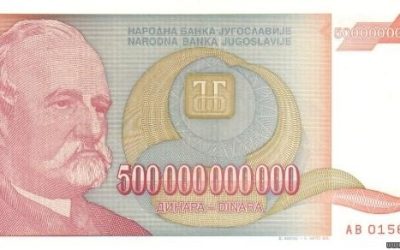
Zimbabwe officially gained recognized independence from Britain on April 18, 1980, with Robert Mugabe becoming the country’s first Prime Minister. The post-independence era was initially marked by efforts at national reconciliation, but later experienced challenges including economic decline, political unrest, and hyperinflation during the late 1990s and 2000s. Despite these struggles, Zimbabwe remains a country with a vibrant cultural heritage and significant historical sites that reflect its diverse past and resilience.

0 Comments