
Historical Background of the Zimbabwean Government
The Zimbabwean government has a complex history rooted in its colonial past and the struggle for independence. Originally a British colony known as Southern Rhodesia, the territory experienced significant political turmoil and resistance movements during the 20th century. This culminated in the country’s bold move toward independence in 1980, leading to the establishment of a new government system. Over the years, Zimbabwe’s political landscape has evolved through various phases of leadership, constitutional changes, and efforts to stabilize governance amid economic and social challenges.
Pre-Colonial Governance Structures
The historical background of the Zimbabwean government is deeply rooted in its pre-colonial governance structures, which laid the foundation for its political development. Before colonization, the region was characterized by sophisticated political systems operated by various ethnic groups, notably the Shona and Ndebele peoples. The Shona organized themselves into kingdoms and chiefdoms, with chiefs serving as local leaders responsible for governance, conflict resolution, and land management. These entities often interacted through alliances and warfare, shaping a complex political landscape.
The Ndebele, under King Mzilikazi, migrated from South Africa in the early 19th century and established a structured kingdom in what is now Zimbabwe. They developed centralized authority with a hierarchy of chiefs and a monarch who exercised significant control over military, political, and spiritual matters. These governance structures emphasized communal decision-making, kinship ties, and hereditary leadership, forming the basis of political organization in the region.
During the pre-colonial period, governance was largely decentralized but organized around kin-based systems, with local chiefs and elders playing crucial roles. These systems were often reinforced by traditional customs, rituals, and spiritual beliefs, which helped maintain social cohesion and authority. Such governance structures persisted until the arrival of European colonizers in the late 19th century, which dramatically altered the political landscape and led to the establishment of colonial administrations that influenced modern Zimbabwean government systems.
Colonial Era Administration
The historical background of the Zimbabwean government is deeply rooted in its colonial past, which significantly shaped its administrative structures and political framework. During the colonial era, Zimbabwe, then known as Southern Rhodesia, was administered by the British South Africa Company until 1923, after which it became a self-governing British colony. The colonial administration prioritized the settler minority’s economic and political interests, often marginalizing the native African population from governance and decision-making processes.
Colonial rule was characterized by institutionalized racial segregation, with policies that restricted land ownership, political participation, and civil rights for the indigenous people. The governance system was influenced by British colonial administrative practices, including the establishment of colonial councils and legislative councils that favored settler elites. Education, healthcare, and other public services were often accessible primarily to the white minority, further entrenching societal inequalities.
Throughout the colonial era, there was growing resistance among the native population against administrative policies that perpetuated inequality and disenfranchisement. This unrest eventually culminated in movements advocating for independence and self-rule. The colonial administration’s legacy continues to influence Zimbabwe’s post-independence government structure, with ongoing efforts to address inequalities rooted in this colonial past and to forge a national identity rooted in sovereignty and self-determination.
Post-Independence Political Developments
The government of Zimbabwe has undergone significant transformations since gaining independence in 1980. Initially led by Robert Mugabe, who became the first Prime Minister and later President, the nation sought to establish a self-governing and united identity after years of colonial rule under British administration. The post-independence period was marked by efforts to address economic challenges, land redistribution, and national sovereignty, which shaped the early political landscape.
In the years following independence, Zimbabwe experienced considerable political stability under Mugabe’s leadership, characterized by efforts to consolidate power and implement land reform policies aimed at redistributing land from white commercial farmers to indigenous Zimbabweans. However, this period also saw increasing political repression, violations of human rights, and disputes over electoral processes. The 1990s and early 2000s were particularly tumultuous, with economic decline, hyperinflation, and widespread violence during elections contributing to political instability.
Post-2000, Zimbabwe’s political scene was dominated by tensions between ZANU-PF, Mugabe’s party, and opposition movements such as the Movement for Democratic Change. The government faced international criticism for electoral malpractices and suppression of opposition voices. Despite these challenges, Mugabe remained in power until 2017, when a military intervention led to his resignation. Subsequently, Emmerson Mnangagwa took over as President, promising economic reform and political renewal, though the country continued to grapple with issues of governance, economic recovery, and political stability.
Political System and Structure
The political system and structure of Zimbabwe are characterized by a centralized government that combines elements of executive, legislative, and judicial authority. As a republic, Zimbabwe operates under a constitutional framework that defines the distribution of power among various branches of government. Understanding this structure provides insight into how the country’s leadership is organized and how governance processes are carried out within the nation.
Constitutional Framework
The government of Zimbabwe operates within a political system characterized by a unitary presidential republic structure. It combines democratic principles with a centralized authority, where the President serves as both the head of state and government, wielding significant executive power. The political framework is rooted in the constitution, guiding the functioning of various branches and ensuring the rule of law.
The Constitutional Framework of Zimbabwe is established by the Constitution of Zimbabwe, which delineates the separation of powers among the executive, legislative, and judiciary. The Constitution guarantees fundamental rights and freedoms, setting the legal foundation for governance. It also provides for a bicameral Parliament consisting of the Senate and the National Assembly, responsible for legislative functions and oversight. Amendments and legal reforms are enacted through the parliamentary process, reflecting changes in political priorities and societal needs.
Executive Branch
The government of Zimbabwe operates under a political system that combines aspects of a presidential republic with a parliamentary structure. The country is led by a President who serves as both head of state and head of government, wielding significant executive authority. The executive branch is responsible for implementing laws, overseeing the government’s daily operations, and shaping policies to address national issues.
The President of Zimbabwe is elected by popular vote and holds substantial powers, including appointing the Cabinet, issuing executive orders, and representing the nation internationally. The Cabinet, composed of ministers in charge of various government departments, assists the President in policy formulation and administration. The executive branch works closely with the legislative branch to ensure effective governance, although the President’s influence often dominates the political landscape.
Legislative Branch
The government of Zimbabwe operates under a political system that combines both presidential and parliamentary elements, providing a framework for governance and legislative authority.
The legislative branch in Zimbabwe is primarily composed of a bicameral Parliament, which consists of two houses: the Senate and the National Assembly. This structure is designed to represent the interests of diverse groups within the country and to facilitate the creation of laws that reflect the nation’s needs.
- The National Assembly is made up of members elected directly by the public through universal suffrage. These members represent various constituencies across Zimbabwe and serve a five-year term. The National Assembly primarily handles the drafting and passing of legislation, oversight of the executive branch, and budget approval.
- The Senate, on the other hand, includes members who are either appointed or elected through different electoral processes, with some seats reserved for traditional leaders and other designated groups. Senators serve a five-year term as well and provide additional scrutiny and review of legislative matters, serving as a revising chamber.
Overall, Zimbabwe’s legislative system plays a crucial role in shaping national policies, ensuring representation, and maintaining a system of checks and balances within the government framework.
Judicial System
The government of Zimbabwe operates under a republican system with a multi-party political framework, characterized by a presidential form of governance. The executive branch is headed by the President, who is both head of state and government, elected through a popular vote for a term of five years. The legislative authority is vested in a bicameral Parliament, comprising the Senate and the National Assembly, responsible for enacting laws and overseeing government functions.
The judicial system in Zimbabwe is independently structured to uphold the rule of law and human rights. It is composed of several levels, including the Supreme Court, which is the highest court of appeal, and the High Court, which handles more significant civil and criminal cases. Below these are regional and district courts that manage local judicial matters. The judiciary plays a crucial role in interpreting laws, ensuring justice, and protecting constitutional rights, operating under the constitution and legal statutes that guarantee its independence from other branches of government.
Major Political Parties
Major political parties in Zimbabwe play a vital role in shaping the country’s government and policy direction. These parties represent diverse ideologies and interests, contributing to Zimbabwe’s political landscape. Understanding their origins, goals, and influence is essential to comprehending how the nation is governed and how political power is distributed within the country.
ZANU-PF (Zimbabwe African National Union – Patriotic Front)
ZANU-PF, or the Zimbabwe African National Union – Patriotic Front, is the dominant political party in Zimbabwe and has played a central role in the country’s government since independence in 1980. The party was initially formed through the merger of two nationalist movements and has historically been associated with the liberation struggle against colonial rule. ZANU-PF’s policies focus on major issues such as land redistribution, economic development, and national sovereignty.
- Founded in 1963, ZANU-PF emerged as a key liberation movement fighting against white minority rule.
- The party’s leadership has included prominent figures like Robert Mugabe, who led Zimbabwe from independence until 2017.
- ZANU-PF has maintained control over Zimbabwe’s government through multiple elections, although these have often been subject to controversy and allegations of fraud.
- Its political platform emphasizes unity, sovereignty, and the empowerment of indigenous Zimbabweans, particularly through land reforms.
- In recent years, ZANU-PF has faced challenges related to economic crises, international sanctions, and calls for political reforms, yet it remains the ruling party.
As the main political force, ZANU-PF continues to shape Zimbabwe’s government policies and national direction, often influencing legislative decisions and government appointments in the country’s ongoing political landscape.
Other Political Entities
Zimbabwe’s political landscape is predominantly characterized by major political parties and other political entities that shape the governance and policy directions of the country. The dominant party, the Zimbabwe African National Union-Patriotic Front (ZANU-PF), has been in power for several decades, influencing national politics through its leadership and policies. The opposition, notably the Movement for Democratic Change (MDC), has played a significant role in challenging the ruling party and advocating for democratic reforms. In addition to these primary entities, Zimbabwe hosts several smaller political parties and independent groups that contribute to the diversity of political discourse, representing various ideologies and community interests. These entities participate in elections, public debate, and policymaking processes, reflecting the multifaceted nature of Zimbabwe’s governance system.
Government Policies and Economic Strategies
Government policies and economic strategies play a crucial role in shaping the development and stability of Zimbabwe. These approaches influence various sectors of the economy, including agriculture, industry, and services, while also addressing social issues and governance. Effective policies can promote growth, attract investment, and improve living standards, whereas poor strategies may lead to economic instability and social challenges. Understanding Zimbabwe’s government strategies provides insight into the country’s economic trajectory and future prospects.
Economic Reforms and Challenges
Government policies and economic strategies play a crucial role in shaping Zimbabwe’s economic landscape, especially in the context of ongoing reforms and challenges. The Zimbabwean government has implemented various policies aimed at stabilizing the economy, attracting investment, and promoting sustainable growth. These include efforts to control inflation, restructure public debt, and boost agricultural productivity. Economic reforms such as land redistribution, financial sector reforms, and improvements in governance are central to these strategies, seeking to address deep-rooted structural issues and enhance economic resilience.
However, Zimbabwe faces numerous challenges that hinder economic development. Persistent inflation, currency instability, limited access to foreign currency, and unemployment remain major hurdles. Additionally, political uncertainties, corruption, and underdeveloped infrastructure further complicate efforts to achieve long-term economic stability. Despite these obstacles, the government’s ongoing reforms and strategic initiatives aim to revitalize the economy, improve the business environment, and ensure social stability, creating a pathway towards sustainable growth and development for Zimbabwe.
Foreign Relations and Trade Policies
Zimbabwe’s government has implemented a range of policies aimed at fostering economic growth, strengthening foreign relations, and promoting international trade. These policies often focus on stabilizing the economy, attracting foreign investment, and expanding trade partnerships to facilitate development and address economic challenges.
In terms of economic strategies, Zimbabwe has pursued initiatives such as land reform programs, efforts to diversify the economy, and reforms to improve the business environment. The government has also sought to bolster key sectors like agriculture, mining, and manufacturing to sustain long-term growth and generate employment.
Foreign relations play a significant role in Zimbabwe’s policy framework, with the country engaging with regional organizations like the Southern African Development Community (SADC) and international partners to enhance cooperation and diplomatic ties. Zimbabwe aims to improve its image on the global stage, attract direct foreign investment, and secure aid and technical assistance.
Trade policies in Zimbabwe are centered on expanding export markets, reducing trade barriers, and fostering regional integration. The country actively participates in trade agreements and initiatives that promote access to neighboring markets, while also seeking to diversify its export commodities beyond traditional products like tobacco and minerals.
Land Reforms and Agricultural Policy
Government policies and economic strategies in Zimbabwe have historically played a crucial role in shaping the nation’s developmental trajectory, particularly in the areas of land reforms and agricultural policy. Land reforms have been a central focus, aimed at redistributing land from colonial estates to indigenous farmers to promote equity and boost agricultural productivity. These reforms often involved land expropriation and redistribution programs intended to empower local farmers and reduce colonial land monopolies. However, implementing these policies has faced challenges such as land tenure insecurity and resource limitations.
Agricultural policy in Zimbabwe has evolved to support smallholder farming and improve food security. Strategies include providing subsidies, extension services, and access to credit to small-scale farmers to enhance productivity and sustainability. The government has also sought to modernize agriculture through infrastructure development, irrigation projects, and crop diversification. These efforts aim to reduce reliance on maize and promote a more resilient agriculture sector capable of supporting economic stability and growth.
Overall, Zimbabwe’s government policies in land reform and agriculture reflect an attempt to address historical inequalities and foster economic development through fair land distribution and support for farmers. While progress has been made, ongoing reforms and policies continue to seek a balance between land redistribution, sustainable farming practices, and economic stability to secure the country’s future.
Human Rights and Governance Issues
Human rights and governance issues are crucial aspects that shape the stability and development of any nation. In the context of Zimbabwe, these concerns are particularly significant as they influence the country’s political landscape, societal progress, and the well-being of its citizens. Examining how government policies impact human rights and governance practices provides insight into the challenges and opportunities faced by Zimbabwe today.
Electoral Processes and Fairness
Human rights and governance issues in Zimbabwe have been a significant concern, especially in the context of electoral processes and fairness. The country has faced widespread reports of human rights abuses, including restrictions on freedom of speech, assembly, and political participation, which undermine democratic principles. Electoral processes in Zimbabwe have often been characterized by irregularities, alleged voter intimidation, and opaque vote counting, raising questions about the legitimacy of electoral outcomes. Efforts to strengthen electoral fairness are critical for fostering trust in government institutions and ensuring that leadership reflects the will of the people. Addressing these issues requires comprehensive reforms that promote transparency, accountability, and respect for human rights to build a more inclusive and democratic governance system in Zimbabwe.
Corruption and Transparency
Human rights and governance issues in Zimbabwe have been subjects of ongoing concern, highlighting the challenges faced by the country in establishing a transparent and accountable government. Corruption remains a significant obstacle, undermining public trust and hindering economic development. Transparency in government operations is often compromised, making it difficult for citizens to hold leaders accountable and ensure the fair distribution of resources. Efforts to improve governance and combat corruption are essential to promote human rights, strengthen democratic institutions, and foster sustainable growth in Zimbabwe. Addressing these issues requires strengthening legal frameworks, enhancing oversight mechanisms, and encouraging active civic participation to build a more just and equitable society.
Freedom of Expression and Civil Liberties
Human rights and governance issues remain a significant concern in Zimbabwe, particularly regarding freedom of expression and civil liberties. The government has been criticized for restricting media freedom, suppressing dissent, and limiting citizens’ ability to voice their opinions without fear of retaliation. Civil liberties such as the right to assemble, speak freely, and access information are often undermined through legislative measures and security force actions. Despite constitutional protections, enforcement frequently favors state interests over individual rights, leading to a challenging environment for activists, journalists, and ordinary citizens seeking to hold authorities accountable. Ensuring genuine respect for human rights and strengthening democratic governance are essential steps toward fostering a more open and just society in Zimbabwe.
Security and Defense
Security and defense are fundamental components of Zimbabwe’s national stability and sovereignty. The government continuously works to strengthen its military and law enforcement agencies to safeguard the nation’s sovereignty, protect its citizens, and promote peace within the region. Effective security and defense strategies are essential for maintaining order, preventing external threats, and supporting Zimbabwe’s development goals.
Zimbabwe Defence Forces
The Zimbabwe Defence Forces (ZDF) serve as the principal military organization responsible for safeguarding the sovereignty and territorial integrity of Zimbabwe. Comprising the Zimbabwe Defence Forces, which include the Zimbabwe Army, Zimbabwe Air Force, and the Zimbabwe National Army, the ZDF plays a vital role in national security, peacekeeping missions, and disaster response. The government of Zimbabwe emphasizes maintaining a well-trained and equipped military to ensure stability within the region and to support the country’s political and economic development. Over the years, the ZDF has undergone modernization efforts to enhance its operational capabilities, reflecting Zimbabwe’s commitment to defending its independence and sovereignty.
Security Sector Reforms
Security and defense are vital components of Zimbabwe’s national stability and sovereignty. Implementing effective security sector reforms (SSR) is essential for promoting civilian oversight, improving operational transparency, and ensuring that security institutions serve the interests of the people while respecting human rights. These reforms are aimed at modernizing the security apparatus to better respond to contemporary threats and fostering trust between the government and the citizenry.
Security sector reforms in Zimbabwe involve a comprehensive approach to restructuring and professionalizing security agencies, including the military, police, and intelligence services. The goal is to create a secure environment conducive to sustainable development and democratic governance.
- Establishing clear oversight mechanisms to prevent abuse of power.
- Enhancing transparency and accountability within security institutions.
- Promoting human rights training and adherence among security personnel.
- Modernizing security equipment and technology for more effective operations.
- Fostering cooperation between security agencies and civil society to build public trust.
Role in Regional Peacekeeping
The government of Zimbabwe has played a significant role in regional peacekeeping efforts, contributing to stability and security within Southern Africa. Through participation in various regional organizations such as the Southern African Development Community (SADC), Zimbabwe has engaged in peacekeeping missions aimed at resolving conflicts and promoting peaceful coexistence among member states. The country’s involvement demonstrates its commitment to regional stability and the importance it places on collective security strategies.
Zimbabwe’s focus on security and defense initiatives is central to maintaining internal stability and supporting regional peace. The nation invests in its military and security forces to deter internal insurgencies and external threats, fostering an environment conducive to development and cooperation. By engaging in joint exercises and peacekeeping operations, Zimbabwe enhances its strategic partnerships and demonstrates leadership in regional security matters.
Furthermore, Zimbabwe’s role in regional peacekeeping is reflected in its diplomatic efforts to mediate conflicts and promote dialogue between conflicting parties. These contributions help to prevent the escalation of violence, uphold peace agreements, and reinforce stability across neighbouring countries. The government’s proactive approach to security emphasizes its dedication to fostering peaceful, secure, and resilient regional communities.
Recent Political Developments
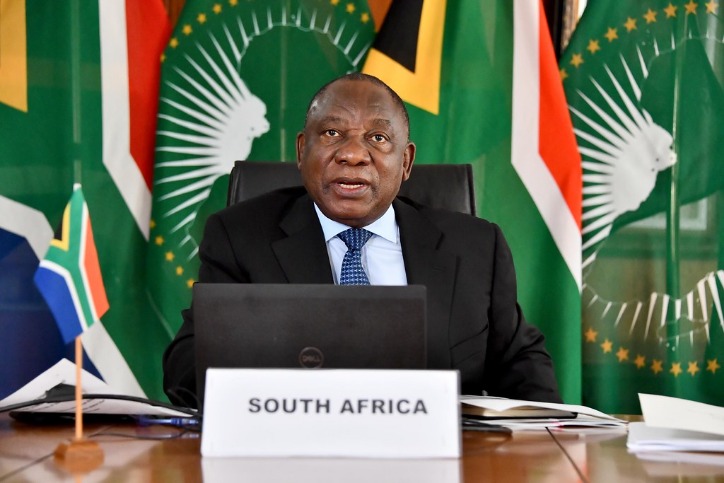
Recent political developments in Zimbabwe have garnered significant attention both locally and internationally. The nation has experienced a series of shifts in leadership, policy reforms, and upcoming elections that are shaping its future trajectory. These events reflect the ongoing efforts of the government to address economic challenges, improve governance, and foster stability within the country.
Leadership Changes and Succession
Recent political developments in Zimbabwe have marked a period of significant change and transition within its government. Leadership shifts have been a focal point, reflecting internal dynamics and broader regional influences that shape the country’s political landscape.
- The resignation of key political figures has opened the door for new leadership, signaling a potential shift in policy directions and priorities.
- New cabinet appointments have been made, with several experienced politicians and emerging leaders taking up positions to steer the country forward.
- Efforts toward national reconciliation and unity have gained momentum, especially in the context of recent elections and political reforms.
- Discussions around constitutional amendments and reforms are underway to strengthen governance and democratic processes.
- International diplomatic engagements have increased, aiming to foster economic development and political stability in Zimbabwe.
- In the latest leadership change, a new president was appointed following the previous administration’s transition, emphasizing continuity and stability.
- Succession planning has become a notable topic, with analysts closely monitoring potential successors within the ruling party.
- Regional and global partners are influencing the pace and nature of leadership reforms, aiming to support sustainable governance in Zimbabwe.
- The government is also focusing on internal party reforms to promote transparency and reduce internal conflicts.
- Overall, recent developments indicate a period of strategic realignment designed to address economic challenges and strengthen political institutions.
Reforms and International Relations
Recent political developments in Zimbabwe have been marked by significant efforts toward reform and stabilization, aimed at strengthening democratic institutions and improving governance. The government has undertaken steps to enhance transparency, combat corruption, and ensure fair electoral processes, fostering a climate of increased political accountability. Additionally, reforms have focused on economic revitalization, social justice, and addressing longstanding issues stemming from colonial legacy.
In terms of international relations, Zimbabwe has been actively engaging with regional and global partners to rebuild its diplomatic relations, attract investments, and secure financial aid. The country has prioritized participation in economic blocs such as the Southern African Development Community (SADC) and the African Union (AU), seeking support for development initiatives. Zimbabwe has also worked to improve its standing with Western nations by implementing reforms and adhering to international standards, aiming to reverse sanctions and expand cooperation on issues like trade, health, and climate change.
Impact of Economic Crises on Governance
Recent political developments in Zimbabwe have been marked by shifts in leadership, policy reforms, and ongoing debates over governance transparency. These changes reflect the country’s efforts to address longstanding issues of political stability and public trust.
The impact of economic crises on Zimbabwe’s governance has been profound, often leading to increased governmental intervention in economic affairs and a focus on stabilizing the fiscal environment. Economic hardships have also fueled political unrest and prompted reforms aimed at improving economic management and attracting investment.
Furthermore, economic difficulties have strained public services and government capacity, challenging policymakers to balance economic recovery with maintaining political stability. These circumstances continue to influence Zimbabwe’s political landscape, shaping its efforts toward sustainable governance amidst ongoing economic challenges.


0 Comments