
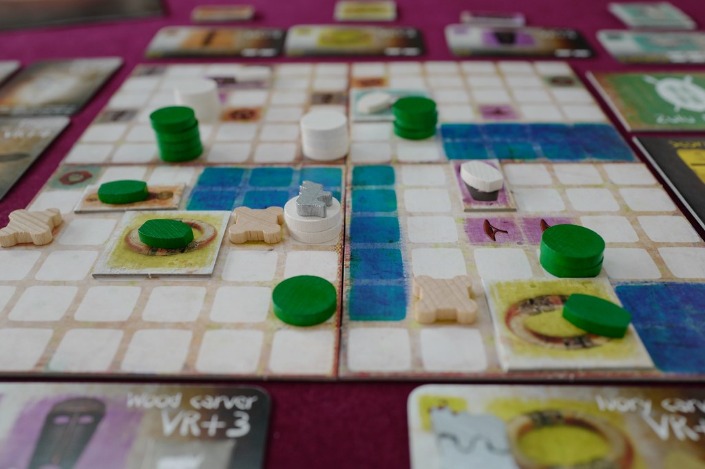
Overview of the Great Zimbabwe Board Game
The Great Zimbabwe Board Game offers an engaging and strategic experience that immerses players in the history and culture of the ancient Zimbabwean civilization. Designed to challenge players to build, expand, and manage their own empires within this rich historical setting, the game combines elements of resource management, strategic planning, and tactical decision-making. Its visually appealing artwork and culturally authentic themes make it a fascinating way to learn about one of Africa’s most impressive archaeological sites while enjoying a competitive and entertaining gameplay experience.
Historical and Cultural Significance
The Great Zimbabwe Board Game offers players an engaging way to explore the rich history and culture of the ancient Zimbabwean civilization. It is designed to simulate the strategic development and management of a historical society, immersing players in the dynamics that shaped the region’s prominent empire. Through its gameplay, participants gain insights into the social, economic, and political aspects of Great Zimbabwe, fostering a deeper appreciation of its legacy.
Historically, the game highlights the significance of trade, architecture, and resource management that contributed to the rise of Great Zimbabwe as a powerful and influential center from the 11th to 15th centuries. It encourages players to understand the complexities of governing a thriving kingdom, emphasizing the importance of strategic thinking and resource allocation.
Culturally, the board game serves as an educational tool that promotes awareness of Zimbabwean heritage and the achievements of its ancestors. It underscores the importance of preserving historical sites and recognizing the contributions of early African civilizations to world history. By engaging with the game, players develop a greater respect for the culture, traditions, and historical achievements of the Great Zimbabwe civilization.
Gameplay Objectives and Themes
The Great Zimbabwe Board Game is an engaging strategic game that immerses players in the historical and cultural richness of the ancient African kingdom of Zimbabwe. It combines elements of resource management, territory expansion, and cultural development to create a compelling gameplay experience.
Gameplay in The Great Zimbabwe Board Game involves players competing to build the most prosperous and influential city by collecting and utilizing various resources, such as gold, stone, and timber. Players take turns performing actions like constructing structures, recruiting workers, and trading with others to advance their settlements. Strategic planning and resource allocation are key components, as players must balance expansion with resource sustainability.
The primary objectives of the game are to develop a thriving city that showcases impressive architectural feats, secure dominance over rival players, and accumulate the most points through cultural and infrastructural achievements by the end of the game. The game emphasizes themes of historical progress, economic development, and cultural significance, highlighting the grandeur of the ancient Zimbabwean civilization and its legacy in African history.
Target Audience and Player Experience
The Great Zimbabwe board game is an engaging strategy game that immerses players in the rich history and culture of the ancient Zimbabwean civilization. Designed to combine historical education with strategic gameplay, it offers players an opportunity to build, expand, and manage their own miniature versions of the Great Zimbabwe empire.
The target audience for the game includes history enthusiasts, strategy game lovers, and educational institutions seeking an innovative way to teach African history and archaeology. It appeals to teens and adults alike who enjoy complex planning and resource management challenges, making it widely accessible yet sufficiently challenging for dedicated gamers.
Players experience a compelling mix of strategic thinking, resource allocation, and cultural understanding as they work to develop their kingdom, trade with neighboring regions, and enhance their civilization’s prosperity. The game fosters critical thinking, planning skills, and a deeper appreciation of African heritage, providing an immersive and educational gameplay experience for a diverse audience.
Game Components and Setup
The Game Components and Setup of Great Zimbabwe are essential for an engaging and smooth gameplay experience. Understanding what pieces and materials are included, along with the correct setup process, helps players get started quickly and ensures the game runs seamlessly. Proper preparation sets the stage for strategic decision-making and enjoyable play sessions. This overview will guide you through the components involved and the steps to set up the game for your next adventure in ancient African civilization.
Game Board Features
The Great Zimbabwe board game features a rich set of components and a thoughtfully designed game board that immerses players in the historical and cultural essence of ancient Zimbabwe. The game components are crafted to enhance gameplay and provide an engaging experience for players of all ages.
Game Components typically include:
- Player tokens representing different clans or tribes
- Resource cards depicting various materials used in construction and trade
- Construction pieces for building structures within the game
- Indicator markers for tracking progress and points
- Instruction manual with detailed rules and background information
The game board itself is designed to highlight key features of Great Zimbabwe, including:
- A central layout depicting the iconic stone enclosures and towers
- Specific zones designated for resource gathering and trading activities
- Pathways connecting different regions of the ancient city
- Spaces for placing construction and resource cards during gameplay
These features work together to create an immersive environment that reflects the historical significance of Great Zimbabwe, encouraging strategic planning and cultural appreciation as players work to expand and develop their own virtual representations of this incredible site.
Player Pieces and Tokens
The Great Zimbabwe board game features a variety of components and setup elements designed to immerse players in the historical and strategic aspects of the ancient city. These components include player pieces, tokens, and a well-organized game board that represents the archaeological site and surrounding landscape.
- Player Pieces and Tokens:
- Each player has a set of colored tokens representing their influence and possessions within the game.
- Miniature figures symbolize key characters or leaders from Great Zimbabwe, enhancing thematic gameplay.
- Resource tokens like gold, stone, and food are used to perform actions and develop the city.
- Special event markers are used to indicate game milestones or challenges faced during play.
- Setup:
- The game board is laid out on a flat surface, depicting the city layout and surrounding regions.
- Each player chooses a set of tokens and places their starting influence markers on designated areas of the board.
- Resource tokens are shuffled and arranged in accessible locations for all players.
- The event cards are shuffled and placed face down to form a draw deck.
- Players receive initial resources and goal cards to begin their strategic development of Great Zimbabwe.
Instruction Booklet and Additional Materials
The Great Zimbabwe board game includes a variety of components designed to enhance the gaming experience and ensure smooth gameplay. Typically, this set comprises a detailed game board that depicts the historical region, along with numerous playing pieces such as stones, markers, or tokens representing various elements like resources, buildings, or tribes. Additionally, players will find instruction booklets that provide comprehensive rules, strategies, and background information to guide both new and experienced players through the game’s mechanics. Some editions may also include additional materials like reference cards, scenario sheets, or historical maps to enrich gameplay and provide a deeper understanding of the cultural context. Proper setup involves arranging the game board in the center, distributing pieces according to the instructions, and reviewing the booklet to familiarize players with the rules and objectives, ensuring an engaging and organized gaming session.”
Initial Setup Instructions
In the Great Zimbabwe board game, players begin by selecting a set of game pieces which typically include various tiles representing different types of land, resources, and structures. Each player is given a personal game board or player area to manage their resources and constructions. The main game board depicts the historic Great Zimbabwe site, divided into sections for different land types and markers for cultural and resource points.
To set up the game, place the main game board in the center of the playing area. Shuffle the land and resource tiles, then randomly distribute them face down, creating a draw pile from which players will draw during the game. Each player randomly selects a starting tile or place a predetermined starting piece on the board, depending on the game’s specific rules. Players then organize their initial resources and structures, ensuring everyone has an equal starting point. The game begins with the earliest turn order, often determined by a dice roll or random choice, after which players proceed through their turns by drawing, trading, building, or expanding their influence within the historic landscape of Great Zimbabwe.”
Rules and Gameplay Mechanics
The Rules and Gameplay Mechanics of the Great Zimbabwe board game provide players with an engaging experience that combines strategy and cultural exploration. Designed to reflect the historical significance of the ancient Zimbabwe civilization, the game involves careful planning, resource management, and tactical decision-making. Understanding the core rules and mechanics is essential for players to successfully build and expand their empires within the game’s rich and immersive environment.
Turn Structure and Player Actions
The Great Zimbabwe board game features a set of well-defined rules and gameplay mechanics that guide players through strategic development and resource management. Players take on the roles of ancient leaders competing to expand their influence across the region by constructing structures, gathering resources, and establishing trade routes. The game emphasizes strategic planning, adaptability, and tactical decision-making to outmaneuver opponents and achieve victory conditions.
Turn structure in The Great Zimbabwe is organized into a series of rounds, each consisting of multiple phases. During a turn, players sequentially perform actions such as collecting resources, constructing buildings, or trading with other players. Each turn provides opportunities to secure resources needed for future development, respond to opponents’ moves, or advance their overall strategy. The game typically proceeds in a clockwise order, ensuring fairness and clarity in play.
Player actions within each turn revolve around resource management, expansion, and interaction with other players. Common actions include gathering specific resources like stone, clay, or gold; constructing structures such as huts, temples, or markers of cultural significance; or engaging in trade agreements to acquire valuable assets. Players must carefully decide when to prioritize resource collection, construction, or negotiation, balancing immediate needs against long-term goals to maximize their influence and ultimately win the game.
Resource Management and Economy
The Great Zimbabwe board game incorporates a rich set of rules and gameplay mechanics that simulate the historical and cultural aspects of the ancient civilization. Players take on the roles of leaders aiming to expand and develop their territories through strategic placement of pieces, resource gathering, and infrastructural development. The game emphasizes strategic planning, resource allocation, and territorial control, with specific rules governing movement, building, and trading to ensure balanced gameplay.
Resource management is a core component, requiring players to carefully collect and allocate resources such as timber, stone, and gold to progress. These resources are vital for constructing various structures like temples and granaries, which contribute to points and civilization growth. Efficient management and timely utilization of resources are crucial for gaining an advantage over opponents and achieving victory conditions.
The economic system within the game revolves around trading and resource exchange, allowing players to barter with each other or utilize specific market mechanisms. Players must decide when to invest resources into expanding their territory or saving for future turns. Balancing short-term gains with long-term development strategies ensures an engaging and competitive experience, reflecting the historical significance of resource-driven growth in Great Zimbabwe.
Building and Expansion Mechanics
The Great Zimbabwe board game features a rich set of rules and gameplay mechanics that immerse players in the historical and cultural significance of the ancient empire. Players take turns strategically placing tiles and moving pieces to build and expand their influence across the landscape, reflecting the development of the Zimbabwean civilization.
The game mechanics emphasize resource management, area control, and strategic planning. Players must collect and allocate resources such as stones and labor to construct structures like granaries, enclosures, and temples, which are vital for scoring points and expanding their territory. The rules govern how resources are gathered, spent, and exchanged, adding depth to decision-making processes.
Building mechanics are central to the game, requiring players to strategically develop their territory by constructing various architectural elements. The placement of these structures often influences territorial control and scoring opportunities. Expansion mechanics enable players to extend their influence by connecting new territories, establishing trade routes, and developing larger complexes, mirroring the growth of the historical city-states.
Overall, the combination of resource management, strategic building, and expansion mechanics creates a dynamic gameplay experience that rewards foresight, adaptability, and cultural understanding. These mechanics work together to simulate the rise and development of the Great Zimbabwe empire, offering players both educational insights and engaging challenges.
Trading and Diplomacy Elements
The Great Zimbabwe board game features a rich blend of rules and gameplay mechanics that immerse players in the historical and strategic aspects of ancient African civilization. It emphasizes resource management, territory expansion, and cultural development, encouraging players to think tactically about growing their influence within the game world.
Key gameplay elements include:
- Resource Gathering: Players collect and utilize resources such as stone, gold, and cattle to support their expansion efforts.
- Settlement Building: Constructing and upgrading structures within the game map to enhance influence and capabilities.
- Trade and Commerce: Engaging in trading activities with other players or in-game markets to acquire necessary resources or gain advantages.
- Technological Advancement: Unlocking new abilities and building options as players progress, reflecting societal development.
Trading and diplomacy are integral parts of the game, enabling players to form alliances, negotiate deals, or compete for dominance. Trading involves exchanging resources with other players under mutually agreed terms, often influencing overall strategy and progress. Diplomatic actions include forming alliances, pact agreements, or rivalries, which can impact gameplay dynamics significantly. Effective use of these elements allows players to shape their position in the game and reflect the complex social and political landscape of historic Great Zimbabwe.
Winning Conditions and Endgame
The Great Zimbabwe board game features a set of rules and gameplay mechanics that focus on strategic placement and resource management. Players take turns placing stones or tokens representing different facets of the ancient civilization, such as buildings, resources, or development points, following specific placement restrictions to promote thoughtful planning. The game emphasizes area control, development, and the accumulation of points through building and completing structures that reflect the historical significance of Great Zimbabwe.
Winning conditions in The Great Zimbabwe board game are typically achieved by accumulating the highest number of victory points, which are earned through the completion of building projects, controlling key areas, and achieving specific objectives outlined at the start of the game. The game may also include special cards or artifacts that grant additional points or abilities, adding depth to strategic decisions.

The endgame is triggered when players have exhausted available spaces for placement or when a predetermined point threshold is reached. Once the game concludes, players tally their victory points based on their remaining structures, controlled territories, and completed objectives. The player with the highest total is declared the winner, celebrating their mastery of the strategic and resource management elements that embody the historical grandeur of Great Zimbabwe.
Strategic Elements and Tips
Strategic elements and tips are essential for mastering the Great Zimbabwe board game, a challenging and immersive experience that combines historical themes with tactical gameplay. Understanding the core mechanics and developing effective strategies can greatly enhance your chances of success. In this article, we explore key strategic concepts and practical tips to help players navigate the game more confidently and enjoyably.
Building a Strong Foundation
Building a strong foundation in the Great Zimbabwe board game requires a strategic understanding of the game’s core elements and careful planning. Focus on mastering the key areas such as resource management, territory expansion, and alliance formation to gain a competitive edge.
Strategic elements include anticipating opponents’ moves, controlling crucial trade routes, and managing your civilization’s growth efficiently. Emphasizing flexibility in tactics allows players to adapt to changing game dynamics and exploit emerging opportunities.
Tips for success involve balancing short-term gains with long-term objectives, such as developing infrastructure and securing resource-rich areas early on. Pay attention to the cultural and economic aspects of the game, as these can influence your overall strategy and gameplay outcomes.
Building a strong foundation also means understanding the significance of cooperation and negotiation with other players, which can lead to beneficial alliances and shared victories. By combining strategic foresight with adaptive gameplay, players can effectively build and sustain a powerful civilization within the Great Zimbabwe board game.
Balancing Expansion and Defense
In the Great Zimbabwe board game, balancing expansion with defense is essential to ensure long-term dominance. Players should focus on growing their civilization by acquiring new territories and resources, while simultaneously strengthening their defenses to protect against opponents’ assaults. Effective management of expansion involves strategic planning—knowing when to push forward and when to consolidate existing holdings to avoid overextension. Enhancing defensive structures or forming alliances can help safeguard valuable assets, preventing enemies from exploiting vulnerable areas. Additionally, allocating resources wisely between expanding and fortifying ensures a balanced approach that maintains momentum without leaving gaps for opponents to exploit. Overall, a flexible strategy that adapts to the evolving game situation is key to mastering Great Zimbabwe and securing victory.
Adapting to Opponent Strategies
Strategic elements in The Great Zimbabwe board game revolve around resource management, territorial expansion, and diplomatic interactions. Players must carefully balance their efforts to gather and allocate resources such as stone, gold, and tools while positioning themselves to control key areas on the board. Recognizing the importance of timing and optimal placement can significantly influence the outcome of the game. To succeed, players should plan their moves ahead of time, considering both short-term gains and long-term objectives.
Adapting to opponent strategies is crucial in The Great Zimbabwe. Observing other players’ actions allows for dynamic adjustments to one’s own plans, such as shifting focus from resource accumulation to defense or expansion depending on their moves. Flexibility in strategy can prevent being outmaneuvered and enables players to capitalize on opponents’ weaknesses. Building in some unpredictability and maintaining versatility can keep opponents guessing and open opportunities for strategic advantages.
Managing Resources Effectively
Managing resources effectively is a crucial strategic element in the Great Zimbabwe board game, as players must balance their supplies, workforce, and wealth to build a thriving empire. Proper resource management can determine the success of your civilization and influence your ability to expand and develop over time.
Here are some tips for managing resources effectively in Great Zimbabwe:
- Prioritize resource collection early in the game to ensure a steady supply for building and trading.
- Keep track of your resource consumption versus income to avoid shortages that can hinder your progress.
- Balance building structures that generate resources with those that require fewer inputs to maximize efficiency.
- Use trade opportunities strategically to acquire scarce resources without depleting your core reserves.
- Plan ahead for potential disruptions, such as rival actions or tile limitations, to maintain a stable resource flow.
- Optimize workforce placement to enhance resource gathering and minimize waste.
- Adapt your resource strategy based on the evolving game state and available opportunities for expansion.
Variants and Expansions
Variants and expansions add depth and variety to board games, enriching the gaming experience for players. In the context of The Great Zimbabwe board game, exploring different variants and expansions can reveal new strategies, themes, and gameplay mechanics. These elements often enhance replayability and provide fresh challenges, making the game more engaging for both new and seasoned players.
Additional Game Modes
The Great Zimbabwe board game offers a rich experience with a variety of variants and expansions that enhance gameplay. These modifications introduce new challenges, strategic options, and ways to enjoy the game more deeply. Players can explore different rulesets or add expansion sets to diversify their gameplay experience, making each session unique and engaging.
Variants often include alternative scoring systems, customized starting setups, or house rules that reflect different historical or cultural themes related to the ancient civilization. Expansions typically add new tiles, pieces, or scenarios, allowing players to develop their strategies further or explore different aspects of the Great Zimbabwe culture and history.
Some additional game modes include cooperative variants, where players team up to achieve common goals, or competitive modes with unique objectives that shift the focus from territorial control to resource management or long-term planning. These modes provide fresh perspectives and keep the game exciting for both new and experienced players.
Expansion Pack Content
Variants and expansions add new dimensions to the Great Zimbabwe board game, enhancing replayability and depth of strategy. Different variants may introduce alternative rules or gameplay mechanics, allowing players to explore unique ways to approach the game. Expansion pack content often includes additional game pieces, new scenarios, or expanded rules that build upon the base game experience. These expansions can introduce fresh challenges and opportunities, encouraging players to experiment with different tactics and expand their understanding of the historical and cultural themes represented in Great Zimbabwe. Together, variants and expansion packs serve to enrich the gaming experience, making each session more engaging and varied for enthusiasts of this culturally significant game.
Custom Rules and House Variants
The Great Zimbabwe board game offers a rich experience not only through its core gameplay but also through a variety of variants and expansions that enhance strategic complexity and replayability. Variants often introduce new rules or altered game scenarios, allowing players to explore different aspects of the ancient civilization and test their strategic skills under various conditions. Expansions typically add new components, such as additional pieces, maps, or civilizations, which deepen the gameplay and provide fresh challenges. Custom rules and house variants further personalize the experience, enabling players to modify standard rules or create unique game modes tailored to their preferences. These adaptations foster a more dynamic and engaging environment, encouraging creativity and collaborative play among enthusiasts of The Great Zimbabwe board game, ultimately enriching the historical and cultural immersion of the game experience.”
History and Development of the Game
The Great Zimbabwe board game boasts a rich history rooted in the cultural traditions of ancient Zimbabwean society. Its development reflects centuries of strategic play, social interaction, and cultural expression, making it a significant artifact of regional history. Over time, the game evolved from simple hand-crafted pieces to a widely recognized symbol of heritage, embodying the ingenuity and history of the Great Zimbabwe civilization. Today, it continues to serve as both a recreational activity and a cultural treasure, preserving the legacy of its origins for future generations.
Origins and Design Inspiration
The Great Zimbabwe board game has its roots deeply embedded in the rich cultural history of the ancient Zimbabwean civilization, which thrived in Southern Africa from the 11th to the 15th centuries. Its development reflects a desire to celebrate and preserve the heritage of this remarkable society through interactive play. The game draws inspiration from the archaeological sites of Great Zimbabwe, including its iconic stone structures and intricate city layouts, aiming to evoke the strategic complexity and ingenuity of its builders. Designed to combine historical education with engaging gameplay, it incorporates elements that mirror the societal organization, resource management, and territorial expansion characteristic of the ancient kingdom. The evolution of the game has involved collaboration between historians, cultural experts, and game designers to ensure an authentic yet accessible experience that honors the legacy of the Great Zimbabwe civilization.
Designers and Production Team
The Great Zimbabwe board game has a rich history rooted in the cultural heritage of the ancient Kingdom of Zimbabwe, which thrived between the 11th and 15th centuries. Its development as a modern tabletop game was inspired by the architectural marvels and societal structures of the original civilization, aiming to bring players a strategic experience that reflects historical themes of trade, power, and resource management. The game was designed to educate players about the complexities of early African societies while providing engaging gameplay.
Its development involved a dedicated team of historians, game designers, and cultural consultants who collaborated to ensure historical accuracy and cultural sensitivity. The primary designer, a notable scholar of African history, envisioned a game that balanced educational value with entertainment, drawing on archaeological findings and historical records of Great Zimbabwe. The project was brought to life through a combination of traditional craftsmanship and innovative game mechanics, resulting in a product that honors its historical roots and appeals to a global audience.
The production team behind The Great Zimbabwe board game includes skilled artists, graphic designers, and manufacturing specialists who worked together to create visually compelling game components. Emphasizing quality materials and intricate design, the team aimed to produce a durable and aesthetically authentic game set. The collaboration also incorporated feedback from cultural representatives to ensure respectful portrayal of the historical context. Ultimately, the game stands as a tribute to Zimbabwe’s ancient civilization and a means to promote awareness of African history in the modern gaming landscape.
Reception and Popularity
The Great Zimbabwe board game has a rich history rooted in the cultural and historical significance of the ancient city of Great Zimbabwe, which was a major center of trade and civilization in Southern Africa. Developed as a way to celebrate and educate players about the heritage of the Zimbabwean civilization, the game has evolved over the years from simple traditional boards to more elaborate versions involving strategic gameplay. Its development reflects a broader effort to preserve and promote African history and culture through engaging and interactive methods.
Historically, the game gained popularity among local communities and educational institutions as a means of teaching history and encouraging critical thinking. As interest grew, it attracted players beyond its original regional audience, earning recognition as a unique cultural artifact. The design of the game incorporates symbols and elements inspired by the archaeological site, enhancing its cultural authenticity and educational value.
Reception of the Great Zimbabwe board game has been largely positive, especially within educational contexts where it serves as both a recreational activity and an educational tool. Its popularity has increased internationally, with enthusiasts appreciating its strategic depth and cultural significance. The game is celebrated for fostering an understanding of African history, promoting cultural pride, and providing an engaging way to learn about the legacy of Great Zimbabwe. As a result, it continues to grow in popularity worldwide, inspiring further adaptations and cultural exhibitions.
Strategies for Beginners and Advanced Players
Great Zimbabwe is an engaging strategic board game that offers both beginners and advanced players the opportunity to challenge their skills and deepen their understanding of the game mechanics. For newcomers, mastering the basic rules and developing simple tactics can provide a solid foundation for enjoyment and improvement. Advanced players, on the other hand, can explore complex strategies and nuanced moves to outwit their opponents and elevate their gameplay. Whether just starting out or seasoned in strategic play, there are essential approaches to help every player succeed in Great Zimbabwe.
Beginner Tips
Great Zimbabwe is a strategic board game that offers engaging gameplay for both beginners and advanced players. Learning effective strategies can enhance your experience and improve your chances of winning. Here are some tips tailored for players at different skill levels.
Strategies for Beginners and Advanced Players
For beginners, focusing on understanding the basic rules and developing foundational tactics is essential. Advanced players, on the other hand, can employ more complex strategies to outmaneuver opponents and control key areas of the game board.
Beginner Tips
- Learn the Objective: Familiarize yourself with the main goal of constructing the Great Zimbabwe monument and how to gather resources efficiently.
- Start Small: Focus on building smaller structures and expanding gradually rather than attempting ambitious moves early on.
- Observe Opponents: Pay attention to others’ strategies and adapt your moves to avoid conflicts and capitalize on opportunities.
- Practice Resource Management: Collect and allocate resources wisely to sustain your development without overextending.
- Keep It Simple: Use straightforward tactics initially, such as expanding to neighboring areas and establishing secure positions.
Advanced Strategies
- Plan Several Moves Ahead: Anticipate your opponents’ actions and devise a multi-step plan to stay ahead.
- Control Key Locations: Focus on dominating strategic areas that provide resource advantages or block opponents’ progress.
- Balance Expansion and Defense: Expand your territory while fortifying existing structures to prevent counterattacks.
- Leverage Special Powers: Use any available unique abilities or cards at optimal moments to gain an edge.
- Adapt to Changing Dynamics: Be flexible in your strategy, adjusting your approach as the game evolves and new opportunities arise.
Advanced Tactical Approaches
In the Great Zimbabwe board game, both beginners and advanced players can significantly enhance their gameplay by adopting tailored strategies that suit their experience level. For beginners, focusing on understanding the basic mechanics, such as proper resource management and strategic placement of pieces, is crucial. They should prioritize building strong foundations, such as expanding territories methodically and maintaining balance between offense and defense. Learning from each game helps develop intuition and a deeper grasp of core principles, creating a solid basis for future growth.
Advanced players, on the other hand, benefit from employing sophisticated tactical approaches. These include predicting opponents’ moves through careful analysis, leveraging long-term planning, and executing complex building sequences. Mastery of timing—knowing when to deploy certain strategies and when to alter plans—is essential. Advanced players should also exploit the game’s unique features, such as leveraging cultural or historical elements within the game to gain strategic advantages. Combining these tactical approaches with adaptability and awareness of the broader game state allows experienced players to outmaneuver opponents and secure victory.
Common Mistakes to Avoid
Great Zimbabwe is an engaging board game that combines strategy and planning, making it suitable for both beginners and advanced players. For beginners, it is essential to focus on understanding the basic rules and objectives of the game. Starting with simple moves and gradually exploring more complex strategies can build a solid foundation. Paying attention to the placement of stones and anticipating opponents’ moves can help new players develop their skills over time. Advanced players, on the other hand, should analyze their opponents’ strategies carefully and consider multiple future moves to outmaneuver them. Mastering pattern recognition and optimizing the placement of tokens can lead to more effective control over the game board.
Common mistakes to avoid include rushing into moves without thorough planning, which can lead to losing valuable opportunities or resources. Beginners often overlook the importance of strategic positioning, making random or impulsive decisions that weaken their position. Additionally, neglecting to observe and adapt to opponents’ tactics can result in disadvantageous outcomes. Advanced players should be wary of overcomplicating their strategies, which can cause confusion or mistakes. It is also crucial to avoid ignoring the overall game progress and potential endgame scenarios, as maintaining a balanced approach ensures sustained advantage throughout the game.
Maintenance and Storage
Proper maintenance and storage are essential to preserving the quality and integrity of the Great Zimbabwe board game. Ensuring that the game components are kept in good condition allows for an enjoyable playing experience over many sessions. Proper care and thoughtful storage help prevent damage, loss of pieces, and ensure that the game remains a treasured part of your collection for years to come.
Proper Care of Components
Proper maintenance and storage are essential for ensuring the longevity and optimal performance of components in The Great Zimbabwe board game. Carefully handling pieces, cards, and boards helps prevent damage and keeps the game in pristine condition for repeated enjoyment. After each play, players should clean the game components gently to remove dirt or oils that can accumulate. Storing the game in a cool, dry place away from direct sunlight helps preserve the materials and prevents warping or fading. Using dedicated storage containers or bags designed for board games can organize pieces and prevent loss or damage. Regular inspection of components for signs of wear, such as frayed edges or loose pieces, allows for timely repairs or replacements. By following these care guidelines, players can ensure that The Great Zimbabwe board game remains a treasured part of their collection for years to come.
Storage Solutions
Proper maintenance and storage of the Great Zimbabwe board game are essential to ensure its longevity and continued enjoyment. To keep the game in optimal condition, store it in a cool, dry place away from direct sunlight, which could cause the pieces or board to fade or warp. Regularly clean the components with a soft cloth to remove dust and debris, and inspect for any signs of damage to address issues promptly. Providing each piece with a designated space within a storage box can prevent loss and keep the game organized.
Effective storage solutions include using a sturdy, compartmentalized container that can securely hold the game board, tokens, and pieces. Consider stacking or isolating the components to avoid chipping or breaking. If the game contains small pieces, airtight containers or small zippered bags can help keep everything together and prevent misplacement. Labeling compartments or storage boxes can also simplify setup and teardown, making it easy to locate specific pieces quickly for future gameplay sessions. Proper maintenance and a thoughtful storage approach will preserve the authenticity and quality of the Great Zimbabwe board game for years to come.
Cleaning and Preservation
The Maintenance and Storage, Cleaning, and Preservation of the Great Zimbabwe Board Game are essential for ensuring its longevity and continued enjoyment. Proper care helps maintain the game’s condition, prevents damage, and preserves its cultural significance for future players.
- Store the game in a cool, dry place away from direct sunlight to prevent fading and warping.
- Keep the game components in a dedicated container or box to avoid loss or damage.
- Regularly clean the game pieces with a soft, dry cloth to remove dust and dirt.
- Avoid using water or harsh chemicals that could damage the materials or paint.
- Handle the game gently to prevent breaking or chipping of the wooden or ceramic parts.
- If necessary, use a mild adhesive to repair minor cracks before storing.
- Ensure the game is fully dry before storing to prevent mold or mildew growth.
- Follow manufacturer or expert recommendations for specific preservation techniques related to traditional or handcrafted parts.




0 Comments