
Climate Overview of Zimbabwe
Zimbabwe’s climate is characterized by a diverse range of weather patterns that influence its overall temperature distribution. Situated in southern Africa, the country experiences a subtropical climate with distinct wet and dry seasons, impacting temperature variations throughout the year. Understanding Zimbabwe’s temperature patterns is essential for agricultural planning, ecological preservation, and adapting to climate change effects in the region.
Geographical Influences on Temperature
Zimbabwe’s climate is primarily characterized by a subtropical and tropical climate, which results in generally warm temperatures throughout the year. The temperature in Zimbabwe is influenced significantly by its geographical features, including the elevation, proximity to the Indian Ocean, and the presence of various mountain ranges. The plateau regions, such as the highveld, tend to have cooler temperatures due to their elevation, especially during the winter months. Conversely, lower-lying areas, like the Zambezi Valley, experience higher temperatures and a more distinctly tropical climate. The country’s diverse topography creates regional variations in temperature, with the overall warmth moderated by altitude and latitude. These geographical factors contribute to Zimbabwe’s distinct climate patterns, impacting agriculture, biodiversity, and the daily life of its inhabitants.
General Climate Patterns
Zimbabwe experiences a predominantly subtropical climate characterized by warm temperatures and distinct wet and dry seasons. The country generally has mild to hot temperatures throughout the year, with significant regional variations influenced by elevation and geographic location. In low-lying areas such as the Zambezi Valley, temperatures can reach very high levels during the hottest months, whereas the highland regions like the Eastern Highlands remain cooler. The warmest months typically occur from September to November, while the coolest period is generally from June to August. Rainfall varies across Zimbabwe, with the southern parts receiving less precipitation compared to the northern regions, which tend to have more consistent rainfall. Overall, Zimbabwe’s climate is suitable for agriculture but requires careful management of water resources due to seasonal variability in temperatures and rainfall.
Seasonal Temperature Variations
Seasonal temperature variations refer to the fluctuations in temperature that occur throughout the year, influenced by the Earth’s tilt and orbit. These changes affect weather patterns, agriculture, and daily life, particularly in regions with distinct seasons. Understanding these temperature patterns is essential for comprehending the climate dynamics of Zimbabwe, which experiences notable seasonal shifts impacting its environment and communities.
Dry Season Temperatures
Zimbabwe experiences distinct seasonal temperature variations throughout the year, influenced by its geographical location and climate zones. During the dry season, which typically spans from May to October, temperatures tend to be cooler during the mornings and evenings, while daytime temperatures can be comfortably warm. In this period, average daytime temperatures usually range from 20°C to 25°C, providing a pleasant climate for outdoor activities. Nighttime temperatures often drop to around 10°C to 15°C, making evenings cooler but generally mild. The dry season is characterized by clear skies and low humidity, contributing to more stable and moderate temperatures across the country. These temperature patterns are vital for agriculture, wildlife, and daily life in Zimbabwe, shaping the region’s seasonal rhythms and ecosystems.
Wet Season Temperatures
Zimbabwe experiences significant seasonal temperature variations throughout the year, influenced by its geographic location and diverse topography. During the dry season, which typically spans from May to September, daytime temperatures are generally moderate to warm, ranging from around 15°C to 25°C, while nights can become quite cool, especially in higher altitudes. Conversely, the wet season, usually from November to March, brings higher humidity and warmer temperatures, often exceeding 30°C in many regions. This period is characterized by increased rainfall and thunderstorms, creating a lush landscape and supporting agricultural activities.
Regional Temperature Differences
Regional temperature differences in Zimbabwe are influenced by various geographical and climatic factors, resulting in noticeable variations across the country. Understanding these differences is essential for agriculture, wildlife, and daily life, as they shape the local climate patterns. From the higher temperatures in low-lying areas to cooler conditions in the mountain regions, Zimbabwe’s diverse landscape contributes to its unique temperature distribution. Exploring these variations offers insight into the country’s climate dynamics and helps in planning for sustainable development and resource management.
Highland Regions
Regional temperature differences in Zimbabwe are significantly influenced by the diverse landscape, particularly the highland regions which experience distinct climatic conditions compared to lower-lying areas. Highland areas, such as the Eastern Highlands and the Drakensberg, tend to have cooler temperatures due to their elevation, often resulting in milder and more temperate weather patterns. These regions generally experience lower average temperatures throughout the year, with cooler nights and comfortable daytime temperatures, especially during winter months. The higher elevation also contributes to increased rainfall, influencing the local climate and vegetation. Conversely, low-lying regions like the Zambezi Valley and the Mashonaland plains tend to have warmer and more extreme temperatures, especially during the summer season. Overall, the variation in elevation across Zimbabwe leads to notable regional temperature differences, impacting agriculture, biodiversity, and human settlements across the country.
Lowland Areas
Regional temperature differences in Zimbabwe are significantly influenced by the country’s diverse landscape, particularly in lowland areas. These regions tend to experience higher temperatures compared to other parts of the country, primarily due to their lower elevation and exposure to direct sunlight. Lowland areas such as the Zambezi Valley and parts of the Mashonaland region often record hotter conditions, especially during the peak of summer. These temperature variations play a crucial role in agriculture, climate patterns, and daily life across Zimbabwe.
- The lowland areas in Zimbabwe typically have higher daytime temperatures, often exceeding 30°C during the dry season.
- Temperature differences between lowland and highland regions can be up to 10°C or more, creating diverse microclimates.
- Lowlands are more susceptible to heatwaves, impacting both human health and ecological systems.
- Rainfall patterns also vary with elevation, influencing temperature regulation in different zones.
Urban vs. Rural Temperature Variations
Temperature variations in Zimbabwe exhibit notable differences between urban and rural areas, influenced by human activities and land use patterns. Urban regions, with their dense infrastructure, concrete buildings, and limited vegetation, tend to experience higher temperatures compared to rural areas, a phenomenon known as the urban heat island effect. This leads to elevated daytime temperatures and slower cooling at night. In contrast, rural areas with abundant vegetation and open spaces benefit from natural cooling, resulting in cooler temperatures overall.
The regional temperature differences across Zimbabwe are also affected by geographic features, such as elevation and proximity to water bodies. High-altitude areas like the Eastern Highlands generally experience cooler temperatures, while low-lying regions like the Zambezi Valley tend to be warmer. Variations in seasonal rainfall and climate patterns further contribute to these differences, with temperature extremes occurring during the dry season and more moderate conditions in the wet season. Understanding these temperature variations is crucial for climate adaptation and urban planning in Zimbabwe.
Historical Temperature Data
Historical temperature data provides valuable insights into climate patterns and weather trends over time. In the context of Zimbabwe, analyzing temperature records helps understand regional climate variations, seasonal changes, and long-term environmental impacts. Such information is essential for agriculture, planning, and addressing climate change-related challenges in the country.
Average Monthly Temperatures
Historical temperature data for Zimbabwe provides valuable insights into the climate patterns and seasonal variations experienced in the country. Analyzing average monthly temperatures helps in understanding the typical weather conditions throughout the year, which is essential for agriculture, tourism, and planning activities. Zimbabwe generally features a tropical climate with distinct wet and dry seasons, leading to temperature fluctuations between months. During the hottest months, typically from October to March, average temperatures can reach their peak, often surpassing 30°C. Conversely, the cooler months from May to August tend to have average temperatures ranging between 15°C and 20°C, especially in higher altitude regions. This data not only aids in crop planning and resource management but also highlights the impacts of climate change on local weather patterns over time. Overall, understanding historical temperature trends in Zimbabwe is crucial for adapting to and preparing for future climatic shifts.
Record High and Low Temperatures
Historical temperature data in Zimbabwe showcases a range of record high and low temperatures that highlight the country’s diverse climate. Typically, Zimbabwe experiences hot summers with daytime temperatures often exceeding 35°C (95°F), especially in low-lying areas such as the Zambezi Valley. The highest recorded temperature in Zimbabwe was approximately 42°C (107.6°F), recorded in Riamagwe, a region known for its extreme heat. Conversely, winter lows can drop significantly, particularly in high-altitude regions like Nyanga and the Eastern Highlands, where temperatures have been observed to fall to around -8°C (17.6°F). These temperature extremes are influenced by Zimbabwe’s geographical features and seasonal weather patterns, providing important data for agriculture, climate studies, and environmental planning. Understanding these historical temperature patterns helps in assessing climate risks and preparing for future climate variability in Zimbabwe.
Impact of Temperature on Agriculture
Temperature plays a crucial role in determining the productivity and sustainability of agriculture in Zimbabwe. Fluctuations in temperature can significantly influence crop yields, pest and disease prevalence, and livestock health. Understanding the impact of temperature variations is essential for developing resilient agricultural practices amid changing climate conditions in Zimbabwe.
Crop Growing Seasons
Temperature significantly influences agriculture and crop growing seasons in Zimbabwe, as it affects plant growth, development, and yield. Optimal temperature ranges are crucial for the germination, flowering, and fruiting stages of crops, and deviations can lead to reduced productivity or crop failure. In Zimbabwe, where agriculture is a key economic activity, changes in temperature patterns can alter traditional planting and harvesting periods, impacting food security and rural livelihoods. Rising temperatures, particularly during critical growth periods, can accelerate crop maturation, potentially leading to a shorter growing season. Conversely, unseasonal temperature fluctuations or extremes can cause stress to crops, diminish yields, and increase vulnerability to pests and diseases. Understanding and adapting to temperature variations are essential for developing resilient agricultural practices and ensuring sustainable crop production in Zimbabwe’s changing climate.
Temperature Tolerance of Key Crops
The impact of temperature on agriculture in Zimbabwe is significant, influencing crop growth, yield, and overall productivity. As temperature variations increase due to climate change, understanding the temperature tolerance of key crops becomes crucial for sustainable farming practices. In Zimbabwe, crops such as maize, wheat, sorghum, and millet have specific temperature ranges within which they thrive. Maize, the staple food, generally prefers temperatures between 18°C and 27°C, but prolonged exposure to temperatures above 30°C can reduce yields and cause stress. Wheat requires cooler temperatures ranging from 10°C to 24°C and is quite sensitive to heat stress during flowering. Sorghum and millet, being more heat-tolerant, can withstand higher temperatures up to 40°C, making them valuable in regions experiencing increased heatwaves. Understanding these temperature tolerances helps inform planting schedules, crop selection, and adaptation strategies to mitigate the adverse effects of rising temperatures on Zimbabwean agriculture. As climate patterns shift, developing and promoting heat-resistant crop varieties will be vital for ensuring food security in the country.
Effects of Temperature on Ecosystems
Temperature plays a crucial role in shaping the health and diversity of ecosystems in Zimbabwe. Variations in temperature influence the distribution of plant and animal species, affect breeding cycles, and determine the productivity of natural habitats. Understanding how temperature impacts these ecosystems is essential for managing and conserving Zimbabwe’s rich biodiversity in the face of changing climate patterns.
Wildlife Habitats
Temperature plays a crucial role in shaping ecosystems and wildlife habitats across Zimbabwe. Variations in temperature influence the distribution, behavior, and survival of many species, impacting biodiversity and ecological balance. In regions with high temperatures, such as the lowveld area, many plants and animals adapt to withstand heat stress, while cooler highland areas support different species better suited to temperate conditions.
Rising temperatures due to climate change threaten to disrupt these habitats by altering rainfall patterns, increasing evaporation rates, and causing desertification in some areas. Such changes can lead to habitat loss for species that depend on specific temperature ranges, forcing wildlife to migrate or face extinction. For example, temperature fluctuations may affect the breeding cycles of animals and the growth of native plants, which are vital for maintaining ecological integrity.
In Zimbabwe, the effects of temperature shifts are also seen in the degradation of ecosystems such as the Zambezi River basin and the national parks. Wildlife corridors may become inhospitable, impacting migration routes and access to resources. Addressing these challenges requires concerted efforts to understand and mitigate the impacts of temperature changes on ecosystems and preserve Zimbabwe’s rich biodiversity for future generations.
Vegetation Patterns
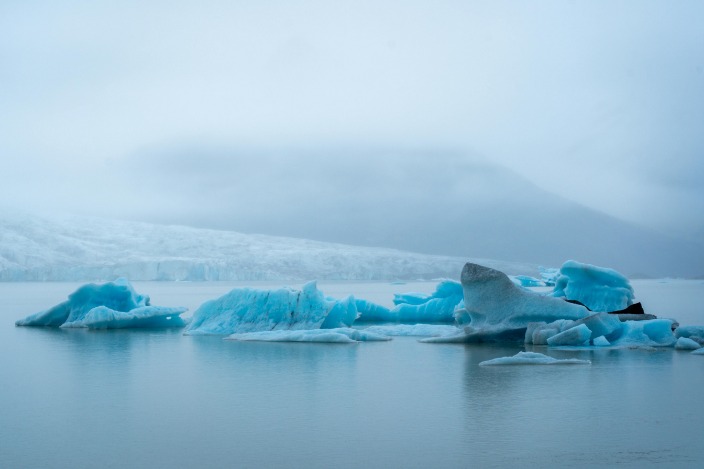
Temperature plays a critical role in shaping ecosystems and vegetation patterns in Zimbabwe. Variations in temperature influence the types of plants that can thrive in different regions, affecting biodiversity and ecosystem stability. In warmer areas, such as lowveld regions, drought-resistant and drought-tolerant species dominate due to higher temperatures and lower rainfall. Conversely, cooler highland areas support a broader range of plant life, including dense forests and diverse shrublands. Fluctuations in temperature can lead to shifts in vegetation zones, impacting animal habitats and migration patterns. Overall, the temperature regimes across Zimbabwe contribute significantly to the distribution, composition, and health of its ecosystems, making temperature a key factor in environmental management and conservation efforts.
Climate Change and Future Temperature Trends

Climate change is significantly impacting global temperature patterns, leading to rising temperatures and more frequent extreme weather events. As the Earth’s climate continues to warm, regions like Zimbabwe are experiencing notable shifts in temperature trends that affect agriculture, ecosystems, and daily life. Understanding future temperature trends in Zimbabwe is crucial for developing strategies to adapt to a changing climate and mitigate its impacts on society and the environment.
Projected Temperature Changes
Climate change poses a significant threat to Zimbabwe, with projected temperature increases expected to impact the country’s environment, agriculture, and overall livelihoods. As global temperatures continue to rise due to increased greenhouse gas emissions, Zimbabwe is likely to experience more frequent and intense heatwaves, which could lead to adverse effects on health, water resources, and crop yields.
Future temperature trends in Zimbabwe are projected to show a consistent increase over the coming decades. Climate models indicate that average temperatures could rise by 1.5 to 3°C by the end of the 21st century, depending on future emission scenarios. This warming trend is expected to exacerbate existing climate vulnerabilities and may result in prolonged droughts, reduced rainfall, and increased soil erosion.
These changes will likely have profound implications for Zimbabwe’s agricultural productivity, which heavily relies on rain-fed farming. Higher temperatures could reduce the growing season, increase pest and disease pressures, and threaten food security across the region. Additionally, rising temperatures may accelerate water evaporation rates, further straining water supplies for both human consumption and agriculture.
Effective adaptation strategies and mitigation efforts are essential for Zimbabwe to manage the impacts of rising temperatures. Efforts such as adopting climate-resilient crops, improving water management, and reducing greenhouse gas emissions can help mitigate some of the adverse effects associated with increasing temperatures in Zimbabwe.
Implications for Zimbabwe
Climate change is significantly impacting Zimbabwe, leading to observable shifts in temperature trends that pose serious challenges for the country. As global temperatures continue to rise, Zimbabwe experiences more frequent and intense heatwaves, which can adversely affect agriculture, health, and water resources. Future temperature projections indicate a continued upward trend, potentially resulting in more prolonged droughts and reduced crop yields, thereby threatening food security and livelihoods. These warming trends also increase the risk of extreme weather events, such as storms and heavy rains, which can cause flooding and infrastructural damage. Addressing these implications requires robust climate adaptation strategies, investment in sustainable agriculture, and enhanced water management to mitigate the adverse effects of rising temperatures on Zimbabwe’s socio-economic and environmental stability.



0 Comments