
Historical Significance of Great Zimbabwe
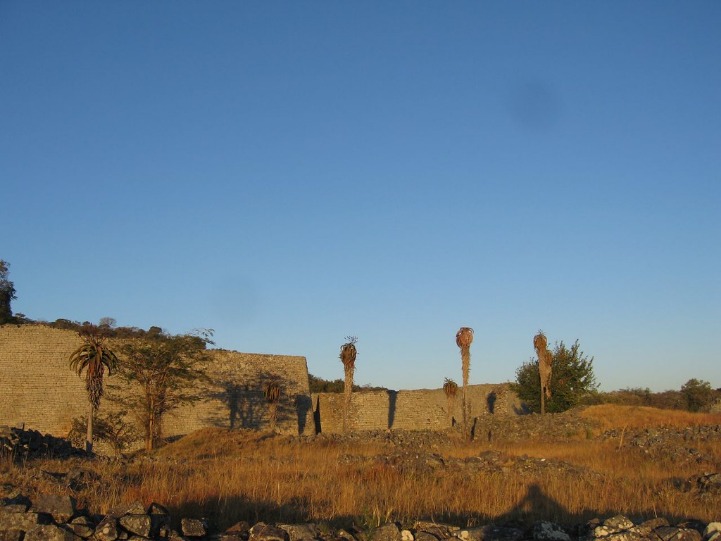
The Great Zimbabwe ruins stand as a testament to the ancient civilization that once thrived in southern Africa. As the largest stone structure south of Egypt, this archaeological site reflects the ingenuity, social organization, and cultural achievements of the Shona people. Its historical significance lies not only in its impressive architecture but also in its role as a symbol of heritage, power, and trade influence that shaped the region’s history for centuries.
Origins and Construction Timeline
Great Zimbabwe is a site of immense historical significance, representing the most extensive stone ruins in Sub-Saharan Africa and serving as a symbol of ancient African civilization and architectural achievement. It was the political and economic center of the Kingdom of Zimbabwe during the Late Iron Age, flourishing between the 11th and 15th centuries. The ruins reflect the rise of a powerful state that engaged in trade, notably in gold, ivory, and other valuable commodities, fostering regional and international connections.
The origins of Great Zimbabwe are believed to date back to the early 11th century, when early settlement and construction began. The site expanded over the centuries, with successive phases of construction and development that reflect its growing importance. The main construction period occurred roughly between the 13th and 15th centuries, with the most notable structures, including the Great Enclosure and the Conical Tower, built during this time. These structures demonstrate advanced dry-stone construction techniques and sophisticated urban planning, making Great Zimbabwe a remarkable achievement in ancient engineering.
- The initial settlement phase started around the 11th century, laying the foundations for what would become a major regional hub.
- By the 13th century, the site saw significant expansion, with the construction of elaborate stone walls and enclosures for defense and administration.
- The 14th century marked the height of Great Zimbabwe’s power, with continued construction of impressive structures and the growth of a thriving trade network.
- By the 15th century, the city began to decline, likely due to environmental factors, resource depletion, and changing trade routes, eventually leading to the site’s abandonment.
Role in Regional Trade and Politics
The Great Zimbabwe ruins hold significant historical importance as the heart of the ancient Kingdom of Zimbabwe, which flourished from the 11th to the 15th centuries. These ruins exemplify the advanced architectural skills and societal organization of the indigenous inhabitants, showcasing impressive stone construction without mortar and complex urban planning.
Its role in regional trade and politics was pivotal, serving as a major center for the exchange of gold, ivory, and other goods across southern Africa. The city’s strategic location facilitated extensive trade networks connecting the inland communities to coastal ports, enhancing economic prosperity and diplomatic influence within the region.
As a political hub, Great Zimbabwe symbolized the authority and cultural identity of the Shona people, fostering unity and power. The site’s prominence attracted trade caravans, foreign visitors, and political alliances, making it a key player in regional dynamics for centuries. Its legacy endures as a testament to the sophisticated civilization that once thrived in southern Africa.
Impact on Local Culture and Society
The Great Zimbabwe ruins hold significant historical importance as they are among the most prominent and well-preserved monuments of ancient African civilization. These ruins serve as a testament to the architectural ingenuity and social organization of the Shona people who built them between the 11th and 15th centuries. They symbolize a powerful and prosperous kingdom that once controlled trade routes across southern Africa, influencing regional politics and economic development.
The impact of Great Zimbabwe on local culture and society remains profound. It fosters a strong sense of identity and pride among the Zimbabwean people, serving as a national symbol of heritage and resilience. The site also plays a crucial role in traditional storytelling, rituals, and cultural practices, connecting present communities to their ancestors. Furthermore, it continues to attract tourism and scholarly interest, contributing to a better understanding of indigenous African history and promoting cultural preservation.
Architectural Features of Great Zimbabwe
The Great Zimbabwe ruins are an extraordinary testament to the architectural ingenuity of ancient African civilization. Renowned for their impressive stone construction, these ruins showcase a unique blend of technical skill and cultural significance. The architectural features of Great Zimbabwe, including massive dry stone walls, intricate enclosures, and distinctive towers, reflect the historical importance and sophisticated craftsmanship of the society that built them. Exploring these features offers insight into the ingenuity and cultural heritage of the region.
Stone Wall Construction Techniques
The Great Zimbabwe ruins are renowned for their impressive stone wall construction techniques, which exemplify advanced architectural skills of ancient African civilizations. The stone walls, built without mortar, showcase the ingenuity and craftsmanship of their builders, reflecting both defensive and ceremonial purposes.
- Dry Stone Masonry: The walls are constructed using a technique called dry stone masonry, where stones are carefully selected and fitted together without the use of mortar. This method ensures stability and durability over centuries.
- Cornering and Interlocking Stones: Stones are precisely cut and arranged in interlocking patterns, especially at corner joints. This technique enhances the structural integrity and strength of the walls.
- Use of Large Quarry Stones: Massive stones, often weighing several tons, are used at the base of the walls to provide a solid foundation. Smaller stones fill the gaps and help shape the overall structure.
- Wall Thickness and Height: The walls are notably thick and tall, with some reaching over 10 meters high. The thickness varies, with the lower sections being wider to support the upper levels.
- Curvilinear and Enclosure Walls: The construction includes both straight and curved walls, creating enclosures and avenues, which demonstrate sophisticated planning and architectural design.
- Adaptation to Terrain: Builders adapted their techniques to the local terrain, utilizing natural contours to enhance the defense and aesthetic appeal of the structures.
Key Structures and Layouts
The Great Zimbabwe ruins are renowned for their impressive architectural features that reflect the ingenuity and cultural significance of the ancient civilization. Central to the site are the massive stone structures built without mortar, showcasing advanced construction techniques and mastery of dry stone walling. The most iconic structure is the Great Enclosure, a vast circular wall spanning approximately 250 meters in circumference, with a tall elliptical wall and a conical tower at its peak. This enclosure served as a royal residence or a sacred site, highlighting its importance. Surrounding the main enclosures are several other key structures, including the Hill Complex, which features elevated platforms and ritual sites that may have been used for ceremonial purposes. The layout of Great Zimbabwe demonstrates a sophisticated urban design, with enclosures, terraces, and pathways arranged to create a defensible and functional city center. Notable for their durability and craftsmanship, these structures remain a testament to the architectural expertise of the Zimbabwean ancestors and their ability to harmonize functionality with cultural symbolism.
Unique Architectural Elements
The Great Zimbabwe ruins showcase remarkable architectural features that reflect the ingenuity and cultural significance of the ancient civilization. Central to its design are the impressive dry stone walls constructed without mortar, employing a complex technique called core-and-corner construction that ensures stability and durability. The Great Enclosure, a massive circular wall, is one of the most iconic elements, distinguished by its curved, thick walls that rise to impressive heights. Unique architectural elements include the conical towers and monoliths, which are believed to have served ceremonial or symbolic purposes. The intricate layout of concentric rings of walls, gateways, and enclosures demonstrates sophisticated planning and an understanding of spatial organization. Additionally, the use of hearths, platforms, and narrow entrances highlights the functional and aesthetic considerations of the builders, making Great Zimbabwe a testament to advanced ancient construction methods and cultural expression.
Archaeological Discoveries and Excavations
The Great Zimbabwe ruins stand as a remarkable testament to ancient African engineering and civilization. These archaeological sites offer invaluable insights into the social, cultural, and political history of the region, revealing the ingenuity of their builders. Ongoing excavations continue to uncover artifacts and structures that deepen our understanding of this ancient empire, making it a fascinating subject for archaeology enthusiasts and historians alike.
Pioneering Archaeological Efforts
The Great Zimbabwe Ruins represent one of the most significant archaeological sites in Africa, showcasing the ingenuity and advanced civilization of the Shona people during the medieval period. These ancient stone structures are a testament to pioneering archaeological efforts that have uncovered insights into indigenous architecture, social organization, and cultural practices.
Early excavations at Great Zimbabwe began in the late 19th century, aiming to understand the origins of the impressive stone enclosures. Archaeologists utilized pioneering techniques, such as detailed surveying and stratigraphic analysis, which helped preserve the site’s integrity and reveal its complex history. These efforts uncovered numerous ruins, including the Great Enclosure, the Conical Tower, and surrounding walls, which collectively demonstrate sophisticated construction methods without mortar.
Subsequent excavations have focused on deciphering the site’s purpose, trade connections, and the socio-political structure of its inhabitants. Notable discoveries include artifacts such as pottery, gold objects, and evidence of extensive trade links with coastal regions, indicating that Great Zimbabwe was a thriving center of commerce and culture.
- Initial Surveys and Excavations: Pioneering efforts dating back to the late 1800s laid the groundwork for understanding the site’s scale and significance.
- Mapping and Structural Analysis: Systematic documentation of the stone walls and enclosures revealed advanced masonry skills and urban planning.
- Artifact Collection: Discoveries of jewelry, pottery, and trade goods provided insights into the cultural and economic interactions of the period.
- Preservation and Conservation: Modern archaeological efforts focus on protecting the site from environmental and human threats, ensuring its legacy endures for future research and tourism.
Artifacts and Their Significance
The Great Zimbabwe ruins stand as a remarkable testament to ancient African civilization, showcasing sophisticated architecture and cultural heritage. These archaeological remains provide valuable insights into the social, political, and economic life of the Shona people who built and inhabited this ancient city.
- The ruins are distinguished by their impressive stone constructions, including the Great Enclosure, which is the largest ancient structure in sub-Saharan Africa built without mortar.
- Excavations have uncovered numerous artifacts such as pottery, trading tools, and metal objects that reveal the inhabitants’ craftsmanship and trade networks.
- One of the most significant artifacts found is the soapstone bird, believed to symbolize royal authority and spiritual significance within the society.
The artifacts from Great Zimbabwe are crucial in understanding the civilization’s advances in architecture, metallurgy, and trade. They illustrate a highly organized society with intricate social structures and extensive trade connections extending across Africa and beyond. These discoveries continue to enrich our knowledge of African history and emphasize the importance of preserving such archaeological sites for future generations.
Recent Research and Findings
The Great Zimbabwe ruins represent one of the most significant archaeological discoveries in southern Africa, shedding light on the ancient civilization that thrived between the 11th and 15th centuries. Recent excavations and research have provided valuable insights into the social, political, and economic structures of this once-powerful empire. Archaeologists have uncovered a wealth of artifacts, including pottery, tools, and gold ornaments, which help in understanding the daily life and trade networks of the inhabitants.
Advancements in dating techniques, such as radiocarbon analysis, have refined the timeline of construction and habitation at the site, confirming its prominence during the medieval period. Recent excavations around the Great Enclosure and the valley ruins have revealed complex building methods, indicating advanced skills in stone masonry and urban planning. These findings demonstrate the sophisticated engineering capabilities of the ancient builders and their ability to organize large-scale labor projects.
Ongoing research also emphasizes the importance of trade and cultural exchange, as artifacts originating from distant regions like India and Persia have been discovered at the site. This suggests that Great Zimbabwe was a central hub in regional and international trade routes. Conservation efforts focus on preserving the site’s authenticity, supported by new techniques such as 3D mapping and drone surveys, which facilitate detailed documentation and planning for future excavations.
Overall, recent archaeological research continues to elevate our understanding of Great Zimbabwe as a major African civilization that played a crucial role in regional history, highlighting its significance as a UNESCO World Heritage Site and a symbol of African heritage and ingenuity.
Preservation and Conservation Efforts
The Great Zimbabwe ruins stand as a testament to the rich history and cultural heritage of ancient Africa. Preservation and conservation efforts are crucial in safeguarding this UNESCO World Heritage Site from natural deterioration and human threats. These initiatives aim to maintain the structural integrity of the stone ainga, protect the site from environmental damage, and ensure that future generations can continue to explore and learn from this remarkable symbol of history.
Challenges in Preserving the Ruins
The Great Zimbabwe ruins present a valuable cultural heritage that requires ongoing preservation and conservation efforts to maintain their historical significance and integrity. These ancient stone structures, built between the 11th and 15th centuries, face numerous challenges that threaten their preservation, including natural weathering, erosion, and vegetation growth that can destabilize the stonework. Additionally, the effects of climate change, such as increased rainfall and temperature fluctuations, accelerate deterioration processes. Human activities, like tourism and development, also pose risks of physical damage and vandalism, making it essential to implement strict management and protective measures. Limited resources and funding further complicate conservation efforts, necessitating collaboration among local authorities, international organizations, and communities to ensure sustainable preservation. Addressing these challenges involves careful planning, scientific research, and raising awareness about the site’s importance to safeguard the Great Zimbabwe ruins for future generations.
International and Local Conservation Projects
Preservation and conservation efforts for the Great Zimbabwe Ruins are crucial in safeguarding this UNESCO World Heritage Site for future generations. These ancient stone structures represent a significant cultural and historical milestone in Africa, and ongoing efforts aim to maintain their integrity amid environmental and human-induced threats.
- International organizations such as UNESCO have supported initiatives to restore and protect the site through funding and technical assistance. These efforts focus on preventing decay caused by weathering, vegetation overgrowth, and vandalism.
- Local conservation projects are implemented by Zimbabwean authorities and community groups, promoting sustainable tourism and raising awareness about preserving cultural heritage. These projects include training local artisans in repair techniques and establishing protective measures around the ruins.
- Collaborative research projects often involve archaeologists, historians, and conservation experts working together to document the site’s condition and develop tailored preservation strategies.
- Regular monitoring and assessment are conducted to identify areas needing urgent intervention.
- Restoration work emphasizes using traditional building methods and local materials to ensure authenticity.
- Community engagement programs aim to foster local stewardship and economic benefits, encouraging residents to participate actively in conservation activities.
- International funding and grants support ongoing research and the development of educational programs to raise global awareness about the significance of Great Zimbabwe.
Visitor Management and Sustainability
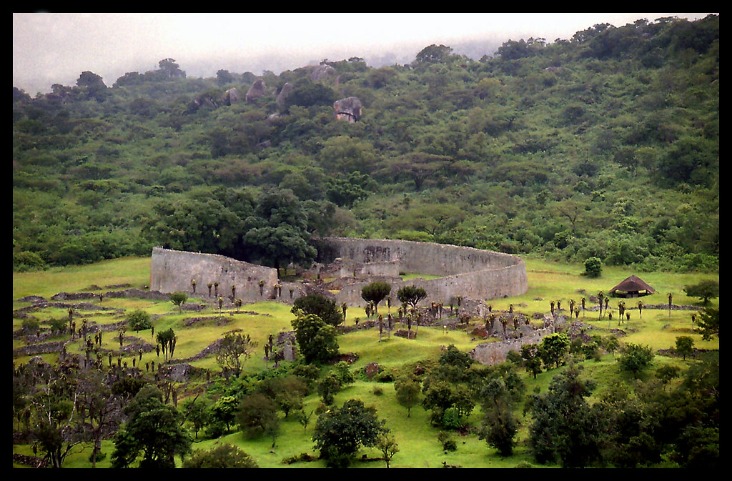
Preservation and conservation efforts at Great Zimbabwe Ruins are essential to maintain the site’s historical and cultural significance for future generations. Initiatives include careful restoration work, controlled access to prevent wear and tear, and ongoing research to understand the site’s unique architecture and heritage. Visitor management strategies are designed to balance public interest with the site’s preservation, including designated walkways, informative signage, and limiting the number of visitors during peak times. These measures help protect the ruins from overuse and environmental damage. Emphasis on sustainability involves implementing eco-friendly practices, promoting responsible tourism, and engaging local communities in conservation efforts. By fostering awareness and stewardship, Great Zimbabwe remains an enduring symbol of Zimbabwe’s rich history while ensuring its preservation for years to come.
Cultural and Tourist Importance
The Great Zimbabwe Ruins are a remarkable testament to the rich cultural heritage and history of ancient African civilization. As a UNESCO World Heritage Site, these impressive stone structures attract countless tourists and historians alike, offering a unique glimpse into the sophisticated society that once thrived in the region. Their cultural significance and archaeological beauty make them a vital destination for understanding the diverse roots of African identity and history.
Symbol of National Identity
The Great Zimbabwe Ruins are a vital cultural and historical site that exemplifies the rich heritage of Zimbabwe and southern Africa. These ancient stone structures serve as a symbol of the ingenuity and thriving civilization of the Shona people who built them, representing a link to the past and the cultural identity of the nation. As a UNESCO World Heritage Site, they attract numerous tourists eager to explore their architectural grandeur and historical significance. The ruins symbolize resilience, creativity, and the enduring spirit of Zimbabweans, making them a powerful emblem of national pride. They also play a crucial role in promoting tourism, fostering cultural preservation, and educating visitors about the region’s ancient history and societal achievements.
Tourist Attractions and Activities
The Great Zimbabwe Ruins are a UNESCO World Heritage Site renowned for their cultural and historical significance. They stand as a testament to the sophisticated civilization that thrived in southern Africa between the 11th and 15th centuries, offering valuable insights into ancient architecture, social organization, and cultural traditions. The site attracts visitors from around the world who are eager to explore its mysterious stone structures and learn about its rich heritage.
Tourist attractions at Great Zimbabwe include the imposing Great Enclosure, the Hill Complex, and the Royal Palace, each showcasing impressive stone masonry and intricate construction techniques. Visitors can walk through ancient pathways, admire panoramic views of the surrounding landscape, and explore archaeological sites that reveal the site’s historical layers. Among the activities available are guided tours, cultural performances, and workshops that highlight local craftsmanship and traditions, providing an immersive experience into the history and culture of the Zimbabwean people.
Educational and Cultural Programs
The Great Zimbabwe Ruins hold significant cultural and tourist importance as a symbol of Zimbabwe’s rich history and ancient civilization. These archaeological structures attract visitors from around the world who are eager to explore the remnants of a once-thriving medieval city recognized for its impressive stone architecture and historical significance. The site serves as a vital link to the country’s cultural heritage, inspiring national pride and identity.
Educational and cultural programs at the Great Zimbabwe Ruins aim to preserve and promote understanding of the site’s historical importance. These initiatives include guided tours, archaeological workshops, and academic research opportunities that help visitors and students learn about the society, engineering, and traditions of the ancient inhabitants. Such programs foster appreciation of Zimbabwe’s cultural legacy and encourage responsible tourism, ensuring the preservation of this UNESCO World Heritage site for future generations.




0 Comments