
Historical Context
The historical context of the Namibia versus Zimbabwe rivalry is deeply rooted in the complex colonial and post-colonial experiences of Southern Africa. Both nations have a shared history of struggle against colonial rule and efforts to establish independence, shaping their national identities and regional relationships. Understanding this background provides insight into the socio-political dynamics and the ongoing influences that impact their interactions today.
Colonial Background of Namibia
Namibia’s colonial history is marked by its occupation by Germany from 1884 to 1915, known as German South West Africa, which significantly influenced its cultural and political development. Following Germany’s defeat in World War I, the territory came under South African administration, a period characterized by apartheid policies that marginalized indigenous populations and suppressed their rights. Namibia’s struggle for independence culminated in a protracted liberation movement, ultimately leading to its independence in 1990. This turbulent colonial past set the stage for Namibia’s national identity and its relations with neighboring countries, including Zimbabwe.
Colonial Background of Zimbabwe
The colonial history of Zimbabwe, formerly known as Southern Rhodesia, played a significant role in shaping its political and social landscape today. Under British rule from 1890, the territory was governed as a British South Africa Company protectorate before being administered directly by Britain. During this period, the white minority held dominant control over land, economy, and political power, creating deep inequalities. The struggle for independence was driven by widespread resistance against colonial oppression, culminating in the declaration of Zimbabwe’s independence in 1980 under Robert Mugabe. This historical background contrasts with Namibia’s colonial experience, which was marked by German and later South African administration. Namibia gained independence in 1990 after a prolonged liberation struggle. These colonial legacies influenced both nations’ post-independence development, politics, and regional interactions, including their relations with neighboring countries such as Namibia and Zimbabwe today.
Path to Independence
The historical context of Namibia and Zimbabwe reveals a region shaped by colonialism and struggles for independence. Namibia, formerly known as South West Africa, was colonized by Germany in the late 19th century and later administered by South Africa after World War I, which imposed apartheid policies. Zimbabwe, formerly Southern Rhodesia, was colonized by the British and under white minority rule for decades. Both nations experienced significant resistance movements against colonial and minority rule, driving their paths toward independence in the mid-20th century. Namibia’s fight was led by the South West Africa People’s Organization (SWAPO), culminating in independence from South Africa in 1990. Zimbabwe’s liberation was spearheaded by the Zimbabwe African National Union (ZANU) and Zimbabwe African People’s Union (ZAPU), resulting in independence from Britain in 1980. These independence movements were influenced by regional and global anti-colonial sentiments, shaping their political landscapes today.
Political Systems and Leadership
Political systems and leadership play a crucial role in shaping the development and stability of nations. The differences between Namibia and Zimbabwe highlight the diverse approaches to governance and authority within the African continent. Understanding their political structures offers insight into how leadership influences national progress and the challenges faced by each country.
Government Structure in Namibia
Namibia and Zimbabwe are two Southern African countries with distinct political systems and government structures that influence their governance and leadership styles. Namibia operates as a democratic republic with a multi-party system, characterized by regular elections and a strong presidential authority. The President of Namibia is both the head of state and government, elected directly by the people for a five-year term, and holds significant executive power. The Namibian Parliament consists of two chambers: the National Assembly and the National Council, which work collaboratively within a framework designed to promote legislative governance and regional representation.
Zimbabwe, on the other hand, is a republic with a history of centralized authority, having experienced periods of political instability and contested elections. The country functions under a semi-presidential system, where the President is the head of state and government, wielding substantial executive power. Zimbabwe’s political landscape has been heavily influenced by its dominant party, ZANU-PF, and the leadership style often reflects strong centralized control. Its Parliament, consisting of the Senate and the National Assembly, oversees legislative responsibilities but has historically faced challenges related to governance transparency and electoral fairness.
Government Structure in Zimbabwe
Zimbabwe operates under a semi-presidential republic system, where power is divided between the executive, legislative, and judiciary branches. The government structure combines elements of parliamentary and presidential systems, with the President serving as both head of state and government. Leadership in Zimbabwe has historically been concentrated in the hands of the ruling party, ZANU-PF, with a strong influence on policies and governance practices.
- The President of Zimbabwe is elected by universal suffrage for a five-year term and can serve multiple terms.
- The legislative branch consists of two houses: the Senate and the National Assembly, responsible for passing laws and overseeing government functions.
- The judiciary operates independently, with the Supreme Court at the apex, ensuring the rule of law and constitutional compliance.
- Regional and local governments handle administrative duties, including service delivery and development projects.
In comparison to Namibia, which is a stable democratic republic with a multi-party system and regular peaceful elections, Zimbabwe’s political system has faced challenges related to governance, electoral integrity, and political stability. Namibia’s government structure emphasizes transparent institutions and respect for human rights, whereas Zimbabwe has struggled with issues of political influence and authoritarian tendencies within its leadership. These differences significantly impact their respective political landscapes and international relations.
Current Political Leadership
Namibia and Zimbabwe showcase contrasting political systems and leadership styles shaped by their unique histories and socio-economic contexts. Namibia operates as a republic with a democratic framework, featuring regular elections, a parliamentary system, and a president elected by the people. Its leadership has focused on stability, economic development, and fostering regional cooperation. Zimbabwe, on the other hand, has a history of long-standing leadership under Robert Mugabe, characterized by a dominant-party system and periods of political upheaval. The current political leadership in Zimbabwe is marked by efforts to stabilize the government and implement reforms amid economic challenges. While Namibia emphasizes democratic processes and institutional development, Zimbabwe continues to navigate issues related to governance, economic reform, and political legitimacy. Both countries’ leadership reflects their distinct paths and priorities in shaping their political landscapes.
Economic Overview
The economic overview of Namibia and Zimbabwe provides insight into the diverse development trajectories and challenges faced by these Southern African nations. Both countries have distinct resources, industries, and economic strategies that shape their current states, influencing regional stability and growth prospects. Understanding their economic strengths and vulnerabilities is essential for evaluating potential future collaborations and investments within the region.

Namibia’s Economy: Key Sectors
Namibia’s economy is characterized by a diverse mix of key sectors that significantly contribute to its national income and development. The country predominantly relies on mining, agriculture, tourism, and fishing to sustain its economic activities. Mining, especially of diamonds, uranium, and other minerals, remains a cornerstone of Namibia’s economic output, generating substantial revenue and employment opportunities. Agriculture, though limited by arid conditions, provides livelihoods for a significant portion of the population and supplies domestic markets. The tourism industry thrives due to Namibia’s unique landscapes, wildlife, and national parks, attracting international visitors and foreign investment. Additionally, fishing plays an essential role, particularly along the Atlantic coast, supporting both local consumption and export activities. Compared to Zimbabwe, Namibia’s economy is often viewed as more stable, with sound fiscal policies and a focus on sustainable growth, although it faces challenges such as economic diversification and external market dependencies. Ultimately, Namibia’s strategic emphasis on its natural resources and tourism sector shapes its economic landscape significantly as it navigates regional and global economic dynamics.
Zimbabwe’s Economy: Key Sectors
Zimbabwe’s economy is characterized by a diverse range of key sectors that contribute significantly to national growth and development. The agriculture sector remains vital, providing employment and food security through the cultivation of crops like tobacco, maize, and cotton. Mining is another crucial industry, rich in minerals such as platinum, gold, coal, and diamonds, which drive exports and foreign exchange earnings. The manufacturing sector, though experiencing challenges, produces textiles, food products, and chemicals, supporting local industries and employment. Additionally, tourism plays a prominent role, with attractions such as Victoria Falls and national parks attracting visitors worldwide. Overall, Zimbabwe’s economy is shaped by these core sectors, which face both opportunities and obstacles amid economic reforms and external factors.
Trade and Investment Relations
Namibia and Zimbabwe share a longstanding economic relationship that is characterized by trade, investment, and regional cooperation. Namibia’s strategic location and resource wealth complement Zimbabwe’s manufacturing and agricultural sectors, creating opportunities for mutual economic growth. Both countries are members of regional organizations such as the Southern African Development Community (SADC), which fosters economic integration and trade facilitation among member states.
Trade relations between Namibia and Zimbabwe include the exchange of various goods such as minerals, agricultural products, and manufactured items. Namibia exports minerals like uranium and copper to Zimbabwe, while Zimbabwe supplies agricultural commodities, tobacco, and manufactured goods in return. Despite some challenges related to political and economic stability, both nations have continued to explore ways to strengthen trade ties and reduce trade barriers.
In terms of investment, Namibia has attracted foreign direct investment in sectors like mining, tourism, and infrastructure, which presents opportunities for Zimbabwean investors seeking to expand into Namibia. Conversely, Zimbabwe’s investments in agriculture and manufacturing can benefit from Namibian capital and expertise. Efforts to increase regional cooperation, enhance transportation infrastructure, and implement trade agreements are key to amplifying economic and investment relations between the two nations.
Geography and Natural Resources
Geography and natural resources play a vital role in shaping the economic and social development of countries. Namibia and Zimbabwe, both located in southern Africa, feature diverse landscapes and rich natural resources that influence their industries and livelihoods. Understanding their geographical features and resource distribution provides insight into their unique challenges and opportunities.
Namibia’s Geography and Resources
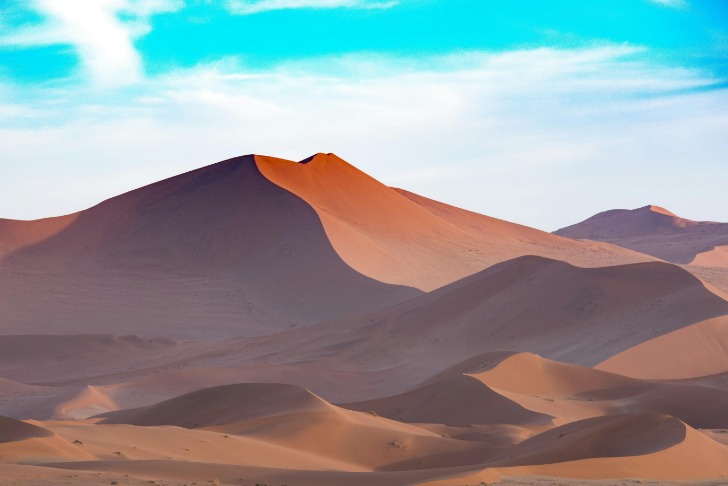
Namibia and Zimbabwe are two southern African countries whose geography and natural resources significantly influence their economies and development. Namibia is characterized by vast deserts, including the Namib Desert, which is one of the oldest deserts in the world, and rugged mountain ranges like the Brandberg. Its landscape is predominantly arid and semi-arid, affecting agricultural productivity but facilitating mineral deposits. Zimbabwe, on the other hand, features diverse topography with highland plateaus, fertile valleys such as the Zambezi Valley, and river systems including the Zambezi and Limpopo, which support agriculture and hydroelectric power.
Namibia is rich in mineral resources, notably diamonds, uranium, copper, and gold, which constitute the backbone of its economy. The country’s mineral wealth is a major driver of exports and attracts foreign investment. Zimbabwe also has significant mineral resources, including platinum group metals, gold, diamonds, and nickel. Its mineral sector has historically been a critical part of its economy, though political and economic challenges have impacted resource extraction efforts. Both countries possess valuable natural resources, but Namibia’s arid environment limits agricultural activities, whereas Zimbabwe’s more favorable climate supports diverse crops and livestock.
Zimbabwe’s Geography and Resources
Zimbabwe and Namibia are neighboring countries in southern Africa, each with unique geographical features and natural resources. Zimbabwe is primarily characterized by high plateau regions, with the Great Zimbabwe Ruins situated in the southeastern part of the country. The country is landlocked and has diverse landscapes that include mountains, savannahs, and rivers. Namibia, on the other hand, features an extensive desert landscape, notably the Namib Desert, which is one of the oldest deserts in the world. It also boasts vast mineral deposits and coastal plains along its Atlantic Ocean shoreline.
Zimbabwe possesses rich natural resources such as platinum, gold, diamonds, and coal, making it a significant player in the mining industry. Its rivers, like the Zambezi and Limpopo, provide vital water resources and hydroelectric potential, notably at Kariba Dam. Namibia is renowned for its mineral wealth, including uranium, zinc, copper, and gold. Its coastal region offers rich marine resources, and the country has significant potential for renewable energy sources like wind and solar power due to its arid climate. Both countries’ natural resources shape their economies and development prospects, with Zimbabwe emphasizing mineral extraction and Namibia focusing on mining and marine resources.
Environmental Challenges
Namibia and Zimbabwe are two nations in Southern Africa with distinct geographical features and natural resource profiles that influence their environmental challenges. Namibia is characterized by vast desert landscapes, notably the Namib Desert, and has a semi-arid climate that limits the availability of freshwater and fertile land. Zimbabwe, on the other hand, features diverse topography with savannas, highlands, and the fertile Zambezi River basin, which supports agriculture but also faces environmental pressures.
Both countries possess valuable natural resources that contribute to their economies. Namibia is rich in mineral resources like uranium, diamonds, and tungsten, but extraction activities can lead to environmental degradation if not managed responsibly. Zimbabwe’s resources include gold, platinum, and coal, with the mining sector often posing challenges such as land degradation, water pollution, and deforestation.
Environmental challenges faced by Namibia include desertification, water scarcity, and the impacts of climate change, which threaten its fragile ecosystems and rural populations. Zimbabwe struggles with deforestation, soil erosion, and water management issues, especially considering its dependence on agriculture. Overuse of water resources and climate variability have exacerbated drought conditions, impacting food security and biodiversity.
Both nations need to implement sustainable practices to manage their natural resources effectively. Conservation efforts and policies aimed at protecting ecosystems are vital for maintaining environmental stability, supporting livelihoods, and ensuring long-term economic development in Namibia and Zimbabwe.
Sociocultural Aspects
The sociocultural aspects of language play a significant role in shaping communication and identity within societies. In the context of Namibia and Zimbabwe, understanding these nuances reveals how history, traditions, and social norms influence language use and interactions. Exploring the linguistic landscape of these countries offers insights into their diverse cultures and the ways language fosters community and cultural expression.
Main Ethnic Groups
Namibia and Zimbabwe are both rich in their sociocultural diversity, reflecting a mosaic of ethnic groups and traditions that shape their national identities. In Namibia, the main ethnic groups include the Ovambo, Herero, Himba, Damara, and Nama, each with distinct languages, customs, and cultural practices. These groups contribute to a vibrant cultural landscape that influences social interactions, festivals, and everyday life. Zimbabwe, on the other hand, is predominantly inhabited by the Shona and Ndebele peoples, alongside smaller groups such as the Tonga, Chewa, and Venda. The Shona are known for their intricate stone sculptures and music, while the Ndebele are recognized for their colorful art and distinctive beadwork. Both countries have maintained traditional practices and languages that are integral to their national identities, despite modernization and globalization. The sociocultural fabric of Namibia and Zimbabwe showcases diverse traditions, social structures, and worldview, enriching their societies and fostering a sense of cultural pride among their peoples.
Languages and Cultural Heritage
Namibia and Zimbabwe each have rich sociocultural landscapes that reflect their diverse histories, ethnic groups, and traditions. Namibia is predominantly inhabited by various indigenous communities such as the Himba, Herero, and Nama, each contributing unique customs, attire, and social practices that shape the country’s cultural identity. Zimbabwe, on the other hand, boasts a vibrant mix of groups like the Shona, Ndebele, and several smaller communities, each with its own language, rituals, and artistic expressions. These diverse groups influence social norms, festivals, and community life in both nations.
Languages play a vital role in shaping cultural identity in Namibia and Zimbabwe. Namibia recognizes multiple official languages, including English, Oshiwambo, Nama, and Herero, reflecting its linguistic diversity. Zimbabwe’s official languages are English, Shona, and Ndebele, with many other local languages spoken across regions. Language use in daily life, education, and media underscores the importance of cultural preservation and promotes interethnic communication. Both countries actively maintain their indigenous languages and promote multilingualism to preserve cultural heritage.
Cultural heritage in Namibia and Zimbabwe is preserved through various traditional practices, historical sites, oral traditions, and artforms. Namibia is known for its rock art, traditional music, and dance that narrate its ancient history and social customs. Zimbabwe boasts magnificent stone structures like Great Zimbabwe and vibrant festivals that celebrate its cultural history. Both nations value their cultural heritage as a cornerstone of national identity, fostering pride and continuity amid modernization. Efforts to document, protect, and promote traditional crafts, music, and languages are vital to maintaining their rich cultural legacy for future generations.
Social Development and Education
The sociocultural aspects, social development, and education systems of Namibia and Zimbabwe reveal significant differences shaped by their unique histories and cultural identities. Namibia boasts a rich diversity of indigenous cultures and languages, which influence social interactions and community life. Its society emphasizes multiculturalism, with various ethnic groups coexisting while maintaining distinct traditions. In contrast, Zimbabwe’s society is deeply rooted in its Shona and Ndebele cultures, shaping social norms and community structures. Both countries face challenges related to social development, including poverty alleviation, healthcare, and access to quality education.
Education plays a crucial role in shaping the future of both nations. Namibia has made substantial investments in expanding access to primary and secondary education, aiming to promote equality among its diverse populations. The country’s education system emphasizes multilingual instruction, recognizing the importance of indigenous languages. Zimbabwe, meanwhile, has historically prioritized education as a means of national development, although economic difficulties have impacted the quality and reach of its educational institutions. Both countries recognize the importance of integrating cultural heritage into their educational curricula to foster national identity and social cohesion.
Relations Between Namibia and Zimbabwe
Namibia and Zimbabwe share a longstanding relationship rooted in history, geography, and cultural ties. Both countries are members of regional organizations and have collaborated on various economic, political, and social issues. Their relationship is characterized by mutual support and cooperation, reflecting shared interests in stability and development within the Southern African region.
Historical Diplomacy
Relations between Namibia and Zimbabwe have been shaped by a shared history of anti-colonial struggle and regional solidarity. Both nations fought against colonial rule and apartheid, fostering a diplomatic bond rooted in mutual understanding and support during their transitions to independence. Historically, Zimbabwe provided moral and material assistance to Namibia’s liberation movements, particularly SWAPO, during their fight for sovereignty against South African occupation. This camaraderie culminated in strong diplomatic ties post-independence, with both countries cooperating on various political, economic, and security issues within the Southern African Development Community. Over the years, their diplomatic relations have generally been amicable, marked by common interests in regional stability and development, though occasional differences have arisen due to regional politics or economic concerns. Nonetheless, the historical diplomacy between Namibia and Zimbabwe underscores a commitment to regional unity and shared aspirations for progress and independence.
Regional Cooperation and Alliances
Namibia and Zimbabwe share a complex relationship centered on regional cooperation, historical ties, and mutual interests within Southern Africa. Both countries are members of regional organizations such as the Southern African Development Community (SADC), which aims to promote economic integration, political stability, and peace across the region. These alliances facilitate diplomatic collaboration, trade, and joint efforts to address challenges like migration, security, and development.
The relationship has been shaped by shared history, including their colonial experiences and struggles for independence, which foster a sense of solidarity and common purpose. Namibia and Zimbabwe have also cooperated in border management, combating cross-border crimes, and supporting regional peacekeeping initiatives. Despite occasional differences, particularly over economic policies or regional political issues, they generally maintain strong diplomatic ties and prioritize regional stability.
Both nations recognize the importance of regional alliances in enhancing their economic prospects and political stability. They actively participate in regional dialogues, development projects, and security collaborations aimed at fostering long-term growth and resilience in Southern Africa. Overall, Namibia and Zimbabwe demonstrate a commitment to regional integration, working together to advance shared goals and address common challenges through bilateral and multilateral avenues.
Current Diplomatic and Economic Ties
Namibia and Zimbabwe share a longstanding relationship marked by strong diplomatic and economic ties. Both countries are members of regional organizations like the Southern African Development Community (SADC), which facilitates cooperation on political, economic, and security issues. Currently, their diplomatic relations are cordial, characterized by high-level visits and mutual support in regional fora. Economically, Zimbabwe and Namibia engage in trade and investment, with Namibia being a significant destination for Zimbabwean workers and traders. Cross-border trade involves agricultural products, minerals, and manufactured goods, fostering economic interdependence. Additionally, there is notable cooperation in tourism and cultural exchanges, which further strengthens bilateral bonds. Overall, Namibia and Zimbabwe continue to maintain a collaborative relationship that benefits their development goals and regional stability.
Challenges and Future Prospects
The upcoming match between Namibia and Zimbabwe presents not only an exciting showdown but also highlights the broader challenges and future prospects facing both teams. As cricket teams from Africa strive to improve their international standing, issues such as player development, funding, and infrastructure often come into focus. Exploring these aspects provides insight into how each nation can evolve and secure a stronger position in future competitions.
Political Stability
Political stability is a crucial factor influencing the development and international relations of Namibia and Zimbabwe. While Namibia has generally maintained a stable political environment since gaining independence, Zimbabwe has experienced significant political challenges over the years, affecting its stability and growth prospects.
Challenges faced by Namibia and Zimbabwe in maintaining political stability include economic difficulties, governance issues, and regional influences. Namibia, despite its relative stability, faces challenges related to economic inequality and resource management. Zimbabwe struggles with political unrest, leadership conflicts, and economic turmoil, which threaten long-term stability.
Looking ahead, the future prospects for political stability in Namibia and Zimbabwe depend on several factors, including governance reforms, economic recovery, and regional cooperation. Effective leadership and commitment to democratic principles can enhance stability, while addressing underlying economic and social issues remains vital for sustainable peace.
- Implementation of transparent governance and anti-corruption measures
- Economic reforms to foster growth and reduce unemployment
- Strengthening regional and international diplomatic relations
- Promotion of inclusive political processes and civil society engagement
- Addressing social inequalities and ensuring equitable resource distribution
Economic Growth and Development
Both Namibia and Zimbabwe face distinct challenges and opportunities in their pathways toward economic growth and development. Namibia’s economy is largely resource-dependent, particularly on minerals and diamonds, which makes it vulnerable to global commodity price fluctuations. Zimbabwe, meanwhile, struggles with hyperinflation, economic instability, and political uncertainties that hinder sustainable growth. Despite these hurdles, both countries possess significant potential due to their natural resources, strategic locations, and emerging sectors such as tourism and agriculture.
Looking ahead, Namibia’s focus on diversifying its economy beyond resource extraction, investing in renewable energy, and improving infrastructure could bolster sustainable development. Zimbabwe’s future prospects hinge on stabilizing its political climate, implementing economic reforms, and fostering investment to unlock its agricultural and mineral wealth. In the broader context, regional integration and cooperation may enhance economic resilience and open new avenues for growth for both nations.
Regional Integration and Future Collaboration
The challenges and future prospects of Namibia versus Zimbabwe revolve around regional integration and collaboration, which are essential for fostering stability and economic growth in Southern Africa. Both countries face issues such as border management, trade facilitation, and cooperative policies that can enhance cross-border mobility and economic exchange.
Regional integration efforts are crucial in addressing these challenges, promoting shared infrastructure projects, harmonizing trade regulations, and strengthening diplomatic ties. Collaborating on environmental issues, such as water resource management and combating climate change, also presents opportunities for Namibia and Zimbabwe to work together towards sustainable development.
Future collaboration between Namibia and Zimbabwe has the potential to unlock significant economic benefits, including expanding regional markets, attracting investment, and improving social services. Building resilient partnerships and engaging in joint initiatives will be key to overcoming obstacles and ensuring long-term stability and prosperity for both nations within the Southern African Development Community framework.



0 Comments