
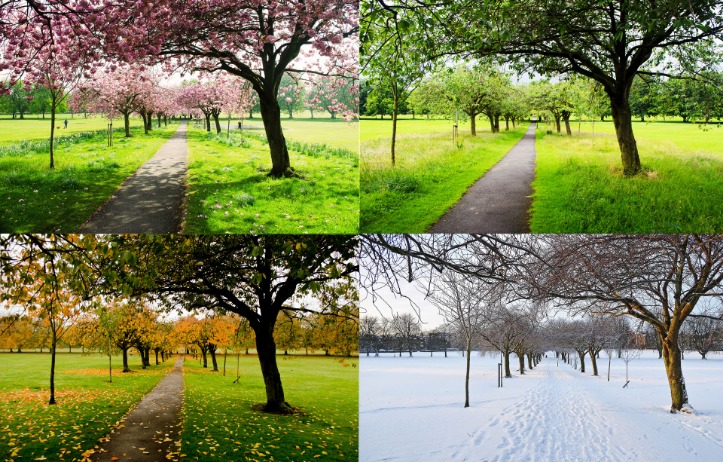
Understanding the Climate of Mauritius
Situated in the Indian Ocean, Mauritius enjoys a tropical climate that offers a warm and inviting environment year-round. Its distinctive weather patterns make it a popular destination for travelers seeking to experience the island’s natural beauty in all four seasons. Understanding the climate of Mauritius is essential for visitors to plan their activities and make the most of their stay on this stunning island.
Overview of the Tropical Climate
Mauritius experiences a tropical climate characterized by warm temperatures throughout the year, making it a popular year-round destination. Its climate is divided into distinct seasons, influenced by the Indian Ocean and prevailing winds, which create a varied but generally warm environment suitable for tourism and outdoor activities.
- Summer Season (November to April): This season is marked by hot and humid weather with temperatures often rising above 30°C (86°F). It is also the cyclone season, bringing occasional heavy rains and tropical storms.
- Winter Season (May to October): During this period, temperatures are cooler and more comfortable, averaging around 20°C to 25°C (68°F to 77°F). The weather is generally dry, with lower humidity and less rainfall, making it ideal for outdoor exploration.
- Wet and Dry Periods: The climate features distinct wet and dry periods, with the wet season coinciding with the summer months and bringing increased rainfall, especially on the mountainous east side of the island.
- Microclimates: Due to the island’s varied topography, local microclimates can be experienced, with some regions being wetter or drier, influencing local flora and fauna along with tourism activities.
Wet and Dry Seasons Explained
Mauritius experiences a tropical climate characterized by a distinct division between its wet and dry seasons, making it a popular destination for travelers seeking different seasonal experiences throughout the year.
The dry season in Mauritius generally runs from May to November, featuring cooler temperatures, lower humidity, and plenty of sunshine. This period is ideal for outdoor activities such as hiking, snorkeling, and exploring the islands’ scenic landscapes.
The wet season spans from December to April, bringing higher temperatures, increased humidity, and frequent rain showers, often in the form of short, intense tropical storms. Despite the rain, this season also offers lush greenery and vibrant landscapes, making it a beautiful time to visit for nature lovers.
Understanding the climate and seasonal variations of Mauritius helps visitors plan their trips so they can enjoy the island’s natural beauty and outdoor activities at the most suitable times of the year.
Temperature Variations Throughout the Year
Understanding the climate of Mauritius reveals a predominantly tropical environment characterized by warm temperatures and seasonal variations that influence the island’s weather patterns throughout the year. The climate is generally warm and humid, with distinct temperature fluctuations influenced by the island’s two main seasons: summer and winter. These seasonal changes are important for residents and visitors alike, affecting outdoor activities and the overall experience on the island.
During the summer months, from November to April, temperatures in Mauritius typically range from 25°C to 33°C (77°F to 91°F). This period is marked by higher humidity levels and the presence of the cyclone season, bringing occasional heavy rain showers and warm ocean breezes that make the climate feel even warmer. The summer heat often encourages outdoor pursuits such as beach trips, water sports, and sightseeing.
In contrast, the winter months, from June to September, tend to be cooler and more temperate, with temperatures generally falling between 17°C and 23°C (63°F to 73°F). The winter season is usually dry, offering more comfortable weather for exploring the island’s natural landscapes, hiking trails, and cultural sites. While it is not cold by temperate standards, this period provides a pleasant, mild climate ideal for outdoor activities.
Spring (October and November) and autumn (April and May) serve as transition periods with moderate temperatures and varying degrees of humidity. These shoulder seasons often feature less rainfall and pleasant weather, making them popular times for tourists seeking to avoid the peak summer crowds while enjoying a comfortable climate. Overall, the temperature variations throughout the year in Mauritius reflect a balanced tropical climate with distinct seasonal shifts that define the island’s weather patterns.
Humidity Levels and Weather Patterns
Understanding the climate of Mauritius is essential for visitors and residents alike, especially when considering the four seasons the island experiences. Mauritian weather is characterized by a warm, tropical climate with distinct seasons that influence humidity levels and weather patterns throughout the year.
During the summer months from November to April, the island experiences high temperatures complemented by elevated humidity levels, often exceeding 80%. This period is marked by warm seas and frequent, short tropical showers, which help moderate the heat but also contribute to the humid atmosphere. The summer season also sees the northeast trade winds, bringing moisture from the Indian Ocean and affecting overall weather conditions.
The winter season from June to September brings cooler temperatures and significantly lower humidity levels, often around 60-70%. During this time, the weather becomes more stable and less humid, with clearer skies and less rainfall. The southeast trade winds dominate this period, resulting in drier and more comfortable weather conducive to outdoor activities and sightseeing.
The shoulder seasons of spring (October) and autumn (May) act as transitional periods, with fluctuating humidity levels and weather patterns. These seasons typically bring milder temperatures, moderate humidity, and occasional showers, making them ideal times for travelers seeking pleasant weather without the peak summer or winter conditions. Overall, Mauritius’s climate ensures it remains a tropical paradise, with its humidity and weather patterns perfect for outdoor exploration year-round.
Spring in Mauritius (September to November)
Spring in Mauritius, spanning from September to November, ushers in a vibrant burst of life and color. This season marks a period of pleasant weather, with mild temperatures and refreshing breezes, making it an ideal time to explore the island’s lush landscapes and picturesque beaches. The island blossoms with exotic flowers, and the scenery is dotted with blooming trees, creating a captivating setting for visitors seeking a serene escape. Spring in Mauritius truly embodies renewal and the vibrant spirit of the island’s natural beauty.
Climate Characteristics
Spring in Mauritius, spanning from September to November, marks a pleasant transition with gradually warming temperatures and increasing sunshine. During this period, the climate is generally mild and comfortable, making it an ideal time for outdoor activities and exploring the island’s natural beauty. The weather is characterized by warm days, with temperatures typically ranging from 20°C to 26°C (68°F to 79°F), and cooler evenings. Rainfall is moderate, which helps maintain the lush greenery of the island, while humidity levels remain relatively moderate, contributing to an enjoyable climate for visitors and locals alike. Spring in Mauritius offers a perfect blend of warm weather and refreshing breezes, creating a welcoming atmosphere ahead of the hotter summer months.
Popular Activities and Attractions
Spring in Mauritius occurs from September to November, offering a delightful transition from the cooler winter months to warmer and sunnier days. During this season, the island boasts lush green landscapes, blooming flowers, and pleasant temperatures, making it an ideal time for outdoor exploration and relaxation.
Popular activities during spring include hiking through the scenic trails of Black River Gorges National Park, where visitors can enjoy panoramic views and observe native flora and fauna. Beach outings are also favored, with pristine shores like Belle Mare and Le Morne offering excellent swimming, sunbathing, and water sports. Additionally, exploring the vibrant local markets and experiencing traditional Mauritian cuisine adds to the cultural immersion.
Must-visit attractions in Mauritius during spring include the Chamarel Seven Colored Earths, known for its striking multi-colored dunes, and the nearby Chamarel Waterfall. The island’s botanical gardens, such as Sir Seewoosagur Ramgoolam Botanical Garden, showcase exotic plants and giant water lilies, providing peaceful retreats. For adventure seekers, snorkeling and diving around the coral reefs reveal a rich underwater world teeming with marine life.
Wildlife and Flora During Spring
Spring in Mauritius, spanning from September to November, brings a vibrant burst of life to the island’s lush landscapes. During this period, the weather is warm and pleasant, making it ideal for exploring the diverse wildlife and flora. The countryside blossoms with colorful flowers, such as hibiscus and frangipani, creating a stunning backdrop for nature enthusiasts. Wildlife remains active, with many bird species singing and nesting, including the endemic Mauritius fody and the pink pigeon. Marine life also thrives, offering excellent opportunities for snorkeling and diving to observe vibrant coral reefs and tropical fish. Overall, spring is a beautiful time to experience Mauritius’s rich natural beauty and ecological diversity.
Summer in Mauritius (December to February)
Summer in Mauritius, from December to February, offers a vibrant and lively atmosphere marked by warm temperatures and abundant sunshine. It’s an ideal time for beach lovers, water sports enthusiasts, and those seeking to enjoy the island’s lush landscapes. The season brings a sense of festivities and outdoor adventures, making it a perfect time to experience the island’s natural beauty and carefree spirit amidst the tropical warmth.
Weather Conditions and Temperatures
Summer in Mauritius, occurring from December to February, is characterized by warm and inviting weather, making it an ideal time for beach activities and outdoor adventures. During these months, the island experiences the peak of its summer season, with sunny days and vibrant landscapes.
The weather conditions in summer are typically hot and humid, with temperatures ranging from 25°C to 30°C (77°F to 86°F). The humidity levels can be quite high, contributing to the warm sensation even during cooler evenings. Occasional showers and thunderstorms are common, often occurring in the late afternoon or evening, providing relief from the heat and nourishing the lush greenery of the island.
The sea temperature during summer remains warm and pleasant, usually between 25°C and 28°C (77°F to 82°F), perfect for swimming, snorkeling, and other water sports. Overall, summer in Mauritius offers a lively and warm environment, ideal for enjoying the island’s beaches, vibrant marine life, and outdoor activities.
Best Time for Beach and Water Activities
Summer in Mauritius, from December to February, offers the perfect time to enjoy the island’s stunning beaches and water activities. During these months, the weather is warm and sunny, making it ideal for swimming, snorkeling, diving, and sailing.
- December to February is considered the best time for beach lovers to indulge in water sports due to the warm ocean temperatures.
- Clear visibility and calm seas create excellent conditions for underwater activities such as snorkeling and scuba diving.
- Most tourists visit during this season to experience the vibrant marine life and participate in boat trips and water excursions.
- It’s also a festive season with numerous events and celebrations, enhancing the holiday experience on the island.
Weather Precautions and Safety Tips
Summer in Mauritius, from December to February, is characterized by warm temperatures, abundant sunshine, and a lively atmosphere. This period is perfect for enjoying the island’s beautiful beaches, outdoor activities, and vibrant festivals. However, travelers should be aware of certain weather conditions and safety considerations to ensure a enjoyable and secure stay.
During summer, the weather can be hot and humid, with daytime temperatures often exceeding 30°C (86°F). The region also experiences occasional thunderstorms and heavy rainfall, especially in the afternoons. The UV index tends to be high, increasing the risk of sunburn. It’s important to stay hydrated, wear sunscreen, and seek shade during peak sunlight hours. Lightweight, breathable clothing, a hat, and sunglasses are recommended for comfort and protection.
To stay safe during summer in Mauritius, visitors should be cautious when swimming or engaging in water sports. Always swim in designated areas with lifeguards present and avoid swimming during rough sea conditions or strong currents. Protect your skin from sunburn by applying broad-spectrum sunscreen regularly. Be mindful of the heat by taking breaks, staying hydrated, and avoiding strenuous activity during the hottest parts of the day. Additionally, be aware of the potential for tropical storms and monitor weather advisories regularly to stay informed about any severe weather warnings.
Autumn in Mauritius (March to May)
Autumn in Mauritius, spanning from March to May, offers a delightful transition from the humid summer to cooler, more comfortable weather. During this season, the island’s lush landscapes are still vibrant, and the pleasant temperatures make it an ideal time for outdoor activities and exploring its natural beauty. Autumn’s mild climate provides the perfect backdrop for experiencing the diverse flora and fauna that thrive across the island, making it a truly enchanting time to visit Mauritius.
Climate and Weather Changes
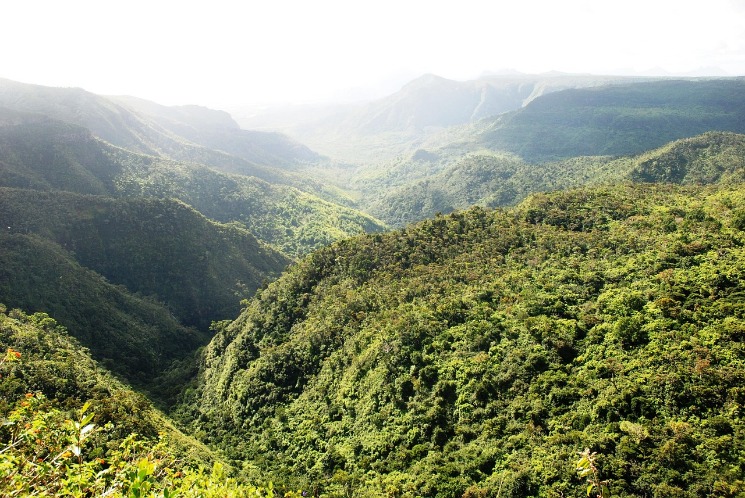
Autumn in Mauritius, spanning from March to May, marks a transitional period between the hot summer and the cooler winter months. During this season, the weather begins to mellow, offering more moderate temperatures and generally pleasant conditions for visitors and locals alike.
The climate in autumn is characterized by warm days with temperatures ranging from 20°C to 27°C (68°F to 81°F). The humidity levels start to decrease, leading to more comfortable outdoor activities. Rainfall remains relatively moderate compared to the peak summer months, but occasional showers can still occur, especially at the beginning of the season.
Weather changes in autumn bring a refreshing break from the intense heat of summer, making it an ideal time for sightseeing, outdoor excursions, and exploring the island’s natural beauty. The sea remains warm and inviting for swimming, snorkeling, and other water sports, while the lush landscape benefits from the recent rainfall, enhancing the island’s vibrant greenery.
Optimal Period for Tourism
Autumn in Mauritius, spanning from March to May, is considered one of the optimal periods for tourism on the island. During this season, the weather is relatively mild and pleasant, with less humidity and a decrease in the rainfall compared to the summer months. Visitors can enjoy clear skies, warm temperatures, and comfortable conditions perfect for outdoor activities such as hiking, snorkeling, and exploring the scenic landscapes. This period also offers a quieter atmosphere with fewer tourists, allowing for a more relaxed and authentic experience of the island’s natural beauty and cultural attractions. Autumn’s favorable weather makes it an ideal time for travelers seeking a peaceful getaway or adventures in Mauritius’s diverse environment.
Festivals and Cultural Events
Autumn in Mauritius, spanning from March to May, offers a pleasant and mild climate ideal for exploring the island’s natural beauty and cultural festivities. During this season, the weather begins to transition from the hot summer months, bringing cooler breezes and less humidity, making outdoor activities more enjoyable. The ocean remains warm, perfect for swimming, snorkeling, and water sports.
Autumn is also a vibrant time for festivals and cultural events in Mauritius. One of the major celebrations is Holi, the Festival of Colors, which is celebrated with lively color throwing, music, and dance, showcasing the island’s diverse cultural heritage. During this season, the Maha Shivratri festival is also observed by the Hindu community with prayers, rituals, and gatherings at temples across the island. Additionally, Mauritius hosts various local fairs, traditional music performances, and culinary festivals that highlight its rich multicultural identity, making autumn an exciting and culturally immersive time to visit the island.
Winter in Mauritius (June to August)
Winter in Mauritius, occurring from June to August, offers a refreshing escape from the usual tropical heat. During these months, the island experiences cooler temperatures, pleasant breezes, and less humidity, making it an ideal time for outdoor activities and exploring its natural beauty. This season provides a unique opportunity for visitors to enjoy the island’s serene landscapes, vibrant wildlife, and comfortable climate, all while avoiding the peak tourist crowds of summer.
Climate and Temperature Range
Winter in Mauritius, which occurs from June to August, is characterized by mild and comfortable weather, making it a popular time for visitors to explore the island. The climate during this season is generally cool and dry, offering a pleasant escape from the hotter months. Temperatures typically range from around 17°C to 23°C (63°F to 73°F), providing a refreshing and comfortable environment for outdoor activities. The humidity levels are lower compared to the summer months, adding to the overall pleasantness of the weather. This season also brings cooler evenings and mornings, creating ideal conditions for sightseeing, hiking, and enjoying the island’s natural beauty without the heat and humidity of summer.
Best Activities During Winter
Winter in Mauritius, spanning from June to August, offers a unique and enjoyable experience for visitors. During these months, temperatures remain mild and pleasant, making it an ideal time to explore the island’s natural beauty and outdoor activities. The cooler weather is perfect for sightseeing, outdoor adventures, and relaxing escapes without the intense heat of summer.
One of the best activities during winter in Mauritius is hiking and trekking. The island’s lush mountains and scenic trails, such as those in Black River Gorges National Park or Le Morne Brabant, provide breathtaking views and a refreshing experience. Additionally, watersports like snorkeling and diving are popular, especially since the sea remains warm and calm, offering excellent visibility to explore coral reefs and marine life.
Winter is also a great time to indulge in cultural experiences and local festivals. Visiting markets, trying traditional Mauritian cuisine, and exploring historical sites can be especially enjoyable during this cooler season. For those seeking relaxation, the island’s luxury resorts and spas offer rejuvenating treatments, making the most of the tranquil winter atmosphere.
Overall, winter in Mauritius provides the perfect climate for outdoor adventures, cultural exploration, and relaxation, making it an excellent season for visitors to experience the island’s diverse attractions.
Travel Tips for Winter Visitors
Winter in Mauritius, from June to August, offers a mild and pleasant climate, making it an ideal time for travelers seeking cooler temperatures and fewer crowds. During this season, the island experiences comfortable weather, perfect for exploring its natural beauty and outdoor attractions.
- Pack light layers and a light sweater for cooler evenings.
- Bring sunscreen, sunglasses, and a hat to protect against the mild UV rays.
- Plan outdoor activities such as hiking, snorkeling, or visiting botanical gardens, taking advantage of the dry and sunny weather.
- Book accommodations and popular excursions in advance, as winter is a popular season for visitors.




0 Comments