
Geography and Location
Island Mauritius is a beautiful island nation located in the Indian Ocean, off the southeastern coast of Africa. Its geography encompasses lush volcanic landscapes, pristine beaches, and vibrant coral reefs. Situated approximately 2,000 kilometers from the coast of mainland Africa, Mauritius is known for its strategic location which has made it a key trading and tourism hub in the region. The diverse terrain and strategic position contribute to its unique climate and rich biodiversity.
Physical Features of Mauritius
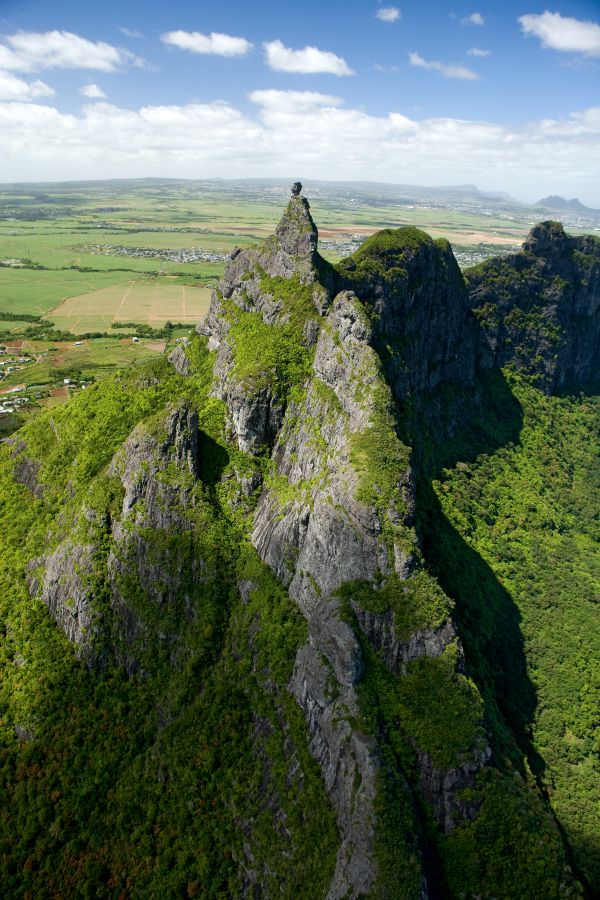
Island Mauritius is located in the Indian Ocean, east of the coast of Africa. It is a small island nation known for its stunning natural beauty and diverse geography. The island covers an area of approximately 2,040 square kilometers and is characterized by a combination of mountains, plains, and coastal areas.
The most prominent physical feature of Mauritius is the central plateau, which is surrounded by rugged mountain ranges. The island’s highest point is Piton de la Petite Rivière Noire, standing at 828 meters above sea level. The coastlines are fringed with beautiful beaches and coral reefs, making it a popular destination for tourists. The island also has several rivers and waterfalls that add to its scenic landscape. Overall, the physical features of Mauritius contribute to its rich biodiversity and unique geographical identity.
Marine Ecosystems and Coral Reefs
Island Mauritius, located in the Indian Ocean, is renowned for its diverse geography and vibrant marine ecosystems. Surrounded by clear turquoise waters, the island features lush mountainous regions, extensive sugarcane fields, and pristine beaches, making it a unique blend of natural landscapes. Its strategic position in the Indian Ocean has contributed to its rich marine biodiversity, with coral reefs playing a crucial role in supporting local ecosystems.
Marine ecosystems around Mauritius are characterized by extensive coral reefs, which serve as vital habitats for numerous marine species. These coral reefs provide protection for coastlines from erosion, support fishing industries, and attract tourists, making them indispensable to the island’s economy and environment. The reefs’ vibrant colors and diverse marine life, including colorful fish and marine invertebrates, highlight the ecological significance of these coral formations.
Coral reefs in Mauritius are sensitive to environmental changes and require ongoing conservation efforts to preserve their health. These ecosystems not only sustain marine biodiversity but also contribute to the island’s aesthetic appeal and ecological stability, emphasizing the importance of protecting these fragile habitats for future generations.
Climate and Weather Patterns
Mauritius is an island nation located in the Indian Ocean, approximately 2,000 kilometers off the southeastern coast of Africa. Its geographic position features a volcanic origin with lush interior landscapes and pristine beaches along its coastline. The island is characterized by mountain ranges, including the central Plateau, and extensive coral reefs that surround its shores.
The climate of Mauritius is generally tropical, with warm temperatures year-round and distinct wet and dry seasons. The summer months from November to April are hot and humid, often bringing heavy rainfall and occasional cyclones. The winter months from May to October are cooler, dry, and more pleasant, making it an ideal time for tourism and outdoor activities.
Weather patterns in Mauritius are influenced by the Indian Ocean monsoon system, leading to seasonal variations in rainfall and wind. The island experiences a relatively stable climate, but it is occasionally affected by cyclones that can bring intense storms and heavy rains. Overall, the island’s climate supports diverse ecosystems and makes Mauritius a popular destination for beachgoers and nature enthusiasts alike.
History and Cultural Heritage
Island Mauritius is a captivating destination rich in history and cultural heritage. Its diverse past reflects a blend of African, Asian, European, and Arab influences that have shaped its unique identity. From ancient traditions to colonial legacies, the island’s history offers a fascinating glimpse into a multicultural society. Exploring Mauritius’s heritage reveals the stories that have shaped its vibrant communities and preserved its timeless customs.
Historical Background and Colonization
Island Mauritius boasts a rich and diverse history shaped by centuries of colonization and cultural interchange. Originally inhabited by the island’s indigenous peoples, Mauritius experienced European contact in the 16th century, with the Portuguese, Dutch, French, and British all having a significant influence over the island’s development. The French established a significant presence in the 18th century, bringing with them administrative structures, cultural practices, and plantation economies based on sugarcane cultivation. In 1810, the British took control, further shaping the island’s political landscape and introducing English as the official language. This layered colonial past has left a lasting imprint on Mauritius’s cultural heritage, seen in its architecture, customs, and multilingual society. Today, the island’s cultural identity is a vibrant blend of African, Asian, European, and Creole influences, reflecting its complex historical background and colonization legacy.
Major Cultural Influences
Mauritius, a island nation in the Indian Ocean, boasts a rich history and vibrant cultural heritage shaped by diverse influences over centuries. Its history includes indigenous inhabitants, European colonization, and Asian indentured labor, all of which have contributed to its unique cultural tapestry. The island’s strategic location made it a melting pot of peoples, including the Dutch, French, British, Chinese, Indian, and African communities, each leaving a lasting imprint on its traditions, languages, and customs. These influences are evident in Mauritius’s diverse architecture, cuisine, music, and religious practices. The preservation of cultural heritage is reflected in its festivals, temples, and historical sites, which attract visitors and serve as a testament to the island’s multifaceted identity. Through centuries of interaction and adaptation, Mauritius has cultivated a distinctive culture that celebrates its diverse origins and resilient spirit.
Languages and Traditions
Island Mauritius boasts a rich history and vibrant cultural heritage shaped by a diverse blend of influences including African, Asian, European, and Malagasy origins. This melting pot is reflected in its historic sites, colonial architecture, and multicultural traditions that have been preserved and celebrated over centuries.
The languages spoken in Mauritius highlight its diverse cultural background, with English and French widely used in official and everyday communication. Creole, a blend of French and African languages, is the mother tongue of most Mauritians, serving as a symbol of national identity. Additionally, languages such as Hindi, Tamil, Telugu, Marathi, and Chinese are spoken among various community groups, reinforcing the island’s multicultural fabric.
Mauritius’ traditions are vividly expressed through colorful festivals, dance, music, and culinary practices. Hindu festivals like Maha Shivaratri and Diwali are celebrated with fervor, reflecting the significant Indo-Mauritian community. The Sega, a traditional music and dance form with roots in African and Malagasy cultures, is an enduring symbol of the island’s cultural identity. These traditions, alongside the island’s gastronomy and arts, continue to thrive, making Mauritius a vibrant tapestry of its historical and cultural heritage.
Tourist Attractions and Activities
Island Mauritius is a stunning destination renowned for its diverse tourist attractions and exciting activities. Visitors can explore pristine beaches, vibrant coral reefs, and lush green landscapes that offer a perfect blend of relaxation and adventure. From cultural sites to thrilling water sports, Mauritius provides a memorable experience for all travelers seeking both leisure and exploration.
Beaches and Resorts
Island Mauritius is renowned for its stunning tourist attractions and diverse activities that cater to all interests. Visitors can explore the vibrant markets in Port Louis, visit the historic Aapravasi Ghat, or enjoy the natural beauty of Black River Gorges National Park. For adventure seekers, diving, snorkeling, and deep-sea fishing are popular activities that reveal the rich marine life surrounding the island. The island’s rich cultural heritage and scenic landscapes make it a perfect destination for those looking to experience history, nature, and adventure in one place.
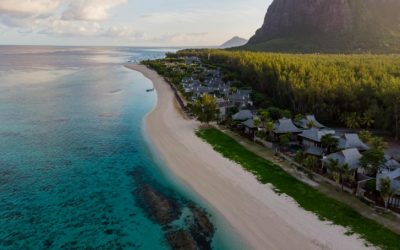
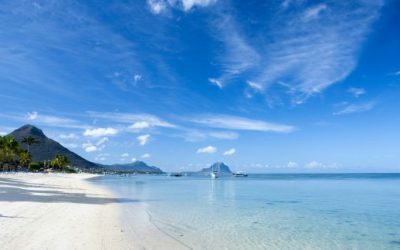
Beaches and resorts are among the island’s biggest draws, with powdery white sands and crystal-clear waters shaping the perfect tropical getaway. Famous beaches like Trou aux Biches, Le Morne, and Belle Mare offer pristine settings for sunbathing, swimming, and water sports. Luxurious resorts dot these coastlines, providing world-class amenities, spa services, and gourmet dining, ensuring visitors enjoy a relaxing and memorable stay. Whether seeking a romantic retreat or family vacation, Mauritius’s beaches and resorts promise an idyllic escape in a picture-perfect setting.
Natural Landmarks and Parks
Island Mauritius offers a diverse range of tourist attractions and activities that cater to every type of traveler. Visitors can explore vibrant markets, historic sites, and luxurious resorts, all set against a stunning tropical backdrop. Water sports such as snorkeling, diving, and sailing are popular among those seeking adventure in the clear Indian Ocean waters. The island’s rich cultural heritage can be experienced through its colorful festivals, traditional dance performances, and local cuisine.
Natural landmarks and parks in Mauritius are spectacular, showcasing the island’s lush landscape and unique biodiversity. The Black River Gorges National Park is a favorite for hiking enthusiasts, offering trails through dense forests and breathtaking waterfalls. La Vanille Nature Park allows visitors to interact with giant tortoises and observe exotic reptiles and insects. The Chamarel Colored Earths is a striking geological wonder with vibrant, multicolored dunes that create perfect photo opportunities. These natural sites highlight Mauritius’s ecological richness and provide unforgettable experiences for nature lovers.
Adventure and Water Sports
Island Mauritius is a premier travel destination offering a diverse range of tourist attractions and activities, especially for adventure and water sports enthusiasts. Visitors can enjoy pristine beaches, vibrant coral reefs, and lush landscapes that create the perfect setting for both relaxation and thrilling adventures.
- Scuba Diving and Snorkeling: Explore mesmerizing coral reefs teeming with marine life, including colorful fish, sea turtles, and vibrant coral formations.
- Deep-Sea Fishing: Experience the thrill of deep-sea fishing in the Indian Ocean, targeting species like Marlin, Tuna, and Sailfish.
- Surfing: The island’s popular surf spots cater to beginners and experienced surfers alike, with consistent waves during the season.
- Water Skiing and Wakeboarding: Enjoy exhilarating rides on the smooth waters around Mauritius, suitable for all skill levels.
- Kite Surfing and Windsurfing: Take advantage of the steady trade winds on the north and east coasts for exciting kite surfing and windsurfing adventures.
- Glass-Bottom Boat Tours: Discover the underwater world safely while relaxing on a glass-bottom boat, ideal for all ages.
- Hiking and Nature Walks: Trek through scenic national parks such as Black River Gorges and observe local flora and fauna.
- Chamarel Seven Colored Earths: Visit this unique geological formation to witness striking colored sands and breathtaking views.
- Visitbotanical Gardens: Discover exotic plants and flowers at Sir Seewoosagur Ramgoolam Botanical Garden.
- Casela Nature Park: Engage in various activities including safari tours, zip-lining, and interactions with exotic animals.
- Exploring Le Morne Brabant: Climb the mountain offering panoramic views and a glimpse into Mauritius’s history as a UNESCO World Heritage Site.
Economy and Development
Island Mauritius is a remarkable example of economic transformation and development in the Indian Ocean region. Over the years, the country has shifted from a primarily agricultural economy to a diverse economy driven by tourism, manufacturing, and services. Sustainable growth and strategic investments have played a crucial role in enhancing living standards and fostering economic stability. Understanding Mauritius’s journey offers valuable insights into the dynamics of island economies and their development potential.
Tourism Industry
Island Mauritius boasts a dynamic economy largely driven by its vibrant tourism industry, which is a vital pillar of national development. The country’s natural beauty, including pristine beaches, lush landscapes, and diverse marine life, attracts millions of visitors annually, fueling local businesses and creating employment opportunities. Besides tourism, Mauritius has diversified its economy with sectors such as textiles, sugar production, financial services, and information technology, contributing to sustainable growth. The government continues to invest in infrastructure and marketing strategies to enhance its global appeal, aiming to position Mauritius as a premier tourist destination while fostering economic resilience and development.
Agriculture and Industries
Island Mauritius boasts a diverse economy largely driven by agriculture, industry, and tourism. Traditionally, sugarcane cultivation has been the backbone of its agricultural sector, providing significant economic value and employment opportunities. Over time, the country has diversified its economy by developing textiles, clothing, and manufacturing industries, which contribute substantially to exports. Mauritius has also invested heavily in the tourism industry, leveraging its pristine beaches, coral reefs, and vibrant culture to attract travelers worldwide. Efforts to modernize infrastructure and promote sustainable development are ongoing, aiming to enhance economic stability and foster long-term growth. Overall, the balance between agriculture, industry, and tourism is vital for Mauritius’s continued development and prosperity.
Infrastructure and Urban Development
Island Mauritius is a vibrant nation that has experienced significant progress in its economy and development over recent decades. Its economy is largely driven by services, particularly tourism, financial services, and information technology, which have become vital contributors to national growth. The country has successfully diversified its economic base, attracting foreign investment and fostering entrepreneurship.
Infrastructure development has played a crucial role in supporting Mauritius’s economic ambitions. The nation boasts modern transportation systems, including an international airport, well-maintained roads, and ports that facilitate trade and tourism. Investment in telecommunications has ensured widespread connectivity, while urban development projects have enhanced living standards and supported business expansion.
Urbanization in Mauritius has shown steady progress, with the capital city Port Louis and other towns becoming centers of commerce and innovation. The government has prioritized sustainable urban planning, focusing on improving public amenities, housing, and green spaces to create more livable cities. Overall, Mauritius’s commitment to economic development and infrastructure advancement continues to position it as an emerging hub in the Indian Ocean region.
Flora and Fauna
Island Mauritius is a lush paradise teeming with diverse flora and fauna that showcase the island’s rich natural heritage. From vibrant tropical plants to unique wildlife, the island offers a breathtaking array of ecosystems. Exploring its flora and fauna reveals the remarkable ways in which nature has thrived in this beautiful, isolated environment.
Natives and Endemic Species
Island Mauritius is renowned for its rich and diverse flora and fauna, which contribute to its unique ecological landscape. The island’s native species include a variety of plants, birds, insects, and marine life that have evolved in isolation, resulting in distinct characteristics not found elsewhere. Many of these species are endemic, meaning they are exclusive to Mauritius and are not naturally found on any other part of the world. Unfortunately, the introduction of non-native species and human activity have threatened these delicate ecosystems, leading to the decline of several native and endemic species. Conservation efforts are ongoing to protect and preserve Mauritius’s unique biodiversity, ensuring that these species continue to thrive for future generations.
Wildlife Conservation Efforts
Island Mauritius is renowned for its rich and diverse flora and fauna, featuring unique plant species and endemic animals found nowhere else in the world. The island’s lush forests and coastal ecosystems provide habitats for a variety of wildlife, including rare bird species like the Mauritian flying fox and the pink pigeon. To preserve its natural heritage, Mauritius has implemented numerous wildlife conservation efforts, such as establishing protected areas and national parks like Black River Gorges and Île aux Aigrettes. These initiatives aim to safeguard endangered species, restore degraded habitats, and promote ecological sustainability. Community involvement and international partnerships also play a crucial role in Mauritius’s ongoing efforts to conserve its unique biodiversity and ensure the survival of its wildlife for future generations.
Botanical Gardens and Zoos
Island Mauritius is renowned for its rich biodiversity, featuring a diverse array of flora and fauna. The island boasts lush tropical forests, beautiful floral species, and unique wildlife that draws nature enthusiasts from around the world. Botanical gardens and zoos play a vital role in the conservation and education of this natural heritage, offering visitors a glimpse into the island’s ecological treasures.
- Botanical Gardens:
- Sir Seewoosagur Ramgoolam Botanical Garden: Established in 1770, it is famous for its giant water lilies and diverse collection of indigenous and exotic plants.
- Pamplemousses Botanical Garden: Known for its rare flora and aromatic spices, it is a must-visit destination for nature lovers.
- Zoos:
- John Mur bridges Zoo: Home to a variety of animals including endemic species, offering educational experiences.
- Casela World of Adventures: Combines a zoo, adventure park, and botanical gardens, providing an interactive experience with wildlife and plant species.
These gardens and zoos serve to protect Mauritian plant and animal species, many of which are endemic, and promote awareness about conservation efforts essential for preserving the island’s unique natural environment.
Transportation and Accessibility
Transportation and accessibility play a vital role in shaping the connectivity and convenience for residents and visitors of Mauritius. As a popular island destination, Mauritius offers diverse transportation options that facilitate movement across its scenic landscapes and vibrant towns. Efficient infrastructure and accessible transport services are essential for promoting tourism, supporting local communities, and enhancing overall mobility on the island.
Airports and Flight Connections
Mauritius is well-equipped with transportation infrastructure that makes it easy for travelers to explore the island. The country features a network of roads connecting major towns, beaches, and attractions, ensuring convenient travel by car or taxi. Public transportation options, such as buses, are widely available and affordable, providing reliable access across the island.
The Sir Seewoosagur Ramgoolam International Airport is the main gateway to Mauritius, located near the capital, Port Louis. This modern airport handles numerous international flights from Europe, Africa, Asia, and beyond, making it accessible for visitors from around the world. The airport offers various services, including car rentals, taxis, and shuttle services, facilitating seamless transportation upon arrival.
For travelers wishing to explore neighboring islands or destinations, there are regular ferry services connecting Mauritius to nearby islands and ports. Additionally, some resorts and hotels offer private transfers and boat trips, enhancing the overall accessibility and convenience for visitors seeking diverse experiences during their stay. Overall, Mauritius provides excellent connectivity, supporting a smooth and enjoyable travel experience on the island.
Local Transportation Options
Transportation and accessibility in Mauritius are well-developed, making it easy for visitors and residents to navigate the island. Various local transportation options are available to explore the different regions and attractions efficiently.
- Bus services operate frequently across major towns and tourist areas, offering an affordable way to travel around the island.
- Taxis are available for short trips and can be booked through taxi stands or apps, providing more convenience and comfort.
- Car rental services are widely accessible, allowing visitors to explore the island at their own pace, especially in more remote areas.
- Motorcycle rentals are also popular for those seeking a more adventurous and flexible way to travel.
- Private transfers and shuttle services are available for airport arrivals, departures, and special excursions.
Ports and Shipping
Island Mauritius boasts a well-developed transportation and accessibility network that ensures smooth movement within the island and connects it to the outside world. The island has an efficient road system, including major highways and paved roads, facilitating travel between cities, towns, and tourist destinations. Public transportation options such as buses are widely available, making it easy for residents and visitors to navigate the island.
Ports and shipping play a crucial role in Mauritius’s connectivity and economic stability. The Port Louis Harbour, the main port, handles the majority of imports and exports, including goods like sugar, textiles, and manufactured products. The port is equipped with modern facilities to support cargo handling, container services, and cruise tourism. Additionally, Mauritius benefits from strategic positioning in the Indian Ocean, making it a hub for maritime trade routes, shipping companies, and logistical services, which further enhances its role as a key transit point in regional and international commerce.
Cuisine and Local Food
Island Mauritius is renowned for its vibrant and diverse cuisine, reflecting a rich blend of cultures and traditions. The local food showcases a mix of flavors from Indian, Creole, Chinese, and French influences, creating an inviting culinary experience. From spicy curries to fresh seafood and tropical fruits, Mauritius offers an exciting array of dishes that celebrate its unique island identity.
Traditional Dishes
Mauritius is renowned for its rich and diverse culinary heritage, blending African, French, Indian, and Chinese influences to create a unique and flavorful cuisine. The island’s cuisine is characterized by vibrant spices, fresh seafood, tropical fruits, and aromatic herbs, offering a delightful gastronomic experience for visitors and locals alike.
Traditional dishes that showcase Mauritius’s culinary diversity include “biryani,” a fragrant rice dish with tender meat, and “dholl puri,” a popular Indian flatbread filled with yellow split peas and served with chutneys. “Rougaille,” a savory tomato-based sauce with fish, chicken, or seafood, is often paired with rice or bread. For seafood lovers, dishes like “poulis” (seafood stew) and grilled fish are staples, reflecting the island’s maritime culture. Additionally, the ubiquitous “farata,” a type of flatbread, complements many meals and is a staple in local cuisine.
Fruits such as lychees, mangoes, and pineapples are widely consumed and often used in desserts and beverages, exemplifying the island’s bounty of tropical produce. Mauritian street food offers a variety of flavors, from “gateaux piments” (spicy lentil cakes) to “samosas” filled with vegetables or meat, highlighting the island’s vibrant food scene. Overall, Mauritius’s traditional dishes and local foods provide a taste of its multicultural heritage and island life, making it a paradise for food enthusiasts.
Influences of Multicultural Heritage
Island Mauritius boasts a rich and diverse culinary tradition shaped by its multicultural heritage. Its cuisine reflects a blend of influences from African, French, Indian, Chinese, and Creole flavors, creating a unique gastronomic experience for locals and visitors alike.
- Indian Influences: Strong use of spices, curry dishes, and traditional lentil stews known as “dal.”
- French Heritage: Elegant baking, pastry techniques, and dishes like “blanquette” and “quiche.”
- African Elements: Use of root vegetables, grilled meats, and bold seasoning styles.
- Chinese Contribution: Stir-fried dishes, noodles, and soy-based seasonings incorporated into local recipes.
- Creole Flavors: Use of fresh seafood, chili, and tropical fruits creating vibrant and flavorful dishes.
- Street foods like “dholl puri” and “gâteau piment” showcase the diverse culinary heritage.
- Seafood, abundant and fresh, forms the backbone of many traditional dishes.
- Local fruits, spices, and herbs further enrich the cuisine, emphasizing the island’s tropical environment.
- Festivals and cultural celebrations often feature traditional dishes, highlighting the multicultural influences.
Popular Food Markets and Restaurants
Mauritius is renowned for its diverse and vibrant cuisine, reflecting a blend of African, Asian, French, and Creole influences. The island offers a rich variety of local dishes that showcase fresh seafood, tropical fruits, and aromatic spices. Visitors can indulge in authentic curries, grilled seafood, and flavorful rice dishes that capture the essence of Mauritian culinary tradition.
Popular food markets and restaurants play a vital role in experiencing the island’s culinary scene. Markets such as Port Louis Central Market and Mahebourg Market are bustling hubs where vendors sell fresh produce, local snacks, and traditional street food. These markets offer an authentic taste of Mauritian flavors and are perfect for exploring local ingredients and culinary craftsmanship.
- John Doe’s Street Food Stall — Famous for its flavorful gateaux piments and dholl puri.
- Le Fangourin — A renowned restaurant offering traditional Mauritian cuisine with a modern twist.
- The Market in Grand Baie — A lively spot to sample local fruits, spices, and freshly caught seafood.
- La Table du Château — Fine dining with a focus on fusion dishes that blend local ingredients with international techniques.
- Cafe des Arts — Popular for its crepes, coffee, and relaxing ambiance in Port Louis.
Events and Festivals
Island Mauritius is a vibrant destination known for its rich cultural heritage and lively celebrations. Throughout the year, the island hosts a variety of events and festivals that reflect its diverse traditions and history. These festivities not only showcase local music, dance, and cuisine but also provide visitors with a unique glimpse into the warm and welcoming spirit of the Mauritian people.
Major Cultural Festivals
Island Mauritius is renowned for its vibrant cultural heritage and lively festivals that reflect its diverse history. Major cultural festivals in Mauritius celebrate various traditions, religions, and communities, creating a colorful tapestry of events throughout the year. These festivals often feature traditional music, dance, cuisine, and rituals, offering a glimpse into the island’s rich cultural mosaic. Some of the most prominent festivals include Diwali, Maha Shivaratri, Eid, Chinese New Year, and the Cavadee, each showcasing unique customs and spiritual significance. Additionally, the Mauritius Carnival and Seggae Festival highlight the island’s love for music, dance, and artistic expression. These events not only foster community spirit but also attract numerous tourists eager to experience Mauritius’ cultural vibrancy.
Public Holidays and Celebrations
Island Mauritius is renowned for its vibrant events, festivals, public holidays, and celebrations that reflect its rich cultural diversity and heritage. Throughout the year, the island comes alive with colorful parades, traditional music, dance, and special ceremonies that bring communities together.
Public holidays in Mauritius include significant days such as Independence Day on March 12th, which marks the country’s liberation from British rule, and Labour Day on May 1st, celebrating workers’ contributions. Religious festivals like Diwali, inspired by Hindu traditions, are celebrated with grandeur, lighting lamps and sharing sweets. The Muslim community observes Eid-ul-Fitr and Eid-ul-Adha with prayers and feasts, while Christian festivals such as Christmas and Easter are also widely celebrated across the island.
Festivals like Cavadee and Maha Shivratri are important religious events for the Hindu population, featuring processions, rituals, and cultural performances. The Chinese Spring Festival and the Indian Holi festival showcase the multicultural fabric of Mauritius, with vibrant colors, traditional costumes, and communal dances. National celebrations such as the Mauritius International Creole Festival highlight the island’s Creole heritage through music, dance, and culinary delights.
These events and celebrations not only serve as a reflection of Mauritius’s diverse cultural identity but also as an opportunity for residents and visitors to experience the unique traditions and warmth of the island community.
Music, Dance, and Art Events
Island Mauritius is renowned for its vibrant cultural scene, featuring a wide array of events and festivals that celebrate its diverse heritage. Visitors can immerse themselves in colorful celebrations like the Mauritian Carnival, which showcases lively parades, traditional costumes, and music. Music plays a vital role in the island’s festivities, with genres such as sega and hinna echoing through the streets during celebrations and concerts. Dance also holds a special place, with performances of sega dancing, a traditional form that reflects the island’s history and cultural roots. Art events in Mauritius abound, including exhibitions and street art festivals that highlight local artists’ talents and the island’s artistic evolution. These events collectively offer a rich cultural experience, making Mauritius a lively destination for art, music, and dance enthusiasts.

0 Comments