
Geographical Location and Overview
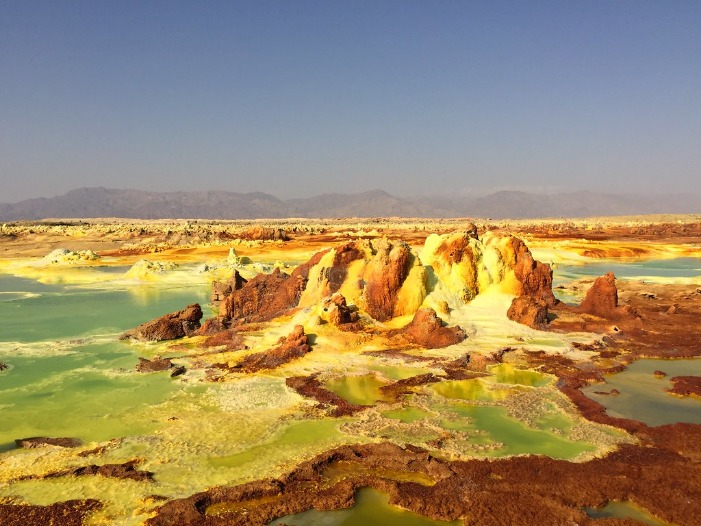
Located in the northeastern part of Ethiopia, Dallol is a unique and captivating area renowned for its otherworldly landscapes. Nestled within the Danakil Depression, one of the hottest and lowest places on Earth, Dallol showcases a surreal environment characterized by vibrant mineral deposits, acidic pools, and geothermal activity. Its striking geology and extreme climate make it a fascinating destination for scientists and adventure seekers alike.
Position within the Danakil Depression
Dallol is a remarkable geothermal area located within the Danakil Depression in northeastern Ethiopia. Situated near the border with Eritrea, it lies in a remote, hyper-arid region characterized by extreme temperatures and unique geological formations. The area is part of the Afar Triangle, a tectonically active zone where the Ethiopian, Somali, and Arabian plates meet.
Dallol is positioned approximately 120 meters below sea level, making it one of the lowest points on the Earth’s surface. Its distinctive landscape features vibrant yellow salt flats, colorful mineral deposits, and steaming hot springs, created by intense volcanic activity. This geographical location contributes to its status as one of the most unusual and intriguing places on the planet.
Proximity to Borders and Nearby Landmarks
Dallol is a unique geological site located in the northeastern part of Ethiopia within the Danakil Depression, one of the hottest and most extreme environments on Earth. It is renowned for its otherworldly landscape, characterized by vibrant mineral deposits, colorful salt pans, and acidic hot springs. The area lies in the Afar Triangle, a region that is significant for its volcanic activity and rich geological history.
Dallol is situated near the border of Ethiopia with Eritrea, approximately 550 kilometers northeast of Ethiopia’s capital, Addis Ababa. The site is accessible via roads from the nearby town of Mekele, which serves as a gateway for travelers exploring the area.
Nearby landmarks include the active Erta Ale volcano, known for its persistent lava lake, and the salt flats of the Danakil Depression, which are integral to the region’s unique environment. The proximity to these geological features makes Dallol a notable destination for scientists and tourists interested in volcanic activity, mineral formations, and extreme landscapes.
Geology and Formation
Geology is the scientific study of the Earth’s physical structure, materials, and the processes that shape its surface over time. The formation of geological features is driven by natural forces such as volcanic activity, erosion, and tectonic movements. In Ethiopia, the Dallol region is a remarkable example of unique geological formation, showcasing a vivid landscape created by volcanic and mineral-rich processes over millions of years.
Volcanic Activity and Tectonic Movements
Dallol in Ethiopia is a remarkable geological site characterized by its unique volcanic activity and complex tectonic movements. The area is situated within the East African Rift Valley, which is an active divergent tectonic boundary where the African Plate is gradually splitting into smaller plates. This tectonic activity creates intense geological processes, resulting in the formation of striking volcanic features and mineral-rich geothermal fields. Over millions of years, volcanic eruptions have deposited layers of lava and minerals, shaping the landscape with colorful hydrothermal deposits and salt formations. The ongoing tectonic movements contribute to the area’s dynamic geology, fostering a landscape that is constantly evolving through volcanic activity and rifting processes. These geological phenomena have not only sculpted the breathtaking environment of Dallol but also make it an important site for studying Earth’s volcanic and tectonic systems.
Formation of Colorful Mineral Deposits
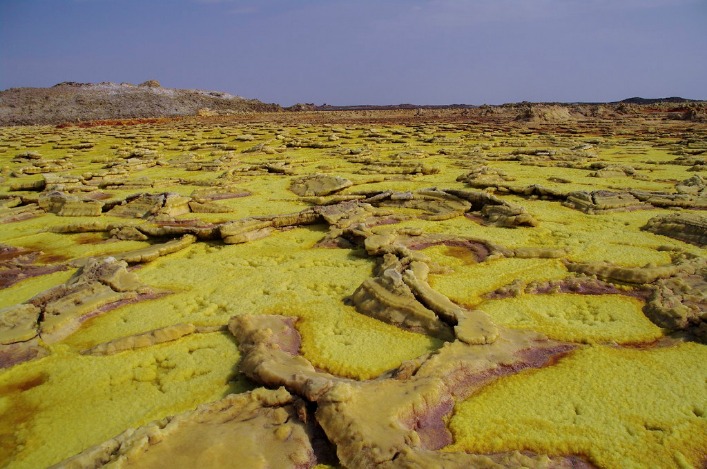
The vibrant and mesmerizing mineral deposits of Dallol in Ethiopia are a remarkable example of unique geological processes that create colorful mineral formations. Located in the Danakil Depression, Dallol is renowned for its surreal landscape filled with acidic springs, salt flats, and vividly colored mineral deposits. These formations result from the interaction of volcanic activity, mineral-rich fluids, and extreme environmental conditions over millions of years. The volcanic activity releases sulfur and other minerals into the environment, which then react with water and atmospheric elements to produce vibrant colors such as yellow, green, orange, and red. The extreme heat and high salinity of the region further contribute to the precipitation of minerals, including sulfur, halite, and other salts, forming intricate and colorful deposits. This unique geological setting combines hydrothermal activity with evaporative processes, leading to the formation of one of Earth’s most spectacular mineral landscapes, making Dallol a fascinating site for scientists and travelers alike.
Unique Geological Features
Dallol, located in Ethiopia, is renowned for its astonishing geological features and unique formations that attract scientists and tourists alike. This area exemplifies the Earth’s geological diversity with its colorful landscapes and extraordinary mineral deposits.
- Volcanic Activity: Dallol is situated in a volcanic region characterized by active hydrothermal processes, leading to the formation of various geothermal features.
- Salt Flats: The region is known for extensive salt crystallization, creating vast, white salt flats that contrast vividly with the colorful mineral deposits.
- Colorful Mineral Deposits: The presence of minerals such as sulfur, potassium, and magnesium results in vibrant hues of yellow, green, and red across the landscape.
- Hydrothermal Dolomites: Unique mineral formations created by mineral-rich hot springs contribute to Dallol’s distinct geological identity.
- Fumaroles and Geysers: These geothermal features release gases and minerals, further shaping the unusual terrain of the area.
Overall, Dallol’s combination of volcanic activity, mineral-rich deposits, and hydrothermal processes results in one of the most extraordinary and visually striking geological formations on Earth.
Climate and Environment
Located in the northern part of Ethiopia, Dallol is famous for its vibrant geothermal landscape and otherworldly environment. This unique area is a testament to the powerful interactions between geothermal activity and the Earth’s crust, creating a landscape filled with colorful mineral deposits and boiling hot springs. The climate in Dallol is characterized by extreme conditions, influencing both the local environment and its delicate ecosystems. Understanding the relationship between climate and the environment in this region is essential for appreciating its natural beauty and the ecological challenges it faces.
Temperature Extremes and Weather Patterns
Ethiopia’s Dallol region is notable for its extreme climate and unique environmental conditions, characterized by high temperatures and unusual weather patterns. Located in the Danakil Depression, one of the hottest places on Earth, Dallol experiences scorching temperatures that often exceed 50°C (122°F) during the summer months. Such extreme heat influences local weather, leading to minimal rainfall and highly arid conditions. The intense heat combined with volcanic activity creates a striking landscape of colorful salt flats, acid springs, and geothermal features, showcasing the dramatic effects of temperature extremes on the environment. These harsh conditions pose challenges for both local ecosystems and human activities but also contribute to the region’s distinct and scientifically valuable climate and geological features.
Environmental Conditions and Adaptations
Climate and environmental conditions in Ethiopia’s Dallol region are characterized by extreme heat and hyper-arid conditions, making it one of the hottest places on Earth. The area experiences average temperatures that often soar above 40°C (104°F), especially during the summer months. Despite these harsh environmental conditions, unique adaptations have developed among the local flora, fauna, and even mineral formations. Microorganisms have evolved to survive in the highly saline and mineral-rich soils of Dallol, displaying remarkable resilience. The mineral deposits, such as colorful salt flats and hydrothermal features, have created a landscape that reflects the intense heat and chemical activity of the environment. These adaptations and conditions highlight the incredible ability of life and Earth’s geochemical processes to thrive in seemingly inhospitable environments.
Impact of Climate on Local Ecosystems
The unique climate of Dallol in Ethiopia has a significant impact on its local ecosystems. Characterized by extreme heat, high salinity, and mineral-rich geothermal activity, the area creates a harsh environment for most traditional flora and fauna. Despite this, some specialized microorganisms have adapted to thrive in the acidic and salty conditions, contributing to the area’s unusual biological diversity. Changes in climate, such as increasing temperatures and shifting weather patterns, threaten these fragile ecosystems by further reducing the already limited biological diversity and altering the delicate balance of mineral deposits and geothermal features. These environmental impacts highlight the importance of preserving Dallol’s unique landscape and understanding the broader effects of climate change on extreme ecosystems.
Hydrothermal Activity and Sulfur Springs
Hydrothermal activity and sulfur springs are fascinating natural phenomena often found in geothermal regions around the world. In Ethiopia’s Dallol area, these features create a surreal landscape filled with vibrant mineral deposits, bubbling springs, and steeped geothermal vents. The unique combination of extreme temperatures and mineral-rich waters in Dallol offers a striking insight into the Earth’s geothermal processes and the incredible diversity of life that can exist in such extreme environments.
Sources of Heat and Gas Emissions
Hydrothermal activity and sulfur springs in Ethiopia’s Dallol region are remarkable geological phenomena driven by intense volcanic and geothermal processes. These features result from the interaction of underground water with heat from magma chambers, leading to the formation of vivid mineral deposits and steaming vents.
- Sources of heat in Dallol are primarily due to volcanic activity associated with the East African Rift system. The region’s tectonic movements allow magma to ascend closer to the surface, heating underground water reservoirs.
- Gas emissions, including sulfur dioxide, hydrogen sulfide, and carbon dioxide, are released from hydrothermal vents and fumaroles. These gases dissolve into water, creating highly acidic and mineral-rich sulfur springs.
- The sulfur springs are notable for their vibrant yellow, orange, and red coloration, caused by mineral deposits such as sulfur and other sulfate minerals.
- This geothermal activity contributes to the unique landscape of Dallol, making it a significant site for studying volcanic processes and geothermal energy sources in Ethiopia.
Colorful Acidic Lakes and Pools
Deep within Ethiopia, the Dallol geothermal area is renowned for its extraordinary hydrothermal activity, featuring sulfur springs, colorful acidic lakes, and pools that create a surreal landscape. These geothermal phenomena result from intense volcanic activity, which heats underground water and causes it to rise to the surface, creating vibrant mineral deposits. The sulfur springs contribute to the area’s distinctive yellow and white hues, while the acidic lakes display striking colors such as bright yellows, greens, and reds due to various mineral concentrations. The pools are often filled with highly acidic water, forming otherworldly formations and textures that attract scientists and photographers alike. This unique environment offers a glimpse into the Earth’s geothermal processes and hosts some of the most unusual and visually stunning natural features on the planet. Ethiopian Dallol remains one of the hottest and most colorful geothermal sites, highlighting the planet’s dynamic geological activity.
Sulfur and Mineral Deposits
Hydrothermal activity and sulfur springs in Ethiopia’s Dallol region are remarkable geological features that showcase the intense volcanic and geothermal processes occurring beneath the Earth’s surface. These phenomena are characterized by the presence of vibrant sulfur deposits and mineral-rich deposits formed through the interaction of hot, mineral-laden waters with surrounding rocks.
The Dallol area is famous for its otherworldly landscape, shaped by active hydrothermal springs that release sulfur gases and create striking mineral formations. The sulfur springs contribute to the vivid yellow, orange, and red hues of the region, making it a unique site for studying mineral deposits and geothermal activity.
- Hydrothermal activity involves the circulation of heated water through volcanic and sedimentary layers, leading to mineral dissolution and deposition.
- Sulfur springs in Dallol release sulfur gases, which deposit sulfur and other minerals as the gases cool and react with surrounding waters.
- These processes create diverse mineral deposits, including sulfur, salt, and other evaporite minerals.
- Mineral deposits in Dallol exhibit high purity and distinctive colors, making the area significant for mineralogical studies and potential resource extraction.
- The ongoing hydrothermal activity indicates the region’s geological dynamism and potential for future geothermal energy development.
Flora and Fauna
Dallol in Ethiopia is a unique landscape teeming with diverse flora and fauna that thrive in its harsh environment. Despite the extreme conditions, this region hosts an intriguing variety of plant and animal life adapted to survive amidst volcanic activity and mineral-rich soils. Exploring the flora and fauna of Dallol offers a fascinating glimpse into nature’s resilience and the ecosystem’s complexity in one of Earth’s most extraordinary locations.
Adaptations of Microbial Life
Flora and fauna in the Dallol region of Ethiopia are uniquely adapted to survive in one of the most extreme environments on Earth. The area is characterized by high temperatures, hyperacidic pools, and mineral-rich landscapes, creating a challenging habitat for life. Despite these harsh conditions, certain microbial species have evolved remarkable adaptations that enable them to thrive. These microbes often form biofilms and produce specialized enzymes that protect them from acidity and high salinity, allowing them to extract nutrients from geochemically active environments. While plant and animal life are scarce due to the extreme conditions, some hardy microorganisms have been found to exist within the mineral deposits, showcasing the incredible resilience of microbial life. These adaptations provide insights into the potential for life in extreme environments elsewhere in the universe and highlight the extraordinary diversity of life on Earth.
Presence of Native Wildlife
Flora and fauna in the Dallol region of Ethiopia showcase a unique blend of life adapted to extreme environmental conditions. The area is characterized by its vibrant mineral-rich landscapes, which influence the types of plant and animal species found there. Despite the harsh environment, some hardy flora such as specialized lichens, mosses, and salt-tolerant plants thrive in select zones. Native wildlife is limited but includes microorganisms and extremophiles that have evolved to survive in hot, saline, and alkaline conditions. These resilient species play a crucial role in maintaining the ecological balance of this extraordinary desert landscape, offering valuable insights into adaptation and survival in extreme environments.
Challenges for Ecosystem Survival
Ethiopia’s Dallol region is a unique and fascinating ecosystem that hosts a diverse array of flora and fauna adapted to its extreme environment. Despite its vibrant mineral formations and otherworldly landscape, life in Dallol is limited, with organisms thriving in the challenging conditions of high salinity, intense heat, and frequent volcanic activity. The native flora includes specialized bacteria and halophytic plants that can withstand high levels of salt and toxicity, playing a vital role in maintaining the ecological balance. Fauna in the area is sparse but includes extremophiles such as certain bacteria, algae, and microorganisms uniquely adapted to survive in such harsh conditions. This fragile ecosystem faces numerous challenges for survival, primarily driven by climate change, volcanic activity, and human activities like mineral exploration. Rising temperatures and changing precipitation patterns threaten the delicate balance of life, potentially leading to the loss of specialized species. Conservation efforts are essential to preserve the rare flora and fauna of Dallol and ensure the continued existence of its extraordinary ecosystem amidst ongoing environmental threats.
Cultural and Historical Significance
Ethiopia’s Dallol region is a captivating site with profound cultural and historical significance. Known for its otherworldly landscapes and vibrant mineral formations, Dallol holds a deep connection to the rich history of the Ethiopian Highlands. The area reflects centuries of natural formation processes and ancient human presence, making it a vital part of Ethiopia’s cultural heritage and geological history. Its unique features continue to attract scholars, explorers, and visitors alike, highlighting its importance in both historical and cultural contexts.
Historical Context and Exploration
Ethiopia’s Dallol is renowned for its extraordinary geological features and vibrant mineral deposits, which hold significant cultural and historical importance. The region’s unique landscape has fascinated local communities for centuries, influencing traditional practices and myths passed down through generations. Historically, Dallol has been a symbol of Ethiopia’s rich natural heritage and a site of scientific interest that has attracted researchers from around the world.
During the late 19th and early 20th centuries, exploration missions began to investigate Dallol’s otherworldly terrain, revealing its extensive volcanic activity and colorful hydrothermal phenomena. These explorations contributed to understanding the geological evolution of the East African Rift, in which Dallol is a prominent feature. Its striking landscape not only provides insights into volcanic and geothermal processes but also emphasizes the importance of preserving such unique natural environments for future study and cultural appreciation.
Local Communities and Cultural Practices
Dallol in Ethiopia holds immense cultural and historical significance, attracting researchers and explorers interested in its unique geological features. It has been a site of interest for local communities for centuries, intertwining natural wonders with their cultural narratives and traditions. The region’s vibrant landscapes and mineral-rich deposits have influenced local cultural practices, including traditional healing rituals and storytelling passed down through generations. Dallol’s striking environment also plays a role in shaping the identity and cultural heritage of nearby communities, making it a vital part of Ethiopia’s rich cultural tapestry.
Mythology and Legends Surrounding Dallol
Dallol, located in Ethiopia’s Danakil Depression, holds profound cultural and historical significance, intertwined with local legends and mythologies that reflect its mysterious landscape. Historically, this region has been a critical part of Ethiopian history due to its unique geological features and the peoples who have inhabited or traveled through it. The surreal landscape has also inspired various myths and stories among the local Afar people, often linking its otherworldly appearance to legendary origins and spiritual beliefs.
- Local Myths and Legends: The Afar people believe that Dallol is a sacred place inhabited by spirits and deities. Many stories speak of the land being cursed or blessed by ancestors, emphasizing its mystical nature.
- Myth of the Eternal Fire: Some legends describe the fiery springs and sulfur vents as the breath of ancient gods, symbolizing both destruction and renewal.
- Historical Significance: Dallol served as a natural milestone for trade routes in ancient Ethiopia, and its landforms have fascinated explorers and scholars interested in Earth’s geothermal phenomena.
- Geological Mysteries in Legends: The striking mineral deposits and colorful hydrothermal vents have fueled stories of eternal youth and magical powers among local communities.
- Exploration and Discovery: European explorers in the 19th century documented Dallol’s bizarre landscapes, contributing to their mythic status in Western imagination as an alien or hellish landscape.
- Cultural Symbolism: Dallol’s unusual features have become symbols of Ethiopia’s diverse natural heritage and the resilience of its people who have adapted to this harsh environment.
- Mythical Connections: Some stories depict Dallol as the gateway to the underworld or the realm of spirits, emphasizing its role as a mystical boundary in local cosmology.
- Legacy and Preservation: The legends surrounding Dallol underscore the importance of preserving this unique site, which continues to inspire stories and cultural identity among Ethiopians.
Tourism and Accessibility
Tourism plays a vital role in showcasing the rich cultural and natural heritage of Ethiopia, with Dallol standing out as one of the most unique destinations. Accessibility is an important aspect that ensures travelers of all abilities can experience the incredible landscapes and geological wonders this region has to offer. By promoting accessible tourism, Ethiopia can attract a diverse range of visitors, allowing everyone to enjoy the mesmerizing beauty of Dallol and its surrounding areas.
Travel Routes and Infrastructure
Tourism in Ethiopia’s Dallol region is gaining recognition due to its unique geothermal landscapes and vibrant mineral deposits. Ensuring accessibility for all visitors is crucial for promoting inclusive tourism, which involves improving transportation options and facilities for people with disabilities. Travel routes to Dallol often involve navigating rugged terrains, but efforts are underway to enhance infrastructure, including better roads and signage, to facilitate easier access. Developing reliable transportation networks and supporting infrastructure not only boosts tourism but also benefits local communities by creating economic opportunities and fostering sustainable growth in this extraordinary region.
Tourist Attractions and Viewing Points
Etiopia Dallol is renowned for its unique and striking landscape, making it a fascinating destination for tourists. Accessibility to Dallol can be challenging due to its remote location and rugged terrain, but well-planned tours and guides help visitors reach this otherworldly site effectively. The region offers a variety of attractions, including vibrant salt flats, colorful hydrothermal systems, and geothermal geysers, all created by volcanic activity. Tourist viewing points are strategically established around Dallol to allow visitors to safely observe the surreal landscapes and capture stunning photographs. These vantage points provide panoramic views of the multicolored mineral deposits and bubbling craters, enhancing the overall experience of exploring this extraordinary volcanic region in Ethiopia.
Safety Considerations and Regulations
Tourism in Dallol, Ethiopia, offers a unique experience with its vibrant geothermal landscapes and otherworldly terrain, attracting travelers from around the globe. Ensuring accessibility for all visitors is vital, and efforts are ongoing to improve pathways and facilities for individuals with mobility challenges to enjoy the region’s natural wonders. Safety considerations are paramount in Dallol due to its active geothermal features, such as acid pools and boiling springs, which pose risks of burns and inhalation of toxic gases. Visitors are advised to stay within designated areas, wear protective gear when necessary, and heed local warnings. Regulations are strictly enforced by Ethiopian authorities to protect both tourists and the fragile environment; these include restrictions on venturing into unsafe zones, guidelines for waste disposal, and regulations to minimize environmental impact. Adherence to these safety and regulatory measures ensures a memorable and secure experience while preserving Dallol’s surreal landscapes for future generations.
Environmental Challenges and Conservation Efforts
Ethiopia’s Dallol region is renowned for its otherworldly landscapes and unique geological features, but it also faces significant environmental challenges. Rapid climate change, mineral extraction, and tourism growth threaten the delicate ecosystems of this area. In response, various conservation efforts are being implemented to protect its natural beauty and ensure sustainable development. Understanding these challenges and initiatives is essential to preserving Dallol’s extraordinary environment for future generations.
Impact of Tourism and Industrial Activity
Environmental challenges in Ethiopia, particularly around the Dallol region, include land degradation, water scarcity, and pollution resulting from increased industrial activity and tourism. The unique geothermal features and vibrant mineral deposits attract many visitors, but this influx can strain the fragile ecosystem and lead to habitat destruction if not managed sustainably.
Conservation efforts in the area focus on promoting eco-friendly tourism, establishing protected zones, and regulating industrial activities to minimize environmental impact. Local communities and government agencies are working together to develop sustainable practices that preserve Dallol’s unique landscapes while supporting economic growth.
The impact of tourism and industrial activity has both positive and negative aspects. While tourism boosts local economies and raises awareness about environmental conservation, it can also contribute to environmental degradation, pollution, and resource depletion if uncontrolled. Balancing development with protection remains a crucial challenge for Ethiopia to ensure Dallol’s natural wonders are preserved for future generations.
Preservation Initiatives and Protected Status
Environmental challenges and conservation efforts in Ethiopia, particularly around Dallol, are crucial for preserving the region’s unique geothermal landscapes and fragile ecosystems. Dallol is renowned for its vibrant acidic springs and mineral deposits, which are sensitive to human activities and climate changes. Efforts to protect this extraordinary environment involve a combination of local awareness, international support, and government policies aimed at sustainable tourism and environmental preservation.
- Implementing strict regulations on tourism activities to minimize ecological disturbance.
- Establishing protected areas to restrict harmful industrial and commercial development.
- Conducting scientific research to monitor environmental changes and inform conservation strategies.
- Promoting community involvement in conservation initiatives to foster sustainable livelihoods.
Preservation initiatives in the Dallol region include the designation of parts of the area as protected sites within Ethiopia’s national parks and reserves. These efforts aim to conserve the unique geothermal features and prevent degradation caused by human interference. The protected status helps ensure that browsing, mining, and unauthorized tourism are controlled and that the ecological integrity of Dallol is maintained for future generations.
Future Prospects for Dallol Conservation
Dallol, located in Ethiopia, is a unique and vibrant geothermal area renowned for its colorful hydrothermal pools and otherworldly landscape. However, it faces significant environmental challenges such as habitat degradation, climate change, and the increasing impact of tourism, which threaten its delicate ecosystem. To address these issues, conservation efforts have been initiated, focusing on sustainable tourism practices, habitat protection, and environmental awareness campaigns. These initiatives aim to preserve the area’s extraordinary geological features while minimizing human impact. Looking ahead, the future prospects for Dallol’s conservation depend on strengthened governmental policies, community involvement, and international cooperation. Enhanced monitoring and innovative conservation strategies could ensure Dallol remains a protected natural wonder for future generations, maintaining its ecological and cultural significance while promoting responsible tourism and environmental stewardship.



0 Comments