
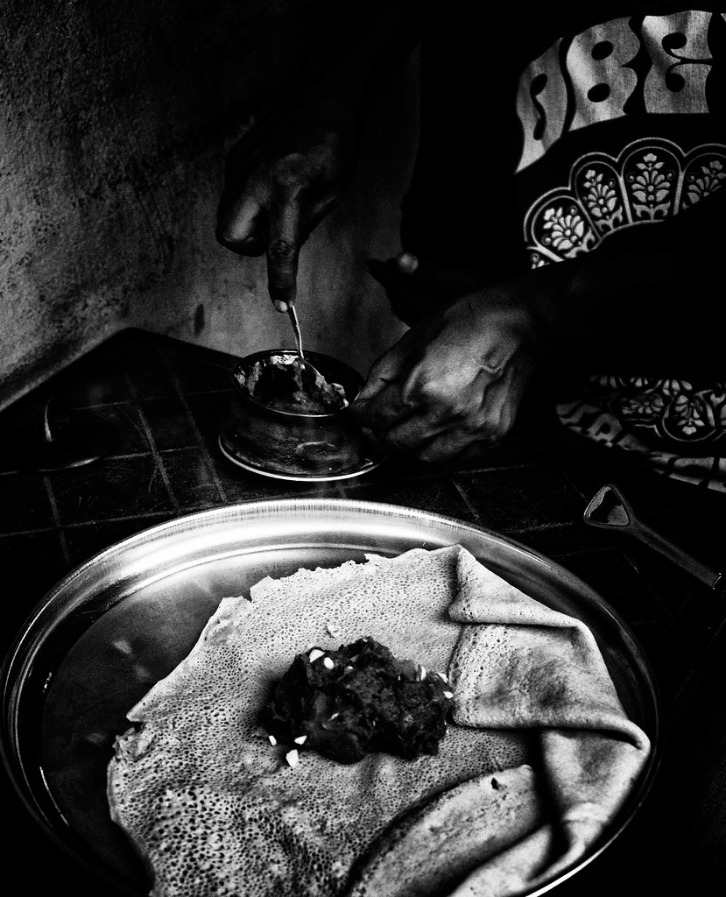
History and Cultural Significance of Injera in Ethiopia
Injera, a staple food in Ethiopia, holds a profound place in the country’s history and culture. As a sourdough flatbread made from teff, it has been cherished for centuries as a symbol of Ethiopian identity and communal dining. Its unique taste and texture not only nourish the body but also serve as a cultural symbol that unites communities and reflects Ethiopia’s rich culinary heritage.
Origins and Historical Development
Injera is a traditional Ethiopian flatbread that holds a central place in the country’s history and culture. Made primarily from teff flour, it is a staple food in Ethiopia and Eritrea, serving as both a dish and a utensil for scooping up various stews and vegetable dishes. Its unique spongy texture and tangy flavor are the result of natural fermentation, which has been practiced for centuries.
The origins of injera date back thousands of years, with archaeological evidence suggesting it has been a fundamental part of Ethiopian cuisine since ancient times. Historically, injera was more than just food; it was a symbol of community and hospitality, often prepared for special occasions and communal gatherings. The fermentation process used to make injera not only enhanced its flavor but also increased its nutritional value, making it an essential dietary component for many Ethiopian communities.
Throughout history, injera has evolved with regional variations in recipes and techniques, reflecting Ethiopia’s diverse cultural landscape. Its significance extends beyond nutrition, symbolizing Ethiopian identity and social cohesion. The preparation and sharing of injera remain deeply embedded in Ethiopian traditions, and it continues to be a vital expression of cultural continuity, connecting generations through centuries of culinary history.
Role in Ethiopian Society and Traditions
Injera is a traditional Ethiopian flatbread that holds a deep historical and cultural significance in Ethiopia. Made from teff flour, it is a staple food that has been part of Ethiopian cuisine for centuries, symbolizing unity and hospitality among Ethiopians. Its unique sourdough flavor and spongy texture are not only cherished for their taste but also for their role in social and ceremonial occasions.
- Significance in Ethiopian History: Injera’s origins date back thousands of years, with archaeological evidence suggesting its longstanding presence in Ethiopian society. It reflects Ethiopia’s agricultural heritage and the importance of teff, a native grain.
- Cultural Symbols: Injera is often considered a symbol of Ethiopian identity. It is central to many traditional dishes and is used as both food and utensil, with people tearing off pieces and using it to scoop up stews and other side dishes.
- Role in Society and Traditions: Injera is essential during communal and religious celebrations, including weddings, religious holidays, and family gatherings. Its preparation and sharing reinforce social bonds and hospitality, embedding it deeply into Ethiopia’s social fabric.
- Daily Life and Hospitality: Serving injera signifies welcoming and respect. Guests are often offered injera with various traditional accompaniments, asserting its valued position in Ethiopian social practices.
Injera in Ethiopian Celebrations and Festivals
Injera holds a profound place in Ethiopia’s history and culture, serving as both a staple food and a symbol of communal unity. This traditional sourdough flatbread, made primarily from teff flour, is believed to have been consumed for thousands of years, dating back to ancient Ethiopian civilizations. Its unique preparation and the communal way of serving it reflect Ethiopia’s rich cultural heritage and social values. Injera is not just nourishing but also a representation of Ethiopian identity, embodying the nation’s agricultural history and culinary traditions.
During Ethiopian celebrations and festivals, injera takes on an even more significant role. It is customary to serve injera during major religious and cultural events, such as Timket (Epiphany), Meskel (Finding of the True Cross), and Ethiopian Orthodox Christian festivities. During these occasions, injera is often served alongside an array of flavorful stews and dishes, symbolizing hospitality and community bonding. The shared act of eating injera, often with one’s hands, fosters social cohesion and reinforces cultural traditions, making it an essential element of Ethiopia’s festive spirit.
Ingredients and Preparation of Injera
Injera is a traditional Ethiopian flatbread that holds a central place in Ethiopian cuisine. Made from a simple combination of ingredients and careful preparation, injera is known for its unique spongy texture and tangy flavor. The process begins with fermenting a mixture of teff flour and water, which develops over several days to create the distinctive taste and fermentation bubbles. Once ready, the batter is poured onto a hot, circular griddle and cooked until bubbly and slightly crispy on the edges. This versatile bread is not only a staple food but also a cultural symbol in Ethiopia, often used as a base for various stews and dishes.
Traditional Ingredients Used
Injera is a traditional Ethiopian flatbread that is both a staple food and a cultural symbol. Its preparation involves specific ingredients and a unique process that results in a spongy, sourdough bread commonly used as a base for various dishes. The primary ingredients and preparation steps are as follows.
- Teff flour
- Water
- Yeast or natural fermentation starter (optional, depending on tradition)
- Mix the teff flour with water to create a smooth batter.
- Allow the batter to ferment for several days, enabling natural fermentation and development of the characteristic sour taste.
- If desired, add a small amount of yeast to speed up fermentation.
- Pour the fermented batter onto a hot, traditionally griddle-like pan called a ‘mitad.’
- Cook until bubbles form and the edges release easily, resulting in a soft, spongy texture.
Fermentation Process
Injera is a traditional Ethiopian flatbread made primarily from teff flour, which gives it a distinctive tangy flavor and spongy texture. The main ingredients include teff flour, water, and sometimes a small amount of mua or all-purpose flour to aid fermentation. To prepare injera, the teff flour is mixed with water to create a smooth batter, which is then left to ferment. The fermentation process is crucial, as it develops the bread’s characteristic sourness and leavening. Typically, the batter ferments for 1 to 3 days at room temperature, during which natural yeasts and bacteria promote fermentation, producing carbon dioxide that makes the injera rise and develop its porous surface. After fermentation, the batter is poured onto a large, hot griddle or clay plate and cooked until bubbly and slightly browned. The result is a soft, elastic, and flavorful bread that is an essential part of Ethiopian cuisine.
Cooking Techniques and Equipment
Injera is a traditional Ethiopian sourdough flatbread made primarily from teff flour, which is known for its nutritious qualities and distinct flavor. The ingredients for injera typically include teff flour, water, and a natural starter or fermented batter that facilitates fermentation and sourness. Sometimes, a blend of barley or millet flour may be added to modify texture and flavor.
Preparing injera involves mixing teff flour with water to form a smooth batter, which is then left to ferment for several days, allowing natural yeasts and bacteria to develop the characteristic sour taste. Once fermented, the batter is stirred to ensure a consistent mixture before cooking.
Cooking injera requires specific techniques and equipment. Traditionally, a large, round flat griddle called a mitad or a similar non-stick pan is used. The batter is poured onto the hot surface and spread in a circular motion to form a thin layer. The bread is cooked until bubbles form and the surface is set, typically without flipping, since injera is cooked on one side. The edges become slightly crispy, while the center remains soft and spongy, perfect for absorbing sauces and stews.
Types of Injera
Injera is a traditional Ethiopian flatbread that holds a central place in the country’s culinary heritage. There are various types of injera, each distinguished by the ingredients used, fermentation process, and regional influences. These diverse varieties reflect Ethiopia’s rich cultural diversity and culinary traditions, offering a unique taste experience with every bite.
Teff Injera
Injera is a traditional Ethiopian flatbread that holds a vital place in the country’s cuisine. It comes in various types, with Teff Injera being the most prominent due to its nutritional value and cultural significance. Different types of injera are prepared based on the grains used and regional variations, offering a diverse culinary experience across Ethiopia.
- Teff Injera: Made primarily from Teff flour, a tiny grain native to Ethiopia, known for its high iron and calcium content. It has a distinctive tangy flavor and soft, spongy texture.
- Barley Injera: Prepared using barley flour, this type has a milder flavor and is slightly denser. It is often used during specific ceremonies or for those with gluten sensitivities.
- Wheat Injera: Made from wheat flour, offering a lighter, softer texture compared to Teff Injera. It is common in regions where Teff is less accessible.
- Mixed Grain Injera: Combines two or more grains such as Teff, barley, and wheat to create a blend with unique flavors and textures.
Each type of injera reflects Ethiopia’s rich agricultural heritage and culinary diversity, making it an essential part of Ethiopian hospitality and tradition.
Mixed Grain Injera
In Ethiopia, injera is a staple food that comes in various types, each offering unique flavors and textures. One popular variety is the traditional teff injera, made from teff flour, which is known for its sour taste and spongy consistency. Another type includes millet or barley injera, which may be used in regions where teff is less accessible. Additionally, there are specialty injera varieties like gluten-free options for those with dietary restrictions.
Mixed grain injera is an innovative variation that combines different grains to enhance nutritional value and flavor. This type typically blends teff with other grains such as millet, barley, sorghum, or wheat. The mixture results in a slightly different taste profile, often richer and more complex, while also providing a nutritional boost. Mixed grain injera is appreciated for its variety and adaptability, making it a versatile addition to traditional Ethiopian cuisine.
Variations Across Regions
Injera is a traditional Ethiopian flatbread that holds cultural and culinary significance across the country. There are various types of injera, each with distinct characteristics depending on regional ingredients and preparation methods. For example, Teff injera is the most common and considered the authentic Ethiopian version, made primarily from teff flour, which gives it a unique tangy flavor and spongy texture. In some regions, barley or wheat flour is used as a substitute or blend, resulting in variations in taste and texture.
Regional differences in injera also influence its size, thickness, and fermentation process. In the northern regions, thinner and larger injera are typical, often served during special occasions. Conversely, in southern Ethiopia, thicker injera made with different grains may be more prevalent. Additionally, some areas incorporate local herbs or spices into the batter, creating flavor variations unique to specific communities. Despite these differences, injera remains a unifying staple, representing Ethiopia’s rich culinary heritage and regional diversity.
Nutritional Value and Health Benefits
Ethiopian injera is more than just a traditional bread; it is a nutritious staple that provides essential nutrients and health benefits. Rich in fiber, vitamins, and minerals, injera supports digestive health and boosts immune function. Its unique fermentation process enhances nutrient absorption and promotes gut health, making it a valuable addition to a balanced diet.
Dietary Composition
Ethiopian injera is a traditional fermented flatbread highly valued for its nutritional content and health benefits. Rich in carbohydrates, it provides a slow and sustained energy release, making it a vital part of the diet. The fermentation process enhances nutrient availability, increasing levels of vitamins such as B vitamins and adding probiotics that support gut health. Injera is typically made from teff flour, which is a good source of dietary fiber, calcium, iron, and protein, contributing to overall nutritional balance. Its dietary composition promotes digestive health, helps manage blood sugar levels, and supports heart health due to its low fat and high fiber content. Overall, injera offers a nutritious and healthful option, blending dietary richness with cultural significance in Ethiopian cuisine.
Health Advantages of Teff-based Injera
Teff-based injera, a traditional Ethiopian staple, offers impressive nutritional value and numerous health benefits. Rich in essential nutrients, it plays a vital role in promoting overall well-being and balanced nutrition.
- High in Dietary Fiber: Teff is abundant in dietary fiber, which aids digestion, supports weight management, and helps maintain healthy blood sugar levels.
- Complete Protein Source: It provides all nine essential amino acids, making it an excellent plant-based protein suitable for vegetarians and vegans.
- Rich in Iron and Calcium: Teff contains significant amounts of iron, vital for preventing anemia, and calcium, essential for strong bones and teeth.
- Gluten-Free: Naturally gluten-free, injera made from teff is a safe option for individuals with gluten sensitivities or celiac disease.
- Low Glycemic Index: Teff has a low glycemic index, which helps regulate blood sugar levels and reduces the risk of type 2 diabetes.
Health advantages of teff-based injera include improved digestion, increased energy, enhanced bone health, and better blood sugar management. Its rich nutrient profile contributes to cardiovascular health, boosts immune function, and supports overall vitality, making it a highly nutritious and health-promoting food choice in Ethiopian cuisine.
Allergen Considerations
Ethiopia injera is a nutritious staple food known for its rich nutritional profile and numerous health benefits. Made primarily from teff flour, it is a good source of protein, dietary fiber, vitamins, and minerals such as calcium, iron, and magnesium. The fermentation process involved in making injera enhances digestibility and promotes the growth of beneficial gut bacteria, contributing to improved gut health and digestion. Additionally, teff is gluten-free, making injera a suitable option for those with gluten sensitivities or celiac disease.
When it comes to allergen considerations, injera made from teff is generally safe for most individuals. However, those with allergies to grains or specific ingredients used in preparation should exercise caution. Cross-contamination with other gluten-containing grains can pose risks, and individuals with severe grain allergies should verify ingredient sources or opt for alternative foods. Overall, injera offers a wholesome, nutrient-dense option that supports a balanced diet and promotes overall health when consumed as part of a diverse diet plan.
Serving and Eating Etiquette
Proper serving and eating etiquette are important aspects of enjoying traditional dishes like Ethiopian injera. Understanding the cultural practices surrounding how injera is presented and consumed can enhance your dining experience and show respect for Ethiopian customs. In this article, we will explore the proper etiquette to follow when serving and eating injera, ensuring you appreciate this unique and delicious cuisine appropriately.
Traditional Serving Methods
In Ethiopian culture, serving and eating injera is a communal and respectful tradition that emphasizes sharing and hospitality. Injera, a sourdough flatbread made from teff flour, is typically placed on a large communal platter known as a ‘mixer,’ where it serves as both a plate and utensil. Guests and hosts alike use their hands to tear off a piece of injera and pick up various accompanying dishes called ‘wats’ or stews, which are placed on top of the injera. It is customary to eat with the right hand, using torn pieces of injera to scoop up the food, promoting a sense of togetherness. Etiquette involves being considerate and polite, ensuring clean hands before and after eating, and sharing the food respectfully. Proper serving methods also entail presenting the injera and sides neatly and ensuring that everyone has equal access, embodying Ethiopia’s rich tradition of hospitality and communal eating practices.
Eating with Hands and Cultural Norms
Eating injera in Ethiopia involves specific serving and eating etiquette that reflect cultural values and traditions. Traditionally, injera is served on a large communal platter with various stews and side dishes placed on top, emphasizing sharing and togetherness.
When eating injera with your hands, it is customary to use the right hand, as it is considered more hygienic and respectful. Tear off a small piece of injera to scoop up the stews, rather than cutting with utensils. This method enhances the communal experience and respects traditional practices.
- Wash your hands thoroughly before and after the meal to maintain cleanliness.
- Use only the right hand for eating, as the left hand is reserved for other purposes in Ethiopian culture.
- Take small pieces of injera to scoop up the accompanying dishes, avoiding excessive use of the bread.
- Participate in sharing the same injera and dishes, fostering a sense of community.
- Show appreciation through respectful gestures, such as expressing thanks or compliments on the food.
Accompaniments and Dishes Paired with Injera
In Ethiopian dining culture, injera is the central element of a communal meal, often served on a large platter with an assortment of flavorful accompaniments and dishes. Proper etiquette involves using injera both as a plate and utensil, tearing a piece to scoop up stews and vegetables, which reflects respect for tradition and fosters a shared dining experience. When eating, it is customary to use your right hand, as this is considered polite, while the left hand is reserved for other purposes.
Injera is typically paired with various dishes such as Doro Wat (spicy chicken stew), Sega Wat (beef stew), and countless lentil or vegetable dishes like Kik Alicha and Misir Wat. These accompaniments feature rich spices and hearty textures that complement the tangy, spongy injera. The variety allows diners to sample different flavors and textures in a single meal, emphasizing the Ethiopia’s emphasis on communal sharing and diversity of flavors.
During the meal, it is polite to take small bites, remain seated in a relaxed manner, and engage in friendly conversation. When finished, diners often wrap up their injera and remaining accompaniments to show appreciation for the meal. Serving and eating injera reflects Ethiopia’s hospitality and the cultural importance of sharing food as a communal experience rooted in history and tradition.
Economic and Social Impact
Economic and social impacts play a significant role in shaping the cultural identity and development of Ethiopia, especially through its iconic traditional food, injera. As a staple in Ethiopian cuisine, injera not only sustains local communities but also influences economic activities such as agriculture, food production, and tourism. Socially, it fosters community bonding and cultural heritage, making it an essential part of Ethiopian life and identity.
Injera in Ethiopian Economy and Agriculture
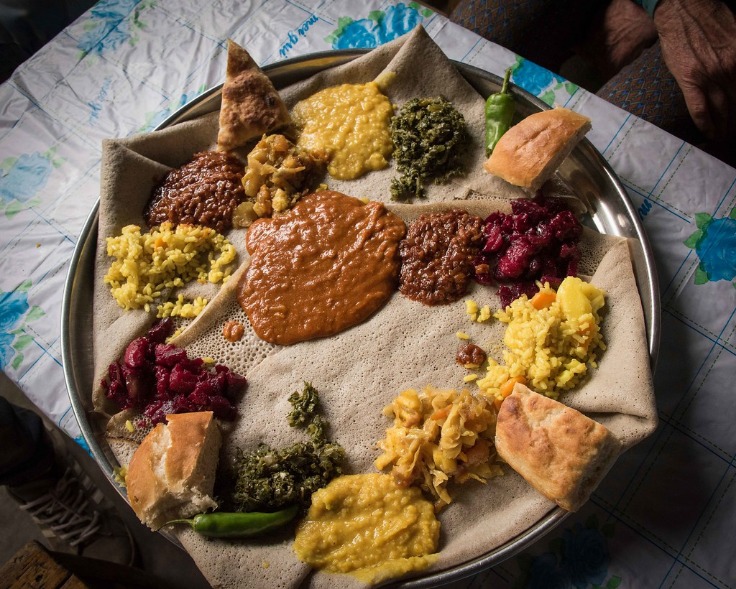
Injera holds a significant place in Ethiopia’s economy and agriculture, serving as a vital staple food and cultural symbol. As a traditional fermented flatbread made from teff, injera contributes to the livelihood of thousands of farmers and food producers across the country. Its production supports local agriculture by creating demand for teff, a crop uniquely suited to Ethiopia’s climate and soil conditions. Economically, injera fosters small-scale enterprise development, sustaining rural communities and generating employment opportunities. Socially, injera is central to Ethiopian identity and daily life, bringing people together during communal meals and celebrations. The widespread consumption of injera also promotes food security by providing an affordable, nutritious source of sustenance to diverse populations. Overall, injera not only supports Ethiopia’s agricultural sector but also enhances social cohesion and economic stability within the country.
Employment and Small-Scale Production
The production and promotion of Ethiopia injera have significant economic and social impacts, particularly in fostering local employment and supporting small-scale producers. As a staple food in Ethiopia, injera sustains many small-scale farmers and bakers who rely on traditional methods of preparation, providing them with a steady source of income. This activity often encourages the development of local markets and small businesses, thereby stimulating the local economy. Additionally, the cultural importance of injera promotes community cohesion and pride, enhancing social bonds. The widespread demand for injera also encourages the preservation of indigenous grains and traditional baking techniques, which are vital for maintaining Ethiopia’s cultural identity. Overall, the growth of injera production has positive implications for employment opportunities and the empowerment of small-scale producers, fostering sustainable economic development within communities.
Global Popularity and Export
Ethiopia injera has a significant economic and social impact, serving as a cultural staple that promotes social cohesion and traditional practices. It supports local agriculture by providing a market for teff, a key ingredient, and stimulates small-scale food production and hospitality industries. Globally, injera has gained popularity as a unique and healthy alternative to bread, contributing to Ethiopia’s cultural exports and boosting tourism. Its increasing international recognition fosters economic growth through exports and increases awareness of Ethiopian cuisine worldwide.
- Boosts local economy by creating demand for teff and related products
- Fosters social bonding by being central to communal meals and celebrations
- Enhances Ethiopia’s cultural identity on the global stage
- Encourages tourism and international culinary interest
- Supports exports of traditional foods and culinary standards abroad



0 Comments