
Geographical Features of Ethiopia
Ethiopia, located in the heart of Africa, is a country renowned for its diverse and breathtaking geographical features. It is characterized by highland plateaus, rugged mountains, expansive valleys, and extensive plains, making it one of the most geologically diverse nations on the continent. These features contribute to Ethiopia’s rich natural environment and shape its climate, agriculture, and cultures.
Mountain Ranges and Highlands
Ethiopia, located in the heart of Africa, is renowned for its diverse and striking geographical features, particularly its extensive mountain ranges and highlands. The country’s landscape is largely characterized by rugged terrains and elevated regions that significantly shape its climate and ecology.
The Ethiopian Highlands, also known as the Roof of Africa, dominate the country’s topography. These highlands stretch across the central and northern parts of Ethiopia and are some of the highest points on the continent, with peaks like Mount Ras Dashen reaching over 4,500 meters above sea level. The highlands are crucial for agriculture, climate regulation, and water resources.
Several prominent mountain ranges define Ethiopia’s geography. The Amhara Mountains, part of the Ethiopian Highlands, feature rugged terrains and high peaks. The Simien Mountains are famous for their dramatic cliffs, deep valleys, and diverse wildlife, and they are recognized as a UNESCO World Heritage Site. The Bale Mountains, located in the southeastern part of the country, offer a unique ecosystem with rare flora and fauna.
Overall, Ethiopia’s mountain ranges and highlands are vital not only for their natural beauty but also for their influence on the climate, agriculture, and biodiversity of the region, making Ethiopia a geographically fascinating country within Africa.
Major Rivers and Lakes
Ethiopia, located in Africa, is known for its diverse geographical features, including mountains, plains, and highlands. The country is characterized by its rugged terrain and significant elevation differences, making it one of the most mountainous regions in Africa.
Major rivers in Ethiopia include the Blue Nile, which originates from Lake Tana, the country’s largest lake. The Blue Nile is a vital water source for Ethiopia and downstream countries such as Sudan and Egypt. Other important rivers are the Awash River, which flows through the eastern part of the country, and the Omo River, which drains into Lake Turkana.
Ethiopia is home to numerous lakes, with Lake Tana being the largest and the source of the Blue Nile. Other notable lakes include Lake Hawassa and Lake Ziway, which are situated in the Great Rift Valley. These lakes are crucial for local ecosystems, agriculture, and tourism.
Climate Zones and Variations
Ethiopia, located in the Horn of Africa, is characterized by diverse geographical features that include highlands, mountains, valleys, and lowlands. The Ethiopian Plateau dominates much of the country, rising sharply to form the Ethiopian Highlands, which are some of the most rugged terrains in Africa. Notable features include the Simien Mountains and the Bale Mountains, which host unique flora and fauna. The Great Rift Valley traverses the country from north to south, creating deep valleys and extensive lakes such as Lake Tana and Lake Awasa.
The climate zones of Ethiopia vary significantly due to its complex topography. The highlands experience temperate and cool climates with moderate rainfall, especially in the western and central regions. The lowland areas, such as the Afar and Somali regions, are characterized by arid and semi-arid conditions, with higher temperatures and less rainfall. The eastern and southeastern parts of the country receive some seasonal rainfall, supporting pastoral and agricultural communities.
Overall, Ethiopia’s diverse geographical features and climate zones contribute to its rich biodiversity and influence the lifestyle, agriculture, and culture of its people across different regions.
Historical Background
Ethiopia, located in the eastern part of Africa, boasts a rich and diverse historical background that dates back thousands of years. As one of the oldest nations on the continent, it is renowned for its ancient civilizations, unique cultural heritage, and early adoption of Christianity. The country’s history is marked by remarkable events, including its resistance to colonization and the development of a distinctive identity that continues to influence its modern society.
Ancient Civilizations
Ethiopia, located in the northeastern part of Africa, is known for its rich ancient history and civilization. It is one of the oldest countries in the world, with roots dating back thousands of years. The region was home to the Kingdom of D’mt and later the Aksumite Empire, which was one of the great civilizations of the ancient world. The Aksumite Empire, flourishing around the first century AD, was known for its impressive obelisks, advanced trading network, and early adoption of Christianity. Ethiopia’s historical background is marked by its unique ability to maintain its independence and cultural heritage through centuries of external influence and internal development. The ancient civilizations of Ethiopia contributed significantly to the cultural and historical landscape of Africa, making it a vital part of world history.
Key Historical Periods
Ethiopia, located in the eastern part of Africa, boasts a rich and ancient history that dates back thousands of years. Its historical background encompasses a variety of significant periods that have shaped its cultural and political landscape. From early civilizations to modern times, Ethiopia’s history is marked by notable events and influential empires.
- Ancient Kingdoms and Early Civilizations: Ethiopia is home to one of the world’s earliest known civilizations, with evidence of human activity dating back to prehistoric times. The Kingdom of D’mt and the Aksumite Empire flourished around 1st millennium BCE, establishing trade routes and influential cultures.
- The Aksumite Empire (1st to 7th centuries AD): Considered one of Africa’s great civilizations, Aksum was a trading empire famous for its monumental obelisks, early adoption of Christianity, and well-developed writing system.
- Medieval Period: Following the decline of Aksum, Ethiopia experienced regional kingdoms and the rise of the Zagwe Dynasty, known for constructing the rock-hewn churches of Lalibela in the 12th century.
- Solomonic Dynasty and Christian Expansion: Beginning in the 13th century, the Solomonic dynasty claimed descent from King Solomon and the Queen of Sheba, strengthening Christianity’s role in Ethiopian identity and politics.
- European Encounters and Modern Challenges: The 16th century saw Ottoman influence and Portuguese intervention, while the 19th and early 20th centuries involved internal unifications, battles against colonial encroachment, and modernization efforts.
- Contemporary History: Ethiopia remained one of the few nations in Africa to resist colonization, maintaining sovereignty. Following the abdication of Emperor Haile Selassie in 1974, the country experienced political upheaval, leading to the establishment of a socialist state and later a federal parliamentary republic.
Historical Landmarks
Ethiopia, located in the Horn of Africa, boasts a rich and ancient history that dates back thousands of years. It is one of the oldest nations in the world, with evidence of early human civilization found in its landscape, notably the famous Lucy fossil discovered in the Afar Triangle. Throughout its history, Ethiopia has maintained a unique cultural identity, largely remaining independent during the colonial period, unlike many of its neighbors.
Some of the most notable historical landmarks in Ethiopia include Lalibela’s rock-hewn churches, carved directly into the earth during the 12th century, which are recognized as a UNESCO World Heritage Site. The ancient city of Axum, once the capital of the Aksumite Empire, is home to obelisks, tombs, and early Christian relics, signifying Ethiopia’s role in the spread of Christianity in Africa. Ethiopia also features the historic Simien Mountains and the castles of Gondar, which reflect its medieval history. These landmarks serve as testimonies to Ethiopia’s profound cultural heritage and enduring historical significance in Africa.
Political Structure and Governance
Ethiopia, located in the heart of Africa, has a unique political structure and governance system shaped by its rich history and diverse cultural landscape. Its government operates as a federal parliamentary republic, emphasizing regional autonomy and democratic processes. Understanding Ethiopia’s political framework provides insight into its path toward stability and development within the broader African context.
Government System
Ethiopia, located in the heart of Africa, has a unique political structure and governance system that reflects its rich history and diverse cultural heritage. The country operates as a federal republic, with power distributed between the federal government and regional states. This federal system allows various ethnic groups to have a degree of self-governance, promoting stability and cultural preservation.
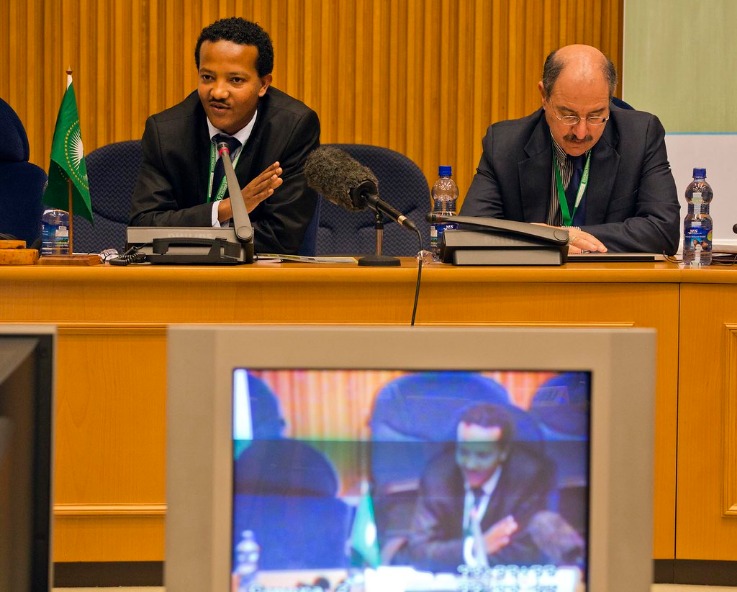
The government system in Ethiopia is characterized by a constitutional framework that establishes the separation of powers among the executive, legislative, and judiciary branches. The President serves as the head of state, primarily representing the nation symbolically, while the Prime Minister holds the executive authority and leads the government. The Ethiopian Parliament is bicameral, consisting of the House of Peoples’ Representatives and the House of Federation, which work together to pass legislation and oversee government actions.
In terms of governance, Ethiopia has undergone significant political reforms aimed at decentralization and democratization. The country’s political landscape is shaped by multiple political parties and a constitution that guarantees fundamental rights and freedoms. Despite challenges, Ethiopia continues to develop its political institutions to ensure representation, accountability, and stability across its diverse regions and communities.
Administrative Divisions
Ethiopia, located in the Horn of Africa, has a complex political structure and governance system that reflects its rich history and diverse population. The country functions as a federal parliamentary republic, with power divided among the executive, legislative, and judicial branches. The Ethiopian People’s Revolutionary Democratic Front (EPRDF) has historically played a significant role in political leadership, though recent political changes have introduced new dynamics. The government is led by a Prime Minister, who is the head of government, while the President serves as the ceremonial head of state.
Administratively, Ethiopia is divided into regional states, each with a degree of autonomy. There are also chartered cities and special zones that have their own governance structures. The regional states are further subdivided into zones, woredas (districts), and kebeles (neighborhoods or wards). This decentralized administrative system aims to accommodate the country’s ethnic diversity and promote local governance. The federal arrangement recognizes the rights of various ethnic groups, allowing each regional state to have its own official language, cultural practices, and administrative policies.
This structured governance system has been essential in maintaining stability amid Ethiopia’s diverse ethnic landscape, though it continues to evolve in response to political reforms and developments. The country’s political and administrative framework underscores its commitment to federalism and local governance as means to ensure representation and regional autonomy within a unified state.
Current Political Landscape
Ethiopia, located in the Horn of Africa, features a complex political structure characterized by a federal parliamentary republic. The government is composed of executive, legislative, and judicial branches, with the Prime Minister serving as the head of government and the President as the ceremonial head of state. The Ethiopian People’s Revolutionary Democratic Front (EPRDF) and its successor coalitions have historically dominated the political landscape, though recent years have seen increased calls for political reform and greater inclusivity.
The current political landscape in Ethiopia is marked by attempts at national reconciliation and decentralization, following periods of internal conflict and ethnic tensions. Despite progress, challenges such as ethnic federalism, regional autonomy disputes, and ongoing conflicts in certain regions continue to influence the stability and governance of the country. International efforts aim to support democratic processes and promote peace, yet internal political dynamics remain complex and evolving.
Economy and Resources
Economy and resources are vital aspects that shape the development and prosperity of Ethiopia, a country located in Africa. Understanding the nation’s economic landscape and the natural resources available is essential to grasp its growth potential and challenges. Ethiopia’s economy is largely driven by agriculture, but it is also expanding in sectors like industry and services, leveraging its abundant resources to foster sustainable development.
Agriculture and Key Crops
Ethiopia, located in the Horn of Africa, boasts a diverse economy heavily reliant on agriculture and its natural resources. Agriculture plays a central role, providing employment for the majority of the population and serving as the backbone of the country’s economy. The country’s rich natural resources include fertile land, water bodies, and mineral deposits, which support various agricultural activities and contribute to economic growth.
Key crops in Ethiopia include staple foods such as teff, maize, wheat, and barley, essential for both domestic consumption and export. Teff, in particular, is highly valued for making injera, a traditional Ethiopian bread. Coffee is another vital crop, renowned globally for its high quality and significant contribution to Ethiopia’s exports. Other important crops include pulses, oilseeds, and fruits, which help diversify the agricultural sector and improve food security.
Overall, Ethiopia’s economy benefits considerably from its agricultural resources and key crops, although the country continues to develop its industrial and service sectors to achieve sustainable growth. The effective management of natural resources and modernization of agricultural practices remain critical for Ethiopia’s economic future.
Industries and Manufacturing
Ethiopia, located in the heart of Africa, has a diverse economy that is gradually expanding. Agriculture remains the backbone of the country’s economy, providing employment to the majority of the population and contributing significantly to national income. Key resources include fertile highlands suitable for crops like coffee, tea, and spices, as well as mineral resources such as gold, zinc, and potash. In recent years, Ethiopia has made strides to develop its industries and manufacturing sector, focusing on textiles, leather products, and food processing to boost industrialization. These efforts aim to create jobs, reduce reliance on agriculture, and promote sustainable economic growth across the nation.
Natural Resources and Minerals
Ethiopia is a country rich in natural resources and minerals, which play a vital role in its economy. The country has diverse landscapes that host various mineral deposits, contributing significantly to economic development.
- Gold: Ethiopia has considerable gold reserves, which are mined mainly in the Oromia, Tigray, and Amhara regions.
- Platinum and Silver: These minerals are also found in Ethiopia and are valuable for both local industries and export.
- Tantalum: A critical mineral used in electronics, Ethiopia has deposits in the Southern Nations, Nationalities, and Peoples’ Region.
- Manganese: Ethiopia’s manganese deposits support the country’s steel and construction sectors.
- Coal and Limestone: These resources are utilized in energy production and the cement industry respectively.
Natural resources are vital for Ethiopia’s economic growth, providing raw materials for manufacturing, construction, and exports. The government is actively working to develop these resources responsibly to boost economic stability and create employment opportunities while ensuring sustainable management of its natural wealth.
Culture and Society
Culture and society in Ethiopia are rich and diverse, reflecting the country’s long history and unique traditions. As a nation located in Africa, Ethiopia stands out for its ancient heritage, vibrant customs, and multi-ethnic population. These elements play a vital role in shaping the social fabric and cultural identity of the Ethiopian people, making it a fascinating example of the continent’s diversity.
Languages and Ethnic Groups
Ethiopia, located in the eastern part of Africa, boasts a rich and diverse culture that has developed over thousands of years. Its society is characterized by a blend of ancient traditions and modern influences, reflecting its historical significance as one of the oldest nations on the continent. Languages spoken in Ethiopia are numerous, with over 80 different languages identified, including Amharic, Oromo, Tigrinya, and Somali. These languages belong to several different language families, such as Cushitic and Semitic, highlighting the country’s ethnic diversity. Ethiopia is home to a variety of ethnic groups, each with its unique customs, languages, and traditions, contributing to the vibrant mosaic that defines the nation’s cultural landscape. This diversity has played a crucial role in shaping Ethiopia’s identity and its position within the broader context of African culture and society.
Religious Practices
Ethiopia, located in the heart of Africa, boasts a rich tapestry of culture and society deeply rooted in its history and diverse ethnic groups. Its cultural practices reflect a blend of ancient traditions and modern influences, shaping the societal fabric of the nation. Religious practices in Ethiopia are particularly prominent, with Christianity and Islam being the major religions, each influencing daily life, festivals, and societal norms. The Ethiopian Orthodox Tewahedo Church, one of the oldest Christian denominations, plays a significant role in community cohesion and cultural identity. Similarly, Islam is widely practiced, especially in regions such as the Somali and Afar zones, with religious festivals and daily prayers integral to community life. Overall, Ethiopia’s religious and cultural diversity underscores its unique position within the African continent, fostering a society that values heritage, faith, and communal harmony.
Cultural Traditions and Festivals
Ethiopia, located in the heart of Africa, boasts a rich and diverse cultural heritage that has been preserved for centuries. Its society is a mosaic of various ethnic groups, each contributing unique traditions and customs to the nation’s identity. Cultural traditions in Ethiopia are deeply rooted in history, religion, and social practices, influencing daily life and community interactions.
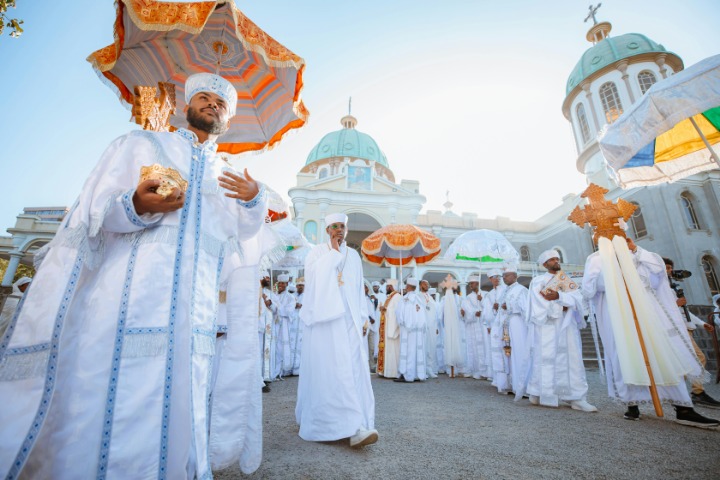
Festivals play a vital role in Ethiopian culture, serving as a celebration of faith, history, and social bonds. One of the most prominent festivals is Timket, the Ethiopian Orthodox celebration of Epiphany, marked by colorful processions, rituals, and communal gatherings. Another significant festival is Meskel, which commemorates the discovery of the True Cross and features vibrant bonfires and religious ceremonies.
Traditional music, dance, and attire further highlight Ethiopia’s cultural richness, with each ethnic group showcasing its distinctive art forms. These festivals and traditions not only strengthen community ties but also attract tourists eager to experience Ethiopia’s vibrant cultural landscape. Overall, Ethiopia’s cultural practices and festivals reflect its deep historical roots and the diverse identity of its society, making it a unique and fascinating country in Africa.
Tourism and Natural Attractions
Ethiopia, located in the heart of Africa, is renowned for its stunning natural attractions and rich cultural heritage. The country offers diverse landscapes, from lush highlands to expansive deserts, making it a captivating destination for travelers. Exploring Ethiopia’s natural beauty provides a unique opportunity to experience breathtaking scenery and discover extraordinary ecosystems that are truly one-of-a-kind.
World Heritage Sites
Ethiopia, located in the heart of Africa, is renowned for its rich cultural heritage and stunning natural attractions. The country is home to diverse landscapes, from the Simien Mountains to the Danakil Depression, offering unique opportunities for exploration and adventure. Its natural beauty is complemented by a plethora of world heritage sites that highlight Ethiopia’s historical significance and cultural diversity.
Among Ethiopia’s UNESCO World Heritage Sites are the ancient rock-hewn churches of Lalibela, which are renowned for their extraordinary architecture and religious importance. The Historic Fortified Town of Harar is another site recognized for its colorful market, ancient walls, and Islamic heritage. The Simien Mountains National Park, a UNESCO biosphere reserve, boasts dramatic peaks, deep valleys, and rare wildlife, making it a must-visit destination for nature lovers.
Ethiopia’s natural attractions and heritage sites draw travelers from around the globe, eager to experience its unique landscapes, ancient history, and vibrant cultures. These destinations not only showcase Ethiopia’s natural and cultural wealth but also contribute significantly to sustainable tourism and local development.
Popular Tourist Destinations
Ethiopia, located in the heart of Africa, boasts a rich tapestry of natural attractions and popular tourist destinations that draw visitors from around the world. Its diverse landscapes, historical sites, and unique cultural heritage make it a standout destination for travelers seeking adventure and discovery.
- Simien Mountains National Park – Known for its breathtaking scenery and endemic wildlife like the Ethiopian wolf and baboons.
- Lalibela Rock-Hewn Churches – A UNESCO World Heritage site featuring stunning monolithic churches carved out of rock.
- Lake Tana and the Blue Nile Falls – The largest lake in Ethiopia, offering boat trips and access to the spectacular fall.
- Axum Obelisks – Ancient obelisks and archaeological sites that share Ethiopia’s historical significance.
- Debre Libanos Monastery – A spiritual site nestled among lush landscapes and mountains.
- Danakil Depression – One of the hottest and most extraordinary places on earth, known for its otherworldly geothermal features and colorful mineral deposits.
Unique Flora and Fauna
Ethiopia, located in the heart of Africa, is renowned for its rich tourism and natural attractions that draw visitors from around the world. Its diverse landscapes include rugged mountains, vast highlands, and expansive plains, offering a stunning variety of scenery. The country is home to historic sites such as Lalibela’s rock-hewn churches and the ancient city of Axum, making it a fascinating destination for cultural tourism.
Beyond its historical significance, Ethiopia boasts numerous natural attractions like the Simien Mountains, often called the “Roof of Africa,” and the Danakil Depression, one of the hottest and most otherworldly places on Earth. These sites provide unique experiences for nature lovers and adventure seekers alike.
Ethiopia’s unique flora and fauna contribute further to its appeal. The country hosts endemic species such as the Ethiopian wolf, the Gelada baboon, and the Walia ibex, which are found nowhere else in the world. The diverse ecosystems support a wide variety of plant life, including colorful wildflowers, medicinal herbs, and ancient trees. This extraordinary biodiversity highlights Ethiopia’s importance as a natural treasure trove within the African continent.
Challenges and Opportunities
Ethiopia, located in Africa, faces a range of challenges and opportunities related to language. As a nation with diverse ethnic groups and languages, it navigates the complexities of preserving indigenous languages while promoting national cohesion through a common language. These linguistic dynamics present both obstacles and avenues for cultural preservation, education, and communication within the country and beyond.
Environmental Issues
Ethiopia faces numerous environmental challenges that present both obstacles and opportunities for sustainable development. The country’s rapid population growth and agricultural reliance have led to significant deforestation, land degradation, and water scarcity. However, these challenges also offer avenues for innovative solutions and environmental preservation efforts.
- Deforestation due to expanding agriculture and infrastructure development threatens biodiversity and disrupts local ecosystems.
- Soil erosion and land degradation reduce agricultural productivity, impacting food security and farmers’ livelihoods.
- Water scarcity is a growing concern, affecting both urban and rural communities, especially in dry regions.
- Climate change leads to unpredictable rainfall patterns, increased droughts, and floods, intensifying environmental stress.
- Environmental issues hinder economic growth but also create opportunities for renewable energy projects, such as hydroelectric power from the Nile and other rivers.
- Conservation initiatives and reforestation programs can restore ecosystems, promote biodiversity, and support sustainable livelihoods.
Development Initiatives
In Ethiopia, a country rich in history and cultural diversity, challenges and opportunities coexist in the realm of development. Despite facing obstacles such as infrastructure deficits, political volatility, and poverty, Ethiopia has made significant strides toward economic progress and social development. The country’s strategic location and abundant natural resources present valuable opportunities for growth in sectors like agriculture, manufacturing, and tourism. Development initiatives focusing on education, healthcare, and infrastructure are pivotal in transforming Ethiopia into a regional economic hub. Leveraging its youthful population and fostering sustainable practices can further accelerate development, creating a more prosperous future for its citizens while addressing ongoing challenges.
Future Prospects
Ethiopia, located in the heart of Africa, faces a unique blend of challenges and opportunities that shape its future prospects. The country grapples with issues such as economic development, political stability, and infrastructure modernization, while also leveraging its rich cultural heritage, abundant natural resources, and youthful population to foster growth. Despite facing internal conflicts and regional disparities, Ethiopia’s strategic initiatives in sectors like agriculture, manufacturing, and renewable energy present significant opportunities for economic diversification and sustainable development.
Looking ahead, Ethiopia’s future prospects are promising, driven by government reforms, increased investment, and regional integration efforts. The nation’s potential to become a major economic hub in East Africa hinges on addressing current challenges through effective policy making, improving education and healthcare, and promoting stability. With these efforts, Ethiopia is poised to harness its demographic dividend and geographic advantages, paving the way for a more prosperous and resilient future in the continent.


0 Comments