
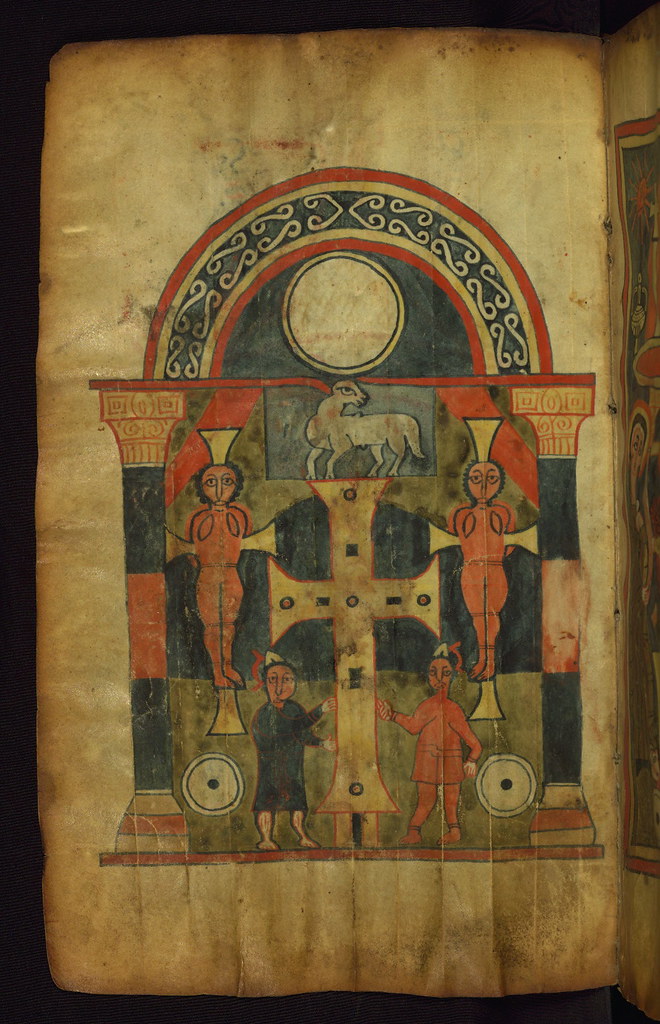
Historical Background of Christianity in Ethiopia
The history of Christianity in Ethiopia is deeply rooted in ancient times, making it one of the oldest Christian nations in the world. According to tradition, Christianity was introduced to Ethiopia in the 4th century during the reign of King Ezana, who converted to Christianity and declared it the official state religion. This early adoption was influenced by contact with the Egyptian Coptic Church and subsequent connections with the broader Christian world. Over centuries, Ethiopia developed a unique Christian tradition, preserving its faith through periods of both prosperity and adversity, and shaping its rich cultural and religious identity that continues to thrive today.
Origin and Early Adoption of Christianity
Christianity in Ethiopia has a profound and ancient history, dating back to the early centuries AD. According to tradition, the Christian faith was introduced to Ethiopia through the arrival of the Ethiopian eunuch mentioned in the Book of Acts in the New Testament, who was reportedly baptized by the Apostle Philip. The official adoption of Christianity as the state religion occurred in the 4th century during the reign of King Ezana of Aksum, making Ethiopia one of the earliest nations to embrace Christianity. The Ethiopian Orthodox Tewahedo Church, which emerged as a distinct Christian tradition, played a pivotal role in shaping the country’s religious and cultural identity. Early Christians in Ethiopia developed their own unique customs, liturgical practices, and biblical canon, which distinguished Ethiopian Christianity from other branches. This early adoption established a lasting Christian heritage that continues to influence Ethiopian society, culture, and national identity to this day.
Crusades and Religious Influence
The history of Christianity in Ethiopia is deeply rooted and traces back to ancient times, making it one of the earliest nations to adopt the Christian faith. The Ethiopian Orthodox Tewahedo Church, which is part of the Oriental Orthodox communion, claims to have been established by the 4th century AD, traditionally credited to the convert King Ezana of the Aksumite Empire. This longstanding Christian tradition has significantly shaped Ethiopia’s cultural, social, and political identity.
The Crusades, primarily occurring between the 11th and 13th centuries, impacted Ethiopia indirectly. While the main Crusades were centered in the Holy Land and Europe, they heightened Christian European interest in the wider Christian world, including Ethiopia. This period saw increased interactions between Ethiopia and European Christian nations, particularly through trade, diplomacy, and missionary efforts. Ethiopian Christianity, however, remained largely autonomous and resistant to external influences, preserving its unique religious practices and identity.
Religious influence in Ethiopia is profound, impacting various aspects of daily life, governance, and cultural traditions. The Ethiopian Orthodox Church has been a central institution, promoting religious education, monasticism, and sacred art. Christianity in Ethiopia also played a role in resisting foreign invasions and maintaining national unity. The religion continues to be a defining element of Ethiopian identity, influencing festivals, rituals, and societal values.
Conversion of the Kingdom of Aksum
The conversion of the Kingdom of Aksum to Christianity is a pivotal event in Ethiopian history that dates back to the early 4th century. According to tradition, King Ezana of Aksum officially embraced Christianity around 330 AD, making Ethiopia one of the earliest nations to adopt Christianity as its state religion. This transformation was largely influenced by the state’s contact with the Byzantine Empire and the missionary efforts of saints, particularly Frumentius, who played a key role in spreading the Christian faith within the kingdom. The establishment of Christianity under Ezana marked the beginning of a unique Christian tradition that would deeply influence Ethiopia’s cultural, political, and religious landscape for centuries to come. This early adoption of Christianity distinguished Ethiopia from its neighbors and laid the foundation for its enduring Christian heritage, which remains a central aspect of Ethiopian identity today.
Major Christian Denominations in Ethiopia
Ethiopia has a rich and diverse Christian heritage that dates back to the early centuries of Christianity. The country is home to several major Christian denominations, each with unique traditions and histories. These denominations play a significant role in Ethiopia’s cultural and religious landscape, shaping the identity of its people and influencing social and spiritual life across the nation.
Ethiopian Orthodox Tewahedo Church
Christianity in Ethiopia has a profound history, with the Ethiopian Orthodox Tewahedo Church being the dominant denomination and a vital part of the nation’s cultural and spiritual identity. This ancient church, one of the oldest in the world, has played a significant role in shaping Ethiopian society, traditions, and history. It was officially established as the state religion in the 4th century and remains deeply rooted in Ethiopian life today.
Protestant Movements
Ethiopia has a rich Christian heritage, with Christianity being the predominant religion in the country. Among the major Christian denominations in Ethiopia are the Ethiopian Orthodox Tewahedo Church, which is an ancient Oriental Orthodox Church and the predominant faith of the Ethiopian people. In addition to the Ethiopian Orthodox Church, Protestant movements have gained significant followers over recent decades. These Protestant denominations include Evangelical, Pentecostal, Baptist, and Lutheran churches. Many of these movements emphasize personal faith, biblical teachings, and active evangelism. They have grown rapidly due to various social and political factors, and they continue to influence Ethiopia’s religious landscape. Despite the dominance of the Ethiopian Orthodox Church, Protestantism now represents a notable and expanding segment of Ethiopian Christianity, contributing to the country’s religious diversity.
Roman Catholic Presence
In Ethiopia, Christianity is the dominant religion, with several major denominations present, among which the Roman Catholic Church holds a significant but comparatively smaller fraction of followers. The presence of Roman Catholicism in Ethiopia dates back to the 16th century, primarily through Portuguese influence and missions.
- Roman Catholic Church: The Roman Catholic Church in Ethiopia is part of the global Catholic community, with the Ethiopian Catholic Church being a prominent subgroup that follows its own liturgical traditions while remaining in communion with the Vatican.
- Ethiopian Orthodox Tewahedo Church: The largest Christian denomination in Ethiopia, with deep historical roots and major cultural influence.
- Protestant Churches: A variety of Protestant denominations, including Pentecostal, Lutheran, and Anglican churches, have grown rapidly in recent decades.
The Roman Catholic presence continues to contribute to Ethiopia’s diverse Christian landscape through educational, medical, and social services, as well as ongoing religious dialogue and cooperation with other Christian communities.
The Ethiopian Orthodox Tewahedo Church
The Ethiopian Orthodox Tewahedo Church is one of the oldest Christian denominations in the world, deeply rooted in Ethiopia’s history and culture. As a predominant faith in the country, it has played a significant role in shaping Ethiopia’s identity, traditions, and spiritual life. Known for its unique liturgy, ancient practices, and rich theological heritage, the church reflects Ethiopia’s long-standing Christian heritage that dates back to the early centuries of Christianity.
Doctrine and Beliefs
The Ethiopian Orthodox Tewahedo Church is one of the oldest Christian denominations in the world, deeply rooted in the history and culture of Ethiopia. It plays a central role in shaping the religious life and spiritual beliefs of Ethiopians, emphasizing the divine nature of Christ and the importance of maintaining ancient Christian traditions.
- Belief in One God: The church teachings revolve around the belief in a single, omnipotent God who is the Creator of all things.
- Christology: It holds a unique Christological doctrine, emphasizing the “Miaphysite” belief that Jesus Christ has a single divine nature that is both human and divine.
- Holy Scriptures: The church regards the Bible, including the Old and New Testaments, as sacred, with a special veneration for the Deuterocanonical books, which are considered essential to faith.
- Sacraments: The church recognizes seven major sacraments, including baptism, confirmation, Eucharist, penance, anointing of the sick, matrimony, and ordination, which are vital for spiritual growth and salvation.
- Veneration of Saints and Icons: Saints and religious icons are highly revered, serving as spiritual aids and intercessors in prayers.
- Liturgical Practices: The church follows elaborate liturgical rituals, including fasting, prayer, and seasonal celebrations, which are central to Ethiopian Orthodox Christian life.
- Observance of Feast Days: Major Christian festivals, such as Christmas and Epiphany, are celebrated with unique Ethiopian customs rooted in ancient traditions.
- Doctrine of the Incarnation: A core belief is that Christ is both fully divine and fully human, emphasizing the mystery of the incarnation as essential for salvation.
The Ethiopian Orthodox Tewahedo Church’s doctrines and beliefs highlight its deep historical roots and its commitment to preserving ancient Christian traditions, reflecting Ethiopia’s rich spiritual heritage and cultural identity.
Religious Practices and Rituals
The Ethiopian Orthodox Tewahedo Church, one of the oldest Christian traditions in the world, plays a vital role in Ethiopian society and culture. Its religious practices and rituals are deeply rooted in ancient traditions and are central to the spiritual life of its adherents. Worship services often involve elaborate liturgies conducted in Ge’ez, the liturgical language, and feature chanting, hymns, and prayers that create a solemn and reverent atmosphere. Sacraments such as baptism, communion, and fasting are integral to faith practice, with fasting being particularly significant, as it involves extended periods of abstaining from animal products and certain foods. Pilgrimages to holy sites, especially Lalibela and Axum, are common and regarded as acts of devotion and penitence. Additionally, the church observes numerous feasts and saints’ days, marked by processions, special prayers, and communal celebrations. Rituals like circumcision, performed when children are young, are also important religious rites. Overall, the Ethiopian Orthodox Tewahedo Church’s practices and rituals reflect its rich history and continue to influence the spiritual and cultural identity of Ethiopia.
Church Architecture and Iconography
The Ethiopian Orthodox Tewahedo Church holds a rich tradition of church architecture and iconography that reflects its deep-rooted Christian faith and unique cultural heritage. These artistic expressions serve both spiritual and functional purposes, emphasizing the sacredness of the space and the divine presence within it.
- Church Architecture: Ethiopian Orthodox churches are often built in the shape of a cross or a basilica, featuring distinctive conical or domed roofs. Many churches are carved directly out of rock, exemplified by the famous Lalibela rock-hewn churches, which date back to the 12th century. The interiors are designed to create a sense of reverence and are often adorned with frescoes and iconostasis that separate the nave from the sanctuary.
- Iconography: The church’s iconography is characterized by vibrant, symbolic imagery depicting saints, biblical stories, and Christ. Icons serve as visual aids for worship, fostering a spiritual connection and teaching religious narratives. Ethiopian icons often emphasize frontal poses and a flat, stylized form that differ from Western artistic conventions, highlighting their spiritual rather than naturalistic focus.
Overall, the architectural and artistic traditions of the Ethiopian Orthodox Tewahedo Church embody a distinctive blend of faith, history, and local cultural influences, making Ethiopia a unique center of Christian art and architecture in Africa.
Role in Ethiopian Society
The Ethiopian Orthodox Tewahedo Church has played a central role in shaping Ethiopian society, culture, and identity. As one of the oldest Christian denominations in the world, it has historically been a unifying force within the country, influencing various aspects of daily life and national heritage.
- Religious Leadership: The Church guides spiritual practices and moral values, serving as a moral authority for many Ethiopians.
- Cultural Preservation: It helps preserve Ethiopian traditions, language, and art through religious ceremonies, festivals, and iconography.
- Social Services: The Church provides charitable services, education, and healthcare, supporting community development and well-being.
- National Identity: Christianity, particularly through the Ethiopian Orthodox Tewahedo Church, is a key element of Ethiopian identity and sovereignty.
- Historical Influence: The Church has historically influenced Ethiopian politics and alliances, maintaining its longstanding presence through centuries.
Influence of Christianity on Ethiopian Culture
The influence of Christianity on Ethiopian culture is profound and longstanding, shaping the nation’s identity, traditions, and societal values. As one of the first countries to adopt Christianity as a state religion, Ethiopia has a rich heritage of religious practices, art, and architecture that reflect its deep-rooted Christian history. This spiritual foundation continues to play a vital role in everyday life, community festivities, and national symbols, making Christianity an integral part of Ethiopian cultural heritage.
Religious Festivals and Celebrations
Christianity has profoundly shaped Ethiopian culture, playing a central role in shaping its traditions, arts, and societal values. As one of the earliest countries to adopt Christianity as a state religion, Ethiopia’s religious legacy is evident in its architecture, literature, and daily life. Religious teachings influence moral principles and community practices, fostering a strong connection to faith that permeates various aspects of Ethiopian society.
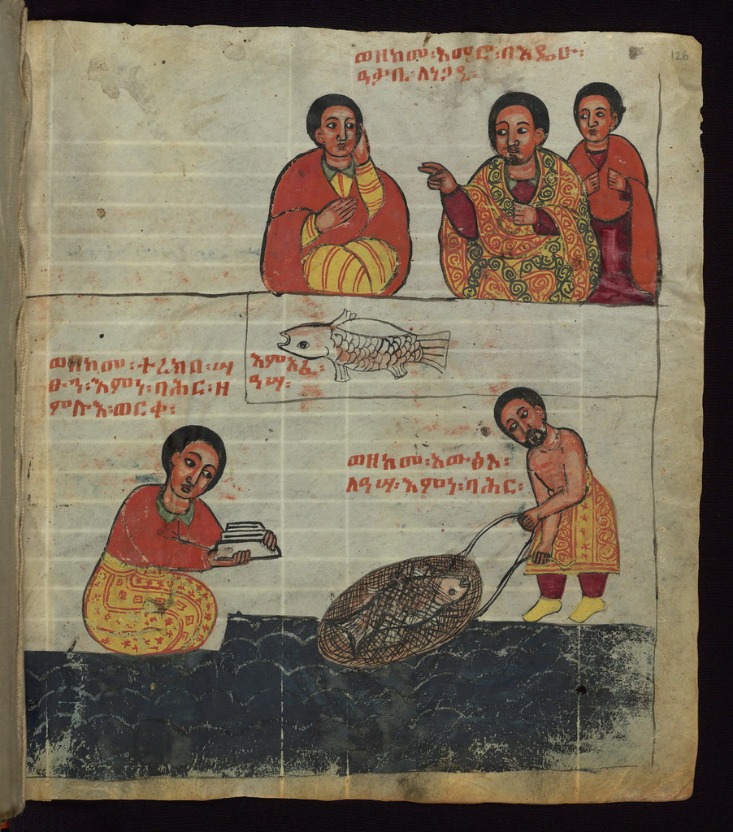
Religious festivals and celebrations are vibrant expressions of Ethiopian Christianity. The most important is Timket, the Epiphany celebration, marked by elaborate processions, baptisms, and water rituals that commemorate the baptism of Jesus Christ. Another significant festivity is Meskel, which celebrates the discovery of the True Cross, featuring the lighting of large bonfires called Demera, accompanied by singing and dancing. These festivities are characterized by their colorful displays, communal participation, and deep spiritual significance, reflecting the integral role of Christianity in Ethiopia’s cultural identity.
Christian Art and Literature
Christianity has profoundly shaped Ethiopian culture, playing a central role in its historical, social, and spiritual life. Since its adoption as the state religion in the 4th century, Christianity has influenced various aspects of Ethiopian society, including its traditions, festivals, and identity.
One of the most notable expressions of Christian influence in Ethiopia is its rich Christian art. Ethiopian Christian art is characterized by vibrant wall paintings, iconography, and illuminated manuscripts that often depict biblical scenes, saints, and religious symbols. These works are distinguished by their unique style, which combines Ethiopian cultural elements with traditional Christian motifs, creating a distinctive visual language that has been preserved for centuries.
In addition to visual arts, Ethiopian Christian literature has a long and revered history. The Ge’ez language, an ancient liturgical language, was developed to write religious texts, hymns, and scriptures. Ethiopian Christian literature includes the sacred Bible translations, religious poetry, and theological treatises that have contributed significantly to the spiritual life of the Ethiopian Orthodox Tewahedo Church. This body of literature not only serves religious purposes but also reflects the deep integration of Christianity into Ethiopia’s cultural identity and scholarly pursuits.
Influence on Ethiopian Music and Dance
Christianity has profoundly shaped Ethiopian culture, serving as a cornerstone of its societal values, traditions, and identity. Since its adoption as the state religion in the 4th century, Christianity has influenced various aspects of Ethiopian life, including art, architecture, and customs, fostering a unique cultural heritage that blends indigenous elements with Christian teachings. Ethiopian Christianity, particularly the Ethiopian Orthodox Tewahedo Church, has preserved ancient traditions, religious festivals, and liturgical practices that are integral to the nation’s identity.
Regarding Ethiopian music and dance, Christianity has played a significant role in their development and expression. Many traditional songs and dances are performed during religious ceremonies, festivals, and national celebrations, reflecting biblical stories and Christian themes. Rituals such as the processions during Timket (Epiphany) and other religious holidays showcase vibrant music and dance, which serve to reinforce religious beliefs and community cohesion. These artistic expressions not only convey spiritual messages but also preserve Ethiopia’s rich cultural heritage, making Christianity a vital influence on the nation’s musical and dance traditions.
Integration with Traditional Customs
Christianity has profoundly shaped Ethiopian culture, intertwining religious beliefs with indigenous traditions to create a unique cultural identity. Since its adoption as the state religion in the 4th century, Christianity has influenced various aspects of Ethiopian life, including art, architecture, festivals, and social customs. The integration of Christian principles with traditional practices has fostered a sense of unity and continuity within Ethiopian society, reflecting a blend of faith and local customs that has persisted through centuries.
- Art and Iconography: Ethiopian Christian art is characterized by vibrant paintings and religious icons that depict biblical scenes and saints, often displayed in churches and homes.
- Architecture: The iconic rock-hewn churches of Lalibela exemplify the fusion of Christian faith with local engineering and architectural styles.
- Festivals and Celebrations: Major Christian festivals such as Epiphany (Timket) and Christmas (Gena) are celebrated with traditional music, dance, and communal rituals that incorporate ancient customs.
- Language and Literature: The Ge’ez script and religious texts have preserved Ethiopian linguistic heritage, with many ancient manuscripts blending Christian theology and local storytelling.
- Social Customs and Practices: Christian holidays influence social behaviors, including communal meals, charity, and rituals that reinforce community bonds rooted in faith and tradition.
Overall, Christianity’s influence on Ethiopian culture is a testament to its deep-rooted presence, shaping the nation’s identity and harmonious integration with traditional customs over centuries.
Christianity and Ethiopian Identity
Christianity holds a central place in Ethiopian history and identity, shaping the nation’s cultural, religious, and social landscape for centuries. As one of the earliest countries to adopt Christianity as the state religion, Ethiopia’s Christian heritage is deeply intertwined with its national identity and traditions. This enduring faith not only influences religious practices but also contributes to Ethiopia’s unique cultural expression and global significance as a Christian nation.
Religious Nationalism
Christianity plays a central role in shaping Ethiopian identity, deeply intertwined with the nation’s history, culture, and social fabric. Since the adoption of Christianity as the state religion in the 4th century, the Ethiopian Orthodox Church has become a symbol of national unity and cultural pride, distinguishing Ethiopia from neighboring countries. Religious nationalism in Ethiopia often emphasizes the country’s ancient Christian heritage as a core element of Ethiopian identity, fostering a sense of spiritual exclusivity and historical continuity.
This religious nationalism has sometimes been associated with political movements that seek to preserve the unique Christian traditions of Ethiopia in the face of external influences and internal diversity. It reinforces a collective identity rooted in Christian faith, which has historically served as a rallying point for national cohesion and resilience. However, it also raises complex issues of religious pluralism and the inclusivity of Ethiopia’s diverse society, challenging efforts to foster unity through a shared national identity that respects all religious communities.
Impact on Education and Education Institutions
Christianity has played a central role in shaping Ethiopian identity, deeply influencing cultural, social, and educational frameworks within the country. As one of the oldest Christian nations, Ethiopia’s religious heritage is integral to its national history and collective consciousness, fostering a sense of unity and continuity among its people.
This strong Christian foundation has significantly impacted the development of education and educational institutions in Ethiopia. Religious teachings and Christian principles have historically guided the curriculum, emphasizing moral values, ethics, and social responsibilities. Many of the country’s earliest educational institutions, including monastic schools and church-affiliated schools, were established by Christian missionaries and religious leaders, laying the groundwork for formal education in Ethiopia.
Furthermore, Christian holidays, religious festivals, and church-based activities are often incorporated into the academic calendar, reinforcing religious identity and community cohesion. Christian influence continues to be evident in the governance of many educational institutions, where religious organizations play a role in curriculum development and school management.
Overall, Christianity has been a pillar of Ethiopian identity that shapes the nation’s educational landscape, promoting moral development, cultural preservation, and social stability while fostering a sense of belonging and shared history among Ethiopians.
Preservation of Christian Heritage Sites
Christianity plays a central role in Ethiopian identity, deeply intertwining with the country’s history, culture, and social fabric. Since the adoption of Christianity as the state religion in the 4th century, Ethiopia has developed a unique Christian heritage that distinguishes it from many other nations in Africa and the world. The Ethiopian Orthodox Tewahedo Church has preserved ancient traditions, liturgies, and religious texts that reflect centuries of faith and cultural continuity.
Preserving Christian heritage sites is essential to maintaining Ethiopia’s historical and spiritual identity. Iconic sites such as Lalibela’s rock-hewn churches, the early Christian monasteries of Lake Tana, and Axum’s obelisks serve as tangible links to Ethiopia’s Christian past. These sites not only attract pilgrims and tourists but also serve as symbols of Ethiopia’s enduring religious traditions and cultural resilience.
Efforts to protect and restore these heritage sites involve national and international collaboration, ensuring their preservation for future generations. Recognizing the importance of these religious monuments helps to sustain Ethiopia’s Christian legacy and promotes understanding and respect for Ethiopia’s rich cultural and spiritual heritage.
Challenges and Contemporary Issues
Throughout history, Ethiopia has faced numerous challenges and contemporary issues related to its rich religious heritage, particularly Christianity. As one of the oldest Christian civilizations, Ethiopia continues to grapple with modern societal shifts, religious conflicts, and the preservation of its unique Christian traditions. Understanding these challenges provides insight into how religion influences social cohesion and national identity in Ethiopia today.
Secularism and Modernization
In Ethiopia, the interplay between secularism and modernization presents significant challenges, especially in the context of Christianity’s integral role in society. As the country advances rapidly in various sectors, tensions often arise between traditional religious values and the push for secular governance and modernization initiatives. This tension can impact social cohesion, political stability, and the preservation of cultural identity, as many Ethiopians see Christianity as a core element of their national heritage. Balancing respect for religious traditions with the demands of contemporary secular policies remains a complex issue, requiring nuanced dialogue and inclusive policymaking.
Inter-religious Relations and Conflicts
In Ethiopia, the complex landscape of inter-religious relations and conflicts is shaped by a long history of religious diversity and national identity. Christianity, particularly the Ethiopian Orthodox Tewahedo Church, has played a central role in shaping the cultural and social fabric of the country. However, this coexistence has faced challenges such as tensions between different religious groups, including Muslims and followers of Christianity, which sometimes lead to conflicts and social unrest. Additionally, issues of religious intolerance, political influence, and competition over religious authority contribute to ongoing struggles for harmony. Contemporary challenges also include the impact of globalization, urbanization, and modern political movements, which influence religious practices and interfaith interactions. Managing these issues requires fostering dialogue, mutual understanding, and respect among Ethiopia’s religious communities to promote peace and social cohesion in the nation.
Growth of New Christian Movements
In Ethiopia, the growth of new Christian movements presents both opportunities and challenges within the religious landscape. These emerging groups often emphasize personal spirituality, cultural relevance, and innovative practices, which attract diverse followers. However, their emergence can sometimes lead to social tensions, doctrinal conflicts, and concerns about maintaining traditional religious values. Additionally, it poses challenges for religious harmony and interfaith relations in a country where Christianity, particularly Ethiopian Orthodoxy, has deep historical roots. Balancing respect for traditional beliefs with the rise of new movements remains a significant contemporary issue for Ethiopian society.
Role of Christianity in Social and Political Discourse
In Ethiopia, Christianity, particularly the Ethiopian Orthodox Tewahedo Church, plays a significant role in shaping social and political discourse. However, the nation faces numerous challenges and contemporary issues related to religion’s influence, including religious tensions, interfaith conflicts, and the politicization of faith. These issues often exacerbate ethnic and regional divisions, complicating efforts toward national unity and peace. The church’s involvement in politics can sometimes hinder governmental efforts at secular governance, while also serving as a source of social stability and moral guidance for many Ethiopians. Balancing religious authority with modern political demands remains a critical challenge within Ethiopia’s dynamic social landscape.




0 Comments