

Overview of Ethiopia’s Economy
Ethiopia’s economy is one of the fastest-growing in Africa, characterized by a diverse mix of agriculture, industry, and services. Over recent years, the country has made significant progress in infrastructure development, industrialization, and export expansion. Despite facing challenges such as droughts, political instability, and economic disparities, Ethiopia continues to pursue ambitious growth strategies aimed at transforming its economic landscape and reducing poverty.
Historical Economic Development
Ethiopia’s economy has experienced significant growth over the past few decades, transforming from a primarily subsistence agriculture-based economy to one that includes manufacturing, services, and agriculture. Historically, Ethiopia’s economic development was marked by periods of stagnation and recovery, with notable progress beginning in the early 2000s due to government reforms and infrastructure investments. The country has focused on expanding its industrial sector, promoting urbanization, and improving access to education and healthcare to stimulate economic growth. Although challenges such as poverty, political instability, and infrastructural deficiencies remain, Ethiopia continues to pursue strategies aimed at sustainable development and economic diversification, positioning itself as one of the fastest-growing economies in Africa. Overall, Ethiopia’s economic journey reflects a trajectory of resilience and strategic efforts to boost growth and reduce poverty.
Current Economic Status
Ethiopia’s economy is one of the fastest-growing in Africa, driven by sectors such as agriculture, manufacturing, and services. The country has experienced rapid GDP growth over the past decade, supported by government investments in infrastructure and development projects. Despite this growth, Ethiopia faces challenges including poverty, unemployment, and inflation, which impact its overall economic stability. The economy remains heavily reliant on agriculture, which employs a large portion of the population, though efforts are underway to diversify output and promote industrialization. Additionally, Ethiopia is investing in renewable energy projects like hydroelectric power to boost energy supply and attract foreign investment. Overall, Ethiopia’s economic outlook shows promising potential, but it must address structural issues to sustain long-term growth and improve living standards.
Major Sectors of the Economy
The economy of Ethiopia is diverse, comprising several major sectors that drive its growth and development. These sectors include agriculture, industry, and services, each playing a vital role in shaping the nation’s economic landscape. Understanding these key sectors provides insight into Ethiopia’s economic potential and challenges as it seeks sustainable progress.
Agriculture
In Ethiopia, the economy is traditionally dominated by agriculture, which is the major sector providing employment and livelihood for the majority of the population. Agriculture in Ethiopia primarily involves the cultivation of crops such as coffee, teff, maize, and maize, along with livestock farming. This sector plays a vital role in the country’s GDP, foreign exchange earnings, and food security. Apart from agriculture, the country is also expanding its industrial sector, including manufacturing, construction, and services, to diversify its economy. The development of infrastructure and investment in technology are key initiatives aimed at boosting economic growth and improving living standards across Ethiopia.
Industry and Manufacturing
Major sectors of Ethiopia’s economy include agriculture, industry, and services, with agriculture historically playing a crucial role. Industry and manufacturing have been growing sectors aimed at diversifying the economy and boosting industrial output. The industrial sector encompasses activities such as textiles, leather, cement, and food processing, which are vital for economic development. Manufacturing industries are increasingly being promoted through government initiatives to reduce dependence on agriculture, create jobs, and enhance exports. Overall, Ethiopia’s efforts to develop its industry and manufacturing sectors are essential for sustainable economic growth and improving living standards.
Services Sector
The services sector in Ethiopia is a vital component of the country’s economy, contributing significantly to national income and employment. It encompasses various industries such as hospitality, retail, education, health services, transportation, and telecommunications. The growth of the services sector has been driven by urbanization, improved infrastructure, and increased demand for modern amenities and digital services. This sector not only supports other sectors like agriculture and industry but also plays a key role in attracting foreign investment through tourism and international business services. Continued development in the services sector is essential for Ethiopia’s economic diversification and sustainable growth.
Key Industries and Natural Resources
Ethiopia’s economy is significantly shaped by its key industries and natural resources. These sectors play a crucial role in driving economic growth, providing employment, and supporting development initiatives. Understanding the main industries and the country’s rich natural resources offers insight into Ethiopia’s economic potential and opportunities for future expansion.
Coffee and Agricultural Commodities
Ethiopia’s economy is significantly influenced by its key industries and abundant natural resources, which play a vital role in its development. The country has a diverse agricultural sector that serves as the backbone of its economy, providing employment to a large portion of the population. Coffee is one of Ethiopia’s most renowned agricultural commodities, regarded as the birthplace of Arabica coffee, and it is a major export product contributing substantially to national revenue. Besides coffee, Ethiopia produces and exports various agricultural commodities such as teff, pulses, oilseeds, and cereals, which are essential for both domestic consumption and international markets. The natural resources of Ethiopia, including minerals like gold, potash, and tantalum, have the potential to bolster economic growth further. Expanding these sectors and investing in value-added industries remain crucial for Ethiopia’s economic advancement and diversification efforts.
Mining and Mineral Resources
Ethiopia’s economy is significantly supported by its diverse key industries and abundant natural resources, particularly in the sectors of mining and mineral resources. The country is endowed with a variety of mineral deposits, including gold, platinum, shale, potash, limestone, and gemstones, which hold the potential to boost economic growth and attract foreign investment. The mining sector is a vital component of Ethiopia’s industrial development plan, aiming to diversify its economy beyond agriculture and manufacturing. The government has implemented policies to promote sustainable mining practices and improve infrastructure, facilitating the extraction and processing of mineral resources. Additionally, the development of these industries offers opportunities for job creation and revenue generation, making natural resource management a strategic priority for Ethiopia’s long-term economic stability and growth.
Renewable Energy Sources
Ethiopia’s economy is significantly shaped by its key industries and abundant natural resources. Agriculture remains the backbone of the economy, employing the majority of the population and contributing substantially to GDP. The country is rich in natural resources such as coffee, which is a major export, along with gold, platinum, and other minerals. Ethiopia also has vast water resources, providing potential for hydroelectric power generation.
In recent years, Ethiopia has been focusing on developing renewable energy sources to support sustainable growth. The country has invested heavily in hydroelectric projects like the Grand Ethiopian Renaissance Dam, aiming to become a regional energy hub. Additionally, Ethiopia is exploring other renewable options such as wind and solar power to diversify its energy matrix, reduce reliance on fossil fuels, and promote environmentally friendly economic development.
Economic Policies and Reforms
Economic policies and reforms play a crucial role in shaping the development and growth of a nation’s economy. In Ethiopia, over recent years, the government has implemented a series of strategic reforms aimed at fostering sustainable economic growth, reducing poverty, and enhancing infrastructure. These policies are vital for transforming Ethiopia into a middle-income country and improving the livelihoods of its citizens.
Government Initiatives
Economic policies and reforms in Ethiopia have been pivotal in shaping the country’s development trajectory. The government has implemented a series of initiatives aimed at fostering sustainable growth, reducing poverty, and enhancing the overall economic stability of the nation.
- Structural Reforms: Ethiopia has undertaken structural reforms to liberalize key sectors such as agriculture, manufacturing, and services, encouraging private sector participation and investment.
- Industrialization Strategy: The country has launched a long-term industrialization plan to develop industrial parks, boost exports, and diversify its economy beyond traditional agriculture.
- Financial Sector Development: Reforms include strengthening banking systems, improving access to credit, and promoting financial inclusion across urban and rural areas.
- Infrastructure Investment: Significant investments have been made in infrastructure, including transportation, energy, and telecommunications, to support economic activities and connectivity.
- Trade Policies: Ethiopia has focused on opening up trade, signing regional and international agreements to expand markets for its products.
- Social and Economic Inclusion: Government initiatives also aim to reduce inequality by investing in education, healthcare, and rural development programs.
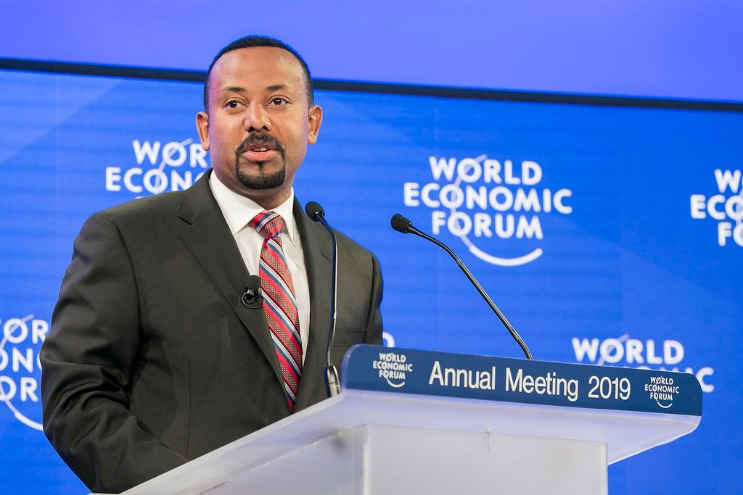
- Ethiopia’s economic reforms continue to focus on fostering private sector growth and attracting foreign direct investment.
- Efforts are also underway to improve governance, transparency, and the ease of doing business in the country.
- The government emphasizes sustainable development and climate resilience as integral parts of its economic policy framework.
Privatization and Investment Policies
Ethiopia has embarked on comprehensive economic policies and reforms aimed at fostering sustainable growth and development. These reforms focus on liberalizing various sectors, reducing state control, and encouraging private enterprise. Privatization has been a key strategy to improve efficiency and attract foreign investment, with numerous state-owned enterprises being privatized to promote competition and innovation. Investment policies in Ethiopia are designed to create a conducive environment for both local and foreign investors through incentives, streamlined regulations, and infrastructure development. These initiatives are aimed at diversifying the economy, creating jobs, and ensuring long-term economic stability for the country.
Foreign Investment and International Trade
Foreign investment and international trade play crucial roles in shaping Ethiopia’s growing economy. By attracting foreign investors and engaging in global markets, Ethiopia aims to accelerate development, create jobs, and improve living standards. These elements are vital for integrating Ethiopia into the world economy and fostering sustainable growth.
Trade Partners
Foreign investment and international trade are essential components of Ethiopia’s economic development. By attracting foreign direct investment, Ethiopia aims to boost its industrialization, create jobs, and improve infrastructure. International trade partners play a crucial role in expanding Ethiopia’s access to global markets, facilitating the export of agricultural products, textiles, and coffee, which are vital to its economy. Building strong trade relationships with countries such as China, India, and the United States helps Ethiopia diversify its economy and reduce reliance on traditional exports. Overall, fostering robust foreign investment and international trade partnerships are key strategies for Ethiopia to achieve sustainable economic growth and development.
Foreign Direct Investment (FDI)
Foreign investment and international trade play a crucial role in Ethiopia’s economic development, attracting global capital and fostering integration into the world economy. Foreign Direct Investment (FDI) is particularly significant, as it involves international companies establishing a substantial presence in Ethiopia, contributing to technology transfer, employment creation, and infrastructure development.
- FDI in Ethiopia has been increasing over the years, especially in sectors such as agriculture, manufacturing, and energy.
- Challenges faced by foreign investors include bureaucratic hurdles, political stability concerns, and infrastructural constraints.
- The Ethiopian government seeks to promote a favorable investment climate through policy reforms and incentives.
- International trade has expanded, with Ethiopia exporting commodities like coffee, textiles, and gold, while importing machinery, transportation equipment, and petroleum products.
- Trade relationships with China, the European Union, and neighboring African countries are vital for Ethiopia’s economic growth.
- Foreign investment boosts economic diversification and reduces reliance on traditional exports.
- Enhanced trade openness improves Ethiopia’s access to markets and encourages industrialization.
- Continued efforts in attracting FDI and expanding export markets are essential for sustainable growth.
Challenges Facing the Economy
Ethiopia’s economy is currently navigating a range of significant challenges that impact its growth and development. These obstacles include limited access to financial resources, infrastructural deficits, political instability, and the effects of climate change. Addressing these issues is crucial for fostering sustainable development and improving the overall economic stability of the country.
Poverty and Income Inequality
Ethiopia’s economy faces significant challenges related to poverty and income inequality, which hinder sustainable development. Despite economic growth in recent years, a large portion of the population still lives below the poverty line, struggling to access basic services such as healthcare, education, and clean water. Income disparities are widening, with urban areas experiencing rapid development while rural regions remain underdeveloped and marginalized. These inequalities threaten social cohesion and undermine efforts to achieve long-term economic stability. Additionally, reliance on agriculture leaves the economy vulnerable to climate change and environmental shocks, further complicating efforts to reduce poverty. Addressing these challenges requires comprehensive policies that promote equitable growth, improve infrastructure, and invest in human capital to ensure inclusive prosperity for all Ethiopians.
Infrastructure Deficiencies
Ethiopia’s economy faces several significant challenges primarily driven by infrastructure deficiencies. Limited transportation networks, inadequate power supply, and insufficient water resources hinder economic growth and competitiveness. These infrastructural shortcomings increase costs for businesses and discourage investment, thereby stalling development. Additionally, rural communities often lack access to essential services, exacerbating poverty and inequality. Addressing these infrastructure gaps is crucial for Ethiopia to unlock its economic potential and sustain long-term growth.
Environmental Concerns and Climate Change
Ethiopia’s economy faces several significant challenges that impact its growth trajectory. One of the primary concerns is the reliance on agriculture, which is vulnerable to climate variability and environmental degradation. This dependence makes the economy susceptible to shocks from droughts and other climate-related issues. Environmental concerns, including deforestation, land degradation, and water resource depletion, further threaten sustainable development. Climate change exacerbates these issues, leading to unpredictable weather patterns, reduced agricultural productivity, and increased food insecurity. Additionally, infrastructure limitations and political instability can hinder economic progress. Addressing these interconnected issues requires concerted efforts to promote sustainable practices, invest in climate-resilient technologies, and strengthen environmental policies to ensure long-term economic stability and development in Ethiopia.
Debt Burden and Financial Sustainability
Ethiopia’s economy faces several significant challenges, particularly concerning debt burden and financial sustainability. Rapid economic growth has been accompanied by increasing levels of debt, raising concerns about the country’s ability to maintain macroeconomic stability while funding development projects.
- High Public Debt: Ethiopia’s public debt has surged due to extensive borrowing for infrastructure and development initiatives, creating pressure on the country’s fiscal space.
- Economic Structural Gaps: Challenges in diversifying the economy and reducing dependence on agriculture hinder resilience amidst global and domestic economic shifts.
- Strategies for sustainable growth, including improving tax collection and diversifying the economy, are essential to address these challenges effectively.
- Enhancing debt management and transparency can help Ethiopia mitigate risks associated with high debt levels.
- Strengthening financial institutions and developing innovative financing options are vital for ensuring long-term economic stability.
Development Projects and Infrastructure
Development projects and infrastructure are vital components of Ethiopia’s economic growth and modernization efforts. These initiatives aim to enhance connectivity, improve public services, and foster sustainable development across the country. By investing in infrastructure such as roads, energy, and communication networks, Ethiopia is working toward creating a more vibrant and resilient economy capable of supporting its social and economic goals.
Transport and Connectivity
Development projects and infrastructure, transport, and connectivity are crucial components of Ethiopia’s economic growth. The country has invested heavily in expanding its road networks, railway systems, and airports to improve domestic and international connectivity. These projects facilitate trade, promote regional integration, and stimulate economic activities across various sectors. Modern infrastructure developments, such as industrial parks and logistics hubs, aim to enhance productivity and attract foreign investment. Additionally, Ethiopia’s focus on sustainable transport solutions helps reduce costs and environmental impact, fostering long-term economic resilience and development.
Energy Infrastructure
Ethiopia’s economic development heavily relies on its development projects and infrastructure, particularly in the energy sector. The country has prioritized expanding its energy infrastructure to support industrialization and improve living standards across the nation.
- Hydropower Projects: Ethiopia has invested significantly in hydropower, with the Grand Ethiopian Renaissance Dam being a flagship project aimed at increasing electricity generation capacity.
- Renewable Energy Initiatives: Apart from hydropower, Ethiopia is exploring wind, solar, and geothermal energy sources to diversify its energy mix and ensure sustainable growth.
- Transmission and Grid Expansion: Enhancing the electricity transmission network is crucial for connecting rural areas and facilitating regional energy trade.
- Regional Infrastructure Development: Building roads, railways, and ports to improve logistics and trade, thereby boosting economic activities.
- Foreign Investment and Public-Private Partnerships: Ethiopia encourages investments in infrastructure projects to accelerate development and attract foreign capital.
Urban Development
Development projects and infrastructure are vital components of Ethiopia’s economic growth and urban development strategy. The country has seen significant investment in transportation networks, including roads, railways, and airports, to improve connectivity within the nation and facilitate trade with neighboring countries. Urban development initiatives aim to modernize cities, enhance housing, and provide essential services to accommodate a rapidly growing population. These efforts not only boost economic activities but also contribute to improving the quality of life for residents. Ethiopia’s focus on sustainable and inclusive development through these projects underscores its commitment to fostering long-term economic stability and urban resilience.
Economic Outlook and Future Prospects
Ethiopia’s economic outlook is characterized by promising growth prospects and emerging opportunities. As one of Africa’s fastest-growing economies, Ethiopia is expanding its industrial sector, infrastructure, and agricultural productivity. However, challenges such as policy adjustments, global market fluctuations, and internal socioeconomic factors also influence its future trajectory. Analyzing these trends provides valuable insights into Ethiopia’s potential for sustainable development and economic stability in the coming years.
Growth Projections
Despite facing various challenges, Ethiopia’s economic outlook remains cautiously optimistic, driven by ongoing reforms and development initiatives. The country is expected to see steady growth in sectors such as agriculture, manufacturing, and services, supported by government investments aimed at infrastructure and industrialization.
Future prospects for Ethiopia’s economy are positive, with the potential to become a significant regional economic hub. Strategic projects, including infrastructure developments like roads, railways, and energy facilities, are set to enhance connectivity and productivity. These efforts, combined with a young and expanding workforce, are projected to foster sustainable economic growth.
Growth projections indicate an average Gross Domestic Product growth rate of around 6 to 7 percent annually over the next few years. This outlook hinges on successful implementation of economic reforms, stability measures, and the ability to diversify the economy and attract foreign investment. Continued focus on social and economic policies will be crucial to realizing Ethiopia’s full growth potential in the coming decades.
Strategic Development Plans
Ethiopia’s economic outlook remains cautiously optimistic as the nation continues to promote rapid growth and development through strategic initiatives and reforms. The government has prioritized infrastructure, agriculture, manufacturing, and technology sectors to diversify the economy and reduce reliance on traditional export commodities. Despite global uncertainties and regional challenges, Ethiopia’s young population and expanding domestic market present significant potential for sustainable expansion.
Future prospects for Ethiopia are promising, with ongoing investments in renewable energy projects, such as hydropower and wind energy, aiming to position the country as a regional energy hub. The country’s commitment to economic reforms, improved governance, and ease of doing business are expected to attract foreign direct investment, fostering economic resilience and innovation. Additionally, initiatives to enhance education, digital infrastructure, and industrialization will support long-term growth and socio-economic development.
Strategic development plans are centered around Ethiopia’s Growth and Transformation Plan (GTP), which emphasizes industrialization, agricultural modernization, and infrastructure development. The government is also focusing on digital transformation, climate resilience, and regional integration to ensure inclusive growth. These comprehensive efforts aim to elevate Ethiopia’s economic status, create employment opportunities, and improve living standards, setting the stage for a more prosperous future.




0 Comments