

Historical Significance of Ethiopia’s Date
Ethiopia’s date holds profound historical significance as it symbolizes the rich cultural heritage and ancient civilization of the region. Known for its legendary status as one of the oldest countries in the world, Ethiopia has a unique calendar system and a long history of independence and resilience. The date is not only a marker of time but also a reflection of the nation’s enduring legacy, diverse traditions, and historical milestones that have shaped its identity over millennia.
Ancient Civilizations and Early Calendars
Ethiopia’s date system holds a unique historical significance rooted in its ancient civilization and early calendar development. The Ethiopian calendar, which is approximately seven years and three months behind the Gregorian calendar, reflects the country’s rich cultural and religious heritage. It is based on the Coptic calendar, originating from early Egyptian influence, and marks the year of Incarnation as 5493 or 5494, depending on calculations. This calendar has preserved ancient traditions and played a vital role in the religious and societal timings of Ethiopia for centuries.
Historically, Ethiopia boasts one of the world’s oldest continuous civilizations, with archaeological evidence dating back over 3,000 years. The Kingdom of D’mt and later Aksum civilization, known for its impressive obelisks and early Christian kingdom, marked Ethiopia as an ancient hub of trade, religion, and culture. The early adoption of Christianity in the 4th century and the development of unique manuscripts and architecture further underscored Ethiopia’s historical significance as a center of early religious and cultural innovation.
Early calendars in Ethiopia, such as the Ge’ez calendar, played a crucial role in the societal and religious life of its people. These calendars were used to determine religious festivals, agricultural activities, and political events, helping to preserve continuity and cultural identity over millennia. The calendar’s accuracy and resilience underscore Ethiopia’s historical importance as a cradle of civilization, contributing significantly to human history and calendar development.
Influence of the Axumite Empire
The date of Ethiopia holds great historical significance, symbolizing the rich cultural and religious heritage of one of Africa’s oldest nations. Central to this significance is the ancient Axumite Empire, which thrived from approximately the 1st to the 7th century AD. The Axumite Empire was a powerful and influential civilization known for its impressive architecture, advanced trading networks, and early adoption of Christianity as a state religion. Its influence extended beyond Ethiopia, shaping regional politics and trade routes across the Red Sea and Arabian Peninsula. The legacy of Axum is reflected in Ethiopia’s unique tradition of continuous Christian practice, its distinctive script, and remarkable archaeological sites such as obelisks and ancient tombs. Overall, Ethiopia’s date and the legacy of the Axumite Empire underscore its importance as a center of ancient civilization, religious history, and cultural resilience in Africa.
Historical Events Marked by the Date
The date in Ethiopia holds substantial historical significance as it marks the beginning of the Ethiopian calendar, which is based on the ancient Coptic calendar. This calendar is approximately seven to eight years behind the Gregorian calendar, reflecting Ethiopia’s rich cultural and religious heritage. The Ethiopian date is deeply intertwined with key historical events, including the founding of the Ethiopian Orthodox Church and the celebration of important religious festivals such as Timket and Meskel. Additionally, the date is associated with Ethiopia’s long-standing independence, being one of the few African nations never colonized during the Scramble for Africa, which is commemorated through various national observances.
Modern Celebrations and Observances
Modern celebrations and observances in Ethiopia reflect a rich blend of historical traditions and contemporary practices that honor the country’s diverse cultural heritage. These events serve as important occasions for communities to come together, celebrate their identity, and maintain cultural continuity. From religious festivals to national holidays, Ethiopia’s festive landscape showcases a vibrant tapestry of customs that are celebrated with enthusiasm across the nation.
National Holidays and Commemorations
In Ethiopia, modern celebrations and observances hold great cultural and historical significance, reflecting the nation’s rich heritage and diverse traditions. National holidays such as Enkut Negest (Epiphany) on January 19th mark important religious events, commemorating the visit of the Three Wise Men and the baptism of Jesus. Timket, celebrated around January 19th or 20th, is another major religious holiday, featuring vibrant processions, water ceremonies, and church services. Ethiopia also observes Meskel on September 27th, which celebrates the finding of the True Cross and involves colorful bonfires and communal festivities. These holidays serve to preserve Ethiopia’s unique identity, foster community spirit, and honor centuries-old traditions. Modern observances continue to evolve, blending religious rituals with contemporary celebrations, making Ethiopia’s national holidays vibrant expressions of its cultural pride and historical memory.
Cultural Festivals Associated with the Date
In Ethiopia, various modern celebrations and cultural festivals are observed throughout the year, reflecting the country’s rich heritage and diverse traditions. One of the most significant observances is Ethiopian New Year, known as Enkutatash, celebrated on September 11th (or September 12th in a leap year). This festival marks the end of the rainy season and the start of the new year, featuring traditional music, dances, and gift-giving. Additionally, Timket, the Ethiopian Epiphany observed on January 19th, is a major religious festival with colorful processions, baptisms, and elaborate ceremonies commemorating the baptism of Jesus Christ. Other notable occasions include Meskel, the feast of the Exaltation of the Holy Cross celebrated on September 27th, which involves the lighting of large bonfires known as Demeras. These celebrations highlight Ethiopia’s deep-rooted religious and cultural traditions while also incorporating modern festivities that bring communities together.
Government and Public Events
Modern celebrations and observances in Ethiopia reflect a blend of cultural heritage, religious traditions, and national pride. Government and public events play a significant role in commemorating important dates such as Independence Day, Enkutatash (Ethiopian New Year), and Meskel, which is celebrated with colorful lanterns and the lighting of the bonfire. These events often involve parades, speeches, and cultural performances that foster national unity and cultural identity. Additionally, Ethiopia observes various religious festivals, including Timket, the Epiphany celebration, which is marked by vibrant processions and rituals. Such observances serve to strengthen community bonds and reinforce Ethiopia’s rich historical and spiritual legacy. Government-organized activities aim to promote national cohesion and showcase Ethiopia’s unique cultural diversity on both a local and international stage.
Religious Interpretations and Significance
Religious interpretations play a vital role in shaping the cultural and historical landscape of Ethiopia, a country renowned for its rich Christian and Islamic heritage. These interpretations influence various aspects of society, from spiritual practices to national identity, and are integral to understanding Ethiopia’s unique historical timeline. The significance of religious beliefs and their interpretations is especially pronounced when considering key dates and events that highlight the nation’s deep-rooted faith and tradition.
Orthodox Christian Calendar
The Orthodox Christian Calendar in Ethiopia holds profound religious significance, shaping the spiritual and cultural life of Ethiopian Orthodox Christians. It influences the timing of major religious festivals, fasting periods, and daily worship practices, reflecting the deep-rooted traditions of the church. The calendar is based on a combination of the Julian calendar and Ethiopian ecclesiastical calculations, which distinguish it from other Christian calendars.
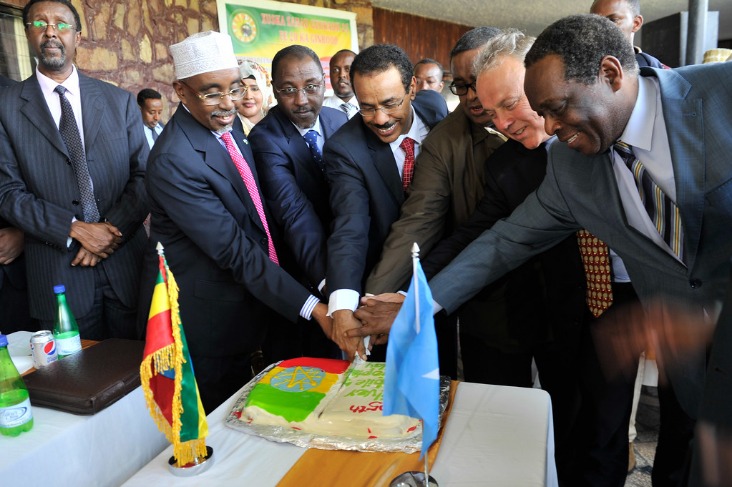
The Ethiopian date system and the Orthodox Christian Calendar emphasize the historical and theological importance of key religious events, such as Christmas, Epiphany, and Easter, often celebrated on different dates than in Western Christianity due to calendar differences. These celebrations are not only religious duties but also communal events that reinforce faith and cultural identity among Ethiopians.
- Religious Year Markings: The Ethiopian Orthodox Church begins its new year in September, coinciding with Meskerem, which reflects annual religious cycles and agricultural seasons.
- Festivals and Fasts: Major events like Timket (Epiphany) and Fasika (Easter) are precisely scheduled according to the calendar, underscoring their spiritual importance.
- Alignments with Biblical Events: The calendar’s structure emphasizes biblical history and theological themes, reinforcing the church’s teachings and traditions.
Other Religious Perspectives
Religious interpretations and significance of the Ethiopia date are deeply rooted in the country’s rich spiritual history. For many Ethiopian Christians, especially the Ethiopian Orthodox Tewahedo Church, the date marks the founding of Christianity in Ethiopia, believed to be one of the earliest in the world. This day is celebrated with great reverence and elaborate rituals, reflecting the nation’s strong Christian heritage.
Other religious perspectives also recognize the importance of this date, though their interpretations may vary. Islamic communities in Ethiopia observe related celebrations, emphasizing the country’s historical religious diversity and tolerance. Additionally, some indigenous faiths celebrate local festivals that coincide with or are influenced by the historical significance of the Ethiopia date.
- For Ethiopian Orthodox Christians, the date symbolizes the **birth of the Ethiopian Orthodox Church** and the nation’s divine protection.
- Islamic communities view the date as a testament to Ethiopia’s historical role as a refuge for early Muslims and its longstanding religious tolerance.
- Traditional African beliefs may incorporate local festivals that honor ancestral spirits, often aligning with the broader commemorative period surrounding the Ethiopia date.
Annual Religious Ceremonies
Religious interpretations and significance in Ethiopia are deeply rooted in the nation’s rich history and diverse faith traditions. Christianity, particularly Ethiopian Orthodoxy, plays a central role in shaping cultural identities, spiritual practices, and community life. Many religious events are viewed as sacred milestones that reinforce faith and cultural heritage. Ethiopian Muslims also observe crucial religious periods that influence social and spiritual practices, fostering a sense of unity and devotion among followers.
Annual religious ceremonies in Ethiopia are vibrant and highly significant, marking important events in the Christian and Islamic calendars. The Ethiopian Epiphany, known as Timket, celebrates the baptism of Jesus and features elaborate processions, water blessings, and communal prayers. The Feast of St. Mary’s, or Maria Selassie, is another vital celebration, characterized by processions and church services. For Muslims, Ramadan and Eid al-Fitr are observed with fasting, prayers, and feasting, strengthening community bonds. These ceremonies not only serve religious purposes but also reinforce social cohesion and cultural identity across Ethiopia.
Economic and Social Impact
The economic and social impact of Ethiopia’s history and development has played a significant role in shaping the nation’s present and future. From its rich cultural heritage to rapid economic growth, Ethiopia’s progression influences both its residents and the broader global community. Understanding these impacts provides valuable insights into the country’s ongoing journey towards stability and prosperity.
Influence on Business and Commerce
The adoption of Ethiopia’s new development policies has significantly impacted both the economic and social landscape of the country, fostering growth and modernization. These initiatives have opened new opportunities for local businesses, enhanced employment prospects, and promoted social development through infrastructure and education projects.
- Economic Growth: The policies have stimulated sectors such as agriculture, manufacturing, and services, leading to increased productivity and GDP growth.
- Foreign Investment: Ethiopia has attracted more foreign direct investment due to improved business climates and infrastructure development.
- Employment Opportunities: Expansion of industries has created numerous jobs, contributing to poverty reduction and improved living standards.
- Social Development: Investment in education, healthcare, and infrastructure has fostered social cohesion and better quality of life for citizens.
- Regional Trade: Strengthening trade policies has boosted Ethiopia’s influence in regional markets and enhanced its integration within African trade networks.
- Impact on Local Businesses: Small and medium enterprises have benefited from government support and increased market access, fostering entrepreneurship and innovation.
- Influence on International Trade: Ethiopia’s strategic initiatives have positioned it as a key trade hub within East Africa, enhancing its global economic profile.
- Challenges and Opportunities: While economic gains are evident, challenges such as infrastructure gaps and regional stability issues require ongoing attention to sustain growth and social progress.
Community Gatherings and Cultural Identity
The celebration of Ethiopia’s New Year, also known as Enkut Selase, has significant economic and social impacts on communities across the country. It fosters a sense of unity and cultural pride among Ethiopians, serving as a time for community gatherings, traditional music, dance, and festive activities. These events strengthen social bonds and preserve cultural practices, contributing to a shared sense of identity. Additionally, the holiday boosts local economies through increased commerce in markets, the sale of traditional goods, and tourism activities. Overall, Enkut Selase plays a vital role in reinforcing Ethiopia’s rich cultural heritage while promoting social cohesion and economic activity.
Impact on Education and Public Services
The adoption of the Ethiopian calendar, also known as the Ge’ez calendar, has significant economic and social impacts on the country. It influences daily business operations, governmental functions, and cultural practices, fostering a sense of national identity. However, it also creates challenges in international trade and communication, as most global systems follow the Gregorian calendar. In terms of education, schools and institutions must adapt their schedules to align with the Ethiopian calendar, which can complicate academic planning and coordination with international partners. Public services, including healthcare and transportation, are affected as well, with systems needing to accommodate different date conventions, potentially leading to confusion or delays. Overall, while the calendar reinforces Ethiopia’s cultural heritage, it also requires adjustments that impact various facets of society and public administration.
Historical Changes and Calendar Reforms
Throughout history, various civilizations have experienced significant developments in their calendars, reflecting cultural, religious, and astronomical advancements. These historical changes and calendar reforms have often been driven by the need for more accurate timekeeping, the synchronization of civic and religious events, and the influence of political shifts. In Ethiopia, the calendar system exhibits unique features and historical evolution that highlight the country’s rich heritage and independent development of time measurement.
Adjustments in the Calendar System
The Ethiopian calendar has undergone several historical changes and reforms over centuries to align its dates with astronomical and religious events. Originally based on the Coptic calendar, it was influenced by ancient Egyptian timekeeping methods. In 1582, the Gregorian calendar reform prompted many countries to adjust their calendars to correct drift in the date of the equinox, but Ethiopia maintained its own system, which is approximately seven to eight years behind the Gregorian calendar. The Ethiopian Orthodox Tewahedo Church also played a significant role in preserving the traditional calendar, including the calculation of religious holidays based on a different computation of the date of Easter. Over time, adjustments have been made to account for discrepancies between the calendar year and the solar year, leading to minor modifications and maintenance of the system to ensure religious and agricultural activities align accurately with seasonal cycles. Today, Ethiopia continues to use its unique calendar, which consists of 13 months—12 of 30 days each and one of five or six days during a leap year—reflecting its historical and religious heritage while also accommodating the need for calendar accuracy and consistency in daily life and cultural observance.
Festivals and Date Shifts over Centuries
Historically, Ethiopia has maintained its unique calendar system, which is based on the Ancient Egyptian Coptic calendar. This calendar features twelve months of 30 days each, followed by a thirteenth month called Pagumē of five or six days in leap years. Over centuries, Ethiopia has experienced various calendar reforms influenced by religious and political changes, but its traditional calendar has largely remained intact. The Ethiopian calendar is approximately seven years and three months behind the Gregorian calendar, with New Year celebrated on September 11th (or September 12th in leap years). Festivals such as Timket and Enkutatash are tied closely to this calendar, resulting in date shifts that often differ from internationally recognized holidays. These shifts have evolved over centuries, reflecting Ethiopia’s rich cultural heritage and the importance of maintaining its unique temporal traditions.
Modern Standardization of the Date
The historical changes and calendar reforms in Ethiopia have played a significant role in shaping its unique system of timekeeping. Ethiopia traditionally follows a different calendar from the Gregorian calendar used worldwide, which has led to various adjustments over the centuries. The Ethiopian calendar, based on the Coptic calendar, is approximately seven years and three months behind the Gregorian calendar, with New Year typically celebrated on September 11 or September 12 in leap years. This calendar reform was influenced by religious and cultural considerations, preserving the Ethiopian Orthodox Christian traditions. In modern times, efforts have been made to standardize date notation, ensuring clarity and consistency both domestically and internationally. Despite its differences, Ethiopia has adopted international standards for civil and business documentation, bridging the gap between traditional and modern systems of datekeeping. These reforms reflect Ethiopia’s commitment to maintaining its cultural identity while integrating into global practices. As a result, the Ethiopian calendar remains a vital aspect of national identity and religious observance, highlighting the country’s rich historical heritage and ongoing modernization efforts.




0 Comments