
Overview of Ethiopian Dance
Ethiopian dance is a vibrant and expressive cultural tradition that reflects the rich history and diverse ethnic groups of Ethiopia. Known for its intricate movements and rhythmic patterns, Ethiopian dance plays a vital role in celebrations, rituals, and social gatherings. It showcases the nation’s unique artistic heritage and continues to be a powerful symbol of identity and cultural pride for Ethiopians around the world.
Historical Development
Ethiopian dance is an integral part of the country’s rich cultural heritage, showcasing the diverse traditions and histories of its various ethnic groups. It is characterized by energetic movements, rhythmic steps, and vibrant expressions that reflect the social and spiritual life of the Ethiopian people.
Historically, Ethiopian dance has evolved from ancient rituals and folk traditions passed down through generations. Traditional dances often serve as a means of storytelling, celebration, and communal bonding, with each ethnic group having its unique dance styles and significance. For example, the Eskista dance, famous for its shoulder movements, dates back centuries and exemplifies the expressive artistry of Ethiopian dance.
Throughout history, Ethiopian dance has been influenced by religious practices, historical events, and cultural exchanges. It has adapted to modern influences while maintaining its cultural core, often integrating indigenous instruments and attire into performances. Today, Ethiopian dance continues to thrive both within the country and internationally, serving as a symbol of national identity and cultural pride.
Cultural Significance
Ethiopian dance is a vital expression of the country’s rich cultural heritage, reflecting its diverse ethnic groups and historical traditions. These dances are not only performed for entertainment but also play significant roles in ceremonies, celebrations, and community gatherings, embodying social values and spiritual beliefs.
- Representation of Ethnic Identity: Different regions and communities in Ethiopia have unique dance styles that showcase their distinct cultural identities.
- Ritual and Ceremonial Importance: Many dances are performed during religious festivals, weddings, and rites of passage, reinforcing cultural cohesion.
- Expression of Social Values: Movements and gestures often symbolize respect, unity, and social harmony among community members.
- Preservation of Heritage: Traditional dances serve as a means of passing cultural knowledge and history from one generation to the next.
- Promoting Cultural Tourism: Ethiopian dance performances attract tourists and promote national pride through showcasing diverse cultural expressions.
Regional Variations
Ethiopian dance is a vibrant and diverse expression of the country’s rich cultural heritage, showcasing a variety of styles that reflect the different regions and ethnic groups across Ethiopia. These dances are often performed during celebrations, rituals, and social gatherings, emphasizing community identity and cultural pride.
Regional variations in Ethiopian dance are particularly evident in the distinct movements, rhythms, and costumes that characterize each region. For instance, the dances of the Amhara and Oromo regions feature energetic footwork, shoulder movements, and intricate hand gestures, while the dances of the southern nations highlight slow, rhythmic body movements and the use of traditional drums. The Somali and Tigray regions also have unique dance styles that are deeply rooted in their history and social practices.
Language plays an important role in Ethiopian dance as well, with lyrical songs often accompanied by specific dance forms that are unique to each ethnic group. These dances serve not only as entertainment but also as a way to preserve historical stories, social values, and cultural traditions, making Ethiopian dance a vital aspect of the country’s cultural identity.
Types of Ethiopian Dances
Ethiopian dance is a vibrant and diverse expression of the country’s rich cultural heritage. Each dance style reflects unique traditions, histories, and regional influences, showcasing the lively spirit and artistic creativity of the Ethiopian people. From energetic group performances to elegant solo moves, Ethiopian dances play an important role in celebrations, ceremonies, and social gatherings across the nation.
Traditional Dances
Ethiopia is renowned for its rich and diverse cultural heritage, particularly its traditional dances which vary across regions and communities. These dances often reflect the history, social values, and rituals of the Ethiopian people. Some of the most famous types of Ethiopian dances include the Eskista, known for its rhythmic shoulder movements; the Guayla, a lively dance performed by the Oromo people characterized by energetic footsteps and body movements; and the Shageb, a slow, graceful dance performed during social gatherings. Additionally, the Wahli dance from the southern regions and the Fela dance from the Afar people showcase unique styles that highlight the country’s cultural diversity. Each dance style plays a vital role in Ethiopian ceremonies, celebrations, and social interactions, making Ethiopian dance an integral part of its cultural identity.
Modern Dance Influences
Ethiopian dance is rich in variety and deeply rooted in the country’s cultural heritage, showcasing traditional movements that reflect the diverse ethnic groups. These dances often emphasize intricate footwork, rhythmic body movements, and expressive gestures that tell stories or celebrate events. Among the traditional forms, the Eskista, characterized by shoulder movements, is one of the most iconic Ethiopian dances.
Modern dance influences have increasingly integrated Ethiopian dance, blending contemporary styles such as jazz, hip-hop, and modern ballet with traditional rhythms and movements. This fusion has resulted in dynamic performances that respect cultural roots while exploring new artistic expressions. Ethiopian dancers and choreographers incorporate these modern influences to appeal to younger generations and to highlight Ethiopia’s evolving cultural landscape.
Religious and Ritual Dances
Ethiopian dance is a vibrant reflection of the country’s rich cultural heritage, with various styles that showcase its diverse traditions. Among these, religious and ritual dances hold a special significance, embodying spiritual beliefs and communal ceremonies. These dances often serve to honor gods, mark religious festivals, and preserve ancient customs passed down through generations.
Religious dances in Ethiopia are deeply rooted in the practices of the Ethiopian Orthodox Tewahedo Church, Rastafarianism, and indigenous faiths. For instance, the Ethiopian Orthodox Church performs liturgical dances that are synchronized with church services, involving slow, graceful movements that symbolize reverence and devotion. These dances often feature unique costumes and are performed during important religious holidays such as Timket and Meskel.
Ritual dances are integral to various traditional ceremonies, including rites of passage, harvest celebrations, and fertility rites. The Oromo and Amhara communities, for example, perform ritual dances to invoke blessings, ward off evil spirits, or celebrate communal achievements. These dances are characterized by repetitive, rhythmic movements, often accompanied by traditional instruments and chants that enhance the spiritual atmosphere.
Overall, religious and ritual dances in Ethiopia serve as a vital expression of faith, identity, and community bonding, playing a pivotal role in preserving the country’s cultural and spiritual traditions.
Characteristics of Ethiopian Dance
Ethiopian dance is a vibrant and expressive art form that reflects the rich cultural heritage of the country. It is characterized by energetic movements, rhythmic footwork, and intricate hand gestures that convey storytelling and tradition. The dance often incorporates lively beats and unique patterns, showcasing the diversity of Ethiopia’s different ethnic groups. Through its dynamic performances, Ethiopian dance captures the spirit and history of the nation, making it an essential part of its cultural identity.
Movement Styles
Ethiopian dance is renowned for its vibrant energy, intricate movements, and cultural significance. It often reflects the history, traditions, and social values of various Ethiopian communities, showcasing a rich diversity of styles. Many Ethiopian dances emphasize rhythmic footwork, with dancers frequently performing rapid, precise steps that synchronize with traditional music. Movements tend to be expressive and may include body gestures, hand movements, and dynamic spins. The dance often involves group formations, demonstrating unity and community spirit, while also highlighting individual skill. Overall, Ethiopian dance is characterized by its lively tempo, elaborate foot patterns, and the deep cultural stories conveyed through movement.
Rhythms and Music
Ethiopian dance is characterized by its vibrant rhythms, expressive movements, and cultural significance. It often features intricate footwork and synchronized group formations that reflect the diverse ethnic groups within the country. The rhythms are typically lively and energetic, driven by traditional instruments such as the drum, masenqo, and krar, which create pulsating beats that inspire dynamic dance movements. Ethiopian music incorporates complex time signatures and melodic variations, showcasing a rich heritage that has been passed down through generations. The dance and music together serve as a vital expression of community identity, storytelling, and celebration in Ethiopian culture. Each ethnic group has its own distinctive dance styles, often performed during festivals, ceremonies, and social gatherings, embodying the unique cultural values and history of Ethiopia.
Costumes and Accessories
Ethiopian dance is characterized by its lively rhythms, expressive movements, and cultural significance. It often involves intricate footwork, dynamic body gestures, and synchronized group performances that reflect the rich history and traditions of the various ethnic groups within Ethiopia. The dance styles are usually performed to traditional music played with indigenous instruments, creating a vibrant and energetic atmosphere. The movements can range from gentle and graceful to vigorous and spirited, embodying the emotions and stories of the community.
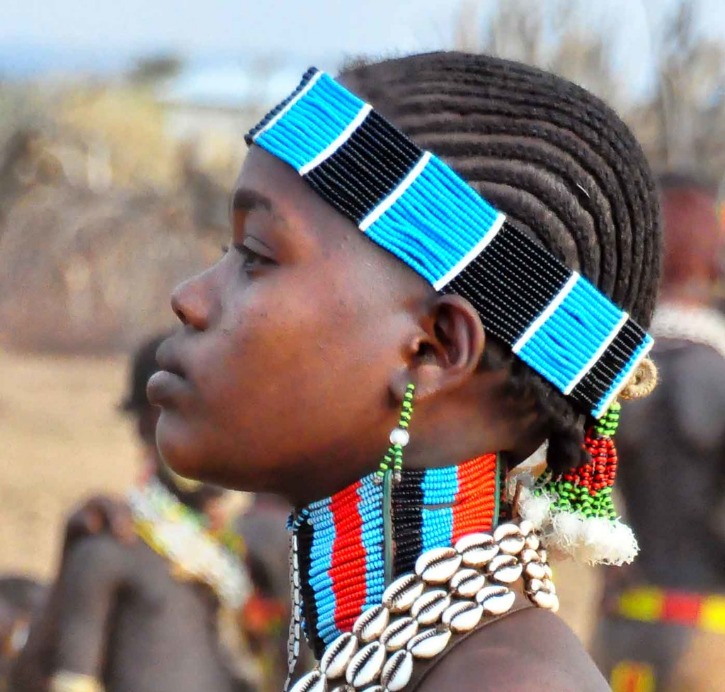
Traditional Ethiopian costumes are colorful, detailed, and symbolic, often representing the wearer’s ethnic identity and social status. Men typically wear woven cloths called “Gabi” or “Afta,” while women wear elaborate dresses adorned with embroidery, beads, and sequins. These costumes are designed to allow freedom of movement for dance performance and are regarded as an essential part of cultural expression.
Accessories play a significant role in Ethiopian dance costumes, including beaded jewelry, necklaces, bracelets, and headpieces. Women often wear intricate crowns or headscarves decorated with beads, feathers, or coins, enhancing their elegance during dance. Men may adorn themselves with belts, armbands, or traditional shawls that complement their costumes. These accessories not only add aesthetic appeal but also carry cultural and spiritual meanings, emphasizing the importance of dance in Ethiopian tradition.
Major Ethiopian Dances and Their Features
Ethiopian dance is a vibrant and diverse aspect of the nation’s rich cultural heritage. Each major Ethiopian dance style reflects unique historical, social, and spiritual traditions, showcasing the country’s regional diversity. These dances often involve intricate movements, synchronized steps, and expressive gestures that convey stories, celebrations, and communal identity. They serve as a powerful means of preserving Ethiopia’s cultural legacy and fostering a sense of unity among its people.
Eskista
Major Ethiopian dances are an integral part of the country’s rich cultural heritage, each reflecting unique traditions and social customs. Among these, Eskista stands out as one of the most renowned dances, celebrated for its energetic and intricate movements. Eskista is characterized by rhythmic shoulder movements, which are performed in sync with lively music, often accompanied by traditional Ethiopian instruments. The dance involves rolling the shoulders, chest movements, and bouncing, showcasing flexibility and coordination. It is usually performed during celebrations, festivals, and social gatherings, highlighting the joyful spirit of Ethiopian culture. Other notable Ethiopian dances include the Ge’ez, which is more formal and ceremonial, and the Apo dance, known for its storytelling through expressive gestures. Overall, Ethiopian dances like Eskista embody the vibrancy, history, and communal identity of the Ethiopian people.
Shuo
Ethiopia is renowned for its rich cultural heritage, especially its diverse and vibrant traditional dances. These dances serve as an important expression of community identity, history, and social values. Each dance style has unique features that reflect the ethnicity and history of the people who perform it.
- Eskista: Known as the shoulder dance, Eskista is characterized by vigorous shoulder movements, rolling, and bouncing of the chest. It is performed primarily by the Amhara and Tigray people during celebrations and social gatherings.
- Halegeh: A lively dance involving rhythmic stomping and intricate footwork. It is popular among the Oromo ethnic group and often performed during festivities and weddings.
- La Gaba: This dance involves synchronized hand clapping, shoulder movements, and steps that symbolize unity and community spirit, performed by various ethnic groups including the Gurage.
- Ye’Abay Ta’a: A slow, graceful dance typically performed by women during religious or cultural ceremonies, emphasizing elegance and expressive arm movements.
- Gambella Tribal Dance: Features energetic jumps, stamping, and colorful costumes, showcasing the lively spirit of the Gambella region’s tribes.
Vodafon
Ethiopian dance is renowned for its vibrant rhythms, expressive movements, and cultural significance. Major Ethiopian dances include the Eskista, the Gada dance, and the Oromo Dance, each reflecting the rich diversity of Ethiopia’s ethnic groups. Eskista is characterized by energetic shoulder movements and intricate chest and neck movements, often performed to traditional music with drumming and chanting. The Gada dance, associated with the Gada social system of the Oromo people, features rhythmic body movements and group synchronization that symbolize unity and community strength. The Oromo Dance is lively and often involves vigorous footwork, arm gestures, and improvisation, showcasing the dancers’ agility and cultural storytelling through dance. These dances serve as a vital expression of Ethiopian history, social values, and ethnic identity, bringing communities together in celebration and cultural preservation.
Hegde
Ethiopia is renowned for its rich and diverse dance traditions that reflect the country’s cultural heritage and ethnic diversity. Major Ethiopian dances are characterized by their unique movements, rhythmic patterns, and traditional costumes that vary across regions.
One of the most prominent Ethiopian dances is the Eskista, which is performed mainly by the Oromo and Amhara groups. It is distinguished by its intricate shoulder movements, rolling of the shoulders, and neck movements synchronized to lively music. This dance emphasizes facial expressions and is often performed during celebrations and social gatherings.
The Waka dance, associated with the Gurage people, features energetic movements with rhythmic foot stomping and arm gestures. It is usually performed during ceremonies and festive occasions, showcasing communal unity and cultural pride.
Another notable dance is the Shager, performed by the Tigray people. It involves graceful, flowing hand movements combined with slow, deliberate steps, reflecting elegance and traditional storytelling through dance.
The Konso dance, typical of the Konso people, incorporates agile footwork, high jumps, and rapid spins. It is often performed during harvesting festivals and symbolizes strength and community solidarity.
Each Ethiopian dance is distinguished by its specific movements, costumes, and music, offering a vivid portrayal of the country’s ethnic diversity and cultural history. These dances serve as important cultural expressions, fostering social bonds and preserving traditions across generations.
Cultural Context and Occasions
Ethiopian dance is deeply rooted in the country’s rich cultural heritage and tradition. Understanding the cultural context and occasions that feature these dance forms offers a glimpse into Ethiopia’s diverse history and social practices. These dances are often performed during significant celebrations, religious events, and communal gatherings, serving as a vibrant expression of identity and unity within Ethiopian society.
Festivals and Celebrations
Ethiopian dance is deeply intertwined with the country’s rich cultural heritage, serving as a vital expression of identity during various occasions, festivals, and celebrations. These dances are performed to mark important life events such as weddings, religious festivals, and national holidays, reflecting the diverse traditions of Ethiopia’s many ethnic groups. During festivals like Timket (Epiphany), Enkutatash (New Year), and Meskel (Finding of the True Cross), communities come together to showcase vibrant dance performances that celebrate faith, history, and community spirit. Each dance style often incorporates unique movements, rhythms, and costumes that symbolize cultural stories and values, fostering a sense of unity and continuity among generations. Whether performed during lively street processions or intimate family gatherings, Ethiopian dance remains a powerful expression of cultural pride and collective identity across various social and religious contexts.
Weddings and Social Events
Ethiopian dance is deeply rooted in the country’s cultural traditions and is an integral part of various social occasions, weddings, and celebrations. These dances often reflect Ethiopia’s diverse ethnic groups, each having unique movements, rhythms, and styles that symbolize their history and identity. During weddings, dance plays a vital role in bringing communities together, celebrating unity, and honoring the couple’s new journey. Social events such as festivals and communal gatherings also feature vibrant dance performances that serve to preserve cultural heritage and strengthen social bonds. Whether performed during joyful weddings or lively festivals, Ethiopian dance remains a powerful expression of cultural pride and communal spirit.
Religious Ceremonies
Ethiopian dance is deeply rooted in the country’s rich cultural heritage and is often performed during various occasions and religious ceremonies. These dances serve as a means of expressing joy, storytelling, and community bonding, reflecting the diverse ethnic groups within Ethiopia. During religious celebrations such as Easter, Christmas, and Timket (Epiphany), traditional dances are performed to honor saints and commemorate sacred events. Additionally, national festivals and important life milestones like weddings and coming-of-age ceremonies feature lively dance performances that showcase regional dance styles and traditional costumes. These dances not only preserve Ethiopia’s cultural identity but also reinforce spiritual and social connections among its people.
Influence of Ethiopian Dance on Global Art
Ethiopian dance, with its rich cultural heritage and vibrant rhythms, has significantly influenced the global arts scene. Known for its dynamic movements and expressive storytelling, Ethiopian dance has inspired artists and performers around the world. As a vibrant representation of Ethiopia’s history and identity, this dance form continues to resonate internationally, fostering cross-cultural appreciation and creative innovation.
Fusion and Contemporary Performances
Ethiopian dance has significantly influenced global art, inspiring artists and performers across the world to incorporate its unique movements, rhythms, and cultural expressions into their work. Its vibrant and energetic style, characterized by intricate footwork and expressive gestures, has resonated with contemporary performers seeking to blend traditional elements with innovative forms. Fusion of Ethiopian dance with modern dance, hip-hop, and other international genres has led to the emergence of dynamic, multicultural performances that celebrate diversity and heritage. This blending has not only preserved Ethiopia’s rich cultural traditions but also expanded their reach, fostering cross-cultural appreciation and understanding in the global arts scene. Ethiopian dance continues to inspire choreographers and musicians, fueling creative experimentation and enriching contemporary artistic expressions worldwide.
Dance Education and Preservation Efforts
Ethiopian dance has significantly influenced global art by introducing unique rhythm patterns, intricate movements, and cultural storytelling that enrich international dance performances and contemporary art forms. Its vibrant and expressive style has inspired artists and choreographers worldwide to incorporate Ethiopian elements into their creative works, fostering a greater appreciation for African cultural diversity.
In dance education, Ethiopian dance serves as an essential tool for broadening students’ understanding of cultural diversity, traditional techniques, and historical contexts. Many dance curricula now incorporate Ethiopian movements to promote multicultural awareness and to preserve traditional practices while innovating new styles rooted in Ethiopian heritage.
Preservation efforts are vital in maintaining Ethiopia’s rich dance traditions, and these initiatives have gained international support through collaborations, festivals, and digital archiving. Such efforts ensure that Ethiopia’s vibrant dance heritage continues to thrive, influence global art scenes, and inspire future generations to value their cultural roots.
Challenges and Preservation
Ethiopian dance is a vibrant and culturally rich tradition that reflects the diverse heritage of the country. However, preserving these dances faces numerous challenges due to modernization, globalization, and changing social customs. Efforts to maintain and promote this important aspect of Ethiopia’s identity are essential to ensure that future generations can experience and appreciate their cultural legacy.
Modernization and Cultural Erosion
Ethiopian dance traditions are a vital part of the country’s cultural heritage, reflecting diverse ethnic backgrounds and history. However, these traditional dance forms face numerous challenges and risks of erosion due to modernization and external influences. Rapid urbanization and global cultural integration often lead to the displacement of indigenous dance practices, as younger generations gravitate toward contemporary entertainment. Preservation efforts are essential to maintain this cultural identity; initiatives include documenting traditional dances, promoting local performances, and educating youth about their cultural roots. Balancing modernization with cultural preservation is crucial for ensuring that Ethiopia’s rich dance heritage continues to thrive amidst changing social landscapes, safeguarding it for future generations while allowing for adaptive growth.
Efforts to Preserve Traditional Dance
Traditional Ethiopian dance is a vital expression of cultural identity, but it faces numerous challenges in modern times. Rapid urbanization, globalization, and the influence of mass media have led to the gradual decline of authentic dance forms among the younger generation. Additionally, urban migration often results in the loss of traditional practices as communities become more westernized. Preservation efforts are focused on documenting these dances through recordings and written records, as well as promoting their practice through cultural festivals and dance schools. Local authorities and cultural organizations are also working to incorporate traditional dance into school curricula to ensure its transmission to future generations. Community-based initiatives and international collaborations further support the preservation of Ethiopia’s rich dance heritage, helping to keep these traditional art forms alive amidst changing societal dynamics.



0 Comments