
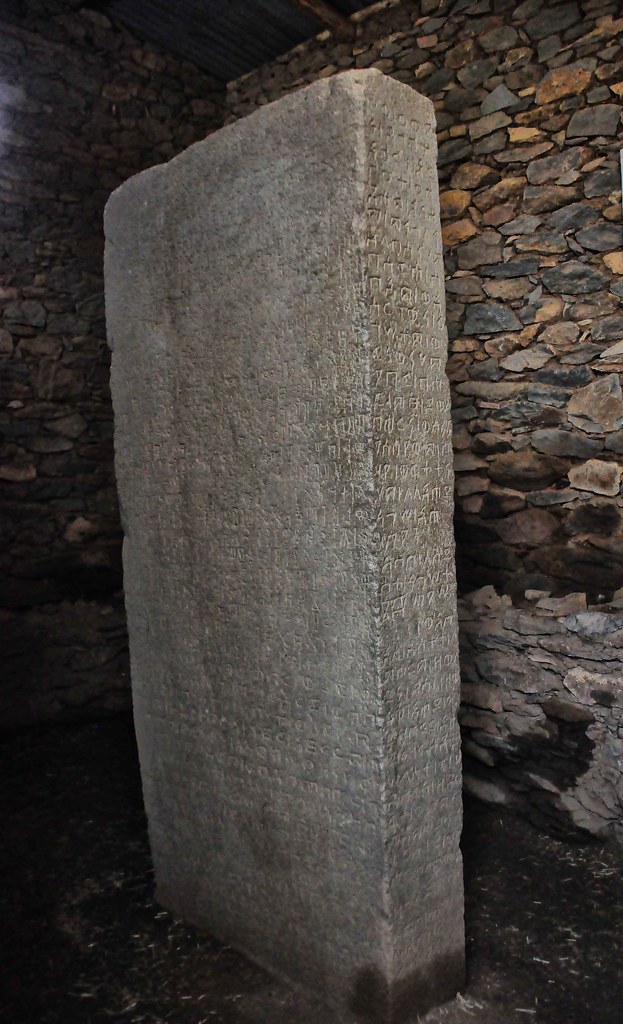
Geography and Geographical Features of Ancient Ethiopia
Ancient Ethiopia, a land rich in history and culture, is distinguished by its diverse geography and remarkable geographical features. The region is characterized by vast mountains, deep valleys, expansive plateaus, and fertile river valleys that have shaped its civilization. These natural landscapes have played a crucial role in the development of ancient Ethiopian society, influencing settlement patterns, agriculture, and trade routes. Understanding the geography of ancient Ethiopia provides valuable insights into the history and resilience of this enduring civilization.
Location and Topography
Ancient Ethiopia, known as the Land of Origins, is characterized by diverse geography and distinctive geographical features. Located in the Horn of Africa, it is one of the oldest regions inhabited by humans, with a landscape that significantly shaped its history and culture. The country’s topography includes highlands, plateaus, mountains, valleys, and lowlands, creating a varied and complex terrain. The Ethiopian Highlands, often called the Roof of Africa, dominate the central and northern parts of the country, rising to elevations over 4,500 meters. To the east and south of the highlands lie the Rift Valley, a major geographical feature that extends from the Great Lakes region into the Red Sea, marked by deep valleys, lakes, and volcanic activity. The lowland areas in the eastern and southeastern parts of Ethiopia are characterized by arid and semi-arid plains, which have historically influenced settlement and agricultural patterns. The strategic location of ancient Ethiopia, situated between the Nile and the Red Sea, facilitated trade and cultural exchanges with neighboring regions, making its geographical features vital to its development as an ancient civilization.
Major Rivers and Lakes
Ancient Ethiopia, known for its rich history and diverse landscape, is situated in the Horn of Africa and features a variety of important geographical and physical features. The region is characterized by rugged highlands, extensive plains, and arid lowlands, contributing to its unique topographical diversity.
Major rivers in ancient Ethiopia include the Blue Nile, also known as Abay River, which originates from Lake Tana and flows into the White Nile, playing a crucial role in the water system of northeastern Africa. Other significant rivers are the Omo River, vital for the southwestern regions, and the Awash River, which flows through the eastern part of the country, supporting agriculture and ecosystems.
Lake Tana, the largest lake in Ethiopia, is notable for its cultural and ecological importance, hosting numerous monasteries and supporting a variety of aquatic life. Besides Lake Tana, Lake Riwasa and Lake Abaya are also key freshwater bodies, contributing further to the region’s diverse aquatic environment. These lakes and rivers collectively shaped the development of ancient Ethiopian civilization, influencing settlement patterns, agriculture, and trade routes throughout history.
Mountain Ranges and Plateaus
Ancient Ethiopia is characterized by a diverse and rugged geographical landscape that has significantly influenced its history and culture. The region features prominent mountain ranges and expansive plateaus that define its geography. One of the most notable features is the Ethiopian Highlands, also known as the Roof of Africa, which covers much of northern and central Ethiopia. This mountainous area includes some of the highest peaks on the continent, such as Ras Dashen, which reaches an elevation of approximately 4,550 meters. These mountains have served as natural barriers, shaping the development of early civilizations in the region.
Besides the highlands, Ethiopia contains several major mountain ranges, including the Simien Mountains and the Bale Mountains, both rich in unique flora and fauna. The Great Rift Valley also traverses the country from the north to the south, creating dramatic escarpments and contributing to the formation of lakes and fertile valleys. The Ethiopian Plateau, occupying a significant portion of the country’s terrain, stretches across the central and southern parts and is characterized by its high elevation and volcanic origins. This elevated landscape has played a vital role in agriculture and settlement patterns of ancient Ethiopia, making it a cradle of ancient civilizations and trade routes.
Historical Background and Timeline
Ethiopia’s ancient history is a rich tapestry woven with remarkable civilizations, influential kingdoms, and significant cultural developments that date back thousands of years. This nation is often regarded as one of the oldest in the world, with a timeline that highlights the rise and fall of influential empires and key events that have shaped its identity. Exploring Ethiopia’s historical background offers insight into its enduring legacy and its crucial role in the history of Africa and the world.
Prehistoric Era and Early Inhabitants
Ethiopia’s ancient history is distinguished by its rich prehistoric past and the presence of early human inhabitants. Evidence suggests that the region has been inhabited for millions of years, making it one of the oldest cradles of human civilization. During the prehistoric era, early humans such as Australopithecus and Homo erectus roamed the area, leaving behind fossils that have provided crucial insights into human evolution. Around 3 million years ago, the discovery of the famous Australopithecus afarensis specimen “Lucy” in Ethiopia’s Afar Region highlighted its significance in human ancestry. The early inhabitants of Ethiopia developed rudimentary tools and engaged in hunting, gathering, and cave dwelling, laying foundational aspects of future civilizations. Over time, these early societies evolved, leading to more complex social structures and cultural practices that would influence the development of ancient civilizations in the region.
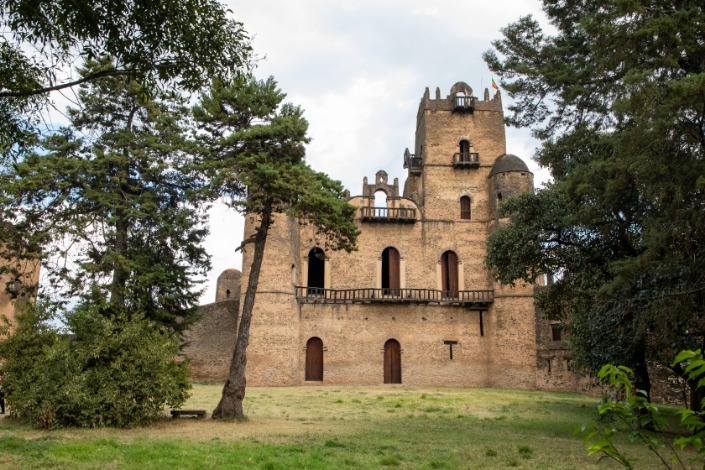
Aksumite Empire and Its Rise
The Aksumite Empire, also known as the Kingdom of Aksum, was one of the most powerful and influential civilizations in ancient Ethiopia. Emerging around the 1st century AD, it marked the beginning of Ethiopia’s rich historical legacy. The empire reached its peak between the 4th and 7th centuries, becoming a major trading hub connecting Africa, Arabia, and the Indian Ocean. Its rise was facilitated by strategic geographical location, control over key trade routes, and advanced trading networks. Aksum was notable for its impressive monumental architecture, including obelisks, and for adopting Christianity as the state religion in the 4th century under King Ezana. This shift significantly shaped the cultural and religious landscape of Ethiopia, setting the foundation for its enduring civilization. The empire’s decline began around the 7th century, but its legacy continues to influence modern Ethiopian history and culture.
Ansata and Medieval Periods
In the context of Ethiopia’s ancient history, the historical background and timeline reveal a rich tapestry of civilizations that date back thousands of years. The Ansata period marks significant cultural and political developments, with the rise of powerful kingdoms and city-states that laid the foundation for later empires. During the Medieval Period, Ethiopia experienced remarkable growth, notably under the Solomonic dynasty, which strengthened the nation’s Christian identity and expanded its territorial boundaries. This era also saw the development of unique arts, architecture, and religious traditions that continue to influence Ethiopian culture today.
Ancient Ethiopia in the Context of African and World History
Ancient Ethiopia, often referred to as the Land of Punt or Abyssinia, holds a significant place in both African and world history due to its rich cultural heritage and early civilization development. Located in the Horn of Africa, Ethiopia is one of the oldest nations with a history dating back thousands of years, making it a unique region where ancient African kingdoms flourished independently. The timeline of ancient Ethiopia begins with the rise of the Kingdom of D’mt around the 8th century BCE, which laid the foundations for later powerful states.
By the 1st century CE, the Kingdom of Aksum emerged as a prominent superpower, known for its impressive stone obelisks, early adoption of Christianity in the 4th century, and its role in maritime trade linking Africa, the Middle East, and the Indian Ocean. Aksum’s decline in the 7th century CE eventually led to regional fragmentation, but Ethiopia remained a center of Christian culture and tradition. Throughout antiquity, Ethiopia maintained its independence, unlike many neighboring regions, thanks to its mountainous terrain and strong identity. This ancient history not only highlights Ethiopia’s prominent role in regional dynamics but also emphasizes its influence on early Christianity and trade networks, making it a pivotal historical entity within the broader context of African and world history.
Cultural and Religious Heritage
Ethiopia’s ancient cultural and religious heritage is a testament to its rich history and diverse traditions. As one of the oldest nations in the world, Ethiopia has preserved unique customs, ancient monuments, and spiritual practices that reflect its deep-rooted identity. This heritage not only highlights the nation’s historical significance but also offers a fascinating glimpse into its enduring cultural legacy.
Languages and Writing Systems
Ethiopia’s ancient cultural and religious heritage is a testament to its rich historical significance. The country is home to some of the world’s earliest Christian monasteries, historic rock-hewn churches, and archaeological sites that date back thousands of years, reflecting the deep spiritual roots of its people. Ethiopia’s religious traditions, particularly Ethiopian Orthodox Christianity, have profoundly shaped its cultural identity and artistic expressions.
The languages of Ethiopia are diverse, with over 80 spoken across the country. The most prominent language is Amharic, which serves as the official language, while Oromiffa, Tigrinya, and Somali are also widely spoken. These languages utilize unique writing systems that are integral to cultural expression. The Ge’ez script, an ancient writing system, is used for liturgical purposes in the Ethiopian Orthodox Church and has influenced many modern Ethiopian scripts. This writing system is notable for its distinctive characters and its role in preserving the country’s historical and religious documents.
Religious Beliefs and Practices
Ethiopia’s ancient cultural and religious heritage is a testament to its rich history and diverse spiritual traditions that have shaped the nation over millennia. The country is renowned for its unique religious practices, historic sites, and enduring customs that continue to influence its society today.
- The Ethiopian Orthodox Tewahedo Church, one of the oldest Christian denominations in the world, plays a central role in the spiritual life of many Ethiopians and features distinctive liturgical traditions and sacred artifacts.
- Ancient sites such as Lalibela, with its rock-hewn churches, serve as a pilgrimage destination and symbolize the deep-rooted Christian heritage of Ethiopia.
- Traditional religious festivals like Timket (Epiphany) and Meskel are celebrated with elaborate rituals, processions, and community gatherings, reflecting the enduring faith and customs of the people.
- Ethiopia’s ancient sites also include the ruins of Aksum, which was once a major Christian empire and is believed to be the legendary resting place of the Ark of the Covenant, emphasizing the historical significance of religion in Ethiopian identity.
- Besides Christianity, indigenous beliefs and practices, including animism and local spiritual rituals, continue to coexist, highlighting Ethiopia’s religious pluralism and cultural diversity.
Ancient Ethiopian Art and Iconography
Ethiopia’s rich cultural and religious heritage is deeply rooted in its ancient history, reflecting a unique blend of traditions, art, and spirituality that has persisted for millennia. This heritage is vividly demonstrated through its ancient art and iconography, which continue to influence Ethiopian identity and religious practices today.
- Ancient Ethiopian art is predominantly characterized by its religious themes, often depicting Christian saints, biblical scenes, and the Ethiopian Church’s spiritual symbolism.
- Iconography found in Ethiopian monasteries and churches is distinguished by its vibrant colors, distinctive styles, and the use of traditional Ethiopian crosses and symbols.
- One of the most notable examples is the centuries-old illuminated manuscripts and frescoes that adorn the walls of historic monasteries like Lalibela and Debre Libanos.
- These artworks serve not only as religious expressions but also as historical records, showcasing the development of Ethiopian Christianity and its artistic evolution.
- The unique style of Ethiopian Christian art incorporates influences from Coptic Egypt, Byzantine art, and local tradition, resulting in a recognizable and enduring visual language.
- Ancient Ethiopian iconography often emphasizes elongated figures, vibrant halos, and symbolic gestures, reflecting spiritual idealism and theological concepts.
Major Ancient Cities and Sites
Ethiopia is home to a rich tapestry of ancient cities and archaeological sites that reflect its profound history and cultural heritage. These sites offer a glimpse into early civilizations, religious traditions, and innovative architecture that have shaped the nation’s identity. Exploring Ethiopia’s major ancient cities reveals stories of resilience, spirituality, and artistic achievement that continue to inspire those interested in antiquity and heritage.
Axum and Its Archaeological Significance
Axum, also known as Aksum, is one of the most significant ancient cities in Ethiopia, renowned for its archaeological and historical importance. It was once the capital of the powerful Aksumite Empire, which flourished from approximately the 1st to the 7th century AD. The city is famous for its massive obelisks, including the Obelisk of Axum, which stands as a testament to the advanced engineering skills of its builders. Axum was a major center of trade, culture, and religion, serving as a hub connecting Africa, Arabia, and the Mediterranean. Its archaeological sites include ancient tombs, stone stelae, and historic churches, such as the Church of St. Mary of Zion, believed to house the Ark of the Covenant. Recognized as a UNESCO World Heritage Site, Axum offers invaluable insights into Ethiopia’s ancient history and its role in early civilizations.
Yeha and Other Ancient Settlement Sites
Ancient Ethiopia is renowned for its rich history and remarkable archaeological sites, among which Yeha stands out as one of the most significant. Yeha, located in the Tigray region, is home to an ancient temple believed to date back to the 8th century BC, making it one of the oldest standing monuments in Ethiopia. This site offers valuable insights into the early civilizations that thrived in the Horn of Africa and showcases impressive architectural skills of the time.
In addition to Yeha, Ethiopia boasts numerous other ancient settlement sites that highlight its historical importance. The city of Aksum (or Axum) is perhaps the most famous, known as the heart of the Aksumite Empire, which was a major trading civilization. The Aksum obelisks, ancient stelae, and the ruins of the Aksumite capital reveal a sophisticated society with advanced engineering and religious practices.
Other notable archaeological sites include Lalibela, famous for its rock-hewn churches dating from the 12th to 13th centuries, and Gundar, which contains ancient tombs and rock art. These sites collectively illustrate Ethiopia’s position as a cradle of civilization, with a history that spans thousands of years and reflects a rich tapestry of cultural and architectural achievements.
Rock-Hewn Churches and Monolithic Structures
Ethiopia is renowned for its rich ancient history, featuring some of the world’s most remarkable archaeological sites. Major ancient cities such as Aksum, which was once a powerful kingdom and is famous for its obelisks and the legendary Ark of the Covenant, highlight Ethiopia’s historical significance. Lalibela is renowned for its extraordinary rock-hewn churches carved directly into the mountains, dating back to the 12th century, reflecting profound religious and architectural ingenuity. The monolithic structures of Lalibela, including the Church of St. George, exemplify Ethiopia’s unique tradition of carving entire churches from solid rock. Additionally, other notable sites include Gondar’s castles and the ruins of Yeha, which showcase Ethiopia’s ancient civilization and architectural prowess. These sites continue to attract scholars and travelers interested in Ethiopia’s ancient heritage and monumental craftsmanship.
Ancient Ethiopian Economy and Society
The ancient Ethiopian economy and society showcase a rich tapestry of cultural, agricultural, and trade traditions that have shaped the civilization for centuries. As one of the oldest civilizations in Africa, Ethiopia’s society was deeply rooted in Christian heritage, with a complex social hierarchy and innovative agricultural practices. Its strategic location facilitated vibrant trade networks, connecting Africa with the Middle East and beyond. Exploring this history offers valuable insights into the resilience and ingenuity of ancient Ethiopian communities.
Agriculture and Livestock
Ancient Ethiopia, known historically for its rich and diverse civilization, was fundamentally built on a strong agricultural and pastoral economy. The society was largely agrarian, with communities engaged in cultivating a variety of crops such as barley, teff, millet, and maize, which formed the backbone of their sustenance and trade. Agriculture was supported by sophisticated techniques suited to the diverse climates and terrains of the region, including terracing and irrigation systems.
In addition to crop farming, livestock played a crucial role in ancient Ethiopian society. Cattle, goats, sheep, and camels were not only vital for food and trade but also held religious and social significance. Livestock provided dairy, meat, and raw materials for tools and clothing, contributing to the economy’s robustness and resilience. The integration of agriculture and animal husbandry shaped the social structure, with wealth often measured by land and livestock holdings.
Ancient Ethiopian society was organized into small- to large-scale communities that depended heavily on their natural resources. The economy was characterized by local trade, barter, and the exchange of agricultural and pastoral products, which facilitated social cohesion and cultural development. This interconnected system of agriculture and livestock sustained the civilization through centuries, laying the foundation for Ethiopia’s historical prominence.
Trade Routes and Commercial Centers

Ancient Ethiopia was a civilization characterized by a complex economy and sophisticated social structures, which developed over centuries along key trade routes connecting Africa, the Arabian Peninsula, and the Mediterranean. These trade routes facilitated the exchange of goods, ideas, and cultural practices, contributing to the growth of prominent commercial centers across the region.
The economy of ancient Ethiopia was predominantly based on agriculture, with staple crops such as sorghum, millet, and teff playing vital roles. Additionally, the society engaged in pastoralism, raising livestock like cattle, sheep, and goats. The region was also rich in mineral resources, including gold, salt, and semi-precious stones, which greatly enhanced trade and wealth accumulation.
Trade routes traversed the highlands, lowlands, and coastal areas, linking interior Ethiopia to foreign markets. Key commercial hubs emerged at strategic locations, including Axum, which served as a political and trading center, and Adulis on the Red Sea coast, a gateway for maritime trade with the Roman Empire, India, and Arabia.
- Trade routes connected Ethiopia with Egypt, the Middle East, and the Indian Ocean, enabling the exchange of gold, spices, textiles, and precious stones.
- Major commercial centers like Axum and Adulis thrived due to their strategic positions and active participation in international trade.
- Caravan routes facilitated overland trade of salt, ivory, and export crops from the Ethiopian highlands.
- Trade not only boosted the economy but also contributed to cultural exchange and the spread of Christianity and other religious influences in ancient Ethiopia.
Social Structure and Administration
Ancient Ethiopian society was a complex and sophisticated civilization that thrived for centuries, characterized by its diverse economy, social hierarchy, and centralized administration. The economy was largely agrarian, relying on agriculture, pastoralism, and trade, which facilitated the development of influential kingdoms such as D’mt, Aksum, and others. These civilizations engaged in the production of crops like barley, wheat, teff, and millet, while also raising livestock such as cattle, sheep, and goats. Trade routes linked Ethiopia to the Near East, the Arabian Peninsula, and the Mediterranean, advancing economic prosperity and cultural exchange.
The social structure in ancient Ethiopia was hierarchical and organized around kinship, status, and occupation. Society was generally divided into classes, with the nobility and ruling elite at the top, followed by artisans, merchants, farmers, and laborers. The clergy also held significant influence, especially with the rise of Christianity in the 4th century AD, which deeply impacted social and cultural aspects of life. Traditional roles were often inherited, maintaining stability within the social strata. Religion and leadership were closely intertwined, with kings claiming divine right to rule and priests guiding spiritual and societal norms.
Administrative systems were sophisticated, with well-structured governance that supported economic activities and social order. The kingdom of Aksum, for example, had a centralized government with a king or ruler at the top, supported by officials overseeing taxation, military matters, and public works. Record-keeping was practiced through inscriptions and coins, which helped in managing trade and governance. Local administrators managed regional affairs, and the church also played a vital administrative role, especially in legal and educational matters. Overall, the ancient Ethiopian administration demonstrated a high level of organization and stability, which contributed to the civilization’s longevity and influence.
Contributions and Legacy of Ancient Ethiopia
Ancient Ethiopia, often regarded as the cradle of civilization, has a rich legacy that has significantly shaped human history. Its contributions span from early advancements in architecture and agriculture to the development of one of the world’s first Christian civilizations. The legacy of ancient Ethiopia endures through its enduring cultural heritage, monumental structures like Lalibela’s rock-hewn churches, and its influence on regional history and religion. These achievements highlight Ethiopia’s unique place in the tapestry of world history and its enduring contributions to human civilization.
Architectural Innovations
Ancient Ethiopia made significant contributions to human history through its rich cultural heritage, pioneering architectural innovations, and enduring legacy. The civilization of ancient Ethiopia, particularly the Axumite Kingdom, was renowned for its impressive stelae, obelisks, and religious structures that showcased advanced engineering and artistry. These architectural feats not only served religious and ceremonial purposes but also symbolized the power and spirituality of their society.
One of the most remarkable aspects of Ethiopia’s architectural innovations is the development of monolithic churches carved directly from solid rock, such as those in Lalibela. These structures, built in the 12th and 13th centuries, exemplify extraordinary craftsmanship and spiritual devotion, standing as a testament to Ethiopia’s sophisticated engineering capabilities. Additionally, the ancient city of Axum is famous for its obelisks, which are among the tallest and most intricate standing monuments from antiquity, representing a sophisticated understanding of architecture and symbolism.
Beyond their technical achievements, these architectural innovations have contributed to Ethiopia’s cultural identity and religious tradition, influencing surrounding regions and inspiring generations. The legacy of ancient Ethiopian architecture continues to be a vital part of Ethiopia’s national heritage, reflecting the ingenuity and resilience of its ancestors, and providing invaluable insight into the civilization’s historical and spiritual development.
Religious and Cultural Influence
Ancient Ethiopia has made significant contributions to world history through its rich cultural heritage and enduring religious traditions. The development of the early Ethiopian Christian church, notably the Ethiopian Orthodox Tewahedo Church, played a crucial role in shaping religious practices in the region and preserving ancient Christian traditions that date back to the time of the Kingdom of Aksum. The cultural influence of Ethiopia is also evident in its unique alphabets, architectural marvels like the rock-hewn churches of Lalibela, and ancient manuscripts which highlight a sophisticated civilization deeply rooted in faith and tradition.
The legacy of ancient Ethiopia extends beyond religion, impacting art, language, and governance. The use of Ge’ez script and language has persisted through centuries, serving as a foundation for modern Ethiopian languages. Ethiopia’s legendary status as one of the oldest independent nations in Africa also symbolizes resilience and continuity, inspiring pride among its people. Its contributions to Christianity, art, and architecture have left a lasting imprint that continues to influence religious and cultural identities in Ethiopia and beyond.
Historical Records and Chronicles
Ancient Ethiopia has made significant contributions to world history through its rich cultural heritage, early adoption of Christianity, and unique architectural achievements. The kingdom of Aksum, in particular, was a powerful civilization known for its monumental obelisks, advanced trade networks, and the early adoption of Christianity as a state religion, which profoundly influenced the region’s religious landscape.
Historical records and chronicles from ancient Ethiopia provide valuable insights into its society, politics, and religious practices. Chronicles such as the Kebra Nagast and various inscriptions reveal the timeline of Ethiopian monarchs, important events, and the evolution of its culture. These texts serve as crucial sources for understanding the historical continuity and identity of the Ethiopian people and their unique civilization.
The legacy of ancient Ethiopia endures in its diverse traditions, language, and religious practices, which continue to shape modern Ethiopian identity. Its contributions to Christian theology, art, and architecture are recognized globally, and the historical records preserve the story of a civilization that played a vital role in the development of ancient African and world history.




0 Comments