

Historical Background of the Amharic Language
The Amharic language, an integral part of Ethiopia’s rich cultural heritage, has a history that dates back over a millennium. As the official language of Ethiopia and the mother tongue of the Amhara people, it has evolved from classical Ge’ez, an ancient Semitic language used in religious texts and inscriptions. Throughout centuries, Amharic has absorbed influences from various neighboring languages and cultures, shaping it into a vibrant and enduring language that continues to play a vital role in Ethiopia’s social, religious, and political life.
Origins and Development
The Amharic language, primarily spoken in Ethiopia, has a rich historical background that reflects the nation’s cultural and political evolution. It belongs to the Semitic branch of the Afroasiatic language family, sharing roots with languages like Hebrew, Arabic, and Aramaic. Its origins can be traced back to ancient Semitic languages introduced to the Ethiopian plateau around the 1st millennium BCE. Over centuries, Amharic evolved from Ge’ez, the liturgical language of the Ethiopian Orthodox Church, which dates back to at least the 4th century CE. Ge’ez served as the written language of ancient Ethiopia and laid the foundation for the development of Amharic as a spoken and written language. During the medieval period, Amharic gained prominence as the language of the Ethiopian imperial court and administration, gradually replacing Ge’ez in everyday use while remaining a liturgical language. The development of a unique script, the Ge’ez script, originally designed for Ge’ez but adapted to write Amharic, played a crucial role in its linguistic development. Today, Amharic is not only a vital means of communication within Ethiopia but also a symbol of national identity and historical continuity, continuing its evolution into the modern era while maintaining its ancient roots.
Evolution Through Different Dynasties
The Amharic language, one of the oldest and most significant languages in Ethiopia, has a rich historical background that reflects the country’s cultural and political evolutions over centuries. It is part of the Semitic language family and has been spoken in the region since ancient times, serving as the language of the Ethiopian Orthodox Church and the official language of the Ethiopian state.
During the Axumite Empire (approximately 1st to 8th centuries AD), the roots of Amharic began to form, influenced by Ge’ez, an ancient liturgical language. Ge’ez remained the primary language of religious and scholarly discourse, shaping the early forms of Amharic, which evolved as a spoken language among the local populations.
The Solomonic Dynasty (11th to 13th centuries) played a crucial role in the development of Amharic, promoting it as a language of administration and literature, alongside Ge’ez. During this period, Amharic started to distinguish itself more clearly from Ge’ez, although Ge’ez continued to dominate religious contexts.
In the later medieval period, especially under the Zagwe Dynasty (12th to 13th centuries), Amharic continued to gain prominence as a vernacular language, with increasing literary and poetic output. The language gradually became more standardized, influenced by the growing political and cultural importance of the Ethiopian empire.
It was during the successive transitions through different dynasties, including the Solomonic, Zagwe, and later the Gondarine and Ethiopian Empire periods, that Amharic matured as a language of historical record, administration, and popular culture. The language further developed with the advent of writing systems adapted from Ge’ez script, which remains in use today.
Overall, the evolution of Amharic through various dynasties highlights its resilience and importance in Ethiopia’s national identity, evolving from religious and elite contexts to become the nation’s official language, embodying the rich history of Ethiopia itself.
Amharic in Medieval Ethiopia
The Amharic language, a Semitic language, has a rich historical background rooted in the ancient civilizations of Ethiopia. It evolved from Ge’ez, an ancient liturgical language that was used in religious texts and inscriptions dating back over a millennium. During the medieval period, especially from the 12th century onward, Amharic began to emerge as a spoken language among the Muslim and Christian populations of Ethiopia, gradually replacing Ge’ez in daily communication.
In medieval Ethiopia, Amharic experienced significant development as a language of administration, literature, and culture. It was used by the ruling Solomonic dynasty and became the lingua franca of the Ethiopian Orthodox Church and state affairs. The language was written using the Ge’ez script, which remained relatively unchanged, preserving its unique phonetic and grammatical structure. The period also saw the production of important literary works and religious texts in Amharic, solidifying its role in Ethiopian society and heritage.
Characteristics of the Amharic Language
The Amharic language, spoken primarily in Ethiopia, is a unique and culturally rich language known for its distinctive script and phonetic features. As the official language of Ethiopia, it holds significant historical and social importance. Amharic is characterized by its use of a complex writing system called Fidel, which consists of unique characters representing consonant-vowel combinations. The language also features a rich set of consonant sounds and a tonal aspect that influences meaning. These characteristics contribute to the language’s beauty and complexity, reflecting Ethiopia’s diverse cultural heritage.
Phonetics and Phonology
The Amharic language, spoken primarily in Ethiopia, possesses distinctive characteristics in its phonetics and phonology that set it apart from other languages. It is a Semitic language with a complex system of consonants and vowels, featuring sounds that are unique to the Ethiopian linguistic landscape. The phonetic structure includes emphatic consonants, which are produced with a retracted or velarized articulation, contributing to its distinctive sound. Amharic employs a series of ejective consonants, which involve a simultaneous closure and release of airflow, adding to its phonological complexity. The language has a rich set of vowels, typically five in number, but phonological processes often influence their pronunciation and length. Overall, Amharic’s phonology involves various phonological rules that impact how sounds are combined, emphasizing its unique tonal and consonantal features, making it a fascinating subject of study in phonetics and phonology within the Ethiopian context.
Vocabulary and Lexicon
The Amharic language, as a Semitic language spoken primarily in Ethiopia, possesses distinctive characteristics that set it apart from other languages. Its unique script, called Ge’ez or Fidel, is an abjad script that combines consonant and vowel sounds into syllabic characters, making it visually intricate and culturally significant. The vocabulary of Amharic is rich and deeply rooted in Ethiopia’s history, incorporating a blend of indigenous words and influences from Arabic, Tigrinya, and other Semitic languages, which reflect the diverse interactions throughout Ethiopian history. Its lexicon includes numerous formal, poetic, and colloquial terms, revealing the cultural nuances and social structures of Amharic speakers. Overall, Amharic’s vocabulary demonstrates both its historical depth and its adaptability to modern contexts, maintaining its importance as Ethiopia’s official language and a vital aspect of national identity.
Grammar and Syntax
The Amharic language, spoken primarily in Ethiopia, is a Semitic language with unique characteristics that distinguish it from other languages. It features a complex system of consonant and vowel structures, including emphatic and glottalized consonants that add to its phonetic richness. The script used for Amharic is a modified Ge’ez script, which is an abugida, meaning each character represents a consonant-vowel combination. This script contributes to the language’s distinctive written form and cultural identity.
Grammatically, Amharic is a highly inflected language, with verbs playing a central role in sentence structure. It employs a system of root-based morphology, where roots are modified with prefixes, suffixes, and infixes to express tense, mood, aspect, and subject agreement. The language also features gender distinctions and extensive use of noun classification through various prefixes and suffixes.
In terms of syntax, Amharic generally follows a Subject-Object-Verb order, although variations can occur due to emphasis or context. The language utilizes postpositions rather than prepositions, which follow nouns to indicate relationships such as location, direction, or possession. The flexibility of its word order allows for emphasis and nuance within sentences, making it a rich and expressive language that reflects Ethiopia’s cultural diversity.
Script and Writing System
The script and writing system of a language are essential components that facilitate effective communication and cultural preservation. In the case of Ethiopia’s Amharic language, the unique Ge’ez script, also known as Ethiopic, plays a crucial role in representing the language’s phonetic and grammatical structure. This writing system has a rich history and is integral to maintaining the linguistic identity of Amharic-speaking communities across Ethiopia.
Ge’ez Script (Fidel)
The Ge’ez script, also known as Fidel, is an ancient writing system used primarily for the Ethiopian and Eritrean languages, including Amharic. It is a script that has been in use for over a thousand years and holds significant cultural and religious importance in Ethiopia. The script functions as both a syllabary and an abugida, where each character represents a consonant-vowel combination, allowing for efficient and expressive writing. In the context of the Amharic language, the script is adapted to include specific symbols that represent its unique phonetic sounds. The Ge’ez script continues to be a vital part of Ethiopia’s literacy, religious texts, and cultural heritage, serving as a bridge connecting Ethiopia’s historical past to its modern linguistic identity.
Alphabet and Characters
The Amharic language, spoken primarily in Ethiopia, has a unique script and writing system that distinguish it from many other languages. Its writing system is a Ge’ez script, also known as Fidel, which is an abugida, meaning each character represents a consonant-vowel combination. The script consists of a set of characters that are derived from ancient inscriptions and have evolved over centuries. The alphabet in Amharic contains 33 basic consonant characters, each of which can be modified with diacritics or additional marks to indicate different vowels, resulting in over 200 symbols. These characters are used to write words in a way that visually connects consonants and vowels, allowing for concise spelling. The characters are often grouped into blocks that represent syllables, making the script both functional and aesthetically distinctive. Overall, the Amharic script reflects Ethiopia’s rich linguistic history and is an integral part of its cultural identity, enabling precise and expressive written communication in the language.
Writing Conventions and Orthography
The Amharic language, primarily spoken in Ethiopia, employs a unique script and writing system that distinguish it within the realm of Afro-Asiatic languages. Its writing conventions and orthography reflect a rich cultural history and linguistic complexity.
- The script used for Amharic is called Ge’ez or Ethiopic, an abugida system where each character represents a consonant-vowel combination. This script is descended from the ancient Ge’ez script, which has been adapted for modern use.
- Amharic writing system utilizes a set of characters that are modified to indicate different vowel sounds associated with consonants, resulting in around 33 basic characters, each with several forms depending on the vowel attached.
- Orthography in Amharic is generally phonemic, meaning that words are written largely as they are pronounced, which aids in literacy and pronunciation consistency. However, there are exceptions and historical spellings that sometimes lead to variations.
- Writing conventions include the use of diacritics and specific punctuation marks borrowed from both indigenous and international sources. The script is written from left to right, aligning with many other writing systems.
- Unlike alphabetic systems, Amharic script integrates consonant and vowel sounds into single characters, making it a true abugida, which influences the way texts are composed and read.
Amharic Language in Modern Ethiopia
Amharic is one of the most prominent and widely spoken languages in modern Ethiopia, serving as the official language of the country. It belongs to the Semitic language family and has a rich historical and cultural significance, being used in government, education, and daily communication. As a symbol of national identity, Amharic continues to play a vital role in fostering unity and preserving Ethiopia’s diverse heritage.
Official Language Status
The Amharic language holds a prominent position in modern Ethiopia as one of the country’s official languages. It serves as a crucial means of communication among diverse ethnic groups and is widely used in government, education, and media. As the official language, Amharic helps unify the nation and fosters cultural identity among Ethiopians. Its rich literary tradition and unique script contribute significantly to Ethiopia’s cultural heritage. Despite the presence of numerous indigenous languages, Amharic remains a dominant and unifying linguistic force in contemporary Ethiopian society.
Usage in Education and Media
The Amharic language is a vital and historic language in modern Ethiopia, serving as the official national language and a symbol of Ethiopian identity. It is widely spoken by millions of Ethiopians, particularly in the central and northern regions of the country. In education, Amharic is the primary medium of instruction in many schools and universities, fostering literacy and cultural preservation. The language is used in textbooks, academic publications, and classroom instruction, ensuring its continued relevance in the country’s educational system. In media, Amharic has a strong presence through radio, television broadcasts, newspapers, and online platforms, making it a key language for national communication and entertainment. Its pervasive use in these sectors underscores its importance in shaping Ethiopia’s modern cultural and socio-political landscape.
Dialectal Variations
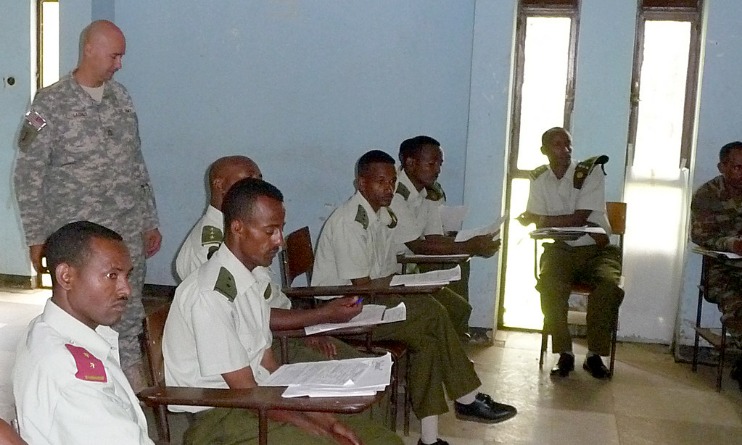
The Amharic language is a central part of Ethiopia’s cultural and linguistic identity, serving as the official language of the country. It is widely spoken by millions of Ethiopians and functions as a lingua franca across various regions and communities. In modern Ethiopia, Amharic continues to evolve, incorporating new vocabulary and adapting to technological advancements. Despite its standardized form used in education and government, Amharic exhibits significant dialectal variations across different regions. These dialects can differ in pronunciation, vocabulary, and grammatical structures, reflecting the diverse cultural influences within Ethiopia. Such variations enrich the language, showcasing the country’s linguistic complexity and regional identities. Understanding these dialectal nuances is vital for appreciating the depth and diversity of Amharic in contemporary Ethiopia.
Cultural Significance of Amharic
The Amharic language holds a profound cultural significance in Ethiopia, serving as a vital symbol of national identity and heritage. As one of the oldest languages in Africa, Amharic has played a central role in shaping Ethiopia’s history, literature, and religious practices. Its unique script and rich linguistic history reflect the nation’s cultural diversity and its deep-rooted traditions, making it an emblem of Ethiopian pride and continuity.
Literature and Poetry
The Amharic language holds a profound cultural significance in Ethiopia, serving as a vital means of preserving the nation’s history, identity, and traditions. As the official language of Ethiopia, Amharic is deeply intertwined with the country’s political, social, and cultural life, acting as a symbol of unity among its diverse peoples. The language’s rich literary tradition and poetic expressions reflect Ethiopia’s historical narratives, religious beliefs, and societal values, offering insight into its ancient civilization.
Ethiopian literature and poetry in Amharic have long been esteemed as cornerstones of the nation’s cultural heritage. Classical texts, religious scriptures, and folk poetry have been passed down through generations, fostering a sense of shared identity and continuity. Poets and writers in Amharic have historically used their craft to criticize social injustices, celebrate cultural milestones, and express spiritual contemplations, thereby inspiring patriotism and cultural pride among Ethiopians.
Moreover, Amharic literature plays a crucial role in shaping national consciousness and promoting cultural pride. The poetic arts, with their rhythmic and melodic qualities, continue to serve as a powerful form of artistic expression that resonates deeply within Ethiopian society. Through these literary and poetic traditions, Ethiopia preserves its unique cultural legacy and ensures that the Amharic language remains a vital and vibrant part of its national identity.
Religious Texts and Practices
The Amharic language holds profound cultural significance in Ethiopia, serving as a vital vehicle for preserving and expressing the nation’s rich heritage. As the official language of Ethiopia, Amharic is deeply intertwined with national identity, history, and societal traditions.
Religious texts and practices significantly contribute to the cultural fabric of Ethiopia. Amharic is the language in which many sacred scriptures, including the Ethiopian Orthodox Tewahedo Church’s texts, are written, ensuring their preservation and accessibility to generations of believers. Religious ceremonies, chants, and prayers conducted in Amharic reinforce community bonds and spiritual heritage, making the language an essential element of religious life.
Furthermore, the use of Amharic in religious practices fosters a sense of unity and continuity among Ethiopian Christians. It also plays a role in education and religious instruction, helping to transmit religious values and traditions across different generations. Overall, the language’s role in religious texts and practices underscores its importance as a cornerstone of Ethiopia’s cultural and spiritual identity.
National Identity and Heritage
The Amharic language holds a profound cultural significance in Ethiopia, serving as a vital expression of the nation’s history, traditions, and identity. As the official language of Ethiopia, Amharic unites diverse ethnic groups and acts as a symbol of national pride and unity. Its unique script and rich literary heritage reflect the ancient roots of Ethiopian civilization and contribute to preserving the country’s cultural legacy. The language also plays a crucial role in religious practices, especially within the Ethiopian Orthodox Church, further intertwining it with the spiritual and cultural identity of the Ethiopian people. Through its continued use and promotion, Amharic remains a cornerstone of Ethiopia’s national heritage, fostering a sense of belonging and cultural continuity among its speakers. Ultimately, Amharic embodies Ethiopia’s historical resilience and cultural richness, serving as a treasured emblem of the nation’s unique identity.
Challenges and Preservation Efforts
The Amharic language, a vital part of Ethiopia’s cultural heritage, faces numerous challenges in the modern world. As globalization and technological advancements accelerate, there is an increasing threat to the language’s survival and widespread use. Preservation efforts are crucial to maintaining Amharic’s rich linguistic and cultural legacy for future generations, highlighting the importance of community initiatives, educational programs, and technological integration in safeguarding this historic language.
Language Endangerment and Globalization
Language endangerment and globalization pose significant challenges to the preservation of the Amharic language in Ethiopia. As the country experiences increasing influence from global languages like English and Arabic, there is a risk of diminishing use of Amharic, especially among younger generations who may prioritize learning more widely spoken languages for educational and economic opportunities. This shift can lead to the gradual erosion of cultural identity and linguistic diversity within Ethiopia.
To address these challenges, various preservation efforts have been implemented, including government initiatives to promote Amharic in schools, media, and public life. Organizations are also engaging in documenting and standardizing the language, creating literacy programs, and encouraging the use of Amharic in digital platforms. Such efforts aim to sustain the linguistic heritage of Ethiopia, ensuring that Amharic continues to thrive despite the pressures of globalization.
Language Policy and Education Initiatives
Challenges facing the preservation of the Amharic language in Ethiopia include the increasing dominance of global languages such as English and Amharic’s regional competition with other local languages. Urbanization and globalization have led to a decline in the use of Amharic among younger generations, which threatens its longevity. Additionally, limited resources and inadequate support for indigenous languages hinder efforts to maintain and promote Amharic cultural heritage.
Preservation efforts involve government initiatives to promote Amharic through media, literature, and cultural programs. There are also community-led projects aimed at revitalizing traditional language use and encouraging intergenerational transmission. Linguistic research and documentation play a crucial role in these efforts, ensuring that the language’s unique features are preserved for future generations.
Language policy in Ethiopia officially recognizes Amharic as the national language, and it is used as the medium of instruction in many schools. Education initiatives include the incorporation of Amharic language studies into the curriculum at various levels, along with adult literacy programs aimed at increasing fluency among the wider population. These policies seek to strengthen the language’s presence in both official and everyday contexts, reinforcing its importance in national identity and cultural continuity.
Role of Technology in Preservation
The Amharic language of Ethiopia faces several challenges, including the decline of native speakers due to globalization and the dominance of other languages such as English and Amharic’s own competition with regional languages. Preservation efforts are crucial to maintain its rich cultural heritage, involving initiatives like documenting oral traditions, supporting Amharic education, and promoting its use in media and literature. Technology plays a significant role in these preservation efforts by providing digital platforms for language learning, creating databases of texts, and using artificial intelligence to analyze and transcribe ancient manuscripts. Additionally, mobile applications and online resources help connect younger generations with their linguistic roots, ensuring the preservation of Amharic for future generations.
Comparison with Other Ethiopian Languages
The Amharic language holds a prominent place in Ethiopia’s linguistic landscape, serving as the official language of the federal government. When comparing Amharic with other Ethiopian languages, such as Oromo, Tigrinya, and Somali, notable differences emerge in terms of script, phonology, and grammar. These languages reflect the rich diversity of Ethiopia’s cultural heritage, each contributing uniquely to the nation’s identity and communication systems.
Amharic and Tigrinya
The Amharic language, a Semitic language spoken primarily in Ethiopia, shares certain similarities and differences with other Ethiopian languages such as Tigrinya. Both Amharic and Tigrinya belong to the Semitic language family and use the Ge’ez script, which makes their writing systems closely related. However, they have distinct phonological, grammatical, and lexical features that set them apart. Amharic is considered the official national language of Ethiopia and has a more extensive vocabulary influenced by history and contact with other languages. In contrast, Tigrinya is primarily spoken in the Tigray region and Eritrea, and it retains more conservative features from classical Ge’ez. While Amharic has become more standardized and widely used in government and media, Tigrinya remains strong within its community but less prominent nationwide. Overall, these languages reflect Ethiopia’s rich linguistic diversity, sharing common roots yet developing uniquely over time.
Amharic and Oromo
The Amharic language, widely spoken in Ethiopia, is part of the Semitic language family and holds official status in the country. When compared to other Ethiopian languages, such as Oromo, differences in linguistic features become evident. Amharic has a complex system of consonantal roots and uses a unique script derived from Ge’ez, which is distinct from the Latin-based scripts used by many other languages. In contrast, Oromo, which belongs to the Cushitic branch of the Afro-Asiatic family, uses a Latin alphabet and has a different phonological structure, including a larger set of vowel sounds. While Amharic is primarily used in administration and formal settings, Oromo is the most widely spoken language in Ethiopia, especially in the Oromia region, and has a rich oral tradition. Despite their differences, both languages play crucial roles in the cultural and social identities of their speakers.
Multilingual Context in Ethiopia
Amharic, as the official language of Ethiopia, holds a unique position amidst the country’s diverse linguistic landscape. Compared to other Ethiopian languages such as Oromo, Tigrinya, Somali, and Afar, Amharic is widely used in government, media, and education, establishing it as a lingua franca for many Ethiopians. While languages like Oromo and Tigrinya have large speaking populations and are regional languages with significant cultural importance, Amharic’s historical and political prominence gives it a distinct advantage in national integration. In a multilingual context, Ethiopia’s policy promotes the use of multiple languages, allowing speakers of different languages to maintain their linguistic identities while also functioning within a multilingual society. This coexistence fosters cultural diversity and encourages linguistic preservation across the country’s many ethnic groups. Despite differences in linguistic roots and structures, these languages collectively contribute to Ethiopia’s rich tapestry of cultural and linguistic heritage.




0 Comments