
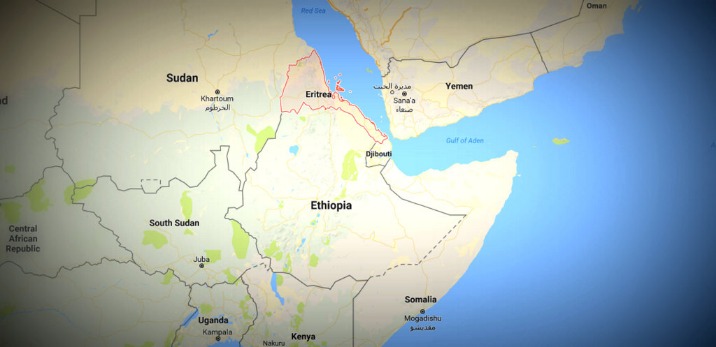
Historical Background of Ethiopia and Eritrea
Ethiopia and Eritrea share a complex and intertwined historical background that dates back thousands of years. Ethiopia, known for its ancient civilization, was one of the earliest regions to develop a recognizable state and has a rich cultural heritage rooted in the Kingdom of Aksum. Eritrea, located along the Red Sea, has historically been influenced by various civilizations, including the Ottomans and Italians, which shaped its unique identity. The relationship between the two regions has been marked by periods of union, conflict, and independence struggles, most notably Eritrea’s long quest for sovereignty from Ethiopia.
Ancient Civilizations and Early Inhabitants
The historical background of Ethiopia and Eritrea is rich and complex, rooted in ancient civilizations and early inhabitants that shaped the region’s cultural and historical identity. These areas have been crucial centers of human activity for thousands of years, with their history intertwined through periods of prosperity, conflict, and cultural exchange.
Ancient civilizations in Ethiopia and Eritrea date back to prehistoric times, with archaeological evidence indicating the presence of early humans and their ancestors. Ethiopia, often dubbed the “Cradle of Humanity,” is home to some of the earliest known hominid fossils, including the famous Australopithecus afarensis (“Lucy”). The region saw the development of early urban centers such as Aksum, which rose to prominence in the first few centuries AD and became a powerful kingdom and a hub of trade and culture.
- Evidence of early inhabitants includes stone tools and cave paintings that suggest a long history of human settlement.
- The Kingdom of D’mt in Eritrea and northern Ethiopia was an influential civilization during the first millennium BCE, known for its early ironworking and trade networks.
- The Aksumite Empire (approximately 1st to 7th centuries AD) established Christianity as the state religion, leaving behind monumental obelisks, tombs, and inscriptions that highlight its grandeur.
- Both regions are characterized by diverse ethnic groups and cultures that have contributed to their rich historical tapestry, including the Cushitic and Semitic-speaking peoples.
Colonial Period and Italian Influence
The historical background of Ethiopia and Eritrea is deeply intertwined, marked by ancient civilizations and complex colonial histories. Ethiopia, one of the oldest nations in the world, boasts a rich heritage dating back thousands of years, with its ancient kingdom of Aksum serving as a significant cultural and religious center. Eritrea, located to Ethiopia’s northeast, has its own unique history influenced by various kingdoms and foreign powers. During the colonial period, Italy sought to expand its influence in the Horn of Africa, colonizing Eritrea in the late 19th century as part of its imperial ambitions. Italian influence became prominent through the establishment of infrastructure, education, and administrative systems, which laid the groundwork for modern Eritrea. Ethiopia was largely able to maintain its independence during the European colonial scramble for Africa, notably resisting Italian invasion in the 1930s, though it was briefly occupied. The Italian colonial rule in Eritrea left a lasting impact on architecture, urban planning, and cultural exchange, shaping the region’s development and identity. This period significantly influenced the ongoing relationships and national histories of both Ethiopia and Eritrea today.
Post-World War II Developments
The historical background of Ethiopia and Eritrea is deeply intertwined, marked by periods of colonization, resistance, and independence movements that shaped their modern identities. Post-World War II developments played a significant role in redefining the regional landscape, especially as colonial powers weakened and local leaders sought sovereignty.
- After WWII, Italy relinquished its colonies, leading to Eritrea being administered as a UN-mandated colony under British military control until 1952, when it was federated with Ethiopia.
- The federation between Ethiopia and Eritrea was intended to provide autonomy for Eritrea, but Ethiopia’s government rapidly dissolved this arrangement, annexing Eritrea as a province in 1962, sparking resistance.
- The Eritrean War of Independence began in 1961, fueled by grievances over political repression, economic marginalization, and cultural suppression by the Ethiopian government.
- Throughout the 1960s and 1970s, both Ethiopia and Eritrea experienced political upheaval, including the fall of Emperor Haile Selassie in 1974 and the rise of the Derg, a Marxist military junta in Ethiopia.
- The Eritrean People’s Liberation Front (EPLF) emerged as the leading rebel group fighting for independence, gaining international support and mobilizing widespread resistance against Ethiopian control.
- After a prolonged armed struggle lasting nearly three decades, Eritrea successfully gained independence from Ethiopia in 1993 following a UN-supervised referendum, marking a significant post-war development in the Horn of Africa.
Path to Independence for Eritrea
Ethiopia and Eritrea share a complex historical background deeply rooted in their ancient civilizations and colonial past. Ethiopia, known for its rich heritage, was one of the few African countries that successfully resisted colonization, maintaining its independence during the Scramble for Africa. Eritrea, on the other hand, was colonized by Italy in the late 19th century and later became an Italian colony until World War II. After the war, Eritrea was federated with Ethiopia under Italian administration, eventually annexed as a province in 1962, which sparked resistance and a prolonged struggle for independence. The path to Eritrea’s independence was marked by decades of armed conflict, political unrest, and diplomatic negotiations. A secessionist movement, predominantly led by the Eritrean People’s Liberation Front (EPLF), fought a bitter war against Ethiopian rule, culminating in Eritrea’s de facto independence in 1991. Officially recognized as an independent state in 1993 following a UN-backed referendum, Eritrea’s independence marked a significant turning point in the region’s history. The journey was driven by aspirations for self-determination and resistance to central control, shaping the modern identities of both nations.
Formation of Modern Ethiopia and Eritrea
The historical background of Ethiopia and Eritrea is deeply intertwined, reflecting a rich legacy of ancient civilizations, kingdoms, and colonial influences. Ethiopia, known for its ancient history as one of the world’s earliest Christian nations, boasts a timeline that includes the Aksumite Empire, which was a major trading empire from around 100 AD to 940 AD. Eritrea, historically linked to the region of Ethiopia, has its origins in the coastal Afar and Tigray regions and was influenced by various civilizations, including the Egyptians, Persians, and Arabs. The Italian colonization of Eritrea in the late 19th century and subsequent British administration after World War II significantly shaped its modern identity.
The formation of modern Ethiopia saw the unification of various kingdoms and states, culminating in the proclamation of the Ethiopian Empire under the Solomonic dynasty in the late 19th century. Emperor Menelik II played a key role in resisting colonial encroachment and securing Ethiopia’s sovereignty during the Battle of Adwa in 1896. Eritrea’s journey toward independence was marked by Italian colonization, British administration, and a prolonged war for self-determination. It officially gained independence from Ethiopia in 1993 following a brutal 30-year conflict, establishing itself as a distinct nation. Today, Ethiopia and Eritrea continue to share historical ties while maintaining their unique national identities rooted in their complex pasts.
Geography and Natural Resources
Geography and natural resources play a vital role in shaping the history, economy, and culture of Ethiopia and Eritrea. Both countries are located in the Horn of Africa, sharing diverse landscapes that include mountains, deserts, and fertile plains. Their rich natural resources, such as minerals, water sources, and agricultural land, are essential for their development and sustenance. Understanding the geographical features and resources of Ethiopia and Eritrea provides insight into their unique environments and the challenges and opportunities they face today.
Topography and Climate Variations
Ethiopia and Eritrea are located in the Horn of Africa, featuring diverse geography and abundant natural resources. Ethiopia is landlocked and characterized by highlands, plateaus, and mountain ranges such as the Ethiopian Highlands, which are among the most elevated in Africa. Eritrea has a long coastline along the Red Sea, with a varied topography that includes coastal plains, rugged mountains, and desert areas. The regions’ natural resources include minerals, fertile land, and access to salt and fish along the coast.
The topography of Ethiopia significantly influences its climate, with highland areas experiencing mild temperatures and substantial rainfall, fostering agriculture. The lowland regions tend to be hotter and drier, leading to semi-arid and arid conditions. Eritrea’s climate varies from a coastal tropical climate to a more temperate climate in the highland areas, while its eastern desert areas are extremely arid. These climate variations impact local agriculture, settlement patterns, and economic activities across both countries.
Major Rivers and Lakes
Both Ethiopia and Eritrea are rich in geography and natural resources, featuring diverse landscapes, major rivers, and lakes that play crucial roles in their ecosystems and economies.
Major Rivers in Ethiopia and Eritrea
- Nile River: Flows through Ethiopia and is a vital water source for both countries, especially the Blue Nile branch originating from Ethiopia.
- Blue Nile: Originates from Lake Tana in Ethiopia and contributes significantly to the Nile River system.
- Atbara River: Starts in the Ethiopian Highlands and flows through Eritrea before joining the Nile.
- Tekeze River: Flows along the border between Ethiopia and Eritrea, important for hydroelectric power development.
Major Lakes
- Lake Tana: The largest lake in Ethiopia, known for its unique island churches and biodiversity.
- Lake Chamo: Located in Ethiopia, famous for its rich wildlife and scenic beauty.
- Lake Afar: Situated in the Afar Triangle, an important salt-producing lake.
- Lake Eritrea: A saltwater lake in Eritrea, important for its mineral resources and ecological significance.
Both countries have diverse landscapes, including highlands, lowlands, and coastal plains, which support a variety of flora and fauna and provide essential resources for agriculture, industry, and human settlement.
Mineral and Agricultural Resources
Ethiopia and Eritrea are endowed with diverse geography and abundant natural resources that significantly influence their economies. Ethiopia features highlands, plateaus, and valleys, which create a varied landscape conducive to agriculture and mineral exploration. Eritrea also boasts an extensive coastline along the Red Sea, along with mountains and plains that support different resource-based activities.
Mineral resources in Ethiopia include gold, platinum, tantalum, and potash, making mining a vital sector for economic development. Eritrea possesses valuable minerals such as gold, copper, zinc, and industrial minerals, which are increasingly being exploited. Both countries have potential for further mineral discoveries that could boost their economies.
Agricultural resources play a crucial role in the livelihoods of the populations in both nations. Ethiopia’s fertile highlands support the cultivation of coffee, maize, teff, and pulses, making agriculture the backbone of its economy. Eritrea’s agricultural sector centers around crops like sorghum, millet, and barley, along with livestock farming. These agricultural activities are vital for food security and exporting goods to neighboring regions.
Overall, the rich geography and natural resources of Ethiopia and Eritrea offer significant opportunities for sustainable development, provided that proper management and investment are made to harness their full potential.
Environmental Challenges and Conservation Efforts
Ethiopia and Eritrea are rich in diverse geographical features and natural resources that significantly influence their economies and lifestyles. Ethiopia is known for its highlands, Rift Valley, and numerous lakes, including Lake Tana, the largest in the country. Eritrea features a lengthy Red Sea coastline, mountainous terrains, and arid plains. Both nations possess natural resources such as minerals, livestock, and agricultural products that are vital for their development.
Despite their abundant natural wealth, Ethiopia and Eritrea face various environmental challenges, including deforestation, soil erosion, desertification, and water scarcity. These issues are exacerbated by climate change, overuse of resources, and population growth, which threaten biodiversity, agricultural productivity, and the livelihoods of local communities.
In response to these challenges, both countries have initiated conservation efforts aimed at sustainable resource management. Ethiopia has launched projects to reforest degraded lands, promote renewable energy like hydroelectric power, and protect water sources. Eritrea has focused on forest regeneration, eco-friendly mining practices, and the preservation of its coastline and marine ecosystems. These efforts are essential to ensuring environmental stability and promoting sustainable development in the region.
Political Structure and Governance
The political structure and governance of Ethiopia and Eritrea are complex and shaped by their unique histories and regional dynamics. Both nations have experienced significant changes in their political systems, influencing how they are governed today. Understanding their governance frameworks provides insight into their domestic policies, leadership, and regional relationships.
Government Systems in Ethiopia and Eritrea
Ethiopia and Eritrea are two neighboring countries in the Horn of Africa with distinct political structures and governance systems. Ethiopia is a federal parliamentary republic, characterized by a federal system that divides power among regional states and the federal government. Its political landscape has experienced significant changes, especially with the recent reforms and the move towards democratization, although challenges such as ethnic tensions and political instability persist. Eritrea, on the other hand, operates as a one-party state under the authoritarian rule of the People’s Front for Democracy and Justice (PFDJ). Since gaining independence in 1993, Eritrea has maintained a highly centralized government with limited political freedoms and negligible opposition, emphasizing military and national service as central components of its governance. While Ethiopia embraces a multi-ethnic federation aiming for representation and regional autonomy, Eritrea’s governance system revolves around strong centralized control, with a focus on national unity often at the expense of political pluralism. These differences reflect their unique historical experiences and political trajectories.
Key Political Parties and Movements
The political structure of Ethiopia and Eritrea has evolved significantly over the past decades, reflecting their unique historical and social contexts. Ethiopia is a federal parliamentary republic, characterized by a complex system of regional states that grant a considerable degree of autonomy to various ethnic groups. Its governance is led by the Prime Minister, with a bicameral parliament comprising the House of Peoples’ Representatives and the Council of States. Eritrea, on the other hand, operates under a single-party system, with the People’s Front for Democracy and Justice (PFDJ) as the ruling party. The country is governed by a president who holds significant executive power and a highly centralized political system. Both nations have experienced periods of political unrest and reform, shaping their current political landscapes.
In Ethiopia, key political parties include the Ethiopian People’s Revolutionary Democratic Front (EPRDF), which was the dominant coalition until its dissolution in 2019, replaced by the Prosperity Party. Other important movements encompass various ethnic-based parties that advocate for regional autonomy and rights. Eritrea’s political scene is primarily centered around the PFDJ, which has maintained control since independence in 1993, with limited political pluralism and restrictions on opposition activities. Meanwhile, social and political movements in both countries continue to influence and challenge their governance frameworks, often centered around issues of ethnic identity, sovereignty, and democratization efforts.
Recent Political Developments
Ethiopia and Eritrea have distinct political structures that influence their governance and regional stability. Ethiopia operates as a federal parliamentary republic, with a Prime Minister serving as the head of government and a President as the head of state, under a constitution that promotes ethnic federalism. Eritrea, on the other hand, is a one-party state governed by the People’s Front for Democracy and Justice, with President Isaias Afwerki holding dominant power since independence. Recent political developments in Ethiopia include the easing of ethnic tensions through peace agreements and reforms aimed at decentralizing power, although challenges such as ongoing conflicts in certain regions persist. Meanwhile, Eritrea has experienced political stability from its leadership’s long tenure, but international concerns about human rights and lack of political pluralism have continued. The evolving relations between Ethiopia and Eritrea, notably the peace agreement signed in 2018, mark significant progress in regional diplomacy, though lasting peace and democratic reforms remain ongoing priorities for both nations.
International Relations and Diplomatic Ties
The political structure and governance of Ethiopia and Eritrea are shaped by their unique histories and regional dynamics, influencing their international relations and diplomatic ties. Ethiopia operates as a federal parliamentary republic with a multi-ethnic composition, where power is distributed among regional states and the federal government. Eritrea, on the other hand, is a one-party state under the People’s Front for Democracy and Justice, with significant control exercised by its ruling party. Both countries have experienced periods of conflict and cooperation, affecting their diplomatic relations.
- Ethiopia maintains a federal system with a constitution that recognizes the diverse ethnic groups and promotes decentralization of power.
- Eritrea is governed by a centralized, authoritarian regime with limited political freedoms and a focus on national sovereignty.
- Diplomatic relations between Ethiopia and Eritrea have been historically tense, marked by the Eritrean-Ethiopian War (1998-2000) and its aftermath.
- The Algiers Agreement of 2000 aimed to resolve border disputes, leading to a peace pact in 2018 that reestablished diplomatic ties and opened new avenues for cooperation.
- Both nations participate in regional bodies such as the African Union, fostering diplomatic engagement and regional stability initiatives.
Economy and Development
The economies of Ethiopia and Eritrea are intertwined with their historical, political, and geographic contexts, shaping their paths toward development. Both nations face unique challenges and opportunities as they seek to enhance economic growth, improve living standards, and achieve sustainable development. Understanding their economic landscapes offers insight into their progress and future potential.
Economic Sectors and Key Industries
Both Ethiopia and Eritrea have unique economic structures that are pivotal to their national development. Ethiopia’s economy is primarily driven by agriculture, which employs the majority of the population, alongside emerging sectors like manufacturing, services, and construction. Key industries include coffee production, textiles, and leather goods, positioning Ethiopia as one of Africa’s fastest-growing economies. Eritrea’s economy, on the other hand, relies heavily on mining, agriculture, and fishing. The country’s main industries comprise gold and copper mining, livestock farming, and salt production. Despite challenges such as limited infrastructure and geopolitical issues, both nations are working toward diversifying their economic sectors to foster sustainable growth and development. Investment in infrastructure and industry-specific reforms are central to their strategies to improve living standards and economic stability.
Trade and Export Markets
The economies of Ethiopia and Eritrea are closely intertwined, with trade and export markets playing a vital role in their development. Both nations have sought to leverage their geographic positions and resources to boost economic growth and stability. While Ethiopia has emerged as one of Africa’s fastest-growing economies, Eritrea has faced challenges due to political and infrastructural issues, impacting their trade dynamics.
- Ethiopia’s economy is primarily driven by agriculture, manufacturing, and services, with key exports including coffee, textiles, and leather products.
- Eritrea’s exports mainly consist of minerals such as gold, copper, and zinc, alongside agricultural products like sorghum and livestock.
- Improved trade relations and infrastructure development have the potential to enhance export markets for both countries.
- Ethiopia’s accession to the African Continental Free Trade Area (AfCFTA) aims to expand its trade network, benefiting neighboring Eritrea through regional integration.
- Despite challenges, efforts are underway to diversify export products and strengthen regional trade cooperation, boosting economic development in both nations.
Challenges to Economic Growth
The economies of Ethiopia and Eritrea face numerous challenges that impact their potential for sustainable growth and development. Both countries, located in the Horn of Africa, have historically grappled with issues such as political instability, limited infrastructure, and reliance on agricultural sectors vulnerable to climate variability. These factors inhibit economic diversification and industrialization efforts, making growth unpredictable.
In Ethiopia, rapid population growth and a large rural workforce pose obstacles to integrating into a modern economy. While the country has made significant progress in sectors like agriculture and infrastructure, issues such as poverty, access to education, and energy shortages remain critical. Eritrea, on the other hand, struggles with a heavily restricted economy due to ongoing conflicts and strict governance policies, which deter foreign investment and hinder development projects.
Both nations also face external challenges including regional tensions and border disputes, particularly on the Ethiopia-Eritrea border. These conflicts can divert resources from productive investments and create economic uncertainty. Furthermore, climate change poses a significant threat to both countries, threatening agricultural productivity and water resources, which are vital for their economies.
Addressing these challenges requires comprehensive reforms, regional cooperation, and investments in human capital and infrastructure. Enhancing political stability, fostering economic diversification, and integrating sustainable development strategies are essential steps toward overcoming the barriers to economic growth in Ethiopia and Eritrea.
International Aid and Development Projects
The economic development of Ethiopia and Eritrea has been significantly influenced by international aid and development projects aimed at fostering stability and growth in the region. Ethiopia, with its large population and expanding economy, has received substantial support from global organizations to improve infrastructure, education, and health services. Eritrea, on the other hand, has faced challenges related to economic sanctions and political isolation, but recent efforts by international partners focus on rebuilding the nation’s economy through targeted aid and development initiatives. These projects often aim to promote sustainable development, reduce poverty, and enhance regional stability, recognizing the interconnected histories and shared aspirations of both countries for growth and prosperity.
Cultural Heritage and Society
Cultural heritage plays a vital role in shaping the identity and traditions of societies, serving as a link between the past and present. In regions like Ethiopia and Eritrea, diverse histories, languages, and customs reflect a rich tapestry of cultural wealth. These cultural expressions not only preserve ancient traditions but also influence modern societal values, fostering a sense of unity and pride among their communities.
Languages, Ethnic Groups, and Demographics
Ethiopia and Eritrea possess rich cultural heritages shaped by their diverse languages, ethnic groups, and demographic compositions. These countries reflect a complex mosaic of traditions, identities, and histories that continue to influence society today.
- Languages: Ethiopia is known for its linguistic diversity, with over 80 languages spoken. Amharic is the official language of Ethiopia, while Oromiffa, Tigrinya, Somali, and Afar are also widely spoken. Eritrea recognizes nine languages officially, including Tigrinya, Arabic, and Tigre, highlighting its multilingual landscape.
- Ethnic Groups: Ethiopia hosts numerous ethnic groups, such as the Oromo, Amhara, Tigray, Somali, and Afar, each with distinct customs and traditions. Eritrea’s main ethnic groups include the Tigrinya, Tigre, and Saho, alongside other smaller communities, contributing to its cultural diversity.
- Demographics: Ethiopia has a population exceeding 120 million people, making it the second-most populous country in Africa. Eritrea’s population is around 3.5 million, characterized by a youthful demographic with a high birth rate. Both nations have experienced demographic changes driven by migration, conflict, and development efforts.
Religious Diversity and Practices
Ethiopia and Eritrea possess rich cultural heritages that deeply influence their societies and social identities. Both nations are home to diverse ethnic groups, each contributing unique traditions, languages, and historical narratives that shape contemporary life. The preservation of cultural heritage is vital for fostering national pride and unity amidst diversity. Religious diversity is a defining feature of these countries, with Christianity and Islam being the predominant faiths. Ethiopia is renowned for its ancient Christian traditions, especially the Ethiopian Orthodox Tewahedo Church, which plays a central role in social and cultural practices. Eritrea also has a significant Christian population, along with a substantial Muslim community, reflecting the religious pluralism of the region. Religious practices are often intertwined with daily life, festivals, and community events, reinforcing social bonds. Despite occasional tensions, religious coexistence remains an integral aspect of societal identity, promoting tolerance and mutual respect across different communities. The rich tapestry of cultural heritage and religious diversity in Ethiopia and Eritrea continues to shape their societies, fostering resilience and shared cultural pride amid ongoing social and political challenges.
Traditional Customs and Festivals
Cultural heritage and society in Ethiopia and Eritrea are deeply rooted in their rich histories, diverse ethnic groups, and centuries-old traditions. Both nations boast unique customs that have been preserved and passed down through generations, reflecting their vibrant identities and collective memories. Traditional customs, including clothing, cuisine, music, and rituals, serve as vital expressions of their cultural pride and social cohesion. Festivals and celebrations play a significant role in maintaining cultural continuity, allowing communities to observe important religious and historical events with enthusiasm and unity. These traditions not only strengthen societal bonds but also attract tourists, contributing to their cultural and economic development.
Modern Cultural Expressions
Cultural heritage plays a vital role in shaping the identity and social cohesion of Ethiopia and Eritrea, two countries rich in history and tradition. Ethiopia, known for its ancient civilizations such as the Kingdom of Aksum, boasts a unique cultural tapestry that includes diverse languages, religious practices, and ritual customs. Eritrea, with its coastal communities and historical sites, reflects a blend of indigenous traditions and external influences from its interactions along the Red Sea and with neighboring regions.
Modern cultural expressions in these nations continue to evolve while maintaining deep roots in their heritage. Ethiopia’s vibrant music, dance, and festivals like Timket celebrate religious and cultural significance, attracting both locals and tourists. Eritrea’s contemporary arts scene incorporates traditional motifs into visual arts, music, and dance, representing a fusion of history and innovation. Both countries see a dynamic interplay between conserving their cultural legacy and embracing new forms of artistic expression, fostering a sense of pride and resilience in their societies.
Military and Security
The military and security situation between Ethiopia and Eritrea has been a complex and evolving issue with significant regional implications. Historically marked by conflict and tension, both nations have worked towards peace and stability through diplomatic efforts and military reforms. Understanding their security dynamics is essential to grasping the broader geopolitical landscape of the Horn of Africa.
Armed Forces Overview
The military and security forces of Ethiopia and Eritrea play a crucial role in maintaining national sovereignty, regional stability, and internal order. Both countries have historically prioritized the development of their armed forces to address various security challenges, including border disputes and internal conflicts. Ethiopia maintains a large standing army with diverse branches such as the army, air force, and special forces, which are tasked with defending territorial integrity and supporting peacekeeping missions. Eritrea’s armed forces are similarly focused on national defense, with a significant emphasis on territorial defense due to ongoing border issues with Ethiopia. Over the years, both nations have invested in military modernization and strategic capabilities to enhance their security posture. The armed forces often engage in border security operations and participate in regional peace efforts, reflecting their importance to national sovereignty and regional stability.
Border Security and Conflicts
The conflict between Ethiopia and Eritrea has significantly impacted their military and security landscapes over the years. Tensions escalated into a full-scale war from 1998 to 2000, leading to devastating consequences for both nations. Since the ceasefire, efforts have been made to normalize relations, but border security remains a critical concern. Ongoing disputes over border demarcation have occasionally led to skirmishes, emphasizing the fragile nature of peace in the region. Both countries maintain military readiness to safeguard their sovereignty and prevent further conflicts. The border region continues to be a focal point for security discussions, with international mediators involved in peacekeeping and conflict resolution initiatives. Overall, the historical conflicts have left a lasting impact on Ethiopia and Eritrea’s security policies, shaping their approach to border management and regional stability.
Peacekeeping and Regional Stability
The relationship between Ethiopia and Eritrea has been significantly shaped by their military and security dynamics, especially in the context of regional stability and peacekeeping efforts. Following decades of conflict, including the Eritrean-Ethiopian War, both nations have worked towards improving security cooperation to foster peace in the Horn of Africa. This stabilization is crucial for regional peace, as it helps prevent conflict spillover into neighboring countries and supports humanitarian and economic development initiatives. International peacekeeping efforts and regional alliances continue to play a vital role in maintaining stability, encouraging dialogue, and promoting long-term peace between Ethiopia and Eritrea.
Tourism and Natural Attractions
Tourism in Ethiopia and Eritrea offers a captivating experience through their rich natural attractions and vibrant cultural heritage. Visitors are drawn to the diverse landscapes, from majestic mountains and ancient churches to stunning coastlines and unique wildlife. Exploring these countries provides a chance to discover ancient history, breathtaking scenery, and warm hospitality that make them standout destinations in the Horn of Africa.
Popular Tourist Destinations
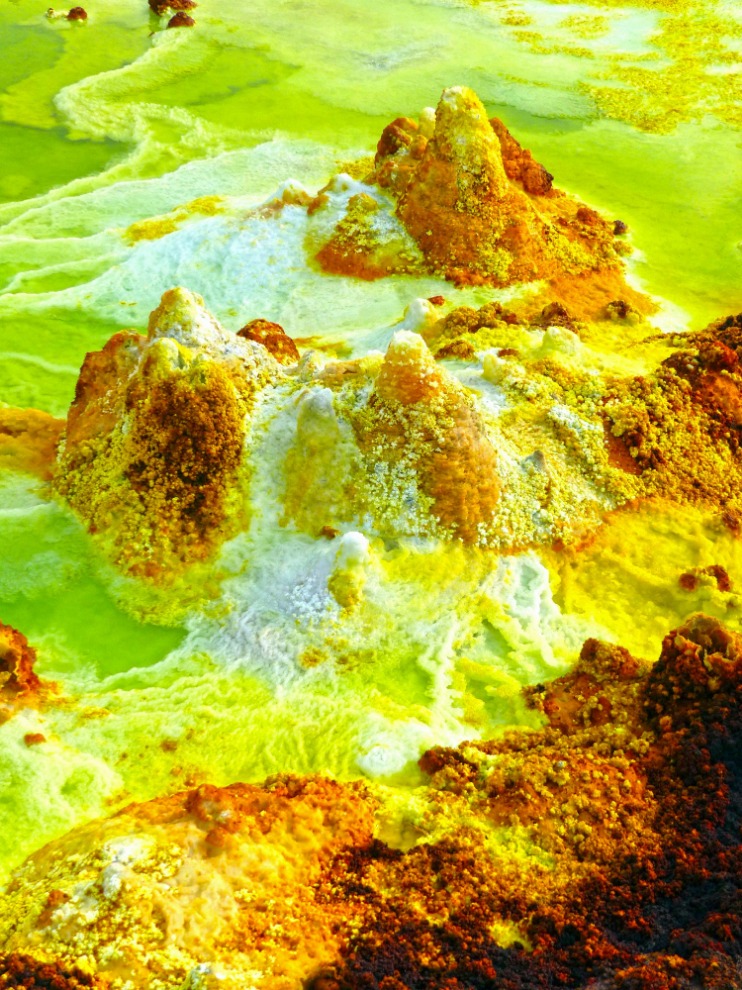
Both Ethiopia and Eritrea are rich in natural attractions and popular tourist destinations, offering unique experiences for travelers. Ethiopia is renowned for its diverse landscapes, historical sites, and vibrant cultures. Visitors often explore the ancient city of Lalibela, famous for its rock-hewn churches, as well as the Simien Mountains National Park, a UNESCO World Heritage site known for its dramatic peaks and endemic wildlife. The Danakil Depression, one of the hottest places on Earth, features striking volcanic landscapes and colorful mineral deposits, attracting adventure seekers and nature lovers alike.
Eritrea boasts stunning coastlines along the Red Sea, with pristine beaches and coral reefs ideal for diving and snorkeling. The capital, Asmara, is celebrated for its well-preserved Italian colonial architecture. The historic port city of Massawa offers a blend of Ottoman and Egyptian influences, while the ancient city of Qohaito showcases archaeological treasures. For those seeking natural beauty, the Dahlak Archipelago provides unspoiled islands and vibrant marine life, making Eritrea a compelling destination for eco-tourism and cultural exploration.
Historical Sites and UNESCO World Heritage
Ethiopia and Eritrea are both rich in tourism and natural attractions that draw travelers from around the world. Ethiopia is renowned for its stunning landscapes, including the Simien Mountains, the Danakil Depression, and the breathtaking Blue Nile Falls. These natural wonders offer unique hiking adventures and remarkable scenery. Eritrea also boasts diverse natural features such as the Dahlak Archipelago, offering pristine beaches and vibrant marine life, and the rugged mountains of Asmara, providing picturesque views and outdoor activities.
Historical sites in Ethiopia are remarkable, with ancient rock-hewn churches in Lalibela and the historic city of Axum, known for its obelisks and archaeological significance. These sites tell stories of Ethiopia’s rich history as one of Africa’s oldest nations and a cradle of early Christianity. Eritrea’s history is vividly captured in the colonial architecture of Asmara, a UNESCO World Heritage site, and the ancient port city of Massawa, which showcases a unique blend of Ottoman, Egyptian, and Italian influences.
Both Ethiopia and Eritrea are home to UNESCO World Heritage sites that highlight their cultural and natural importance. Ethiopia’s Lalibela and Aksum are UNESCO sites that preserve the legacy of early Christian architecture and powerful historical civilizations. Eritrea’s Asmara’s modernist architecture and its ancient port city of Massawa are recognized for their unique cultural values. These sites attract tourists seeking to explore their rich histories and stunning landscapes.
Adventure and Eco-Tourism Opportunities
Ethiopia and Eritrea are renowned for their diverse natural attractions that draw tourists from around the world. Ethiopia boasts stunning landscapes such as the Simien Mountains, the Danakil Depression, and the Great Rift Valley, offering breathtaking scenery and unique geological formations. Eritrea features beautiful coastlines along the Red Sea, rugged mountains, and historic sites that appeal to travelers seeking both relaxation and exploration.
Adventure and eco-tourism opportunities abound in these nations, attracting those eager for outdoor activities. Visitors can embark on trekking expeditions in Ethiopia’s highlands, explore ancient monasteries perched on cliffs, or go wildlife safaris to spot endemic species. Eritrea offers diving and snorkeling in clear, vibrant waters, along with trekking and camping experiences in its remote mountainous regions. The rich natural environment promotes sustainable tourism practices, allowing travelers to enjoy Ethiopia and Eritrea’s beautiful landscapes while contributing to their conservation efforts.
Current Issues and Future Prospects
Identifying the current issues and future prospects in Ethiopia and Eritrea involves examining the complex historical, political, and social dynamics that shape both nations. As neighboring countries with intertwined histories, their relationship influences regional stability and development. Understanding these issues provides insight into potential avenues for peace, cooperation, and growth in the future.
Regional Cooperation and Conflicts
The relationship between Ethiopia and Eritrea has been shaped by historical tensions and recent efforts at regional cooperation. While both nations have made strides toward peace and economic integration, unresolved conflicts and border disputes continue to pose significant challenges. Addressing issues such as political stability, border demarcation, and mutual security remains crucial for fostering lasting regional stability. Future prospects hinge on sustained diplomatic engagement, reconciliation processes, and collaborative development projects, which can help transform long-standing conflicts into opportunities for regional growth. Strengthening regional cooperation, especially within the Horn of Africa, has the potential to not only resolve present disputes but also promote shared prosperity and security among neighboring countries.
Economic and Social Development Goals
Currently, Ethiopia and Eritrea face several challenges and opportunities concerning their economic and social development goals. Both nations are working toward stabilizing their political landscapes, promoting economic growth, and improving living standards amid regional tensions. Ethiopia is implementing reforms aimed at boosting agriculture, manufacturing, and infrastructure development to accelerate poverty reduction and ensure sustainable growth. Eritrea, on the other hand, is focusing on economic diversification and opening up its economy to attract foreign investment, while also addressing social issues such as healthcare and education. The future prospects for both countries depend on their ability to foster regional stability, enhance diplomatic relations, and implement inclusive development policies.
Environmental Sustainability Initiatives
The environmental sustainability initiatives in Ethiopia and Eritrea are becoming increasingly vital as both nations face pressing ecological challenges. With growing concerns over deforestation, water scarcity, and climate change impacts, they are implementing various strategies to promote sustainable development. Ethiopia has launched afforestation programs, renewable energy projects such as hydroelectric dams, and policies aimed at reducing carbon emissions. Eritrea, similarly, is focusing on conserving natural resources through reforestation efforts and promoting alternative energy sources. Despite progress, both countries still confront issues related to infrastructure development and resource management that threaten long-term ecological health.
Looking ahead, the future prospects for environmental sustainability in Ethiopia and Eritrea depend on continued commitment and regional cooperation. The expansion of renewable energy capacity, sustainable agricultural practices, and international partnerships can significantly enhance their resilience to climate change. Addressing environmental challenges also offers opportunities for economic growth and social development. As both nations work to balance development needs with ecological preservation, their success in implementing innovative and inclusive sustainability initiatives will be crucial for securing a sustainable future.
Impact of Global Changes and External Influences
Current issues and future prospects for Ethiopia and Eritrea are deeply intertwined with global changes and external influences, shaping their political, economic, and social landscapes. Both nations face ongoing challenges such as border disputes, economic development, and regional stability, while also exploring opportunities for growth and reconciliation.
- Regional Instability and Diplomatic Relations: External influences from neighboring countries and regional powers significantly impact Ethiopia and Eritrea’s stability. External mediators and international organizations play vital roles in fostering peace and resolving longstanding conflicts.
- Economic Development and Global Markets: Global economic trends, including commodity prices and international aid, affect their development trajectories. Investments from abroad, especially in infrastructure and agriculture, influence future prospects.
- Technological and Environmental Changes: The impact of global technological advancements and climate change poses both challenges and opportunities. Countries are increasingly adopting new technologies to improve agriculture, health, and governance, while addressing environmental sustainability.
- Geopolitical Dynamics: Shifts in international alliances and external strategic interests can either bolster peace efforts or exacerbate tensions. External actors’ policies and support significantly influence internal dynamics.




0 Comments