

Historical Context of Ethiopian Famines
The Ethiopian famines of the 20th century highlight a series of devastating food crises rooted in a complex interplay of environmental, political, and economic factors. These famines have significantly impacted the country’s population, shaping its history and development. Understanding the historical context of these famines is essential to grasp the underlying causes and the efforts made to address food security in Ethiopia.
Major Famine Events in Ethiopian History
The history of famines in Ethiopia is deeply intertwined with its socio-economic and environmental challenges, reflecting periods of severe food shortages that have significantly impacted the country’s population and development. These famines often resulted from a combination of drought, crop failure, political instability, and economic hardship, highlighting the vulnerability of Ethiopia’s largely agrarian society.
Throughout its history, Ethiopia has experienced several devastating famine events, which have left lasting scars on its generations. These famines have often been triggered by prolonged droughts, locust invasions, or conflicts that hinder food production and distribution.
- 1920s Famine: A severe drought led to widespread hunger and mortality during this period, exacerbated by limited infrastructure and poor government response.
- 1973-1974 Ethiopian Famine: This famine was worsened by political upheavals and was characterized by massive losses of life, especially in the northern regions.
- 1983-1985 Ethiopian Famine: One of the most catastrophic famines in modern history, caused by drought and compounded by civil war, leading to an international humanitarian crisis and significant loss of life.
- 1990s Droughts and Famine: Multiple drought episodes during this decade resulted in repeated food shortages, affecting millions and prompting international aid efforts.
These historical famines have shaped Ethiopia’s policies towards food security, development, and disaster preparedness, highlighting the need for resilient agricultural practices and effective government intervention to prevent future calamities.
Socioeconomic Factors Contributing to Past Famines
The historical context of Ethiopian famines reveals a complex interplay of environmental, political, and socioeconomic factors that have contributed to recurrent food crises in the region. These famines have often resulted from a combination of drought, poor agricultural practices, and political instability, which exacerbated the vulnerability of the population to food shortages.
- Environmental Factors: Drought and irregular rainfall patterns have historically led to crop failures and reduced food production, especially in arid and semi-arid regions of Ethiopia.
- Agricultural Practices: Traditional farming methods, limited use of modern technology, and over-reliance on rain-fed agriculture made communities susceptible to climate variability.
- Political Instability: Civil conflicts, government neglect, and policy failures disrupted food distribution and hindered effective responses to crises.
- Economic Challenges: Widespread poverty, limited access to markets, and low levels of infrastructure development impeded food security for many Ethiopians.
- Population Growth: Rapid population increases strained available resources and intensified pressure on land, water, and food supplies.
Causes of the Current Ethiopian Famine
The current famine in Ethiopia is a complex humanitarian crisis caused by a combination of environmental, political, and socio-economic factors. Prolonged droughts have severely depleted water sources and crop yields, leading to food shortages. Additionally, ongoing conflicts and political instability have disrupted agricultural activities and hindered aid efforts. Economic hardships and limited access to resources further exacerbate the situation, leaving millions of Ethiopians vulnerable to hunger and malnutrition. Understanding these interconnected causes is essential to addressing and alleviating the crisis.
Climatic Changes and Drought Conditions
The current Ethiopian famine is primarily driven by a combination of climatic changes and prolonged drought conditions, which have severely impacted agricultural productivity and water availability. Climate change has led to unpredictable weather patterns, decreased rainfall, and higher temperatures, exacerbating drought situations in the region. These climatic shifts reduce crop yields and diminish water sources, leading to food shortages and widespread hunger. Additionally, environmental degradation, such as deforestation and soil erosion, further worsens the vulnerability of communities to drought, creating a cycle of increasing food insecurity. Socioeconomic factors, including poverty and limited access to resources, also contribute to the severity of the famine, making it a complex crisis rooted in both natural and human-induced causes.
Conflict and Political Instability
The current Ethiopian famine has been heavily influenced by a combination of factors, including conflict, political instability, and environmental challenges. Long-standing ethnic tensions and disputes over land have led to widespread violence and displacement, disrupting agricultural activities and food production. Political instability, often marked by government struggles and insurgencies, further hampers effective governance and aid delivery efforts. Additionally, recurrent droughts and adverse climate conditions have severely affected harvests, exacerbating food shortages. These interconnected issues have created a complex humanitarian crisis, leaving millions of Ethiopians facing hunger and insecurity.
Agricultural Challenges and Land Degradation
The current Ethiopian famine is primarily driven by a combination of natural and human factors that have severely impacted agricultural productivity and food security. Persistent droughts and changing climate patterns have reduced rainfall, leading to decreased water availability for crops and livestock. Additionally, political instability and conflicts have displaced communities and hindered effective food distribution and agricultural development efforts.
Agricultural challenges such as limited access to modern farming techniques, inadequate infrastructure, and low investment in the sector have further exacerbated food shortages. Smallholder farmers often rely on traditional methods that are less resilient to climate shocks, making their livelihoods vulnerable. The lack of access to quality seeds, fertilizers, and extension services hampers crop yields and livestock health.
Land degradation, including soil erosion, deforestation, and overgrazing, plays a significant role in diminishing the land’s fertility and productivity. Unsustainable farming practices and deforestation have stripped the land of its natural cover, making it more susceptible to erosion and desertification. This degradation not only decreases the land’s ability to produce crops but also increases the likelihood of long-term food insecurity in the region.
Economic Factors and Food Distribution Inequities
The Ethiopian famine has been influenced by a combination of economic factors and food distribution inequities that have exacerbated the crisis. Economic instability, including drought, conflict, and poor infrastructure, has severely impacted agricultural productivity, which is a primary livelihood for most Ethiopians. These disruptions have led to reduced crop yields and livestock losses, heightening food shortages across the country.
Furthermore, economic challenges such as inflation, unemployment, and limited access to credit have constrained the ability of local populations to purchase or produce sufficient food. These issues are compounded by food distribution inequities, where resources are often concentrated in urban areas or wealthier regions, leaving vulnerable rural communities underserved. Inefficient logistics, corruption, and lack of infrastructure further hinder the equitable distribution of food, intensifying hunger in impoverished areas. Addressing these intertwined economic and logistical issues is crucial to alleviating the ongoing famine in Ethiopia.
Impact of the Famine
The Ethiopian famine had a profound and far-reaching impact on the country’s population and development. It led to widespread suffering, displacement, and loss of life, highlighting the vulnerabilities of the region to natural and political crises. The famine brought international attention to the urgent need for humanitarian aid and long-term solutions to food insecurity in Ethiopia.
Humanitarian Crisis and Food Insecurity
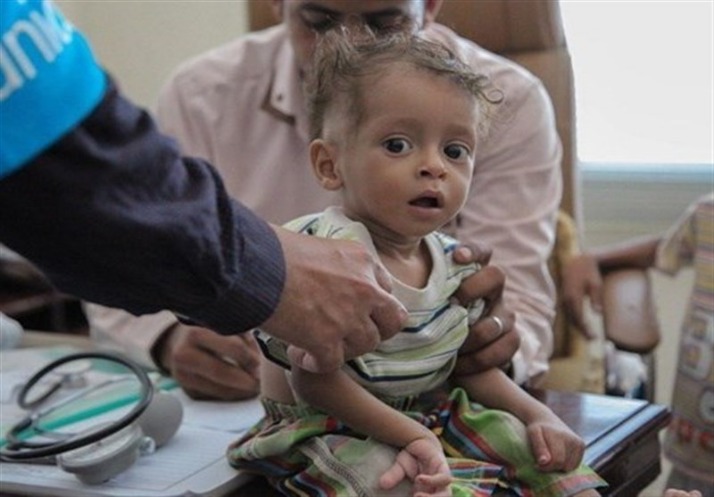
The famine in Ethiopia has had far-reaching impacts on the country’s population, economy, and social fabric. Food insecurity has led to widespread malnutrition, particularly among children, resulting in long-term health and developmental issues. The humanitarian crisis has overwhelmed local resources, prompting international aid efforts to address the urgent needs of millions of affected individuals. Displacement and migration have increased as communities flee from the worst-affected areas, further destabilizing the region. The famine has also undermined agricultural productivity, trapping many families in a cycle of poverty and food dependence. Overall, the crisis has underscored the critical importance of sustainable solutions to prevent future food shortages and enhance resilience among vulnerable populations in Ethiopia.
Health Consequences and Malnutrition
The Ethiopia famine had devastating impacts on the population, leading to widespread suffering and loss of life. It disrupted communities, destroyed livelihoods, and caused a dramatic decline in food security across the region. The scarcity of food and resources resulted in a significant increase in malnutrition among all age groups, especially children and pregnant women.
Health consequences of the famine were severe, including outbreaks of infectious diseases such as cholera, dysentery, and malaria, which thrived due to poor sanitation and weakened immune systems. Hospitals and clinics faced overwhelming patient numbers, often lacking adequate supplies and staff. Malnutrition further compromised individuals’ immune defenses, making them more vulnerable to illness and decreasing their chances of recovery.
Malnutrition in the context of the Ethiopia famine led to long-term developmental issues, including stunted growth, cognitive impairment, and increased mortality rates among children. Chronic food shortages affected pregnant women and infants, resulting in low birth weights and developmental delays. Addressing these health and nutritional challenges required coordinated humanitarian efforts focused on food aid, healthcare provision, and sustainable development to rebuild affected communities.
Displacement and Refugee Movements
The Ethiopian famine, particularly during the 1980s, had a profound impact on the country, leading to widespread displacement and refugee movements. As the famine worsened, millions of Ethiopians were forced to abandon their homes in search of food, safety, and basic necessities. This mass displacement not only strained neighboring countries but also highlighted the urgent need for international humanitarian aid.
- Mass Displacement: Many Ethiopians fled their villages, towns, and rural areas, creating large refugee populations in neighboring countries such as Sudan and Kenya.
- Humanitarian Crisis: The influx of refugees overwhelmed local resources, leading to increased mortality rates, malnutrition, and disease outbreaks.
- Global Response and Aid: The crisis prompted international organizations to mobilize aid efforts, though challenges in distribution often persisted, complicating relief efforts.
- Long-term Socioeconomic Effects: Displacement disrupted traditional social structures and livelihoods, causing long-lasting impacts on communities and national stability.
- Political Consequences: The famine and resulting displacement underscored the need for political reform and increased focus on food security within Ethiopia.
Economic and Social Disruption
The Ethiopian famine had devastating effects on the country’s economy and social structure, causing widespread hardship and suffering. The famine led to a sharp decline in agricultural productivity, which is the backbone of Ethiopia’s economy, resulting in food shortages and increased poverty. Social disruption was profound, with communities shattered by displacement, death, and migration as families struggled to survive. Access to healthcare and education deteriorated, further entrenching poverty and hindering recovery efforts. The crisis also heightened social inequalities, deepening the divide between different regions and social groups. Overall, the famine left lasting scars on Ethiopia’s society and economy, impeding development and causing long-term instability.
Responses to the Famine
The Ethiopian famine was a devastating event that drew international attention and prompted a variety of responses from governments, organizations, and individuals around the world. In addressing the crisis, efforts ranged from immediate humanitarian aid to long-term development programs aimed at eradicating hunger and poverty. These responses reflect the global community’s concern and commitment to supporting Ethiopia through one of its most challenging periods in history.
Government Initiatives and Policies
In response to the devastating famine in Ethiopia, the government and international organizations implemented various initiatives to mitigate the crisis. The government launched emergency food distribution programs aimed at providing immediate relief to affected populations. Additionally, measures such as improving water infrastructure and supporting agriculture were introduced to enhance food security in the long term. International aid, including food imports and financial assistance from global agencies, played a crucial role in supplementing domestic efforts. Policies promoted the resettlement of vulnerable communities to less affected areas, as well as investment in rural development to strengthen resilience against future famines. These combined responses reflected a collaborative effort to address both the humanitarian needs and structural challenges faced by Ethiopia during the famine period.
International Aid and Humanitarian Efforts
The Ethiopia famine of the 1980s drew significant international attention and prompted widespread humanitarian responses. Global organizations, governments, and charitable groups mobilized resources to alleviate the suffering caused by widespread food shortages and malnutrition.
- International aid organizations such as UNICEF, CARE, and Oxfam launched emergency food relief programs to provide immediate assistance to affected populations.
- Governments around the world contributed funding, food supplies, and logistical support to ensure aid reached Ethiopia efficiently.
- Media coverage played a crucial role in raising awareness, encouraging donations, and pressuring governments to act swiftly.
- Several initiatives emphasized sustainable solutions, including reforestation projects, agricultural training, and infrastructure development to address underlying causes.
- However, response efforts faced challenges such as political instability, logistical difficulties, and concerns over the misuse or misallocation of aid supplies.
Overall, the international response to the Ethiopia famine demonstrated the global community’s capacity for humanitarian action, though it also highlighted the need for long-term development strategies to prevent future crises.
Community and NGO Interventions
Responses to the Ethiopian famine involved a combination of community efforts and non-governmental organization (NGO) interventions aimed at alleviating suffering and preventing further deterioration of living conditions. Local communities often mobilized to share resources and provide mutual support, fostering resilience despite limited external aid. NGOs played a critical role by delivering emergency food supplies, establishing health clinics, and supporting sustainable agricultural practices. International organizations coordinated large-scale humanitarian missions to ensure timely distribution of aid, while also working on long-term strategies to mitigate the impacts of recurring droughts and food shortages. These efforts collectively helped to reduce mortality rates, improve health outcomes, and build local capacities to better manage future crises. Despite challenges such as logistical hurdles and political complexities, community and NGO interventions remained vital in addressing the immediate needs and contributing to the recovery of affected populations across Ethiopia.
Long-term Strategies and Solutions
Addressing the ongoing famine in Ethiopia requires the implementation of long-term strategies and sustainable solutions. These approaches focus on improving agricultural practices, fostering economic development, and enhancing resilience among vulnerable communities. By investing in education, infrastructure, and healthcare, Ethiopia can work towards reducing future food insecurity and building a more stable and self-sufficient society.
Improving Agricultural Resilience
To address the ongoing famine in Ethiopia and improve agricultural resilience, a comprehensive long-term strategy is essential. These solutions must focus on sustainable practices, resource management, and community empowerment to create a resilient agricultural sector capable of withstanding future challenges.
- Implementing Climate-Resilient Crops: Promoting the use of drought-tolerant and high-yield crop varieties adapted to Ethiopia’s changing climate conditions.
- Enhancing Water Management: Developing efficient irrigation systems, rainwater harvesting techniques, and watershed management to improve water availability for agriculture.
- Investing in Agricultural Infrastructure: Building storage facilities, transportation networks, and access to markets to reduce post-harvest losses and improve food distribution.
- Providing Farmer Education and Training: Equipping farmers with knowledge on sustainable farming practices, pest management, and climate adaptation strategies.
- Promoting Diversification: Encouraging crop diversification and livestock integration to reduce dependency on a limited number of crops and improve household resilience.
- Implementing Policy Support and Financial Services: Offering accessible credit, insurance, and policy incentives that support resilience-building activities among farmers.
- Strengthening Community-Based Organizations: Facilitating cooperatives and local groups to improve resource sharing, collective decision-making, and access to support services.
- Encouraging Research and Innovation: Supporting research institutions to develop new technologies and farming techniques suited to Ethiopia’s unique environmental conditions.
By adopting these strategies, Ethiopia can build a more resilient agricultural sector, reduce vulnerability to climate shocks, and improve food security for its population in the long term.
Climate Change Adaptation Measures
Long-term strategies and climate change adaptation measures are essential for addressing the recurring famine crises in Ethiopia. Implementing sustainable agricultural practices can enhance resilience to changing weather patterns, ensuring food security for vulnerable populations. Diversifying crops and improving water management systems can reduce dependency on unpredictable rainfall, while investing in drought-resistant crop varieties can help sustain yields during prolonged dry periods. Additionally, strengthening rural infrastructure, such as irrigation and storage facilities, supports better resource management and reduces post-harvest losses. Community-based approaches that promote education, awareness, and local ownership of adaptation initiatives are vital for fostering resilience. Integrating climate change policies into national development plans ensures a proactive stance against future climate-related threats, ultimately helping Ethiopia mitigate the impact of climate change-induced famines.
Strengthening Food Security Systems
Addressing the ongoing famine in Ethiopia requires comprehensive long-term strategies to strengthen the country’s food security systems. These strategies must focus on sustainable agricultural practices, resilient infrastructure, and effective policy implementation to ensure that vulnerable populations have reliable access to food now and in the future.
- Promoting Climate-Resilient Agriculture: Implementing drought-resistant crop varieties and improved water management techniques to mitigate the impact of climate variability.
- Enhancing Agricultural Infrastructure: Developing irrigation systems, storage facilities, and transport networks to reduce post-harvest losses and improve market access.
- Supporting Smallholder Farmers: Providing training, access to credit, and affordable inputs to empower farmers and increase productivity.
- Strengthening Social Safety Nets: Expanding cash transfer programs, food aid, and other social protection measures to assist vulnerable populations during crises.
- Implementing Sustainable Land Management: Promoting reforestation, soil conservation, and sustainable grazing practices to maintain land productivity over the long term.
- Fostering Policy Coherence and Investment: Ensuring coordinated efforts among government agencies, development partners, and local communities to prioritize food security initiatives.
- Encouraging Diversification of Livelihoods: Supporting alternative income sources to reduce dependency on agriculture alone and increase community resilience.
- Investing in Education and Awareness: Raising awareness about nutrition, sustainable farming, and disaster preparedness to build community capacity.
- Ensuring Data Collection and Monitoring: Developing robust systems to track food security indicators and respond promptly to emerging needs.
- Building Regional Cooperation: Collaborating with neighboring countries to manage transboundary challenges and share best practices for food security.
Addressing Conflict and Governance Issues
Long-term strategies and solutions are essential for addressing the root causes of the Ethiopia famine, particularly in overcoming ongoing conflict and governance challenges. Promoting political stability through inclusive governance can foster better resource management and equitable development, reducing tensions that often lead to crisis. Investing in sustainable agriculture, infrastructure, and climate resilience can help communities withstand environmental shocks and improve food security. Additionally, building strong institutions that uphold the rule of law and accountability is crucial for effective disaster response and policy implementation. Engaging local communities in decision-making processes ensures that initiatives are culturally appropriate and supported, ultimately fostering social cohesion. International cooperation and consistent humanitarian aid are vital, but they must be complemented by long-term national reforms to create resilient systems capable of preventing future famines and mitigating their impact when they occur.




0 Comments