
Historical Significance of Jemaa el Fna
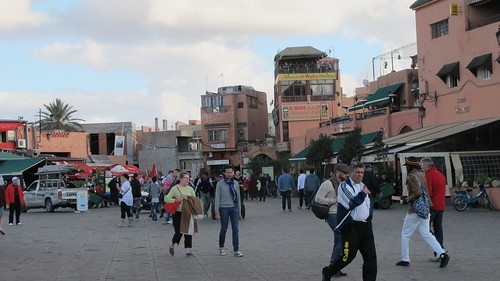
Jemaa el Fna in Morocco holds a profound historical significance as one of the most vibrant and culturally rich squares in the world. Serving as a central hub for social, commercial, and spiritual activities for centuries, it reflects the diverse influences of Moroccan history, from ancient Berber origins to Islamic and colonial periods. The square’s lively atmosphere and traditional practices embody the enduring spirit of Marrakech and its historical importance as a crossroads of civilizations.
Origins and Historical Evolution
Jemaa el Fna in Morocco holds a profound historical significance as a central hub of social, cultural, and commercial activity in Marrakech. Its origins date back to the 11th century when it served as a bustling marketplace and gathering space for townspeople and traders. Over the centuries, it evolved into a vital crossroads for commerce, storytelling, and religious festivities, reflecting the diverse influences of Berbers, Arabs, and further Moroccan civilizations. During the medieval period, Jemaa el Fna gained immense importance as a venue for public events, traditional performances, and negotiations, solidifying its role in the city’s communal life. Throughout its history, the square has constantly adapted, balancing ancient traditions with the demands of modern tourism. Today, Jemaa el Fna stands as a UNESCO World Heritage Site, symbolizing Marrakech’s rich cultural heritage and historical evolution from a medieval marketplace to a vibrant cultural epicenter that preserves and celebrates Moroccan history and identity.
Role in Moroccon Culture and Society
Jemaa el Fna in Morocco holds immense historical significance as one of the world’s oldest marketplaces, dating back to the 11th century. It has served as a vital hub for trade, social interaction, and cultural exchange for centuries, reflecting the rich and diverse history of Marrakech and Morocco as a whole. Over time, the square has evolved into a symbol of the city’s resilience and dynamic cultural identity, witnessing the influence of various civilizations including Berbers, Arabs, and Europeans.
Its role in Moroccan culture and society is profound, functioning as a living testament to the country’s vibrant traditions and communal spirit. Jemaa el Fna is a center for storytelling, music, dance, and culinary delights, providing a space where locals and visitors alike gather to celebrate Moroccan heritage. It fosters social cohesion by enabling regular interactions among different communities and generations, maintaining a sense of cultural continuity. The square also plays an essential role in tourism, drawing millions annually and promoting Morocco’s cultural identity on the global stage. Overall, Jemaa el Fna remains a vital cultural institution that encapsulates the historical depth and societal fabric of Morocco.
Historical Events Connected to the Square
Jemaa el Fna in Marrakech, Morocco, holds immense historical significance as a central hub of commerce, culture, and social life that has evolved over centuries. Originally established as a marketplace and gathering place during the Almoravid and Almohad periods, it has served as a focal point for trade routes connecting various regions of North Africa and sub-Saharan Africa.
Throughout its history, Jemaa el Fna has witnessed numerous pivotal events, including market fairs, religious celebrations, and political gatherings. In the 11th century, it became synonymous with the rise of Marrakech as a prominent city in the Islamic world. The square has also played a role during periods of Moroccan independence movements and national celebrations, symbolizing unity and cultural identity.
In the 20th century, Jemaa el Fna gained international recognition for its vibrant street performances, traditional storytelling, and food markets, which helped preserve Moroccan heritage amidst modernization. Its designation as a UNESCO World Heritage site in 2001 further underscores its importance as a living monument of history and culture, reflecting Morocco’s rich history and diverse societal influences.
Architectural and Spatial Features
Jemaa el Fna in Morocco is a vibrant and historic square renowned for its unique architectural and spatial features that capture the essence of Moroccan culture. The interplay of traditional market stalls, bustling crowds, and open-air performance spaces creates a dynamic environment. The design elements reflect the rich history and social fabric of Marrakech, blending functional spaces with aesthetic features that invite both locals and visitors to experience the lively spirit of the city. These spatial arrangements and architectural details contribute to Jemaa el Fna’s status as a UNESCO World Heritage site and a symbol of Moroccan heritage.
Layout and Design of the Square
Jemaa el Fna in Morocco is a vibrant and historically significant public square renowned for its unique architectural and spatial features. The layout of the square is designed to accommodate a diverse array of activities, with central open spaces surrounded by numerous souks and market stalls that create a lively maze-like atmosphere. The square’s design emphasizes accessibility and fluid movement, allowing both locals and tourists to navigate easily through the bustling environment. Architecturally, Jemaa el Fna showcases traditional Moroccan elements, including intricately carved wooden stalls, ornate facades, and decorative awnings that add cultural character and visual appeal. The surrounding structures blend functional and aesthetic aspects, providing spaces for entertainers, vendors, and religious activities, which collectively contribute to the square’s dynamic, multifunctional ambiance. Overall, the layout and design of Jemaa el Fna reflect a harmonious integration of cultural tradition, social interaction, and practical urban planning, making it a centerpiece of Marrakech’s social and cultural life.
Surrounding Structures and Landmarks
Jemaa el Fna in Morocco is a vibrant and historically significant square known for its unique architectural and spatial features, as well as its surrounding structures and landmarks. The square’s open, expansive layout allows for a bustling atmosphere filled with markets, performances, and social gatherings, reflecting the lively spirit of Marrakech. Its design accommodates a variety of activities, from daytime markets to nighttime entertainment, making it a dynamic public space.
- Surrounding Structures: The square is bordered by traditional Moroccan riads, hotels, and cafes that add to its cultural ambiance. Many of these buildings feature intricate tile work, lush courtyards, and ornate wooden balconies, showcasing Moroccan craftsmanship.
- Landmarks: Notable landmarks around Jemaa el Fna include the Koutoubia Mosque, whose towering minaret is a prominent feature visible from afar, and the Saadian Tombs, historic burial sites that highlight the city’s rich history.
- Architectural Features: The architecture integrates Islamic, Andalusian, and Berber influences, with arcades, domes, and decorative motifs. Stalls and temporary structures during markets are typically constructed with colorful fabrics and lightweight materials, contributing to the lively visual tapestry of the square.
- Spatial Arrangement: The square’s layout facilitates ease of movement for pedestrians and vendors, with a central open space surrounded by narrower streets leading to souks and other city quarters. This arrangement supports the multifunctional use of the area across different times of day.
Urban Development Over Time
Jemaa el Fna in Morocco is a vibrant and historically significant public square that showcases a rich blend of architectural and spatial features shaped by centuries of urban development. The square’s layout is designed to accommodate a dynamic flow of activity, from marketplace stalls to performers and visitors, reflecting its role as a social and commercial hub. Surrounding buildings exhibit traditional Moroccan architectural elements, including intricate tile work, arched doorways, and ornamental facades, which highlight the region’s cultural identity. Over time, Jemaa el Fna has evolved from a medieval gathering place into a UNESCO World Heritage site, with urban development focused on preserving its historic spirit while integrating modern amenities. The spatial organization emphasizes open spaces that facilitate congregation and movement, illustrating how urban planning has adapted to sustain its lively character through generations. This continuous development underscores the importance of balancing conservation with contemporary needs to maintain the square’s unique architectural and spatial integrity across ages.
Activities and Performances
Jemaa el Fna in Morocco is a bustling hub of activities and performances that captivate visitors from around the world. This vibrant square comes alive with a diverse array of entertainment, from traditional music and dancing to street performers and storytellers. As the heart of Marrakech, Jemaa el Fna offers a dynamic spectacle where culture and creativity converge, providing an unforgettable experience for anyone exploring the city’s rich heritage.
Street Performers and Entrants
Jemaa el-Fnaa in Morocco is renowned for its vibrant activities and captivating performances that draw both locals and tourists alike. The square transforms into a lively stage where street performers display their talents through music, dance, and storytelling, creating an electrifying atmosphere. Entrants and performers from diverse backgrounds converge to showcase traditional Moroccan arts, including snake charming, fire-eating, and acrobatics, offering a unique glimpse into the country’s rich cultural tapestry. This bustling hub is a celebration of Morocco’s lively street culture, making it one of the most iconic and dynamic public spaces in Marrakesh.
Traditional Music and Dance
Jemaa el Fna in Morocco is a vibrant hub of activities and performances that showcase the country’s rich cultural heritage. It is renowned for its dynamic atmosphere filled with traditional music, dance, and entertainment that captivate visitors from around the world.
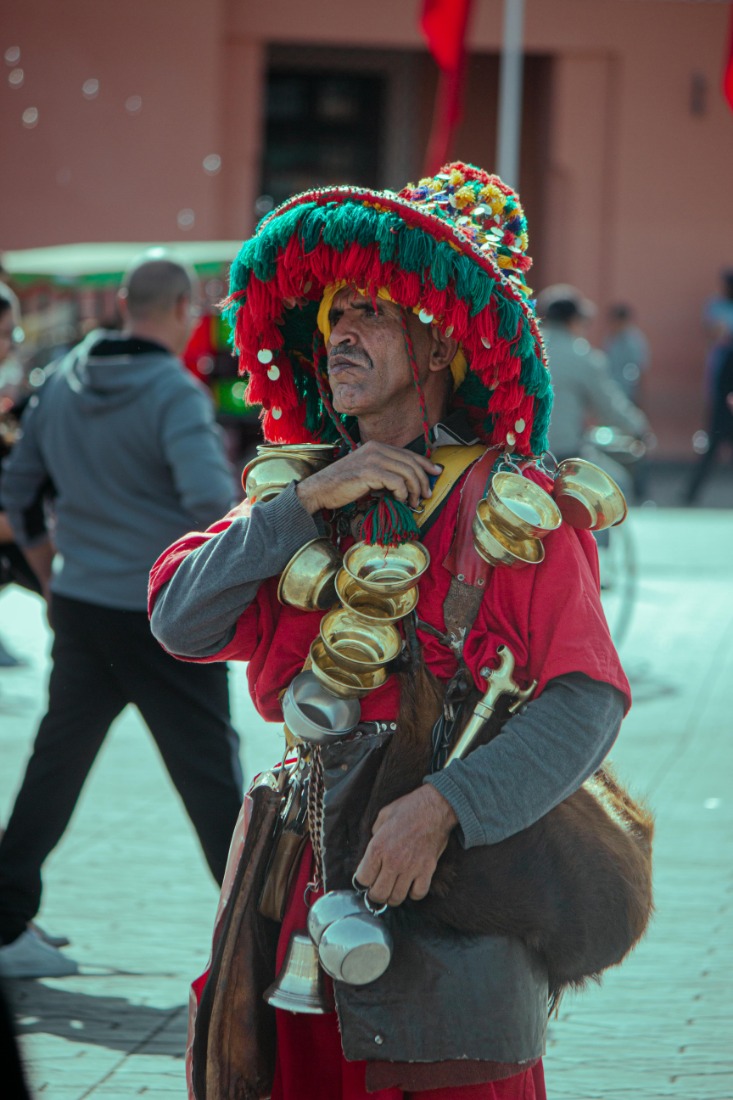
- Traditional Music: The square comes alive with the sounds of Gnawa musicians, who perform soulful spiritual songs using instruments like the qraqeb (metal castanets) and the sintir (a three-stringed bass instrument). Berber and Andalusian music also add to the diverse musical tapestry.
- Dance Performances: Dancers perform traditional Moroccan dances such as the Ahwach and the hassani, often in colorful costumes. These performances are lively and are often accompanied by music, creating a mesmerizing spectacle.
- Street Performers and Storytellers: Artists and storytellers entertain with acts that include snake charmers, magicians, and fortune-tellers, contributing to the vibrant street scene.
- Festivals and Celebrations: Throughout the year, Jemaa el Fna hosts various festivals that highlight Morocco’s folk traditions, featuring special musical performances and dance shows that attract both locals and tourists.
Snake Charmers and Animal Acts
Jemaa el Fna in Morocco is renowned for its vibrant activities and performances that showcase the rich cultural heritage of the region. Visitors can experience a lively array of entertainment, including traditional music, dance, and storytelling that bring the square to life each evening. Among the most captivating attractions are snake charmers and animal acts, which are integral to the historic and festive atmosphere of Jemaa el Fna. Snake charmers skillfully perform with cobras and other serpents, captivating audiences with their dexterity and sometimes dangerous displays. Animal acts also feature monkeys and other creatures, often involved in humorous or mesmerizing performances that have become iconic symbols of the marketplace. These performances continue to attract tourists and provide a glimpse into Morocco’s age-old traditions and royal craftsmanship in entertainment.
Artisans and Market Stalls
Jemaa el Fna in Morocco is a vibrant hub of activity and entertainment, offering a lively atmosphere filled with performances and diverse artisans. Visitors can enjoy an array of street performers, including musicians, dancers, and storytellers who enchant crowds with their captivating acts. The market stalls surrounding the square showcase a wide variety of traditional crafts, from intricate jewelry and handcrafted textiles to pottery and leather goods. These artisans preserve Moroccan heritage through their skilled craftsmanship and create a colorful, dynamic environment that reflects the rich cultural tapestry of Marrakech. The lively performances and artisanal stalls make Jemaa el Fna a truly unique destination for experiencing Moroccan culture and tradition firsthand.
Cultural Significance and Symbols
Jemaa el Fna in Morocco is a vibrant marketplace filled with rich cultural significance and symbolic traditions. The area serves as a hub for local customs, storytelling, music, and culinary delights that reflect the deep-rooted history of Moroccan society. Symbols within Jemaa el Fna, such as traditional performances and handcrafted goods, embody the spirit and identity of Marrakech’s diverse cultural heritage, making it a living living testament to Morocco’s vibrant and enduring cultural landscape.
Local Traditions and Rituals
Jemaa el-Fna in Morocco is a vibrant marketplace rich in cultural significance, serving as a focal point for local traditions and social life. It embodies the spirit of Moroccan heritage through its bustling stalls, street performers, and diverse offerings that reflect centuries of history. The square is a symbol of community unity and cultural identity, attracting both locals and tourists alike.
Throughout the day and night, Jemaa el-Fna is adorned with various symbols of Moroccan culture, including traditional music, storytelling, and performances by acrobats and snake charmers. These symbols preserve ancient customs and serve as living expressions of Morocco’s diverse cultural tapestry. The square also features distinctive local rituals, such as the calling of food vendors and traditional Berber routines, which reinforce social bonds and cultural continuity.
Religious and Spiritual Elements
Jemaa el Fna in Morocco is a vibrant cultural hub that embodies the rich history, religion, and spirituality of Marrakech. Its significance extends beyond being a marketplace, serving as a symbol of Moroccan identity and spiritual life.
- Symbols of Cultural Heritage: Jemaa el Fna features traditional artisans, storytellers, and performers, showcasing Moroccan folklore, music, and dance that reflect the country’s diverse cultural heritage.
- Religious Significance: The square is situated near mosques and religious sites, emphasizing Islam’s role in daily life and spiritual practice. The call to prayer often reverberates through the area, symbolizing faith.
- Spiritual Elements: The presence of herbalists, spiritual healers, and fortune-tellers highlights the integration of traditional Moroccan spirituality. Rituals and practices performed here are rooted in local beliefs and mysticism.
- Festivals and Religious Events: Jemaa el Fna hosts various religious festivals and celebrations, reinforcing its importance as a sacred space and a gathering point for spiritual communal activities.
- Symbol of Sanctuary and Community: The square acts as a communal sanctuary where locals and visitors partake in spiritual and cultural exchanges, strengthening social cohesion and shared identity.
Representation of Moroccan Identity
Jemaa el Fna in Morocco is more than just a bustling square; it is a vibrant symbol of Moroccan cultural identity that reflects the rich history, traditions, and diversity of the nation. The square serves as a living showcase of Morocco’s ancient customs, creative expressions, and social unity, making it an integral part of the country’s cultural fabric.
- Traditional Performances: The presence of snake charmers, storytellers, dancers, and musicians in Jemaa el Fna highlights Morocco’s deep-rooted oral traditions and artistic heritage.
- Gastronomic Cultural Identity: Food stalls offering local delicacies like tagine, couscous, and pastilla symbolize Moroccan culinary traditions and communal dining practices.
- Religious and Spiritual Significance: The call to prayer echoing from nearby mosques during the day reinforces the Islamic influence on Moroccan society and spirituality.
- Art and Craftsmanship: Souks surrounding Jemaa el Fna showcase Moroccan craftsmanship, including leather goods, textiles, and jewelry, representing the country’s artisan legacy.
- Unity in Diversity: The blending of Amazigh, Arab, African, and European cultures in the square exemplifies Morocco’s multicultural identity and adaptability over centuries.
Tourism and Contemporary Role
Tourism plays a vital role in shaping the cultural and economic landscape of many destinations around the world, including vibrant cities like Marrakech in Morocco. Among the city’s most iconic attractions is Jemaa el-Fna, a bustling square that embodies the essence of Moroccan tradition and modern tourism. As a central hub for both locals and travelers, Jemaa el-Fna showcases the dynamic interplay between preserving cultural heritage and embracing contemporary tourism trends.
Jemaa el Fna as a Tourist Attraction
Jemaa el Fna in Morocco is a vibrant and iconic marketplace that plays a significant role in both the cultural heritage and tourism industry of Marrakech. As a UNESCO World Heritage site, it serves as a living symbol of Moroccan tradition, attracting millions of visitors each year who come to experience its lively atmosphere. The square is renowned for its diverse array of performers, including storytellers, musicians, snake charmers, and street vendors, creating an authentic sensory experience for tourists. Today, Jemaa el Fna not only functions as a historical marketplace but also as a contemporary hub for entertainment and cultural exchange, contributing to the local economy and reinforcing Marrakech’s status as a major tourist destination. Its dynamic ambiance continues to captivate travelers and foster appreciation for Morocco’s rich cultural diversity.
Impact of Tourism on Local Community
Jemaa el Fna in Morocco is a vibrant and iconic public square that plays a significant role in local tourism. It serves as a central hub for cultural exchange, showcasing Moroccan traditions through bustling markets, street performances, and culinary delights. This lively atmosphere attracts tourists from around the world, contributing to the growth of the local economy. However, the influx of visitors also impacts the community by increasing demand for goods and services, which can lead to rising prices and changes in the neighborhood’s social fabric. While tourism brings economic benefits and promotes cultural heritage, it also presents challenges such as overcrowding and environmental wear, requiring careful management to ensure sustainable development that benefits both visitors and residents.
Preservation and Modernization Efforts
Jemaa el Fna in Morocco serves as a vibrant hub of culture, tradition, and community life, attracting millions of tourists each year. Its role as a major tourist destination highlights the importance of preserving this iconic marketplace while embracing modernization to enhance visitor experience. Efforts to maintain the authenticity of Jemaa el Fna include safeguarding traditional performances, crafts, and culinary practices, which are integral to its character. Simultaneously, modernization initiatives such as improved infrastructure, safety measures, and digital promotion aim to accommodate increasing tourist numbers and ensure sustainable tourism. Balancing preservation with progress remains essential in keeping Jemaa el Fna’s unique cultural identity alive while making it accessible and enjoyable for future generations.



0 Comments