
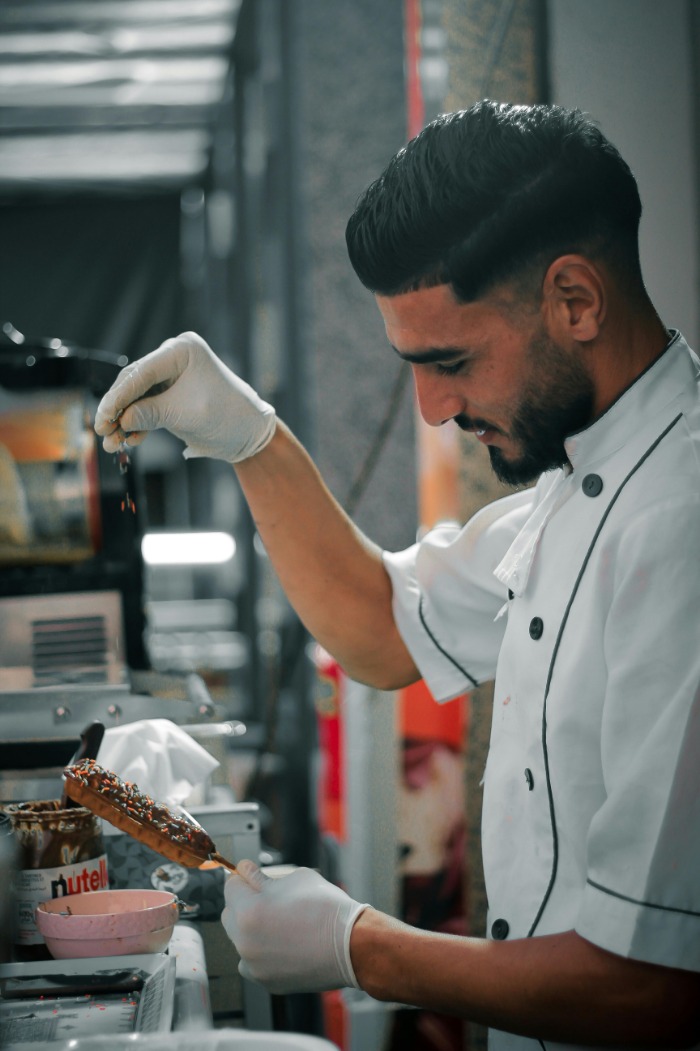
Traditional Moroccan Desserts Overview
Traditional Moroccan desserts are a rich and flavorful part of the country’s culinary heritage, renowned for their vibrant flavors, intricate presentation, and cultural significance. These sweet treats often feature ingredients such as honey, almonds, and orange blossom water, reflecting Morocco’s historical trading influences and regional abundance. From fragrant pastries to delicate confections, Moroccan desserts offer a delightful taste of the country’s artistic and culinary traditions.
Key Ingredients Used in Moroccan Sweets
Traditional Moroccan desserts are renowned for their rich flavors, vibrant colors, and unique textures, reflecting the country’s diverse cultural influences. These sweets often feature intricate presentation and a harmonious blend of sweetness and aromatic spices, making them a staple at celebrations and everyday meals alike.
Key ingredients used in Moroccan sweets include honey, almonds, pistachios, sesame seeds, and dried fruits such as figs, apricots, and dates. Spices like cinnamon, saffron, and orange blossom water are also essential, imparting distinctive aroma and flavor to the desserts. These ingredients come together to create a variety of confections that are both delicious and visually appealing, showcasing Morocco’s culinary artistry.
Cultural Significance of Desserts in Moroccan Society
Traditional Moroccan desserts are an integral part of the country’s rich culinary heritage, showcasing a diverse array of flavors, textures, and ingredients such as honey, almonds, sesame, and dried fruits. These sweets often feature intricate preparations and are served during special occasions, festivals, and family gatherings, symbolizing generosity and hospitality.
Culturally, Moroccan desserts hold significant social and symbolic value. They are not only enjoyed for their delicious taste but also serve as a means to honor guests, celebrate important events, and preserve cultural traditions. The sharing of desserts fosters community bonds and reflects the importance of hospitality in Moroccan society. Additionally, many desserts carry historical and spiritual symbolism, representing prosperity, good health, and blessings for loved ones.
Popular Moroccan Desserts
Moroccan desserts are a delightful blend of rich flavors, aromatic spices, and vibrant colors that reflect the country’s deep culinary heritage. Known for their sweetness and intricate preparation methods, these treats are an essential part of Moroccan celebrations and daily life. From honey-drenched pastries to nut-filled confections, Moroccan desserts offer a unique taste experience that captures the essence of the nation’s rich cultural history.
Baklava
Baklava is a popular Moroccan dessert known for its rich layers of flaky pastry, chopped nuts, and sweet honey syrup. It is a festive treat often enjoyed during special occasions and religious celebrations in Morocco. The dessert combines a perfect balance of sweetness and texture, with the crispiness of the pastry complementing the chewy, nutty filling. In Moroccan cuisine, baklava is commonly made with walnuts, almonds, or pistachios, and flavored with a hint of rose water or orange blossom water to enhance its aromatic profile. Served in small, bite-sized pieces, baklava is a beloved symbol of Moroccan hospitality and flavor, reflecting the country’s rich culinary heritage.
Chebakia
Chebakia is a beloved Moroccan dessert that plays a significant role in the country’s rich culinary traditions. Known for its intricate design and sweet, aromatic flavor, it is especially popular during special occasions such as Ramadan and Moroccan festivities. Chebakia embodies the warm, welcoming spirit of Moroccan culture and offers a delightful treat to those who indulge in it.
- Made from sesame seeds, honey, and a blend of spices
- Shaped into intricate flower or spiral patterns
- Deep-fried until golden brown
- Typically soaked in honey syrup to enhance sweetness and moisture
- Often garnished with sesame seeds or almonds
Sellou (Sfouf)
Sellou, also known as Sfouf, is a popular Moroccan dessert renowned for its rich flavor and nutritional benefits. Traditionally prepared during the holy month of Ramadan, it is a energy-boosting treat enjoyed by families across Morocco. The dessert is made from a mixture of toasted flour, sesame seeds, almonds, and spices such as cinnamon and anise, all bound together with honey or butter to create a crumbly, flavorful snack. Its distinctive golden color and aromatic taste make it a favorite during celebrations and special occasions in Moroccan culture.
Kaab el Ghazal (Gazelle Horns)
Kaab el Ghazal, also known as Gazelle Horns, is one of the most beloved Moroccan desserts. These delicate pastries are elegantly shaped to resemble the horns of a gazelle, symbolizing grace and beauty in Moroccan tradition. The crispy, flaky exterior is usually filled with a fragrant almond or pastry cream filling, often flavored with orange blossom or rose water, adding a floral aroma that is characteristic of Moroccan sweets. Typically dusted with powdered sugar, Kaab el Ghazal are served during special occasions and celebrations, offering a perfect balance of sweetness and texture. Their intricate design and rich flavors exemplify the artistry and culinary heritage of Moroccan desserts, making them a favorite among locals and visitors alike.
Moroccan M’hanncha (Snake Cake)
Moroccan desserts are renowned for their rich flavors, intricate presentations, and use of aromatic spices and ingredients like honey, almonds, and cinnamon. Among the most famous traditional sweets is Moroccan M’hanncha, also known as Snake Cake. This exquisite pastry is crafted with layers of thin, flaky phyllo dough, filled with a fragrant mixture of almond paste, sugar, and orange blossom water. The rolled pastry is often shaped into a spiral resembling a snake, symbolizing fertility and good luck in Moroccan culture. M’hanncha is typically garnished with sliced almonds or powdered sugar, making it as visually stunning as it is delicious. It is commonly served during special occasions, festivals, and celebrations, representing the country’s rich culinary heritage and love for beautifully crafted, flavorful desserts.
Preparation Techniques and Flavors
Exploring Moroccan desserts reveals a rich tapestry of preparation techniques and distinctive flavors that exemplify the country’s culinary artistry. From delicate pastries to fragrant sweet syrups, each dessert showcases unique methods of craftsmanship passed down through generations. The use of aromatic spices, honey, and nuts creates a symphony of tastes that complement the intricate presentation and cultural significance of Moroccan sweets.
Use of Honey and Natural Syrups
Moroccan desserts are celebrated for their rich flavors and unique preparation techniques, often highlighting the natural sweetness and aromatic qualities of honey and syrups. These desserts typically involve slow-tempered caramelizations, simmering, and blending of spices to develop complex layers of taste. Using honey as a primary sweetener imparts a floral aroma and a velvety texture, while natural syrups like orange blossom or rose water enhance the dish with fragrant undertones. The careful blending of ingredients ensures that each dessert achieves the perfect balance between sweetness and aromatic complexity, reflecting Morocco’s deep-rooted culinary traditions.
Incorporation of Almonds and Other Nuts
Preparation techniques and flavors play a vital role in creating authentic Moroccan desserts, which are renowned for their rich taste and aromatic profiles. Traditional methods often involve slow cooking processes, such as simmering syrups and carefully layering ingredients, to develop deep, complex flavors. Common flavorings include saffron, orange blossom water, rose water, cinnamon, and ginger, which lend these sweets their distinctive aroma and taste. Incorporating these ingredients with precision helps achieve the delicate balance characteristic of Moroccan confections.
The inclusion of almonds and other nuts is a hallmark of Moroccan desserts, adding both texture and richness. Typically, almonds are blanched, roasted, and ground into fine pastes or used whole as a garnish. Nuts are often combined with honey and spices to create lush fillings for pastries like baklava, or sprinkled on top of sweet dishes such as chebakia and msemen. Other nuts, including walnuts and pistachios, are equally popular and are used to introduce variations in flavor and appearance, enhancing the visual appeal and taste complexity of Moroccan treats. These nuts not only provide a crunchy contrast but also absorb the aromatic syrups, making each bite irresistibly flavorful.
Cooking Methods: Baking and Frying
Moroccan desserts are renowned for their rich flavors and intricate preparation techniques, often highlighting aromatic spices and sweet ingredients. Preparation techniques such as blending fragrant ingredients like almonds, honey, and orange blossom water are essential to creating authentic flavors. The use of traditional methods ensures the preservation of the cultural essence and unique taste profiles of these desserts.
Baking is a common cooking method in Moroccan sweets, used for treats like baklava and flaky pastries filled with nuts and honey. This method allows the desserts to develop a crisp, golden crust while maintaining a moist and flavorful interior. Frying, on the other hand, is often employed for delicacies such as Moroccan doughnuts, known as ‘sfenj.’ Frying provides a crispy exterior and a tender inside, enhancing the texture and taste experience of the desserts. Both techniques require precise control of temperature and timing to achieve the perfect balance of flavors and textures, making Moroccan desserts a delightful combination of craftsmanship and culinary artistry.
Flavor Profiles: Spices and Citrus
Preparation techniques and flavor profiles play a vital role in creating authentic Moroccan desserts, which are renowned for their rich and harmonious taste experiences. Crafting these sweets often involves meticulous methods such as layering, soaking, and slow baking to develop complex textures and flavors. The use of aromatic spices and fresh citrus enhances the depth and brightness of each dish, making Moroccan desserts uniquely flavorful.
Spices such as cinnamon, ginger, saffron, and cardamom are fundamental in Moroccan dessert recipes, imparting warmth and a fragrant complexity that is characteristic of this cuisine. Citrus elements, particularly preserved lemons, orange zest, and lemon juice, add a tangy and refreshing contrast, balancing the sweetness and enriching the overall flavor profile. Combining these spices and citrus notes creates a vibrant and inviting aroma, elevating the sensory experience of traditional Moroccan sweets.
Regional Variations and Specialties
Regional variations and local specialties add rich diversity to Morocco’s culinary landscape, especially when it comes to traditional desserts. Each region boasts unique flavors, ingredients, and preparation methods that reflect its cultural heritage and natural resources. Exploring these regional differences offers a deeper appreciation of Morocco’s exquisite sweet offerings, highlighting the creativity and history embedded in its desserts.
North Moroccan Sweets
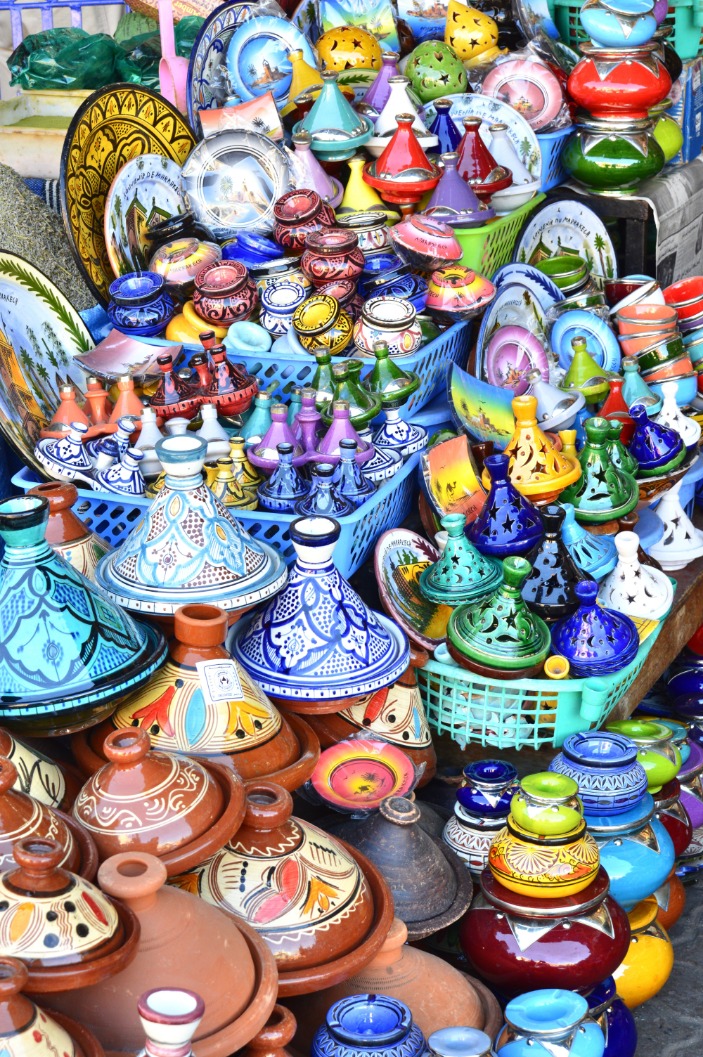
North Moroccan sweets are renowned for their unique flavors and diverse regional variations, reflecting the rich cultural heritage of the region. In cities like Tangier and Tetouan, desserts often incorporate ingredients such as almonds, honey, and orange blossom water, creating aromatic and sweet treats that delight the senses. Specialties like “Sellou” and “Ghoriba” are popular across the area, each with distinct regional twists. Sellou, a mixture of roasted almonds, sesame seeds, and flour, is traditionally served during special occasions and celebrations. Ghoriba, a delicate cookie made from crushed almonds or sesame seeds, varies in texture and flavor depending on the locality. North Moroccan sweets often showcase the influence of Andalusian, Mediterranean, and Arab culinary traditions, resulting in a vibrant array of desserts that are both traditional and innovative.
Southern Desert Influences
Moroccan desserts are renowned for their rich flavors and diverse regional influences, reflecting the country’s cultural tapestry. In southern desert regions, desserts often incorporate ingredients that thrive in arid environments, such as dates, almonds, and honey. These areas have a tradition of creating sweet treats that are both hearty and flavorful, using locally available produce. The desert influence is also evident in the use of aromatic spices like cinnamon and saffron, which add depth and warmth to desserts. Signature southern specialties include date-filled pastries and honey-coated nuts, which are traditionally served during festive occasions. Overall, the desert regions contribute a unique and delicious dimension to Morocco’s vibrant dessert landscape, showcasing the ingenuity and adaptability of local culinary practices.
Urban vs Rural Dessert Traditions
Moroccan desserts are rich and diverse, reflecting regional variations and local ingredients that give each area its unique sweet creations. In urban centers like Marrakech and Casablanca, desserts often incorporate more exotic ingredients such as saffron, rosewater, and almonds, with a focus on elaborately layered pastries and pastries like baklava and ghriba. In contrast, rural regions tend to use more locally available ingredients like honey, dates, and sesame seeds, resulting in simpler yet flavorful sweets such as date-filled cookies and sesame bars. Urban dessert traditions are often influenced by historical trade routes and cultural exchanges, leading to a more refined presentation, while rural desserts emphasize rustic flavors rooted in traditional methods.
Additionally, the distinctions between city and countryside desserts in Morocco highlight differences in preparation techniques and presentation styles. Urban areas might feature ornate pastries served during special occasions and festivals, while rural communities favor hearty, straightforward treats enjoyed daily or during local celebrations. Both environments cherish the use of natural, locally sourced ingredients, but their approaches to crafting sweets reflect the unique cultural and geographical influences of their surroundings.
Serving and Presentation
Serving and presentation play a crucial role in enhancing the visual appeal and overall experience of Moroccan desserts. Carefully arranging these sweets not only highlights their rich colors and intricate textures but also reflects the artistry and cultural heritage of Moroccan culinary traditions. An elegant presentation can elevate the enjoyment of these delectable treats, making them as delightful to the eyes as they are to the palate.
Traditional Garnishes and Decorations
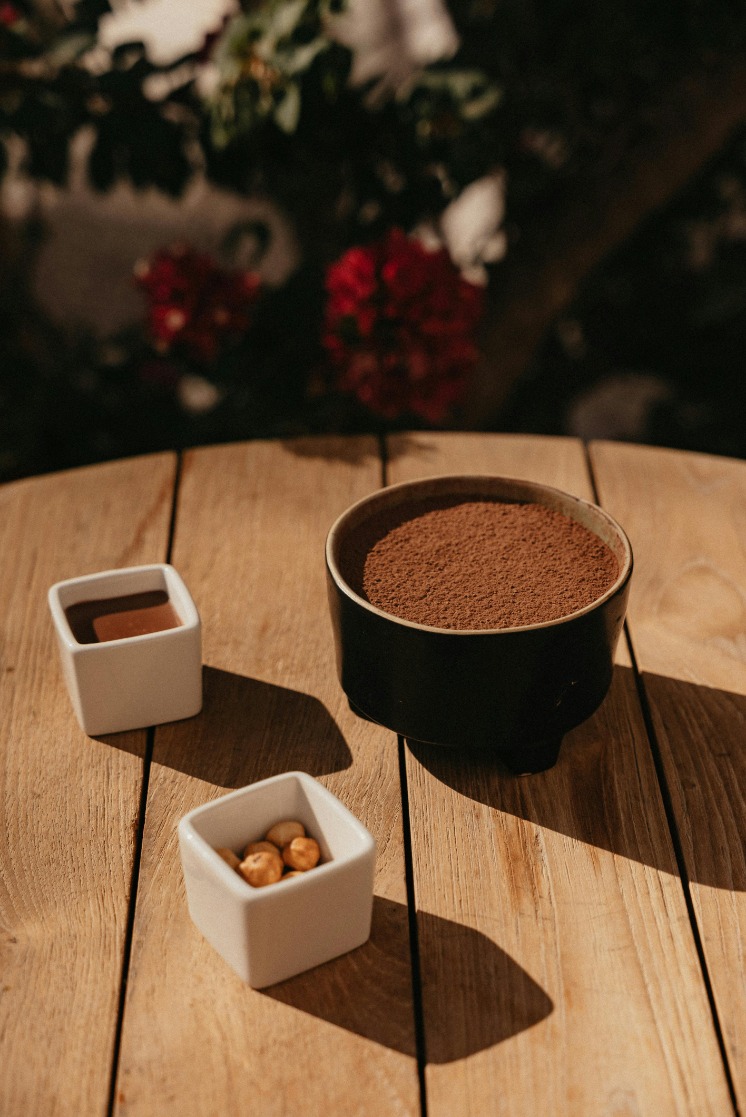
Serving and presentation are essential aspects of traditional Moroccan desserts, enhancing both their visual appeal and cultural significance. These desserts are often arranged thoughtfully on beautiful platters or trays, emphasizing craftsmanship and aesthetic harmony. The use of vibrant colors, intricate patterns, and decorative elements reflects Moroccan artistry, creating an inviting display. When presenting Moroccan sweets such as baklava, gazelle horns, or chebakia, garnishes play a vital role in elevating their appearance.
Traditional Moroccan garnishes and decorations typically include fresh fruits like mint leaves, slices of orange or lemon, and edible flower petals, adding freshness and color contrast. Drizzles of honey or syrup enhance the glistening look of the sweets, while powdered sugar or cinnamon dustings provide finishing touches. Decorative elements such as ornate silver or ceramic serving dishes, along with ornate toothpicks or small skewers, can also be used to add elegance. Overall, the presentation of Moroccan desserts reflects the rich cultural heritage and emphasis on visual beauty, making the experience of enjoying these treats as delightful to the eyes as they are to the palate.
Festive and Ramadan Specialties
Moroccan desserts are renowned for their vibrant flavors, intricate presentation, and festive appeal, especially during Ramadan celebrations. Serving these treats is an art form, often featuring beautifully arranged platters that highlight the rich colors and textures of the sweets. Classics like Chebakia, beyond being delicious, are presented in decorative shapes, making them visually appealing for special occasions.
During Ramadan and festive seasons, Moroccan desserts such as Gazelle Horns, shebakia, and baklava are showcased to enhance the celebratory atmosphere. They are usually garnished with nuts, sesame seeds, or powdered sugar, adding both aesthetic beauty and complementary flavors. Presentation plays a vital role, with desserts served on ornate trays or traditional Moroccan pottery, creating an inviting and opulent display that reflects the country’s rich culinary heritage.
Pairing Moroccan Sweets with Beverages
Serving and presentation are essential aspects of Moroccan desserts, enhancing their visual appeal and overall dining experience. Traditional Moroccan sweets are often displayed on ornate platters or trays, highlighting their vibrant colors and intricate shapes. To elevate the presentation, sweets can be garnished with edible flowers, crushed nuts, or a dusting of powdered sugar. When serving Moroccan desserts, it is customary to offer a variety of confections such as baklava, gazelle horns, or almond-filled pastries to create a diverse and inviting assortment.
Pairing Moroccan sweets with appropriate beverages complements their rich flavors and enhances the tasting experience. Mint tea, often infused with fresh mint leaves and sugar, is the most popular accompanying drink, providing a refreshing balance to the sweetness of the desserts. Additionally, sweetened rose water or orange blossom water infused water can be offered as a delicate non-alcoholic beverage. For those who prefer alcoholic options, aromatic liqueurs or sweetened Moroccan wine can pair well with the desserts, highlighting their many layers of flavor. Proper pairing and presentation not only elevate the dessert but also reflect the warm hospitality and rich culinary traditions of Morocco.
Modern Twists and Innovations in Moroccan Desserts
Moroccan desserts are a vibrant reflection of the country’s rich cultural heritage, blending ancient traditions with modern culinary creativity. In recent years, innovative twists and contemporary techniques have transformed classic sweets into exquisite and inventive treats. This evolution highlights both the preservation of cherished flavors and the daring exploration of new taste experiences, making Moroccan desserts a delightful fusion of tradition and innovation.
Fusion Recipes and Contemporary Presentations
Modern twists and innovations in Moroccan desserts have transformed traditional recipes into exciting culinary experiences that appeal to contemporary tastes. Chefs are blending classic flavors like orange blossom, almonds, and honey with international ingredients such as chocolate, pistachios, and caramel, creating fusion desserts that honor tradition while embracing novelty. Innovative techniques such as molecular gastronomy and sous-vide cooking are also being incorporated to elevate textures and flavors, resulting in refined confections that surprise and delight. Additionally, contemporary presentations—featuring minimalist plating, vibrant color schemes, and intricate garnishes—enhance the visual appeal of Moroccan desserts, making them perfect for modern dining settings and social media sharing. These advancements celebrate Morocco’s rich culinary heritage while showcasing creativity and innovation, ensuring these sweet treats remain relevant and captivating for new generations of dessert enthusiasts.
Western Influences in Moroccan Dessert Cuisine
Modern twists and innovations in Moroccan desserts showcase a dynamic blend of tradition and creativity, reflecting both renewed cultural pride and contemporary culinary trends. Chefs and pastry artisans are reimagining classic treats like pastilla, chebakia, and sellou by incorporating new flavors, ingredients, and presentation styles, such as infused sauces, exotic fruits, and modern plating techniques. These innovations often highlight local ingredients while experimenting to appeal to global palates, resulting in unique culinary experiences that honor Moroccan heritage while pushing boundaries.
Western influences have also played a significant role in shaping present-day Moroccan dessert cuisine. The introduction of ingredients like chocolate, caramel, and cream has led to the creation of fusion desserts that blend Moroccan flavors with international techniques. For instance, chocolate-filled baklava variations or caramelized pastries infused with za’atar depict the seamless integration of Western and Moroccan culinary traditions. These influences have helped elevate Moroccan desserts on the global stage, making them more accessible and appealing to a diverse audience while preserving the authentic essence of Moroccan sweetness and craftsmanship.
Healthier Alternatives and Dietary Trends
Modern twists and innovations in Moroccan desserts are transforming traditional flavors to cater to contemporary tastes and dietary preferences. Chefs and food enthusiasts are incorporating new ingredients such as vegan substitutes, low-sugar options, and gluten-free elements to create healthier versions of classic treats like baklava, chebakia, and fekkas. These adaptations often include the use of natural sweeteners like honey, agave syrup, or fruit purees to reduce refined sugar content while maintaining authentic flavors. Additionally, innovative presentation techniques and fusion with international culinary trends are making Moroccan desserts more appealing to a global audience. Embracing dietary trends such as plant-based eating, keto, and paleo, modern Moroccan desserts focus on balancing indulgence with nutritional consciousness. This evolving landscape not only preserves the rich heritage of Moroccan sweets but also aligns them with today’s health-conscious lifestyles, ensuring their relevance and enjoyment for generations to come.



0 Comments