
Historical Influences on Moroccan Decor
Moroccan decor is a rich tapestry of history and cultural influences that have shaped its distinctive aesthetic. Rooted in a blend of Arab, Berber, Amazigh, and Moorish traditions, Moroccan interior design reflects centuries of artistic innovation and cultural exchange. From intricate tilework to vibrant textiles, the historical influences imbue Moroccan decor with a timeless charm that continues to inspire contemporary design worldwide.
Berber Heritage
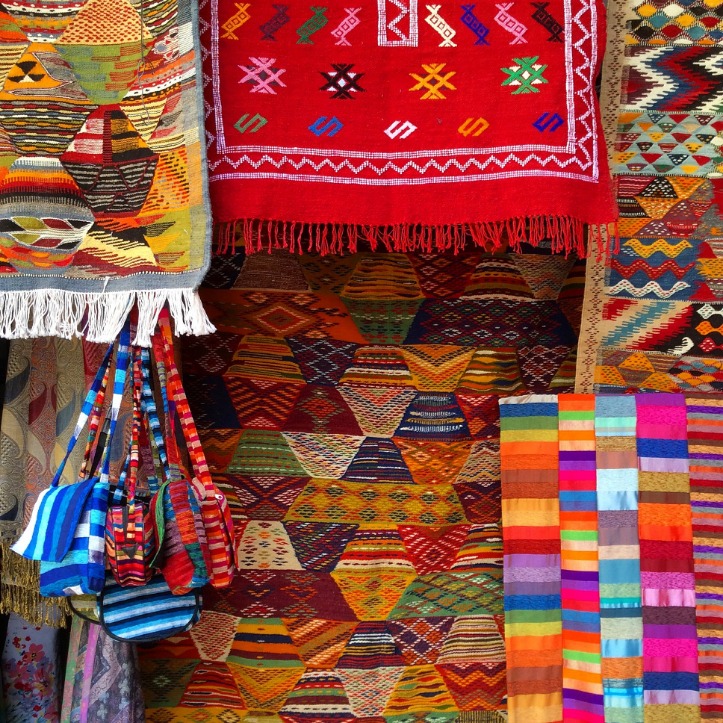
Moroccan decor is profoundly influenced by its rich history and diverse cultural heritage, particularly the enduring presence of Berber traditions. The Berbers, as the indigenous inhabitants of North Africa, have maintained their unique artistic expressions for centuries, which are prominently reflected in Moroccan interior design. Their craftsmanship is characterized by intricate geometric patterns, bold colors, and handcrafted textiles that add a distinct authenticity to Moroccan spaces.
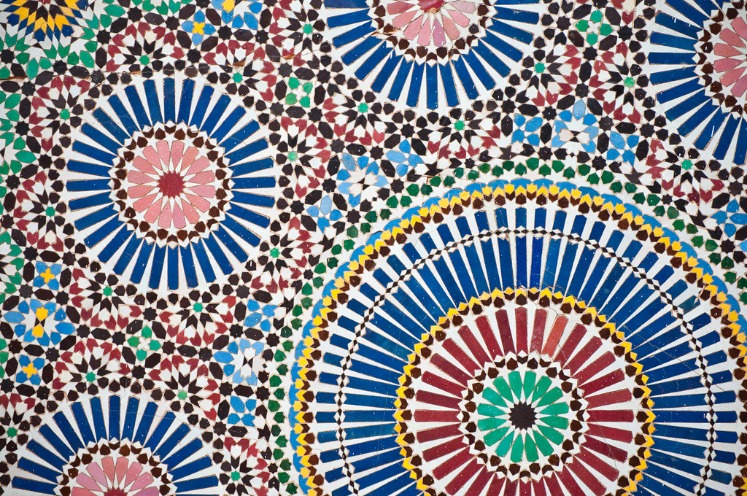
Historically, Moroccan decor incorporates motifs and techniques passed down through generations, such as detailed tile work known as zellige, which features complex mosaic patterns created with glazed tiles. These designs often symbolize spiritual beliefs and local stories, creating a sense of continuity with the past. The use of natural materials like wood, clay, and leather also stems from historical practices rooted in Berber tradition, emphasizing sustainability and a deep connection with the environment.
Islamic influences blended with Berber heritage have further shaped Moroccan decor, introducing ornate lamps, carved woodwork, and calligraphic elements. Moroccan design reflects a synthesis of cultural layers, where history and tradition continue to inspire contemporary aesthetics. Overall, the historical influences on Moroccan decor are a testament to the country’s diverse cultural tapestry, creating spaces that celebrate its rich, enduring heritage.
Arab Islamic Elements
Moroccan decor is profoundly shaped by its rich historical and cultural influences, with Arab Islamic elements playing a central role in its distinctive aesthetic. The Arab Islamic tradition introduced intricate geometric patterns, elaborate tile work, and ornate calligraphy that continue to define Moroccan interior design. Features such as zellige tile mosaics, carved woodwork, and stucco decorations reflect the craftsmanship and artistic expressions brought by centuries of Islamic influence. These elements create a sense of harmony, spirituality, and craftsmanship that is uniquely Moroccan. Over time, these Islamic motifs have blended with indigenous Berber styles and Mediterranean influences, resulting in a diverse and vibrant decor that celebrates Morocco’s varied history and cultural identity.
European Colonial Impact
European colonial influence has significantly shaped Moroccan decor, blending Western aesthetics with traditional Moroccan elements. During colonial periods, especially under French and Spanish rule, local artisans and designers incorporated European styles such as Art Deco and Mediterranean influences into their work. This fusion resulted in unique interior designs that feature ornate patterns, elegant furniture, and decorative motifs inspired by European art, while still maintaining the vibrant colors and intricate craftsmanship characteristic of Moroccan decor. The integration of colonial elements introduced new materials, decorative techniques, and architectural features, which have become enduring characteristics of modern Moroccan interiors.
Key Elements of Moroccan Decor
Moroccan decor is renowned for its vibrant colors, intricate patterns, and rich cultural influences that create a warm and inviting atmosphere. This distinctive style combines traditional craftsmanship with luxurious details, reflecting Morocco’s diverse history and artistic heritage. Key elements of Moroccan decor include bold textiles, detailed mosaics, ornate metalwork, and handcrafted wooden furniture, all contributing to a unique and captivating aesthetic.
Intricate Tilework (Zellige)
Moroccan decor is renowned for its vibrant colors, rich patterns, and handcrafted artistry, creating a warm and exotic ambiance in any space. One of the most iconic elements of Moroccan interior design is intricate tilework known as Zellige. This traditional craft involves assembling small, hand-cut ceramic tiles into complex geometric patterns that reflect centuries-old artistic traditions.
In Moroccan decor, Zellige tiles are often used to create stunning feature walls, elaborate fountains, and decorative borders. Their glossy finish and vivid hues, such as deep blues, bright yellows, and lush greens, add depth and character to interiors. The craftsmanship involved in shaping and assembling Zellige tiles results in a textured surface that enhances the aesthetic appeal and cultural authenticity of Moroccan spaces.
Overall, the combination of vibrant colors, detailed patterns, and handcrafted Zellige tilework embodies the essence of Moroccan decor—an inviting and visually captivating style rooted in history and artistry.
Decorative Plaster (Stucco)
Moroccan decor is renowned for its rich textures, vibrant colors, and intricate craftsmanship, creating an exotic and inviting atmosphere. A key element of this style is decorative plaster, also known as stucco, which is expertly applied to walls and ceilings to add depth and detail. Moroccan stucco often features complex geometric patterns, floral motifs, and artistic carvings that reflect the country’s cultural heritage. This decorative plaster is typically finished with a variety of techniques, including hand-carving and embossing, to achieve a luxurious and textured appearance. The use of warm earth tones, such as terracotta, gold, and deep blues, enhances the authentic Moroccan ambiance. Overall, decorative plaster in Moroccan decor serves as a striking focal point, blending artistry with functionality to evoke the timeless elegance of Moroccan design.
Carved Woodwork
Carved woodwork is a hallmark of Moroccan decor, showcasing intricate craftsmanship and cultural artistry. This element often features elaborate geometric patterns, floral motifs, and arabesques, highlighting the skill of Moroccan artisans. The wood is typically hand-carved from cedar, a material valued for its durability and beauty, bringing warmth and texture to interiors. These carvings can be found on doors, window screens, furniture, and decorative panels, serving both functional and aesthetic purposes. The detailed craftsmanship of carved woodwork reflects Morocco’s rich history of Islamic art, emphasizing symmetry, repetition, and detailed ornamentation. Incorporating carved wood elements into decor creates a sense of authenticity, elegance, and a connection to Moroccan heritage.
Metallic Accents and Hardware
Moroccan decor is renowned for its vibrant, intricate, and culturally rich aesthetic, with metallic accents and hardware playing a vital role in enhancing its unique charm. These elements add a touch of luxury, warmth, and authenticity, making each space feel inviting and opulent.
- Metallic Accents: Incorporate materials like brass, copper, and gold to create a luxurious and warm ambiance. These metals are often used in decorative objects, trays, and lanterns, adding a shimmering effect that complements vibrant textiles and elaborate patterns.
- Decorative Hardware: Use ornate handles, hinges, and knobs made of etched or hammered metal. These pieces are often intricately designed to reflect traditional Moroccan craftsmanship, adding detail and character to furniture and cabinetry.
- Lighting Fixtures: Incorporate metallic lanterns and pendant lights with detailed cutouts. They cast beautiful patterns of light and shadow, enhancing the mystical and inviting atmosphere characteristic of Moroccan style.
- Color Contrast: Metallic accents work beautifully with bold colors such as deep reds, blues, and earthy tones, creating a striking visual contrast that captures the essence of Moroccan decor.
- Textural Variety: Combining metallic hardware with textured fabrics, mosaic tiles, and carved wood further enriches the tactile and visual depth characteristic of Moroccan interiors.
Color Palette in Moroccan Interior Design
Moroccan interior design is renowned for its vibrant and eclectic color palettes that create warm and inviting environments. The use of rich, earthy tones combined with bold accents reflects the country’s rich cultural heritage and diverse landscapes. A well-curated color palette in Moroccan decor not only enhances aesthetic appeal but also evokes a sense of tradition, luxury, and comfort within any space.
Earth Tones
In Moroccan decor, color palettes play a vital role in creating warm and inviting spaces, with earth tones standing out as a prominent choice. These hues, inspired by the natural landscapes of Morocco, include shades of terracotta, ochre, sandy beige, and warm browns that evoke a sense of rustic elegance and harmony with nature. Incorporating earth tones in Moroccan interior design brings a calming atmosphere while emphasizing traditional craftsmanship and organic materials. They serve as a perfect backdrop for intricate tile work, vibrant textiles, and handcrafted furniture, enhancing the authentic and timeless feel of Moroccan decor. Whether used on walls, floors, or decorative accents, earth tones help achieve a balanced and cozy environment rooted in the richness of Moroccan cultural heritage.
Vibrant Blues and Greens
In Moroccan decor, vibrant blues and greens are essential elements that evoke the rich cultural heritage and natural beauty of the region. These colors often symbolize the sky, sea, and lush landscapes, creating a calming yet lively atmosphere within interiors. Incorporating shades like deep turquoise, emerald, and sapphire alongside fresh mint and jade hues helps to infuse spaces with energy and serenity simultaneously. The interplay of these colors in Moroccan interiors enhances traditional patterns, textiles, and ceramic accents, resulting in a dynamic and inviting environment that celebrates the vibrant spirit of Morocco.
Warm Reds and Oranges
In Moroccan decor, the color palette plays a significant role in creating a warm and inviting atmosphere, with warm reds and oranges being central to this aesthetic. These hues evoke the vibrant energy of Moroccan markets and the rich hues of desert landscapes, adding depth and warmth to interior spaces. Incorporating these colors through wall paints, textiles, and decorative accessories helps to establish a cozy yet lively ambiance that is characteristic of Moroccan design. The fiery reds and oranges can be balanced with intricate patterns and metallic accents, enhancing the overall cultural richness and visual appeal of the decor.
Traditional Moroccan Furniture
Traditional Moroccan furniture is renowned for its vibrant colors, intricate carvings, and unique blend of Moorish, Arab, and Berber influences. These timeless pieces often feature ornate patterns, handcrafted details, and rich textures that reflect Morocco’s rich cultural heritage. Incorporating such furniture into home decor creates a warm, exotic, and inviting atmosphere that celebrates the country’s artistic traditions and craftsmanship.
Low Seating and Poufs
Traditional Moroccan furniture is renowned for its vibrant colors, intricate craftsmanship, and timeless elegance, reflecting the rich cultural heritage of Morocco. Low seating options such as floor cushions, mats, and poufs are essential elements in Moroccan decor, creating a warm and inviting atmosphere. Poufs, often made from leather, embroidered fabrics, or woven textiles, serve both functional and decorative purposes, providing comfortable seating and adding a pop of color and texture to any space. These pieces are typically handcrafted, showcasing detailed embroidery, beadwork, and geometric patterns that highlight Moroccan artistry. Incorporating low seating and poufs into your home decor can evoke a sense of exotic luxury and comfort, perfectly complementing other Moroccan design elements like carved wooden screens, intricate tile work, and colorful textiles.
Handcrafted Wooden Tables
Traditional Moroccan furniture is renowned for its intricate craftsmanship and rich cultural heritage, reflecting centuries of artistry and design. Handcrafted wooden tables are a prominent feature in Moroccan decor, showcasing detailed carvings and unique patterns that add a touch of elegance and authenticity to any space. These tables often serve as functional pieces while also functioning as decorative accents, highlighting the skilled artisanship that is characteristic of Moroccan craft traditions. Made from high-quality wood such as cedar or oak, each piece is carefully handcrafted, often adorned with vibrant paints or metallic accents to enhance their visual appeal. Incorporating traditional Moroccan wooden tables into a interior design creates a warm, inviting atmosphere filled with cultural stories and artisanal beauty.
Decorative Cabinets and Sideboards
Traditional Moroccan furniture is renowned for its intricate craftsmanship, vibrant colors, and unique design elements that reflect the rich cultural heritage of Morocco. Among the most sought-after pieces are decorative cabinets and sideboards, which serve both functional and aesthetic purposes in Moroccan decor. These pieces often feature elaborate carvings, inlaid mosaics, and ornate metalwork, showcasing the artisan skills passed down through generations. They are typically crafted from wood, such as cedar or olive, and are painted in bold hues like turquoise, gold, and deep red to complement the lively and warm ambiance of Moroccan interiors. Incorporating such furniture pieces can add an authentic touch, creating a cozy and exotic atmosphere that celebrates Morocco’s artistic traditions. Whether used in living rooms, bedrooms, or entryways, decorative cabinets and sideboards are versatile elements that enhance the overall decor while providing practical storage solutions.
Textile and Pattern Designs
Morocco decor is renowned for its vibrant textile and intricate pattern designs that reflect a rich cultural heritage. These textiles often feature bold geometric shapes, elaborate motifs, and a vivid color palette that brings warmth and character to any space. Incorporating Moroccan textile and pattern designs into decor creates an exotic, inviting atmosphere filled with history and artistry.
Berber Rugs and Kilims
Morocco decor is renowned for its rich cultural heritage and vibrant aesthetic, often showcasing intricate textile and pattern designs. Berber rugs and Kilims are key elements that embody the traditional craftsmanship and artistry of Moroccan artisans. These textiles feature bold geometric patterns, symbolic motifs, and vivid colors that add warmth and character to any space. Berber rugs, crafted by Berber tribes, are known for their plush textures and striking designs, often incorporating symbols that hold cultural significance. Kilims, on the other hand, are flat-woven rugs characterized by their diamond-shaped patterns and vibrant color combinations, frequently used as wall hangings or floor coverings. Together, these textiles contribute to a cozy, inviting atmosphere that reflects Morocco’s diverse history and artistic legacy, making them essential components of Moroccan-inspired decor.
Embroidered Pillows and Throws
Morocco decor is renowned for its vibrant textiles and intricate pattern designs that bring warmth and exotic charm to any space. Embroidered pillows and throws are essential elements, showcasing handcrafted artistry and cultural motifs that add depth and texture to home interiors. These textiles often feature bold geometric patterns, floral motifs, and detailed stitching, reflecting Morocco’s rich heritage and craftsmanship. Incorporating such pieces into decor creates a cozy and inviting atmosphere, while also highlighting the country’s artisanal traditions. Whether used as statement accents or layered for a bohemian aesthetic, Moroccan textiles elevate interior design with their colorful and detailed patterns.
Curtains and Drapes with Geometric Patterns
Moroccan decor is renowned for its vibrant and intricate designs that create a warm and inviting atmosphere. Textile and pattern designs play a vital role in achieving this aesthetic, especially when incorporated into curtains and drapes. Geometric patterns are a hallmark of Moroccan textiles, characterized by their bold lines, repeating motifs, and symmetry. These patterns often draw inspiration from traditional mosaics, tile work, and architectural elements, adding depth and cultural richness to any space.
When used in curtains and drapes, geometric patterns introduce a sense of rhythm and movement while serving as a striking visual focal point. They can range from complex interlocking shapes to simplified angular designs, all contributing to a dynamic look that complements the overall Moroccan decor. The use of vibrant colors such as blues, reds, and yellows in these patterns enhances the lively and exotic feel typical of Moroccan interiors.
Choosing textiles with geometric motifs for curtains allows for versatility, whether aiming for a more traditional or contemporary Moroccan aesthetic. These patterned fabrics can be paired with plain or textured materials to balance the space or combined with other decorative elements like lanterns, rugs, and ceramics. The result is a cohesive environment that celebrates Moroccan artistry and craftsmanship through every detail, including the window treatments.
Lighting in Moroccan Decor
Lighting plays a vital role in Moroccan decor, creating a warm and inviting atmosphere that enhances the rich cultural ambiance. Intricate lanterns, colorful pendant lights, and ornate candle holders are signature elements that bring a sense of mystique and elegance to any space. Moroccan lighting not only illuminates but also serves as decorative art, adding texture, pattern, and a touch of exotic charm to interior design.
Lanterns and Pendant Lights
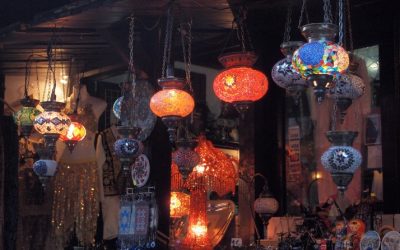
Lighting plays a vital role in enhancing the rich and vibrant ambiance of Moroccan decor. Lanterns and pendant lights are essential elements that bring warmth, character, and a touch of exotic charm to any space. Moroccan lanterns are often crafted from metal and glass, featuring intricate filigree patterns that cast beautiful shadows and create an inviting atmosphere. Pendant lights in Moroccan decor typically showcase bold colors, detailed metalwork, and traditional motifs, adding a unique and artistic element to living rooms, dining areas, or outdoor patios. These lighting fixtures not only illuminate but also serve as decorative focal points, reflecting Morocco’s rich cultural heritage and craftsmanship. Using a combination of lanterns and pendant lights can transform a space into a mosaic of light and shadow, evoking the mystique and allure of Moroccan design.
Candleholders and Lanterns
Lighting plays a crucial role in Moroccan decor, creating a warm and inviting ambiance that captures the essence of North African culture. Candleholders and lanterns are iconic elements that enhance the aesthetic appeal while providing soft, ambient lighting. These pieces often feature intricate metalwork, colorful glass, and traditional motifs, adding a touch of elegance and exotic charm to any space.
Moroccan candleholders are typically made from brass or silver, with detailed patterns that cast beautiful shadows when lit. Lanterns range from small, portable designs to large, elaborate fixtures, often decorated with stained or colored glass panels that diffuse light in mesmerizing ways. Incorporating these lighting accessories into a decor scheme can transform a room, creating a cozy, mystical atmosphere reminiscent of Moroccan souks and riads.
To achieve an authentic Moroccan look, pair candleholders and lanterns with textured textiles, vibrant rugs, and decorative ceramics. Layering different types of lighting helps bring depth and warmth, making the space feel both luxurious and inviting. Whether used as focal points or subtle accents, Moroccan lighting elements contribute significantly to a distinctive and culturally rich decor style.
Use of Colored Glass and Mosaic Glasswork
Lighting plays a vital role in Moroccan decor, creating an ambiance that is both warm and inviting. Traditional Moroccan lighting fixtures often feature intricate designs, incorporating colorful glass and mosaic glasswork to add vibrancy and character to any space. These elements not only illuminate a room but also serve as decorative art pieces, reflecting the rich cultural heritage of Morocco.
Colored glass is commonly used in Moroccan lanterns and lamps, casting beautiful, multicolored shadows that enhance the overall atmosphere. Mosaic glasswork, characterized by detailed geometric patterns, is often embedded into light fixtures, infusing them with a sense of craftsmanship and artistry. Together, these materials foster a captivating interplay of light and shadow, enriching the aesthetic appeal of Moroccan interiors.
- Use of colorful glass in lanterns and lamps creates lively, dynamic lighting effects, making spaces feel warm and exotic.
- Mosaic glasswork involves assembling small pieces of colored glass into intricate patterns, often inspired by Islamic art and geometry.
- Lighting fixtures decorated with mosaic and colored glass serve as focal points, adding a touch of opulence and cultural richness.
- The combination of vibrant hues and detailed craftsmanship exemplifies the Moroccan commitment to artistry and tradition in interior decor.
- Effective use of Moroccan lighting helps to emphasize architectural features and create a cozy, inviting environment reminiscent of traditional Moroccan riads and souks.
Accessories and Decorative Items
Accessories and decorative items play a vital role in enhancing the beauty and character of Moroccan decor. These elements bring warmth, color, and a touch of tradition to any space, transforming it into a captivating oasis of style. From intricate lanterns to ornate rugs, Moroccan accessories embody a rich cultural heritage and artistic craftsmanship that add depth and personality to interior design.
Ceramic Vases and Pottery
Moroccan decor is renowned for its vibrant accessories and decorative items that add a touch of exotic elegance to any space. Among these, ceramic vases and pottery are essential elements that showcase the country’s rich artistic heritage and craftsmanship.
- Moroccan ceramic vases are characterized by intricate patterns, bold colors, and detailed motifs that reflect the country’s Moorish influence.
- Pottery in Morocco often features traditional geometric designs and is handmade using centuries-old techniques passed down through generations.
- These decorative items serve as both functional pieces and artistic displays, perfect for enhancing living rooms, patios, or outdoor spaces.
- Accessories such as brass or silver tray tables, lanterns, and embroidered textiles complement ceramic vases, creating a cohesive Moroccan ambiance.
- The use of glazed ceramics with vibrant glazes, often in blue, green, and yellow hues, exemplifies the aesthetic appeal of Moroccan pottery.
- Many pottery items are handcrafted, making each piece unique and adding a personalized touch to your interior decor.
Traditional Masks and Wall Hangings
Morocco decor is renowned for its vibrant and intricate accessories and decorative items that add a touch of exotic elegance to any space. Traditional masks, often handcrafted with detailed designs and bright colors, serve as striking art pieces that embody cultural stories and spiritual symbolism. Wall hangings in Moroccan decor typically include ornate tapestries, embroidered textiles, and carved wooden panels, each reflecting the rich artisan heritage of the region. These elements combine to create a warm, inviting atmosphere filled with patterns, textures, and colors that evoke the mystique and beauty of Moroccan tradition.
Silver and Brass Trays and Bowls
Morocco decor is renowned for its rich, vibrant aesthetic that combines traditional craftsmanship with intricate designs. Accessories and decorative items such as silver and brass trays and bowls play a vital role in creating an authentic Moroccan ambiance. These pieces often feature detailed engravings and elaborate patterns that reflect the country’s artistic heritage. Silver trays are commonly used for serving tea or displaying decorative items, adding a touch of elegance and cultural authenticity to any space. Brass items, with their warm glow and intricate detailing, are perfect for accentuating coffee tables, sideboards, or wall displays. Incorporating these items into your décor brings a sense of craftsmanship, history, and exotic charm that is characteristic of Moroccan interiors.
Modern Moroccan Decor Trends
Modern Moroccan decor trends seamlessly combine traditional Moroccan aesthetics with contemporary design elements, creating spaces that are vibrant, warm, and inviting. This style often features intricate patterns, rich textures, and bold colors, reflecting Morocco’s rich cultural heritage. As homeowners and designers seek to infuse their interiors with a touch of exotic elegance, modern Moroccan decor continues to evolve, embracing minimalist influences while retaining its distinctive charm.
Fusion of Traditional and Contemporary Styles
Modern Moroccan decor trends beautifully blend traditional craftsmanship with contemporary design, creating spaces that are both vibrant and sophisticated. This fusion emphasizes the rich cultural heritage of Morocco through intricate patterns, textured textiles, and handcrafted accessories, while incorporating sleek lines and modern color palettes to achieve a balanced aesthetic. The use of bold colors like turquoise, burnt orange, and gold paired with neutral tones helps in creating an inviting and dynamic environment. Popular elements include Moroccan lanterns, mosaic tiles, plush rugs, and embroidered fabrics, which are often combined with minimalist furniture and clean architectural lines. This marriage of old and new not only celebrates Morocco’s artistic legacy but also adapts it to current interior design trends, resulting in decor that is both timeless and contemporary. Ultimately, modern Moroccan decor aims to evoke warmth, luxury, and cultural richness, making every space unique and inspiring.
Sustainable and Eco-Friendly Materials
Modern Moroccan decor trends are embracing sustainability and eco-friendliness by incorporating natural materials and environmentally conscious designs. This shift reflects a growing desire to balance traditional Moroccan aesthetics with modern sustainability values, creating spaces that are both beautiful and eco-conscious.
- Use of Reclaimed Wood: Incorporating reclaimed wood in furniture and decor items adds rustic charm while reducing demand for new timber, supporting environmental conservation.
- Natural Fiber Textiles: Fabrics made from jute, sisal, or hemp are popular for rugs, cushions, and curtains, offering durability and eco-friendliness.
- Eco-Friendly Paints and Dyes: Modern Moroccan interiors favor low-VOC paints and natural dyes derived from plant extracts, minimizing harmful emissions and chemicals.
- Materials Like Clay and Adobe: Traditional materials like clay and adobe are being revived for walls and accessories, promoting natural insulation and sustainability.
- Incorporation of Greenery: Potted plants and vertical gardens not only enhance decor but also improve indoor air quality and promote eco-awareness.
Minimalist Moroccan Accents
Modern Moroccan decor trends seamlessly blend traditional craftsmanship with contemporary aesthetics, creating vibrant yet sophisticated interiors. Minimalist Moroccan accents emphasize clean lines and neutral color palettes, allowing intricate details like geometric tiles and ornate lanterns to stand out as focal points. Incorporating natural materials such as wood, leather, and textured fabrics enhances the warm, inviting atmosphere characteristic of Moroccan design. This fusion of simplicity and cultural richness results in versatile spaces that celebrate heritage while embracing modern elegance.



0 Comments