
Climate Overview in Morocco During December
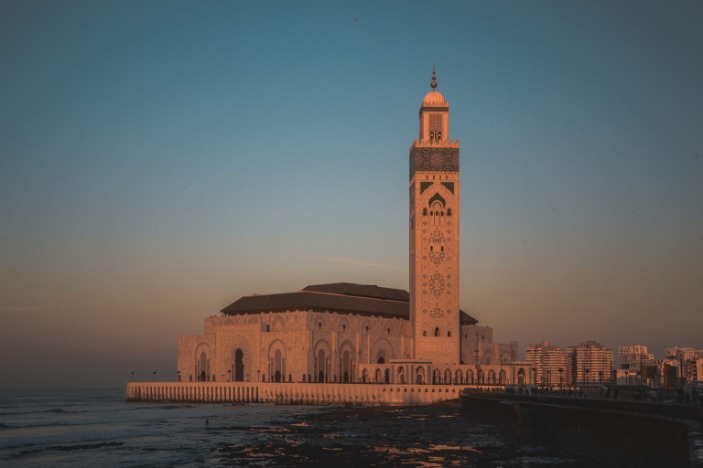
December in Morocco marks the transition into winter, bringing cooler temperatures and varied weather across the country. While the coastal regions tend to enjoy mild and more temperate conditions, the inland and mountainous areas experience colder temperatures and increased precipitation. This period offers a unique climate landscape, making it an interesting time for travelers and locals alike to explore Morocco’s diverse environment. Understanding the climate during December helps in planning activities and ensuring proper preparation for the winter season.
Temperature Range
In December, Morocco experiences a mild winter climate with varying temperatures across different regions. Coastal areas tend to be quite temperate, while inland and mountainous regions can be significantly cooler, sometimes experiencing cold weather and even snow. The temperature range during this month typically spans from cool mornings and evenings to more moderate daytime temperatures.
- Coastal regions, such as Casablanca and Rabat, see daytime temperatures ranging from 15°C to 20°C (59°F to 68°F), with evenings cooling down to around 8°C to 12°C (46°F to 54°F).
- Inland cities like Marrakech experience warmer daytime temperatures, often between 18°C and 22°C (64°F to 72°F), but evenings can become quite cool, dropping to 8°C to 12°C (46°F to 54°F).
- At higher altitudes in the Atlas Mountains, temperatures can fall below freezing, with daytime highs around 10°C (50°F) and nighttime lows often below 0°C (32°F), sometimes experiencing snowfall.
Average Daily Temperatures
In December, Morocco experiences a mild and diverse climate across different regions. Average daily temperatures typically range from 10°C to 20°C, making it a comfortable time for travel and outdoor activities. Coastal areas like Casablanca and Rabat tend to be warmer, with temperatures staying closer to the upper end of this range. In contrast, inland cities such as Marrakech and Fez can experience cooler temperatures, especially during early mornings and evenings, sometimes dropping below 10°C. The Atlas Mountains may see colder temperatures, with potential snowfall at higher altitudes, providing a winter wonderland for visitors interested in snow sports. Overall, December presents a cool yet generally pleasant climate for exploring Morocco’s rich cultural sites and natural landscapes.
Temperature Variations by Region
During December, Morocco experiences a diverse climate that varies significantly across different regions. In general, the country transitions into winter, with cooler temperatures and occasional rainfall, especially in the northern and mountainous areas. Coastal regions tend to have milder and more stable weather, making it a comfortable destination during this time. Meanwhile, the interior and desert regions can experience more pronounced temperature fluctuations, with cooler nights and milder daytime temperatures. The Atlas Mountains often see snowfall, attracting winter sports enthusiasts. Overall, December weather in Morocco offers a wide range of climatic conditions depending on the region, influencing travel plans and outdoor activities.
Nighttime Temperatures
During December in Morocco, nighttime temperatures generally decrease significantly compared to daytime temperatures, creating a cool to cold atmosphere across the country. In the inland regions and cities like Marrakech and Fes, nighttime temperatures often range between 5°C and 10°C, providing a crisp and refreshing environment. In the mountainous areas, such as the Atlas Mountains, temperatures can drop below freezing, sometimes reaching around -2°C to 2°C, especially at higher elevations. Coastal areas along the Atlantic Ocean tend to have milder nights, with temperatures typically remaining above 10°C, offering slightly warmer conditions. Overall, December nights in Morocco reflect the transition into winter, with significant variability depending on the region and elevation.
Regional Weather Conditions
Morocco in December experiences a diverse range of weather conditions influenced by its varied landscape. From the cooler temperatures in the mountains to milder coastal climates, understanding the regional weather patterns is essential for travelers and residents alike. This month marks a transitional period, bringing both winter chills and mild coastal breezes across different parts of the country.
Atlas Mountains
In December, the weather conditions in the Atlas Mountains of Morocco can be quite diverse due to their extensive range and varied elevation. Visitors should prepare for cold temperatures and the possibility of snowfall, especially at higher altitudes, which transforms the region into a winter wonderland. The lower slopes and surrounding valleys generally experience milder and wetter conditions during this month.
- Temperature: During December, daytime temperatures in the Atlas Mountains typically range from 5°C to 12°C (41°F to 54°F), but can drop significantly at night, often falling below freezing.
- Snowfall: Higher elevations, particularly above 2,000 meters, frequently receive snow, making it a popular time for winter sports like skiing and snowboarding.
- Precipitation: December tends to be one of the wetter months in the region, with increased rainfall contributing to lush landscapes in the lower parts and snow in the higher altitudes.
- Conditions for Travelers: The weather can be challenging for outdoor activities, with cold temperatures, snow-covered roads, and occasional storms. Proper gear and caution are advised for travelers venturing into the mountains.
Sahara Desert
In December, Morocco experiences a variety of weather conditions influenced by its diverse geography, especially in regions near the Sahara Desert. The Sahara in Morocco remains extremely hot during the day, with temperatures often surpassing 20°C (68°F), but nights can be surprisingly cold, sometimes dropping below freezing. The desert area is characterized by clear skies and minimal rainfall, creating a dry and arid climate typical of desert environments. While coastal and mountainous areas may enjoy cooler and more moderate temperatures, the Sahara region maintains its intense heat during the daytime and cold nights. Travelers heading to Morocco in December should be prepared for these temperature fluctuations and the dry, sunny conditions prevalent in the Sahara vicinity.
Coastal Regions
In December, Morocco’s coastal regions experience unique weather conditions influenced by their proximity to the Atlantic Ocean and the Mediterranean Sea. These coastal areas typically enjoy milder temperatures compared to inland regions, making them more suitable for outdoor activities during winter.
- Temperatures generally range from 10°C to 20°C, providing a cool but comfortable climate.
- Humidity levels are higher along the coast, often resulting in a damp atmosphere, especially in the mornings and evenings.
- Rainfall is more frequent in December, with coastal cities like Casablanca, Rabat, and Tangier seeing increased precipitation, which can lead to occasional storms.
- Winds along the coast tend to be moderate to strong, especially during stormy weather, contributing to the cooler feel of the environment.
- The sea remains relatively warm, around 18°C to 20°C, allowing for some water-based activities, though swimming might be less popular due to the chill.
Overall, December in Morocco’s coastal regions offers a mild yet occasionally rainy climate that attracts visitors looking to escape harsher winter conditions while enjoying the scenic beauty and cultural richness of the area.
Interior Plains
Morocco experiences diverse weather conditions in December, with the Interior Plains remaining relatively mild and temperate during this time of year. The region typically sees cooler temperatures compared to the summer months, with daytime highs ranging from 10°C to 15°C and cooler evenings. Rainfall can be sporadic but is generally minimal in the Interior Plains, contributing to a relatively dry climate. This period offers a comfortable climate for outdoor activities and exploring the natural landscape of Morocco’s interior regions, which are characterized by arid plains and fertile valleys.
Precipitation Patterns
Morocco experiences diverse precipitation patterns in December due to its varied geographical features. The coastal regions and the Atlas Mountains receive significant rainfall, contributing to lush landscapes and improved water resources. In contrast, the inland and desert areas tend to be drier, with minimal precipitation during this time of year. Understanding these patterns is essential for travelers and residents alike to prepare for the weather conditions across different parts of the country in December.
Rainfall in the Coastal Areas
In December, Morocco experiences a variety of precipitation patterns, especially in its coastal areas. These regions typically receive increased rainfall compared to the summer months, due to the influence of winter weather systems. Coastal cities such as Casablanca, Rabat, and Tangier often see frequent rain showers during this time, which helps to sustain the lush greenery of the region. The rainfall is generally moderate to heavy, occurring in episodes that can sometimes lead to localized flooding. These precipitation patterns are vital for agriculture and water resources in Morocco, particularly in maintaining the health of the inland and coastal ecosystems during the winter season.
Snowfall in Mountainous Regions
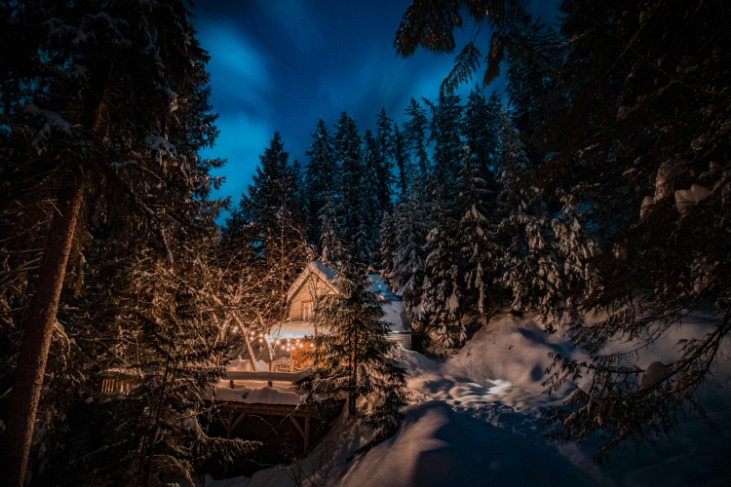
In Morocco, December heralds a transition into cooler weather, especially in mountainous regions where precipitation patterns and snowfall become prominent. These areas typically experience increased rainfall during this month, contributing to the winter weather conditions that define the landscape. Snowfall is common in the High Atlas and Rif Mountains, often covering peaks and valley floors, creating regions ideal for winter sports and tourism. The amount of snowfall varies depending on altitude and weather systems, but generally, higher elevations receive substantial snow accumulation, which influences local ecosystems and water resources. These precipitation patterns are essential for maintaining the region’s biodiversity and ensuring water supply throughout the year, making December a significant period for precipitation and snowfall in Morocco’s mountainous terrains.
Dry Conditions in the Sahara
In December, Morocco experiences a variety of weather conditions, especially in the Sahara region where precipitation patterns tend to be sporadic. The Sahara Desert typically encounters very dry conditions during this time of year, with minimal rainfall and long stretches of clear skies. These dry conditions are influenced by high-pressure systems that dominate the area, preventing moisture from reaching the desert. As a result, the Sahara remains arid, with occasional brief showers that do not significantly impact the overall dryness. For travelers visiting Morocco in December, understanding these precipitation patterns is essential, as the region remains predominantly dry, creating ideal conditions for desert excursions but requiring preparations for arid weather.
Humidity and Wind Conditions
In Morocco during December, understanding humidity and wind conditions is essential for planning outdoor activities and travelers. These factors significantly influence the climate, comfort levels, and overall weather experience across different regions. Moisture in the air and wind patterns can vary greatly, shaping the atmosphere and weather patterns in the country during this winter month.
Humidity Levels Across Regions
In Morocco during December, humidity and wind conditions vary significantly across different regions, influencing the overall climate and weather experiences. Coastal areas such as Casablanca, Rabat, and Essaouira tend to have higher humidity levels due to their proximity to the Atlantic Ocean, often resulting in a moist and slightly damp atmosphere. These regions may experience breezy conditions with moderate to strong winds, especially along the coastline, which can bring refreshing air but also occasional fog or mist. In contrast, inland regions like Marrakech and Fez generally have lower humidity levels, resulting in a drier atmosphere with clearer skies. Winds in these areas tend to be less intense but can still pick up during certain periods, contributing to the cool and crisp winter air. Overall, understanding the regional differences in humidity and wind conditions in Morocco in December helps in planning suitable clothing and outdoor activities for travelers and residents alike.
prevailing Winds and Their Effects
In December, Morocco’s weather is significantly influenced by humidity and wind conditions, which vary across different regions. Coastal areas, such as Casablanca and Marrakech, tend to experience higher humidity levels due to their proximity to the Atlantic Ocean, resulting in mild, damp mornings and cooler evenings. Inland and desert regions, like Merzouga and Ouarzazate, usually have lower humidity, leading to dry, crisp air and cooler temperatures at night.
Prevailing winds in Morocco during December predominantly originate from the Atlantic Ocean and the Mediterranean Sea. The Atlantic breezes bring moist air inland, affecting the coastal climate with increased humidity and occasional rainfall, especially in the northwest. Conversely, wind from the Sahara, though less frequent, can bring hot, dry conditions to the eastern and southern parts of the country, though this is less prominent in winter.
These prevailing winds play a crucial role in shaping Morocco’s weather patterns in December. The moist Atlantic winds contribute to a wetter season along the coast, often bringing rain that enhances the lushness of the region. Meanwhile, the mountain ranges, such as the Atlas Mountains, act as barriers that lift moist air, leading to orographic rainfall and cooler temperatures at higher elevations. Overall, wind conditions in December create a diverse climate landscape, from damp coastal zones to dry desert interiors, influencing daily weather and local climates across Morocco.
Outdoor Activities and Weather Suitability
Morocco in December offers a unique array of outdoor activities, from exploring vibrant markets to trekking through scenic mountains. However, understanding the weather conditions during this time is essential for planning enjoyable and safe adventures. With a variety of climates across the region, knowing which outdoor pursuits are suitable for December weather can help travelers make the most of their visit.
Trekking and Mountain Climbing
Morocco in December offers a diverse climate that influences outdoor activities such as trekking and mountain climbing. With cooler temperatures and occasional rainfall, especially in the northern regions and mountain areas, it’s essential to consider weather conditions when planning adventures. Coastal cities like Casablanca and Marrakech tend to have mild, pleasant weather suitable for outdoor exploration, while the Atlas Mountains experience colder temperatures and possible snow, creating ideal conditions for winter trekking and climbing. Proper gear and preparation are vital to enjoy these activities safely and comfortably during this month.
Desert Safaris
Morocco in December offers a unique opportunity for desert safaris, though weather conditions vary across regions. In the Sahara Desert, daytime temperatures are typically mild and pleasant, making it suitable for outdoor activities such as camel riding, dune trekking, and camping under the stars. However, evenings can be quite cold, so travelers should prepare with warm clothing to stay comfortable. The clear skies and dry weather generally provide ideal conditions for exploring the vast desert landscape. It is advisable to check local weather forecasts before planning a desert safari to ensure safe and enjoyable outdoor experiences during this time of year.
Beach and Coastal Activities
In Morocco during December, the weather varies across regions, making it suitable for a range of outdoor activities, especially along the coast and beaches. Coastal areas like Essaouira, Agadir, and Casablanca generally experience mild and pleasant temperatures, often ranging from 12°C to 20°C, with cooler mornings and evenings. These conditions are ideal for beach activities such as sunbathing, swimming, and surfing, as the Atlantic Ocean maintains relatively warm waters compared to other seasons. Visitors can enjoy long walks along scenic shoreline promenades and partake in water sports without the peak summer crowds. In contrast, interior and mountainous regions tend to be cooler and less suitable for typical beach activities, but they offer excellent opportunities for exploring historical sites, hiking, and enjoying Morocco’s diverse landscapes. Overall, December provides a comfortable climate for coastal relaxation and adventure, making it a great time to experience Morocco’s beaches and seaside towns without the intense heat of summer.


0 Comments