
History and Cultural Significance of Leather Morocco
Leather Morocco is a renowned craft deeply rooted in the rich history and vibrant culture of Morocco. Celebrated for its exceptional quality and craftsmanship, Moroccan leather has been a vital part of the country’s artisanal traditions for centuries. This distinctive material not only reflects the country’s historic trading influence but also embodies its cultural identity, showcasing intricate designs and timeless techniques that have been passed down through generations.
Origins of Leather Craftsmanship in Morocco
Leather Morocco has long been an integral part of the country’s rich cultural heritage, symbolizing craftsmanship, tradition, and artisanal skill that has been passed down through generations. The art of leathermaking in Morocco dates back centuries, rooted in the country’s history of trade and craftsmanship in cities such as Fez, Marrakech, and Meknes, where traditional tanneries and workshops thrived.
The origins of leather craftsmanship in Morocco can be traced to ancient times, with influences from Arab, Berber, and Mediterranean cultures shaping the techniques and styles that are still evident today. Moroccans developed unique methods of tanning using natural ingredients such as henna, pomegranate, and mimosa, which not only colored and preserved the leather but also infused it with distinctive textures and scents.
Throughout history, Moroccan leather has been highly prized for its durability, quality, and vibrant dyes. It played a vital role in trade along ancient routes, making Moroccan leather an export commodity that helped introduce Moroccan culture to the wider world. Today, Moroccan leather remains a symbol of the nation’s craftsmanship and cultural identity, celebrated globally for its artistry, heritage, and enduring appeal.
Historical Development of the Moroccan Leather Industry
Leather Morocco, also known as Moroccan leather, has a rich history deeply rooted in the country’s cultural and economic development. It is renowned for its high-quality, durable, and beautifully crafted leather products that reflect centuries of craftsmanship. The origins of Moroccan leather date back to ancient times when traditional tanning methods and skilled artisanship flourished, particularly in cities like Fez and Marrakech, which became famous centers of leather production.
The development of the Moroccan leather industry can be traced to the medieval period, where tanners used natural materials such as plant extracts, indigo, and various minerals for leather processing. These techniques have been passed down through generations, maintaining a strong connection to Morocco’s cultural identity. During the Islamic Golden Age, Morocco gained prominence as a hub for luxury leather goods across Europe and the Middle East, establishing a reputation for excellence and artisanal skill.
Throughout history, Moroccan leather has played a significant role in trade, craftsmanship, and local economies. The industry saw periods of boom, especially during the Islamic and colonial eras, when European markets highly valued Moroccan craftsmanship. In modern times, the industry continues to thrive, combining traditional techniques with contemporary designs, making Moroccan leather a symbol of cultural heritage and artisanal excellence worldwide.
Role of Leather in Moroccan Culture and Traditions
Leather Morocco, renowned for its exquisite craftsmanship and rich history, holds a significant place in the cultural heritage of Morocco. The craft of tanning and producing high-quality leather dates back centuries, with traditional methods passed down through generations. Moroccan leather, especially from cities like Fez and Marrakesh, is celebrated worldwide for its durability, vibrant dyes, and unique textures, making it highly sought after in global markets.
Leather plays an integral role in Moroccan culture and traditions, serving not only as a practical material but also as an artistic medium expressing local identity. It is used extensively in the creation of traditional apparel, such as djellabas and slippers, as well as in the making of decorative items, bags, and furniture. Crafting leather goods is often regarded as a communal activity that fosters social cohesion and preserves cultural heritage. The intricate designs and meticulous processes involved reflect Morocco’s artistic excellence, showcasing the country’s deep-rooted appreciation for craftsmanship and aesthetic beauty.
Types of Leather Produced in Morocco
Morocco is renowned for its high-quality leather production, a tradition that dates back centuries. The country offers a diverse range of leather types, each crafted with unique techniques and skills, making it a leading exporter in the global leather market. From traditional tanned leather to modern finishes, Moroccan leather embodies both craftsmanship and innovation, showcasing the rich heritage of the region.
Vegetable-Tanned Leather
Morocco is renowned for producing high-quality vegetable-tanned leather, a craftsmanship deeply rooted in its tradition. This type of leather is tanned using natural plant materials such as tree bark, leaves, and other organic sources, which gives it a distinct, rich color and a unique, natural scent. Vegetable-tanned leather is valued for its durability, flexibility, and ability to develop a beautiful patina over time, making it ideal for luxury goods such as handbags, wallets, belts, and saddlery. In Morocco, this traditional tanning process is often carried out by skilled artisans who preserve age-old techniques, ensuring the production of authentic and environmentally friendly leather. The result is a sustainable product that embodies Moroccan heritage and craftsmanship in every piece.
Chrome-Tanned Leather
Morocco is renowned for producing a variety of high-quality leather, among which chrome-tanned leather is particularly prominent. Chrome-tanned leather is processed using chromium salts, which give the leather durability, flexibility, and resistance to water and other environmental factors. This method is favored in Morocco due to its efficiency and ability to produce consistent, high-grade leather suitable for numerous applications including footwear, handbags, furniture, and accessories. The chrome-tanning process also allows for a wider range of colors and finishing options, making Moroccan chrome-tanned leather highly sought after in both local and international markets.
Exotic and Specialty Leathers
Morocco is renowned for producing a diverse range of high-quality leathers, including exotic and specialty varieties that are highly valued in the global market. These leathers are crafted using traditional methods that have been refined over centuries, resulting in products that are both unique and luxurious.
- Raw Leather: The foundation for many Moroccan leather products, prepared from locally tanned hides.
- Vegetable-Tanned Leather: A traditional Moroccan method using natural tannins, resulting in durable and eco-friendly leather.
- Goat Leather: Known for its softness and flexibility, often used in fashion accessories and footwear.
- Sheep Leather: Lightweight and supple, ideal for clothing and lining materials.
- Cowhide Leather: Heavy-duty and robust, commonly used for furniture and bags.
Exotic and specialty leathers produced in Morocco include the following:
- Snake Leather: Valued for its unique texture and pattern, often used in luxury accessories.
- Lizard Leather: Known for its intricate scales and durability, favored in high-end fashion items.
- Crocodile Leather: One of the most prestigious exotic leathers, prized for its distinct pattern and strength.
- Ostrich Leather: Recognized for its distinctive quill pattern and softness, commonly used in premium footwear and bags.
- Alligator Leather: Similar to crocodile, distinguished by its pattern and luxurious appeal.
Morocco’s production of exotic and specialty leathers continues to grow, driven by craftsmanship and the demand for unique, luxurious products worldwide.
Key Regions Known for Leather Production
Various regions around the world are renowned for their expertise and rich history in leather production, each contributing uniquely to the global leather industry. These key areas have developed specialized techniques and traditions that set their leather products apart in terms of quality, craftsmanship, and cultural significance. Understanding these regions provides insight into the diverse origins and styles of leather goods enjoyed worldwide.
Fez and the Chouara Tannery
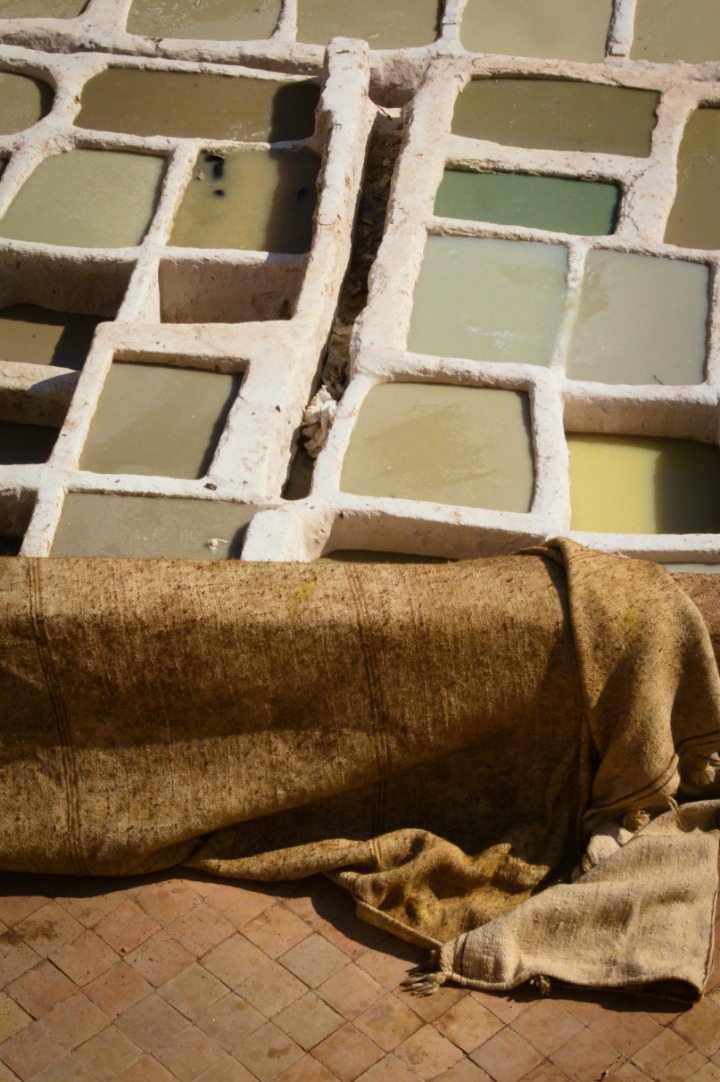
Morocco is renowned worldwide for its high-quality leather production, with several key regions specializing in the craft. Among these, Fez stands out as the most famous city, boasting a storied history in leather craftsmanship that dates back centuries. The city is home to the historic Chouara Tannery, one of the oldest in the world, which has been operational for over a thousand years. The tannery’s processes involve traditional methods, such as using natural dyes and unique curing techniques, making its leather products highly sought after.
Fez’s Chouara Tannery is a major attraction for visitors, offering a glimpse into the ancient art of leatherworking. Here, you can observe workers meticulously preparing leather hides, which are then processed into various products like bags, shoes, and belts. The tannery’s significance extends beyond its economic impact, symbolizing Morocco’s cultural heritage and craftsmanship excellence in leather production.
Marrakech and Its Leather Markets
Morocco is renowned for its rich tradition of leather craftsmanship, with key regions contributing significantly to its global reputation. Among these, Marrakech stands out as a vibrant hub for leather production and trade. The city’s leather markets, particularly the famous Souks, offer an array of high-quality Moroccan leather goods, including bags, shoes, and accessories. These markets are not only bustling centers of commerce but also showcase the intricate artistry and centuries-old techniques used by local artisans. The tanneries around Marrakech, such as the Chouara tannery, are iconic sites where raw hides are processed using traditional methods involving natural dyes and eco-friendly practices. Visitors and buyers from around the world are drawn to Marrakech’s leather markets for their authenticity, craftsmanship, and the opportunity to experience Morocco’s enduring leather heritage firsthand.
Other Notable Leather Producing Areas
Morocco is renowned for its long-standing tradition of leather production, particularly in cities like Fez and Marrakech, where centuries-old tanneries produce high-quality leather renowned worldwide. These regions are celebrated for their craftsmanship and use of natural processes, making Moroccan leather highly valued in global markets. Besides Morocco, several other key regions are notable for their leather production. Italy, especially Tuscany and Florence, is famous for its luxury leather goods and artisanal skills. India, with regions such as Kanpur and Chennai, is one of the largest leather producers globally, supplying a wide range of products. Brazil’s leather industry, concentrated in regions like Minas Gerais and São Paulo, is known for high-quality hides and finished leather products. China also remains a leading producer, with extensive tanning and manufacturing hubs across provinces like Guangdong and Zhejiang. Each of these areas contributes to the diverse and vibrant global leather industry, offering various types of leather suited for fashion, accessories, and industrial use.
Leather Craftsmanship and Techniques
Leather craftsmanship, especially in the context of Morocco, is a revered art form that combines tradition, skill, and creativity. Known for its intricate techniques and high-quality materials, Moroccan leather craftsmanship has been passed down through generations, resulting in stunning leather goods such as bags, wallets, and accessories. The careful processes involved in tanning, carving, and tooling showcase the artisans’ dedication to producing durable and beautiful leather products.
Traditional Tanning Methods
Leather craftsmanship, especially in the context of Moroccan leather, is a highly esteemed art that embodies centuries of tradition and skill. Moroccan leather, renowned for its durability and unique aesthetic, is crafted through meticulous processes that emphasize quality and artistry.
Traditional tanning methods play a crucial role in shaping the distinctive characteristics of Moroccan leather. Vegetable tanning, a prevalent technique, involves soaking hides in natural tannins derived from plant sources such as tree bark, mimosa, and quebracho. This method is environmentally friendly and imparts a rich, warm hue to the leather while enhancing its strength and weather resistance.
Leather artisans in Morocco also employ centuries-old techniques like hand-dyeing using natural dyes, and hand-stretching and drying to ensure even texture and consistent quality. These methods require patience and expertise, as each piece of leather is carefully processed to achieve the desired softness, color richness, and durability. The result is authentic, high-quality Moroccan leather that is highly sought after worldwide for its beauty and resilience.
Tools and Equipment Used in Leather Crafting
Leather craftsmanship, particularly in the art of creating Morocco leather goods, involves a combination of traditional techniques and specialized tools to produce durable and aesthetically pleasing items. Mastering these skills requires an understanding of the materials and the precise methods employed to achieve high-quality results.
Tools and equipment used in leather Morocco crafting include a variety of implements designed for cutting, shaping, and decorating the leather. Common tools encompass blades, punches, stitching needles, and stamping tools, each serving specific functions in the process. Additionally, specialized equipment such as burnishers and edge bevelers help refine the final appearance of the leather items.
- Cutting knives and rotary cutters for precise trimming
- Hammers and mallets to drive punches and stamps
- Round and pricking irons for marking stitch holes
- Awls for piercing and detailed work
- Stitching needles and waxed threads for hand-sewing
- Stamps and tools for embossing and decorating patterns
- Edge bevelers and burnishers to smooth and finish edges
- Leather dye and finishing products for coloring and protection
Design and Decoration Techniques
Leather craftsmanship, particularly in the context of Moroccan leather, is an ancient art that combines skillful techniques and intricate designs to create durable and aesthetically pleasing products. Traditional methods involve tanning, tooling, carving, and dyeing leather to highlight its natural beauty and enhance its functionality. Skilled artisans often spend years perfecting their craft, ensuring each piece reflects a high level of artistry and meticulous attention to detail.
Design and decoration techniques in Moroccan leather are characterized by elaborate patterns, vibrant colors, and detailed embossing. Techniques such as hand-stamping, carving, and burnishing are used to produce intricate motifs inspired by Moroccan culture, including geometric patterns and floral designs. Natural dyes derived from plants and minerals are commonly employed to achieve rich, enduring colors, adding depth and character to each item. These methods not only serve decorative purposes but also strengthen the leather, prolonging its lifespan and enhancing its visual appeal.
Types of Leather Goods Crafted in Morocco
Morocco is renowned for its rich tradition of leather craftsmanship, producing a diverse array of high-quality leather goods that showcase skilled artisanship and timeless style. From intricately designed handbags and wallets to sturdy belts and stylish footwear, Moroccan leather products are celebrated worldwide for their durability and elegance. This vibrant craft heritage combines centuries-old techniques with modern design, making Moroccan leather a symbol of luxury and cultural artistry.
Leather Bags and Wallets
Leather Morocco is renowned for its high-quality craftsmanship and diverse range of leather goods, particularly leather bags and wallets. Moroccan artisans often combine traditional techniques with modern designs to create products that are both functional and stylish. The country’s rich history in leatherworking dates back centuries, making Moroccan leather items highly sought after worldwide.
Leather bags crafted in Morocco come in various styles, including backpacks, shoulder bags, handbags, and clutches. These bags are made from premium Moroccan leather, which is known for its durability and supple texture. Many feature intricate hand-stitched details, decorative motifs, and vibrant colors that reflect Moroccan culture and artistry.
Moroccan wallets also showcase exceptional craftsmanship, ranging from minimalist designs to more ornate versions with detailed embroidery or embossed patterns. They are typically constructed from high-quality leather that ages beautifully over time, making them both practical and luxurious accessories. These wallets are popular as souvenirs and fashion statements, embodying the artistry and tradition of Moroccan leatherwork.
Overall, Moroccan leather goods, especially bags and wallets, exemplify the country’s artisanal heritage, blending centuries-old techniques with contemporary aesthetics to produce timeless pieces admired worldwide.
Footwear and Sandals
Morocco is renowned for its rich tradition of crafting high-quality leather goods, especially in the realm of footwear and sandals. Moroccan leather footwear often combines traditional craftsmanship with unique design elements, showcasing intricate embroidery, vibrant colors, and detailed embossing. Sandals, in particular, are a staple, ranging from simple leather slides to ornate, handcrafted footwear adorned with decorative stitching and embellishments. The use of authentic Moroccan leather, known for its durability and supple texture, ensures that these products are both stylish and long-lasting. These leather goods are highly regarded globally for their craftsmanship, cultural significance, and exceptional quality, making Morocco a premier destination for authentic leather footwear and sandals.
Home Decor Items and Accessories
Leather Morocco is renowned for its diverse range of handcrafted leather goods and home decor items that showcase the country’s rich tradition in leather craftsmanship. Moroccans produce an array of leather products, including handbags, wallets, belts, and shoes, all crafted with high-quality materials and intricate designs. These items often feature traditional motifs and vibrant colors, emphasizing the artistry passed down through generations.
In addition to personal accessories, Morocco excels in creating elegant home decor items such as leather poufs, cushions, wall hangings, and table accessories. These pieces combine functionality with aesthetic appeal, often incorporating Moroccan patterns and textures to add warmth and style to any space. Leather Morocco’s expert artisans integrate cultural elements into their designs, making each item a unique representation of Moroccan heritage.
Environmental and Ethical Aspects of Moroccan Leather Production
Leather production in Morocco is a centuries-old craft celebrated for its quality and craftsmanship, but it also raises important environmental and ethical considerations. The industry significantly impacts local ecosystems through the use of chemicals and water resources, while labor practices raise questions about fair treatment and working conditions. Understanding these aspects is essential to appreciate the full context of Moroccan leather and promote sustainable and ethical practices within the sector.
Sustainable Tanning Practices
Moroccan leather production is renowned globally for its craftsmanship and traditional methods, but it also presents significant environmental and ethical challenges. The tanning processes traditionally used, such as chrome tanning, can lead to substantial chemical waste and water pollution, affecting local ecosystems and communities. The ethical concerns extend to the treatment of animals and the working conditions of laborers involved in the industry. To address these issues, many Moroccan tanneries are increasingly adopting sustainable practices that prioritize environmental stewardship and human rights.
Sustainable tanning practices in Morocco focus on reducing chemical usage and utilizing more eco-friendly agents, such as vegetable tanning, which employs natural tannins from tree bark and other plant materials. This method significantly minimizes harmful effluents and reduces the ecological footprint of leather production. Additionally, implementing water recycling systems, proper waste management, and safer effluent treatment processes are essential steps toward sustainability. Ethical practices also involve ensuring fair wages and safe working conditions for tanners and workers, along with sourcing raw materials responsibly.
By integrating sustainable and ethical strategies, Moroccan leather producers can preserve the country’s rich heritage of leather craftsmanship while mitigating environmental impacts and promoting social responsibility. These efforts not only enhance the reputation of Moroccan leather globally but also contribute to the long-term viability of the industry and the well-being of local communities.
Environmental Impact and Challenges
Moroccan leather production, especially in cities like Fez, is renowned for its traditional craftsmanship and high-quality products. However, it faces significant environmental and ethical challenges that impact both local communities and ecosystems. The tanning process often involves the use of hazardous chemicals such as chromium salts, which can contaminate water sources and soil, posing health risks to workers and residents. Despite efforts to adopt more sustainable practices, many tanneries still rely on outdated methods that contribute to pollution. Ethically, concerns also arise regarding the treatment of workers and the working conditions within some tanneries, where labor rights are not always fully protected. As global awareness of sustainability grows, Moroccan leather producers are increasingly encouraged to adopt eco-friendly dyes, waste management systems, and fair labor practices to minimize environmental damage and uphold ethical standards across the industry.
Fair Trade and Ethical Considerations
Moroccan leather production, particularly from the historic tanneries of Fez and Marrakech, is renowned for its craftsmanship and traditional processes. However, this industry faces significant environmental and ethical challenges. The tanning process often involves the use of hazardous chemicals such as chromium salts, which can cause soil and water pollution, impacting local ecosystems and community health. Ethically, workers in some tanneries may experience poor working conditions, including exposure to toxic substances, inadequate safety measures, and low wages, raising concerns about labor rights and social responsibility. In recent years, there has been a growing movement towards sustainable practices, with initiatives aimed at reducing chemical use, promoting cleaner production methods, and ensuring fair wages and safe working environments. Fair trade certifications and ethical standards are increasingly being adopted by producers committed to transparency, environmental stewardship, and social equity, helping to improve the sustainability and ethical integrity of Moroccan leather products. Consumers are encouraged to seek out products that are certified or labeled as ethically produced to support responsible practices in this traditional industry.
Market and International Trade of Moroccan Leather
Morocco has established a prominent reputation in the global leather industry, known for its high-quality craftsmanship and rich tradition of leather production. The country’s market and international trade of Moroccan leather play a vital role in its economy, highlighting its significance as a key player in the global leather market. With its diverse range of products and strategic trading partnerships, Morocco continues to expand its footprint in international markets, reinforcing its position as a leading leather exporter.
Domestic Market Overview
The Moroccan leather industry is a vital component of the country’s economy, renowned for its high-quality craftsmanship and traditional tanning methods. Morocco’s leather sector primarily focuses on the production of leather goods such as shoes, handbags, and accessories, which are highly valued both locally and internationally. The domestic market for leather products remains steady, driven by a strong tradition of artisanal craftsmanship and increasing demand for locally-made luxury and fashion items. Moroccan consumers favor authentic, hand-crafted leather goods, which sustain a vibrant local industry. The government supports this sector through various initiatives aimed at modernizing production facilities and promoting exports. Overall, Morocco’s leather market demonstrates a balanced blend of tradition and innovation, contributing to economic growth and bolstering the country’s reputation as a key player in international leather trade.
Export Markets and Global Demand
Moroccan leather, renowned for its high quality and artisanal craftsmanship, holds a prominent position in the global leather market. The country’s long-standing tradition of tanneries and leatherwork has established Morocco as a key exporter in the international trade of leather products. Moroccan leather is particularly valued for its durability, unique finishes, and natural tanning methods, which appeal to discerning markets worldwide.
The export markets for Moroccan leather are diverse, with Europe being the primary destination due to proximity, established trade relationships, and a high demand for luxury and artisanal leather goods. Countries such as France, Spain, and Italy are significant importers, benefiting from Morocco’s reputation for sustainable and high-quality leather. North America also represents a growing market, especially in the fashion and accessories sectors, alongside Asia, where there’s increasing demand for exotic and premium leather products.
Global demand for Moroccan leather is driven by factors such as the international fashion industry’s focus on sustainable and ethically sourced materials, as well as a rising interest in handcrafted and luxury accessories. As consumer preferences shift towards environmentally friendly products, Moroccan tanneries, which often employ traditional and eco-friendly tanning processes, have gained a competitive edge. This increasing demand encourages Moroccan leather producers to invest in quality improvements, expand their export capacity, and strengthen partnerships with international buyers, ensuring the continued growth and prominence of Moroccan leather in the global marketplace.
Influence of Tourism on Leather Sales
The Moroccan leather market is a prominent sector within the country’s economy, renowned for its high-quality craftsmanship and traditional tanning techniques. International trade plays a vital role in expanding the reach of Moroccan leather products, with exports reaching European, American, and Asian markets. The country’s leather goods, including handbags, shoes, and accessories, are highly competitive due to their craftsmanship and unique aesthetic, making Morocco a key player in the global leather industry.
Tourism significantly influences leather sales in Morocco, as visitors often seek authentic, locally-made leather products as souvenirs. Tourist areas such as Marrakech and Fez are bustling hubs for leather markets and artisans, where the influx of visitors directly boosts demand. The presence of international tourists creates increased opportunities for local craftsmen to showcase their work, leading to higher sales and the promotion of Moroccan leather craftsmanship globally. This symbiotic relationship between tourism and leather trade sustains the growth of the sector and enhances Morocco’s reputation as a center for quality leather products.
Preservation and Promotion of Moroccan Leather Heritage
Moroccan leather, renowned for its quality and centuries-old craftsmanship, represents a vital aspect of Morocco’s rich cultural heritage. The preservation and promotion of this traditional craft are essential to maintain its authenticity and economic significance. Efforts to safeguard Moroccan leather heritage not only celebrate the nation’s artisanal skills but also support sustainable development and cultural tourism, ensuring that this exquisite craft continues to thrive for future generations.
Craftsmanship Training and Education
The preservation and promotion of Moroccan leather heritage is vital for maintaining a rich cultural legacy and supporting local artisans. Moroccan leather, renowned for its quality and craftsmanship, embodies centuries of tradition that require active efforts to sustain. Initiatives aimed at safeguarding the technique, materials, and designs passed down through generations help ensure this cultural treasure remains vibrant and relevant.
Craftsmanship training and education play a crucial role in the revival and continuity of Moroccan leather artistry. Establishing specialized training centers and apprenticeship programs enables aspiring artisans to learn authentic techniques, from tanning to detailed leatherworking. Educational outreach also raises awareness about the significance of this heritage, fostering pride among younger generations and encouraging new talent to enter the field.
Promoting Moroccan leather involves both local and international efforts, including exhibitions, marketing campaigns, and collaborations with global fashion industries. Such initiatives help elevate the status of Moroccan leather, attracting interest from designers and consumers worldwide. Supporting sustainable practices and fair trade policies further enhance the reputation and longevity of this traditional craft, ensuring that Moroccan leather remains a symbol of cultural identity and economic vitality.
Government and NGO Initiatives
The preservation and promotion of Moroccan leather heritage, particularly the renowned Moroccan leather, are vital efforts that involve collaboration between the government and non-governmental organizations. These initiatives aim to protect traditional craftsmanship, boost local economy, and enhance global recognition of Moroccan leather products.
Government agencies have launched various programs to safeguard ancient tanneries and promote sustainable practices within the leather industry. These include providing financial support, infrastructure development, and training for artisans to ensure the continuity of traditional techniques while adhering to modern environmental standards.
NGOs play a crucial role in advocating for the protection of Moroccan leather heritage by conducting awareness campaigns, supporting artisan cooperatives, and facilitating access to international markets. They also work to preserve the cultural significance of leather craftsmanship through documentation and education initiatives.
- Implementation of sustainable tanning methods to reduce environmental impact.
- Organizing international exhibitions and trade fairs to showcase Moroccan leather products.
- Providing training workshops to young artisans and craftsmen to pass down traditional skills.
- Establishing certifications that recognize authentic Moroccan leather for quality and craftsmanship.
- Supporting community-based projects aimed at revitalizing old tanneries and preserving the cultural landscape.
- Collaborating with global brands to increase the export of Moroccan leather goods.
Challenges and Opportunities for Future Growth
The preservation and promotion of Moroccan leather heritage is vital for sustaining a rich cultural tradition that has been developed over centuries. Moroccan leather, known for its quality and unique craftsmanship, plays a significant role in the local economy and cultural identity. Efforts to protect this heritage involve safeguarding traditional tanning techniques, supporting local artisans, and promoting handmade Moroccan leather products globally. Challenges facing this sector include modern mass production methods, environmental concerns related to traditional tanning processes, and competition from cheaper, mass-produced alternatives. Additionally, the younger generation’s waning interest in traditional crafts poses a threat to the continuity of this heritage.
Despite these challenges, opportunities for future growth are substantial. The global demand for authentic, handcrafted products offers a promising market for Moroccan leather goods. Promoting eco-friendly tanning techniques and investing in sustainable practices can address environmental concerns and enhance the sector’s reputation. Enhancing training programs and entrepreneurship initiatives can empower local artisans, ensuring the transfer of skills to future generations. Furthermore, integrating traditional leather craftsmanship into modern fashion and design sectors can boost visibility and attractiveness of Moroccan leather products, helping to preserve its cultural significance while fostering economic development.



0 Comments