
Overview of Rabat
Rabat is the vibrant capital city of Morocco, blending historical charm with modern development. Known for its rich cultural heritage, scenic coastline, and bustling markets, Rabat serves as both a political and cultural hub of the country. The city offers a unique mix of ancient landmarks and contemporary attractions, making it a fascinating destination for visitors and an important center for Moroccan administration and diplomacy.
Geographical Location and Area
Rabat is the capital city of Morocco, serving as the political and administrative center of the country. It is known for its rich history, vibrant culture, and modern infrastructure. Situated along the Atlantic Ocean, Rabat combines the charm of old-world architecture with contemporary urban development.
Geographically, Rabat is located on the Atlantic coast in the northwestern part of Morocco, near the mouth of the Bou Regreg River. It is strategically positioned between the economic hub of Casablanca and the historic city of Fez, making it an important regional city. The city enjoys a Mediterranean climate with mild, rainy winters and hot, dry summers.
Covering an area of approximately 118 square kilometers, Rabat is relatively compact but densely populated. Its well-planned urban layout includes administrative districts, historical sites, parks, and modern neighborhoods, creating a balanced environment that blends tradition with modernity.
Historical Significance of Rabat
Rabat, the capital city of Morocco, is a vibrant metropolis known for its rich history, modern architecture, and cultural diversity. Situated along the Atlantic Ocean, it serves as the political and administrative center of the country, blending tradition with contemporary development.
The historical significance of Rabat is deeply rooted in its strategic location and its role throughout Moroccan history. The city has been an important political hub and a center of learning and commerce for centuries. Its historical sites reflect centuries of cultural influences, from Arab and Berber roots to colonial periods, making it a fascinating destination for history enthusiasts.
- Founded in the 12th century as a military fortress called Salé, later becoming the site of the city of Rabat.
- Significant during the reign of the Alaouite Dynasty, serving as a site for administrative and military activities.
- Home to the Royal Palace and the Kasbah of the Udayas, which showcase Moroccan architectural heritage.
- Host to important historical events, including treaties and negotiations shaping modern Morocco.
- Recognized as a UNESCO World Heritage site for its well-preserved old medina and cultural monuments.
Administrative and Political Importance
Rabat, the capital city of Morocco, holds significant administrative and political importance in the country. As the central hub for government institutions, diplomatic missions, and administrative offices, Rabat plays a crucial role in shaping national policies and governance. Its strategic location along the Atlantic coast further enhances its prominence as a political center, fostering connectivity and diplomatic relations both domestically and internationally.
Role as Capital City
Rabat, the capital city of Morocco, holds significant administrative and political importance in the country. It serves as the central hub for government institutions, diplomatic missions, and national decision-making processes. As the political heart of Morocco, Rabat hosts the country’s parliament, government ministries, and key official residences, making it a focal point for political activities and governance.
- Acting as the seat of the Moroccan monarchy and government leadership.
- Hosting numerous embassies and consulates representing various countries.
- Playing a crucial role in shaping national policies and legislation.
- Serving as the location for major political events and national celebrations.
- Providing stability and continuity in political affairs by being the administrative center.
Government Institutions and Embassies
Rabat, the capital city of Morocco, holds significant administrative and political importance as the central hub for the country’s government institutions and diplomatic missions. It houses key government offices, including the Royal Palace, the Parliament, and various ministries that oversee national policy, development, and governance. The city serves as the seat of political decision-making, making it vital for the administration of Morocco’s domestic and foreign affairs.
Rabat is also home to numerous embassies and diplomatic missions representing countries around the world. These institutions facilitate diplomatic relations, promote economic and cultural exchanges, and provide consular services to Moroccan citizens abroad. The presence of these international offices underscores Rabat’s role as a diplomatic center and enhances Morocco’s global connectivity.
Historical Background
The capital city of Morocco, Rabat, boasts a rich historical background that reflects the country’s diverse cultural heritage. Throughout the centuries, the city has served as a vital political and administrative center, witnessing various dynasties, invasions, and colonial influences. Its historical sites and architecture reveal a deep connection to Morocco’s ancient past while embracing modern developments. Understanding Rabat’s historical background offers valuable insight into the nation’s evolution and identity.
Origins and Early History
Rabat, the capital city of Morocco, has a rich historical background rooted in ancient and medieval times. Its origins date back to the 12th century when the Almohad Caliphate established a military fortress called Ribat al-Fath, which served as a defensive stronghold along the Atlantic coast. This early settlement evolved over the centuries into a significant center for trade and political activity. During the 12th and 13th centuries, Rabat expanded as a fortified city, experiencing periods of prosperity under various dynasties. The merging of indigenous Berber influences with Arab and Islamic cultures shaped its early identity, with notable constructions like the Kasbah of the Udayas and ancient walls reflecting its strategic importance. Throughout the Middle Ages, Rabat remained an essential outpost, gradually developing into a prominent administrative and religious hub in the region. Its early history is marked by resilience and growth, laying the foundation for its modern status as Morocco’s political and administrative capital.
Evolution Through the Centuries
The city of Rabat has served as the capital of Morocco for many centuries, with its historical roots tracing back to ancient times. Originally known as Chellah, the area was a Phoenician and later Roman settlement, reflecting its strategic importance along trade routes. During the Islamic period, it became a significant city under various dynasties, evolving into a prominent administrative and military center. In the 12th century, the Almohads established Rabat as a fortified city, significantly shaping its architectural and political landscape.
Throughout the centuries, Rabat experienced numerous developments, especially during the Marinid and Alaouite dynasties, when it expanded and strengthened its infrastructure. The city remained largely a military and administrative hub until Morocco gained independence in the 20th century. In 1912, Rabat was officially designated as the capital under the French protectorate, replacing Fez and Marrakesh, to serve as a centrally located administrative seat. Since then, Rabat has continued to evolve, blending its rich historical heritage with modern urban development, establishing itself as the political and cultural heart of Morocco today.
Cultural Heritage and Landmarks
Morocco’s capital city, Rabat, is a remarkable blend of historical significance and vibrant modernity, showcasing a rich cultural heritage that dates back centuries. Renowned for its historic landmarks, ancient medinas, and iconic architecture, Rabat offers a glimpse into the country’s storied past and evolving identity. These landmarks not only symbolize Morocco’s cultural diversity but also serve as a testament to its enduring traditions and traditions that continue to shape its future.
Historical Sites and Monuments
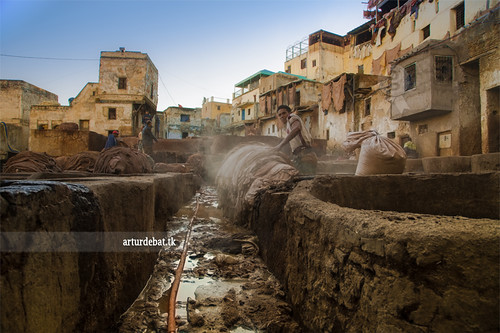
Rabat, the capital city of Morocco, is a remarkable blend of rich cultural heritage and historical landmarks that showcase the country’s diverse history. The city features a variety of historical sites and monuments that attract visitors from around the world. Among these, the Kasbah of the Udayas stands out as a UNESCO World Heritage site, offering stunning views of the Atlantic Ocean and a glimpse into Morocco’s Islamic past. The Hassan Tower, an unfinished minaret from the 12th century, symbolizes the grandeur of medieval Moroccan architecture. The Royal Palace and its surrounding gardens further highlight Rabat’s importance as a center of political and cultural history. These landmarks serve as a testament to Morocco’s vibrant history and its ongoing respect for preserving its cultural heritage. Exploring Rabat’s historical sites provides a unique insight into the nation’s past, fostering a stronger connection to its cultural identity.
Museums and Art Galleries
Rabat, the capital city of Morocco, is a rich tapestry of cultural heritage and historic landmarks. It boasts a blend of ancient and modern influences, with iconic sites such as the Kasbah of the Udayas, which offers panoramic views of the Atlantic Ocean and showcases traditional Moroccan architecture. The city is also home to numerous museums and art galleries that celebrate its diverse history and vibrant artistic scene. The Mohammed VI Museum of Modern and Contemporary Art stands out as a prominent cultural institution, highlighting contemporary Moroccan artists alongside international exhibits. Additionally, the National Museum of Morocco houses renowned archaeological artifacts, manuscripts, and traditional crafts, providing insight into the country’s storied past. Overall, Rabat embodies Morocco’s deep cultural roots while evolving as a hub for artistic expression and historical preservation.
Economy and Infrastructure
Morocco’s capital city, Rabat, plays a vital role in the nation’s economy and infrastructure development. The city serves as a political and administrative hub, fostering economic growth through various industries and modern facilities. Its well-developed infrastructure supports both local commerce and international connections, making Rabat a key player in Morocco’s economic landscape.
Major Economic Activities
The economy and infrastructure of Rabat, the capital city of Morocco, are pivotal to the nation’s development. As a political and administrative hub, Rabat hosts numerous government offices, foreign embassies, and international organizations, contributing to its economic stability. The city benefits from well-developed infrastructure, including modern roads, transportation networks, and communication facilities, which support both commerce and daily life.
Major economic activities in Rabat include government services, education, and tourism. The city is home to several universities and research institutions, fostering an educated workforce. Tourism plays a significant role, with visitors attracted to historical sites, mosques, and cultural landmarks. Additionally, Rabat’s port facilitates maritime trade, supporting imports and exports that bolster the local economy. The combination of robust infrastructure and diverse economic activities makes Rabat a vital economic center in Morocco.
Transportation Networks
Rabat, the capital city of Morocco, boasts a developing economy supported by diverse sectors including government services, commerce, and tourism. The city plays a vital role in the national economy, serving as a hub for political administration and business activities. Infrastructure development has been a key focus, with investments aimed at improving public services and urban amenities to foster economic growth.
Transportation networks in Rabat are well-established, facilitating smooth connectivity within the city and to other regions. The city features an extensive road system, including major highways that link Rabat to Casablanca, Fez, and other key cities. The Rabat-Salé Tramway offers a modern transit option, enhancing urban mobility. Additionally, the city is served by the Rabat Airport, which connects it to international destinations, supporting tourism and commerce. Overall, Rabat’s infrastructure investments continue to enhance its status as a key economic and political center in Morocco.
Demographics and Population
Understanding the demographics and population of a city provides valuable insight into its cultural diversity, economic activity, and social structure. As the capital city of Morocco, Rabat boasts a dynamic population that reflects the country’s rich history and evolving modern identity. Analyzing demographic trends helps illuminate the city’s growth, urbanization patterns, and the diverse communities that make Rabat their home.
Population Size and Distribution
Morocco’s capital city, Rabat, is a significant center for governance, culture, and history within the country. Its demographics and population distribution reflect both its historical importance and modern development trends.
- Rabats’s population is approximately 580,000 residents, making it the seventh largest city in Morocco. The broader metropolitan area has a population of over 1 million, including surrounding suburbs.
- The population is ethnically diverse, with the majority being Arab-Berbers, alongside smaller communities of Europeans and other ethnic groups.
- Young people under the age of 25 make up a significant portion of the population, indicative of a youthful demographic.
- Population density varies across the city, with the central districts being more densely populated, while suburban areas have lower density levels.
- Rabat’s population distribution is influenced by administrative zones, with key districts like Agdal and Hay Riad experiencing rapid growth due to urban development and infrastructure expansion.
Cultural Diversity
Rabat, the capital city of Morocco, is characterized by its diverse demographics and rich cultural tapestry. The population of Rabat includes a mix of ethnic groups, primarily Arabs and Berbers, alongside other communities that have settled over centuries. This diversity is reflected in the city’s cultural expressions, traditions, and language use, making Rabat a vibrant and dynamic urban center.
The demographic composition of Rabat contributes significantly to its cultural diversity. It boasts a mix of young and elderly residents, with a growing expatriate community and students attending prestigious institutions such as Mohammed V University. The city also attracts people from various regions of Morocco, adding to the cultural richness of the area.
Morocco’s official languages, Arabic and Berber (Amazigh), are widely spoken in Rabat, often alongside French due to historical influences. This multilingual environment underscores the city’s status as a cultural crossroads, hosting a variety of traditions, festivals, and culinary practices that showcase its diverse heritage.
- Mix of Arab and Berber ethnic groups with historical influences from other communities.
- Languages spoken include Arabic, Berber, and French, reflecting cultural and colonial history.
- Population includes young students, professionals, and expatriates contributing to multiculturalism.
- Annual festivals and events celebrate a range of cultural traditions from different groups.
Education and Learning Institutions
Morocco’s capital city, Rabat, is home to a variety of esteemed education and learning institutions that play a vital role in the country’s academic landscape. These institutions range from historic universities to modern research centers, fostering an environment of knowledge and innovation. As a center of cultural and intellectual growth, Rabat offers numerous opportunities for students and scholars to pursue higher education and advanced studies.
Universities and Colleges
The capital city of Morocco is Rabat, which is a prominent center for education and learning institutions in the country. Rabat hosts a variety of universities and colleges that offer diverse programs in arts, sciences, technology, and humanities. These institutions play a vital role in shaping the academic and professional landscape of Morocco, attracting students from across the nation and beyond. Among the notable universities is Mohammed V University, known for its extensive research facilities and comprehensive academic offerings. Additionally, Rabat features specialized colleges and institutes that focus on engineering, law, business, and social sciences, contributing to the development of skilled professionals to support Morocco’s growth and modernization efforts. Education in Rabat emphasizes both local relevance and international standards, making the city a hub for academia and innovation in the region.
Research Centers and Libraries
Rabat, the capital city of Morocco, is a vibrant hub for education and learning institutions, research centers, and libraries that contribute to the country’s intellectual and cultural development. The city is home to several prestigious universities, including the University of Rabat and Mohammed V University, which offer a wide range of academic programs and foster research across various disciplines.
Research centers in Rabat play a critical role in addressing national and regional issues, such as environmental sustainability, economics, and social sciences. Notable institutions include the Moroccan Institute for Scientific and Technical Research and the National Center for Scientific and Technical Research, which promote innovation and technological advancement.
Libraries in Rabat provide valuable resources for students, scholars, and the general public, supporting knowledge dissemination and lifelong learning. The National Library of the Kingdom of Morocco is a prominent institution that houses an extensive collection of manuscripts, books, and archives, serving as a vital cultural and educational resource for the city and the country at large.
Tourism in Rabat
Rabat, the vibrant capital of Morocco, offers a unique blend of history, culture, and modernity that attracts travelers from around the world. Known for its picturesque coastlines, historic landmarks, and lively streets, Rabat provides a captivating experience for visitors seeking to explore the rich heritage of Morocco. As a hub of political and cultural activity, the city showcases a diverse array of attractions that highlight its importance and charm.
Popular Tourist Attractions
Rabat, the capital city of Morocco, offers a fascinating blend of historical heritage and modern attractions, making it an ideal destination for travelers exploring the country’s rich culture and history.
- Kasbah of the Udayas: This ancient fortress and its vibrant neighborhoods provide stunning views of the Atlantic Ocean and feature traditional Moroccan architecture.
- Hassan Tower: An iconic and unfinished minaret from the 12th century, surrounded by beautiful gardens and a mosque, symbolizing Rabat’s medieval history.
- Moorish Medina: The old town area bustling with markets, narrow streets, and traditional souks where visitors can shop for crafts, spices, and textiles.
- Ceremonial Grounds of the Royal Palace: While the palace itself is not open to the public, the exterior grounds are impressive and are often used for official ceremonies.
- Rabat Archaeological Museum: Showcasing artifacts from Morocco’s ancient past, providing insight into the country’s historical legacy.
- Tour Hassan Park: A spacious green area offering panoramic views of the city and a peaceful environment for visitors to relax.
Annual Festivals and Events
Rabat, the capital city of Morocco, is a vibrant destination that combines historical charm with modern allure. Visitors can explore its rich cultural heritage through numerous festivals and events held throughout the year. These festivals showcase Moroccan traditions, music, dance, and cuisine, making Rabat a lively hub for cultural exchange and celebrations.
Annual festivals and events in Rabat include:
- Rabat International Festival of Culture and Arts – Celebrates global and Moroccan artists with performances, exhibitions, and workshops.
- Mawazine – An internationally renowned music festival featuring performances by famous artists from around the world.
- Cherry Festival – Held in the nearby region, celebrating the cherry harvest with local markets, food stalls, and cultural displays.
- Fête de la Jeunesse – Nationwide celebration of youth and national pride, marked by parades, concerts, and cultural displays in Rabat.
- International Film Festival – Showcases Moroccan and international films, drawing cinephiles and industry professionals alike.
These events reflect Morocco’s diverse cultural traditions and attract numerous visitors each year, contributing to Rabat’s reputation as a vibrant and culturally rich capital city.




0 Comments