
Geography of Morocco
Morocco is a diverse country located in the northwestern corner of Africa, featuring a rich and varied geography. It is bordered by the Atlantic Ocean and the Mediterranean Sea, offering extensive coastlines. The landscape includes rugged mountain ranges such as the Atlas and Rif Mountains, vast deserts like the Sahara, and fertile plains. This diverse terrain greatly influences the climate, culture, and agriculture of Morocco, making it a unique and fascinating country to explore.
Location and Borders
Morocco is a country located in the northwestern corner of Africa, known for its diverse geography and strategic position. It is bordered by the Atlantic Ocean to the west, providing it with extensive coastlines, and the Mediterranean Sea to the north, which connects it to Europe and the broader Mediterranean region. To the east and southeast, Morocco shares land borders with Algeria, while it is separated from Western Sahara by the Moroccan Western Sahara Wall, a defensive structure. Additionally, the country has a maritime boundary with Spain through the enclaves of Ceuta and Melilla on the northern coast. Morocco’s geographic location makes it a bridge between Africa, Europe, and the Middle East, contributing to its rich cultural diversity and geopolitical significance.
Climate and Topography
Morocco is a country located in the northwestern corner of Africa, characterized by diverse geography and climate. Its varied landscape includes mountain ranges, deserts, plains, and coastlines, creating a rich environment that influences its climate and habitation patterns.
The topography of Morocco is highly diverse. The Atlas Mountains run across the central part of the country, featuring the High Atlas with Mount Toubkal, the highest peak in North Africa. To the north, the Rif Mountains extend along the Mediterranean coast. The eastern region includes the Moroccan Desert, part of the larger Sahara Desert, which covers much of the southeastern area. The Atlantic coast is lined with fertile plains and beaches, providing significant agricultural and economic resources.
The climate of Morocco varies from Mediterranean in the north and along the coast, characterized by mild, wet winters and hot, dry summers, to more arid and desert-like in the interior and southern regions. The coastal areas experience moderate temperatures due to the influence of the Atlantic Ocean, while the interior highlands can have more extreme temperature fluctuations. The Sahara in the southeast experiences very high temperatures during the day and cooler nights, with minimal rainfall throughout the year.
- Located at the intersection of Africa, Europe, and the Middle East, Morocco’s geography influences its diverse climate zones.
- The Atlas Mountains act as a barrier, creating distinct climate variations between the coastal regions and the interior deserts.
- The coastal plains promote Mediterranean-type agriculture, while the interior desert areas are primarily affected by arid conditions.
- The Sahara Desert in the southeast contributes to extreme temperatures and low precipitation levels.
Natural Resources and Landscapes
Morocco is a country located in North Africa, distinguished by its diverse landscapes and abundant natural resources. It is bordered by the Atlantic Ocean and the Mediterranean Sea, offering extensive coastlines that contribute to its maritime activities and climate diversity. The country’s geography is characterized by a mix of rugged mountains, fertile plains, vast deserts, and lush woodlands, making it one of the most geographically varied regions in Africa.
The Atlas Mountains run through central Morocco, forming a major mountain range that influences weather patterns and local climates. The Sahara Desert covers the southeastern part of the country, creating arid conditions and unique desert landscapes that attract tourism and support desert agriculture. The coastal plains along both the Atlantic and Mediterranean coasts provide fertile grounds for farming and have significant urban populations.
Morocco is rich in natural resources, including phosphates, which are among the top in the world and vital for fertilizer production. It also has significant deposits of minerals such as lead, zinc, and copper. Additionally, the country produces seafood, hydrocarbons, and various agricultural products like olives, citrus fruits, and grains, which are essential for both local consumption and export markets.
Water resources are vital to Morocco’s agriculture and industry. The country has several major rivers, including the Sebou, Tensift, and Draa, which irrigate fertile lands and support diverse ecosystems. Conservation and sustainable management of these resources are crucial for the country’s development given its varied terrains and climatic zones.
History of Morocco
Morocco is a country with a rich and diverse history that dates back thousands of years. Throughout its centuries-long past, it has been a crossroads of civilizations, influenced by Arab, Berber, Roman, and French cultures. From ancient dynasties to modern independence, Morocco’s history is marked by remarkable achievements and resilient traditions that continue to shape its identity today.
Ancient Civilizations
Morocco is a country with a rich and diverse history that dates back to ancient times. It was home to some of the earliest human settlements in North Africa, with evidence of human habitation dating back over 300,000 years. The region was part of ancient civilizations such as the Berbers, who are considered one of the oldest indigenous peoples of North Africa, and the Phoenicians, who established trading colonies along the Mediterranean coast around 1100 BCE. Later, it became a significant part of the Carthaginian Empire before falling under Roman control in the first century BCE, integrating into the broader Roman Empire as the provinces of Mauritania Tingitana and Mauretania Caesariensis. Throughout the centuries, Morocco was influenced by various civilizations, including the Vandals, Byzantines, and Arabs, who introduced Islam in the 7th century, shaping the cultural and historical landscape of the region. This ancient history laid the foundation for the development of Morocco as a vibrant and culturally diverse nation today.
Islamic Empire and Dynasties
Morocco is a country with a rich and diverse history that has been shaped by various civilizations and empires over thousands of years. Located in North Africa, it has served as a crossroads for cultural exchange between Africa, Europe, and the Middle East. The history of Morocco is deeply intertwined with its Islamic heritage and the numerous dynasties that have ruled the region.
The Islamic Empire significantly influenced Morocco, especially after the Arab conquests in the 7th century. The arrival of Islam introduced new religious, cultural, and political structures, which integrated with local Berber traditions. During the Islamic period, Morocco became part of various caliphates and Islamic dynasties, contributing to its development as a center of learning and culture.
One of the earliest prominent dynasties was the Idrisid Dynasty, founded by Idris I in 788 AD, which established the city of Fes as a religious and cultural hub. Later, the Almoravid and Almohad dynasties expanded the territory and fortified Morocco’s political unity. The Almoravids, in the 11th century, played a crucial role in unifying North Africa and parts of Spain, while the Almohads, in the 12th century, promoted philosophical and religious reform.
Following these eras, the Saadian Dynasty rose to prominence in the 16th century, restoring Moroccan sovereignty and resisting Portuguese and Spanish invasions. The later Alaouite Dynasty, which began in the 17th century and continues today, has played a central role in shaping modern Morocco, establishing stability and fostering development. Throughout its history, Morocco has been a vibrant blend of indigenous Berber culture and Islamic influence, creating a unique cultural heritage that remains evident today.
Colonial Era and Independence
Morocco is a country with a rich and diverse history that has shaped its cultural identity over centuries. Historically, it has been a crossroads of various civilizations, including the Berbers, Arabs, Phoenicians, Romans, and Arabs, each contributing to its unique heritage. The region was part of several influential empires, such as the Almoravid and Almohad dynasties, which expanded its territories and fostered Islamic culture and architecture. During the medieval period, Moroccan cities like Marrakech and Fez became major centers of trade, religion, and learning.
The colonial era marked a significant chapter in Morocco’s history when European powers, particularly France and Spain, began exerting influence over the region in the early 20th century. In 1912, Morocco was officially declared a French protectorate, which led to economic exploitation, social changes, and political restrictions. Meanwhile, Spain controlled parts of northern Morocco and the retreating Sahara. This period saw resistance movements grow, as Moroccans sought independence and the restoration of their sovereignty.
Morocco gained independence from France and Spain in 1956 after years of nationalist efforts and revolts. The struggle was led by key figures such as Sultan Mohammed V, who became a symbol of national unity and resistance. The establishment of an independent Moroccan state marked the beginning of a new era focused on modernization, political development, and preserving its cultural heritage. Today, Morocco is known for its vibrant history, diverse society, and strategic importance in the region.
Culture and Traditions
Morocco is a country rich in culture and traditions that reflect its diverse history and influences. From vibrant festivals and colorful clothing to unique musical styles and culinary delights, Moroccan culture offers a glimpse into a long-standing heritage. The traditions of Morocco are deeply rooted in its Islamic faith, Berber roots, and Arab influences, creating a distinctive and vibrant national identity that continues to thrive today.
Languages Spoken
Morocco is a country rich in culture and traditions that reflect its diverse history and influences. It is known for its vibrant festivals, traditional music, and unique art forms that showcase the creativity of its people. Moroccan cuisine, with dishes like couscous and tajine, is an important aspect of its cultural identity, often accompanied by traditional music and dance performances.
The official languages spoken in Morocco are Arabic and Amazigh (Berber), highlighting the country’s historical roots and the importance of linguistic diversity. Additionally, French is widely used in business, education, and government, serving as a lingua franca among various communities. In some regions, Spanish is also understood due to historical ties with Spain.
Music, Dance, and Art
Morocco is a country rich in culture and traditions that reflect its diverse history and vibrant communities. Its unique blend of Arab, Berber, African, and European influences creates a tapestry of customs that are celebrated and preserved across generations.
Music and dance play a vital role in Moroccan culture, serving as a means of storytelling, celebration, and social cohesion. Traditional Moroccan music features instruments such as the oud, qraqeb, and bendir, while popular styles include Gnawa, Andalusian, and Chaabi. These musical forms are often accompanied by lively dance performances that express joy and community spirit.
Moroccan art is renowned for its intricate craftsmanship and decorative motifs. Handcrafted items like rugs, pottery, jewelry, and textiles showcase detailed patterns and vibrant colors. Architectural designs, particularly in mosques, riads, and palaces, are characterized by ornate tilework, carving, and muqarnas that exemplify the country’s artistic heritage.
- Music styles: Gnawa, Andalusian, Chaabi
- Traditional instruments: Oud, qraqeb, bendir
- Dance: Fantasia (Amazigh and Arab horse-riding performances), Dabke
- Art: Tilework (zellige), embroidery, pottery, jewelry
- Major cultural practices include festivals like Mawazine, Moroccan Royal Circus, and religious celebrations such as Eid al-Fitr and Mawlid
Cuisine and Gastronomy
Morocco is a country rich in culture and traditions that reflect a blend of Arab, Berber, and French influences. Its customs are deeply rooted in history, with vibrant festivals, traditional music, and elaborate ceremonies that showcase the country’s diverse heritage.
- Festivals such as the Marrakech Gnaoua World Music Festival and the Rose Festival in Kelaat M’Gouna celebrate local music, dance, and seasonal traditions.
- Traditional attire includes the djellaba and kaftan, often worn during special occasions and performances of cultural events.
- Moroccan hospitality is renowned, with a strong emphasis on welcoming guests with tea, sweets, and warm gestures.
Moroccan cuisine is famous for its aromatic flavors and unique combinations of spices. It offers a variety of dishes that reflect the country’s geographic and cultural diversity.
- Tagine, a slow-cooked stew named after the earthenware pot it is prepared in, features ingredients like lamb, chicken, vegetables, and dried fruits, seasoned with preserved lemons and saffron.
- couscous, served with vegetables and meats, is a staple dish often enjoyed during communal meals and celebrations.
- Harira, a hearty soup made with tomatoes, lentils, chickpeas, and spices, is traditionally eaten to mark Ramadan evenings.
- Mint tea, often referred to as “Moroccan whiskey,” is a symbol of hospitality and is served multiple times daily with fresh mint leaves and sugar.
Overall, Morocco’s culture, traditions, and gastronomy offer a vivid and immersive experience that highlights the country’s historical richness and vibrant contemporary life.
Economy of Morocco
Morocco’s economy is a diverse and dynamic system characterized by a mix of agriculture, industry, and services. It has experienced steady growth driven by strategic investments, trade, and tourism. The country benefits from abundant natural resources, a strategic geographic location, and ongoing reforms aimed at improving economic stability and development. As a gateway between Africa and Europe, Morocco continues to enhance its role as a business hub in the region.
Major Industries and Sectors
Morocco is a developing economy with a diverse industrial landscape that contributes significantly to its growth and stability. The country has strategically leveraged its geographical location to foster trade and economic development across various sectors. Key industries in Morocco include agriculture, which is vital to its economy, employing a large portion of the population and producing crops such as olives, citrus fruits, and grains.
The manufacturing sector, especially automotive and aerospace industries, has seen substantial growth, making Morocco an emerging hub for vehicle assembly and parts production. Additionally, the textile and apparel industry remains important, exporting clothing to international markets. The mining sector is also prominent, with phosphates being a major export product, alongside other minerals like lead and zinc.
Tourism is another major sector, drawn by Morocco’s rich cultural heritage, historic sites, and natural landscapes, contributing significantly to national revenue. The energy sector is increasingly focusing on renewable sources, especially solar and wind power, to meet domestic demand and reduce reliance on fossil fuels. Overall, Morocco’s economy is characterized by a mix of traditional and modern industries, supported by government initiatives aimed at economic diversification and sustainable development.
Trade and Exports
Morocco is a country with a diverse and growing economy that plays a significant role in the North African region. Its economy is characterized by a mix of agriculture, industry, and services, with a strong emphasis on trade and exports. The country benefits from its strategic location, serving as a gateway between Africa, Europe, and the Middle East, which enhances its trade relationships.
Trade is a vital component of Morocco’s economy, with the country engaging in both regional and international markets. Major trading partners include the European Union, China, the United States, and several African nations. Morocco exports a wide range of products, including agricultural goods such as olives, citrus fruits, and vegetables, as well as industrial products like textiles, phosphates, and machinery.
The export sector has seen substantial growth over the years, supported by government initiatives to promote economic diversification and attract foreign investment. The country is also known for its developing automotive and aerospace industries, which contribute significantly to its export revenues. Overall, Morocco’s economy is steadily expanding, with trade and exports serving as key drivers of its development and integration into the global market.
Tourism and Cultural Heritage
Morocco is a country with a diverse and dynamic economy that benefits from a mix of traditional sectors and modern industries. Agriculture remains a vital part of the economy, providing employment and supporting rural development, while manufacturing and mining activities, including phosphates and textiles, contribute significantly to economic growth. In recent years, Morocco has also seen considerable expansion in the automotive and aerospace industries, positioning itself as a regional industrial hub.
Tourism plays a crucial role in Morocco’s economy, attracting millions of visitors annually who seek its vibrant cities, scenic landscapes, and historic sites. Tourists flock to iconic destinations such as Marrakech, Casablanca, and Fez, as well as the Sahara Desert and the Atlas Mountains. The sector generates substantial revenue and creates numerous jobs, reflecting Morocco’s reputation as a prime travel destination in North Africa.
Cultural heritage is a cornerstone of Morocco’s national identity, showcasing a rich history influenced by Arab, Berber, African, and European civilizations. The country boasts numerous UNESCO World Heritage sites, including ancient medinas, mosques, and palaces that highlight its architectural and artistic legacy. Preserving this cultural heritage is vital, not only for national pride but also for ongoing tourism development and international recognition.
Political System and Governance
Morocco’s political system is a constitutional monarchy that combines traditional monarchy with modern governance structures. It features a King who holds significant power alongside elected institutions that manage daily administrative functions. The country’s governance revolves around balancing royal authority with democratic processes, reflecting its rich history and evolving political landscape. Understanding Morocco’s political system is essential to appreciating its social stability and development trajectory.
Constitution and Political Structure
Morocco is a constitutional monarchy with a complex political system that blends traditional monarchic authority with modern governance structures. The country is governed by a constitution that establishes the framework for political authority, ensuring the separation of powers among the executive, legislative, and judicial branches.
The Moroccan Constitution, adopted in 2011, affirms the king’s position as the head of state and defines the roles and responsibilities of the government. The king holds significant executive authority, including appointing the prime minister and presiding over the Council of Ministers, yet there is also an elected Parliament responsible for legislative functions. The bicameral Parliament consists of the House of Representatives and the House of Councillors, whose members are elected through direct and indirect elections respectively.
Morocco’s political structure also includes a multi-party system, where various political parties compete for power within the framework set by the constitution. The government is led by the prime minister, who is usually from the political party that wins the majority in the lower house of Parliament. The judicial system operates independently, tasked with upholding the rule of law and safeguarding citizens’ rights.
Overall, Morocco’s governance combines elements of traditional monarchy with modern democratic institutions, aiming to balance the authority of the monarchy with the principles of parliamentary democracy and constitutional law.
Key Political Parties
Morocco is a constitutional monarchy with a political system that combines monarchic authority with democratic institutions. The King holds significant executive and legislative powers, overseeing the government and the defense of the country, while the Prime Minister and Parliament are responsible for day-to-day administration and governance. Morocco’s political framework promotes a multi-party system, allowing various parties to participate in elections and policymaking processes.
The key political parties in Morocco include the Justice and Development Party (Parti de la Justice et du Développement), which is an Islamist party advocating for social and economic reform aligned with Islamic values. The Authenticity and Modernity Party (Parti Authenticité et Modernité) is a centrist party that aims to modernize Moroccan society while maintaining stability. The National Rally of Independents (Rassemblement National des Indépendants) is a liberal party focusing on economic development and reform. Other prominent parties include the Socialist Union of Popular Forces and the Party of Progress and Socialism, representing leftist and socialist ideologies. These parties play vital roles in shaping the country’s legislative agenda and political discourse, reflecting Morocco’s efforts to balance tradition, modernity, and democratic governance.
International Relations
Morocco is a constitutional monarchy with a parliamentary system of governance. The political structure is characterized by a monarchy that holds significant executive and legislative powers, alongside an elected parliament that manages legislative functions. The King of Morocco serves as the head of state and wields substantial authority over the government, defense, and foreign policy, while the Prime Minister, appointed by the monarch, oversees domestic administration.
In terms of international relations, Morocco maintains a strategic position in North Africa, fostering diplomatic ties with both African and Western nations. It is an active participant in regional organizations such as the African Union and the Arab League, working to promote economic cooperation, stability, and development across the continent. Morocco is also committed to strengthening its relations with Europe and the United States, emphasizing trade, cultural exchanges, and security partnerships. Its foreign policy often centers around issues such as territorial disputes, regional stability, and economic integration.
Major Cities and Regions
Morocco is a diverse country characterized by its vibrant major cities and distinct regions, each offering unique cultural experiences and historical significance. From the bustling streets of Casablanca to the historic charm of Fes, the country’s regions showcase a rich tapestry of traditions, landscapes, and modern developments. Exploring these urban centers and regions provides a glimpse into Morocco’s overall identity and its blend of tradition and progress.
Casablanca
Morocco is a diverse country known for its vibrant cities and distinct regions. Casablanca, as the largest city and economic hub, plays a vital role in the nation’s development. It boasts modern architecture, bustling markets, and a lively port that connects Morocco to the world. The city blends traditional Moroccan charm with contemporary influences, making it a dynamic destination for both commerce and tourism. Located along the Atlantic coast, Casablanca is also famous for its iconic mosque, Hassan II, which is one of the largest and most stunning religious structures in Africa.
Rabat
Morocco is a vibrant country known for its rich cultural heritage and diverse landscapes. Among its major cities and regions, Rabat stands out as a significant political and administrative center.
- Rabat is the capital city of Morocco, serving as the political and administrative hub of the country.
- It is located along the Atlantic Ocean and the Bou Regreg River, offering a strategic coastal position.
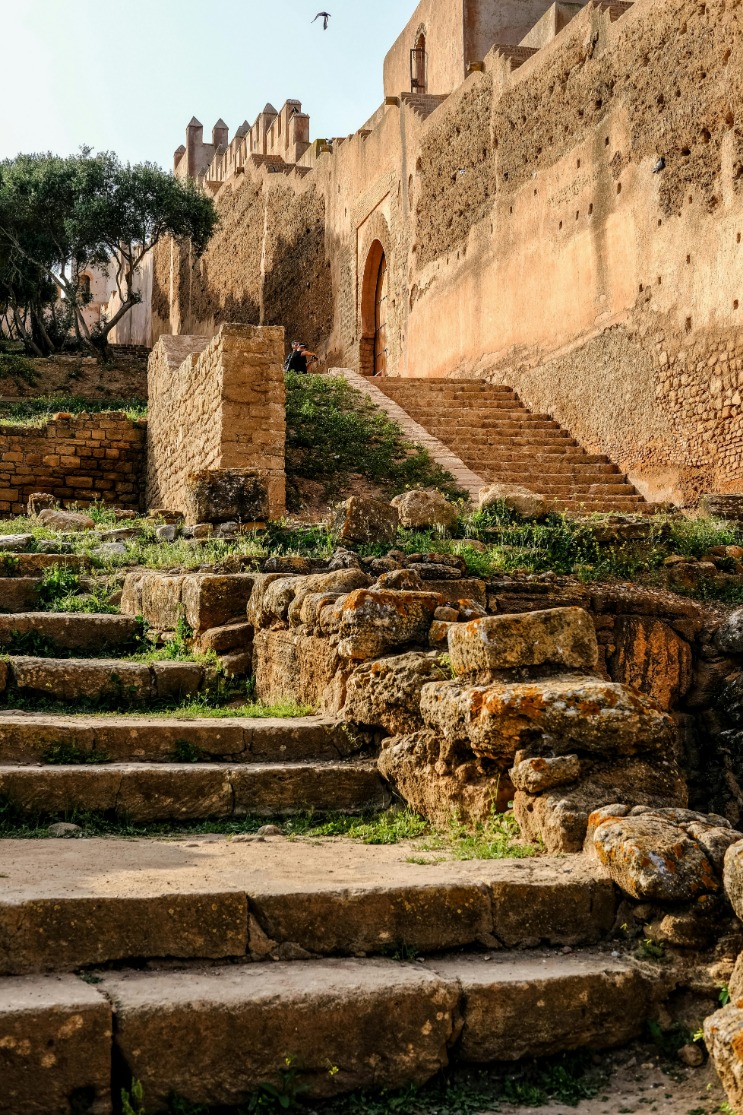
- Rabat features a mix of modern and historic architecture, including the Royal Palace, Hassan Tower, and Kasbah of the Udayas.
- As a region, Rabat-Salé-Kénitra encompasses the city of Rabat and its surrounding areas, promoting economic development and tourism.
- The city is known for its government institutions, diplomatic missions, and educational centers, making it a center of political activity.
Overall, Rabat exemplifies Morocco’s blend of tradition and modernity, playing a crucial role in the nation’s identity and governance.
Marrakech and Tourism Hubs
Morocco is a country renowned for its vibrant cities and diverse regions, with Marrakech standing out as a major cultural and historical hub. Marrakech, often called the “Red City” due to its distinctive red sandstone architecture, attracts visitors with its lively souks, stunning palaces, and bustling plaza of Jemaa el-Fnaa. This city serves as a gateway to exploring Morocco’s rich heritage, traditional markets, and stunning gardens. Other notable regions include Casablanca, known for its modernity and vibrant nightlife, Fez with its ancient medina and religious significance, and Rabat, the political capital with historical landmarks. Morocco’s tourism hubs extend beyond these cities to coastal resorts like Agadir and Essaouira, offering beautiful beaches and scenic views, making the country a captivating destination for travelers seeking history, culture, and natural beauty.
Social Aspects and Demographics
Morocco is a country characterized by a rich tapestry of social aspects and diverse demographics. Its population reflects a blend of cultural influences, traditions, and languages, shaping a unique societal landscape. Understanding these social dynamics and demographic trends provides valuable insights into the country’s identity and development.
Population and Ethnic Groups
Morocco is a country characterized by a diverse and vibrant social fabric, reflecting a rich history of cultural interactions. Its population is a blend of various ethnic groups, with the majority being Arab-Berbers. The Berbers, also known as Amazigh, are indigenous to the region and maintain significant cultural influence. Arab influence came with the spread of Islam and Arab migration, shaping the country’s language and traditions. Over time, Morocco has also seen a small but notable presence of sub-Saharan Africans, especially in urban areas and as part of migration flows. The population is predominantly Muslim, which influences the cultural and social norms across the nation. Morocco’s demographics are youthful, with a large percentage of the population under the age of 30, contributing to a dynamic and evolving society. Urbanization has increased significantly, with cities like Casablanca, Marrakech, and Rabat becoming centers of economic and cultural activity, reflecting ongoing social changes. Overall, Morocco’s social and demographic profile highlights a harmonious coexistence of diverse ethnic groups and a blend of tradition and modernity in its societal structure.
Religious Beliefs and Practices
Morocco is a country characterized by rich social diversity and a tapestry of religious beliefs and practices that shape its cultural landscape. The social fabric of Morocco includes various ethnic groups, with Arabs and Berbers being the most prominent, alongside a growing mix of other communities that contribute to its vibrant society. Family ties and community bonds are central to Moroccan social life, influencing daily interactions and social responsibilities.
Religious beliefs play a significant role in Morocco, with Islam being the predominant faith, practiced by the vast majority of the population. The country is known for its adherence to Sunni Islam, particularly the Maliki school of jurisprudence, and the influence of religious leaders and traditions is evident in many aspects of life. Religious practices, including daily prayers, Ramadan observances, and participation in religious festivals, are integral to Moroccan identity and community cohesion. Despite the dominance of Islam, Morocco also recognizes religious tolerance, with Christian and Jewish communities coexisting peacefully and maintaining their own places of worship and cultural traditions.
Education and Social Development
Morocco is a country characterized by its rich social fabric and diverse demographic composition, which significantly influence its cultural landscape and development trajectory. The population is predominantly Arab-Berber, with a mixture of various ethnic groups that contribute to the nation’s unique identity. Urbanization has increased over recent decades, notably in cities like Casablanca, Marrakech, and Rabat, fostering social dynamism and economic opportunities. Education in Morocco has seen considerable progress, with efforts to improve literacy rates and expand access to schools across urban and rural areas. However, disparities still exist, particularly in rural regions where access to quality education remains a challenge. Social development initiatives aim to enhance gender equality, reduce poverty, and promote community participation, reflecting Morocco’s commitment to fostering inclusive growth. Overall, these social and demographic factors shape Morocco’s ongoing development and its approach to building a cohesive and resilient society.

0 Comments