
Historical Influences on Moroccan Decoration
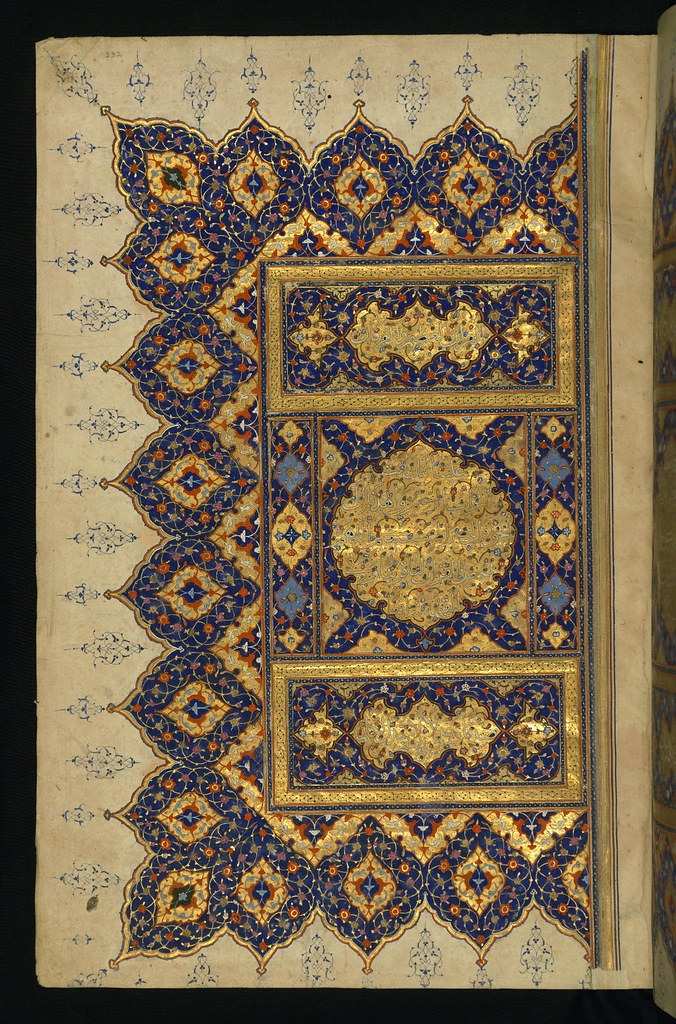
Moroccan decoration is a rich tapestry woven from centuries of historical influences that have shaped its unique aesthetic. Rooted in a blend of Arab, Berber, Andalusian, and French traditions, Moroccan design reflects a diverse cultural heritage that has evolved over time. These historical interactions have contributed to intricate patterns, vibrant colors, and distinctive motifs that characterize Moroccan decorative arts today.
Berber Artistic Traditions
Moroccan decoration is deeply rooted in a rich tapestry of historical influences, notably the enduring traditions of the Berber people. These indigenous communities have preserved a distinctive artistic heritage that dates back thousands of years, characterized by intricate geometric patterns, symbolic motifs, and vibrant colors. The Berber artistic traditions have significantly shaped Moroccan decor, reflecting their connection to nature, spirituality, and community life. Historically, their craftsmanship can be seen in woven textiles, pottery, jewelry, and tile work, each embodying symbolic meanings and ancestral techniques passed down through generations. The influence of Arab, Islamic, and Mediterranean cultures further enhanced these traditional motifs, resulting in a diverse and layered aesthetic that embodies Morocco’s historical crossroads. As a result, Moroccan decoration continues to serve as a visual narrative of the country’s diverse cultural influences, blending indigenous Berber artistry with centuries of external cultural interactions.
Arab-Islamic Architectural Elements
Historical influences on Moroccan decoration are deeply rooted in a rich tapestry of cultural exchanges, conquests, and religious traditions that have shaped the country’s aesthetic landscape. Central to this artistic heritage are Arab-Islamic architectural elements, which have significantly influenced Moroccan decorative arts. These elements are characterized by intricate geometric patterns, elaborate arabesques, and calligraphic inscriptions that reflect Islamic principles of aniconism and the emphasis on divine beauty. The use of zellij tilework, carved stucco, and elaborately decorated woodwork exemplifies the mastery of artisans in creating harmonious and spiritually meaningful designs. The incorporation of these Islamic motifs into Moroccan architecture not only demonstrates a reverence for religion but also highlights the blending of Berber, Arab, and Andalusian influences, resulting in a unique and vibrant decorative tradition that continues to define Morocco’s cultural identity.
European Colonial Impact
Historical influences have played a significant role in shaping Moroccan decoration, with European colonial impact leaving a notable mark on traditional aesthetics. During the colonial period, European styles such as Rococo, Baroque, and Neoclassical were introduced to Morocco, blending with indigenous design elements to create a unique fusion. This interaction led to the incorporation of ornate motifs, decorative plasterwork, and elaborate furniture designs that reflected European tastes while maintaining Moroccan cultural themes. Additionally, colonial architecture often featured arches, columns, and intricate tile work inspired by Moroccan craftsmanship, further integrating Western and local artistic traditions. This syncretism enriched Moroccan decorative arts, resulting in diverse visual expressions that highlight both local heritage and historical European influence.
Key Elements of Moroccan Decor
Moroccan decor is renowned for its vibrant colors, intricate patterns, and rich cultural influences. It embodies a perfect blend of artistry and tradition, creating spaces that are warm, inviting, and visually captivating. Key elements of Moroccan decor include detailed tile work, plush textiles, ornate lanterns, and handcrafted accessories that showcase the country’s artistic heritage.
Geometric Patterns and Symmetry
Moroccan decor is renowned for its intricate craftsmanship and vibrant aesthetics, which reflect the rich cultural heritage of Morocco. A key aspect of this style is the use of geometric patterns and symmetry that create visual harmony and a sense of balance in interior spaces.
- Geometric Patterns: Moroccan decoration features elaborate geometric motifs inspired by Islamic art, such as star-shaped designs, tessellations, and interlacing shapes. These patterns are often found in tilework, textiles, and wood carvings, adding complexity and visual interest.
- Symmetry: Symmetry plays a crucial role in Moroccan decor, emphasizing balance and repetition. Architectural elements, decorative details, and motifs are carefully arranged to create harmonious and cohesive environments, often reflecting spiritual or cultural symbolism.
- Color Palette: Bold and vibrant colors like deep blues, fiery reds, and earthy tones are commonly used, enhancing the geometric and symmetrical patterns with a lively, inviting atmosphere.
- Materials and Textures: Morocco employs natural materials such as zellige tiles, carved wood, wrought iron, and stucco, which complement the patterns and reinforce the traditional craftsmanship.
Arabesques and Calligraphy
Moroccan decor is renowned for its intricate and vibrant aesthetic, blending tradition and artistry to create captivating interior spaces. Central to this style are Arabesques, which are complex geometric and floral patterns that symbolize infinity and unity. These designs are often carved into wood, plaster, or tile, adding depth and texture to walls, ceilings, and furniture. Calligraphy also plays a significant role, with Arabic script used as decorative elements that incorporate verses from the Quran or poetic inscriptions. The elegant and flowing script is often featured in tiles, textiles, and wall art, emphasizing spiritual expression and cultural heritage. Together, Arabesques and calligraphy in Moroccan decor evoke a sense of harmony, spirituality, and timeless beauty, capturing the essence of North African artistry.
Floral Motifs and Nature-inspired Designs
Moroccan decor is renowned for its vibrant colors, intricate patterns, and rich cultural symbolism. Key elements include the use of bold geometric shapes, ornate tilework known as zellige, and handcrafted of textiles and pottery that showcase the country’s artistic heritage. To create an authentic Moroccan atmosphere, details such as carved wood, metal lanterns, and plush cushions are often incorporated, emphasizing warmth and hospitality.
Floral motifs are a significant aspect of Moroccan decoration, often featuring detailed arabesques, stylized flowers, and graceful vine patterns. These motifs are frequently woven into textiles, painted on ceramics, or etched into wood and metal surfaces. They symbolize growth, life, and the beauty of nature, adding an organic touch to the decor that complements the overall aesthetic.
Nature-inspired designs are prevalent in Moroccan decor, reflecting the country’s deep connection to the natural world. Elements like leaves, flowers, trees, and animal motifs are integrated into the architecture and furnishings to evoke serenity and harmony. These designs often appear in mosaic tiles, carved plaster, and embroidered textiles, creating a seamless blend of natural beauty and artistic craftsmanship integral to Moroccan interior design.

Traditional Moroccan Materials and Techniques
Traditional Moroccan materials and techniques form the rich foundation of the country’s exquisite decorative arts. Rooted in centuries-old practices, these methods showcase craftsmanship that blends natural resources with intricate artistry. From vibrant textiles and ornate ceramics to carved wood and detailed metalwork, Moroccan decoration reflects a unique cultural heritage deeply connected to history, religion, and daily life. Exploring these materials and techniques reveals the essence of Moroccan aesthetic beauty and timeless tradition.
Zellige Tilework
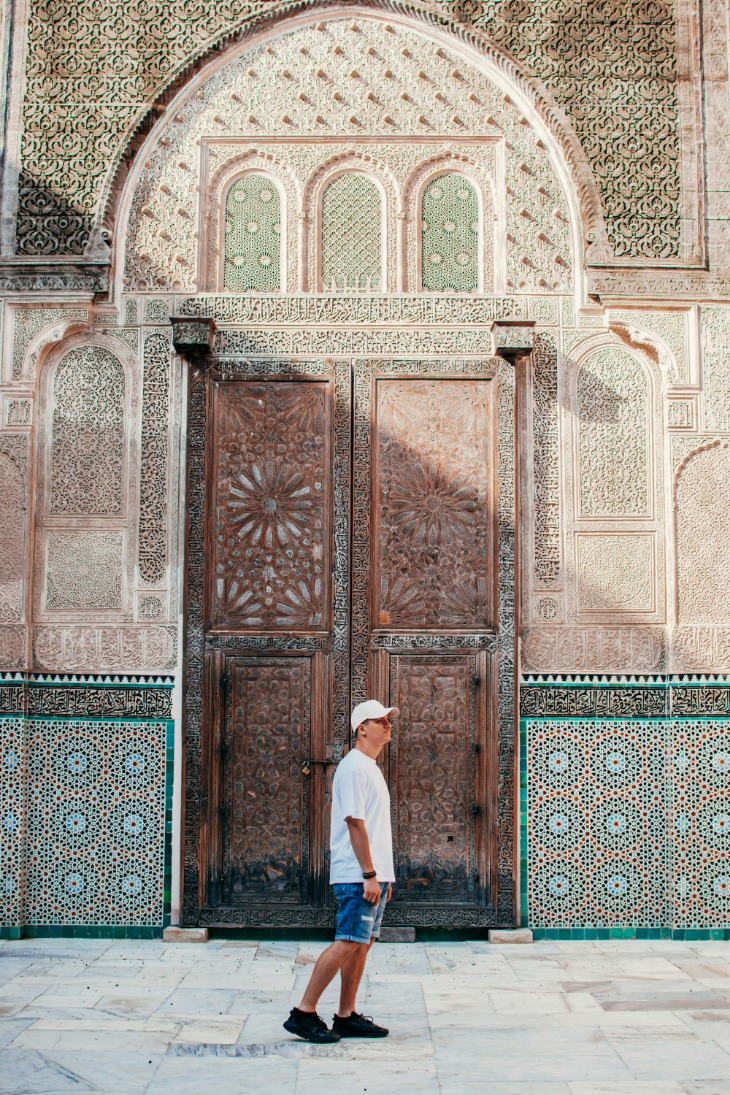
Traditional Moroccan materials and techniques play a vital role in the rich and intricate art of Moroccan decoration. Among these, Zellige tilework stands out as a hallmark of Moroccan craftsmanship, showcasing the country’s exquisite skill in ceramic artistry. Crafted from small pieces of glazed terracotta tiles, Zellige is known for its vibrant colors and complex geometric patterns. The process involves meticulous hand-cutting of each tile, which are then carefully assembled and embedded into plaster to create elaborate mosaics that adorn walls, floors, and fountains. This technique not only reflects artistic expression but also embodies centuries-old cultural and religious symbolism. Complemented by other traditional materials such as carved wood, intricate plasterwork, and woven textiles, Moroccan decoration offers a timeless aesthetic that combines functional beauty with spiritual significance, creating a distinctive ambiance in every space.
Tadelakt Plaster
Traditional Moroccan materials and techniques are renowned for their rich history and unique craftsmanship, reflecting the cultural heritage of the region. Among these, Tadelakt plaster stands out as a distinctive finishing method used in Moroccan architecture and decoration. Tadelakt is a waterproof plaster made from lime mortar, traditionally applied to walls, baths, and fountains. Its smooth, polished surface is achieved through the application of natural soap, which reacts with the lime to create a durable, glossy finish. This technique not only enhances the aesthetic appeal of spaces with its subtle, organic appearance but also offers practical benefits such as moisture resistance. Tadelakt is often complemented by intricate carvings and mosaics, emphasizing the Moroccan tradition of combining functional materials with artistic expression. Overall, this technique exemplifies the skillful craftsmanship that characterizes Moroccan decoration, blending beauty with utility in a manner that has endured for centuries.
Carved Wood and Stucco Detailing
Traditional Moroccan decoration is renowned for its intricate craftsmanship and rich cultural heritage, particularly evident in the use of carved wood and stucco detailing. These materials showcase the skilled artisanship and unique aesthetic principles that define Moroccan interior and architectural design.
Carved wood is often used in doors, window frames, ceilings, and furniture, featuring complex geometric patterns, floral motifs, and calligraphic designs. This technique involves meticulously chiseling and carving solid wood, creating textured and decorative surfaces that add warmth and character to spaces. The craftsmanship is passed down through generations, emphasizing precise craftsmanship and artistic expression.
Stucco detailing, meanwhile, is a versatile decoration technique applied to walls and ceilings. Moroccan stucco is crafted with a mixture of lime, sand, and water, often enriched with intricate relief patterns and arabesques. Skilled artisans carve or mold these designs while the material is still soft, resulting in elaborate, three-dimensional motifs. Stucco is frequently painted with vibrant colors or left in its natural white finish to create striking visual effects.
Both carved wood and stucco are integral to Moroccan decorative arts, combining functional elements with artistic ornamentation. They reflect a deep appreciation for detailed craftsmanship and symbolize the country’s cultural identity and historical influences.
Regional Variations in Decoration Styles
Regional variations in decoration styles are a fascinating aspect of Moroccan design, reflecting the country’s rich cultural diversity and historical influences. Different regions showcase unique motifs, materials, and techniques that create distinct visual identities. Exploring these variations offers insight into Morocco’s vibrant artistic heritage and the ways local traditions shape decorative practices across the country.
Atlas Mountain Regions
The Atlas Mountain regions of Morocco showcase a rich diversity of decoration styles that reflect the unique cultural heritage of each area. In these mountainous areas, traditional Moroccan design is characterized by intricate geometric patterns, vibrant colors, and symbolic motifs that are often inspired by Berber, Arab, and Amazigh influences. Different villages and tribes within the Atlas Mountains have developed their own distinctive decorative techniques, utilizing locally available materials such as wool, leather, and clay to create textiles, pottery, and wall art that embody their identity and history. The variations in decoration styles in these regions highlight a deep connection to nature, spirituality, and community life, making them a fascinating aspect of Moroccan artistic expression. From the detailed embroidery of Berber rugs to the carved wooden doors and painted pottery, each region’s unique approach to decoration offers insight into its cultural traditions and worldview.
Rif Mountains and Mediterranean Coast
Regional variations in decoration styles across Morocco highlight the country’s rich cultural diversity, especially between the Rif Mountains and the Mediterranean Coast. These differences reflect historical influences, climate, local materials, and cultural practices that shape decorative arts and architecture in each region.
In the Rif Mountains, decoration styles tend to be more intricate and heavily influence by Amazigh (Berber) traditions. Common motifs include geometric patterns, symbols representing nature, and tribal designs. Local artisans often use bright colors and incorporate textiles, embroidery, and carved wood into their decor. The architecture features simple yet distinctive decorative elements such as painted doors and wall carvings that showcase Berber identity.
On the Mediterranean Coast, decoration styles are characterized by a blend of Arab, Andalusian, and European influences. The architecture often includes ornate tilework, known as zellij, with elaborate geometric and floral patterns. Building facades are decorated with arabesques, stucco work, and colorful ceramics. Coastal homes frequently display vibrant textiles, intricate woodwork, and the use of light, airy fabrics to adapt to the warmer climate.
- Rif Mountains
- Decorative motifs: geometric, tribal symbols
- Materials: carved wood, textiles, vivid colors
- Influences: Amazigh/ Berber traditions
- Architectural features: painted doors, wall carvings
- Mediterranean Coast
- Design elements: zellij tiles, arabesques, floral patterns
- Materials: ceramics, stucco, ornate woodwork
- Influences: Arab, Andalusian, European
- Decorative features: colorful ceramics, light fabrics
Saharan and Desert Influences
Regional variations in Moroccan decoration styles are significantly influenced by the diverse climates and landscapes of the country, particularly the Saharan and desert regions. In desert areas, decoration often reflects the practical needs of harsh environments, utilizing earthy tones and natural materials such as clay, sand, and woven textiles to create a sense of harmony with the surrounding landscape. These regions favor simple yet bold geometric patterns that can withstand the wear of time and weather, emphasizing functionality alongside aesthetic appeal.
The Saharan influence is evident in the vibrant colors and intricate designs seen in textiles, pottery, and architectural elements. Traditional Saharan patterns incorporate symbols and motifs that represent spiritual beliefs and natural elements like the sun, sand dunes, and nomadic life. These decorations often feature bright reds, oranges, and yellows, which evoke the fiery desert sun, contrasted with cooler shades to balance the visual palette.
Overall, the desert and Saharan influences contribute to a distinctive Moroccan decorative style that blends practicality with vibrant artistic expression, creating a unique cultural identity that varies across regions but maintains a shared connection to the natural environment and nomadic traditions. This results in an eclectic mix of styles that celebrate both the resilience and the beauty of desert life.
Modern Interpretations of Moroccan Decor
Modern interpretations of Moroccan decor seamlessly blend traditional craftsmanship with contemporary design, creating vibrant and stylish interiors that honor cultural heritage while embracing current trends. This artistic fusion highlights intricate patterns, bold colors, and handcrafted details, resulting in spaces that are both timeless and uniquely modern. By reimagining classic Moroccan elements, designers are transforming standard interiors into captivating, multicultural environments that celebrate diversity and artistry.
Fusion with Contemporary Design
Modern interpretations of Moroccan decor blend traditional craftsmanship with contemporary aesthetics to create vibrant, inviting spaces. This fusion emphasizes bold patterns, intricate tile work, and handcrafted textiles, reimagined through minimalistic forms and neutral palettes that appeal to modern sensibilities. Integrating traditional elements like carved wood, metallic accents, and lantern lighting with sleek, clean-lined furniture results in a harmonious balance between old and new. Such designs enhance the cultural richness of Moroccan decor while ensuring they are adaptable to contemporary lifestyles, offering a stylish yet warm ambiance.
Use in Interior and Exterior Spaces
Modern interpretations of Moroccan decor blend traditional craftsmanship with contemporary design, creating vibrant and inviting interior and exterior spaces. This style often features intricate geometric patterns, bold colors, and ornate detailing that evoke the rich cultural heritage of Morocco while adapting to modern aesthetics. In interior spaces, Moroccan decor incorporates elements such as mosaic tiles, carved wood, and plush textiles to add texture and warmth. For outdoor areas, this style emphasizes colorful lanterns, patterned ceramics, and lush greenery to evoke a relaxed, desert-inspired atmosphere. The versatility of Moroccan design allows it to be seamlessly integrated into various settings, from minimalist apartments to expansive outdoor patios, offering a unique and soulful ambiance. Overall, modern Moroccan decor enhances spaces by combining tradition with contemporary flair, resulting in visually stunning and culturally rich environments.
Popular Color Palettes and Patterns Today
Modern interpretations of Moroccan decor blend traditional elements with contemporary design, creating vibrant and inviting spaces. This style often incorporates rich textures, intricate patterns, and a mix of cultural influences to evoke the warmth and exotic charm of Morocco. Artists and interior designers today are reimagining Moroccan decor by combining handcrafted details with minimalist layouts, making the style accessible and adaptable to various interiors.
Popular color palettes in modern Moroccan decor prominently feature warm and earthy tones such as terracotta, burnt orange, deep reds, and sandy beiges. These hues are complemented by pops of bright colors like turquoise, cobalt blue, and emerald green, which evoke the Mediterranean coast and desert landscapes. The combination of these colors creates a lively and balanced atmosphere that celebrates Morocco’s natural beauty and vibrant culture.
Patterns play a significant role in Moroccan decor, with geometric motifs, intricate zellige tiles, and ornate mosaic designs being particularly favored. Today, these patterns are often used in wall coverings, textiles, and accessories, adding a sense of detail and sophistication. Contemporary Moroccan interiors may also feature textiles with bold embroidery, lantern-inspired lighting, and handcrafted pottery, all of which contribute to the eclectic and luxurious aesthetic characteristic of Moroccan style.


0 Comments