
Historical Background of Jewish Communities in Morocco
The Jewish community in Morocco has a rich and ancient history that dates back over two thousand years. Throughout centuries, Moroccans of Jewish faith have played a vital role in the social, economic, and cultural development of the region. Despite various periods of prosperity and hardship, Jewish communities have maintained their unique traditions and contributed significantly to Moroccan society, making their history an integral part of the country’s diverse cultural fabric.
Origins and Early Presence
The Jewish community in Morocco has a long and rich history that dates back over two thousand years. Historically, Jews are believed to have arrived in the region during antiquity, possibly as early as the Phoenician era, and they gradually established vibrant communities throughout the country. During the Roman period, evidence suggests that Jewish presence continued to grow, supported by trade and local economic activities. The arrival of Arab Muslim conquerors in the 7th century further integrated Jewish communities into Moroccan society, where they often found relative stability under Islamic rule. Over the centuries, Moroccan Jews developed a unique cultural identity, blending local Berber and Arab influences with their own religious and cultural traditions, which contributed significantly to the social and economic fabric of the region. Their presence was recognized as an integral part of Moroccan history, shaping the diverse mosaic that characterizes the nation today.
Jewish Settlement during the Middle Ages
The Jewish communities in Morocco have a rich and ancient history that dates back over two millennia. Their presence has significantly shaped the cultural, economic, and social fabric of the region, reflecting a long narrative of coexistence and resilience amidst various historical periods. During the Middle Ages, Jewish settlements expanded considerably, establishing vibrant communities in major cities and rural areas alike.
In the Middle Ages, Jewish life in Morocco flourished under Muslim rule, particularly during the Almoravid and Almohad dynasties. These communities played vital roles in commerce, crafts, and administration, often serving as intermediaries between different cultural and economic spheres. Jewish populations concentrated in cities such as Fez, Marrakech, and Rabat, creating distinct neighborhoods with synagogues, schools, and communal institutions that supported religious and cultural continuity.
Key features of Jewish settlement during this period include the development of prominent Jewish quarters, known as mellahs, which were often enclosed neighborhoods with their own legal systems. Jewish scholars and leaders contributed to the intellectual life of the region, translating texts and engaging in philosophical and religious debates. Despite periods of expulsion and persecution, many Jewish communities managed to sustain their traditions and prosperity through adaptability and strong community bonds.
- Jewish communities established synagogues, schools, and communal organizations that served as centers for religious and cultural activities.
- Jewish merchants and artisans played essential roles in Morocco’s thriving trade networks, both locally and internationally.
- The mellahs or Jewish quarters provided a degree of social separation but also protected communal identity and autonomy.
- Jewish scholars contributed to religious, philosophical, and linguistic scholarship, influencing broader intellectual currents in the region.
- Despite facing periodic persecutions or restrictions, Jewish communities demonstrated resilience and continuity, preserving their traditions through generations.
Jewish Communities under Islamic Rule
The Jewish communities in Morocco have a rich and ancient history, dating back over two millennia. Historically, Jews have been present in Moroccan society since at least the Roman era, contributing significantly to the economic, cultural, and social fabric of the region. Under Islamic rule, particularly from the 7th century onward, Jewish communities often experienced a degree of relative autonomy, living primarily in designated areas known as mellahs, and engaging in trade, craftsmanship, and scholarship. While they faced periods of tolerance and coexistence, there were also times of hardship and persecution, especially during periods of political instability or religious intolerance. Despite these challenges, Jewish communities in Morocco persisted and thrived, maintaining their religious and cultural institutions, and influencing Moroccan society at large. Their history reflects a complex relationship characterized by both integration and adversity, shaping the vibrant Jewish identity in Morocco today.
Major Jewish Populations in Morocco
The Jewish community in Morocco is one of the oldest and most significant populations in the country, with a rich history dating back over two millennia. Throughout centuries, Moroccan Jews have contributed to the cultural, economic, and social fabric of the nation, maintaining vibrant communities primarily in cities such as Casablanca, Marrakech, and Fes. Despite various historical challenges, the Jewish population in Morocco remains an integral part of the nation’s diverse heritage.
Jewish Centers: Casablanca, Fes, Marrakesh, Rabat
Jewish communities in Morocco have a rich history, with significant populations historically residing in major cities such as Casablanca, Fes, Marrakesh, and Rabat. These cities have served as important cultural and religious centers for Jews living in the region. Casablanca, being the largest city in Morocco, hosts a vibrant Jewish community with several synagogues, cultural institutions, and a Jewish museum that highlights its heritage. Fes is renowned for its ancient Jewish quarter, known as Mellah, which has historically been home to a sizable Jewish population involved in trade and crafts. Marrakesh’s Jewish community has a longstanding presence, with historic synagogues and a reputation for religious and cultural contributions. Rabat, the political capital, also has a Jewish community that has contributed to Morocco’s diverse cultural landscape. Today, while some Jews have emigrated, these cities remain important centers of Jewish history, culture, and religious life in Morocco.
Demographics and Population Trends
The Jewish community in Morocco has a long and rich history, representing one of the oldest Jewish populations in North Africa. Historically, Moroccan Jews played a significant role in the country’s commerce, culture, and society. At their peak, prior to the mid-20th century, Jewish populations in Morocco numbered around 250,000 to 300,000, primarily concentrated in cities like Casablanca, Marrakech, Fes, and Rabat. Over the decades, large-scale emigration to Israel, France, Canada, and other countries has led to a sharp decline in their numbers.
Currently, estimates suggest that the Jewish population in Morocco is around 2,000 to 3,000 individuals, though some sources indicate slightly higher figures. The majority of Moroccan Jews today reside in urban areas, with Casablanca hosting the largest community. Despite their reduced numbers, Jewish cultural and religious sites remain significant, and the community continues to maintain its heritage through synagogues, museums, and cultural festivals. The demographic trends indicate a shrinking population due to assimilation, migration, and aging, but the community’s historical presence and contributions remain an integral part of Morocco’s diverse cultural landscape.
Migration Patterns and Diaspora
The Jewish community in Morocco has a rich history, dating back over two millennia, making it one of the oldest Jewish populations in the world. Historically, Moroccan Jews have been concentrated mainly in cities such as Casablanca, Marrakech, Fes, and Rabat, where vibrant cultural and religious life thrived. These communities have contributed significantly to Morocco’s social, economic, and cultural development over centuries.
The Jewish population in Morocco experienced various changes due to migration patterns. During the 20th century, especially after the establishment of the State of Israel in 1948 and following Moroccan independence in 1956, many Moroccan Jews emigrated, primarily to Israel, France, Canada, and other Western countries. Major migration waves occurred in the 1950s and 1960s, driven by economic opportunities, political changes, and regional instability. Despite this, a small Jewish community remains in Morocco today, primarily in Casablanca and a few other cities.
The Moroccan Jewish diaspora is widespread, with significant populations in Israel, where they form a notable part of the Sephardic community, as well as in France and Canada. The diaspora maintains strong cultural and religious ties to Morocco, often celebrating heritage and preserving historical sites. This migration has helped foster diverse communities abroad, while the remaining Jewish population in Morocco continues to sustain its traditions, contributing to the country’s multicultural identity.
Cultural and Religious Life
The Jewish community in Morocco has a rich and vibrant cultural and religious life that spans centuries. This heritage reflects a unique blend of traditions, customs, and faith practices that have been preserved and celebrated through generations. Throughout history, Moroccan Jews have contributed significantly to the country’s social, economic, and spiritual landscape, maintaining their religious practices while also integrating into the diverse Moroccan society. Their cultural and religious life continues to thrive, showcasing a deep connection to their roots and a resilient spirit of community.
Religious Institutions and Synagogues
Jewish life in Morocco has a rich history rooted in centuries of coexistence and cultural exchange. Jewish communities have contributed significantly to the social, economic, and cultural fabric of Moroccan society, maintaining their unique religious practices and traditions. Religious institutions such as synagogues serve as vital centers for worship, community gatherings, and cultural preservation. Many historic synagogues, like the Ibn Danan Synagogue in Marrakech and the Slat Al Azama Synagogue in Fez, stand as testaments to the enduring legacy of Moroccan Jewry. These places of worship often function beyond religious activities, hosting cultural events, educational programs, and maintaining the community’s spiritual life. Despite demographic changes over the years, the Jewish presence remains an integral part of Morocco’s diverse religious landscape, symbolizing a harmonious coexistence and deep-rooted heritage.
Jewish Festivals and Traditions
Jewish life in Morocco has a rich and vibrant history, deeply intertwined with the country’s cultural and religious landscape. Traditional Jewish festivals and customs are celebrated with enthusiasm, reflecting a unique blend of Jewish and Moroccan influences. Passover, Hanukkah, and Rosh Hashanah are observed with special prayers, festive meals, and community gatherings, often accompanied by traditional Moroccan dishes. The celebration of Purim involves reading the Megillah, festive costumes, and giving gifts, highlighting the joyful spirit of the community. Yom Kippur and other fasting days are marked with solemn prayers at synagogues, demonstrating deep spiritual devotion. Moroccan Jews also participate in local cultural practices, preserving centuries-old rituals, music, and language, such as Judeo-Arabic. These festivals and traditions serve as a testament to the enduring legacy of Moroccan Jewry and its significant contribution to the country’s multicultural heritage.
Languages and Cultural Expressions
Jewish life in Morocco has a rich history deeply intertwined with the country’s cultural and religious landscape. For centuries, Jewish communities contributed significantly to Moroccan society in commerce, arts, and traditions, maintaining a vibrant presence despite various historical challenges. Religious festivities, such as Passover and Hanukkah, are celebrated with enthusiasm, reflecting the enduring spiritual identity of Moroccan Jews. Languages spoken within these communities include Hebrew, Judeo-Arabic, and French, which facilitate diverse cultural expressions and communication.
Cultural expressions of Moroccan Jews encompass a unique blend of local Berber and Arab influences, evident in music, dance, cuisine, and religious rituals. Traditional clothing, artistic crafts, and culinary dishes like couscous and pastilla highlight the community’s distinctive heritage. Synagogues, Jewish cemeteries, and museums serve as vital cultural and religious landmarks, preserving the community’s history and fostering intercultural dialogue. Overall, Jewish culture in Morocco remains a vital part of the nation’s diverse and multi-layered identity, showcasing resilience and a deep-rooted connection to the Moroccan land and its traditions.
Notable Figures in Moroccan Jewish History
Moroccan Jewish history is marked by the lives and contributions of numerous notable figures who have played a vital role in shaping the cultural, religious, and social landscape of the country. Throughout centuries, these individuals have contributed to a rich heritage that reflects resilience, scholarship, and a deep-rooted connection to Morocco. Their legacy continues to influence both Moroccan society and the global Jewish community today.
Historical Leaders and Rabbis
Jewish history in Morocco is rich with notable figures who have made significant contributions to religious, cultural, and social life. Throughout centuries, Moroccan Jewish leaders and rabbis have played pivotal roles in preserving traditions and guiding communities through periods of change and challenge. These figures are remembered for their spiritual leadership, scholarship, and efforts to foster coexistence within Moroccan society.
Some prominent leaders include Rabbi David ibn Zimra (Radbaz), a renowned Sephardic scholar and legal authority in the 16th century, whose writings influenced Jewish law across North Africa and beyond. Rabbi Moses Maimon, also known as Maimonides, although associated with Spain, spent time in Morocco and left a lasting impact on Jewish philosophy and jurisprudence. In the 19th and 20th centuries, figures such as Rabbi Makeh Israel and Rabbi Nissim Aharon served as spiritual guides and community leaders, fostering education and religious continuity.
Throughout Moroccan Jewish history, rabbis and community leaders have also been active in social and political advocacy. They worked to protect the rights of their communities and maintain Jewish traditions amid societal transformations. Their legacy continues to be celebrated today, highlighting the enduring presence and influence of Moroccan Jews in the broader Jewish world.
Modern Influential Personalities
Jewish communities have played a significant role in Moroccan history, contributing to the country’s cultural, economic, and social development. Throughout centuries, notable Moroccan Jews have risen to prominence in various fields, shaping both local and international landscapes. Modern influential personalities continue to carry forward this rich legacy, highlighting the enduring presence and influence of Moroccan Jews in contemporary society.
Jewish Heritage and Architectural Landmarks
Jewish heritage in Morocco reflects a rich tapestry of history, culture, and architectural brilliance that spans centuries. The Jewish community has deeply influenced Moroccan society, leaving behind numerous architectural landmarks that symbolize their resilience and integration. Exploring these sites offers a glimpse into the vibrant history and enduring legacy of Jewish life in Morocco.
Synagogues and Cemeteries
Jewish heritage in Morocco is a rich tapestry that reflects centuries of historical and cultural significance. The country is home to a vibrant Jewish community that has contributed profoundly to Morocco’s diverse cultural landscape. Architectural landmarks such as synagogues and cemeteries stand as enduring symbols of this heritage, showcasing intricate design, historical depth, and cultural resilience.
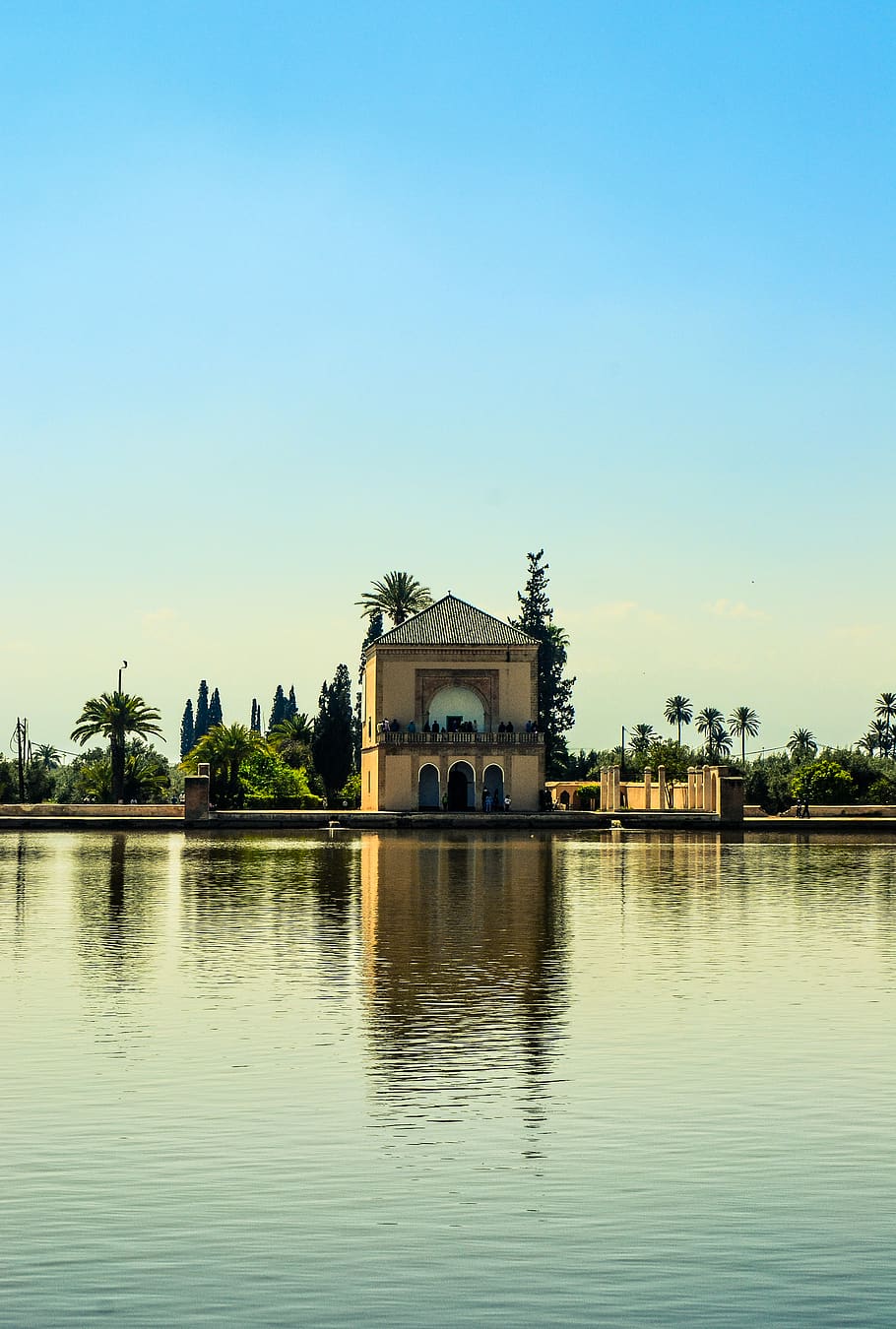
Among the most notable synagogues is the Slat Al Azama Synagogue in Marrakech, renowned for its beautiful architecture and historical importance. Another significant site is the Ibn Danan Synagogue in Chefchaouen, which dates back to the 15th century and displays unique Moroccan Jewish architecture. These sacred spaces continue to serve as places of worship, community gathering, and cultural preservation.
Jewish cemeteries in Morocco are also vital to understanding the community’s history. The cemetery in Essaouira, for example, contains centuries-old tombstones that bear witness to generations of Moroccan Jews. These cemeteries often feature ornate tombs and inscriptions in Hebrew, reflecting the community’s enduring legacy and the deep respect for ancestors.
Overall, the Jewish heritage in Morocco, embodied in its synagogues and cemeteries, is an essential part of the country’s historical identity. These landmarks not only celebrate the deep spiritual traditions of Moroccan Jews but also serve as cherished sites that attract visitors and researchers interested in this rich cultural legacy.
Museums and Cultural Heritage Sites
Jewish heritage in Morocco is a vibrant and historically significant aspect of the country’s diverse cultural landscape. It encompasses a rich array of architectural landmarks, museums, and cultural sites that reflect the long-standing presence and contributions of Jewish communities in Morocco.
- Le Yehuda Synagogue – Located in Casablanca, this historic synagogue is an important religious and cultural site, representing the enduring Jewish presence in the city.
- Jewish Museum of Casablanca – Dedicated to showcasing Moroccan Jewish history, this museum features artifacts, photographs, and exhibits that highlight the community’s cultural contributions.
- Marrakech Mellah – The old Jewish quarter of Marrakech, known as Mellah, is home to several historic synagogues, family mausoleums, and traditional markets that provide a glimpse into Jewish life in Morocco.
- Saint Sephardic Cemetery in Fes – One of the oldest Jewish cemeteries in Morocco, it reflects the deep roots of Jewish communities in Fez and their historical significance.
- Kerem Hateymanim Synagogue – Situated in Casablanca, this synagogue is a beautiful example of Moroccan Jewish architecture and heritage.
- Musée du judaïsme marocain (Moroccan Jewish Museum) – Located in Casablanca, this museum offers an extensive collection of Jewish ceremonial objects, historical photographs, and personal stories that celebrate Moroccan Jewish life.
- Ben Barka Synagogue – An architecturally notable synagogue in Meknes, symbolizing the historic Jewish community’s presence in the region.
- Great Synagogue of Essaouira – Renowned for its striking architecture and historical significance, it is a major landmark representing the Jewish legacy in Essaouira.
Throughout Morocco, these sites and landmarks serve as important cultural symbols, preserving the legacy of Jewish communities and their contributions to Moroccan history, architecture, and society.
Jewish-Moroccan Relations and Integration
The relationship between Jewish communities and Moroccan society has a long and rich history characterized by cultural exchange, mutual influence, and coexistence. Over centuries, Jewish-Moroccan relations have evolved through periods of prosperity, challenge, and resilience, shaping the identity of both communities. Today, the integration of Jews in Morocco continues to reflect a unique blend of tradition and modernity, highlighting shared heritage and ongoing efforts to foster harmony and preserve cultural diversity.
Coexistence and Community Relations
The Jewish community in Morocco has a long and rich history that dates back over two millennia, playing a vital role in the cultural, economic, and social fabric of the country. Throughout centuries, Jewish-Moroccan relations have been characterized by coexistence and mutual influence, fostering a distinctive heritage that blends Sephardic, Berber, and Arab traditions. Despite periods of hardship, such as the mass migration in the mid-20th century, many Jewish communities have maintained their identity and continued active participation within Moroccan society.
Integration of Jews in Morocco has historically been marked by their contributions to trade, crafts, and the arts, often occupying prominent positions within local communities. Moroccan Jews have contributed significantly to national and regional life while preserving their religious practices, languages, and traditions, which have been harmoniously integrated into the broader Moroccan cultural landscape. This coexistence, grounded in shared customs and mutual respect, has fostered strong community relations that endure despite geopolitical changes and migration waves.
Today, Jewish-Moroccan relations continue to reflect a legacy of tolerance and coexistence. Many Moroccan Jews have returned or maintained ties with their homeland, participating in cultural preservation initiatives, religious celebrations, and diplomatic dialogues. The Moroccan government has also taken steps to recognize this shared history, promoting tourism to historic Jewish sites and supporting initiatives aimed at strengthening community relations. Overall, the Jewish community remains an integral part of Morocco’s diverse and vibrant society, exemplifying a history of peaceful coexistence and ongoing cultural exchange.
Legal Rights and Social Integration
Jewish-Moroccan relations have a rich history rooted in centuries of coexistence and cultural exchange, which has significantly shaped societal dynamics within Morocco. The Jewish community in Morocco, one of the oldest in the Arab world, has traditionally enjoyed a relatively high degree of social integration and cultural participation, contributing to the country’s economic, religious, and cultural life.
Legal rights for Jewish Moroccans have evolved considerably over time. Historically, Jewish communities benefited from a degree of autonomy and legal recognition under Moroccan rule, with Jewish individuals often navigating their religious and communal affairs through local councils and religious courts. In the modern era, especially post-independence, Morocco has taken steps to reaffirm the rights of Jewish citizens, ensuring protections against discrimination and promoting religious freedom. Laws have been implemented to safeguard synagogues, cemeteries, and communal institutions, fostering an environment of respect and coexistence.
Social integration of Jews in Morocco remains evident through their active participation in cultural and social life, though demographic shifts have impacted community size. Many Moroccan Jews have migrated abroad, yet those still residing in Morocco maintain religious and cultural traditions, participate in interfaith dialogue, and celebrate common festivals. Educational institutions, media, and government initiatives continue to promote mutual understanding and respect between Jewish and Muslim populations, supporting ongoing social cohesion.
Impact of Political Changes
Jewish-Moroccan relations and integration have evolved significantly over centuries, reflecting a complex history marked by coexistence and cultural exchange. The Jewish community in Morocco, one of the largest in the Arab world, has contributed profoundly to the country’s social, economic, and cultural fabric. Political changes, both within Morocco and internationally, have often influenced the community’s status and integration policies. The independence movement and subsequent political shifts during the mid-20th century led to a reduction in Jewish migration, but also sparked efforts to preserve Jewish heritage and rights. More recent political reforms aimed at enhancing multiculturalism and religious tolerance have fostered closer ties between Jewish and Moroccan populations, highlighting a dedication to maintaining the country’s diverse identity. These changes underscore a broader trend of recognizing the community’s historical significance and encouraging its full participation in Moroccan society.
Jewish Contributions to Moroccan Society
Jewish communities have played a significant role in shaping Moroccan society through centuries of cultural, economic, and social contributions. Their presence has enriched the country’s heritage, fostering a unique blend of traditions, crafts, and commerce. Despite historical challenges, Moroccan Jews have maintained their identity while actively participating in the development of various sectors, highlighting the deep-rooted relationship between Jewish and Moroccan cultures.
Economic Contributions
Jewish communities have played a significant role in shaping the social and economic landscape of Morocco over centuries. Their contributions span diverse sectors, including trade, finance, and crafts, which have greatly enriched Moroccan society. Jewish merchants historically served as vital links in international trade networks, facilitating commerce between Morocco and Europe, the Middle East, and Sub-Saharan Africa. Many Jewish families established successful businesses, such as trading companies and artisan workshops, that contributed to local economies and urban development in cities like Casablanca, Fez, and Marrakech. Additionally, Jewish entrepreneurs introduced innovative financial practices, contributing to the modernization of banking and commerce in Morocco. Their involvement in various industries helped boost economic growth and provided employment opportunities for both Jewish and Muslim populations. The sustained economic contributions of Moroccan Jews continue to be recognized as an integral part of the country’s cultural and economic history, reflecting a legacy of cooperation and mutual influence.
Political and Social Impact
Jewish communities have played a significant role in shaping the social, economic, and cultural landscape of Morocco. Throughout history, Moroccan Jews have contributed to local industries, commerce, and the arts, fostering a rich multicultural environment. Their involvement in trade and craftsmanship helped stimulate economic growth and establish Morocco as a vital hub for commerce in the Mediterranean region.
Politically, Moroccan Jews have historically maintained strong ties with the broader society while also engaging in national civic life. Notable Jewish figures have held prominent positions in business, education, and cultural institutions, advocating for coexistence and mutual respect. The Jewish community has also contributed to the political discourse on minority rights and religious tolerance, influencing policies that promote social cohesion within Moroccan society.
Socially, Jewish traditions and practices have been integrated into the Moroccan mosaic, enriching the cultural fabric through festivals, cuisine, and artistic expression. Jewish schools, synagogues, and community organizations have fostered a sense of identity and continuity, contributing to the diversity that characterizes Moroccan society. Their enduring presence and contributions underscore the importance of coexistence and shared heritage in Morocco’s national identity.
Arts, Literature, and Education
Jewish communities have played a significant role in shaping Moroccan society, contributing richly to its cultural, artistic, literary, and educational landscape. Throughout centuries, Moroccan Jews have integrated seamlessly into the fabric of national life while maintaining their unique religious and cultural identity.
In the realm of arts, Moroccan Jews have been influential musicians, artists, and artisans. They have contributed to the development of traditional music, blending Jewish, Arab, and Berber influences to create a vibrant cultural expression. Their craftsmanship is evident in intricate woodwork, embroidery, and jewelry that reflect a blend of local and Jewish motifs.
Literature has also been enriched by Jewish writers and intellectuals who have produced a body of work reflecting their heritage and Moroccan life. Their writings often explore themes of identity, coexistence, and the historical experiences of Jews in Morocco, fostering a shared cultural narrative.
In education, Jewish communities established schools and learning centers that promoted literacy and religious studies. These institutions not only preserved Jewish traditions but also facilitated dialogue and understanding among diverse communities. Their commitment to education has helped foster a sense of cultural pride and continuity for Moroccan Jews.
Overall, Jewish contributions have been integral to Morocco’s diverse mosaic, enriching its cultural diversity and historical depth, and fostering a legacy of coexistence and mutual influence.
Current Status and Future Outlook
The Jewish community in Morocco has a rich and deeply rooted history that continues to influence the cultural fabric of the country. Today, while the population has significantly diminished from its historical highs, efforts to preserve Jewish heritage and promote intercultural understanding are ongoing. Looking ahead, there is a growing interest in revitalizing Jewish sites and fostering stronger connections between Jewish and Moroccan communities, ensuring that this vibrant chapter of history remains an integral part of Morocco’s future.
Jewish Population Today
The Jewish population in Morocco today is estimated to be around 2,000 to 3,000 individuals, predominantly residing in cities such as Casablanca, Marrakesh, and Fez. Despite a significant decline from historical levels, the community maintains a vibrant cultural and religious presence, with many synagogues and cultural centers still active. In recent years, there has been a resurgence of interest in preserving Jewish heritage and promoting interfaith dialogue.
The future outlook for Moroccan Jews appears cautiously optimistic. Efforts to restore and maintain historic sites, along with increased tourism focused on Jewish cultural heritage, contribute to a growing recognition of the community’s historical importance. Additionally, younger generations are increasingly engaged in initiatives aimed at strengthening cultural identity and fostering good relations within Moroccan society. While demographic numbers may continue to decline due to migration, the community’s cultural legacy is being actively preserved, ensuring its significance remains acknowledged both domestically and internationally.
Preservation of Heritage and Culture
The preservation of Jewish heritage and culture in Morocco represents a vital aspect of the country’s rich and diverse historical landscape. Despite historical challenges, many Jewish sites, synagogues, and cemeteries have been maintained and restored, reflecting ongoing efforts to safeguard this cultural legacy. Today, Jewish communities in Morocco continue to celebrate their traditions while also welcoming visitors interested in exploring their history, contributing to intercultural dialogue and mutual understanding. The future outlook appears optimistic, with increased governmental support and community initiatives aimed at preserving and promoting Jewish heritage, ensuring that this important part of Morocco’s multicultural identity remains vibrant for generations to come.
Challenges and Opportunities for the Community
The Jewish community in Morocco has a rich history that continues to shape its current status and future prospects. Despite significant migration over the decades, a small but resilient Jewish population remains, maintaining cultural traditions and religious practices. The community benefits from a growing interest in heritage preservation and intercultural dialogue, fostering a renewed sense of identity and connection to their historical roots. Efforts to restore historic synagogues and promote Jewish-Moroccan coexistence are strengthening community ties and attracting tourism. However, challenges such as demographic decline, political sensitivities, and the need for better integration persist. Nonetheless, these obstacles also present opportunities to enhance intercultural understanding, promote heritage tourism, and support community sustainability.



0 Comments