
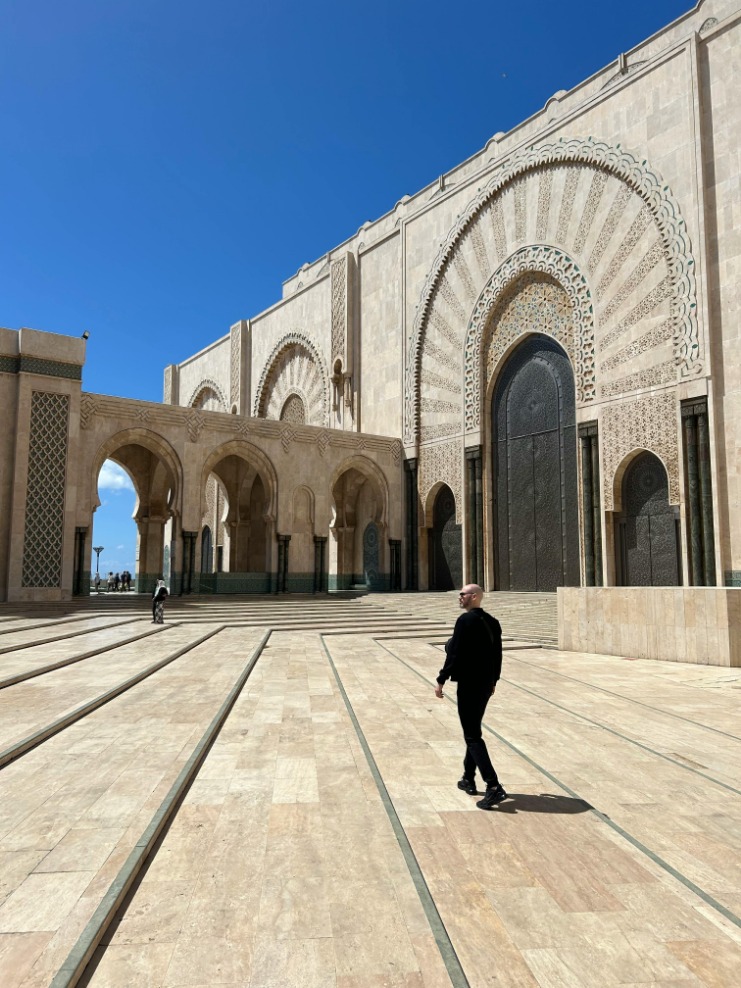
History and Significance of Hassan II Mosque
The Hassan II Mosque in Casablanca, Morocco, stands as a magnificent symbol of Islamic architecture and Moroccan heritage. Built on the Atlantic coast, it is one of the largest mosques in the world and a testament to Morocco’s rich religious and cultural history. Its construction, completed in 1993, was driven by a desire to showcase the country’s craftsmanship and spiritual devotion, making it a significant landmark for both locals and visitors alike.
Origins and Construction Timeline
The Hassan II Mosque in Casablanca, Morocco, holds immense historical and cultural significance as one of the largest mosques in the world and a symbol of Moroccan identity. Its origins trace back to the early 1980s when King Hassan II envisioned a monumental structure to honor Morocco’s rich Islamic heritage and to serve as a religious and cultural landmark for the nation.
The construction of the mosque began in 1986 and was completed in 1993. The project was spearheaded by Moroccan architect Michel Pinseau, who designed a mosque that seamlessly blends traditional Islamic architectural elements with modern engineering techniques. The construction involved thousands of artisans, builders, and craftsmen, exemplifying Morocco’s craftsmanship and dedication to creating a masterpiece of religious architecture.
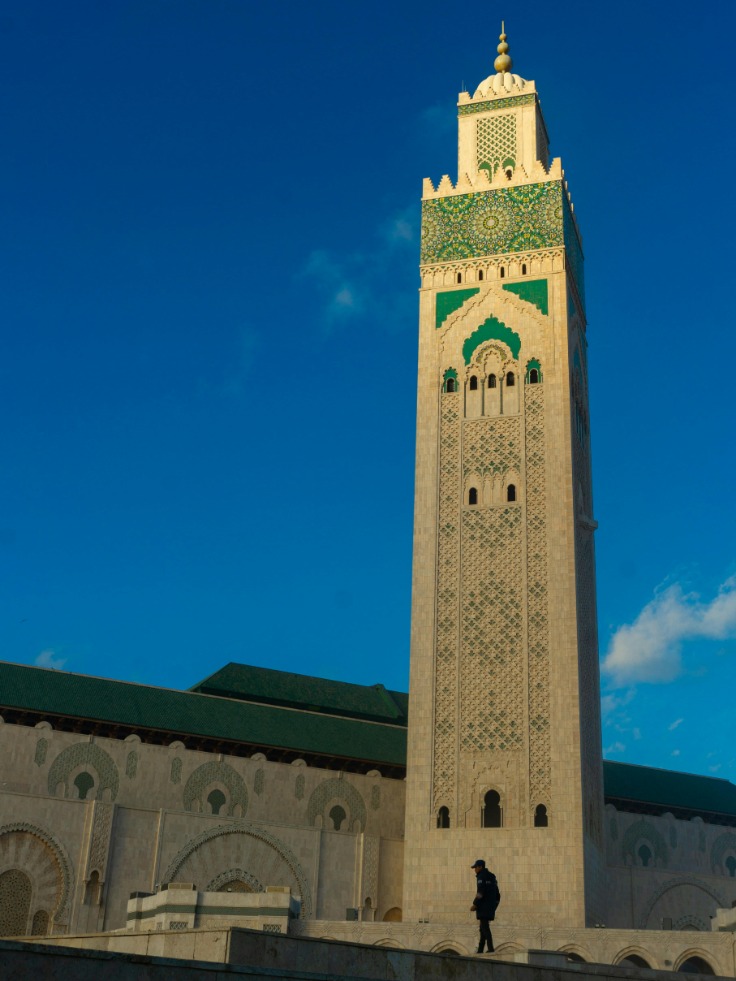
The mosque features an impressive 210-meter-tall minaret, which is the tallest in the world, standing as a striking symbol visible from miles around. Its location on the Atlantic Ocean was chosen to symbolize the connection between earth and heaven. The Hassan II Mosque is renowned for its exquisite intricate tile work, carved marble, and stunning woodwork, reflecting Morocco’s artistic heritage.
Its completion marked a significant milestone in Moroccan history, not only as a place of worship capable of accommodating 25,000 worshippers inside and up to 80,000 in the surrounding patio, but also as an emblem of national pride and religious devotion. Today, the Hassan II Mosque remains a prominent religious, cultural, and architectural icon, attracting visitors from around the world and reinforcing Morocco’s status as a center of Islamic culture and tradition.
Historical Context and Cultural Impact
The Hassan II Mosque in Casablanca, Morocco, stands as a monumental symbol of religious devotion, architectural innovation, and national pride. Constructed between 1986 and 1993, it is one of the largest mosques in the world and a prominent landmark in Morocco, attracting millions of visitors annually. Its historical context is rooted in Morocco’s efforts to showcase its cultural and religious heritage while promoting tourism and modern architectural achievements.
The mosque’s cultural impact extends beyond its religious functions, serving as a symbol of Moroccan identity and craftsmanship. It represents a blend of traditional Islamic design and contemporary engineering, reflecting the country’s rich history and commitment to progress. The Hassan II Mosque has also played a role in fostering social unity and demonstrating Morocco’s openness to the world through its impressive architecture and spiritual significance.
- Historical Context: The mosque was commissioned by King Hassan II to celebrate the 60th anniversary of his reign and to symbolize Morocco’s religious and national identity.
- Architectural Significance: Designed by French architect Michel Pinseau, it features a stunning minaret of 210 meters, making it the tallest in the world, and incorporates exquisite Moroccan craftsmanship and innovative construction techniques.
- Cultural Impact: The mosque serves as a major religious and tourist site, enhancing Morocco’s image as an Islamic cultural center and fostering intercultural dialogue through its open-door policy for visitors.
- Historical Significance: Its construction was a statement of modern Moroccan sovereignty, combining traditional Islamic motifs with modern technology, and it became a landmark of national pride and resilience.
Role in Moroccan Heritage and Islam
The Hassan II Mosque in Casablanca, Morocco, stands as a monumental symbol of religious devotion, architectural innovation, and national pride. Completed in 1993, it is one of the largest mosques in the world and features a stunning blend of traditional Moroccan craftsmanship with modern engineering techniques. Its minaret, towering at 210 meters, is the tallest in the world, signifying the spiritual reach and grandeur of Islam in Morocco. The mosque’s history is intertwined with King Hassan II’s vision to create a place of worship that reflects Morocco’s cultural heritage and Islamic identity, while also showcasing Morocco’s advanced architectural capabilities.
The significance of the Hassan II Mosque extends beyond its religious function, serving as a cultural landmark and a symbol of Morocco’s religious tolerance and openness. It plays a vital role in the community, hosting both daily prayers and major Islamic events, reinforcing the spiritual life of Moroccan society. Architecturally, the mosque embodies intricate Moroccan craftsmanship, utilizing exquisite tilework, wood carvings, and marble, which preserve traditional artisanal techniques. The mosque also features a retractable roof and an ocean-facing prayer hall, linking Islam to Morocco’s geographic and cultural landscape.
As a central part of Moroccan heritage, the Hassan II Mosque exemplifies the country’s rich Islamic history and its ongoing influence. It is a testament to Morocco’s role as a bridge between Africa and the Arab world, fostering a sense of unity and religious identity among Moroccans. The mosque also attracts numerous visitors and pilgrims worldwide, fostering intercultural dialogue and promoting understanding of Islamic beliefs and Moroccan culture. In this way, it remains a vital symbol of faith, cultural pride, and the historical legacy of Morocco’s Islamic heritage.
Architectural Features of Hassan II Mosque
The Hassan II Mosque in Casablanca, Morocco, is a marvel of modern Islamic architecture that seamlessly combines traditional elements with contemporary design. Its exquisite craftsmanship, intricate tile work, and grand dimensions make it one of the most iconic religious structures in the world. Notable features include its towering minaret, which is the tallest in the world, and its stunning prayer hall adorned with intricate mosaics and carved woodwork. The mosque’s architectural features reflect a blend of cultural heritage and innovative engineering, making it a significant symbol of Moroccan identity.
Design and Architectural Style
The Hassan II Mosque in Casablanca, Morocco, is an architectural marvel that combines traditional Islamic design with modern construction techniques. Its design showcases a harmonious blend of aesthetic beauty and structural innovation, making it a standout monument in the contemporary Islamic world.
The mosque features a stunning minaret, which is the tallest in the world at 210 meters, serving as a prominent landmark. The minaret is decorated with intricate tile work, carved stone, and modern lighting, reflecting a mix of craftsmanship and engineering excellence. The architectural style integrates Islamic motifs, geometric patterns, and elaborate arabesques throughout the structure.
The prayer hall is spacious and can accommodate over 25,000 worshippers, with a large retractable roof allowing natural light and ventilation. The use of marble, cedar wood, and decorative tiles emphasizes Moroccan craftsmanship, while large glass panels offer views of the Atlantic Ocean. The overall design emphasizes symmetry, harmony, and grandeur, characteristic of traditional Islamic architecture.
Innovative features include a retractable roof, heated floors, and advanced acoustics, all seamlessly integrated into the traditional aesthetic. The mosque’s exterior combines extensive use of marble and concrete, with intricate stucco work and tile mosaic decoration that highlight Moroccan artistic heritage. Its design not only serves as a religious site but also as a symbol of Morocco’s cultural identity and modern engineering prowess.
Main Prayer Hall and Dome
The Hassan II Mosque in Casablanca, Morocco, is renowned for its stunning architectural features that blend traditional Moroccan design with modern elements. Its main prayer hall is spacious and elaborately decorated, designed to accommodate thousands of worshippers with intricate tile work and exquisite wood carvings lining the walls. The vast prayer hall is complemented by massive marble columns that provide structural support while adding to the aesthetic appeal. The mosque’s grand dome is one of its most iconic features, towering above the prayer hall, measuring approximately 60 meters in diameter. It is adorned with intricate geometric patterns and delicate plasterwork, showcasing the artistry and craftsmanship of Moroccan artisans. The dome’s design allows natural light to filter into the hall through strategically placed windows, enhancing the spiritual atmosphere within. Overall, the architectural feats of the Hassan II Mosque exemplify a harmonious blend of tradition and innovation, making it a symbol of Moroccan cultural heritage.
Minaret: The Tallest in the World
The Hassan II Mosque in Casablanca, Morocco, is renowned for its stunning architectural features, particularly its minaret, which is the tallest in the world. The mosque’s design seamlessly combines traditional Moroccan craftsmanship with modern engineering, making it a remarkable symbol of religious and cultural identity.
- The minaret reaches a height of 210 meters (689 feet), making it the tallest religious structure globally.
- The minaret is decorated with intricate Moroccan tile work, called zellij, and carved stucco detailing that showcases exquisite craftsmanship.
- It is topped with a laser beam that points towards Mecca, serving as a guiding light for Muslims in the region.
- The minaret’s structure incorporates a mud brick core covered with white marble, contributing to its durability and aesthetic appeal.
- Embedded within the minaret are advanced lighting systems that illuminate the mosque at night, emphasizing its majestic presence.
Use of Traditional and Modern Materials
The Hassan II Mosque in Casablanca, Morocco, is renowned for its impressive architectural features that blend traditional Islamic craftsmanship with modern construction techniques and materials. This magnificent structure showcases the skillful integration of historical design elements and contemporary innovations, making it a symbol of Morocco’s cultural heritage and modernity.
In terms of materials, the mosque utilizes a combination of traditional and modern elements to achieve its grandeur and durability. Traditional materials like carved cedar wood, intricate marble, and vibrant mosaics are extensively used in the interior and decorative aspects. Modern materials such as reinforced concrete and steel provide structural strength and support the mosque’s monumental scale, allowing for innovative architectural forms and expansive prayer halls. The combination of these materials results in a harmonious balance that respects Islamic architectural traditions while incorporating modern engineering solutions.
- Use of traditional materials like marble, cedar wood, and mosaic tiles for aesthetic and decorative purposes.
- Implementation of modern materials such as reinforced concrete and steel to support large spans and complex structures.
- Incorporation of intricate tile work and carvings demonstrating traditional craftsmanship.
- Use of contemporary glass and steel elements in the minaret and roofing structures for durability and modern aesthetics.
- Integration of modern construction techniques to ensure safety, sustainability, and functional efficiency alongside traditional design motifs.
Structural and Artistic Elements
The Hassan II Mosque in Casablanca, Morocco, is renowned not only for its grandeur but also for its masterful integration of structural and artistic elements. This iconic monument showcases a harmonious blend of architectural innovation and intricate artistry, reflecting the rich cultural heritage of Morocco. Exploring these elements reveals the skillful craftsmanship and thoughtful design that make the mosque a remarkable symbol of religious and cultural identity.
Decorative Elements and Mosaics
The Hassan II Mosque in Casablanca, Morocco, is renowned for its intricate structural and artistic elements that exemplify Islamic architecture. Its towering minaret, the tallest in the world, features exquisite tile work and detailed carvings that highlight craftsmanship and religious symbolism. The mosque’s construction incorporates a blend of traditional Moroccan craftsmanship with modern engineering techniques, creating a harmonious fusion of form and function. Decorative elements such as ornate arches, intricate woodwork, and calligraphic inscriptions adorn the interior and exterior surfaces, contributing to an atmosphere of spiritual grandeur. Mosaics play a significant role in the mosque’s aesthetic, with elaborate geometric patterns and vibrant tiles covering walls, floors, and domes. These mosaics not only serve decorative purposes but also reflect Islamic artistic traditions rooted in symmetry and spirituality, making the Hassan II Mosque an architectural masterpiece that embodies both artistic excellence and cultural heritage.
Calligraphy and Religious Art
The Hassan II Mosque in Casablanca, Morocco, exemplifies a remarkable fusion of structural ingenuity and artistic mastery, showcasing intricate calligraphy and religious art that embody Islamic cultural heritage. Its grand architecture features a towering minaret, one of the tallest in the world, constructed with meticulous attention to detail and precision, blending traditional Moroccan craftsmanship with modern engineering. The interior and exterior surfaces are adorned with elaborate arabesques, geometric patterns, and floral motifs, highlighting the artistic excellence in Islamic decorative arts. Calligraphy plays a prominent role, with verses from the Quran elegantly inscribed using Thuluth and Kufic scripts, emphasizing spiritual and theological significance. Religious art within the mosque deeply reflects Islamic principles, incorporating symbolic motifs and sacred inscriptions that enhance the spiritual atmosphere and serve as a testament to Morocco’s rich religious and artistic traditions. Overall, the Hassan II Mosque stands as a masterpiece where structural design and artistic elements coalesce to create a visually stunning and spiritually meaningful landmark.
Lighting and Acoustics Design
The Hassan II Mosque in Casablanca, Morocco, is a remarkable example of combining structural prowess with artistic elegance. Its towering minaret, reaching 210 meters, is one of the tallest in the world and serves as a striking visual landmark. The architecture integrates intricate religious and traditional Moroccan motifs, showcasing detailed tile work, carved wood, and marble inlays that reflect cultural artistry. The design emphasizes harmony between form and function, creating a space that is both visually stunning and spiritually inspiring.
Lighting within the mosque is meticulously designed to accentuate its artistic features and create an inviting, sacred atmosphere. Natural light filters through expansive glass panels and intricately designed windows, illuminating the interior with a soft, warm glow. The use of strategic artificial lighting highlights the intricacy of the mosaics and calligraphy, enhancing the visual impact during evening prayers and special occasions. This combination ensures the mosque remains luminous and welcoming at all times.
Acoustics play a vital role in the mosque’s design to facilitate clear communication during prayers and sermons. The interior features carefully calculated sound distribution systems and materials that absorb noise and reduce echo, ensuring that the imam’s voice reaches all worshippers effectively. Acoustic panels are subtly integrated into the architecture, preserving the aesthetic integrity while meeting functional demands. Together, these elements create an environment conducive to reflection, prayer, and community gatherings.
Facilities and Amenities
The Hassan II Mosque in Casablanca, Morocco, is not only a remarkable architectural masterpiece but also offers a range of excellent facilities and amenities that enhance the visitor experience. Visitors can enjoy well-maintained prayer halls, guided tours, and informative displays that highlight the mosque’s cultural significance. Additionally, the site provides comfortable amenities such as gift shops, cafes, and accessible facilities, ensuring a welcoming environment for all guests while showcasing the rich heritage of Moroccan craftsmanship and hospitality.
Prayer Spaces and Capacity
The Hassan II Mosque in Casablanca, Morocco, offers extensive facilities and amenities designed to provide comfort and convenience for visitors and worshippers alike. The mosque features luxurious prayer spaces that accommodate thousands of worshippers, making it one of the largest mosques in the world. Its prayer halls are adorned with intricate details, elegant marble floors, and beautifully crafted chandeliers, creating a serene environment for reflection and worship. The mosque also includes educational and cultural facilities, a visitors’ center, and landscaped gardens, all aimed at enriching the spiritual experience for visitors. The overall capacity of the mosque is approximately 25,000 inside for prayer, with an additional 80,000 in the open courtyards, allowing large gatherings during special events and religious festivals.
Visitor and Tourist Facilities
The Hassan II Mosque in Casablanca, Morocco, is not only a remarkable religious site but also a well-equipped facility offering a range of amenities for visitors and tourists. The mosque features modern amenities such as guided tour services, a visitor center, and information desks to enhance the experience for guests. Visitors can enjoy comfortable prayer halls, clean restroom facilities, and designated areas for pilgrims and tourists. Additionally, the mosque provides parking facilities, souvenir shops, and cafes that cater to the needs of tourists. The mosque’s location along the Atlantic coast also offers scenic views and nearby recreational areas, making it a comprehensive destination for cultural and spiritual exploration.
Educational and Cultural Centers
The Hassan II Mosque in Casablanca, Morocco, is renowned not only for its stunning architecture but also for its exceptional facilities and amenities that enhance the visitor experience. The mosque features luxurious prayer halls, advanced lighting and sound systems, and a beautiful ablution area to accommodate worshippers comfortably. Educational and cultural centers within the mosque provide insightful exhibitions, guided tours, and conferences that promote understanding of Islamic culture and Moroccan heritage. These centers serve as valuable resources for both locals and tourists, fostering cultural exchange and education. The mosque’s facilities also include a library and spaces for community gatherings, making it a vibrant hub for cultural and religious activities.
Location and Accessibility
The Hassan II Mosque in Casablanca, Morocco, is a stunning architectural masterpiece situated along the Atlantic coast. Its convenient location in the heart of the city makes it easily accessible for visitors and worshippers alike. Well-connected to major roads and public transportation, the mosque is a prominent destination that welcomes travelers from around the world with ease of reach and exceptional accessibility.
Geographical Setting in Casablanca
The Hassan II Mosque in Casablanca is situated along the Atlantic coastline, offering a prominent and accessible location in the heart of the city. Its strategic position benefits from excellent transportation links, making it easily reachable by public and private means. The mosque is located in the Maarif district, a vibrant area known for shopping, dining, and cultural activities, which further enhances its accessibility to both locals and tourists. The geographical setting along the waterfront provides stunning views of the Atlantic Ocean, contributing to its status as a landmark and a spiritual beacon of the city. The proximity to major roads and the centrally located position within Casablanca ensures that visitors can conveniently explore this architectural marvel regardless of their mode of transportation.
Transportation Links and Visitor Access
The Hassan II Mosque in Casablanca, Morocco, is a remarkable architectural masterpiece situated along the Atlantic coast, offering majestic views of the ocean. Its central location in the city makes it easily accessible to both locals and visitors, standing as a prominent landmark in Casablanca. The mosque is conveniently placed in the Ain Diab district, close to various hotels, restaurants, and tourism hubs, ensuring a seamless experience for tourists.
Transportation links to the Hassan II Mosque are well-developed, with multiple options for visitors to reach the site. The mosque is accessible via main roads and is connected to the city’s public transportation network, including buses and taxis. The Casablanca Port and the Casablanca Train Station are also nearby, providing excellent travel opportunities for those arriving from other parts of Morocco or internationally.
Visitor access to the mosque is facilitated through organized tours and designated visiting hours, which typically open to non-Muslim visitors during specific times of the day. The site is well-equipped with facilities for visitors, including parking areas and walking paths that cater to mobility needs. Overall, the Hassan II Mosque offers convenient and enjoyable access, making it an accessible symbol of Moroccan heritage and culture for travelers from around the world.
Surrounding Infrastructure and Amenities
The Hassan II Mosque in Casablanca, Morocco, is prominently situated along the coast, offering stunning views of the Atlantic Ocean. Its central location makes it highly accessible from various parts of the city, with well-connected roads and transportation options ensuring ease of travel for visitors. The mosque is surrounded by a well-developed infrastructure that includes modern roads, parking facilities, and public transport services, making it convenient for both locals and tourists to visit. Additionally, the area around the mosque is equipped with a variety of amenities such as cafes, shops, and cultural centers, which enhance the visitor experience and provide convenient facilities for visitors exploring the historic and spiritual site.
Special Events and Ceremonies
The Hassan II Mosque in Casablanca, Morocco, is a remarkable venue for special events and ceremonies, attracting visitors from around the world. Its stunning architecture and spiritual significance make it an ideal setting for important gatherings, celebrations, and cultural ceremonies. Hosting events here offers a unique blend of tradition and grandeur, providing an unforgettable experience for attendees. Whether for religious observances or special occasions, the mosque’s majestic presence creates a memorable backdrop for meaningful ceremonies.
Religious Services and Ramadan Events
The Hassan II Mosque in Casablanca, Morocco, hosts a variety of special events and ceremonies throughout the year that attract both locals and visitors. These occasions often include religious gatherings, community celebrations, and cultural events that highlight Moroccan heritage and Islamic traditions.
Religious services at the mosque are a central part of its activities, especially during significant Islamic events such as Eid al-Fitr and Eid al-Adha. Thousands gather here for prayers, sermons, and communal celebrations, emphasizing the spiritual importance of the mosque in Moroccan Islam. Daily prayers are also performed with great devotion, and the mosque’s grandeur provides a fitting setting for worshippers.
Ramadan is a particularly special time at the Hassan II Mosque. During this holy month, the mosque hosts nightly Tarawih prayers, Quran recitations, and religious lectures. Community iftar events are organized to break the fast together, fostering a sense of unity and shared faith among attendees. The mosque’s stunning architecture and peaceful ambiance create a memorable environment for observing Ramadan, making it one of the most revered spiritual centers in the region.
Islamic Festivals and Public Celebrations
The Hassan II Mosque in Casablanca, Morocco, is a remarkable example of Islamic architecture and an important cultural and religious landmark. It hosts various special events and religious ceremonies that bring the community together, including daily prayers, Friday sermons, and important Islamic festivals. During Ramadan, the mosque becomes a focal point for nightly prayers and special gatherings to observe Iftar and Suhoor. Eid al-Fitr and Eid al-Adha are celebrated with large congregational prayers, festive activities, and communal meals, attracting thousands of visitors and worshippers. The mosque also hosts educational events, cultural exhibitions, and public celebrations that highlight Islamic heritage and Moroccan traditions, fostering unity and spiritual reflection among Muslims and visitors alike in the vibrant city of Casablanca.
Official Visits and State Ceremonies
The Hassan II Mosque in Casablanca, Morocco, is not only a symbol of religious significance but also a venue for special events and ceremonies that highlight Morocco’s rich cultural heritage. Official visits to the mosque often involve high-level delegations and dignitaries, emphasizing its importance as a national and international landmark. State ceremonies held at the mosque include religious festivals, national celebrations, and commemorative events that showcase Moroccan hospitality and tradition. These occasions are marked by intricate rituals, traditional music, and communal gatherings, reinforcing the mosque’s role as a center of spiritual and social life in Casablanca.
Preservation and Maintenance
The preservation and maintenance of the Hassan II Mosque in Casablanca, Morocco, are essential for safeguarding its cultural, architectural, and spiritual significance. As one of the world’s largest mosques, it stands as a symbol of Morocco’s rich heritage and modern craftsmanship. Proper care ensures that this iconic structure remains a lasting testament to Moroccan artistry and religious devotion for future generations.
Restoration Projects and Conservation Efforts
The Hassan II Mosque in Casablanca, Morocco, stands as an architectural masterpiece and a symbol of cultural heritage, necessitating ongoing preservation and maintenance efforts to ensure its longevity. Regular restoration projects focus on maintaining the intricate craftsmanship, including delicate tilework, woodwork, and marble features, to retain its historical integrity. Conservation efforts are crucial in addressing environmental challenges such as humidity, erosion, and pollution that threaten the structure. Dedicated preservation initiatives involve specialized techniques to stabilize the building’s foundation, restore damaged elements, and preserve the mosque’s aesthetic and structural integrity for future generations. These projects often engage local artisans, conservation scientists, and heritage organizations to implement sustainable solutions that respect the mosque’s cultural significance while adapting to modern preservation standards.
Challenges in Structural Preservation
The Hassan II Mosque in Casablanca, Morocco, is a remarkable example of architectural grandeur and cultural significance. Preserving and maintaining such a colossal structure presents numerous challenges, especially given its intricate design and historical value. Ensuring its structural integrity over time requires addressing both environmental and human-related threats that can compromise the mosque’s condition.
Challenges in the preservation and maintenance of the Hassan II Mosque include:
- Environmental Exposure: Continuous exposure to moisture, salt from the nearby Atlantic Ocean, and temperature fluctuations can accelerate deterioration of materials, especially the stone and decorative elements.
- Material Degradation: The intricate mosaics, woodwork, and marble features require specialized conservation techniques to prevent erosion, cracking, and fading.
- Structural Stability: The mosque’s large minaret and expansive roof demand rigorous structural assessments to address potential weaknesses or shifting foundations caused by natural ground movements.
- Technological Integration: Modern updates such as security systems, lighting, and climate control must be integrated without compromising the historic fabric of the structure.
- Funding and Resources: Securing consistent funding for ongoing maintenance and preservation efforts remains a challenge, especially in balancing conservation with modernization needs.
- Skilled Workforce: Availability of artisans and conservation specialists trained in traditional techniques is limited, which can impact the quality of preservation work.
- Tourism Impact: High visitor numbers, while economically beneficial, can lead to wear and tear of interior surfaces and surrounding areas, requiring careful management.
- Legal and Administrative Barriers: Navigating local and international regulations related to heritage preservation can complicate timely conservation efforts.
Community Involvement in Maintenance
The Hassan II Mosque in Casablanca, Morocco, exemplifies the importance of preservation and maintenance in maintaining its cultural and architectural significance. Regular upkeep ensures that the intricate details, such as the stunning minaret and exquisite tile work, remain in pristine condition for both worshippers and visitors. Sustained conservation efforts help preserve the mosque’s structural integrity and aesthetic appeal, safeguarding it for future generations.
Community involvement plays a vital role in the ongoing maintenance of the Hassan II Mosque. Local residents, religious authorities, and volunteers often participate in cleanup campaigns, minor repairs, and awareness programs aimed at protecting this national treasure. Their active engagement fosters a sense of ownership and responsibility, encouraging continuous preservation efforts that align with cultural pride and communal identity.


0 Comments