
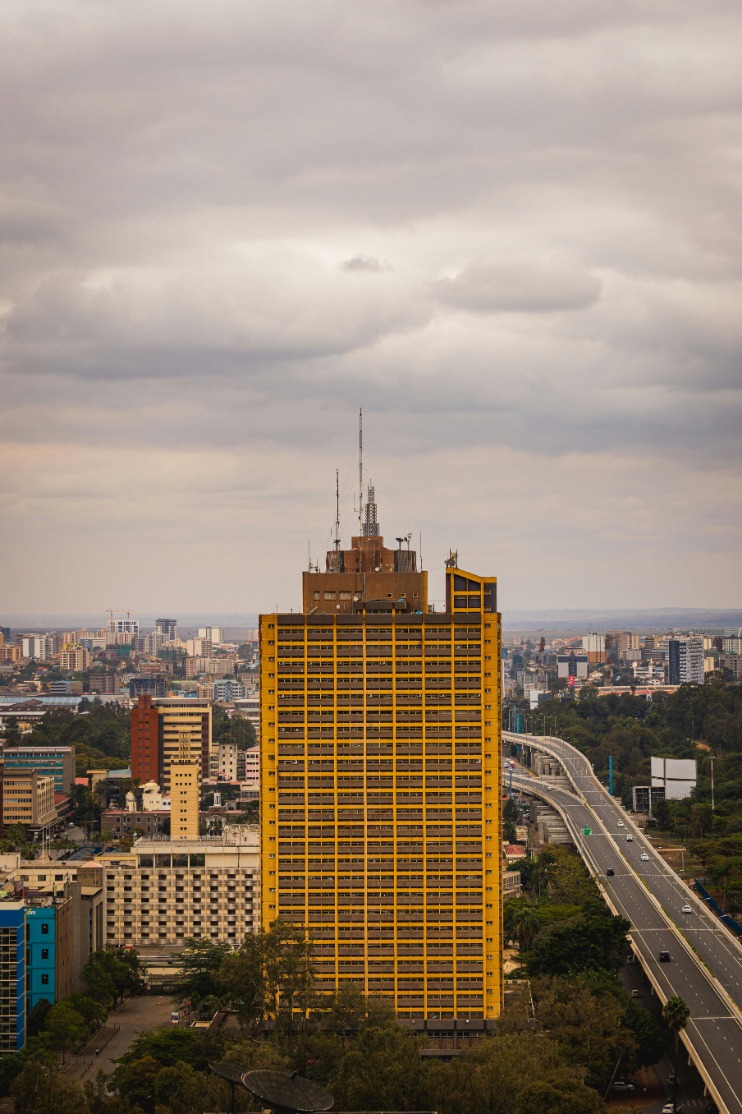
Overview of Nairobi
Nairobi, the bustling capital city of Kenya, serves as the country’s political, economic, and cultural hub. Located in the southeastern part of Africa, Nairobi is known for its vibrant atmosphere, diverse population, and rapid urban development. This dynamic city offers a unique blend of modern skyscrapers, historic sites, and natural attractions, making it a fascinating destination for visitors and a thriving center for businesses and innovation.
Historical Background
Nairobi, the capital city of Kenya, is a vibrant and bustling metropolis known for its diverse culture, economic significance, and scenic landscapes. Situated in the southeastern part of the country, Nairobi serves as the political, financial, and cultural hub of Kenya.
Historically, Nairobi was established in 1899 as a railway depot on the Uganda Railway, which linked British East Africa to the coast. Originally a small trading center, the city grew rapidly during British colonial rule, evolving into a major commercial and administrative town. Its strategic location and development during the colonial period laid the foundation for its current status as an important regional capital and an influential center in East Africa.
Geographical Location
Nairobi is the capital city of Kenya, located in the southeastern part of the country. It is positioned on the highlands of Central Kenya, approximately 1,795 meters (5,889 feet) above sea level. Geographically, Nairobi lies near the eastern edge of the Kenyan Rift Valley, providing it with a strategic and scenic location. The city is bordered by various towns and natural features, making it a vibrant hub for economic, political, and cultural activities in the region. Its central location within Kenya also makes Nairobi a key gateway for international trade and travel, contributing to its status as a major African metropolis.
Demographic Profile
Nairobi, the capital city of Kenya, is a vibrant and bustling metropolitan area that serves as the political, economic, and cultural center of the country. It is known for its diverse population, modern infrastructure, and status as a major hub for commerce and international organizations in East Africa.
The demographic profile of Nairobi highlights a rapidly growing population, estimated to be over 4 million residents. The city exhibits a youthful demographic, with a significant percentage of inhabitants below 30 years of age. Nairobi is characterized by a multicultural society, with people from various ethnic backgrounds including Kikuyu, Luo, Luhya, Kalenjin, and many others, alongside expatriates and international communities. The city’s population density is high, contributing to its vibrant urban life, while also posing challenges related to housing, transportation, and services.
Administrative and Political Structure
Kenya’s capital, Nairobi, is the vibrant political and administrative center of the country. The city’s governance is structured through a combination of national and local government bodies, ensuring effective management and development. The administrative and political framework plays a crucial role in shaping Kenya’s policies, public services, and regional stability, reflecting the nation’s commitment to democracy and effective leadership.
Governance of Nairobi
Nairobi, the capital city of Kenya, has a well-structured administrative and political framework that ensures efficient governance and service delivery. The city is overseen by the Nairobi City County government, which is responsible for local administration, urban planning, and service provision.
The Nairobi City County is led by an elected governor who heads the executive arm of the county government. The governor is supported by a county assembly composed of elected representatives, responsible for legislative functions and policy-making.
This governance structure operates within the broader national framework of Kenya’s government, which is a multiparty democracy. The city also hosts various regional and national government offices, facilitating coordination between different levels of government.
Municipal services such as waste management, water supply, transportation, and urban development are managed by the county government through various departments and agencies. Nairobi’s political leadership and administrative bodies work together to promote development, maintain order, and improve the quality of life for its residents.
Municipal Services
The administrative and political structure of Nairobi, the capital of Kenya, is designed to facilitate effective governance and service delivery. It operates under a county government system, with the Governor as the chief executive responsible for local administration. The city is divided into sub-counties and wards, each managed by elected officials who ensure localized governance. At the national level, Nairobi is governed by the central government, which provides additional oversight and resources.
Municipal services in Nairobi include water supply, waste management, transportation, healthcare, and education. The City County Government manages these services to improve residents’ quality of life, maintain urban infrastructure, and support economic activities. Ongoing efforts focus on enhancing service efficiency, expanding infrastructure, and ensuring sustainable urban development to accommodate the growing population of the capital city.
Economy of Nairobi
Nairobi, the bustling capital of Kenya, is a vibrant economic hub in East Africa. Known for its rapid growth and diverse industries, the city serves as the financial, commercial, and technological center of the country. Its dynamic economy is fueled by a mix of agriculture, manufacturing, services, and technology sectors, making Nairobi a key player in regional development and investment opportunities.
Main Industries
Nairobi, the capital of Kenya, is a vibrant economic hub with diverse industries that drive the country’s growth. It serves as the main center for commerce, finance, and industry in the region.
- Financial Services: Nairobi is home to numerous banks, insurance companies, and the Nairobi Securities Exchange, making it a key financial center in East Africa.
- Information Technology: The city has a rapidly growing tech industry, often called “Silicon Savannah,” with startups and tech giants contributing significantly to the economy.
- Manufacturing: Nairobi hosts various manufacturing industries including textiles, food processing, and consumer goods production.
- Tourism: As a gateway to Kenya’s renowned safari destinations, tourism is vital for the city’s economy, with many hotels, travel agencies, and related services.
- Real Estate and Construction: Urban growth and infrastructure development fuel a booming real estate market in Nairobi.
Commercial Hubs and Markets
Nairobi, the capital city of Kenya, serves as the economic heart of the country, showcasing a vibrant and diverse economy. It hosts a wide range of industries including finance, technology, manufacturing, and tourism, making it a crucial commercial hub in East Africa.
The city is home to numerous commercial centers such as the Nairobi Central Business District, Westlands, and Upper Hill, which accommodate banks, corporate offices, and shopping malls. These areas are vital for business activities and attract both local and international investors.
Nairobi also features a network of bustling markets like Maasai Market, Kariokor Market, and Gikosh Market, where traders sell a variety of goods ranging from fresh produce and textiles to crafts and electronics. These markets play a significant role in the local economy by providing livelihoods for many residents and fostering small-scale entrepreneurship.
The city’s economy is further supported by its position as a regional trade hub, with major transport links and an international airport facilitating trade and commerce across the region and beyond.
Napoleon of Business and Innovation
Nairobi, the vibrant capital of Kenya, stands out as a powerhouse in the economy of East Africa, often referred to as the “Napoleon of Business and Innovation” due to its dynamic entrepreneurial spirit and rapid economic growth. The city serves as the main hub for finance, commerce, and technology within the region, fostering an environment that encourages startups and multinational corporations alike. Its strategic location, advanced infrastructure, and youthful, tech-savvy population contribute to its reputation as a center of innovation. Nairobi’s diverse economy includes sectors such as agriculture, manufacturing, real estate, tourism, and telecommunications, all of which drive its continuous development. The city’s entrepreneurial ecosystem is supported by numerous incubators, accelerators, and investment opportunities that empower local businesses to thrive and compete on the global stage. As a key driver of Kenya’s national prosperity, Nairobi exemplifies resilience and forward-thinking, making it an influential leader in African economic transformation.
Cultural and Social Landmarks
Kenya’s capital, Nairobi, is a vibrant city rich in cultural and social landmarks that showcase its diverse heritage. From historic sites to modern attractions, these landmarks reflect the city’s dynamic history and the unity of its people. Exploring these cultural and social landmarks offers a glimpse into Nairobi’s identity and its significance in Kenyan life.
Museums and Cultural Centers
Nairobi, the capital of Kenya, is a vibrant hub of cultural and social landmarks that showcase the country’s rich heritage. Visitors can explore a variety of museums and cultural centers that highlight the diverse traditions, history, and arts of Kenya. The Nairobi National Museum is a prominent destination featuring exhibits on Kenya’s natural history, archaeology, and cultural artifacts. The Karen Blixen Museum, once the home of the famous author, offers insight into colonial Kenya and its literary connections. The Bomas of Kenya is a cultural center that hosts traditional music, dance performances, and crafts, providing visitors with an immersive experience of indigenous Kenyan cultures. Additionally, the Nyayo House and Kenyatta International Conference Centre serve as important landmarks symbolizing Kenya’s modern development. Together, these sites offer a comprehensive glimpse into Nairobi’s cultural heartbeat and its role as a center of national identity and heritage.
Religious and Historic Sites
Nairobi, the capital of Kenya, is rich in cultural and social landmarks as well as religious and historic sites that reflect the country’s diverse heritage. The National Museum of Kenya offers a deep insight into Kenya’s history, culture, and natural beauty, showcasing archaeological finds, traditional art, and ethnographic exhibits. Nearby, the Kenyatta International Conference Centre stands as an iconic symbol of modern Kenya’s development. For religious sites, Nairobi boasts several important churches, mosques, and temples, such as the All Saints Cathedral and Jamia Mosque, which highlight the country’s religious diversity. Historic sites like the Karen Blixen Museum, once the home of the famous author, and the Railways Museum celebrate Nairobi’s colonial past and its significance in Kenya’s growth. These landmarks serve as vital touchpoints for understanding Kenya’s identity and heritage.”
Festivals and Events
Nairobi, the vibrant capital of Kenya, boasts a rich tapestry of cultural and social landmarks, festivals, and events that reflect its diverse heritage. Visitors and locals alike can explore renowned sites such as the Nairobi National Museum, which showcases Kenya’s history, art, and culture. The David Sheldrick Wildlife Trust offers a unique chance to learn about elephant conservation efforts. Nairobi also hosts lively festivals like the Nairobi International Film Festival and the Lamu Cultural Festival, celebrating local art, music, and traditions. Additionally, events such as the Maasai Mara Wildebeest Migration and various local markets highlight the city’s close ties to Kenya’s natural and cultural heritage. These landmarks and events provide a colorful glimpse into the vibrant social fabric of Nairobi.
Transportation Infrastructure
Transportation infrastructure in Nairobi, the capital of Kenya, plays a vital role in supporting the city’s rapid growth and economic development. Well-developed roads, railways, and public transit systems enable efficient movement of people and goods, essential for both daily life and business operations. As Nairobi continues to expand, investments in transportation infrastructure are crucial to address congestion, improve connectivity, and facilitate sustainable urban development.
Road Network and Traffic
The transportation infrastructure in Nairobi, the capital of Kenya, plays a vital role in supporting the city’s dynamic economy and rapid population growth. The road network in Nairobi comprises a mix of national highways, major arterial roads, and smaller streets that facilitate the movement of people and goods across the city and to surrounding regions. Efforts have been made to improve and expand this network to reduce congestion and enhance connectivity.
Traffic in Nairobi often experiences high volumes, especially during peak hours, leading to frequent jams and delays. This congestion is fueled by factors such as increasing vehicle ownership, limited public transportation options, and ongoing urban development. To address these challenges, the government has initiated projects like road expansions, new bypasses, and the development of rapid transit systems.
The city is also investing in multimodal transportation options, including bus Rapid Transit (BRT) systems and improved rail services, to reduce reliance on personal vehicles. These developments aim to create a more efficient and sustainable transportation network that supports Nairobi’s growth and enhances the mobility of its residents.
Public Transportation Systems
Kenya’s capital, Nairobi, boasts a developing transportation infrastructure that plays a crucial role in facilitating movement within the city and connecting it to other regions. The public transportation system in Nairobi includes matatus (shared minivans), buses, and recently introduced modern rail services, which help accommodate the growing population and address urban mobility challenges. Additionally, the city is working on expanding its road networks and improving transportation facilities to support economic growth and offer residents a more efficient means of transit. Investments in infrastructure development aim to reduce congestion, enhance safety, and promote sustainable transportation options across Nairobi.
Airport Facilities
Kenya’s capital, Nairobi, serves as a major hub for transportation infrastructure and airport facilities in East Africa. The city is strategically located with a well-developed network that connects it to other parts of the country and neighboring nations, facilitating economic growth and regional integration.
- Nairobi’s Jomo Kenyatta International Airport (NBO) is the primary international gateway, offering numerous domestic, regional, and intercontinental flights.
- The airport has modern terminals, cargo facilities, and extensive runways to accommodate high passenger and freight traffic.
- Wilson Airport, located within Nairobi, primarily handles domestic flights and charter services, connecting travelers to rural and regional destinations.
- The city is also developing its transportation infrastructure with improvements in road networks, rail connections, and public transportation systems such as matatus and BRT (Bus Rapid Transit).
- Efforts are underway to upgrade and expand existing facilities to boost capacity, reduce congestion, and support Kenya’s vision of becoming a transportation hub in East Africa.
Educational Institutions
Kenya’s capital city, Nairobi, is renowned for its vibrant educational landscape, hosting a wide range of educational institutions that serve students from across the country and beyond. These institutions include universities, colleges, and private schools that provide quality education across various disciplines. As a hub of learning and innovation, Nairobi plays a crucial role in shaping Kenya’s future leaders and professionals, making it an important center for academic excellence in East Africa.
Main Universities and Colleges
Kenya’s capital, Nairobi, is home to numerous educational institutions that serve as centers of learning and innovation in East Africa. The city hosts some of the country’s main universities and colleges that attract both local and international students.
Main universities in Nairobi include the University of Nairobi, which is Kenya’s oldest and largest university, offering a wide range of undergraduate and postgraduate programs. Strathmore University is renowned for its business, technology, and law programs. Kenyatta University and Mount Kenya University are also prominent institutions providing diverse academic courses across various fields.
In addition to these universities, Nairobi hosts several colleges such as Nairobi Technical Training Institute, Kenya Medical Training College, and Technical University of Kenya, which focus on specialized skills training and technical education. These institutions play a vital role in equipping students with the knowledge and skills needed for Kenya’s development and economic growth.
Research and Innovation Centers
Kenya’s capital, Nairobi, is a hub of educational institutions, research centers, and innovation hubs that play a vital role in the country’s development. The city hosts numerous universities and colleges that provide quality education and produce skilled professionals across various fields.
- University of Nairobi: The oldest and most prominent university, offering a wide range of degree programs and research opportunities across disciplines including science, technology, and humanities.
- Kenya Methodist University: Known for its focus on research and innovation in theology, business, and social sciences.
- Strathmore University: A leading institution excelling in information technology, business, and law, supporting research initiatives and startup incubators.
- Kenya Agricultural & Livestock Research Organization: A key research center dedicated to agricultural innovation, sustainable farming, and livestock management.
- iHub Nairobi: One of Africa’s top innovation and tech hubs, fostering tech startups, entrepreneurship, and collaborative research projects in technology and innovation.
These institutions and centers contribute significantly to Kenya’s progress by advancing research, fostering innovation, and equipping the workforce with vital skills essential for sustainable economic growth in the region.
Urban Development and Challenges
Urban development in Kenya’s capital, Nairobi, is a dynamic process marked by rapid growth and expanding infrastructure. As the city continues to attract people seeking opportunities, it faces numerous challenges such as overcrowding, traffic congestion, inadequate housing, and environmental degradation. Addressing these issues is crucial to creating a sustainable and livable urban environment for its residents.
City Planning and Expansion
Kenya’s capital city, Nairobi, has experienced rapid urban development over the past few decades, driven by economic growth, population increase, and globalization. This growth has brought both opportunities and challenges, impacting city planning and expansion efforts.
- Rapid Population Growth: Nairobi’s population has surged, leading to increased demand for housing, infrastructure, and services. This has resulted in informal settlements and overcrowding in many areas.
- Infrastructure Strain: The expanding city encounters pressures on roads, water supply, sanitation, and electricity. Infrastructure upgrades are essential but often face financial and logistical hurdles.
- Urban Sprawl: Unplanned city expansion has led to urban sprawl, encroaching on agricultural land and natural habitats, which complicates sustainable development efforts.
- Traffic Congestion: Nairobi suffers from severe traffic jams due to inadequate road networks and public transportation systems, affecting productivity and quality of life.
- Environmental Challenges: Urban pollution, waste management issues, and the degradation of green spaces threaten the city’s ecological balance.
- Housing Shortages: The high demand for affordable housing has resulted in a proliferation of informal settlements with limited access to basic services and security.
- City Planning Initiatives: Efforts such as the Nairobi Integrated Urban Development Master Plan aim to address these issues by promoting sustainable growth, improved transportation, and better land use management.
- Implementing vertical expansion through high-rise buildings to optimize limited land space.
- Enhancing public transportation networks like the Nairobi Expressway and commuter rail to reduce congestion.
- Developing satellite towns to distribute population and economic activities more evenly.
- Strengthening policies on land use to curb unplanned expansion and protect environmentally sensitive areas.
- Engaging communities in participatory planning to ensure development meets residents’ needs.
Environmental and Sustainability Issues
Kenya’s capital, Nairobi, faces a multitude of urban development and sustainability challenges as it rapidly expands. The city experiences ongoing pressure to accommodate a growing population, resulting in overpopulated informal settlements and traffic congestion. Urban infrastructure often struggles to keep pace with development demands, leading to inadequate public services and housing shortages. Environmental concerns are prominent, with deforestation, waste management issues, and pollution impacting the city’s resilience. Sustainable development practices are essential to balance economic growth with environmental preservation, ensuring Nairobi remains a livable and thriving metropolis for future generations.
Social Inequality and Housing
Urban development in Nairobi, the capital of Kenya, has experienced rapid growth due to increased migration and economic opportunities. However, this rapid expansion has brought significant challenges, including inadequate infrastructure, traffic congestion, and pollution. Social inequality remains a persistent issue, with affluent neighborhoods contrasted sharply against informal settlements where many residents lack basic services. Housing affordability is a critical concern, leading to overcrowded and substandard living conditions for low-income populations. Addressing these issues requires sustainable planning, improved urban infrastructure, and equitable resource distribution to ensure that growth benefits all residents of Nairobi.




0 Comments