
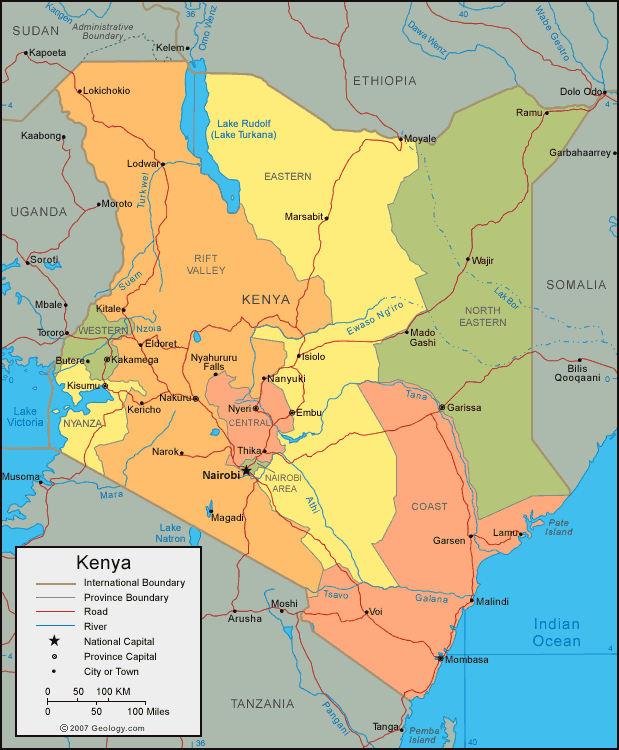
Overview of Kenya’s Economy
Kenya’s economy is one of the most dynamic in East Africa, characterized by a diverse range of industries including agriculture, manufacturing, services, and tourism. Over the years, the country has experienced steady growth driven by infrastructural development, technological innovation, and strategic investments. Despite facing challenges such as political instability and economic inequality, Kenya continues to demonstrate resilience and potential for sustained economic progress.
Historical Economic Development
Kenya’s economy is one of the largest and most diversified in East Africa, characterized by a mix of agriculture, manufacturing, services, and tourism sectors. Over the years, it has experienced significant growth driven by rapid urbanization, technological advancements, and infrastructural development. Historically, Kenya’s economic development can be traced back to its colonial era, when agriculture, especially tea and coffee exports, played a central role. Post-independence, the country faced challenges such as political instability and economic fluctuations, but it gradually shifted towards a more services-oriented economy, with telecommunications, banking, and tourism emerging as key sectors. In recent decades, economic reforms, investments in infrastructure, and an expanding middle class have contributed to steady growth, positioning Kenya as an important economic hub in the region. Nonetheless, the economy continues to face challenges like inequality, unemployment, and vulnerability to external shocks.
Current Economic Status
Kenya’s economy is one of the most dynamic in East Africa, characterized by diverse sectors including agriculture, manufacturing, services, and tourism. It has experienced steady growth over the past decade, driven by investments in infrastructure, mobile technology, and a growing middle class.
Currently, Kenya’s economic status faces both opportunities and challenges. The country continues to recover from the impacts of global economic fluctuations, inflation, and droughts that affect agricultural productivity. Despite these hurdles, Kenya maintains a relatively stable macroeconomic environment with a growing gross domestic product and increasing foreign direct investment.
Efforts towards economic diversification, improved infrastructure, and technological innovation aim to enhance resilience and sustainability. However, issues such as income inequality, unemployment, and external debt remain pressing concerns that could influence future economic stability and growth prospects.
Main Sectors of the Economy
The economy of Kenya is diversified and comprises several main sectors that drive its growth and development. These sectors include agriculture, industry, and services, each playing a vital role in shaping the country’s economic landscape. Understanding these sectors provides insight into Kenya’s economic strengths and areas for future expansion.
Foreign Investment and Trade
Foreign investment and trade play a vital role in the economic development of Kenya. As the country continues to grow, attracting international investors and expanding its trading partnerships are key strategies to boost economic stability and create employment opportunities. These activities help Kenya access new markets, acquire advanced technology, and enhance its infrastructure, contributing to a more prosperous future.
Major Trading Partners
Kenya’s economy significantly benefits from foreign investment and active participation in international trade. The country has attracted investments in sectors such as telecommunications, manufacturing, and infrastructure, contributing to economic growth and development. Its strategic location in East Africa makes it a vital trade hub, facilitating the movement of goods within the region and beyond.
Kenya’s major trading partners include China, which is a leading source of imports, particularly machinery, electronics, and manufacturing goods. The United States is also a key partner, mainly through exports such as coffee, tea, and artisans’ products. Additionally, the European Union countries, notably the United Kingdom and Germany, play a crucial role in Kenya’s trade landscape. Regional partners within East Africa, including Uganda and Tanzania, are essential for intra-African trade, fostering economic integration and cooperation.
Trade Policies and Agreements
Kenya’s economy has experienced significant growth driven by foreign investment and expanding trade activities. The country actively seeks to attract international investors through favorable trade policies and economic reforms, aiming to enhance its competitiveness in the global market. Kenya’s participation in various trade agreements, including the East African Community (EAC) and the African Continental Free Trade Area (AfCFTA), facilitates easier access to regional and continental markets, promoting economic integration. These policies and agreements help to diversify Kenya’s exports, increase foreign direct investment, and support sustainable development initiatives across the nation.
Foreign Direct Investment Trends
Foreign investment and trade play a crucial role in Kenya’s economic development, fostering growth, creating jobs, and enhancing technological advancement. As an emerging economy, Kenya has attracted significant foreign direct investment (FDI) across sectors such as agriculture, manufacturing, telecommunications, and infrastructure. Over recent years, Kenya has experienced a steady increase in FDI inflows, driven by its strategic location, abundance of natural resources, and ongoing reforms aimed at improving the ease of doing business. Additionally, regional trade relations, especially within the East African Community, have expanded, positioning Kenya as a key trade hub in East Africa. The government’s efforts to promote economic stability, enhance infrastructure, and implement business-friendly policies continue to attract foreign investors, fueling sustainable growth and integration into the global economy.
Infrastructure and Development
Infrastructure and development are crucial components for the economic growth of Kenya. They lay the foundation for improved connectivity, enhanced productivity, and increased investment opportunities. A well-developed infrastructure not only supports local businesses but also attracts international partners, fostering sustainable development across the nation. As Kenya continues to evolve, focusing on strengthening its infrastructure remains vital to unlocking its full economic potential.
Transport Infrastructure
Transport infrastructure plays a vital role in the economic development of Kenya by facilitating trade, improving accessibility, and attracting investment. Over the years, the country has invested in expanding and modernizing its roads, railways, ports, and airports to enhance connectivity both domestically and internationally.
Kenya’s Standard Gauge Railway (SGR) is a flagship project that has significantly improved freight and passenger movement between Nairobi and Mombasa, reducing transit time and transportation costs. The development of the Mombasa Port, one of Africa’s busiest ports, has also boosted the country’s role in regional trade and logistics.
Moreover, ongoing infrastructure projects aim to upgrade rural roads, expand urban transportation systems, and develop new port facilities, all contributing to economic growth and regional integration. Improved transport infrastructure not only enhances market access for goods and services but also creates job opportunities and stimulates local economies.
Overall, the focus on developing robust transport infrastructure is crucial for Kenya’s ambitions to become a regional commercial hub, fostering sustainable economic growth and development across the nation.
Energy Sector Development
Infrastructure and development, particularly in the energy sector, are fundamental to Kenya’s economic growth and sustainable development. The country has invested significantly in expanding its energy infrastructure to diversify sources of power, reduce costs, and enhance reliability. Projects such as geothermal plants, wind farms, and solar power installations have resulted in increased electricity generation capacity, fostering industrial growth and improving access to power for households and businesses. Additionally, upgrades to transportation networks, including roads and railways, have facilitated easier movement of goods and people, boosting trade and economic integration. These advancements in infrastructure and energy not only create employment opportunities but also attract foreign investment, positioning Kenya as a regional hub for commerce and innovation. Continued focus on sustainable and renewable energy sources aligns with Kenya’s long-term development goals, ensuring energy security and environmental conservation. Overall, infrastructure development remains a key driver of Kenya’s economic progress, enabling the country to achieve broader growth objectives and improve the quality of life for its citizens.
Urban Development Projects
Infrastructure and development play a crucial role in shaping the economic growth of Kenya. The country has invested heavily in urban development projects aimed at improving transportation, housing, and public utilities. These initiatives facilitate better connectivity and create an enabling environment for business expansion and investment. Major urban development projects, including the expansion of Nairobi’s road networks, construction of modern housing estates, and development of Special Economic Zones, have significantly contributed to economic growth. Additionally, infrastructure enhancement in ports and airports has boosted trade and regional integration. Such projects not only improve living standards but also attract foreign direct investment, fostering sustainable economic development across Kenya.
Economic Challenges
Kenya faces a range of economic challenges that impact its growth and development. From inflationary pressures to high unemployment rates, the country’s economy is navigating complex issues. These challenges hinder progress and require strategic solutions to promote sustainable prosperity for its citizens.
Unemployment and Poverty
Kenya faces significant economic challenges that impact its development and the well-being of its citizens. Unemployment remains a major concern, particularly among youth, limiting their opportunities for growth and contributing to social instability. Poverty is widespread, with many families struggling to meet basic needs such as food, healthcare, and education. These issues are often driven by factors like inadequate infrastructure, limited access to quality education, and fluctuating agricultural productivity. Addressing these economic challenges requires comprehensive strategies focusing on job creation, improving education systems, and enhancing social safety nets to uplift vulnerable populations and foster sustainable growth in Kenya.
Inflation and Currency Stability
Kenya faces several economic challenges that impact its overall growth and stability. Inflation remains a significant concern, often driven by fluctuations in food and fuel prices, which directly affects the cost of living for ordinary citizens. Maintaining currency stability is crucial for attracting foreign investment and ensuring smooth trade operations, yet it is often threatened by external shocks and fiscal deficits. The government continues to implement policies aimed at controlling inflation and strengthening the national currency, but external factors such as global market trends and geopolitical developments also play a critical role. Addressing these issues requires a balanced approach that promotes sustainable economic growth while safeguarding financial stability.
Corruption and Governance Issues
Kenya faces significant economic challenges that hinder sustainable growth and development. Issues such as high unemployment rates, inflation, and a large informal sector impact its economic stability. Corruption remains a pervasive problem, undermining public trust and diverting resources away from essential services and infrastructure. Governance issues, including weak institutions and lack of transparency, further exacerbate these difficulties, making it harder to implement effective policies. Addressing these interconnected problems is crucial for Kenya to realize its full economic potential and promote equitable development across the nation.
Economic Outlook and Future Prospects
The economic outlook and future prospects of Kenya are shaped by a dynamic mix of emerging opportunities and ongoing challenges. As the country continues to develop its key sectors such as agriculture, technology, and tourism, it strives to enhance stability and growth. With a strategic focus on innovation and infrastructural improvements, Kenya is positioning itself for a more prosperous future on the regional and international stage.
Policy Reforms and Government Initiatives
The economic outlook for Kenya remains cautiously optimistic as the country continues to leverage its strategic position, diversified economy, and continued investments in infrastructure. With ongoing reforms and government initiatives aimed at strengthening sectors such as agriculture, manufacturing, and services, Kenya is poised for sustainable growth in the coming years.
Future prospects are promising, supported by increasing foreign direct investment, technological advancements, and a young, dynamic workforce. Efforts to enhance financial inclusion and promote innovation are expected to further stimulate economic activity and improve living standards.

Policy reforms implemented recently focus on improving ease of doing business, reducing corruption, and streamlining regulatory frameworks. The government has also prioritized infrastructural development, digital transformation, and renewable energy projects to boost productivity and create employment opportunities. These initiatives are integral to Kenya’s vision of becoming a middle-income country by 2030.
Emerging Sectors and Innovation
Kenya’s economic outlook remains promising, driven by a burgeoning technology sector, improved infrastructure, and a strategic geographic location. The country is increasingly positioning itself as a regional hub for trade and innovation, which bodes well for sustained growth in the coming years.
Emerging sectors such as renewable energy, digital finance, and agritech are playing a pivotal role in shaping Kenya’s economic future. The expansion of mobile banking and fintech companies has revolutionized financial inclusion, while investments in solar and wind energy are contributing to sustainable development goals.
Innovation continues to be a cornerstone of Kenya’s economic prospects, with a vibrant startup ecosystem fostering entrepreneurship and technological advancements. Government initiatives, coupled with public-private partnerships, are encouraging research and development, positioning Kenya as a leader in Africa’s innovation landscape. These developments are expected to create new employment opportunities and attract foreign investment, further fueling economic growth.
Regional and Global Economic Integration
The economic outlook for Kenya remains cautiously optimistic, driven by ongoing efforts to diversify its economy and improve infrastructure. As the government continues to prioritize sectors such as agriculture, manufacturing, and technology, there is potential for sustained growth and increased employment opportunities. However, challenges such as inflation, political stability, and global economic fluctuations could impact overall prospects in the near term.
Future prospects for Kenya are promising, particularly with advancements in innovation and adoption of digital technologies that can enhance productivity and access to markets. The shift towards a green economy and investments in renewable energy also present opportunities for sustainable development. Strategic policies aimed at improving education, healthcare, and infrastructure will be critical for realizing Kenya’s long-term economic goals.
Regional and global economic integration plays a vital role in Kenya’s economic trajectory. As a member of regional organizations like the East African Community and the Common Market for Eastern and Southern Africa, Kenya benefits from improved trade relations and a larger market for goods and services. Enhanced regional connectivity and cooperation will facilitate the flow of investments, technology, and talent. On a global scale, Kenya’s engagement with international trade partners and participation in global supply chains will be essential for expanding export markets and attracting foreign direct investment, thereby strengthening its economic resilience and growth prospects.




0 Comments